
REVIEW · HANOI
Ha Noi: Traditional Knife Making in Blacksmith Village
Book on GetYourGuide →Operated by Phu Quoc Green Travel · Bookable on GetYourGuide
If you like hands-on travel, this one fits. You’ll make a real knife using traditional forging steps in Da Sy, a village tied to Hanoi’s metalworking past.
You get to hammer and shape red-hot iron, not just watch. I also like that the goal is practical: you leave with a usable knife you can bring home, plus the basics of how it’s made.
The main thing to consider is the heat and sparks. You’ll be in a working craft setting, so you’ll need the right clothes and you should plan for a hands-on, slightly dusty, very physical experience.
In This Review
- Key points worth knowing before you book
- Da Sy’s blacksmith village: from wartime weapons to farm tools
- What you’ll actually make (and why that matters for value)
- The 2.5-hour workshop: a practical walk through the forging process
- Safety, clothing, and the real-world issues of taking a knife home
- Why the small-group feel helps you learn (not just pose)
- Where it fits in your Hanoi days (and who will enjoy it most)
- Price and value: what $66 really buys you
- Logistics you should handle before you arrive
- Should you book the knife-making class? My honest take
- FAQ
- How long is the knife-making workshop?
- What is included in the price?
- Do I need to bring anything for the class?
- Is hotel pickup included?
- Are luggage or large bags allowed?
- Can I bring the knife home with me?
- Is this experience suitable for wheelchair users?
Key points worth knowing before you book
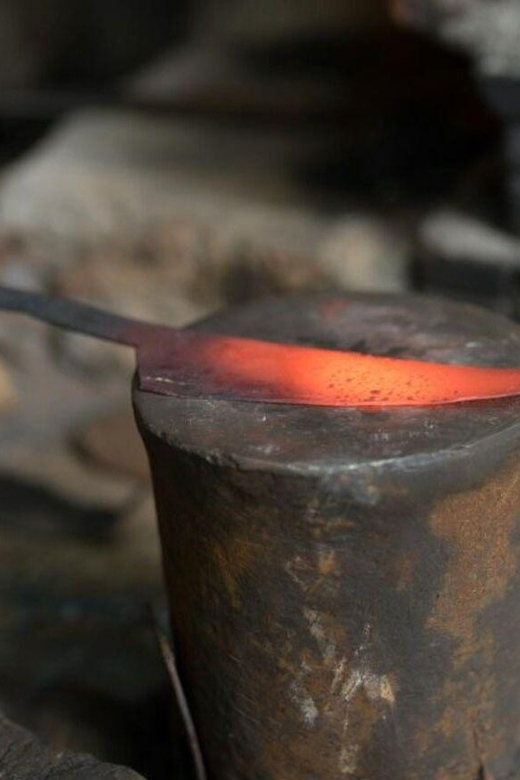
- Da Sy village makes the knife link to Vietnam’s wartime metal work, then shifts to tools for farm life after peace
- You go through the full cycle for a simple knife: rough shaping, fire time, hammering, tempering, and sharpening
- You take the knife home as a one-of-a-kind product you made yourself
- Safety gear is part of the workshop (mask/eye protection), but you still need long sleeves and pants
- It’s not for wheelchair users or mobility-limited guests, since the setting is a working village environment
Da Sy’s blacksmith village: from wartime weapons to farm tools
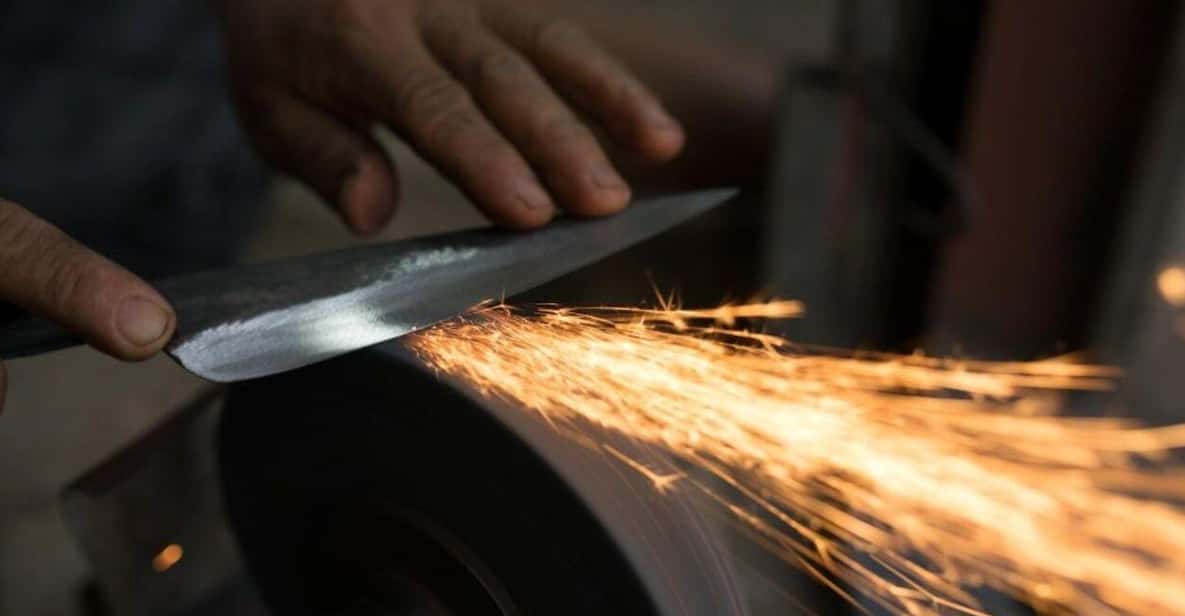
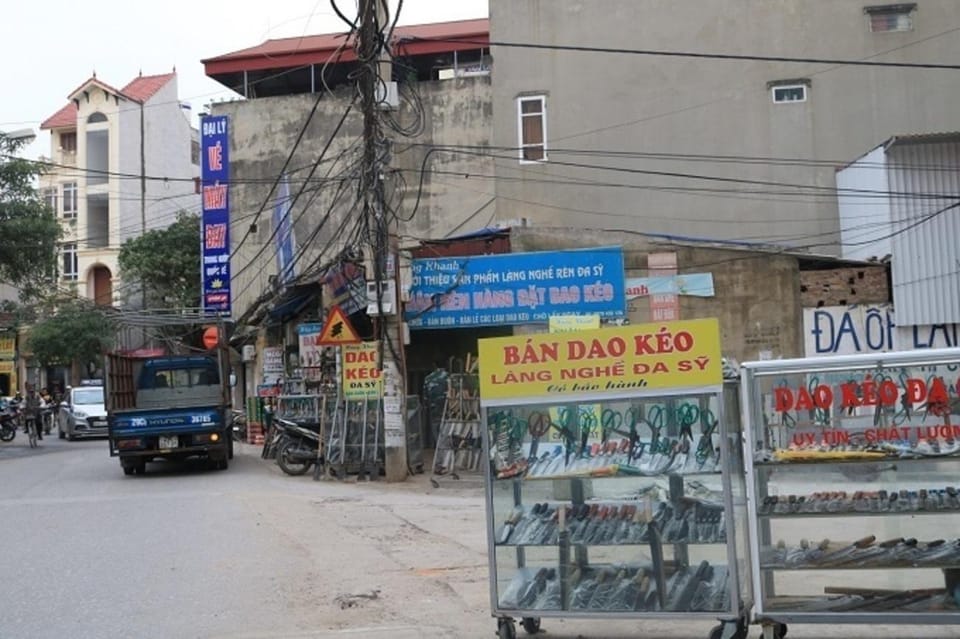
This workshop centers on Da Sy, a long-running forging village in Hanoi’s Dong Bac area, specifically in Kien Hung Commune, Ha Dong Town. The story you’re taught here isn’t just “old craft for tourists.” It explains why the village mattered.
During Vietnam’s wars, Da Sy was a key source of weapons support for the military. When peace returned about 40 years ago, the work shifted. Instead of forging weapons, the same skill set turned toward everyday needs like ploughs, rakes, machinery parts, and kitchen implements.
That change is one of the most useful parts of the experience for you, because it gives context to what you’re seeing with your own eyes. When you’re standing near the fire and handling hot metal tools, the village history stops being a speech and starts being real.
And it’s a nice counterpoint to the usual Hanoi routine. If you’ve been doing temples, lakes, and street food stops, this is a different angle: craft, technique, and process.
You can also read our reviews of more tours and experiences in Hanoi.



What you’ll actually make (and why that matters for value)
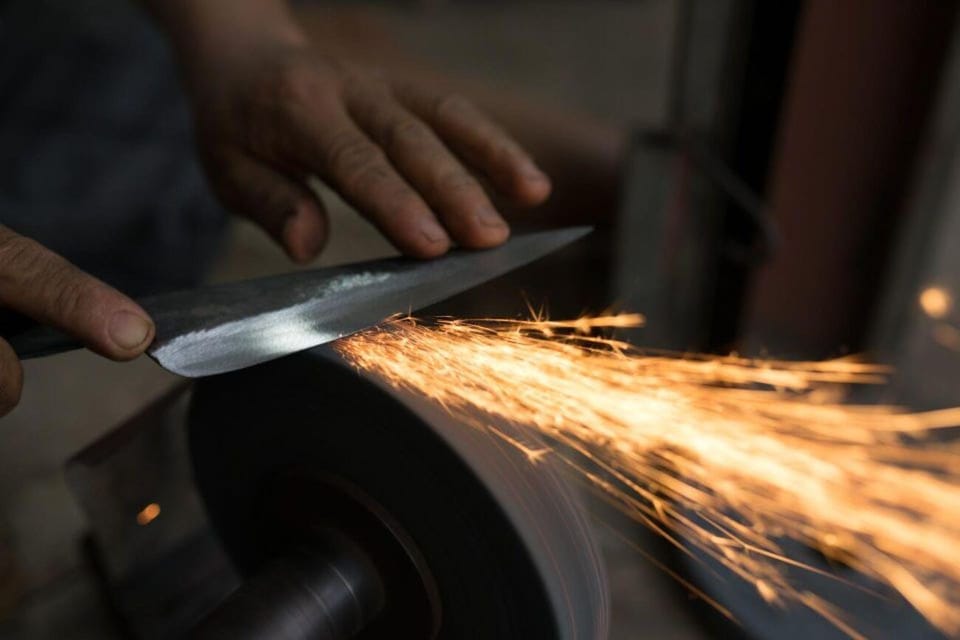
This isn’t a “souvenir only” class. You forge a simple knife through the main stages of handmade work. By the end, the knife is yours to take home, and it’s meant to be used.
That sounds simple, but for value it’s big. A lot of workshops give you a decorative item that looks fine on a shelf. Here, the focus is on the forging workflow—especially steps that affect metal strength and the final edge. You’ll also learn basic techniques of handmade forging that are traditional, even though modern blacksmiths may use machines today.
Also, the knife is one-of-a-kind. Even when the process is shared, your hammering and shaping will leave small differences. That matters when you’re bringing the knife back: it’s not just ownership, it’s pride.
The 2.5-hour workshop: a practical walk through the forging process
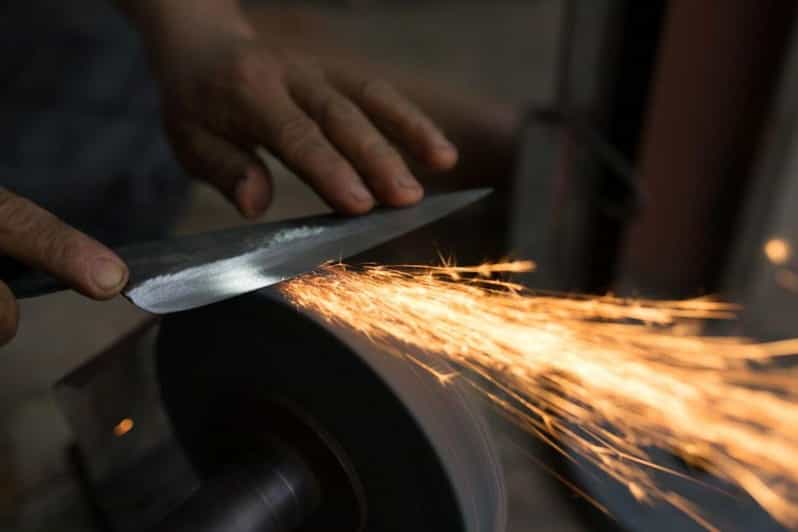
You’ll plan on about 2.5 hours on-site. Start times can vary, and you’ll want to reserve and pick a time that fits your day.
When you arrive, expect a working craft atmosphere. You’ll use the tools and materials provided, and you’ll have an English-speaking facilitator guiding you through each phase. Even if you’ve never held a hammer, you’re not left on your own. The class is built around going step by step through how a simple knife is made.
Here’s the flow of what you go through:
1) Making the rough draft (early shaping)
You start by shaping the basic form. This is where the work is still flexible enough for hand adjustment. You learn how metal behaves while you’re still building the shape, not just refining it.
2) Keeping the fire going (and why it’s harder than it looks)
Fire is the engine of the whole craft. Keeping it burning properly is part of the process, and it teaches a lesson that’s easy to miss if you only watch from the sidelines: timing matters. You don’t just “heat metal.” You need the right heat at the right moment.
3) Hammering red-hot iron into shape
This is the core action. You’ll hit red-hot iron with hammers to create the knife’s form. This is where sparks and heat come in, so the clothing rules matter. Long sleeves and long pants aren’t optional if you don’t want to risk burns from flying bits.
4) Tempering (strengthening with water)
After shaping, tempering is where the knife’s metal properties improve. You’ll learn the basic idea behind tempering: strengthening the metal by using water at the right stage. This step is part education and part quality control.
5) Sharpening the final product
Finally, you bring the blade to a usable state. Sharpening is what turns the crafted shape into something you can actually use back home.
By the end, you’ve seen the full chain of work—from heat and hammering to tempering and sharpening. That’s what makes this worth more than a quick “try your hand” photo op.
Safety, clothing, and the real-world issues of taking a knife home
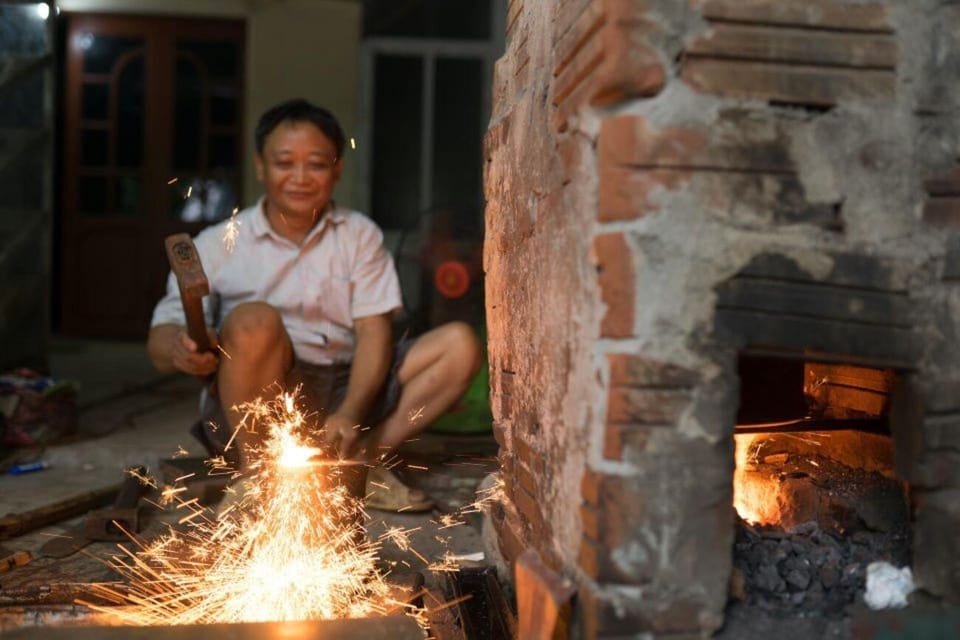
Let’s talk about the stuff that can ruin a good day if you don’t plan. Your workshop includes key safety items: a mask and eye protection accessories, plus the tools, equipment, and materials. But you still need to show up ready.
Bring:
- Comfortable shoes
- A long-sleeved shirt
- Long pants
Long sleeves and pants are especially important because of sparks. This is a craft where hot bits can fly. If you show up in shorts or short sleeves, you’ll likely feel uncomfortable and you risk getting hit by something small but hot.
Also, luggage rules matter. You’re not allowed luggage or large bags. And after class, you need a plan for transporting your knife home. The workshop notes you should have check-in luggage to carry your knife.
A separate knife cover isn’t included. So if you care about protecting the blade and keeping things tidy during transport, you’ll want to think ahead on how you’ll cover it.
One more practical tip: wear clothes you don’t mind getting a little “workshop dust” on them. This is not a museum experience.
Why the small-group feel helps you learn (not just pose)
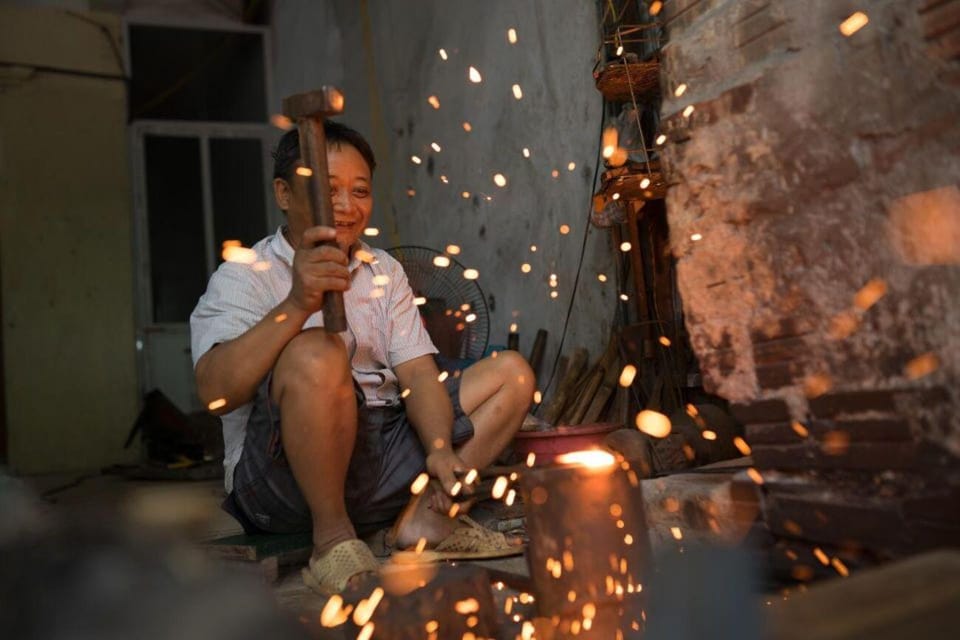
This is a small workshop in a working village. That changes the vibe. You’re not stuck in a crowd line, and you’re not rushed through a set of moves that don’t sink in.
The class is designed so you get enough hands-on involvement to feel like you did real work. At the same time, it doesn’t throw you into dangerous tasks without guidance. You get a safe structure: you learn what the steps are, why they matter, and how the process moves from one stage to the next.
I also appreciate how the experience is framed as community craft, not just entertainment. The welcome is described as excellent and kind, and it shows in the tone: you’re treated like a participant, not a customer who should only keep snapping photos.



Where it fits in your Hanoi days (and who will enjoy it most)
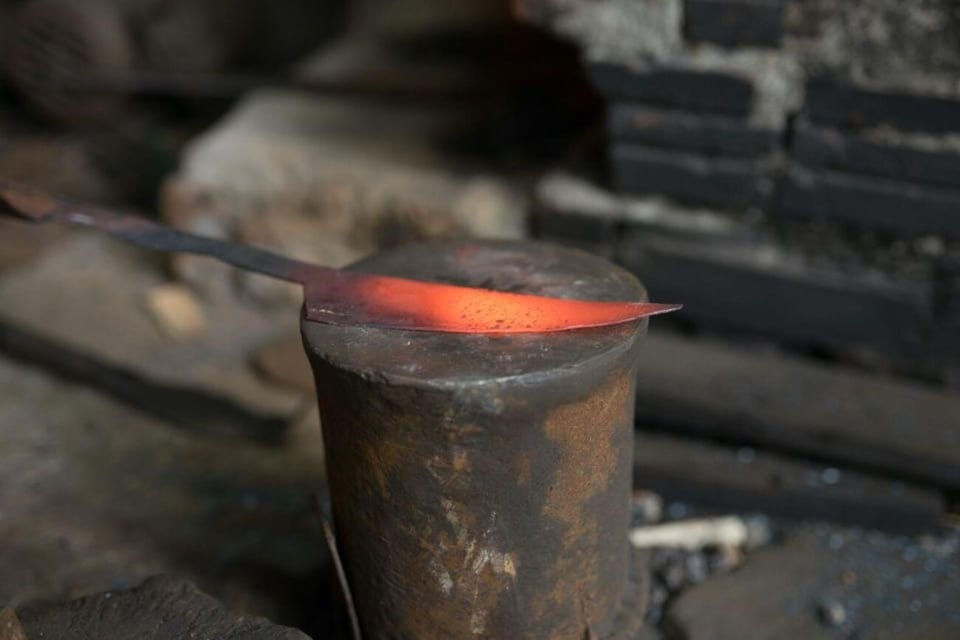
Hanoi can be a lot of walking, scooters, and tight streets. This workshop gives you a different rhythm. Instead of chasing views, you’re focusing on one thing: heat, metal, and technique. That makes it a great break from “checklist tourism.”
It also helps if you like practical skills. If you’ve ever taken a cooking class or a hands-on workshop abroad and enjoyed the feeling of making something yourself, you’ll likely click with this.
This is a strong choice for:
- Curious travelers who want more than sightseeing
- People who like crafts and tools
- Anyone who wants a story that’s easier to explain than another photo
It’s not a great fit if you have mobility impairments. The activity is not suitable for people with mobility impairments, and it’s not for wheelchair users. The village environment and the process itself don’t line up well with accessibility needs.
Price and value: what $66 really buys you
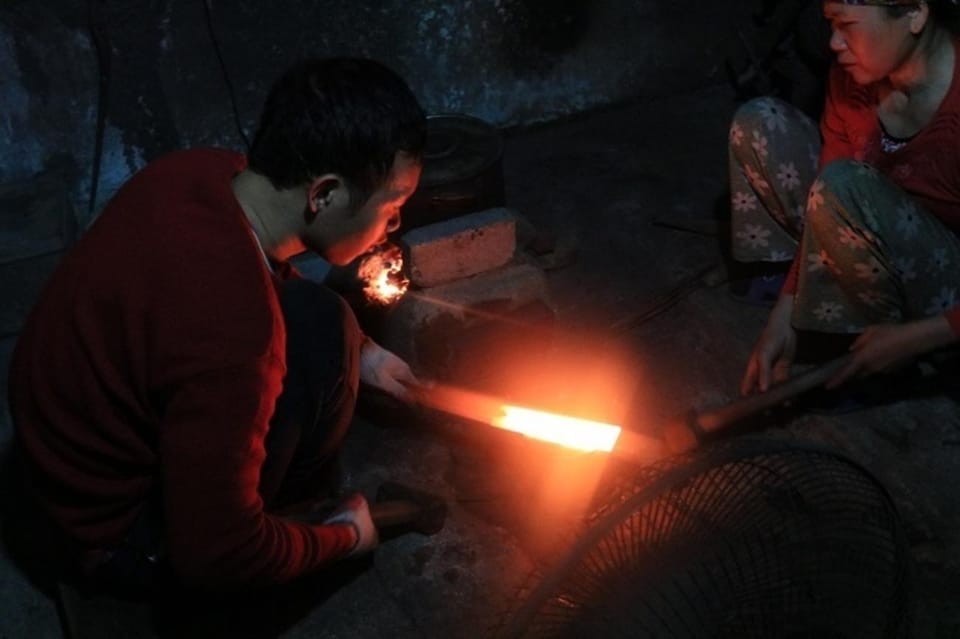
At $66 per person, this isn’t the cheapest thing in Hanoi. But it also isn’t a “watch only” activity.
Here’s what’s included:
- All equipment, tools, and materials necessary
- A knife to take home with you
- English-speaking facilitator
- Light refreshments
- Mask and eye protection accessories
What you don’t get:
- Hotel transfer service
- Other personal expenses
- Knife cover
So the value question comes down to this: you’re paying for equipment-free participation, instruction, and a finished product you make yourself. Plus you get the full forging sequence for a simple knife, not just one quick step.
If you’re the type who likes to spend a bit more for an experience that creates a real keepsake with meaning, this makes sense. If you’re price-sensitive and mainly want photos, you might choose a cheaper Hanoi option.
For most people, though, the cost feels fair because you’re walking away with something tangible, usable, and personal.
Logistics you should handle before you arrive
This workshop meets at the meeting point, and you’re told to arrive about 5 minutes in advance. You should also provide a WhatsApp number for easy contact.
Timings can be flexible. You’ll want to request your preferred date and time message-style before you lock it in, since the session start times vary.
Duration is 2.5 hours, and the activity ends back at the meeting point. If you’re building the rest of your day, plan around that window so you’re not rushing off right after.
Also note the rules about what not to bring: no luggage or large bags. That means you should travel light on the day you do this.
Should you book the knife-making class? My honest take
I think you should book this if you want Hanoi that feels real. Not “real” in the marketing sense—real in your hands sense. Forging is messy, physical, and focused, and that makes it memorable in a way lectures never do.
You’ll likely walk away with:
- A knife you helped make
- A clearer sense of how traditional metalworking works
- A story you can explain without sounding like you followed a script
Skip it if you hate heat and sparks, or if your mobility needs make a working village environment tough. And if your plan is to travel with only carry-on luggage, you should think carefully because the workshop advises check-in luggage for the knife.
If you’re comfortable with basic safety rules and you want one hands-on craft day in Hanoi, this is a solid bet.
FAQ
How long is the knife-making workshop?
It lasts about 2.5 hours.
What is included in the price?
You get all equipment, tools, and materials, an English-speaking facilitator, light refreshments, mask and eye protection accessories, and a knife you take home.
Do I need to bring anything for the class?
Yes. Wear comfortable shoes, a long-sleeved shirt, and long pants.
Is hotel pickup included?
No, hotel transfer service is not included.
Are luggage or large bags allowed?
No. Luggage or large bags are not allowed during the activity.
Can I bring the knife home with me?
You should have check-in luggage to carry your knife home. A knife cover is not included.
Is this experience suitable for wheelchair users?
No. It is not suitable for wheelchair users and not suitable for people with mobility impairments.
If you want, tell me your travel dates and whether you’ll have check-in luggage, and I’ll help you pick a best time block for the 2.5 hours.