REVIEW · HIKING & TREKKING
Private Hoang Lien National Park & Tribal Village Trek
Book on GetYourGuide →Operated by Sapa Unique Tour - Viet Sapa Travel · Bookable on GetYourGuide
Fog, waterfalls, and village life in one trek. This private 5-hour outing strings together Hoang Lien National Park trails, Muong Hoa Valley views, and time with Black Hmong people. I love the quiet dirt trail that’s built for walking without the constant press of tour groups.
Your main thing to plan for: mist and low waterfall flow can affect what you see from the passes and terraces. Still, the structure is smart, with stops that help you understand the area before you start hiking.
I also like how the day is guided in plain, practical English—people such as Pang and Fam are known for clear explanations and adjusting the pace when someone needs it. And the 12:30 picnic lunch isn’t an afterthought; it’s served at a wilderness spot that makes the effort feel worth it.
In This Review
- Key highlights you’ll feel on this trek
- Waterfall stops and Tram Ton Pass: how the day sets you up
- The 10km bamboo-forest trek: what it feels like in the real world
- Sin Chai and the Black Hmong village: culture you can ask about
- Picnic lunch at 12:30 PM: the break that makes the trek worth it
- Pace, clothing, and weather: what you should bring for November–March
- Price and value at $75: what’s included, what costs extra
- Who should book this trek (and who might want a different plan)
- Should you book the Private Hoang Lien & Tribal Village Trek?
- FAQ
- What time does the trek start and end?
- How long is the hiking portion?
- Where do we go on the day before the hike?
- Where is lunch provided?
- Do you visit Sin Chai and the Black Hmong village?
- What’s included in the $75 per person price?
- What should I bring for the trek?
Key highlights you’ll feel on this trek
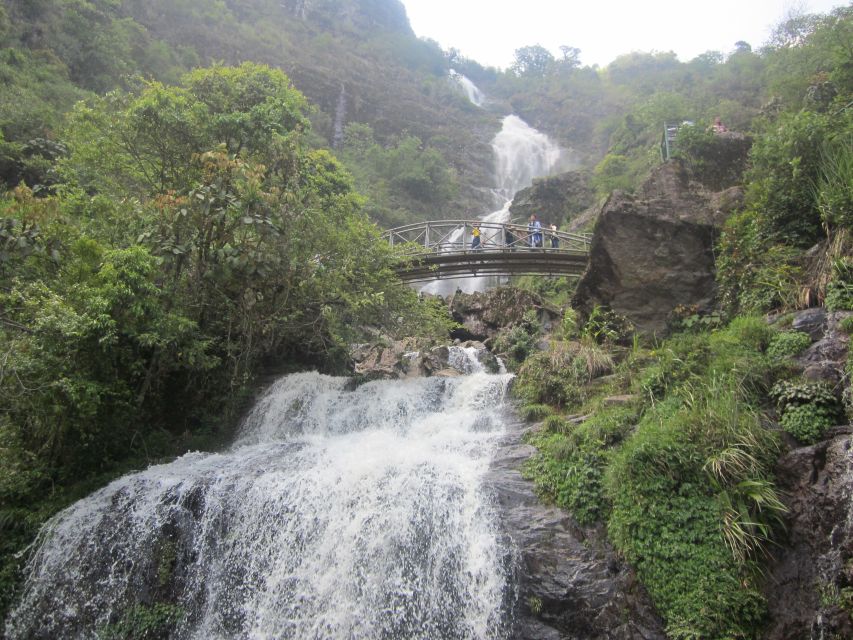
- Waterfall warm-up: Silver Waterfall, Love Waterfall, and Tram Ton Pass set the tone early
- O Quy Ho Pass start: you begin the hike from a dramatic high point
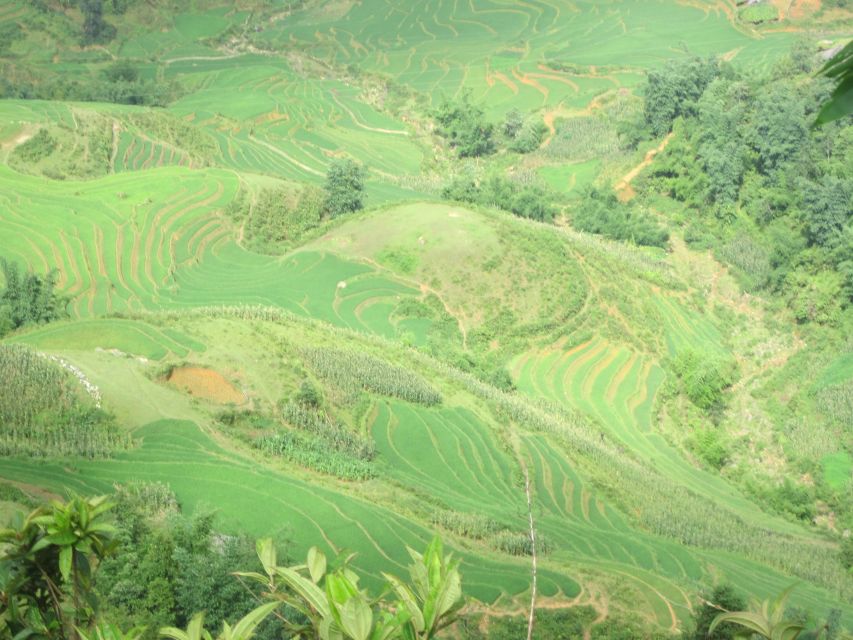
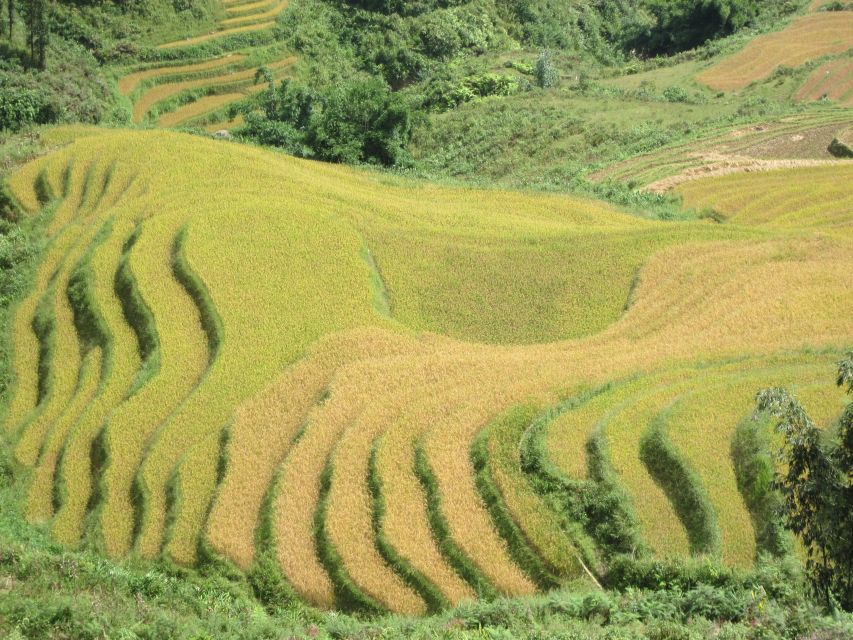
- 10km bamboo-forest hike: a dirt trail with classic views over rice paddies
- Community-based Sin Chai stop: you get context before you visit homes
- Black Hmong village house visits: learn customs and handicraft skills face-to-face
- Picnic lunch in the wild: a real break around mid-day, not a quick grab-and-go
Waterfall stops and Tram Ton Pass: how the day sets you up
The day starts with pickup at your hotel in Sapa Town at 9:00 AM, then a drive (about 30 minutes) to the first sightseeing points. This part matters more than it sounds. You’re not just ticking off landmarks—you’re getting orientation for what you’ll see once you’re out on foot.
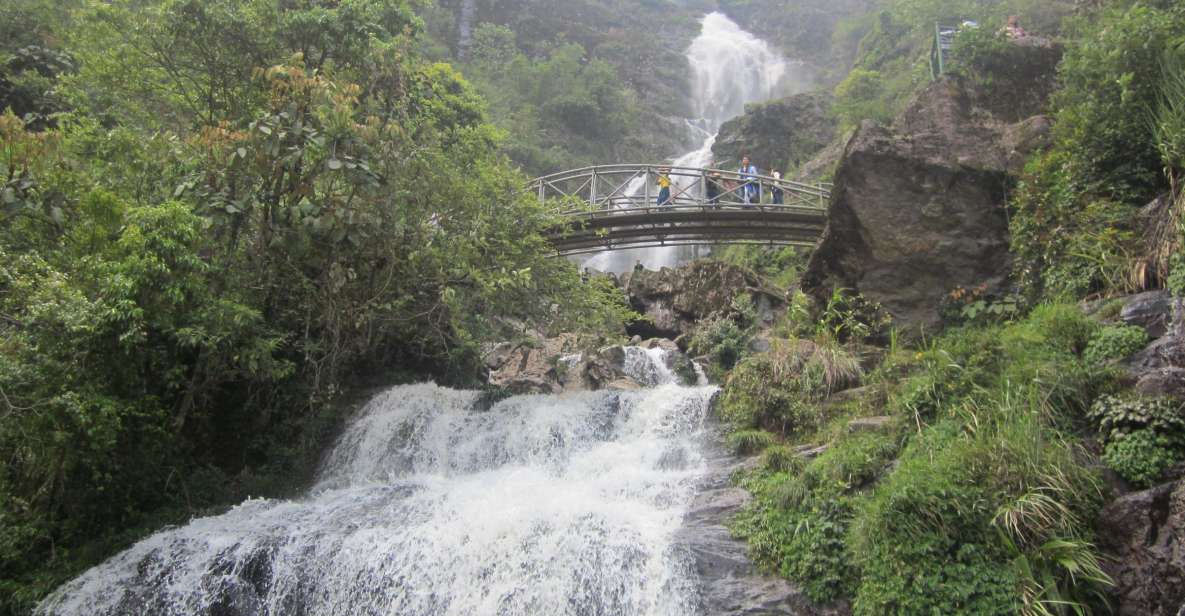
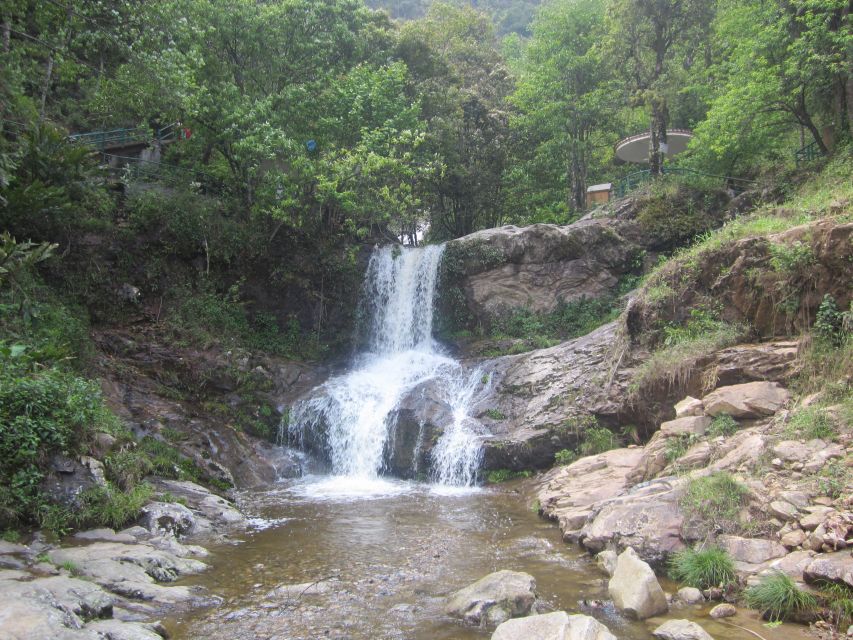
First come the Silver Waterfall and Love Waterfall. Waterfall country in northern Vietnam can be dramatic when conditions are right, but your guide will usually set expectations for how much water you’ll actually see on the day. Even if the flow is lower than the photos, it’s still a good introduction: waterfalls mean steep terrain, fast weather shifts, and a landscape shaped by monsoon seasons.
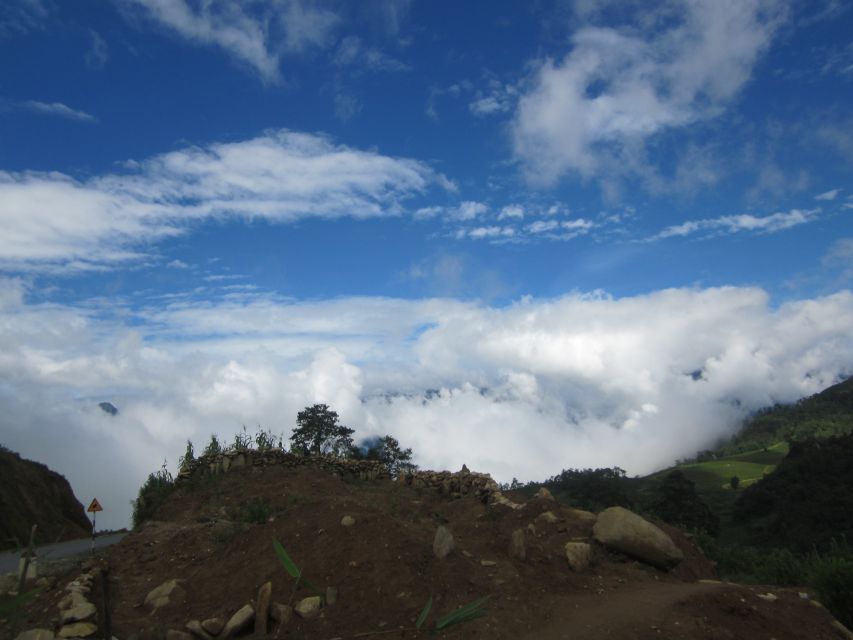
Next, you head to Tram Ton Pass. Passes in this region are practical viewpoints. They give you a sense of the vertical scale—how quickly the terrain drops into valleys and how villages sit along the slopes. That background helps the hike make sense, especially once you reach the bamboo section.
Then the transfer pushes on toward O Quy Ho Pass, where the trek begins. Think of it like this: the car portion gets you to the right elevation, and the hike portion lets you actually experience the ground-level reality.
You can also read our reviews of more private tours in Sa Pa
The 10km bamboo-forest trek: what it feels like in the real world
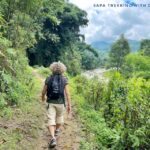
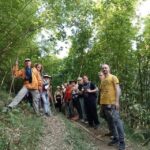
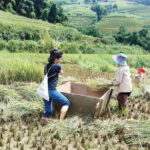
Once you start walking, you’re on a 10km dirt trail through the bamboo forest of Hoang Lien National Park. This is the heart of the tour. The dirt trail and forest cover mean you’ll feel the hike more than you’d on a paved viewpoint walk. Expect a steady moving day, not a slow stroll.
The bamboo corridor is often cooler and quieter. It also changes the soundscape—less wind and fewer distractions, more bird noise and footsteps on the path. That’s why this route is a good match for people who want walking time, not constant standing.
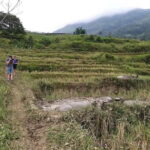
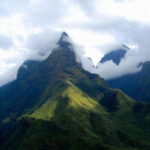
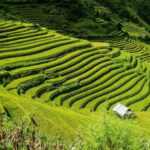
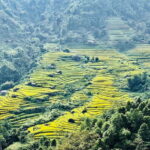
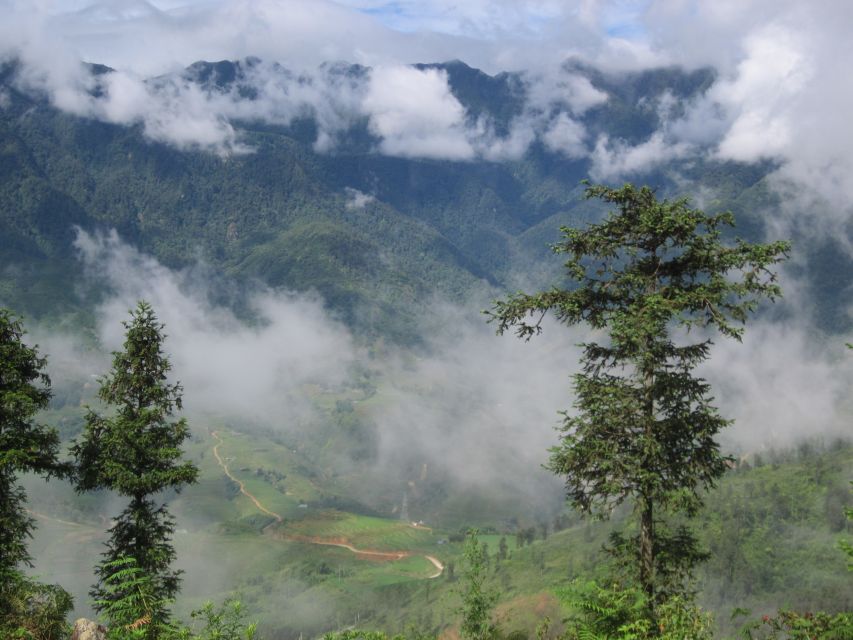
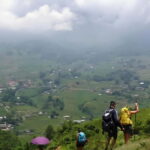
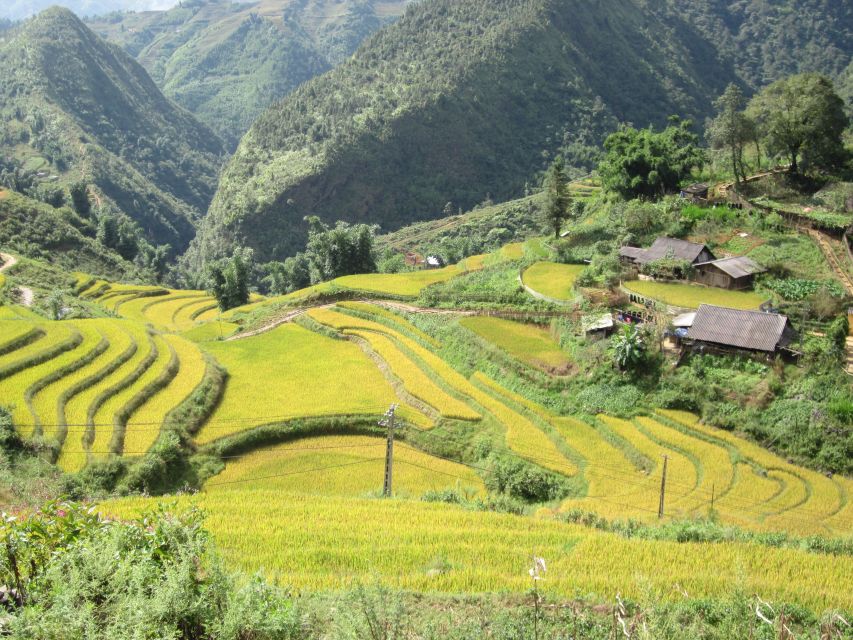
Just as important: you’re not hiking in a forest wall-to-wall. The route is described as offering great views of the surrounding rice paddies, especially as you move between clearings and slope angles. These views can be affected by mist, and that’s worth respecting. The best advice is to dress for shifting visibility and to enjoy what you can see in the moment, not only what the weather promises.
One plus from the way guides run the day: pace tends to be adjustable. Guides like Pang have been described as friendly and accommodating, including helping when someone had a foot injury and needed changes to how portions of the trek were handled. Even if you’re healthy and hiking normally, it’s still a comfort to know the trip isn’t rigid.
Sin Chai and the Black Hmong village: culture you can ask about
After the hike, you take lunch, then continue to Sin Chai village, where community-based tourism happens in the Sapa area. This is one of those stops that’s valuable because you get sequence. Instead of jumping straight into a village visit, you’re brought along in a way that helps you understand why locals manage visits the way they do.
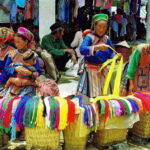
From there you continue to a nearby village inhabited by the Black Hmong. This is one of the largest ethnic minority groups in the Sapa region, and the emphasis here is on daily life—native houses, customs, and handicraft skills.
House visits are a big deal on a tour like this. Buildings tell you how people live with terrain, climate, and seasonal patterns. Even if you don’t speak the local language, you’ll still pick up visual cues about materials, storage, and everyday routines.
Handicrafts and cultural explanation are also the point. The best conversations here are usually practical: what something is used for, when it’s made, and why it matters to family life. If you like asking questions (and you should), an English-speaking guide makes the time feel like a lesson rather than a photo stop.
The goal isn’t to treat culture like a show. It’s to learn from real people doing real things. If you keep your questions respectful and your attention on what’s happening in front of you, this becomes the most memorable part of the day.
Picnic lunch at 12:30 PM: the break that makes the trek worth it
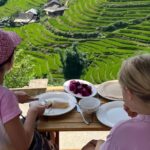
Lunch hits around 12:30 PM, served as a picnic lunch at a beautiful spot in the wilderness. That timing is key. You’re likely past the first stretch of hiking by then, so you’ll actually want the energy. It’s also early enough that you still have time to enjoy the afternoon village part without feeling rushed.
The tour includes lunch, and you’ll also get two bottles of mineral water per person. Still, bring a small attitude adjustment: treat lunch as the pause that lets you keep going, not just time to snack and stand around. If visibility is cloudy or misty, this is also a good moment to slow down and enjoy the change in air and light.
You can expect the picnic to be outdoors, so if it’s chilly, you’ll appreciate warm layers. If it’s rainy, a raincoat becomes your best friend. (This is the kind of day where the weather can shift faster than you think.)
Pace, clothing, and weather: what you should bring for November–March
This is not a technical climb, but it is real walking on outdoor terrain. Your best prep is clothing that handles layers and small surprises.
The tour recommends:
- light comfortable outdoor clothing
- hiking shoes
- warm clothes during winter time (November–March)
- a small day pack
- insect repellent
- sunscreen
- raincoat
- sun hat
I’d add one simple mindset: expect the day to change with the valley weather. Mist can roll in, sunlight can break through, and the temperature can swing once you’re out of full sun. Layers are the cheap way to stay comfortable.
Also, because you’ll be walking for hours and then meeting village families, keep your kit practical. You want enough to be comfortable and clean, but not so much you feel weighed down.
One more practical tip: shoes matter. Dirt trails can get slick. Wet bamboo shade isn’t the same as flat pavement, so don’t rely on sandals or “mostly fine” sneakers.
You can also read our reviews of more hiking tours in Sa Pa
Price and value at $75: what’s included, what costs extra
At $75 per person, this is priced for a private experience with real time and guidance. The value is mostly in what’s bundled:
Included:
- English-speaking guide
- picnic lunch
- all entrance fees (as listed)
- two bottles of mineral water per person
- private car transfer along the trip
Not included:
- additional drinks
- hotel accommodation
- personal expenses
Here’s how I’d think about value. If you were to pay separately for a driver, a licensed guide, transportation between trail start points and villages, plus entrance fees and lunch, the total usually climbs quickly. This tour keeps it tidy.
The one caution I’d give is about price clarity on the day. There’s been at least one real-world complaint about a higher payment than the advertised figure, so before you commit, confirm the final total clearly with the provider you’re booking through. That’s not about being difficult—it’s about avoiding an awkward surprise.
Who should book this trek (and who might want a different plan)
This tour is a strong fit if you want three things in one morning-to-afternoon block:
- walking time in Hoang Lien National Park
- hands-on cultural contact in the Black Hmong villages
- a guide who can explain what you’re seeing in English, not just point
It also works well for people who don’t want a massive group feel. Private touring helps you ask questions and go at the pace that makes sense.
It might be less ideal if you need a completely predictable “always clear views” day. Mist is part of the region, and waterfall flow can vary. You’ll still get a great experience, but the scenery can look different than you expected.
If you’re traveling with mobility limitations, tell the guide early. One account of an injured foot included accommodation on parts of the trek, which suggests flexibility when planned and communicated in advance.
Should you book the Private Hoang Lien & Tribal Village Trek?
I’d book it if:
- you like the idea of a 10km walk with a guide doing more than translation
- you want time with the Black Hmong that goes beyond a quick photo
- you appreciate a picnic lunch and a structured route that starts at 9:00 AM and ends around 3:00 PM
I’d pause and ask extra questions if:
- you’re very weather-sensitive (mist can change what you see)
- you want strict certainty on total cost, so you should confirm the final amount in writing before you go
This is one of those Sapa days where you trade the comfort of sitting for the reward of moving through bamboo, stopping at waterfalls and passes, and then learning how people live in the mountains.
FAQ
What time does the trek start and end?
Pickup in Sapa Town is at 9:00 AM. You return in the early afternoon and arrive back around 3:00 PM.
How long is the hiking portion?
The trek is described as a 10km dirt trail in Hoang Lien National Park.
Where do we go on the day before the hike?
You drive about 30 minutes from Sapa to visit Silver Waterfall, Love Waterfall, and Tram Ton Pass, then head toward O Quy Ho Pass where the trek begins.
Where is lunch provided?
Lunch is a picnic and is served at around 12:30 PM at a spot in the wilderness.
Do you visit Sin Chai and the Black Hmong village?
Yes. You visit Sin Chai village and then a nearby village inhabited by the Black Hmong, with time to explore native houses and learn about customs and handicraft skills.
What’s included in the $75 per person price?
Included items are an English-speaking guide, picnic lunch, all entrance fees, two bottles of mineral water per person, and private car transfer along the trip.
What should I bring for the trek?
Bring a small day pack, insect repellent, sunscreen, a raincoat, and a sun hat. Wear hiking shoes and light comfortable clothes, and bring warm clothes if you’re traveling during November–March.