REVIEW · HIKING & TREKKING
Half Day Sapa Trekking to Visit Lao Chai – Ta Van
Book on GetYourGuide →Operated by VN CHARM TOURISM CO,LTD · Bookable on GetYourGuide
Sapa feels real on this village trek. You’re walking through the hills between Lao Chai and Ta Van, with Hoang Lien Son views and close-up time with local communities instead of bus-and-photo-stop sightseeing.
What I really like is the combo of rice-terrace scenery and the way your local guide talks you through daily life. You’ll get viewpoints, river paths, and village streets that feel lived-in, not staged. The one consideration: the ground can be uneven and muddy, especially if it has rained.
This is built for a half day in Sapa. You’ll start with hotel pickup, hike for about four hours, then ride back so you can still enjoy lunch and whatever you planned for the afternoon.
In This Review
- Key things to know before you go
- Why this half-day Lao Chai and Ta Van trek is worth your time
- Morning logistics: pickup, pacing, and how long you’re really out
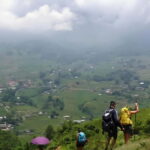
- Stop 1: Y Linh Ho photo stop for valley views
- Stop 2: Lao Chai village—Black Hmong life and terraced scenery
- Stop 3: Ta Van village—Dzay community time and a real break
- Fitness and weather reality: steep, uneven, and sometimes muddy
- Guides make the difference: English, local context, and humor
- The shopping moment: village sellers and how to handle it politely
- Getting value for $22: what’s included and what you’ll pay for yourself
- Who this trek suits best (and who should reconsider)
- Final call: should you book the Sapa trek to Lao Chai and Ta Van?
- FAQ
- What distance is the trekking portion?
- Where do the walking stops include photo and guided time?
- How long is the whole tour?
- How do you get back to Sapa?
- What’s included in the price?
- What should I bring for the trek?
- Is the tour suitable for wheelchair users?
Key things to know before you go
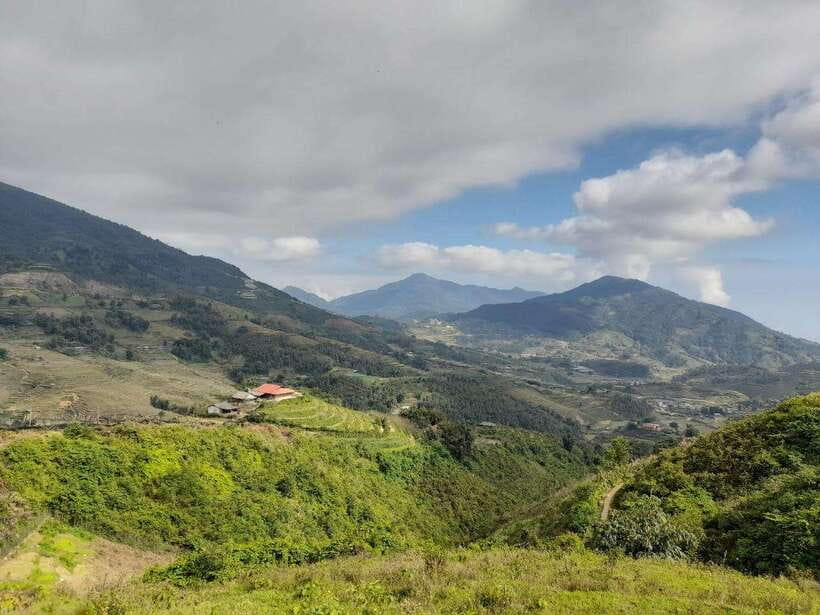
- 9 km, about 4 hours on foot: long enough to feel like a real trek, not so long you’ll miss the day
- Y Linh Ho photo stop: a quick hit of valley views before you head into the villages
- Hoang Lien Son scenery moments: cloud breaks can make the mountain views dramatic
- Local English-speaking guides: many guides are from the area, including people named Tung, Soso, Somg, Ku, and Tran
- Village time at Lao Chai and Ta Van: more than a photo—there’s guided explanation and time to walk around
- Footing matters: steep, slippery paths are common after rain
Why this half-day Lao Chai and Ta Van trek is worth your time
If your goal in Sapa is authentic village life plus scenery, this route fits nicely. You’re not spending the day commuting to far-flung regions. Instead, you’re moving through the Sapa hills from Y Linh Ho down toward Lao Chai, then on to Ta Van—with enough time at each stop to actually understand what you’re seeing.
The route is also “good tired.” It’s active, but it’s not a full-day suffer-fest. I like that it hits the sweet spot: you’ll walk long enough to get that deep mountain feeling, yet you’ll be back in Sapa Town around midday.
You can also read our reviews of more hiking tours in Sa Pa

Morning logistics: pickup, pacing, and how long you’re really out
Morning starts around 8:10–8:20, with pickup at your Sapa hotel and time to prepare a light pack. Then you’re off by bus, and the trek begins with a photo stop at Y Linh Ho.
Even though the overall tour timing is about 270 minutes, don’t think of it like a 4.5-hour “walk only” scenario. There’s guided time at each village, plus breaks. The walk itself is roughly 9 km and takes about four hours, followed by pickup from Ta Van Bridge around 11:30 and return to Sapa by around 12:00.
This schedule is ideal if:
- you only have one night (or less) in Sapa
- you want to hike without losing your entire afternoon
- you’d rather spend money on the experience than on additional transportation
Stop 1: Y Linh Ho photo stop for valley views
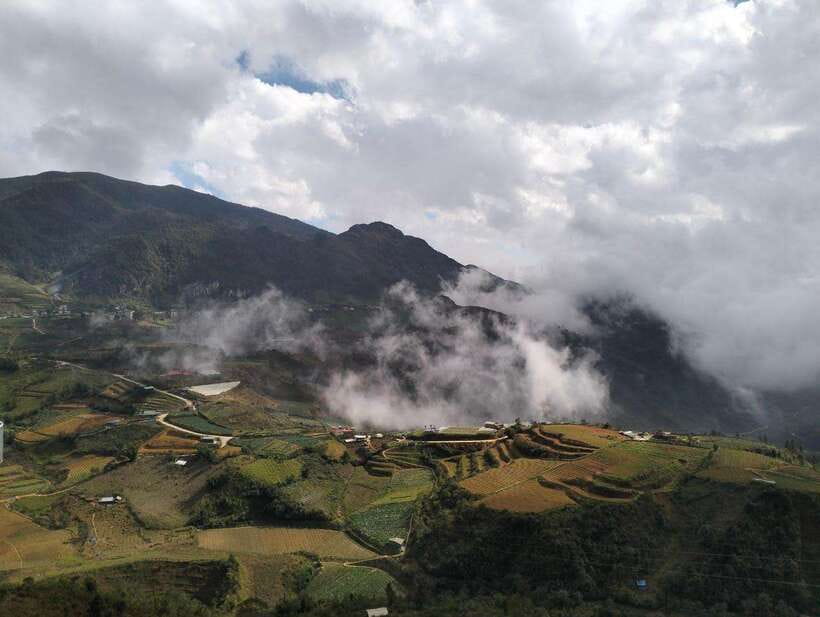
You start with a photo stop and guided tour at Y Linh Ho. This is a smart opening move. Instead of jumping straight onto the trail with no context, you get a quick introduction to where you are in the valley and how the terrain shapes village life.
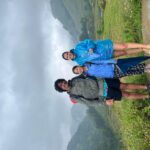
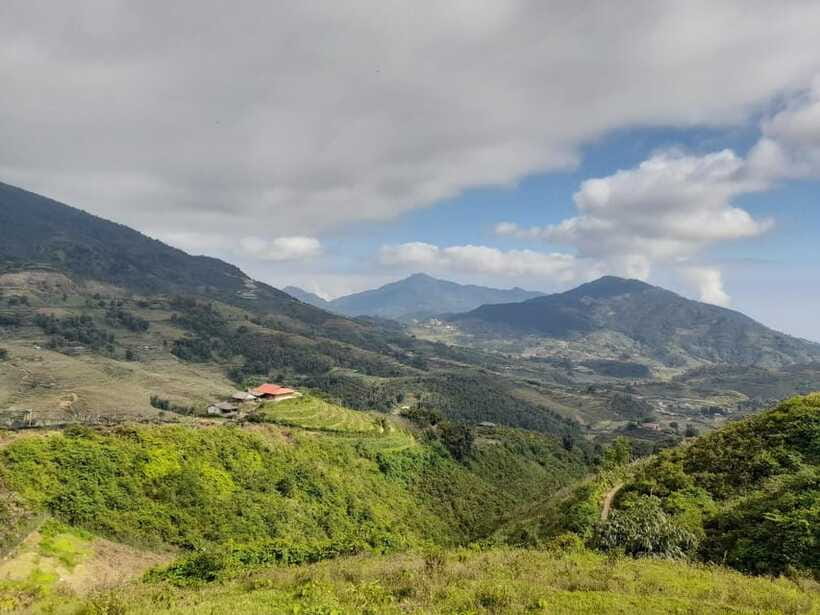
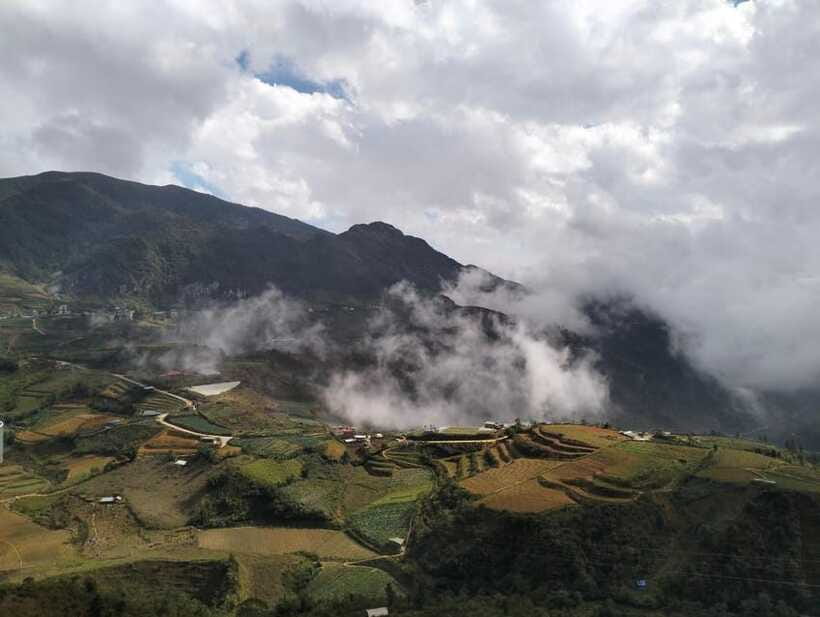
What makes this stop especially useful is the mountain timing. Sapa weather can shift fast. When the clouds clear, you can get crisp views of the surrounding peaks and the steep valley sides. When it’s foggy, you’ll still feel the scale, just with a more muted, atmospheric look.
If you’re serious about photos, bring your camera ready. This is one of the early chances to capture the broad scene before the trek starts narrowing into paths, paddies, and village streets.
Stop 2: Lao Chai village—Black Hmong life and terraced scenery
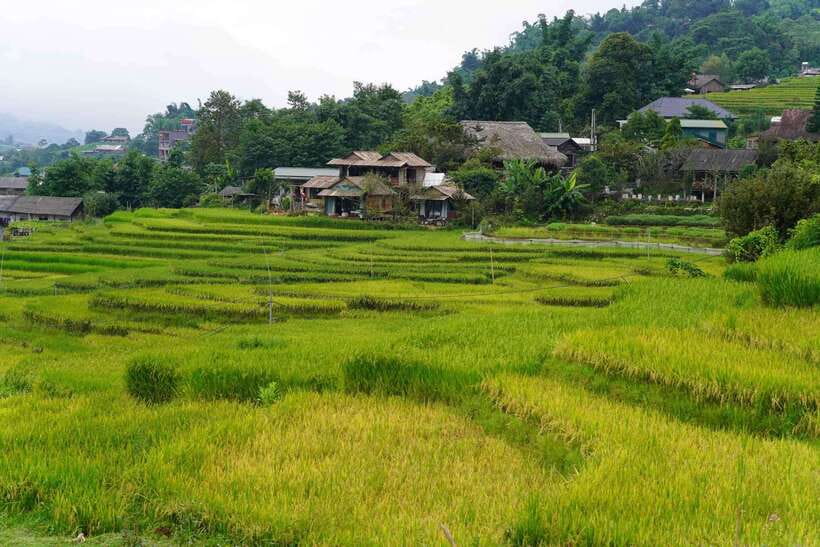
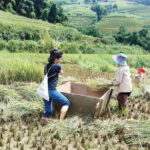
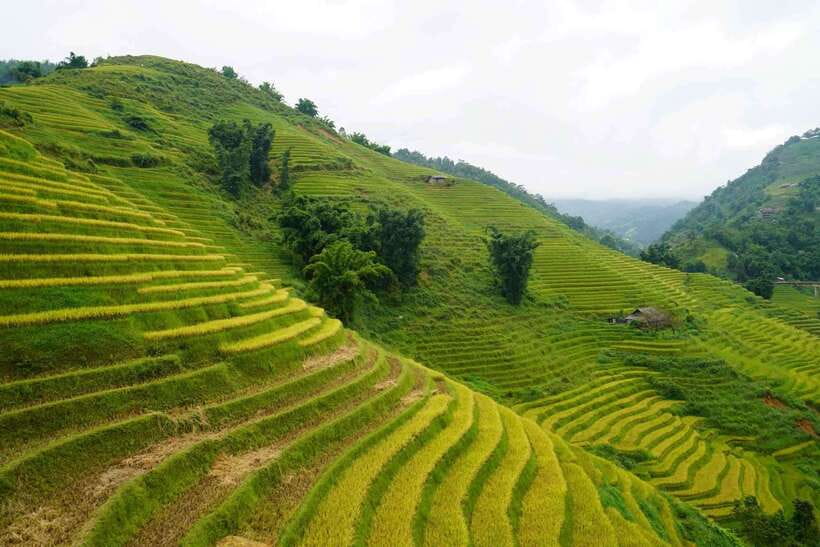
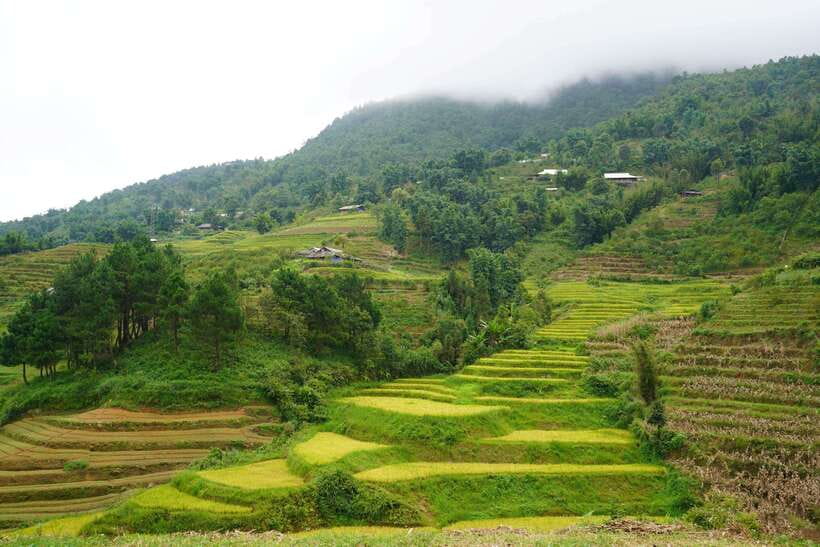
From Y Linh Ho, the trail takes you toward Lao Chai, including walking along the Muong Hoa Stream and through or beside rice terraces. Then you reach the Black Hmong village of Lao Chai for a photo stop, guided visit, and time to walk around.
This is where the tour becomes more than scenery. Your guide helps explain what daily life looks like here, and you get a sense of why the villages are shaped the way they are—by hillsides, water flow, and farming rhythms.
A few practical notes:
- Expect uneven ground on the way in and out of village areas.
- Rice fields can look different depending on season and light, so don’t assume every day will look the same. Go by what you see, not a mental photo from online.
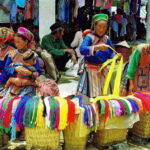
- There’s often a chance to buy small handicrafts along the way. (More on that later, so you’re not surprised.)
Stop 3: Ta Van village—Dzay community time and a real break
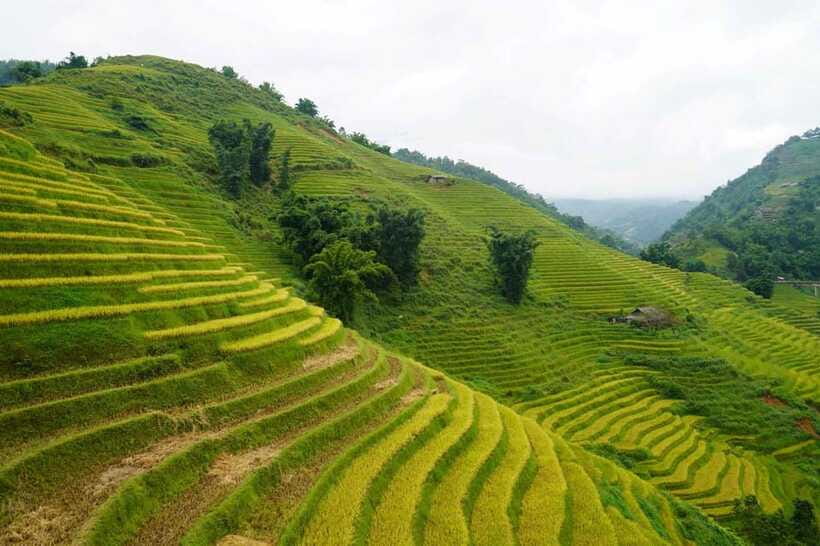
Next comes Ta Van, home of the Dzay ethnic people. Here you get a longer stop: break time, photo stop, and guided visit lasting about 1.5 hours.
This longer time block is a big part of why this trek works as a half day. You’re not rushed through Ta Van like a checklist. You can pause, ask questions, and take in how the village works on a human scale—people moving through lanes, kids playing, and everyday details that don’t fit into a quick photo.
The trek itself also gives you a gradual sense of descent into the valley, which helps the scenery feel bigger as you walk. If the weather has been kind, this is often the area where you’ll notice sharp mountain silhouettes and long stretches of terraced fields.
For the break, don’t just treat it like a sit-down moment. Use it to:
- rest your legs before the return transport
- refill water (the tour doesn’t include beverages)
- decide if you want to shop or keep it simple


Fitness and weather reality: steep, uneven, and sometimes muddy
You’ll need some level of fitness. The route includes steep and uneven sections, and it’s not the kind of hiking where every step feels flat and predictable.
Rain changes everything. On rainy days, paths can get muddy and slippery. One guide-supported reality: locals may help on rough spots, and you might see people using improvised footing tactics to keep things stable. Still, you should plan to protect yourself with proper shoes.
Heat can also be an issue. On warmer days, even a half-day trek can feel tiring. If you run hot, pack accordingly and take the breaks seriously.
What I recommend you bring (this is the difference between enjoying it and suffering through it):
- hiking shoes (or grippy rubber-soled footwear)
- sunscreen and a sun hat
- sunglasses
- water plus basic snacks if you’re sensitive to hunger
- camera ready, since photo stops come early and often
Guides make the difference: English, local context, and humor
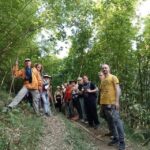
This is the part that most strongly shapes your experience. The tour uses an English-speaking local guide, and the guides I saw referenced by name include Tung, Soso, Somg, Ku, and Tran. Across those experiences, the pattern is consistent: guides explain what you’re walking through and keep the group moving with a pace that works.
I also like that your guide often isn’t just translating words. You get personal context—what it means to live here, how farming and village routines work, and what certain traditions look like day-to-day.
And yes, humor comes up. When the path turns slippery or the group gets tired, a good guide’s attitude helps you focus on the view instead of your aching calves.
Tip: if you want the most value, bring one or two questions. Ask about farming, daily routines, or clothing traditions. Your guide can connect the dots between what you see outside and how people live inside the village.
The shopping moment: village sellers and how to handle it politely
You should expect handmade crafts to be part of the experience. Some families and village women may walk with you or appear near photo stops. If you’re unsure how to react, here’s a simple approach that keeps things pleasant:
- If you’re not buying, a calm no is enough.
- Don’t feel pressured to talk for a long time.
- If you do want something, buy a small item you genuinely like rather than buying just to stop the conversation.
One thing to be aware of: after rain or in crowded areas, this can feel more intense because your attention is already split between footing and staying oriented. If you get overwhelmed, focus on your guide and the walk. The selling is real, but it’s not the only point of the tour.
Getting value for $22: what’s included and what you’ll pay for yourself
At $22 per person, this is good value if you want a guided trek without complicated planning. Here’s the math that matters:
What you get included:
- modern air-conditioned bus covering the route between the start points and your return to Sapa
- English-speaking local guide
- entrance tickets to the indicated stops
What you’ll likely pay for yourself:
- beverages (bring water or plan to buy)
- travel insurance and personal expenses
If you were to plan a similar trek on your own, you’d still need local guidance (for directions and context) and transport back into town. This tour packages those pieces into a half day.
Also, you’re paying for time. Stops at Y Linh Ho, Lao Chai, and Ta Van aren’t just quick photos. You get guided explanation and time to walk around. That’s the difference between a scenic walk and a meaningful one.
Who this trek suits best (and who should reconsider)
This trek is a strong match if you:
- want an active half day with real village access
- enjoy learning about ethnic minority cultures in the Sapa area
- like manageable distances and want to be back in time for lunch
It’s less ideal if:
- you need wheelchair access (it’s not suitable)
- you have trouble with steep, uneven, muddy paths
- you dislike walking on rural trails where conditions can change fast
If you’re hiking with kids, it can still work, but the uneven terrain and slipperiness after rain can make it harder. You’ll want grippy shoes and a flexible pace.
Final call: should you book the Sapa trek to Lao Chai and Ta Van?
Yes, I’d book this trek if you want a half-day Sapa experience that’s more human than tourist. The mix of mountain views, rice terraces, and guided village time gives you a satisfying story arc in just a few hours. Just come ready for real footpaths—bring proper shoes and don’t plan on effortless walking if weather turns.
If you hate muddy trails or get stressed by steep footing, choose your day carefully and be honest about your fitness. But if you can handle uneven ground, this is one of the best ways to see how life looks in the Sapa hills without spending your whole day in transit.
FAQ
What distance is the trekking portion?
The trekking distance is about 9 km and it lasts about 4 hours.
Where do the walking stops include photo and guided time?
The main stops are Y Linh Ho, Lao Chai, and Ta Van, with photo stops and guided visit time at each.
How long is the whole tour?
The tour duration is about 270 minutes (a half-day schedule).
How do you get back to Sapa?
You’re picked up by bus at Ta Van Bridge around 11:30 and returned to Sapa Town by about 12:00.
What’s included in the price?
The price includes the air-conditioned bus, an English-speaking local guide in Sapa, and entrance tickets to indicated sites.
What should I bring for the trek?
Bring sunglass, sun hat, camera, hiking shoes, sunscreen, sports shoes or sportswear, hiking pants, and a first aid kit.
Is the tour suitable for wheelchair users?
No, it is not suitable for wheelchair users.