REVIEW · HIKING & TREKKING
From Sapa: Guided Full-Day Trekking with Lunch and Drop-Off
Book on GetYourGuide →Operated by NEW LAND INTERNATIONAL TOURIST COMPANY LIMITED · Bookable on GetYourGuide
Sapa’s trails have a way of grabbing you fast. This guided full-day trek (about half-day in practice) strings together Muong Hoa Valley views and ethnic minority villages with local guidance the whole way. You’ll walk real paths through Sapa’s terraced scenery and get a feel for how these communities live alongside the mountains.
I especially like two things: the chance to see big, changing views as you hike from Y Linh Ho toward Lao Chai, and the warm, human touch of having a local guide plus community members who help when footing gets tough. One potential drawback: the route is around 10 km and can be muddy, so you’ll want solid shoes and a realistic sense of effort.
If you hate hiking on uneven ground, this tour will feel like work. If you’re okay with a serious walk and you come prepared, it’s one of the most cost-effective ways to experience Sapa beyond the viewpoints.
In This Review
- Key things to know before you go
- Entering Sapa on foot: the route from pickup to first terraces
- Y Linh Ho to Lao Chai: rice terraces, village stops, and Hoang Lien Son views
- Ta Van Village: the part of the trek that feels most human
- Hoang Lien Son mountain area: short breaks, big views
- Lunch at a local restaurant: included, and timed to help your return
- Return to Sapa: the drop-off timing and how to use your afternoon
- Price and value: why about $22 can work here
- What’s included vs. what to budget for
- The real difficulty level: how hard is this trek?
- Village visits and local selling: respectful, optional, and part of the day
- Who should book this tour, and who should skip it
- Tips for smooth trekking: shoes, bags, timing, and rain
- Should you book this Sapa guided trek?
Key things to know before you go
- Local English guide with you all the way, so you’re not stuck guessing what you’re seeing
- Terraces along the Muong Hoa Stream with photo stops in the right places for that postcard look
- Ethnic villages (Y Linh Ho, Lao Chai, Ta Van) where you’ll see stilt-house life and daily routines
- Hoang Lien Son mountain area stop for scenic breaks and calmer walking stretches
- Lunch at a local restaurant, included, with a decent reset before the return
- No large luggage allowed, so pack light and keep it simple
Entering Sapa on foot: the route from pickup to first terraces
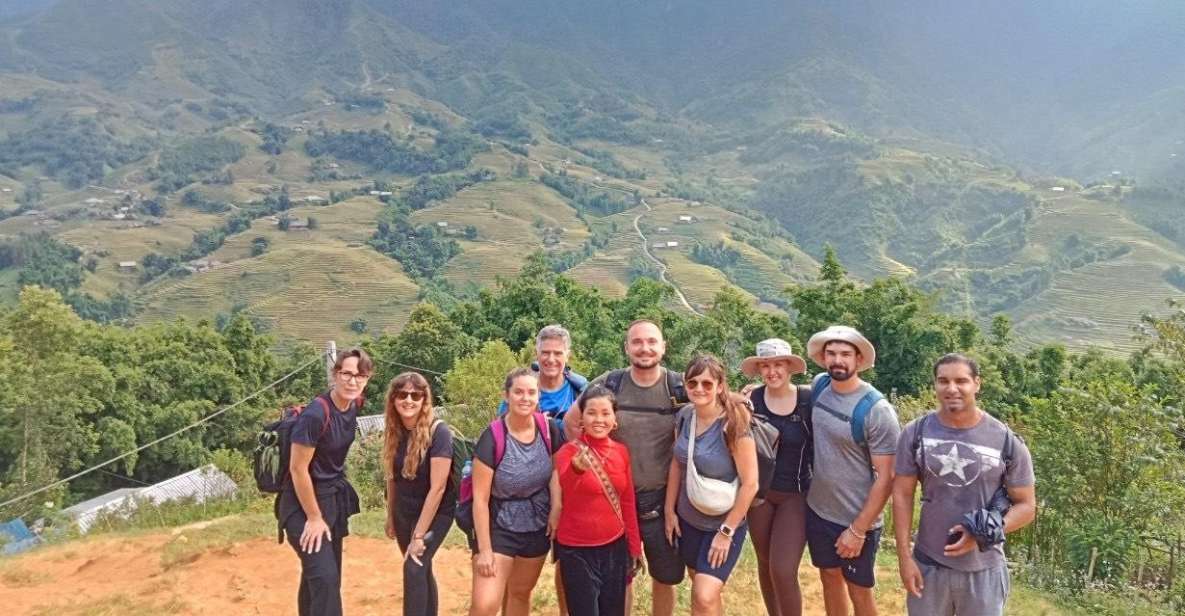
The day starts with pickup in central Sapa town between 8:00 and 8:30. Your guide gathers you, then you walk over to the departure point near Sapa Retreat Condotel, where the trekking day really gets going.
At 9:00, you’ll begin hiking from Sapa town. The first leg is short enough to get your legs moving without feeling like punishment, but it sets the tone: you’re heading toward the terraces while gradually transitioning from town life into valley life.
The most valuable part here is the pace. This isn’t a long slog where you never stop; it’s a guided sequence of walking plus viewpoints plus village visits. That structure helps you enjoy the scenery instead of just surviving it.
You can also read our reviews of more guided tours in Sa Pa
Y Linh Ho to Lao Chai: rice terraces, village stops, and Hoang Lien Son views
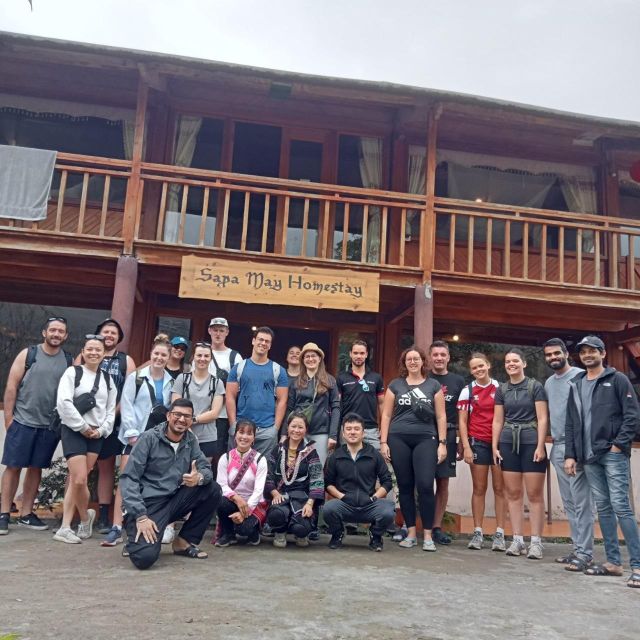
Your first stop is Y Linh Ho village. Expect a mix of photo time, a guided walk, and a guided explanation of what you’re looking at along the way. This is where the scenery starts to feel dramatic, not just scenic.
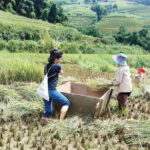
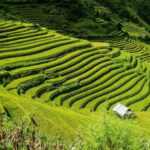
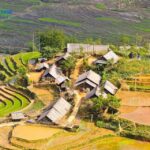
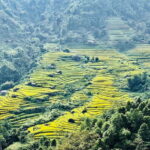
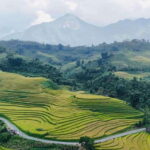
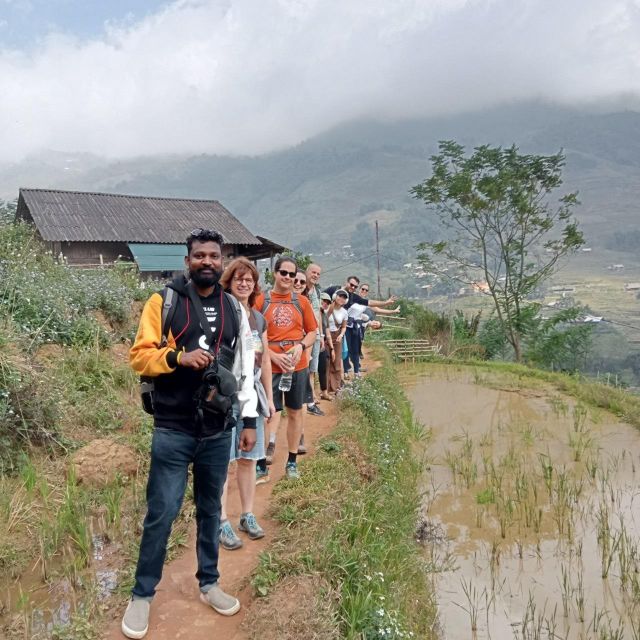
From there, you hike along the rice terraces around the Muong Hoa Stream toward Lao Chai, home to the Black H’mong community. The trail gives you the classic Sapa experience: terraces stepping across slopes, mountain views in the background, and small moments of village life close enough to notice details.
Timing matters. After about 3 hours of walking (roughly 8 km total for the morning segment), you’ll reach Ta Van Village. That’s about the point where it’s smart to feel your energy levels, not ignore them. If you’re carrying extra water, you’ll thank yourself later.
A couple practical notes from people who’ve done this route:
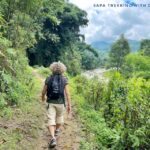
- Good traction matters. In wet weather, the path can be slippery.
- Mud isn’t a theoretical risk. If it rains, plan for muddy, dirty roads.
Ta Van Village: the part of the trek that feels most human
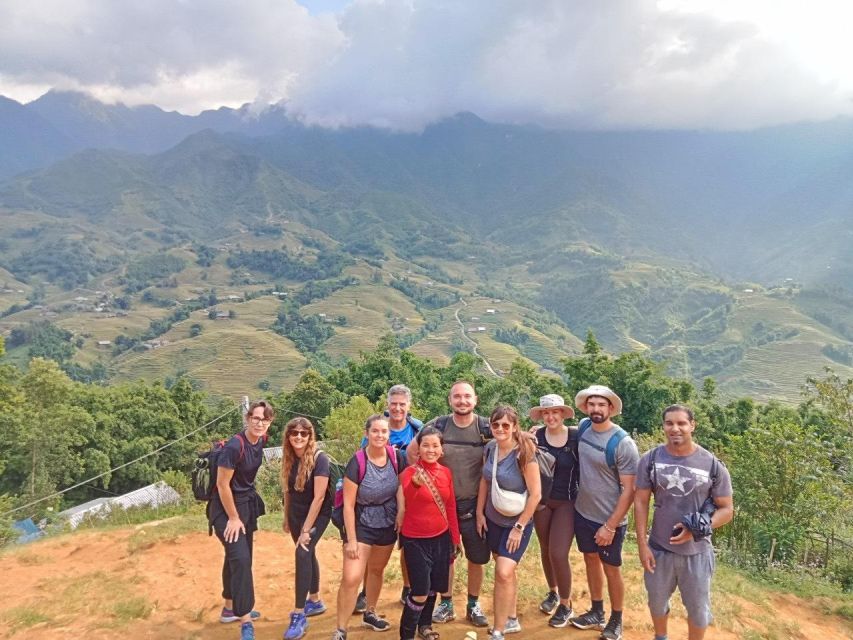
When you arrive at Ta Van Village (around 11:30), you’ll see terraced fields again and the signature stilt houses that make this region so recognizable. This stop isn’t just scenic—it’s where the trek starts to feel more like meeting a place than passing through it.
You’ll usually get guided time here to look around and understand what you’re seeing. You’ll also see local daily rhythm: how people use the space they live in and how the landscape shapes everyday life.
One thing I really like about this kind of stop is that it breaks up the hike. You’re not constantly walking; you’re allowed to slow down, look, and take photos without feeling like you’re stopping against the flow.
And here’s a detail worth knowing: some visitors notice local community members accompany groups during tougher sections. If someone helps you with a tricky spot, a small thank-you gesture goes a long way. (There are also local products to buy along the trail if you want, but you don’t have to.)
Hoang Lien Son mountain area: short breaks, big views
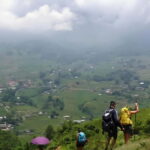
Along the way, you’ll have a Hoang Lien Son Mountains stop for sightseeing and a walk break. The main point of this segment is simple: you catch wider scenery and get a moment to reset before continuing.
You’ll get around an hour here, with a mix of views, walking, and a hop-on hop-off style stop. Translation: if you’re feeling good, you can keep moving at a comfortable pace; if you need a breather, this is your chance.
This is also where the guide’s role becomes useful. When you know what direction you’re looking and what features matter, the view stops being just pretty. It becomes information—how the valley is shaped, how the terraces sit on the slopes, and why these villages cluster where they do.
Lunch at a local restaurant: included, and timed to help your return
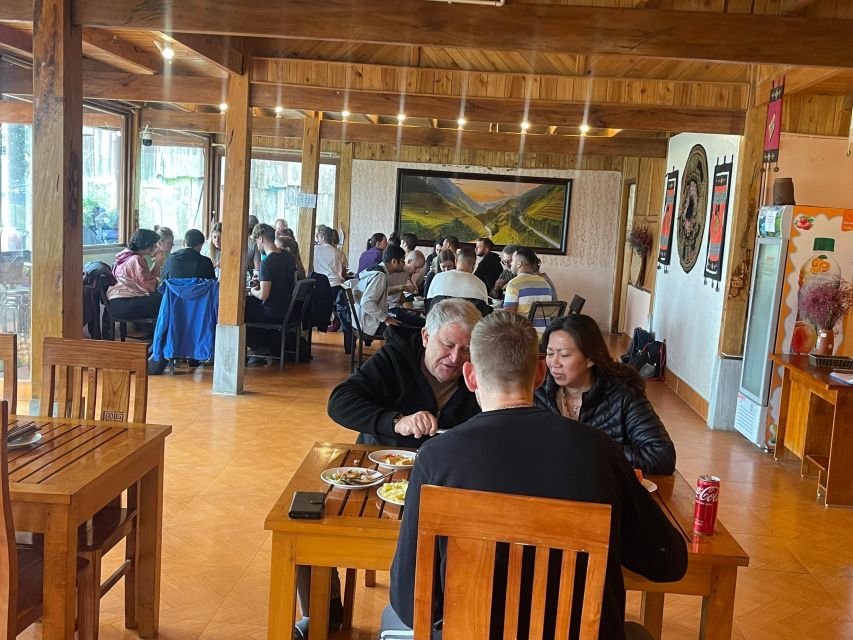
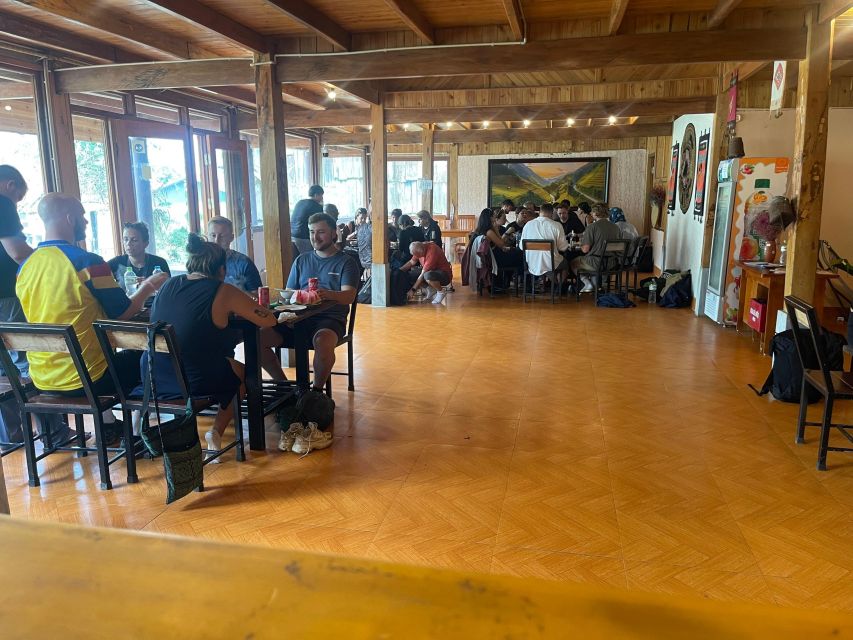
Lunch comes after the main morning walking, around 12:30. You’ll have a rest break and then eat at a local restaurant, with the meal included.
This matters more than it sounds. Trekking in Sapa can drain energy fast, and many walking tours forget that you need a real pause. Here, the lunch timing is built so you’re not hungry and rushed while heading back.
A useful limitation to know: drinks are not included. If you like water, bring a little extra cash for whatever’s available. In this region, simple refreshments can make the difference between pushing on calmly and getting grumpy.
After lunch, you’ll take a short 1 km walk to the bus back to Sapa town. It’s not meant to be another endurance test, but you’ll still feel it if you took it too fast earlier.
You can also read our reviews of more tours and experiences in Sa Pa
Return to Sapa: the drop-off timing and how to use your afternoon
The tour ends around 2:00 to 2:30 pm, with the bus ride bringing you back between about 14:30 and 15:00 depending on timing. That’s early enough to keep your afternoon flexible.
If you still have energy, this is a great time for:
- relaxing at a cafe in Sapa town
- a short walk for photos near town viewpoints
- shopping for small crafts (without feeling like you’re rushing a deadline)
If you’re tired, you’ll be glad you don’t have a second half of trekking. The tour’s value is that it gives you a full experience without eating your whole day.
Price and value: why about $22 can work here
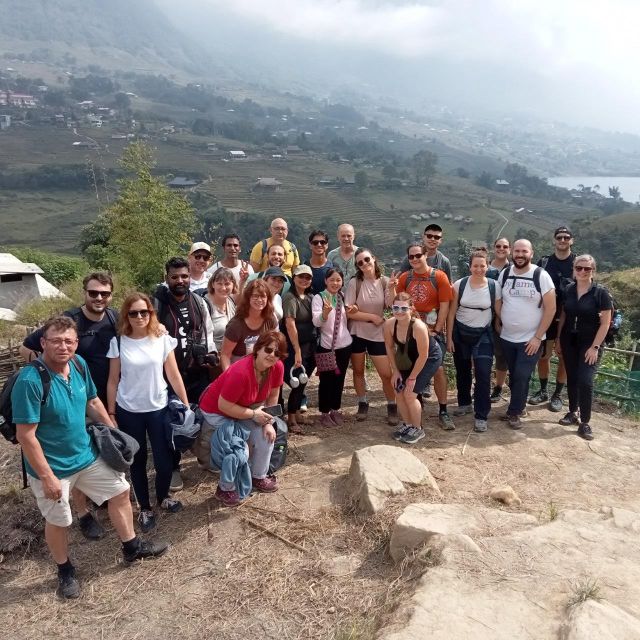
At $22 per person for a guided trek with lunch and drop-off, the value is mostly in the package. You’re not just paying for walking—you’re paying for:
- an English-speaking local guide
- entry fees (where applicable)
- a lunch stop rather than a snack-and-go plan
- bus transfer back after the hike
The biggest factor is that guidance helps you make sense of what you’re seeing. Without that, a rice-terrace walk can still be pretty, but you’d miss the village context and the meaning behind the route.
The other value point is the timing. A 6-hour format gives you the Sapa experience without committing a full day. That’s especially helpful if you only have a day in town.
What’s included vs. what to budget for
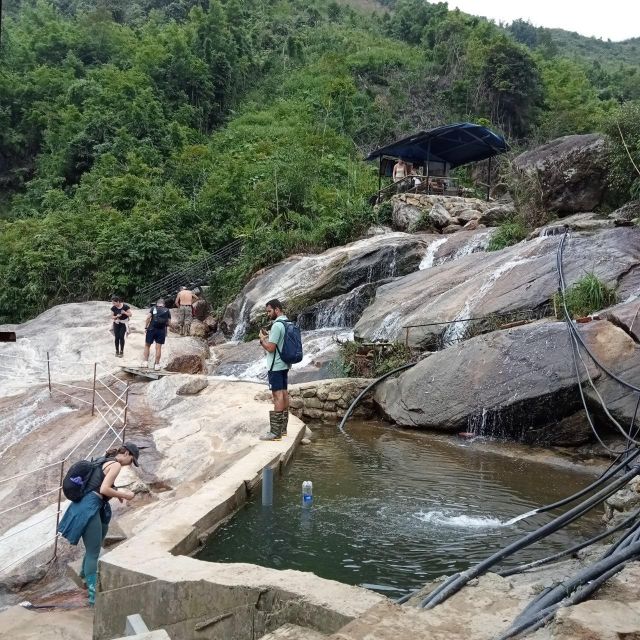
Here’s the practical checklist based on what the tour covers:
- Included: local English tour guide, entrance ticket, one lunch, and one-way bus from Ta Van Village back to Sapa town
- Not included: drinks during meals and personal expenses
So for budgeting, think: lunch is taken care of, but you should still plan to pay for water or other drinks. Also bring some spending money only if you want to buy from locals along the trail.
The real difficulty level: how hard is this trek?
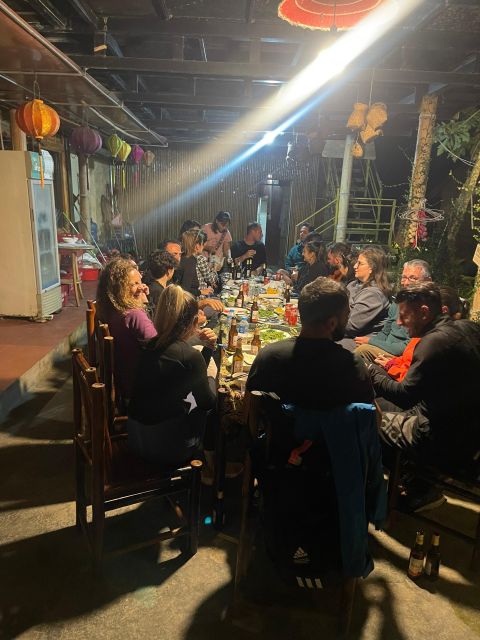
This hike is about 10 km total, with walking spread across terraces and village paths. In dry weather, it’s manageable for many active travelers. In wet weather, expect muddy, dirty roads and take that seriously.
Comfort strategy:
- Wear shoes with grip. People specifically emphasize the need for non-slippery footwear.
- Bring insect repellent and sunscreen. You’re outside for hours.
- Consider warm layers if you’re visiting from October to March.
If you’re unsure about your fitness, use the info you actually have: the tour is not for everyone. It’s not suitable for people with mobility impairments or wheelchair users, and it’s not recommended for children under 5 or people over 80.
The route can feel tiring because you’re walking on uneven ground, not because it’s a high-altitude mountaineering problem. Come prepared, pace yourself, and you’ll be fine.
Village visits and local selling: respectful, optional, and part of the day
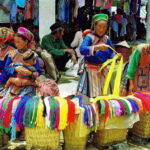
One of the most “real” parts of this trek is that locals sometimes follow along the walking route to sell items they’ve made. This is normal in the area, and you’re not expected to buy.
My advice: treat it like a chance to learn and connect, not like a pressure sale. If you want to buy something, do it as a direct thank-you for their time and craft. If you don’t, you can politely decline and keep moving.
The guide being there helps too. You’ll usually be able to ask questions and get context without it turning into awkward shopping pressure.
Who should book this tour, and who should skip it
I think this trek is a great match if you want:
- a guided introduction to Sapa’s ethnic villages
- major valley and terrace scenery in a single half-day window
- included lunch plus easy drop-off back in town
It may not be the right fit if:
- you want a fully easy stroll
- you have trouble with mud, uneven paths, or sustained walking
- you’re traveling with young kids under 5 or you’re relying on mobility aids
If you’re traveling as a couple, a solo traveler, or a small group with decent fitness, this style of trek is ideal.
Tips for smooth trekking: shoes, bags, timing, and rain
A few small choices can make this day feel effortless instead of exhausting.
Shoes and traction
Bring hiking boots or suitable shoes with grip. If there’s rain, traction matters even more. Some people found the path muddy, so plan for it.
Warm layers
From October to March, wear warm clothes. Mountain weather changes fast, and you’ll be outside for hours.
Keep your pack small
Large bags and luggage aren’t allowed. Keep what you bring minimal so walking stays easy.
Insect repellent and sunscreen
You’ll be outdoors, so don’t rely on luck. Bring both.
Expect the timing to move with the weather
The tour ends around mid-afternoon. If roads are wet or the group moves slower, the schedule can stretch within that end window.
Should you book this Sapa guided trek?
Book it if you want an organized, guided way to see Sapa’s terraces and village life without spending all day hiking. The biggest wins are the views, the village stops, and the fact that you’re never just wandering alone—you’ve got guidance and included lunch.
Skip or choose a gentler option if you hate muddy trails, you’re not comfortable with long walking on uneven ground, or you need accessibility accommodations. Also skip if you’re traveling with very young children or if you’re outside the tour’s suitability limits.
If you do book, come prepared for traction and mud. Then enjoy the best part: watching the scenery change as you move from village to village, with people guiding you through what you’re actually seeing.