REVIEW · HIKING & TREKKING
Sa Pa: 6-Hours Muong Hoa Valley Trek with Local Ethnic guide
Book on GetYourGuide →Operated by Vietnam Nomadtrails · Bookable on GetYourGuide
The Muong Hoa Valley trek is all about walking. In about 6 hours from Sapa, you’ll move through rice terraces and ethnic villages while learning how Black Hmong, Hmong groups, and Dzay people live day to day. The route starts with an easy-but-pretty road walk into Y Linh Ho and builds into classic terrace viewpoints at Lao Chai.
What I like most is the human scale of the stops and how hands-on it can feel. You get craft time around Lao Chai (often including indigo dyeing, batik, and hemp weaving) and village visits in Ta Van where you can see how weaving and rice growing connect to daily life. The main drawback is that the trek is real walking on uneven, sometimes slick ground, so slippery wet-weather sections can slow you down fast.
In This Review
- Key highlights worth waking up for
- Entering Sapa’s trail world: from town roads to Muong Hoa Valley
- Y Linh Ho village: the Black Hmong first look
- Lao Chai and the terrace views: where the scenery gets serious
- Ta Van village: traditional homes, weaving, and rice cultivation
- Meeting the Dzay tribe: costume and custom contrasts on the same route
- Pace, terrain, and weather: what 10 kilometers really feels like
- Lunch on your own: local food stops and shopping pressure
- Price and value: why $18 can work if you match the expectations
- What to pack for Muong Hoa: shoes, sun, and bugs
- Local culture rules you should follow (and why they matter)
- Who should book, and who should skip this one
- Should you book the 6-Hours Muong Hoa Valley Trek?
- FAQ
- How long is the Muong Hoa Valley trek?
- Where does the trek start?
- What’s included in the price?
- What is not included?
- Is pickup included?
- Is the trek suitable for kids?
- Is it suitable for seniors?
- Is it suitable for wheelchair users or people with mobility impairments?
- Is there a Lunar New Year surcharge?
- What should I bring?
Key highlights worth waking up for
- Black Hmong village time at Y Linh Ho with a chance to watch daily life and village activity
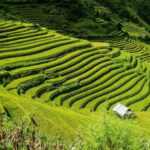
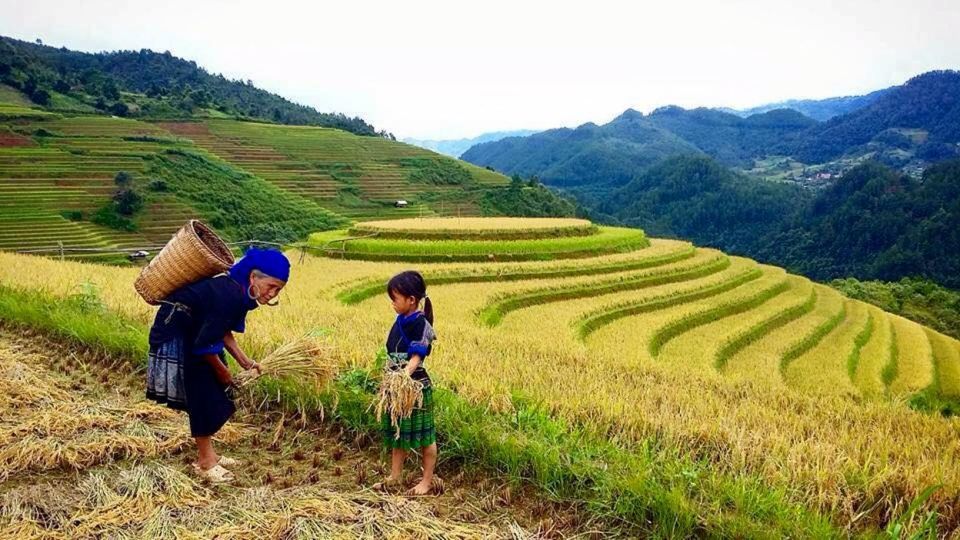
- Lao Chai viewpoints over some of the most famous rice terraces in northern Vietnam
- Textile crafts you can actually see, often including indigo dyeing, batik making, and hemp weaving
- Ta Van home visits focused on weaving and how rice cultivation fits the rhythm of life
- A Dzay tribe encounter that adds contrast in customs and clothing
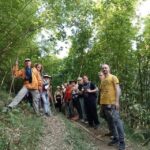
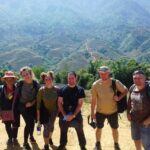
- Small group (up to 11) plus an English-speaking guide and local help on the path
Entering Sapa’s trail world: from town roads to Muong Hoa Valley
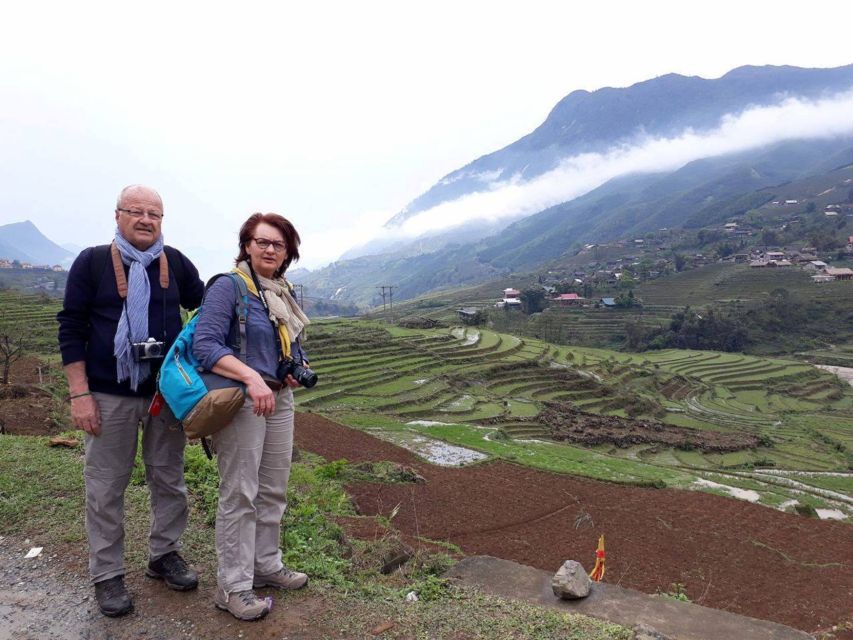
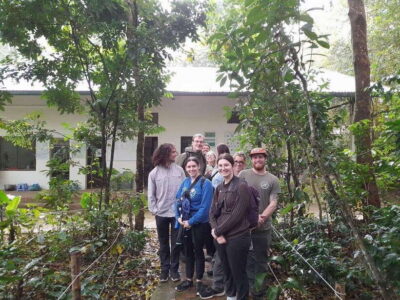
This trek is designed for people who want a full taste of the Muong Hoa Valley without committing to a multi-day hike. You’ll start in Sapa and get bus transport into the valley area, then begin walking right away on local paths and road segments.
Expect a mix of terrain: dirt paths, uneven steps, and stretches that may feel steep depending on the day. It’s one of those routes where the scenery rewards you often, but you still have to pay attention to your footing.
The trek isn’t a loop. You’ll walk downhill for part of the day, then transfer back to Sapa afterward, typically dropped near the Sapa center office.
You can also read our reviews of more guided tours in Sa Pa
Y Linh Ho village: the Black Hmong first look
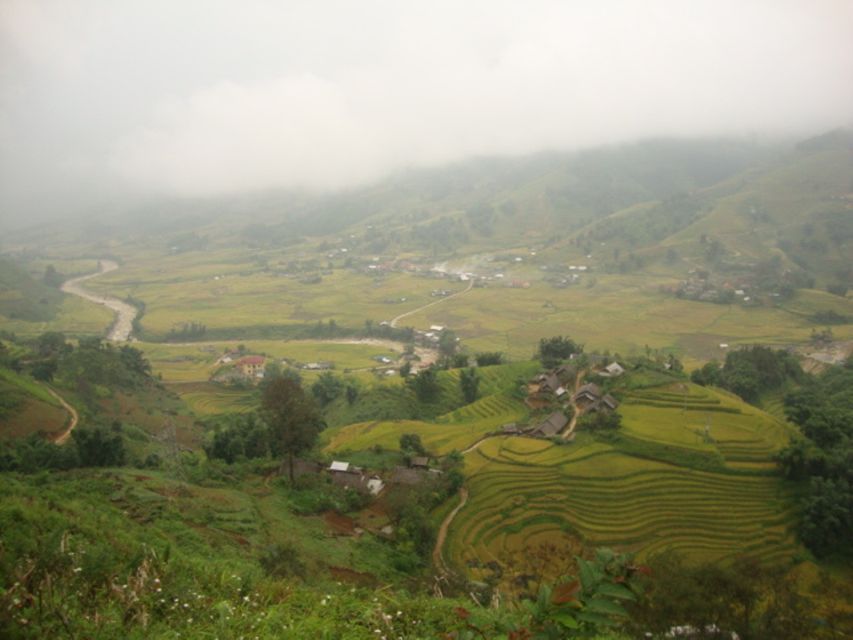
Your first village stop is Y Linh Ho, home to the Black Hmong community. The morning begins with about a 20-minute walk along a road that gives you an early sense of how the valley is layered with hills and terraces.
Once you reach the village area, you’ll have time around the village center. This is where you can observe daily movement and learn how people organize the practical parts of their day. It’s not a staged “show.” It’s village life, and your guide will help you understand what you’re seeing.
A practical note: keep your camera habits respectful. The guidance is clear—don’t take photos of children without parents’ permission, and don’t touch children’s heads. You’ll enjoy the visit more when you treat people like people, not like a backdrop.
Lao Chai and the terrace views: where the scenery gets serious
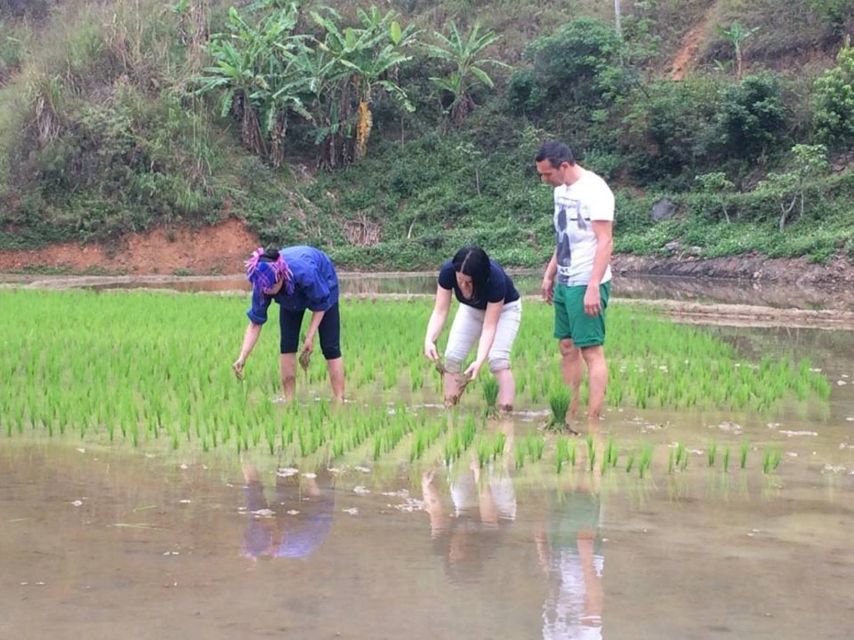
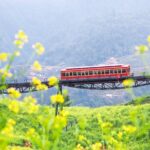
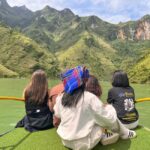
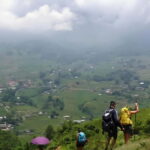
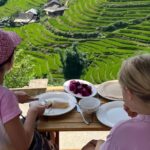
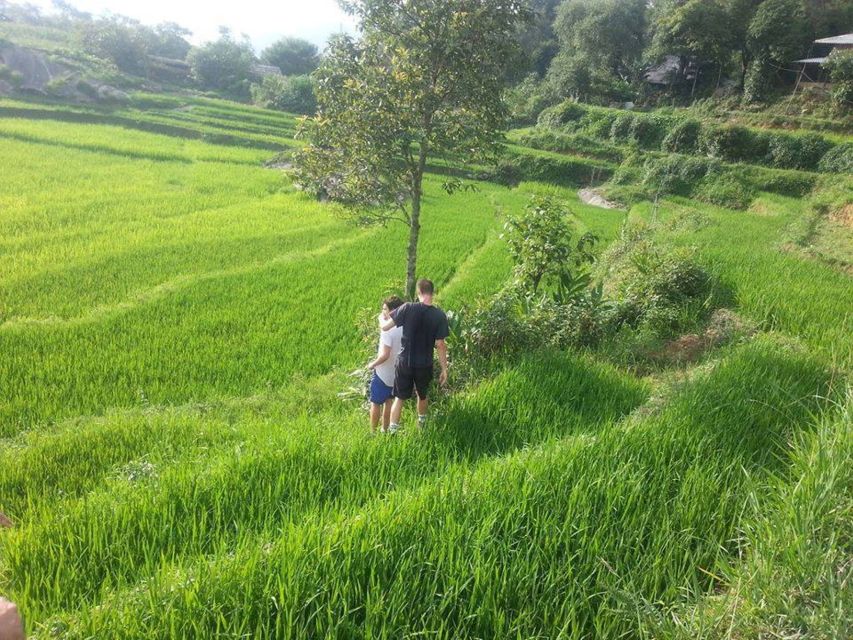
Next comes Lao Chai, a key stop for panorama-style views over Vietnam’s terraced rice fields. This is the part of the trek where you’ll slow down and actually take in the geometry of the hills and fields—how the terraces step across slopes like a set of living stairs.
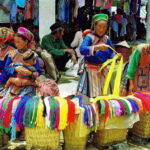
Lao Chai is also where the crafts start to take center stage. You’ll spend time with traditional work linked to Hmong life and materials—often including indigo dyeing, batik making, and hemp weaving. Even if you’re not a “craft person,” this section helps you connect textiles to environment and survival: plants become thread, colors come from natural dye processes, and skills pass through hands-on practice.
This is also where pace matters. Viewpoints tempt you to linger, but you’ll want to keep your legs ready for the path that follows.
Ta Van village: traditional homes, weaving, and rice cultivation
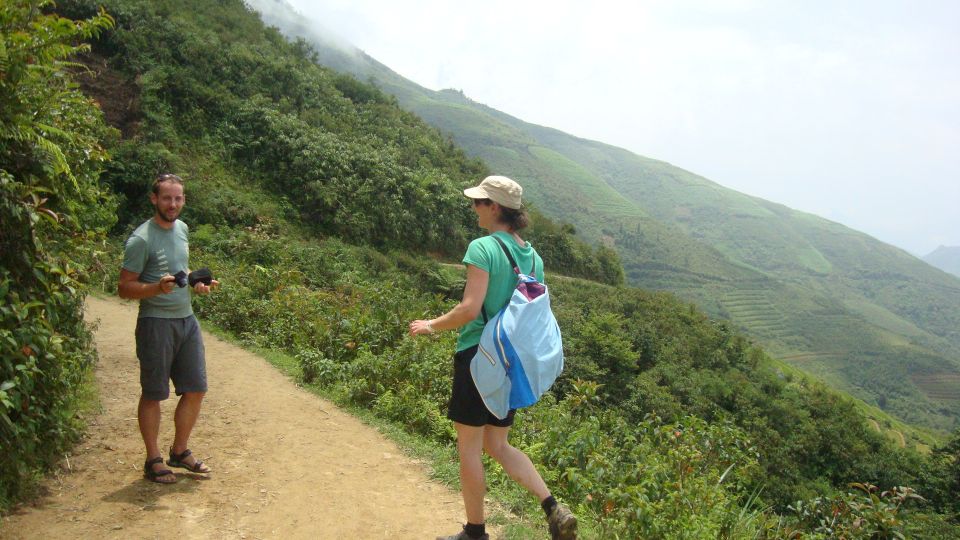
After lunch, the trek continues to Ta Van village, where the focus shifts from terrace views to everyday skills. Here, you’ll visit traditional local homes and learn how weaving and rice cultivation are part of the same life system.
Weaving isn’t just a hobby. It’s practical—useful materials, seasonal work, and a skill base that supports family routines. Rice cultivation similarly connects to timing and terrain. Your guide should be able to translate what you’re seeing into the logic of farming on steep slopes.
This stop tends to feel more personal because it’s closer to the spaces where people actually live and work. If you keep your questions respectful, this can be one of the most memorable parts of the day.
Meeting the Dzay tribe: costume and custom contrasts on the same route
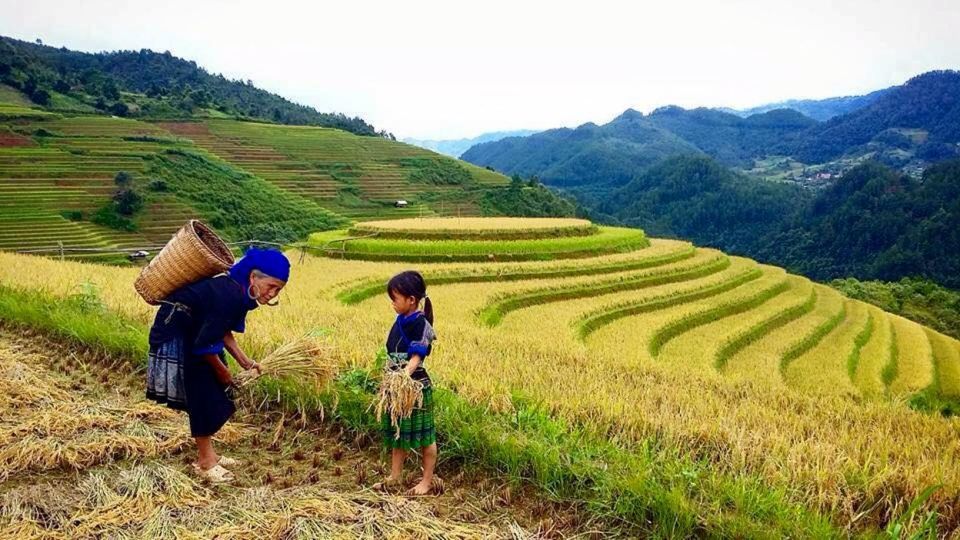
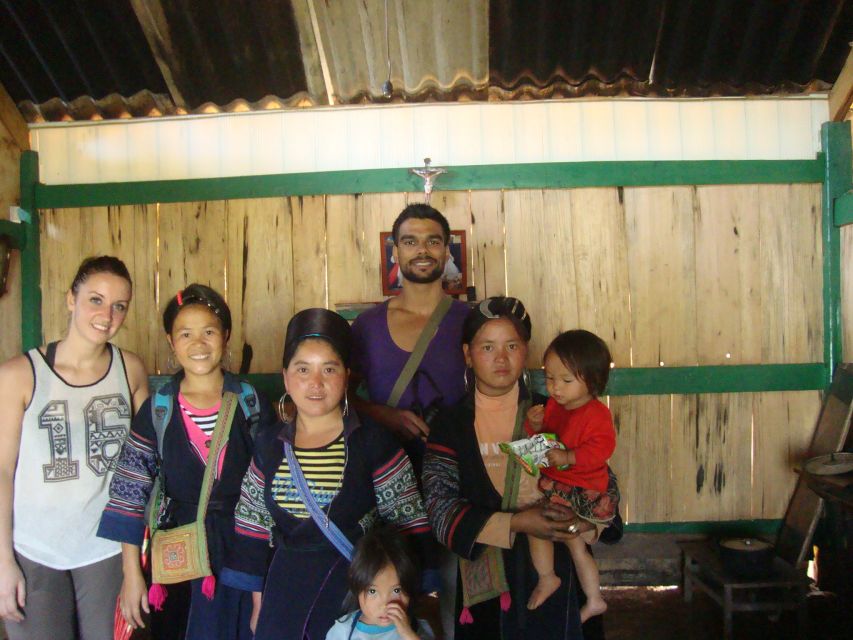
One of the strengths of this trek is that it doesn’t focus on just one community. You’ll meet members of the Dzay tribe, which adds clear contrast in customs and clothing.
It’s not just visual differences, either. Your guide will help you understand how village life can look different even when communities live relatively close together in the same valley region. That contrast is part of why this trek is worth doing in 6 hours instead of only chasing scenery.
If you’re the type who likes anthropology-lite—people, daily routine, and how culture shows up in clothing and work—this portion will land well.
You can also read our reviews of more hiking tours in Sa Pa
Pace, terrain, and weather: what 10 kilometers really feels like
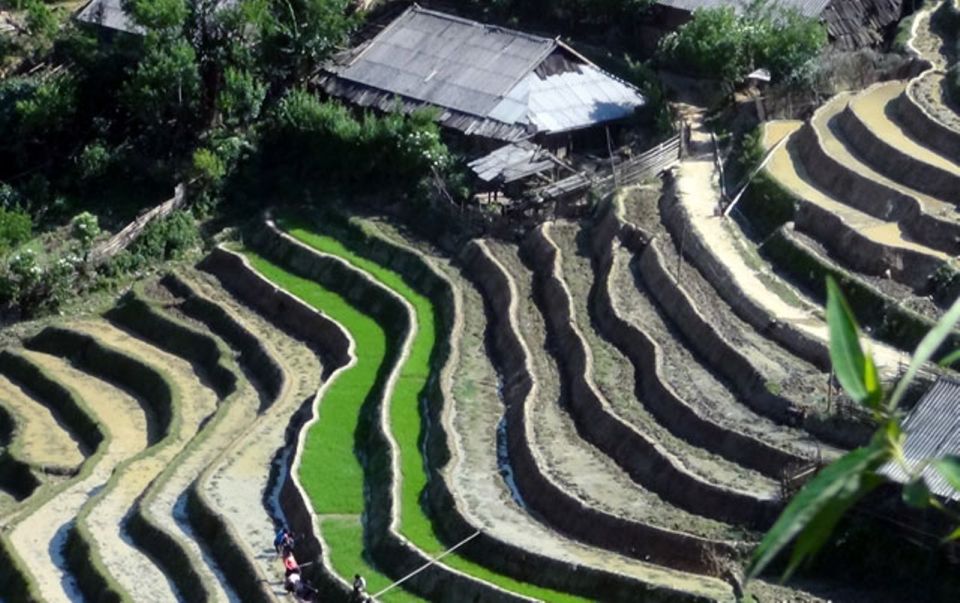
Even though the trek is sold as a 6-hour experience, the reality is a 10-kilometer walk with uneven ground. The route can be challenging, especially in wet weather, and slipperiness is the main issue. Several people in the same style of trek have emphasized how muddy and slick sections can be, particularly on rice paths.
Heat can also make steep segments feel harder than you expect. One day might include more concrete/stone sections and feel smoother; another day might turn paths into slip-and-slide conditions.
Here’s what helps: trekking shoes with solid grip, a steady pace, and a willingness to pause when you need to. Local guides and village helpers typically support people through difficult sections. Still, your job is to show up with shoes that trust your feet.
Also plan for fog if you go in colder months. In winter, thick morning fog can show up, which changes visibility and sometimes makes paths feel more slippery.
Lunch on your own: local food stops and shopping pressure
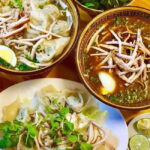
Lunch happens at a local restaurant during the trek window, and you’ll pay for food there. The upside is that you can eat something regional while staying close to the route rhythm.
What to expect around lunch: it’s common for local people to offer handmade items for sale. Sometimes the sales energy feels gentle; sometimes it can feel pushy if you linger. The best approach is simple: decide ahead of time whether you want to buy something, then follow that decision.
A lot of value here comes from recognizing that the items are tied to real skills—textiles and natural-dye processes are labor-heavy. If you want a souvenir, this is one of the better places to get it. If you don’t, you can still be polite and move on without feeling obligated.
Either way, keep your time focused. Food is fuel, not a detour.
Price and value: why $18 can work if you match the expectations
At $18 per person for a 6-hour trek, the value comes from what’s included: bus transportation, an English-speaking guide, entrance tickets to indicated sites, and water (one 500ml bottle).
What’s not included is mostly what you’d expect: soft drinks and meals, travel insurance, VAT, and personal expenses. In other words, the price covers the structure—getting you there, guided storytelling, and site access—while you control how you handle food and drinks.
The best way to think about value is: you’re paying for local guidance and a route that connects villages, terraces, and crafts in a short day. If your priority is mainly photos from viewpoints only, you might feel this is more than you need. If you want a guided cultural walk, it’s a strong deal.
Surcharges are the one catch. During Lunar New Year, there’s an extra fee listed by the operator. For Feb 14–21, 2025 it’s $20 per person paid directly. Another note lists Lunar New Year dates for 2024 with $30 per person at the meeting point. There’s also a $20 per person surcharge if you need a French-speaking guide.
What to pack for Muong Hoa: shoes, sun, and bugs
Bring the basics like you’re going to the mountains, not like you’re doing a city stroll. The recommended gear is practical: trekking shoes, sunglasses, sun cream, and insect repellent.
Warm clothes matter seasonally. Between October and March, you’ll want layers because temperatures can drop, especially with fog or after wet weather.
If you’re visiting during rainy periods, treat footwear like the most important “expense” you’ll have. Mud and wet slopes can soak and smear quickly, so consider packing care (extra dry socks if you have room) and plan for your shoes to get dirty.
Local culture rules you should follow (and why they matter)
This trek is about respectful contact. The guidance you’re given is clear: don’t take photos of children without parents’ permission, and don’t touch children’s heads. It’s also wise to be careful about how close you stand during village interactions.
If you want to show appreciation, the best route is through ethical, voluntary purchases of handmade items when you genuinely want them. The craft work you’ll see tied to indigo dyeing, batik, and hemp weaving isn’t mass-produced, and it deserves fair attention.
A little humility goes a long way here. Ask, listen, and let your guide translate naturally.
Who should book, and who should skip this one
This trek is a strong fit if you:
- want a 6-hour day plan with village visits and rice terraces
- enjoy guided context about minority communities like the Black Hmong and Dzay
- are comfortable walking 10 kilometers on uneven ground
It’s also a smart choice for many adults in their 40s and 50s when they’re steady on their feet. Even some people who weren’t ultra-fit have made it work with proper shoes and local support.
But skip it if you have mobility concerns or fall into any of these categories listed by the operator:
- pregnancy
- disabled people / wheelchair users
- children under 6
- senior citizens are advised not to do the 10-kilometer trek due to challenge and potential danger in wet weather
And no pets are allowed.
Should you book the 6-Hours Muong Hoa Valley Trek?
I’d book it if your ideal Sapa day includes more than just viewpoints. This trek gives you a working connection between terrace scenery and the lives of people growing, weaving, and dyeing in the valley.
Don’t book it if you hate slippery footing or you’re looking for a low-effort nature walk. The day can be muddy, steep, and uneven, and that’s not a small detail—it’s the main “experience variable.”
If you want my simple checklist: good shoes, realistic expectations, and respect for the village culture. Get those right, and the $18 price feels like a fair exchange for a full, guided slice of northern Vietnam.
FAQ
How long is the Muong Hoa Valley trek?
The trek lasts about 6 hours.
Where does the trek start?
It starts from Sa Pa, and you’ll also have transportation by bus as part of the tour.
What’s included in the price?
The price includes bus transport, an English-speaking guide, entrance tickets to indicated sites, and 1 bottle of water per person (500ml).
What is not included?
Soft drinks, food (including lunch at the local restaurant), travel insurance, VAT, and personal expenses are not included.
Is pickup included?
Pickup is available from hotels in Sa Pa town only. If your hotel is outside Sa Pa town, you may need to go to a meeting point.
Is the trek suitable for kids?
No. It’s not suitable for children under 6 years old.
Is it suitable for seniors?
Senior citizens are advised not to do this 10-kilometer trek because it can be challenging and may be dangerous in wet weather.
Is it suitable for wheelchair users or people with mobility impairments?
No. It’s not suitable for disabled people and wheelchair users.
Is there a Lunar New Year surcharge?
Yes. The operator lists a surcharge during Lunar New Year periods, including $20 per person for Feb 14–21, 2025. Another note lists a $30 per person surcharge for Feb 9–14, 2024.
What should I bring?
Bring trekking shoes, sunglasses, sun cream, and insect repellent. Warm clothes are recommended between October and March.