REVIEW · SA PA
From Hanoi: 2-Day 2-Night Sapa Tour by Overnight Train
Book on GetYourGuide →Operated by Crossing Vietnam Tour · Bookable on GetYourGuide
Sapa starts on the overnight train. This air-conditioned 4-bed cabin ride turns a long transfer into part of the experience, with a stunning view on the way to Lao Cai that makes the whole trip feel scenic from the first night. You’re also traveling with an English-speaking guide who keeps the story grounded in daily life, not just photos.
I really like the way the trek days focus on real village rhythms, especially the treks to Sin Chai and Ta Van with time to meet locals and learn about the Black H’mong and Dzay communities. The main drawback to plan for is that the overnight train can be noisy, so if you’re a light sleeper, bring earplugs and accept you won’t sleep like you do at home.
In This Review
- Key points to know before you go
- Overnight train from Hanoi: what the 10pm departure feels like
- Sapa morning logistics: breakfast, luggage, and early comfort choices
- Day 1 trekking to Sin Chai: a short down-trek with big culture payoffs
- Day 2 in Muong Hoa Valley: Y Linh Ho, Lao Chai, and Ta Van rice terraces
- The “local accompanies you” issue: what to do if it gets uncomfortable
- Guides and organization: why English support matters here
- Price and what you actually get for $168 per person
- Comfort vs. challenge: who this tour suits best
- Should you book this 2-day Sapa tour by overnight train?
- FAQ
- What time does the overnight train leave Hanoi?
- Where does pickup happen in Hanoi?
- What time do I reach Sapa on Day 1?
- What villages do the treks visit?
- How difficult is the trekking?
- What meals are included?
- Where do you stay in Sapa?
- Is the room ready immediately when you arrive?
- What should I bring and what’s not allowed?
Key points to know before you go

- Overnight train is the centerpiece: shared 4-bed cabin, air-conditioned, plus morning arrival into the Sapa region
- Two trek styles: a shorter down-trek to Sin Chai, then a longer Muong Hoa Valley day with rice terraces
- Village access with an English guide: you’ll get context about Black H’mong and Dzay life, not just a walking route
- Pack for fast weather shifts: warm layers for chilly mornings and December-style cold
- Long travel on Day 2: you trek, then leave Sapa by limousine back to Hanoi late afternoon
- Local sellers may follow you: you’ll be advised to ignore high-pressure attempts and stick with your guide
Overnight train from Hanoi: what the 10pm departure feels like
Most Sapa tours feel like a bus trip with a detour. This one flips the script by starting with the overnight train from Hanoi to Lao Cai. If you’re in the Hanoi Old Quarter, pickup is arranged from your hotel around 9pm, then you head to the station near 120 Lê Duẩn street for a 10pm departure.
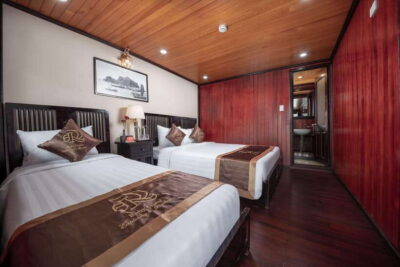
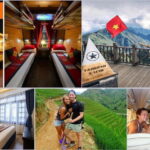
On the train, you’re in a shared air-conditioned 4-bed cabin—cozier than you might expect, with a practical setup for sleeping and getting ready. You’ll also use standard train facilities, including clean wash basins and toilets. And yes, you’ll get that “moving through the mountains” feeling as the route unfolds toward Lao Cai. It’s not a luxury sleeper train fantasy, but the best part is that you arrive with energy for the next day instead of losing a whole travel day.
One reality check: the vibe can be noisy. Some cabins are quieter than others, but there are accounts of the train being loud and stopping during the night. If you’re the type who wakes up from small sounds, bring earplugs and consider how much sleep you can realistically expect.
You can also read our reviews of more evening experiences in Sa Pa

Sapa morning logistics: breakfast, luggage, and early comfort choices
You’re scheduled to meet your guide at the station after arriving in the morning, then transfer to Sapa around 6am. The trip plan then gives you time for the “setup” moments that most itineraries gloss over: you return to the hotel, leave luggage, and get breakfast.
Your hotel room is available for check-in at 2pm, which matters. You can still use the morning time to eat and start the day—but if you want the comfort of freshening up and changing before trekking, look into early check-in if it’s offered as an extra option. I like this because it turns an exhausting travel morning into a calmer start.
In colder months, the hotel experience can make a difference. There are reports of a good level of comfort, including heating, while reception and restaurant areas can be chilly. Either way, you’ll be happier if you pack layers you can add fast.
Day 1 trekking to Sin Chai: a short down-trek with big culture payoffs
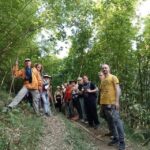
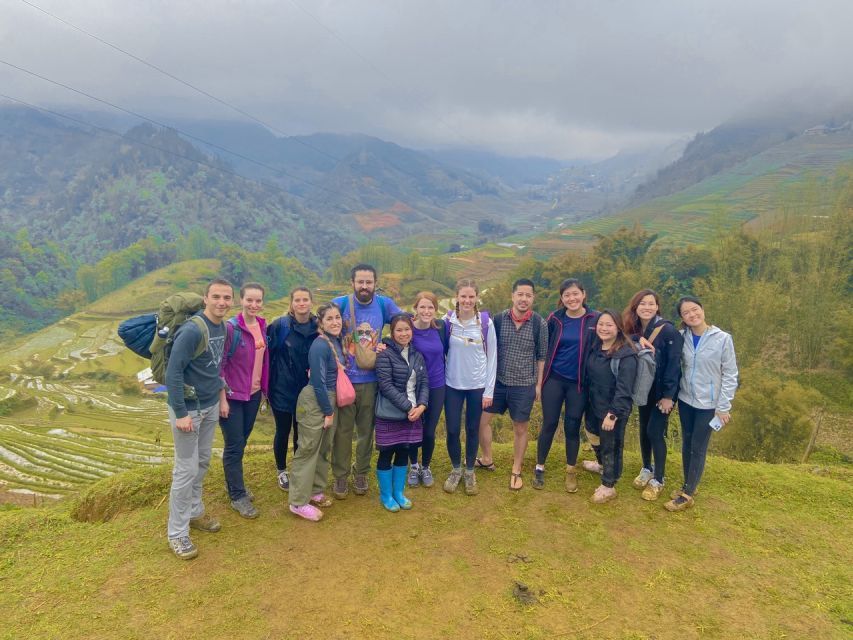
Day 1 begins after breakfast with a trek down toward the south-west of Sapa—around 4 km—to Sin Chai village of the Black H’mong. This is the “tone setter” day. The walk isn’t described as a full-on endurance test, and it’s paced for you to actually notice the village and the people living there, not just survive the route.
Sin Chai is described as simple and rustic, more than 2 km from the center of Sapa town. That distance matters. It’s not just a scenic stop near a street with souvenirs everywhere. You’re moving away from the main tourist center and toward everyday mountain life.
After the trek, lunch is at the hotel’s restaurant. Then you get real breathing room: the afternoon and evening are mostly free time. That freedom is underrated on these trips. You can rest your legs, or explore Sapa at your own pace. For evening options, roasted corn and baked eggs near a charcoal fire show up as a local-feeling kind of stop—exactly the kind of small moment that makes the trip feel less scripted.
Overnight is in a 3-star hotel, so you’re not bouncing between different accommodations. That adds up when you’re trekking in cool weather.
Day 2 in Muong Hoa Valley: Y Linh Ho, Lao Chai, and Ta Van rice terraces
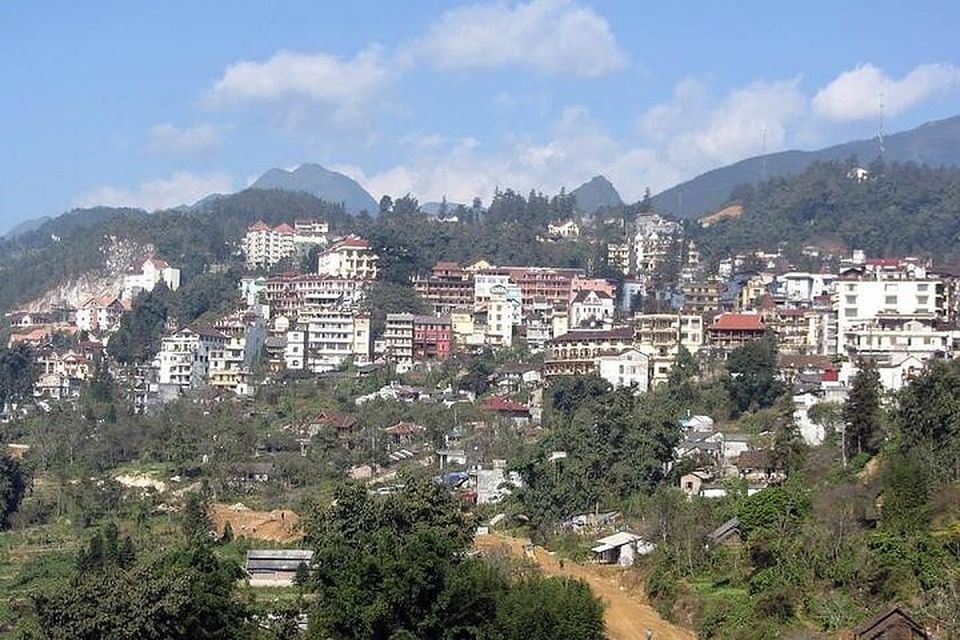
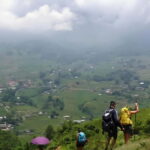
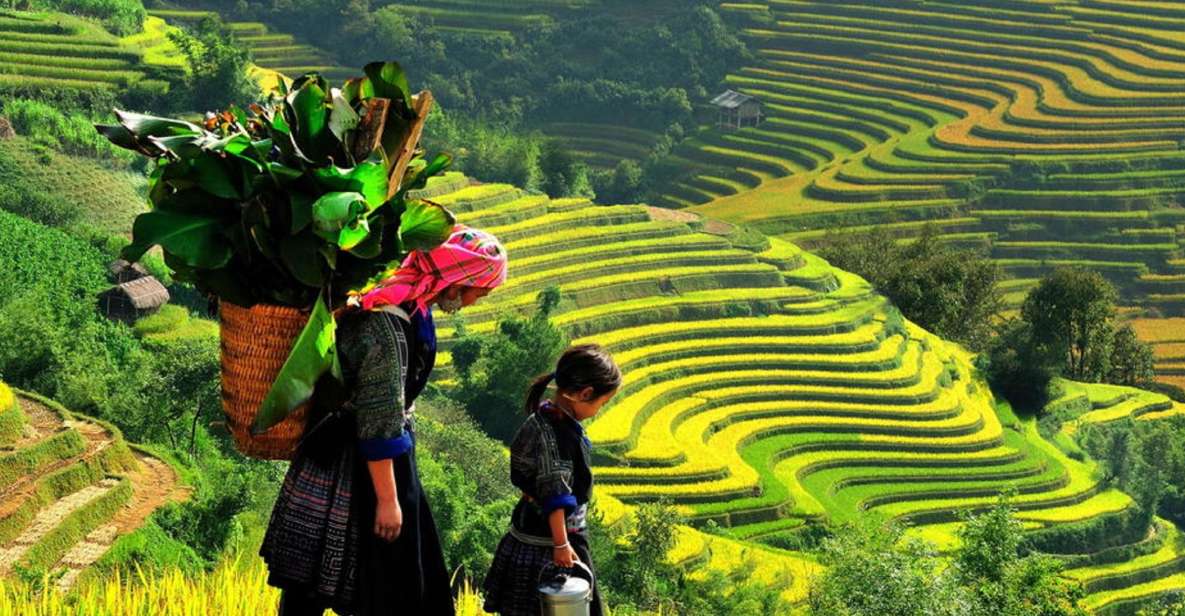
Day 2 is the longer trek day, and it’s built around the Muong Hoa Valley. You’ll start with breakfast, then head down along the valley side to Y Linh Ho Village, again of the Black H’mong.
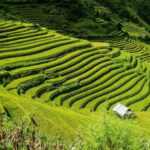
From there, the route continues to Lao Chai village of the H’mong, with lunch included during the day. After lunch, the trekking shifts toward terraced rice fields on the way to Ta Van Village, home to the Dzay minority community.
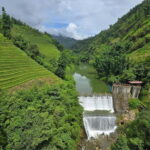
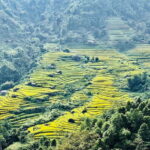
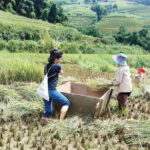
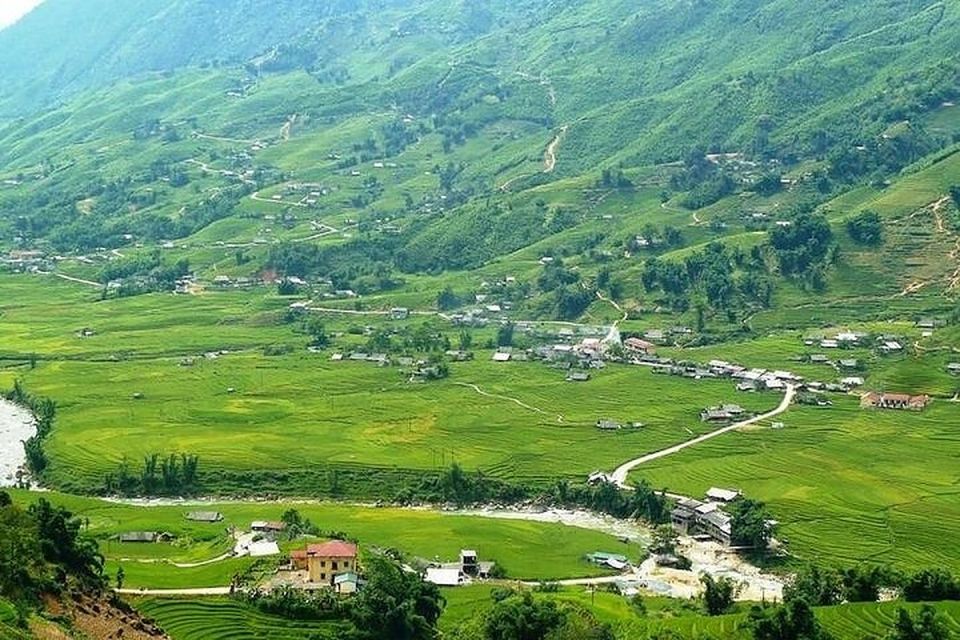
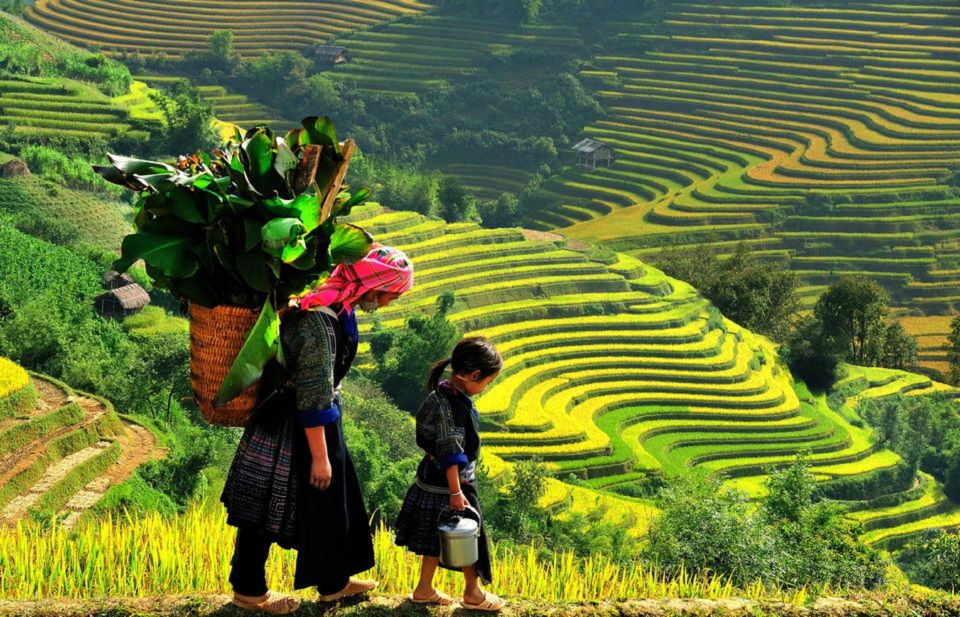
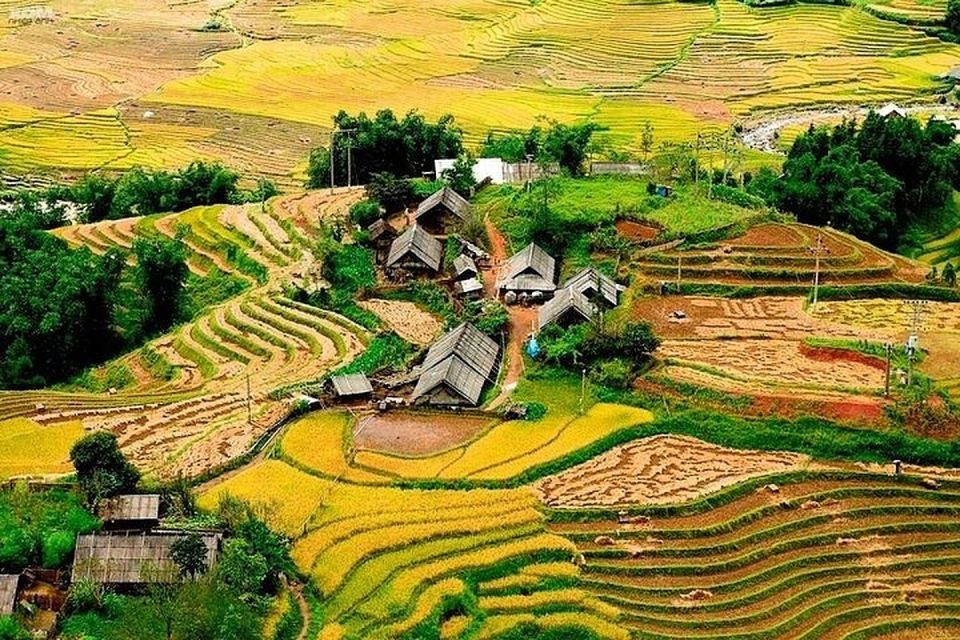
This is where the trip really justifies its “trekking” label. A lot of Sapa itineraries include village stops that feel like quick photo breaks. Here, you’re walking through rice terraces and village paths in a way that gives you time to see how communities sit in the valley and how the land shapes daily routines.
Now the practical part: wear shoes with good grip. If it’s rainy (and it can be), trails can get muddy and slippery, and you’ll be better off with gum boots if your guide recommends them. I like that this tour gives you guidance on what conditions you’re dealing with—because you can’t “logic” your way out of wet stone or slick mud.
The “local accompanies you” issue: what to do if it gets uncomfortable
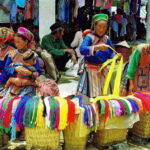
There’s an important note built into the trip: during the trekking, local ethnic people may try to accompany you and may ask for money or sell items at high prices. You’ll be told to ignore these attempts and stick with your guide.
This is common in the Sapa area, but the key for your experience is control. If someone is trying to pull you away from the planned route, trust your guide’s leadership. If you stay with your group, you keep the day focused on the actual itinerary and reduce stress.
You can also read our reviews of more tours and experiences in Sa Pa

Guides and organization: why English support matters here
In a trekking tour, your guide isn’t just a translator. They’re the person who sets the pace, explains what you’re seeing, and helps you navigate the “social side” of village visits.
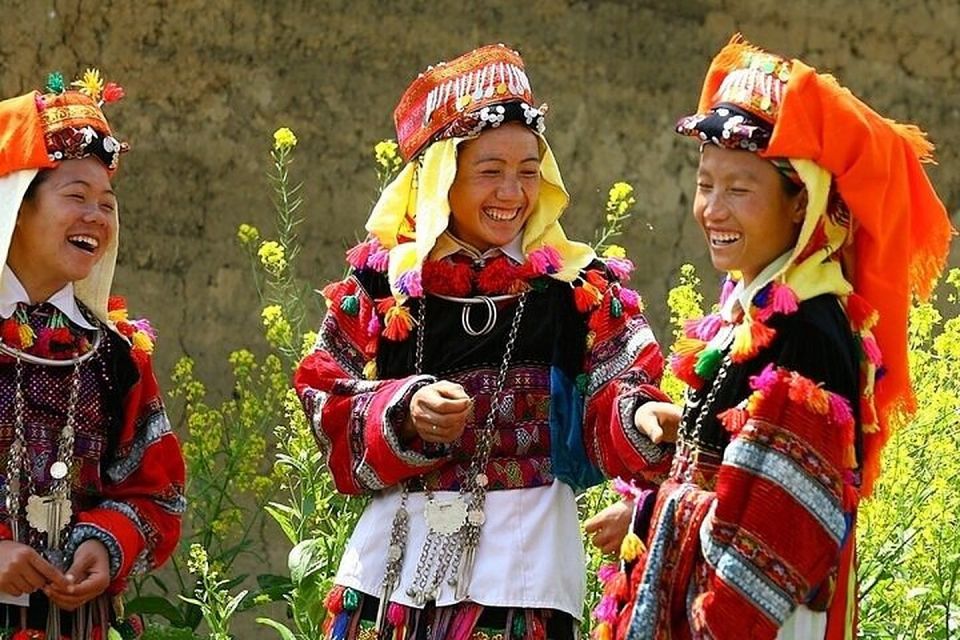
You may meet guides like Sung, praised for being careful, knowledgeable about culture and traditions, and genuinely helpful. Another guide named Ai gets strong marks too—communicating clearly, being funny, and helping with practical moments like crossing rice fields. Zua is also mentioned for excellent English and a focus on culture plus the natural environment.
On the coordination side, you might interact with staff names such as Lana and Nam. In most cases, the experience is described as smoothly handled—from pickup, to train boarding, to transfers. Still, there can be coordination hiccups, so I recommend you ask a few direct questions early: where you’re meeting the guide, what time you’ll leave, and when you’ll be expected back at vehicles. When you know the next step, the whole day feels lighter.
Price and what you actually get for $168 per person

At $168 per person, this tour packs in several high-cost pieces that would be expensive to do separately:
- Overnight train (shared air-conditioned 4-bed cabin) from Hanoi to Lao Cai
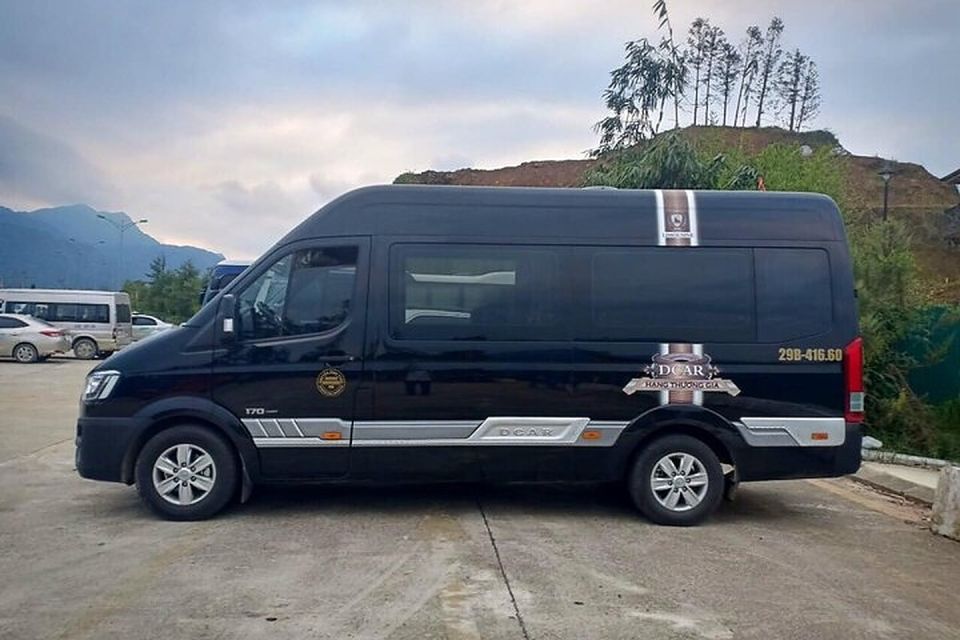
- Transfers: shared minivan from Lao Cai to Sapa center, and a limousine back to Hanoi
- Hotel: 1 night in a 3-star property
- Meals: 2 breakfasts, 2 lunches, and 1 dinner
- Entrance fees tied to the itinerary
- English-speaking guide
What’s not included: drinks, personal expenses, and travel insurance. Also, there are parts of the day where you’re on your own—especially free time in Sapa on Day 1.
Value-wise, what you’re really buying is time efficiency. You don’t lose a full day to transit, and your “travel hours” become part of the journey. For many people, that’s the difference between a Sapa trip that feels like work and one that feels like a story.
One caution: food quality is described as strong in some experiences, but not every meal is guaranteed to be exciting. If you have picky preferences, it helps to treat included lunches and dinners as sustenance, not a highlight reel. The trek days and village learning are the main event.
Comfort vs. challenge: who this tour suits best
This is best for travelers who can handle trekking downhill and on uneven paths. Reviews and descriptions emphasize that it’s not a casual stroll, so bring shoes that can handle mud and steps.
It’s also not suitable for everyone. The tour notes it’s not suitable for wheelchair users, people with mobility impairments, pregnant women, and unaccompanied minors. If you’re older, it can still work—but it depends on stamina and flexibility. There are examples of alternative arrangements being made for an elderly participant who found the trekking too much. That’s encouraging, but don’t assume a dramatic rewrite of the itinerary is always available. If you have mobility limitations, ask before booking and discuss what “alternative” might realistically mean.
Weather matters too. Sapa can turn cold fast, and warm layers are essential. If you’re going at the end of December (or any chilly season), plan to dress like it’s winter, not like it’s “only a little cool.”
Should you book this 2-day Sapa tour by overnight train?
I’d book this if you want a Sapa trip that feels efficient and story-driven: Hanoi to Lao Cai by night, two trek days into village life, and a return to Hanoi that doesn’t eat your whole last morning.
You should reconsider if:
- you’re a light sleeper and can’t handle possible train noise
- you don’t want any trekking (even if it’s carefully paced)
- you’re traveling with mobility limits and need an itinerary that can be fully adjusted
If you go, go prepared. Earplugs help. Warm layers help more. And if the trail gets muddy, take gum boots seriously when your guide suggests it.
Book it when you want the real Sapa rhythm: villages, valley walks, and the kind of mountain quiet you only get when you’re not rushing through the day.
FAQ
What time does the overnight train leave Hanoi?
The train leaves Hanoi at 10pm. Hotel pickup in the Old Quarter is arranged around 9pm, then you go to the station area for boarding.
Where does pickup happen in Hanoi?
Pickup is included if your hotel is in the Hanoi Old Quarter. If your hotel is outside the Old Quarter, you’re asked to go directly to the meeting point at Hanoi Railway Station near 120 Lê Duẩn street.
What time do I reach Sapa on Day 1?
You arrive in the morning and head to Sapa around 6am, then you transfer to the hotel area, leave luggage, and have breakfast.
What villages do the treks visit?
On Day 1 you trek to Sin Chai village (Black H’mong). On Day 2 you trek to Y Linh Ho village and then to Lao Chai, before heading to Ta Van village (Dzay).
How difficult is the trekking?
The trek includes downhill walking on Day 1 and a longer Day 2 walk through valley paths and terraced rice areas. Comfortable, grippy shoes are important, and if it’s rainy you may need gum boots because the paths can become muddy and slippery.
What meals are included?
You get 2 breakfasts, 2 lunches, and 1 dinner included in the itinerary. Drinks are not included.
Where do you stay in Sapa?
You stay for one night in a 3-star hotel in Sapa.
Is the room ready immediately when you arrive?
The room is available for check-in at 2pm. If you want early check-in to freshen up before the trek, that may be available as an additional option.
What should I bring and what’s not allowed?
Bring a passport or ID card. Alcohol and drugs are not allowed, and the tour is not suitable for unaccompanied minors and pets.