REVIEW · HIKING & TREKKING
Sapa 1 Day Long Trek: Trek to Hau Thao and Sa Seng Villages
Book on GetYourGuide →Operated by Cat ba memories · Bookable on GetYourGuide
Fog or sun, the climb pays off. I especially like the Sa Seng ascent for big, distant views (including Mount Fansipan on clear stretches) and the real people contact with Black Hmong villages. You also get that rare combo of panorama first, then village life right after.
Do note one drawback: the route can turn muddy and slippery, especially in wetter months, so good traction matters more than your camera settings.
In This Review
- Key highlights to look for
- The trek in plain English: views, villages, and a steady pace
- Sapa pickup and the uphill start toward Sa Seng
- Sa Seng to Hang Da: getting rewarded, then getting welcomed
- Lunch at a family-run restaurant: the best kind of refuel
- Hau Thao and Giang Ta Chai: farming life and cultural stories
- Weather, mud, and what to bring so the day stays fun
- Price and value: is $24 actually fair?
- How to choose this trek: who it fits (and who should skip)
- The small details that make or break the day
- Should you book the Sapa Sa Seng to Hau Thao trek?
- FAQ
- How long is the trek and when do you start?
- Which villages are included on the day?
- What’s included in the price?
- Is lunch provided?
- Will we see Mount Fansipan and the rice terraces?
- What should I bring with me?
- Is this trek suitable for everyone?
Key highlights to look for
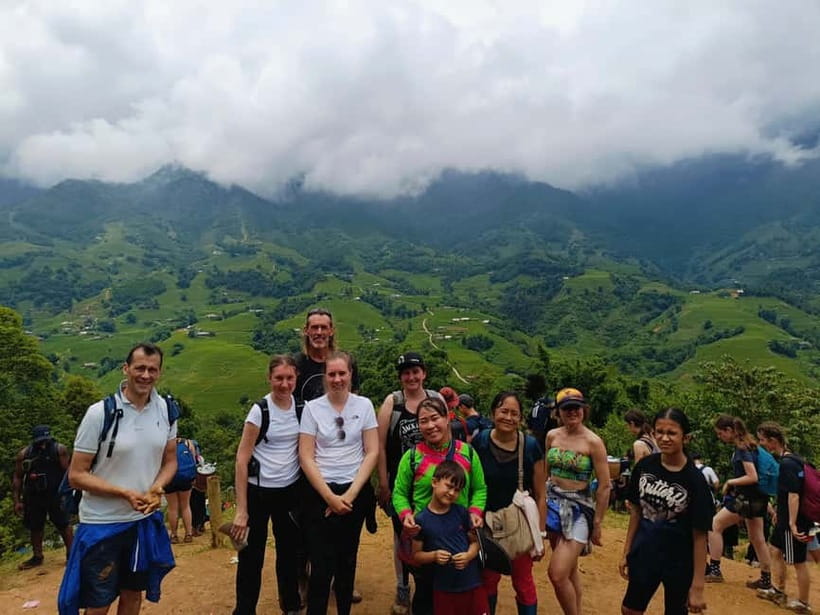
- Sa Seng Mountain panoramas with distant Mount Fansipan views and a wide sweep over the Sapa valley
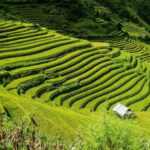
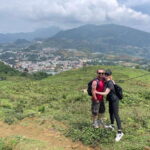
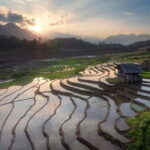
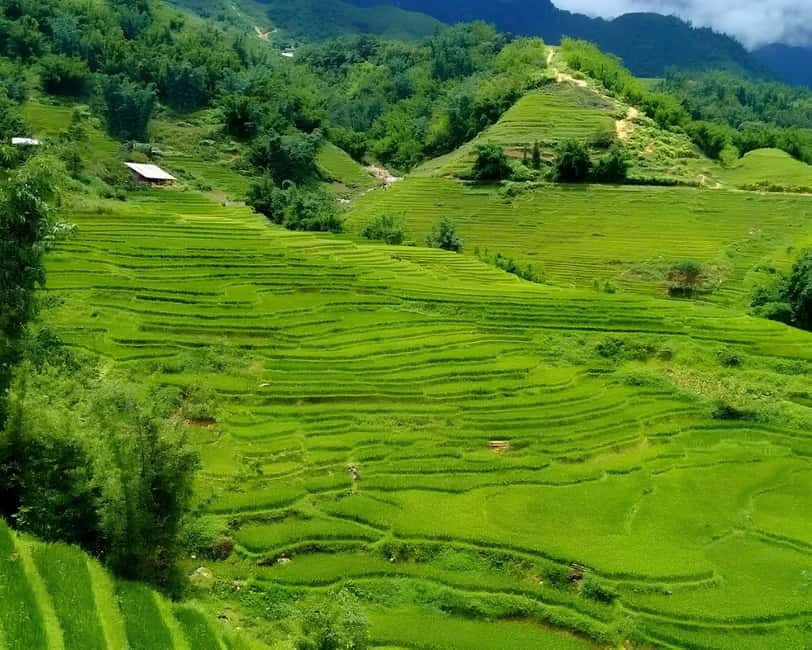
- Muong Hoa Valley rice terraces viewed from above, with the river/valley system showing in the distance
- Hang Da and Hau Thao Black Hmong village visits plus practical talk about farming and daily life
- Guides who make the day feel alive (names you may hear include Mao, Su, Zozo, and others)
- Animal sightings and farm-path walking where buffalo, pigs, and horses may cross your path
- A family-run traditional lunch served after the first big walking section
The trek in plain English: views, villages, and a steady pace
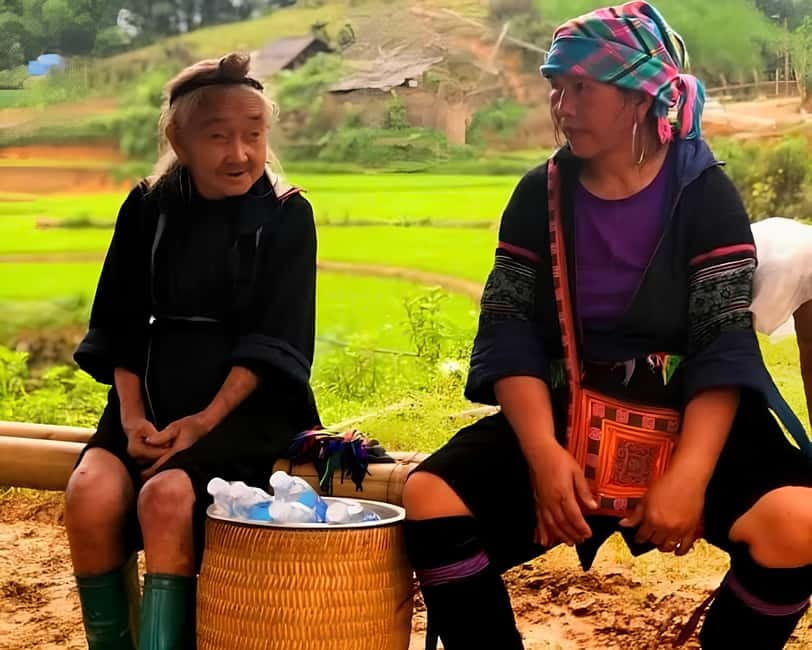
This is a 7–10 hour Sapa day trek that starts around 9:00 AM and keeps you moving through mountain trails, farm paths, and village lanes. The emphasis isn’t on ticking boxes. It’s on getting you from the high viewpoint down into real community life with a guide who can explain what you’re seeing as you go.
I like that the day has a natural rhythm. You earn your best views on the way up, then you slow down at village stops. After lunch, the cultural lessons shift from scenery to how people actually live: farming schedules, how houses are built, and how community traditions work.
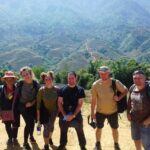
You’ll be in a small group, and you’ll have an English-speaking local guide on a set route. That matters in Sapa, where weather can change fast and paths can look similar unless someone is guiding your steps.
You can also read our reviews of more hiking tours in Sa Pa
Sapa pickup and the uphill start toward Sa Seng
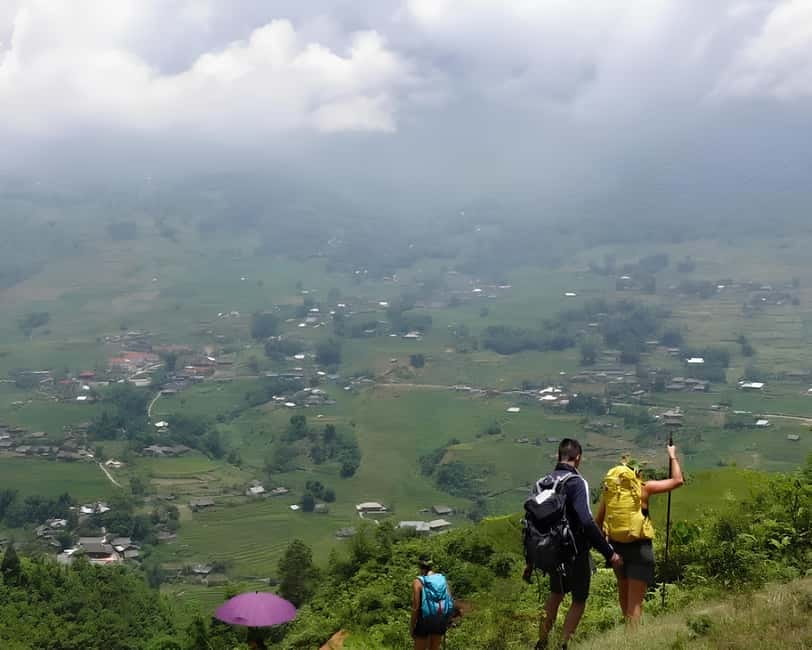
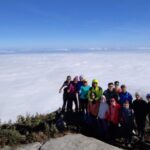
Your day starts with pickup in Sapa Town and a short briefing, then you begin with about a 1 km uphill walk along a scenic mountain trail. After roughly an hour of moderate trekking, you reach the top of Sa Seng Mountain—the moment most people remember.
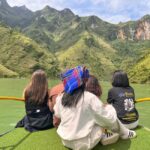
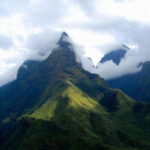
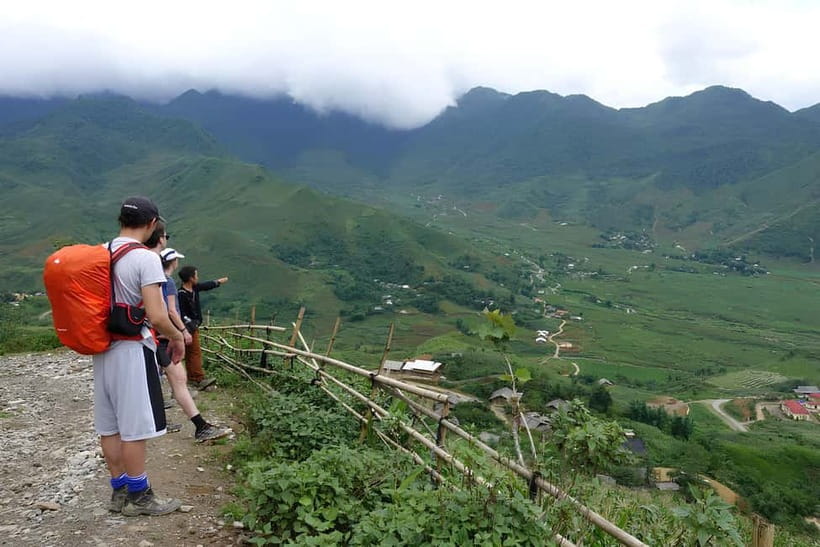
This is where the view game begins. From up there, you look down over the Sapa valley and out toward Mount Fansipan (3,143 m), the highest peak in Indochina. Even if you can’t spot the summit clearly, you still get the shape of the valleys below and the sense of how dramatic the region really is.
One more reason this first section is worth your effort: the trail continues downhill afterward. So you’re not just hiking for a single photo. You’re setting up the rest of the day so the village visits feel connected to what you saw from above.
What to watch for: the first part is mostly uphill, and your legs will feel it later. If your fitness is average, take it steady from the start rather than trying to power up.
Sa Seng to Hang Da: getting rewarded, then getting welcomed
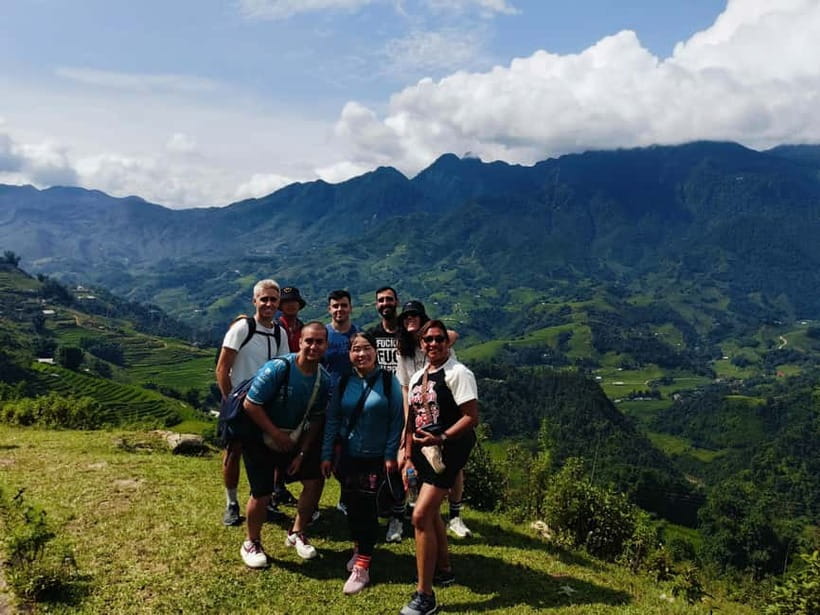
Once you’re done at Sa Seng, the trek continues downhill toward Hang Da Village. This segment is often where people notice the day’s “mountain realism.” You might see free-roaming animals—buffalo, pigs, and horses are specifically mentioned—and you’ll walk through areas that feel more like working countryside than a staged tourist path.
At around noon, you’ll arrive at Hang Da and get a warm village welcome. This is a Black Hmong community, and your guide uses the walk itself as a living classroom. You’re not only passing houses; you’re seeing where daily life happens and why certain paths and fields matter.
A practical tip: keep your pace comfortable and your attention up. When animals wander near paths, it helps to pause rather than charge forward for photos. Your guide will manage the group, but your calm behavior makes the experience smoother for everyone.
If you’re picturing an easy stroll, calibrate expectations. Even when the route isn’t described as extreme, you’re in uneven terrain and altitude-adjacent conditions. Your knees and ankles will notice the difference between a town sidewalk and a mountain path.
Lunch at a family-run restaurant: the best kind of refuel
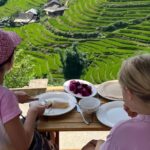
After you’ve hiked through the first big section and worked your way into the village rhythm, you’ll have a traditional lunch at a family-run local restaurant. This isn’t a boxed meal situation. The day is built around this pause, so you actually have time to eat, reset, and enjoy the meal without rushing.
The lunch timing is also smart. You’re fed after the uphill work and before the second half of the day’s trekking. That’s exactly when most people want energy: after lunch, you’ll head deeper into another Black Hmong community and spend time learning about how farming and culture connect.
A detail I appreciate: bottled water is provided during the trek. In Sapa, where the air can be cooler but the effort is real, hydration helps you enjoy the hike instead of just surviving it.
Hau Thao and Giang Ta Chai: farming life and cultural stories
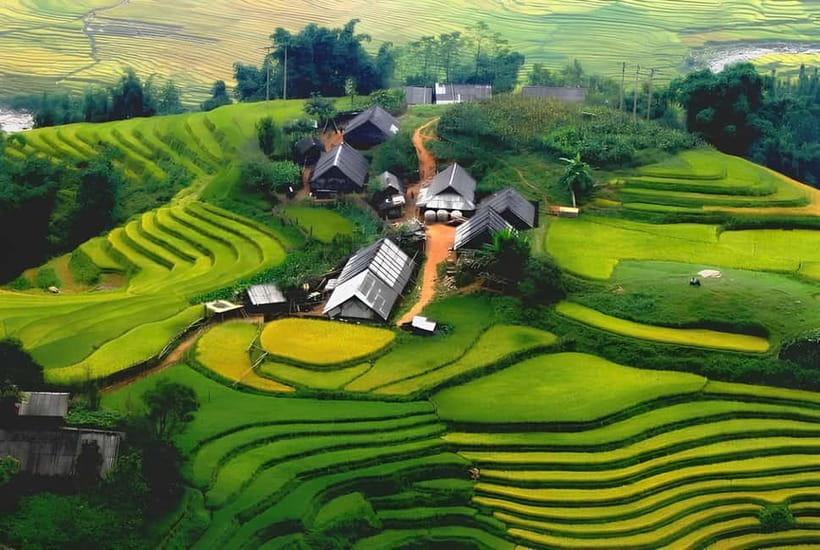
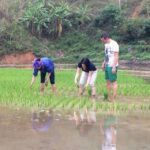
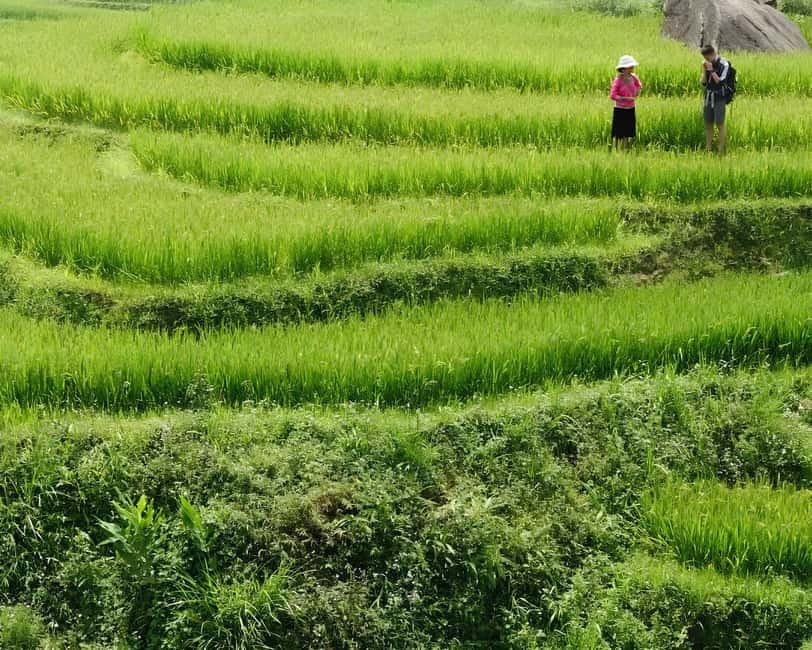
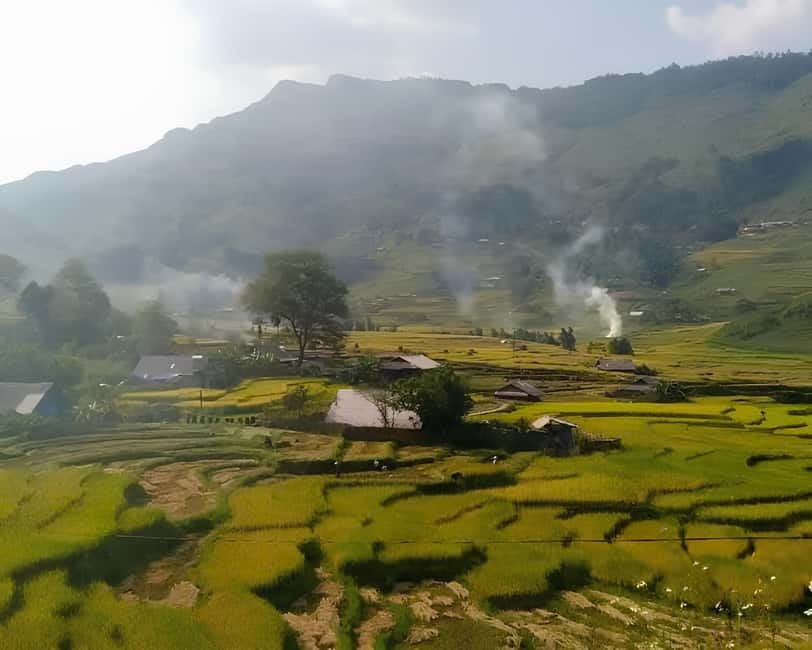
After Hang Da, your route heads toward Hau Thao Village. Depending on the season, you might see farmers planting or harvesting rice. That’s a big part of why this day is memorable: you’re not just looking at agriculture as scenery. You’re watching agriculture as a schedule and a craft.
Your guide explains Hmong culture and daily life, including customs and practical skills such as:
- rice cultivation
- traditional farming rhythms
- house-building techniques
- marriage rituals and other community traditions
This is where the guide’s personality matters. In the better-guided days, the cultural explanation doesn’t feel like a lecture. It feels like someone translating the landscape of everyday life into words you can understand.
Then, around 3:30 PM, the trek wraps up in Giang Ta Chai village, where your vehicle meets you for the transfer back to Sapa. It’s a tidy finish after a long day, and it helps you avoid the most common trekking fatigue problem: being stuck with sore legs and no easy way home.
You can also read our reviews of more tours and experiences in Sa Pa
Weather, mud, and what to bring so the day stays fun
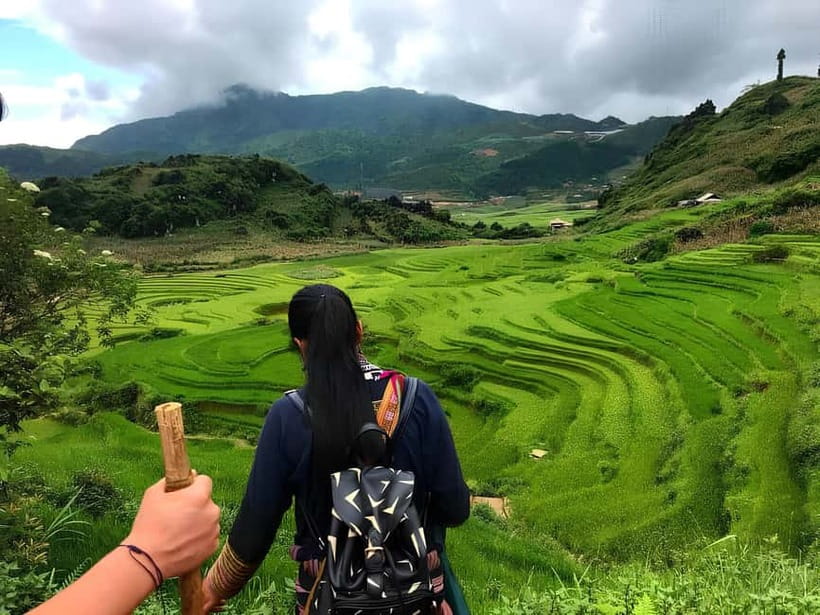
Sapa weather can swing hard. Even on days that start foggy, you can still have a great time, but don’t plan your happiness around “perfect visibility.” If the fog is heavy, you may catch only partial views from the high point. When that happens, focus on the walking itself—bamboo, rice paths, and the village details your guide points out.
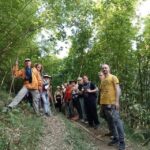
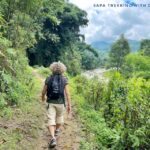
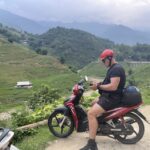
The biggest real-world factor is traction. In wetter conditions, parts of the trail—especially where bamboo forest is involved—can become very muddy and slippery. One review noted gum boots were provided on a rainy day. You can’t rely on that every time, but it’s a sign that the operator thinks about weather, not just sunshine.
Bring what the tour asks for:
- Sunglasses
- sun hat (and you’ll likely appreciate a hat with good coverage)
- cash
- your trekking shoes
I’d add one common-sense rule: don’t show up in footwear that hates mud. The day can be moderate overall, but “moderate” still means uneven ground and footing changes that add up.
For photos, aim to capture moments at different heights. The day gives you:
- distant valley views from Sa Seng
- close-up village and farm-path life as you descend
- rice work details around Hau Thao (season dependent)
Even in low visibility, walking through the rhythm of the valley can produce strong photos. If you get clear weather later, you’ll also get the views you hoped for.
Price and value: is $24 actually fair?
At $24 per person for a full day that includes pickup, a local English-speaking guide, village entrances, a traditional lunch, bottled water, and transport back to Sapa, this is priced like good value for a Sapa trek—especially if you’d otherwise pay for guide + transportation + lunch separately.
The main “value test” is what you get for your time. This trek gives you:
- a meaningful hike (not just a short walk)
- multiple village stops
- cultural explanations that connect farming and traditions
- one scheduled lunch at a family-run place
That combination is where the price makes sense. If your goal is a quick photo stop with minimal walking, this likely won’t feel worth it. But if you want a whole day that uses time well, the cost stacks up.
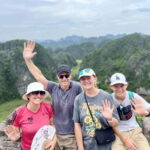
Also, small group format helps. It tends to make it easier to ask questions, keep up on uneven trails, and actually hear what your guide is explaining.
How to choose this trek: who it fits (and who should skip)
This tour is a great match if you:
- like long walks and don’t mind uneven ground
- enjoy learning about daily life, not only taking pictures
- want a day that connects high views with village reality
- can handle mountain weather that might turn from clear to foggy or rainy
It may be a poor fit if you have limitations that make walking long distances unsafe. The tour is listed as not suitable for people with mobility impairments, wheelchair users, heart problems, altitude sickness, kidney problems, and some age/health ranges. There’s also a restriction on young children and on very high body weight (over 350 lbs / 159 kg).
If you have any medical concerns, I’d treat this as a real trekking day—not a gentle nature stroll. Ask yourself honestly if you can walk several hours on changing terrain while staying focused on footing.
The small details that make or break the day
These small pieces tend to separate a merely good trek from a memorable one:
- Guide energy and humor. Names like Mao and Su show up often in accounts, and the tone is consistently described as fun, patient, and informative.
- Group size. A small group makes pacing feel human instead of rushed.
- Lunch quality and quantity. People often call out the lunch as excellent and filling.
- Route flexibility in bad weather. When visibility is poor, a good guide can adjust how high you go or what you focus on so the day still feels complete.
One caution, based on the experience of some walkers: you may encounter village interactions where people follow you for a while and there can be pressure at the end of the trek to buy items (like scarves). If you don’t want to buy, a polite, firm no works. If you’re okay with it, bring cash so you aren’t stuck at the worst moment.
Should you book the Sapa Sa Seng to Hau Thao trek?
If you have one day in Sapa and want more than a viewpoint, I’d book this trek. It’s built to give you both sides of the Sapa story: the high views from Sa Seng and the Black Hmong village life around Hang Da and Hau Thao. The guide-led cultural context is the difference between “pretty hike” and “I understand what I’m looking at.”
Skip it only if you know muddy uneven walking will stress your body, or if your health needs make long treks risky. If you’re in good shape for walking and you can dress for weather and mud, this is one of the more satisfying ways to spend a limited time in northern Vietnam.
FAQ
How long is the trek and when do you start?
The trek runs for about 7–10 hours. Pickup begins around 9:00 AM in Sapa Town.
Which villages are included on the day?
You walk through and visit Sa Seng Mountain for views, then go down to Hang Da Village, and continue to Hau Thao Village. The trek finishes in Giang Ta Chai village.
What’s included in the price?
The price includes Sapa Town pickup and drop-off, an English-speaking local trekking guide, guided trek through the villages, village entrance fees, bottled water during the trek, and a traditional lunch at a family-run restaurant, plus transport back to Sapa after trekking.
Is lunch provided?
Yes. You’ll have a traditional lunch at a family-run local restaurant around midday.
Will we see Mount Fansipan and the rice terraces?
You’ll get distant views of Mount Fansipan from Sa Seng and you’ll also admire the Muong Hoa Valley and its rice terraces from above.
What should I bring with me?
Bring sunglasses, a sun hat (and a hat you can use for sun/weather), and cash.
Is this trek suitable for everyone?
It is not suitable for people with mobility impairments, wheelchair users, heart problems, altitude sickness, kidney problems, and it has age restrictions (including children under certain ages). If you have health concerns, it’s best to double-check before booking.
If you want, tell me your travel month and your hiking comfort level (easy/moderate/steep). I can suggest what kind of day you’re likely to get and how to prep for mud and visibility.