REVIEW · FOOD
From Sapa: Walking Food Tour with Local Guide
Book on GetYourGuide →Operated by Crossing Vietnam Tour · Bookable on GetYourGuide
Sapa tastes better with a local guide. This walking food tour turns your first hours in town into a guided tasting route, mixing highland specialties with everyday Vietnamese comfort food and ending with an optional Muong Hoa monorail coffee stop. You’ll also get a close look at local routines as you move from place to place.
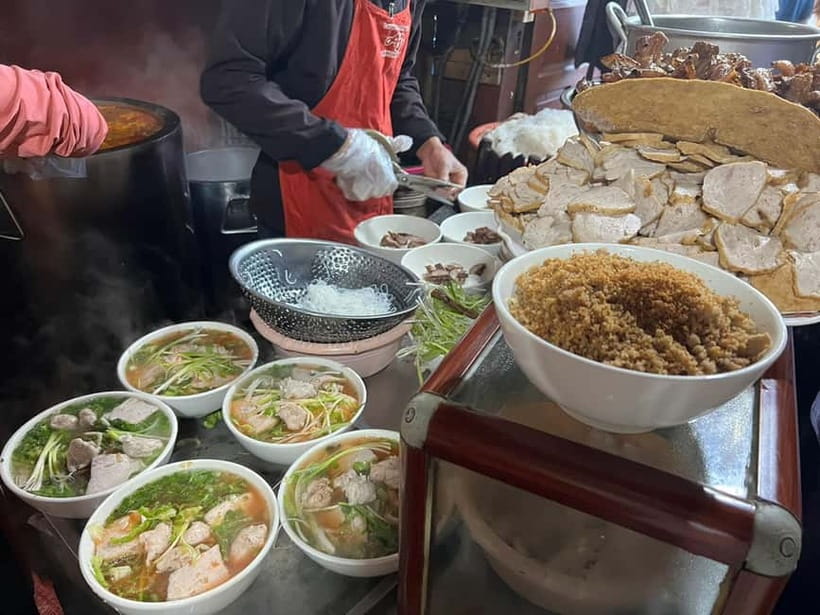
I really like the way the menu changes by time of day. In the morning, you might start with corn noodle phở (corn flour noodles), then move through black sticky rice cake, smoked buffalo meat, and chestnut pastry before finishing with a sweet soup dessert. In the evening, the focus shifts to night-market favorites, then a comforting bowl of beef noodles.
One thing to keep in mind: the exact food lineup and pacing can vary by guide, so don’t assume you’ll get every dish name exactly as advertised, even though you should still receive five tastings.
In This Review
- Key Things to Know Before You Go
- Food on Foot in Sapa: Why This Tour Works
- Morning, Afternoon, Evening: What Changes in Your Five Tastings
- Morning slot: corn flour noodles and highland comfort
- Afternoon slot: Vietnamese staples with local snacks
- Evening slot: night market energy and a beef noodle finale
- The Muong Hoa Monorail Coffee Stop: Views + a Pause from Walking
- What You’ll Eat: How to Think About Five Tastings
- Guide Quality Makes the Difference in This Tour
- Timing and Walking Logistics: Plan for Real Streets, Not a Lab Schedule
- Price Check: Is $27 a Smart Value in Sapa?
- What to Bring (and What to Skip)
- Should You Book This Sapa Walking Food Tour?
- FAQ
- FAQ
- How many food tastings are included?
- How long does the tour last?
- Is the guide English-speaking?
- Is hotel pickup included?
- Does the price include transportation?
- Is there a Muong Hoa monorail option?
- What should I bring for the walk?
- Is the tour vegetarian-friendly?
- What about food allergies?
- Are pets or smoking allowed?
- What is the cancellation policy?
Key Things to Know Before You Go
- Five tastings for $27: enough to taste widely without doing a full meal run
- Time-of-day food variety: morning highland bites, afternoon classics, night market comfort
- Muong Hoa monorail coffee stop option: watch the monorail pass while sipping a drink
- English guide and town walking: you’re meant to understand what you’re eating, not just sample it
- Comfort-first walking: warm clothes and comfy shoes matter in Sapa
Food on Foot in Sapa: Why This Tour Works
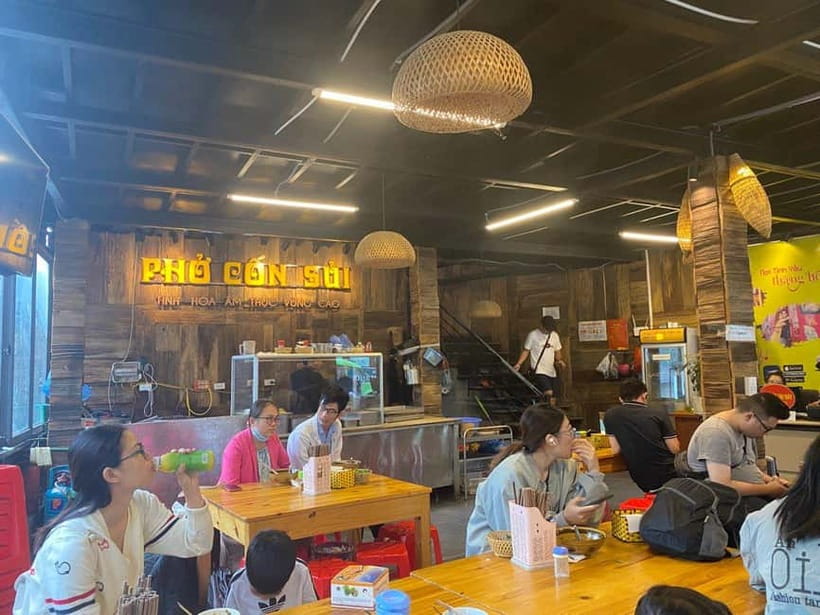
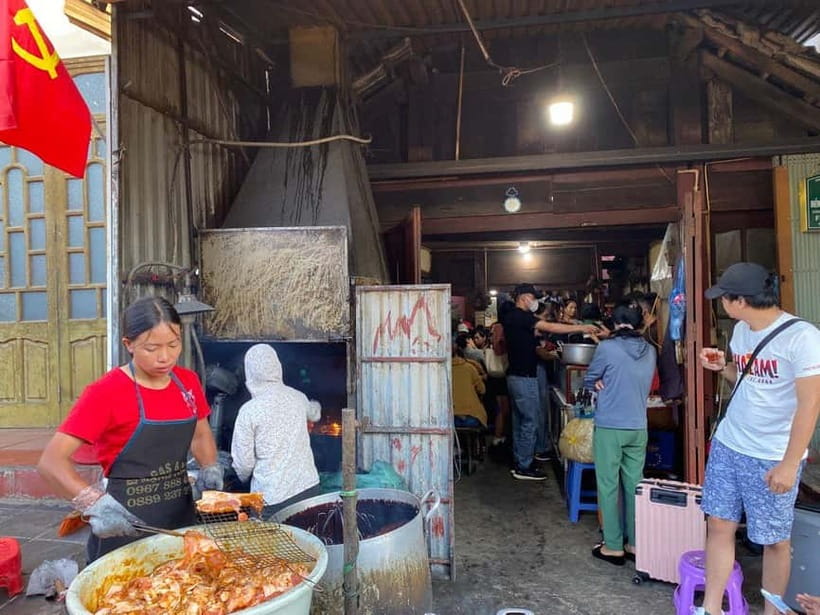
Sapa can feel like sensory overload at first. The streets are active, the markets are loud, and every stall looks like it has something you should try. This tour helps you focus by giving you a route and an English-speaking guide to explain what the dishes are and where they fit in local food culture.
Two things make the experience practical. First, you’re not stuck guessing what to order; you get guided tastings that highlight Sapa’s identity, like corn-based noodles and highland-inspired sweets. Second, you’re walking through Sapa town in a way that’s meant to connect food with daily life, not just checklist eating.
You do have to bring the right mindset. This is a tasting walk, not a sit-down feast. Some people love that light-and-varied feel; others expect bigger portions. If you want to leave feeling completely full, plan to follow up with a proper meal on your own after.
You can also read our reviews of more walking tours in Sa Pa
Morning, Afternoon, Evening: What Changes in Your Five Tastings
One of the best parts is that the tour can run in different time slots, and the food shifts with the moment. The guide takes you to different spots around town based on the start time, so you’re tasting Sapa’s flavors in a sequence that makes sense for how the day unfolds.
Morning slot: corn flour noodles and highland comfort
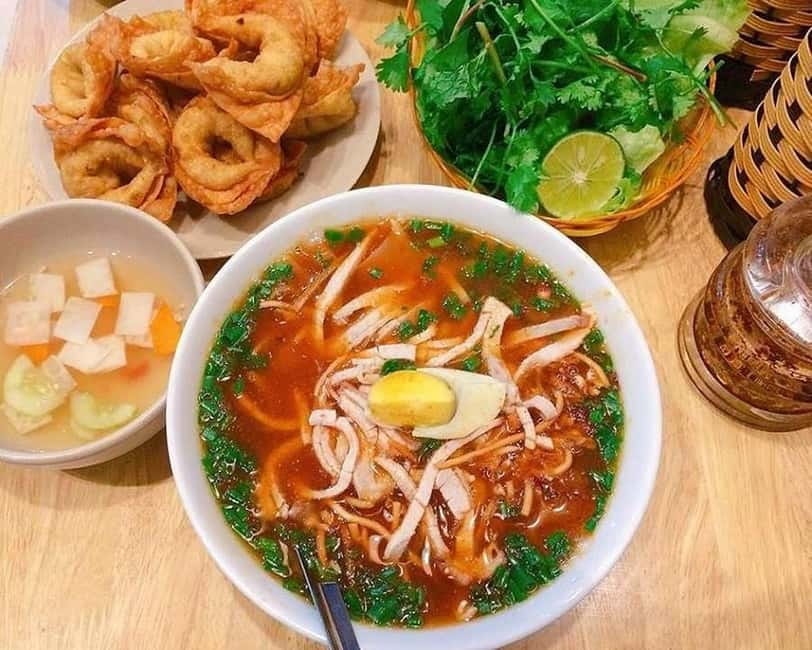
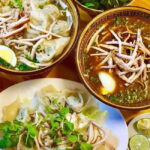
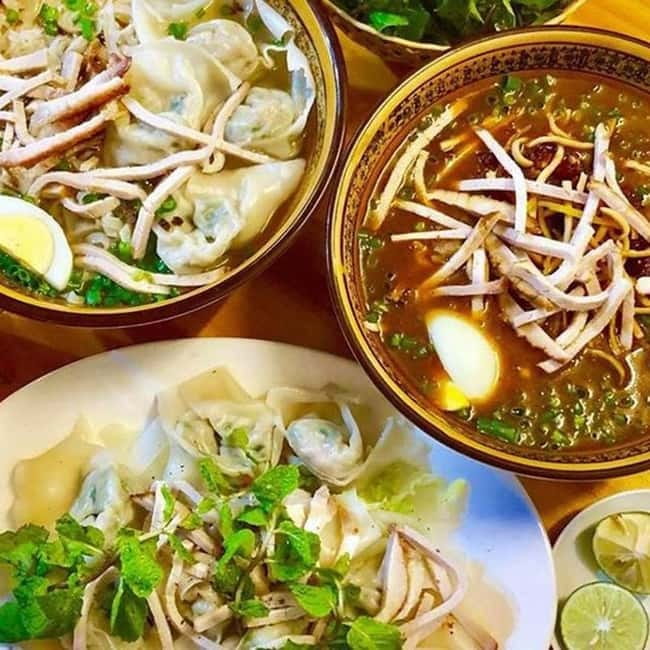
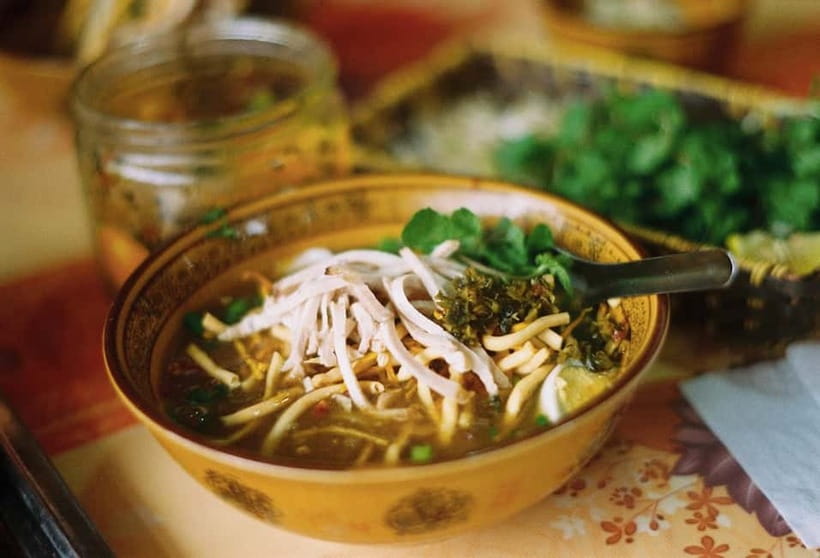
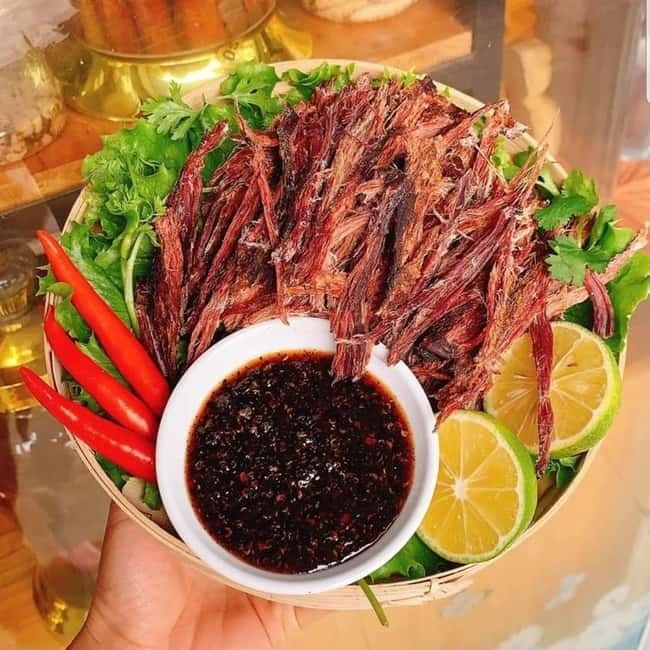
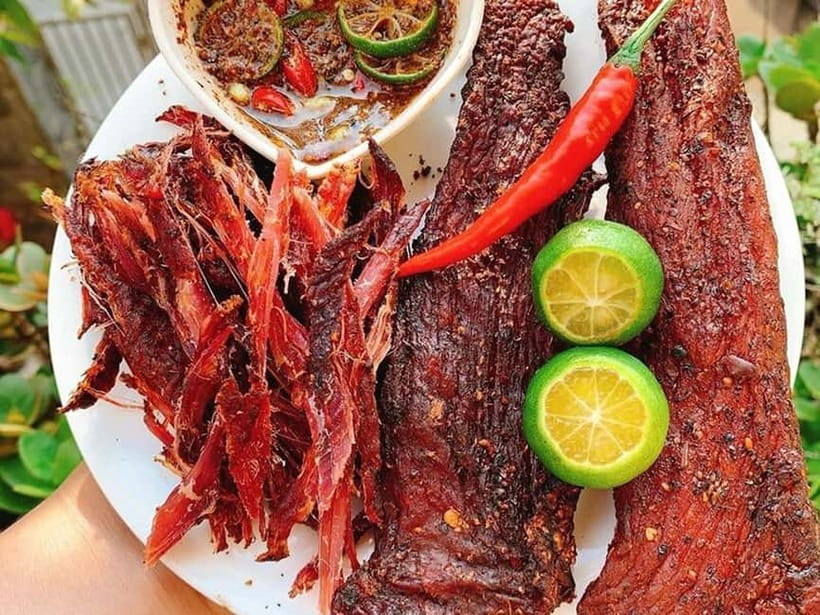
If you start earlier, expect warmth. A common opening is corn phở, where the noodles come from corn flour instead of the usual wheat. That single switch changes the texture and makes the dish feel distinctly local. From there, the tour can include black sticky rice cake (bánh chưng đen), smoked buffalo meat, and chestnut pastry.
The finish is a sweet note: a dessert soup that’s designed to ease you into the day. Even if you’re not a big dessert person, this ending usually works because it balances the heavier savory items.
Afternoon slot: Vietnamese staples with local snacks
In the afternoon, the route often leans more mainstream Vietnamese—still local, but more comfort-food friendly. You might try bun cha, typically vermicelli with grilled pork, herbs, and fish sauce. Another common stop is a steamed rice roll with minced filling.
You’ll also get local snack add-ons along the way. This is a good slot if you want familiar flavors, but still want the guide to point out what’s Sapa-specific about ingredients, prep styles, and how people eat in town.
Evening slot: night market energy and a beef noodle finale
Evenings are when Sapa feels most street-level. The tour can include night-market-style items like grilled rice paper and grilled eggs, with more small bites as you go. Then it often ends with a comforting bowl of beef noodles, so you leave with something grounding after the snacks.
This slot is ideal if you want the full atmosphere: lantern-lit streets, stalls in motion, and food that’s built for sharing. Just know you’ll likely want a bit of room in your stomach for the final noodle bowl.
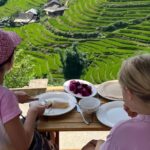
The Muong Hoa Monorail Coffee Stop: Views + a Pause from Walking
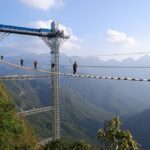
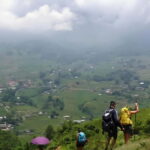
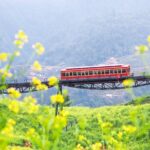
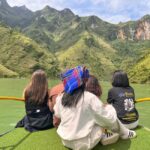
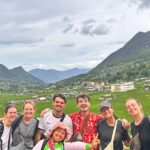
Some tour options add a Muong Hoa monorail visit. Instead of staying only in busy streets, your guide takes you to a high-view café where you can relax with a drink and take in panoramic views of the Muong Hoa Valley.
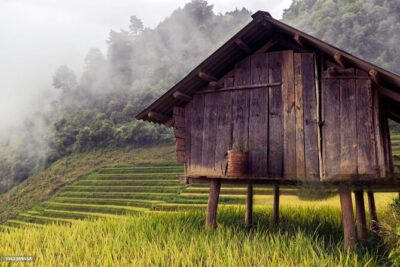
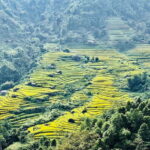
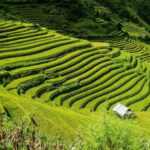
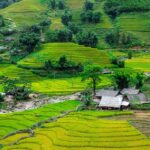
From that spot, you can watch the Muong Hoa monorail pass through the mountains—framed by terraced rice fields and misty peaks. The practical benefit here is a break: you stop walking, recharge, take photos, and let the view do the talking for a few minutes.
If you’re the type who likes scenery but also wants a reason to stop (not just scenic wandering), this adds real value. It also gives your tour a Sapa signature moment that’s very different from just food sampling.
What You’ll Eat: How to Think About Five Tastings
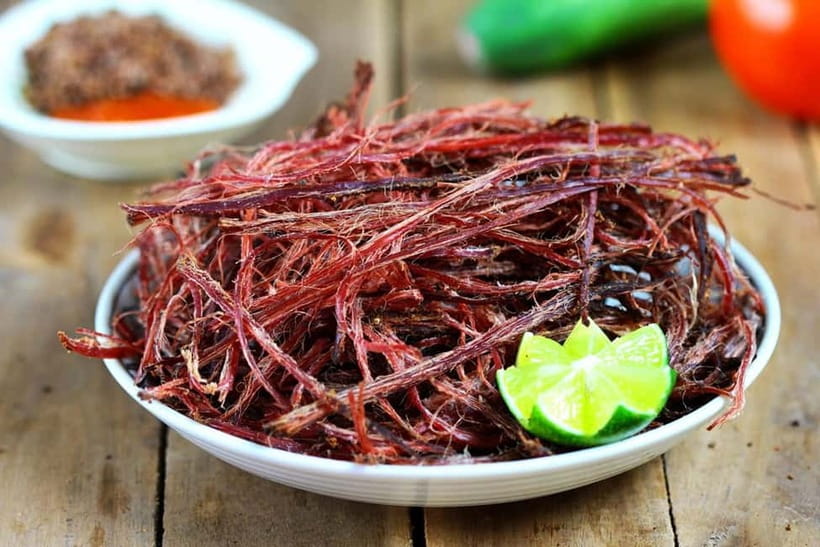
You should expect five tastings total. The important detail is that the exact dishes can change depending on the guide and the day’s availability. That doesn’t mean the tour is random—it means you’re tasting the themes the tour is built around: highland flavors, Vietnamese comfort foods, and Sapa market life.
Here’s how I’d mentally map it so you don’t feel disappointed:
- You’re not guaranteed the full list of every named dish you’ve seen elsewhere. You are guaranteed five tastings.
- The lineup usually covers both savory and at least one sweet item.
- You’ll often get a mix of meat-based and pastry/snack items, even in slots that lean more toward noodles.
If you’re hoping specifically for Hmong cuisine, keep your expectations flexible. The tour can include highland-inspired items, but it may also spend time on Vietnamese classics like bun cha and noodle soups. That’s not bad food—it’s just a different focus than a strictly ethnic-cuisine crawl.
Guide Quality Makes the Difference in This Tour
This kind of tour lives or dies by the guide. The tour is designed around a local English-speaking guide who sets expectations at the start and keeps the walk moving at a human pace. Names you might encounter include Zua and Edward, both noted for friendliness and keeping the mood light.
I’d also pay attention to communication style. Some guides explain clearly and add stories about daily life in Sapa, while others may have English that could be stronger for certain travelers. Either way, you’ll want to come with a curious attitude and use the tastings as conversation starters.
There’s also a good real-world point from past guests: if plans go slightly off track, the guide may still try to accommodate. One booking note mentioned arriving about an hour late and still getting a warm welcome and a smooth continuation.
Timing and Walking Logistics: Plan for Real Streets, Not a Lab Schedule
The tour duration is listed as 3 hours, with the overall window reaching 210 minutes. That’s about the right length for five tastings plus short walks and time to order and eat.
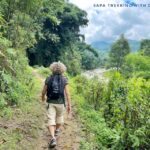
Because it’s a walking experience through town, you’ll want to dress for motion and weather swings. Sapa can feel cold, and rain can change your comfort level fast. Your best move: wear layers and keep your shoes comfortable for uneven pavement.
Pickup is possible within hotels in the Sapa town center area, and you’ll meet in Sa Pa at the designated pickup location. Transportation is not included, so you’ll want to handle getting yourself to the pickup area.
One practical warning: if you’re very schedule-tight, this is the kind of activity where you should build in buffer time. Some experiences can run shorter than expected, especially if the tour day shifts around food availability.
Price Check: Is $27 a Smart Value in Sapa?
$27 for a 3-hour walking tasting is not a bargain deal, but it can be fair value when you consider what you’re getting. You’re paying for three things:
1) an English-speaking guide to choose stops and explain dishes
2) five tastings (not just one snack)
3) included water and pickup within town center hotels
If you compare this to paying full menu meals one by one, the tasting format usually saves money while expanding variety. It also helps you avoid the common mistake in Sapa—ordering the wrong thing, or ordering one dish and realizing you missed the local signature foods.
Where value can slip is when portion size feels too light for the price or when the actual food mix doesn’t match your expectations. That’s why I recommend going in with a flexible appetite and a willingness to learn what you’re eating, even if the dish names change.
If you want heavy, guaranteed quantities, you may find a tasting tour less satisfying. If you want variety and stories tied to food, this is the kind of spend that makes your first day in Sapa easier.
What to Bring (and What to Skip)
This tour is built for walking and tasting, so pack like you’re heading out for a half-day stroll in cooler mountain air.
Bring:
- Comfortable shoes
- Warm clothing
- Camera
- Sunscreen
- Water
- Insect repellent
Not allowed:
- Pets
- Smoking
Also note who should skip it:
- Not suitable for vegetarians
- Not suitable for people with food allergies
If you have allergies, don’t guess. The tour data doesn’t promise allergy-friendly substitutions, so it’s safer to look for a different food experience that can accommodate your needs.
Should You Book This Sapa Walking Food Tour?
Book it if:
- You want an easy first-day way to taste Sapa without planning everything yourself
- You like the idea of five guided tastings that change by morning, afternoon, or evening
- You’re interested in the optional Muong Hoa monorail café moment and valley views
- You enjoy learning why dishes are made a certain way (not just what they taste like)
Skip or rethink it if:
- You need strict vegetarian options or have food allergies
- You only like very large portions and full meals
- You’re extremely rigid about timing and want a perfectly uniform duration every time
My honest take: this tour is a smart choice for travelers who want variety, a local guide, and a good pacing that fits into a day in Sapa. Go in expecting tastings and stories, not a guaranteed identical menu.
FAQ
FAQ
How many food tastings are included?
The tour includes food tasting totaling five tastings. The exact dishes can change depending on the guide, but the total number of tastings should remain five.
How long does the tour last?
The experience is listed as about 3 hours, with a duration range up to 210 minutes. Starting times vary by availability.
Is the guide English-speaking?
Yes. You’ll have a live local guide who speaks English.
Is hotel pickup included?
Yes, pickup is included within hotels in the Sapa town center area.
Does the price include transportation?
No. Transportation is not included.
Is there a Muong Hoa monorail option?
Yes. Some options include a Muong Hoa monorail visit, with a stop at a high-view café to watch the monorail pass while enjoying a drink.
What should I bring for the walk?
Bring comfortable shoes, warm clothing, a camera, sunscreen, water, and insect repellent.
Is the tour vegetarian-friendly?
No. The tour is not suitable for vegetarians.
What about food allergies?
The tour is not suitable for people with food allergies, since allergy-friendly substitutions aren’t listed.
Are pets or smoking allowed?
No. Pets are not allowed, and smoking is not allowed.
What is the cancellation policy?
Free cancellation is available up to 24 hours in advance for a full refund.