REVIEW · SA PA
2 DAYS Explore SA PA’S Village through Scenic walking Trails
Book on GetYourGuide →Operated by Sa pa Rice Terraces View Homestay & Bar · Bookable on GetYourGuide
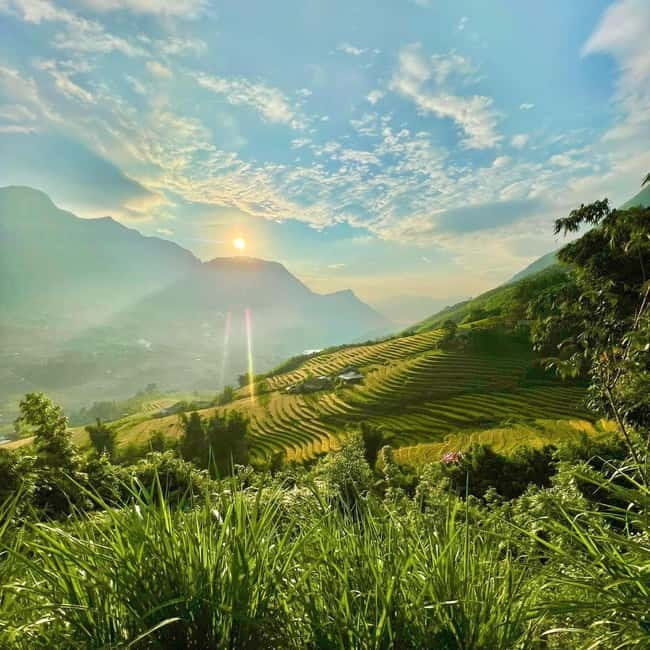
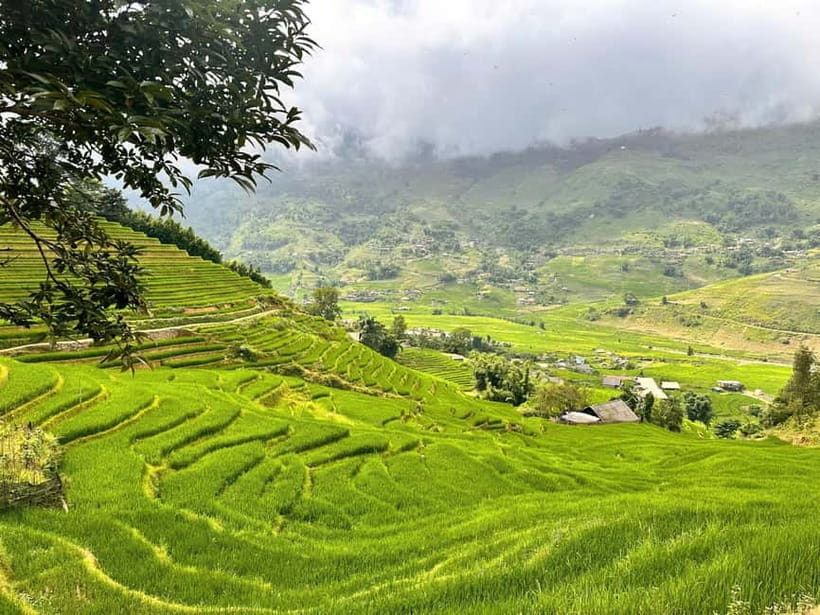
Sapa feels personal on foot. I love the rice terrace views that look unreal in the morning light, and I love how this route turns into real village time with Zo’s family-style welcomes. One drawback: it’s a 19 km, moderate trek with steep, uneven steps, and rain can mean slippery mud.
What makes it click is the way Zo explains daily life as you walk. She’s a local Black Hmong guide with strong English, so you’re not just passing by houses and fields. You’ll also spend the night in an authentic homestay where dinner can include local rice wine, which is fun, but it’s still a simple, practical stay.
Over two days, you’ll move through H’Mong and Giay areas, then head toward Dao village stilt houses in Giang Ta Chai, plus a bamboo forest walk and a scenic stop near the local waterfall at Su Pan. If you’re expecting a gentle stroll with zero hills, you’ll be disappointed. If you want a meaningful trek that feels lived-in, you’ll feel at home fast.
In This Review
- Key things I’d bet money on
- Two days, one night, and 19 km of village trails in Sapa
- Meet Zo: the Black Hmong guide who makes it make sense
- Day 1: Y Linh Ho views, Lao Chai lunch, then Ta Van homestay life
- Day 2: bamboo forest morning, Giang Ta Chai Dao stilt houses, and Su Pan waterfall
- Homestay dinner, rice wine, and learning daily routines (without the performance)
- Price and logistics: good value if you like this pace
- What to bring: shoes, rain gear, and mosquito protection
- Who should book this Sapa village trek (and who should skip it)
- Should you book this 2-day Sapa village trek with Zo?
- FAQ
- How long is the trek and where do you end?
- Where does the guide meet us?
- What language is the guide?
- Is homestay accommodation included?
- Are meals included?
- How difficult is the hike?
- What villages and groups are included along the way?
- What should I bring for trekking?
- Is the tour suitable for children or older adults?
Key things I’d bet money on
- Zo’s local guidance makes the trek feel understandable, not just scenic
- Homestay dinner with her family gives you a real window into daily routines
- Rice terraces around Sapa deliver some of the best views you’ll see in the area
- Giang Ta Chai and the Red Dao / Dao stilt-house area add a strong cultural stop
- Bamboo forest + Su Pan waterfall break up the walk with memorable nature moments
Two days, one night, and 19 km of village trails in Sapa
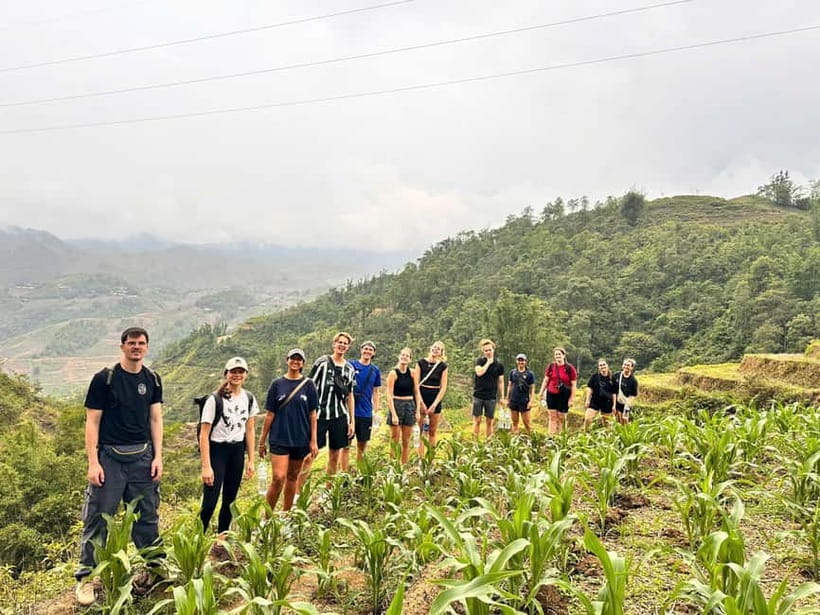
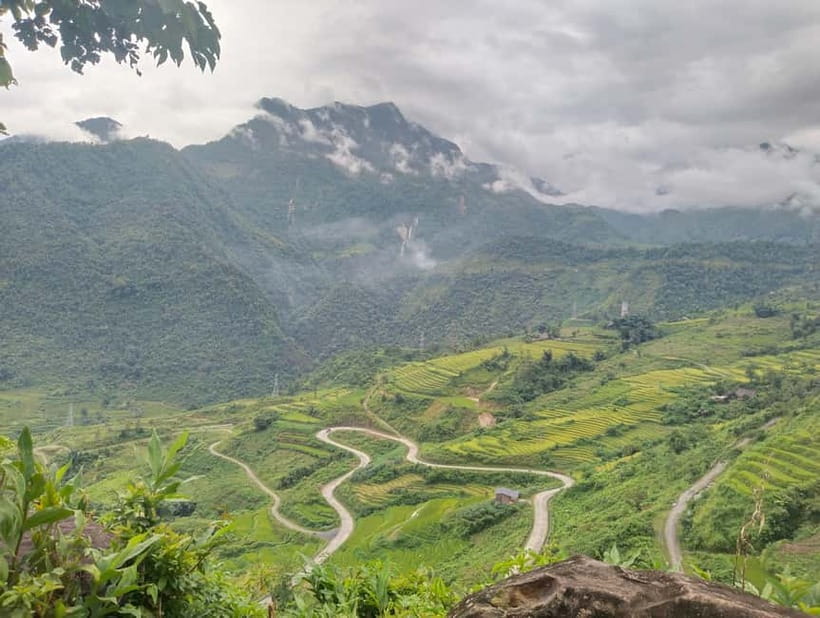
This is a classic Sapa format: 2 days, 1 night, covering about 19 km over mostly uneven terrain. The route is described as moderate, not easy, and you should expect steep stretches and rocky or muddy footing at times. If you’re used to city walking, plan on taking it slow and using your trekking rhythm.
The timing matters. Day 1 starts in Sapa (pick-up from your hotel area around 08:30) and you work your way from one village to the next, ending with check-in at a homestay in Ta Van. Day 2 begins with breakfast, then you trek through bamboo forest toward Giang Ta Chai and Su Pan, finishing back in Sapa by car in the afternoon.
The big value is that you’re not stuck in one highlight photo spot. You’re walking through multiple villages across different ethnic communities, so the trek feels like a moving map of local life.
You can also read our reviews of more walking tours in Sa Pa

Meet Zo: the Black Hmong guide who makes it make sense
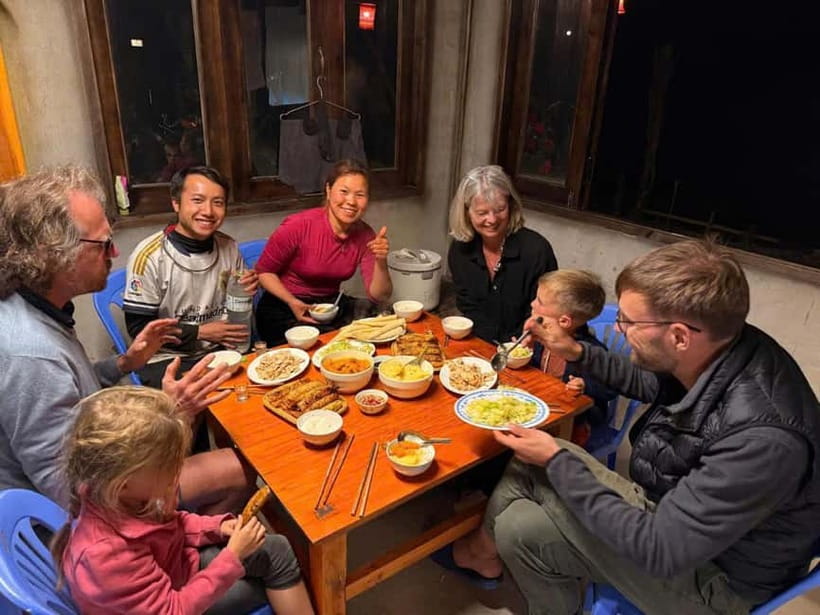
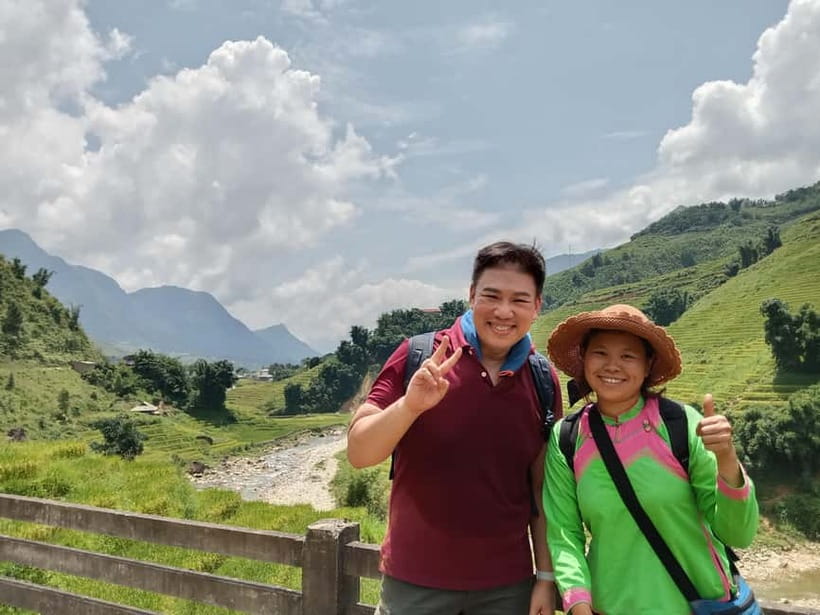
Zo is the guide on this experience, and the feedback is consistent: she’s friendly, attentive, and strong at explaining what you’re seeing. Her English is listed as good, and that changes everything for a first-time trek in Sapa. When you understand what a family does in a day or why certain areas matter, the walk stops being just scenery.
Zo also takes care of real-world trekking issues. One of the biggest practical wins is that she adapts when someone in the group needs extra support. And if conditions turn slippery, she stays close where the footing gets challenging.
A small but important detail: this trek includes entrance to villages along the way, so you’re not dealing with ticket confusion mid-hike. You just follow Zo’s pace and concentrate on the trail.
Day 1: Y Linh Ho views, Lao Chai lunch, then Ta Van homestay life
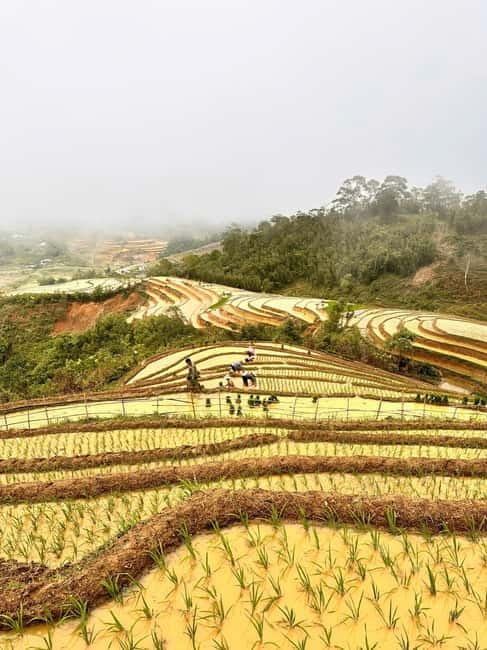
Day 1 has a clean rhythm: start early, walk between villages, eat when it makes sense, then settle in for the night.
Sa Pa to Y Linh Ho
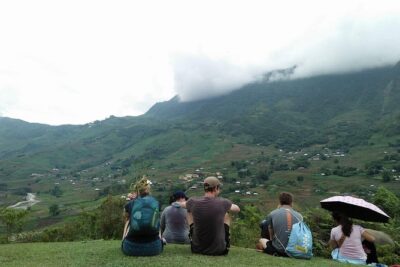
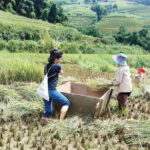
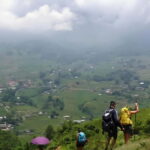
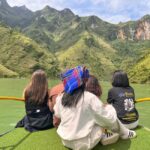
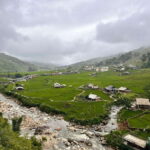
You begin trekking from Sapa toward Y Linh Ho, with views of terraced rice fields as you go. This is a great start because the terrain gently introduces you to how the area is built around farming terraces and footpaths. You’ll also get your first look at everyday village life among the H’Mong people.
If it’s rainy season, expect the trail to get messy. Even good shoes can’t fully stop slippery mud. The upside: mud season can also mean softer light and a more atmospheric feel to the fields.
Y Linh Ho to Lao Chai
Next you head to Lao Chai, where lunch happens either at a local restaurant or with a family, depending on what the group setup allows. This is one of those moments where you can choose between comfort and extra closeness to local routine. Either way, lunch is part of the “real life” goal of this trek.
Lao Chai to Ta Van
After lunch, you keep walking to Ta Van, a home base for the Giay ethnic group. The focus here is not just photos. It’s the feel of a village where you can see how people live beside the hills, and how community space works along the paths.
Evening in Ta Van
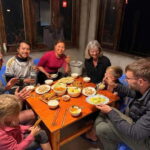
You check in to the homestay around late afternoon, then you’ll have dinner with the homestay family. This is where the trip shifts from trekking into human interaction. You can ask questions, watch what’s happening in the household space, and get a more grounded sense of how the day runs when you’re not staying in a hotel.
Day 2: bamboo forest morning, Giang Ta Chai Dao stilt houses, and Su Pan waterfall
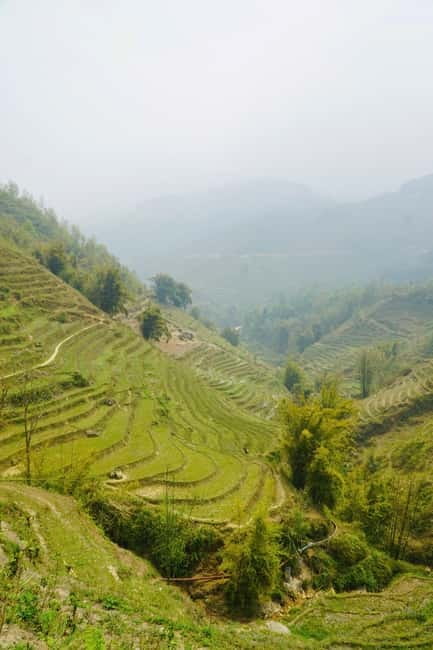
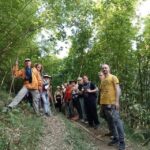
Day 2 is the “work your legs” day in a good way. You’ll start with breakfast at the homestay, then begin trekking through bamboo forest toward the Giang Ta Chai area.
Ta Van to Giang Ta Chai
The highlight here is cultural and scenic at the same time. Giang Ta Chai is home to the Red Dao (and the experience also emphasizes Dao stilt houses in the Giang Ta Chai area). Stilt houses aren’t a random architectural choice; they’re practical responses to the terrain and local conditions. Standing near them helps you understand why homes look the way they do in this part of Vietnam.
You’ll also get a sense of the area’s layout: homes, paths, and field edges all connect in a way that makes sense only when you walk it. That’s why 2 days works better than a quick day trip.
Giang Ta Chai to Su Pan
From there you head toward Su Pan village. The schedule includes sightseeing and a pass-by with sunrise noted in the plan. Even if sunrise is brief, you’ll be walking in the fresh morning hours, when visibility is often better and temperatures can be kinder.
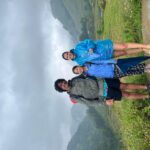
At Su Pan, you have time for the waterfall moment. It’s a chance to cool down, look around, and then keep moving without rushing. The “waterfall break” helps the trek feel balanced instead of nonstop effort.
Afternoon lunch and return to Sa Pa
After the scenic stops, you’ll have lunch (picnic lunch or lunch with locals in Giang Ta Chai Mong, depending on what the day allows), then you’ll transfer back to Sa Pa by car. Ending this way is smart. You don’t end the trek with a long scramble into the evening.
Homestay dinner, rice wine, and learning daily routines (without the performance)
The homestay is the heart of why this trek feels authentic. The stay is described as simple, cozy, and set in a quiet forest setting, with basic facilities. That matters because you’re not going to a polished tourism lodge. You’re staying in a family home setup.
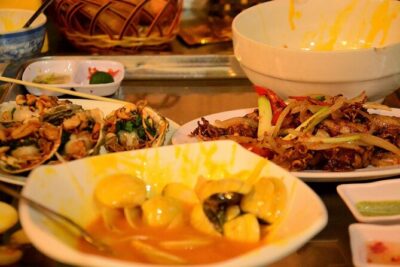
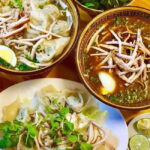
What makes it special is how the family interaction is framed: dinner is a shared moment. You can talk, ask questions, and learn how daily life works for them. This is also where traditional experiences come in, including studying traditional things and trying happy water, which is local rice wine.
Quick reality check: if you’re the kind of person who needs private, luxury comforts at night, you might find this too basic. But if you like the idea of a family meal after a long walk, it’s exactly the right fit.
You can also read our reviews of more tours and experiences in Sa Pa

Price and logistics: good value if you like this pace
The pricing has a bit of a quirk. The listed price can appear as 100,000 VND, but the actual tour price is 1,000,000 VND per person, and you need to pay the remaining 900,000 VND per person after completing the tour for operational reasons. In other words: plan your budget around the full 1,000,000 VND/pax number.
So is it worth it? For this area, the value comes from what’s included:
- English-speaking guide Zo
- Trekking fees/entrance to villages
- 1 night in Zo’s authentic homestay
- All meals during the trip
- Car transfer back to Sapa Town
What’s not included is also straightforward: drinks and beverage, travel insurance, and anything before or after the tour (like extra nights in Sapa). You’ll want your own insurance, since it’s not bundled in.
Also, this is a group trek, so you’re moving on a shared schedule. That can be a plus if you want company, and it can be less ideal if you prefer total control over pace and stops.
What to bring: shoes, rain gear, and mosquito protection
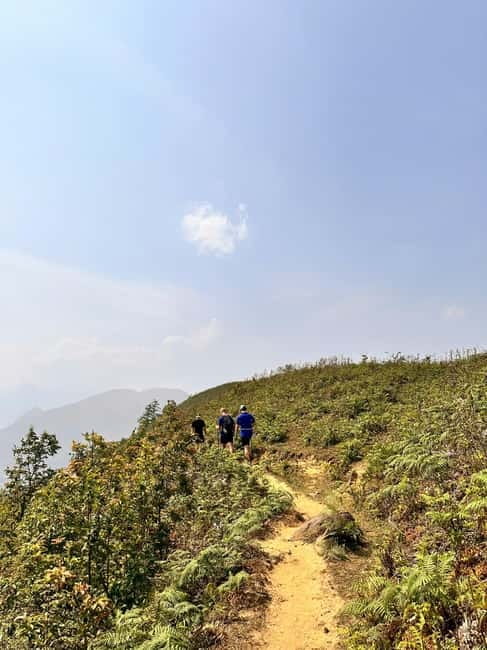
The trail is described as uneven with some steep parts, and you’ll cover around 19 km over two days. That means your footwear is not optional. Bring comfortable shoes designed for trekking, not just walking sandals.
Based on the plan, pack these basics:
- Change of clothes (especially for the evening homestay)
- Camera
- Comfortable clothes for trekking
- Light raincoat or jacket if rain is expected
- Sunscreen, hat, and sunglasses
- Mosquito repellent
- Motion sickness prevention (if you’re sensitive on the car transfers)
- Drinks
- Climbing gear is listed, so if you have trekking poles or similar support tools, they could help with stability
One more practical note: during rainy season, parts of the trek can turn to mud and be slippery. Shoes help, but so does pacing. Zo’s support can make a difference when footing gets tricky, so don’t be shy about slowing down.
Who should book this Sapa village trek (and who should skip it)
This trek is best for you if you want:
- Real village life in a short time window
- Strong local guiding from Zo, who can explain what you’re seeing
- A mix of culture (Dao/Red Dao stilt houses) and nature (bamboo forest and waterfall area)
- A homestay meal and dinner experience that feels like sharing time, not checking boxes
It may not suit you if:
- You need easy walking with no steep or uneven sections
- You’re looking for a luxury comfort level at night
- You’re traveling with someone over 70, since the tour notes it’s not suitable
If you’re a first-time trekker, this can work well because the group format and Zo’s guidance reduce stress. Just respect the terrain and don’t treat it like an easy day hike.
Should you book this 2-day Sapa village trek with Zo?
If your idea of a great Sapa trip includes walking between villages, eating real meals, and spending the night with a family you’ll actually talk to, I’d recommend booking this. The combination of Zo’s Black Hmong guiding, homestay dinner with local rice wine, and stops around rice terraces and Dao stilt-house areas makes it more than a scenery walk.
But if you hate hills, mud, or basic homestay conditions, choose a gentler option instead. This one asks you to show up with decent shoes and a flexible mindset for uneven trails.
FAQ
How long is the trek and where do you end?
The experience runs for 2 days and 1 night. You start around Sa Pa and finish back in Sa Pa by car on the second day.
Where does the guide meet us?
Your guide meets you at Sa Pa church.
What language is the guide?
The tour includes a live guide who speaks English.
Is homestay accommodation included?
Yes. You get 1 night at the homestay, described as simple, authentic, and cozy with basic facilities.
Are meals included?
Yes. All meals during the trip are included.
How difficult is the hike?
It’s considered moderate difficulty, covering about 19 km over two days with steep and uneven terrain.
What villages and groups are included along the way?
The route includes Y Linh Ho, Lao Chai, Ta Van, Giang Ta Chai, Su Pan, and Giang Ta Chai Mong. Along the way, you’ll encounter local village life linked to H’Mong, Giay, and Red Dao / Dao stilt-house areas.
What should I bring for trekking?
Bring a change of clothes, comfortable trekking clothes and shoes, a camera, drinks, and motion sickness prevention if needed. Also consider rain protection, sunscreen/hat/sunglasses, mosquito repellent, and any climbing or support gear you use for uneven terrain.
Is the tour suitable for children or older adults?
Children under 4 are free (inform in advance). The tour is not suitable for people over 70.