REVIEW · SA PA
From Sapa Homestay Hideaway 2-Day Local Life Adventure
Book on GetYourGuide →Operated by NEW LAND INTERNATIONAL TOURIST COMPANY LIMITED · Bookable on GetYourGuide
Two days in Sapa feels real. This small-group Muong Hoa Valley adventure strings together village life, sweeping terrace views, and a homestay night where you’ll learn local dishes. I especially like the guided route through Y Linh Ho and Lao Chai with mountain panoramas, and I like the cozy evening cooking class that ends with something warm to sip. The main drawback is physical: day 1 includes a trek of around 10 km, and wet weather can mean muddy, slippery paths.
What makes it work for most people is the rhythm. You hike in the morning, eat well at set stops, and you’re not left to figure things out. Still, you’ll need to travel light because luggage or large bags aren’t allowed, and this isn’t a good pick if you have mobility limits, back issues, or you’re traveling with a very young child.
In This Review
- Key points before you go
- Muong Hoa Valley treks: the real reason this tour is worth your time
- Getting started in Sapa: pickup, timing, and keeping your bag small
- Day 1 from Y Linh Ho to Lao Chai, with Ta Van as the warm landing
- Y Linh Ho Village: the first taste of village life
- The Muong Hoa Stream and terrace walk
- Lao Chai: Black H’mong community time
- Ta Van arrival and lunch at the homestay
- Ta Van at night: cooking class, rice wine, and a small-group feel
- Free time in Ta Van
- Cooking class: hands-on and actually useful
- Dinner, then rice wine or happy tea
- Animals you might spot along the way
- Day 2: Red Dao villages with a scenic trek and a long lunch break
- Giang Ta Chai Village: the Red Dao highlight
- Supan Village: more village context, more chances to ask questions
- Lunch, then the bus back to Sapa
- Homestay comfort in Ta Van: private room, real life, and the toilet question
- What to wear and pack: shoes, heat gear, and mud-proof expectations
- Value check: is $53 a good deal for what you get?
- Who this tour fits best (and who should skip it)
- Should you book Sapa Homestay Hideaway’s 2-Day Local Life Adventure?
- FAQ
- What meals are included in the 2-day trek?
- How much trekking is involved on each day?
- Is pickup and drop-off included in the price?
- What should I pack, and what can’t I bring?
- What’s included with the homestay night in Ta Van?
- Who should not take this tour?
Key points before you go

- Muong Hoa rice terraces plus multiple village stops: Y Linh Ho, Lao Chai, Ta Van, then Red Dao villages on day 2.
- Local English guide with real cultural explanations: My guide’s name was Zem, and she focused on customs and everyday life.
- A homestay night in Ta Van: You get a private room, meals, and a cooking class, not just a quick photo stop.
- All-in one package for value: Pickup/drop-off in Sapa town, meals, and sightseeing tickets are covered.
- Weather and footing matter: Expect heat in summer and slipperiness in rain, so shoes and pacing are key.
Muong Hoa Valley treks: the real reason this tour is worth your time
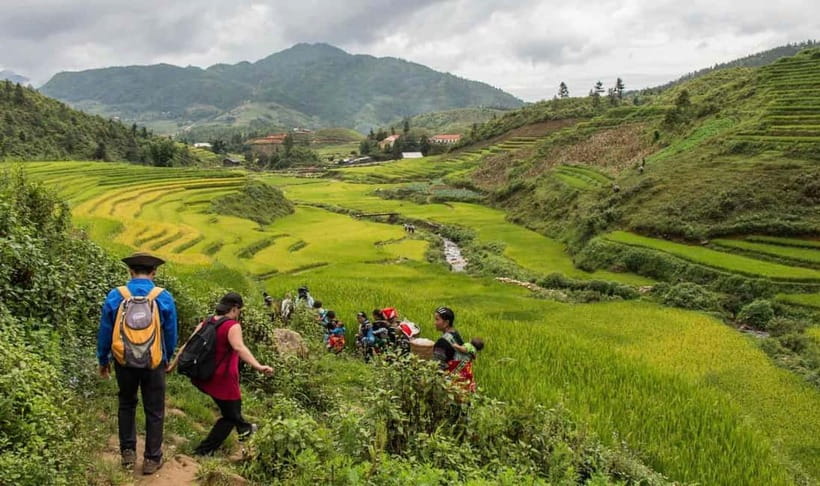
Sapa’s best moments aren’t just the postcard views. They come from walking the narrow paths between fields, stream lines, and villages while you’re under the guidance of someone local. This route runs through rice terraces, along Muong Hoa Stream, and into the Hoang Lien Son mountain area where the scenery changes by the hour.
Day 1 gives you the broad sweep: you start in the Sapa area, then work your way through classic minority village stops and into Ta Van. On top of the scenery, the trek also helps you understand why people live where they do. You’re moving through farm country, bamboo areas, and the kind of terrain that makes sense only when you’ve walked it.
One of the smartest parts here is pacing. It’s not a sprint. You hike, you stop for meals, you check in, then you do a second day of trekking that’s scenic and social rather than grindy.
You can also read our reviews of more tours and experiences in Sa Pa

Getting started in Sapa: pickup, timing, and keeping your bag small
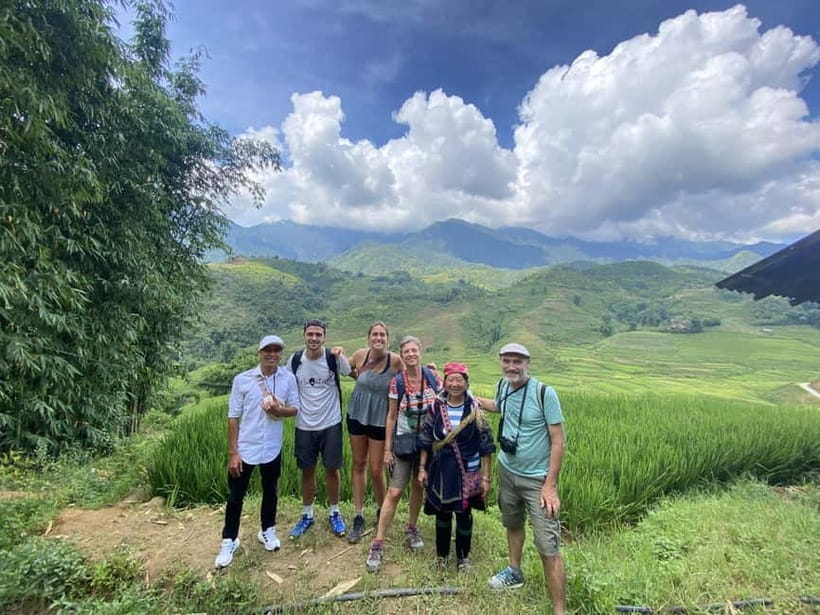
Your day starts early. The guide picks you up at hotels in Sapa town or at the Sapa Delta Hotel meeting point around 8:15–8:30 a.m. Depending on the day’s flow, there’s walking involved to reach the starting area, and you’re also set up with a clear return plan on day 2 by bus.
The one logistics rule that matters most: you can’t bring luggage or large bags. That means you’ll want a small daypack with what you’ll need for the trek and a change of clothes. If you’re the type who brings everything except the kitchen sink, this tour will teach you to pack lighter.
Day 1 from Y Linh Ho to Lao Chai, with Ta Van as the warm landing
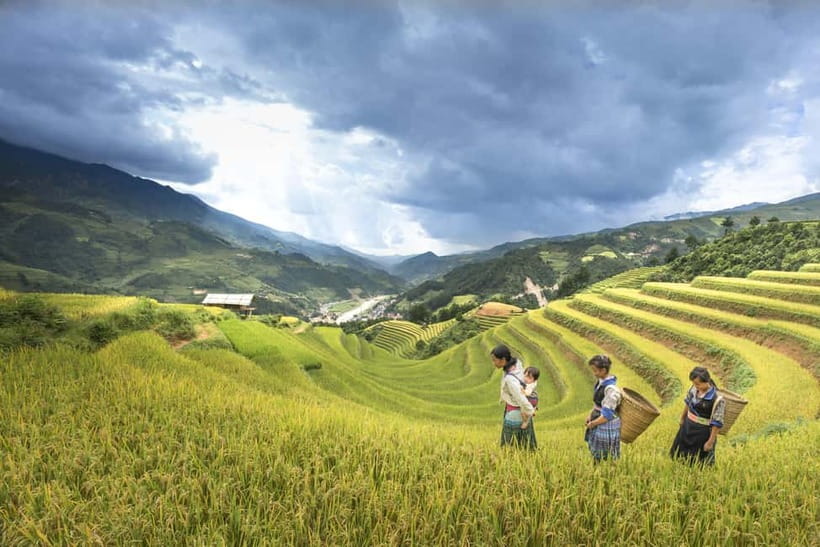
Day 1 has a simple story arc: village stop, terrace walk, village stop, then a proper homestay landing.
Y Linh Ho Village: the first taste of village life
You start with a visit to Y Linh Ho Village. This early stop matters because it sets expectations. You’re not just chasing views; you’re stepping into the rhythm of how people live in minority communities. It also helps you get your bearings before the longer terrace section.
The Muong Hoa Stream and terrace walk
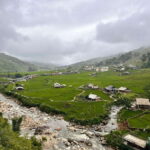
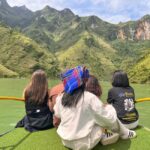
After Y Linh Ho, you hike along the terraces that line Muong Hoa Stream. This is the stretch where you’ll feel the terrain underfoot and start to understand the valley’s scale. The path is the kind that rewards steady steps, not speed.
You’re also watching for mountain views from the Hoang Lien Son range. Even on days with haze, the direction of light and the layers of hills make it feel like the valley is unfolding rather than sitting still.

Lao Chai: Black H’mong community time
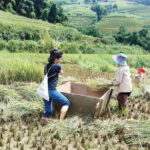
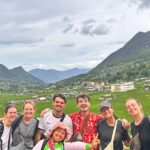
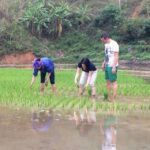
Next comes Lao Chai Village, home to the Black H’mong minority group. This stop is where you start getting answers to the questions you didn’t know you had: How people farm these slopes, how village life is organized, and what customs look like when you slow down instead of just taking photos.
The trek to Ta Van village is about getting there by foot, not arriving by shortcut.
Ta Van arrival and lunch at the homestay
Around 12:30 p.m., you arrive at Ta Van Village and have lunch at the homestay. This timing is practical. You’re typically warm, hungry, and ready for a real meal, not a snack.
After lunch, you check in and rest.
Ta Van at night: cooking class, rice wine, and a small-group feel
By late afternoon, the tour shifts from hiking mode to hangout mode.
Free time in Ta Van
In the afternoon you get time to explore Ta Van at your own pace. It’s not a hard schedule. Think of it as a chance to walk the area lightly, take in the village edges, and get comfortable before dinner.
Cooking class: hands-on and actually useful
At about 5:00 p.m., you prepare for the cooking class. The guide shows you how to make local dishes. This isn’t just entertainment. It’s the kind of activity that makes the meals feel personal the next day, because you understand the effort behind them.
One reviewer highlighted that the guide explained local customs well, and the cooking class is where that education feels practical, not lecture-y.
Dinner, then rice wine or happy tea
Dinner happens around 6:30 p.m. After that, you can enjoy free rice wine or happy tea (your call). It’s a relaxed way to end day 1 without needing extra plans or extra money.
Animals you might spot along the way
A memorable detail from the experience: you may see farm animals around the village area, including buffalo, chickens, cats, dogs, ducks, and even a snake at a distance. If snakes make you nervous, keep this in mind: you’re not expected to handle anything. You’re just walking in a real rural setting where animals live their lives.
Day 2: Red Dao villages with a scenic trek and a long lunch break
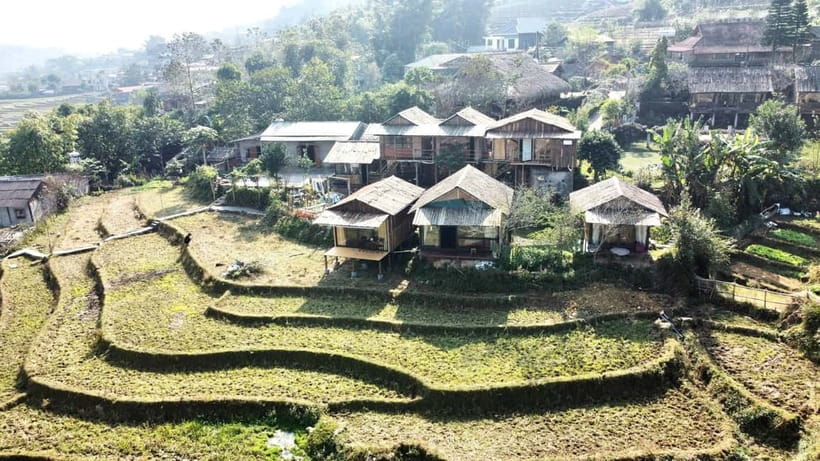
Day 2 starts with breakfast at the homestay between 8:00 and 9:00 a.m. Then you set off around 9:30 a.m.
The second day leans into Red Dao village visits. This is where the cultural focus sharpens: different communities, different traditions, and a different feel from the day 1 stops.
Giang Ta Chai Village: the Red Dao highlight
You first visit Giang Ta Chai Village. Getting there involves a scenic 6-kilometer trek. That distance is long enough to feel like a real walk, but it’s spread with village time and set meal stops.
Supan Village: more village context, more chances to ask questions
After Giang Ta Chai, you continue on to Supan Village. The best part of these back-to-back stops is how quickly you can compare community details: how houses are arranged, how people move through daily work, and how the terrain shapes everyday choices.
Lunch, then the bus back to Sapa
Around 12:30 p.m. you have lunch at a local restaurant. Then, at about 1:30 p.m., the bus takes you back to Sapa town. The tour is typically done around 1:30–2:00 p.m., which is nice if you want to keep the rest of your afternoon for other plans.
Homestay comfort in Ta Van: private room, real life, and the toilet question
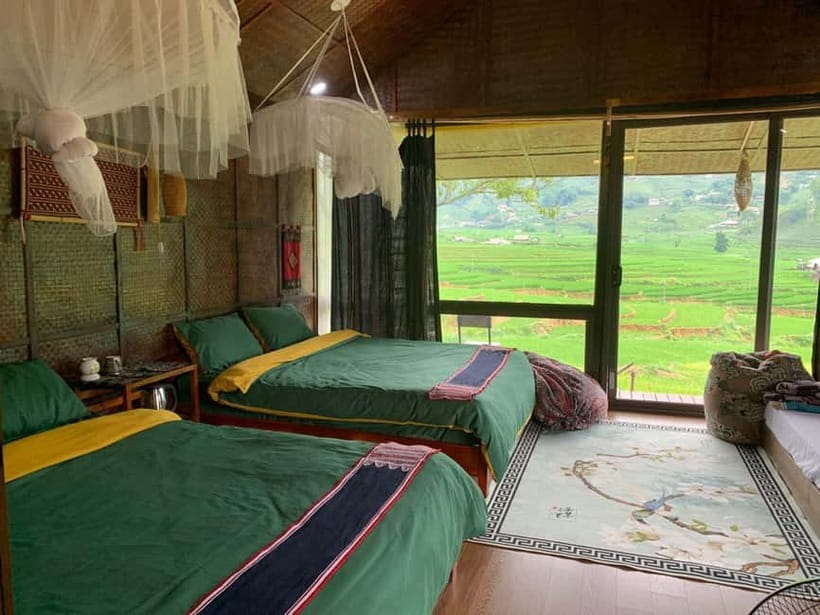
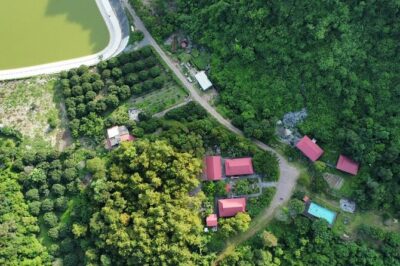
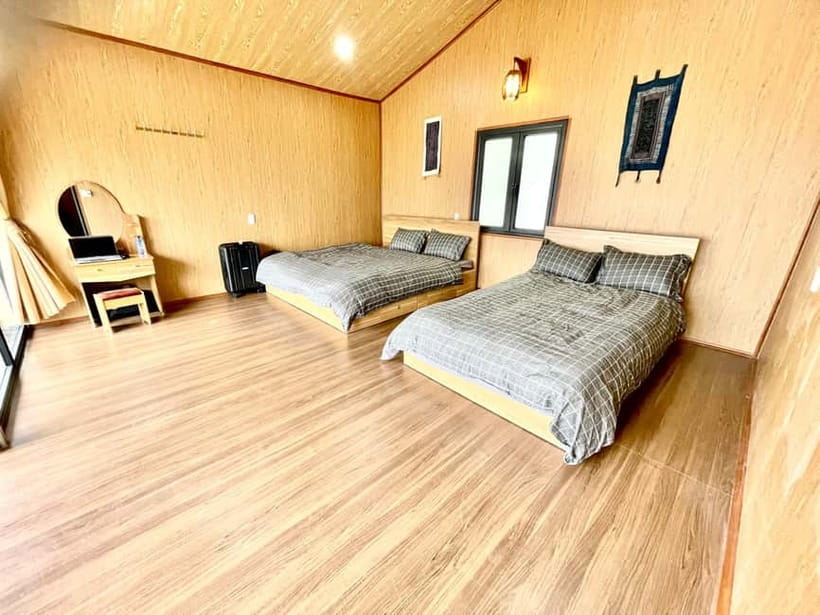
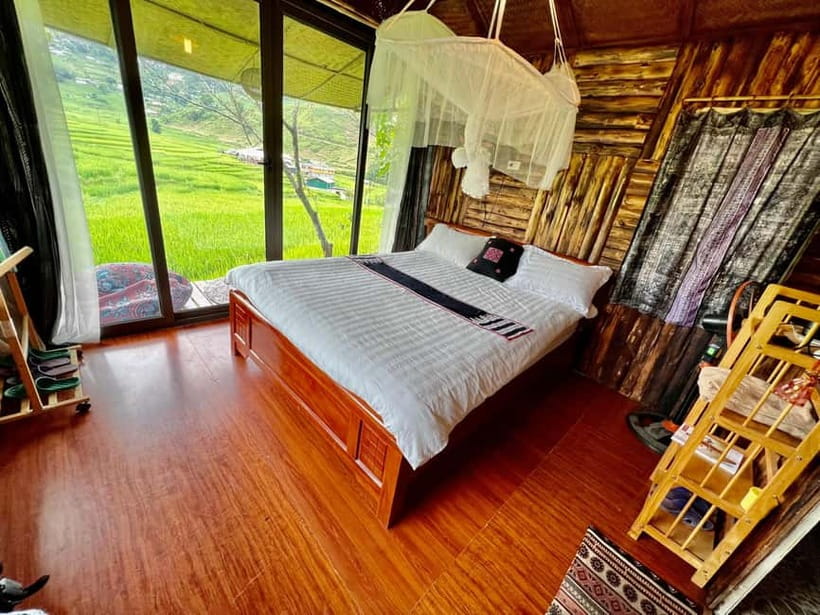
The homestay night is part of the value. You get 1 night in a private room in Ta Van Village, plus your included meal plan.
Comfort here is “just right,” not fancy. The point is that you’re sleeping where the community actually lives. One practical tip from experience: if you care about comfort after a long day, try to choose a room with your own toilet. Not every room setup is the same, and that single detail can make your evening feel truly relaxing.
You also get the benefit of being right in the middle of village life at night. That means the air, sounds, and general rural rhythm are part of the experience.
What to wear and pack: shoes, heat gear, and mud-proof expectations
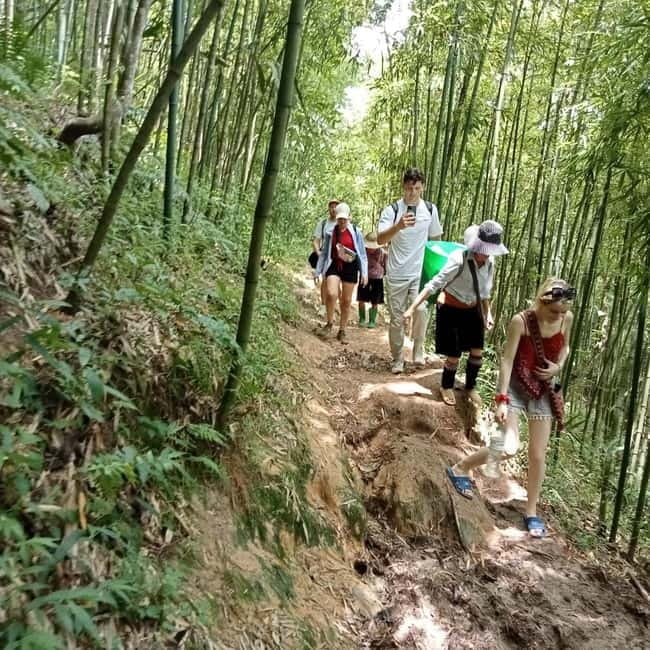
This tour gives clear clothing advice, and you should take it seriously.
Bring:
- Comfortable shoes (ideally hiking boots or shoes that handle uneven ground)
- Change of clothes
- Comfortable clothes
- Sunscreen and insect repellent
In cold months (from October to March), wear warm clothes. In summer, plan for heat. One strong practical suggestion: bring a fan or a spray bottle to cool down during the hike.
And remember the terrain reality:
- Day 1 walking is around 10 km
- Day 2 walking is listed around 4 km
- The day 2 hike to the Red Dao villages is described as 6 km
Wet weather can bring muddy, dirty roads and slippery sections. Rain turns stone and soil into a skating rink, so traction matters. Even with good shoes, go steady.
Also watch for locals on the trail who may follow to sell items they make. You don’t have to buy. A polite no is fine.
Value check: is $53 a good deal for what you get?
At $53 per person, this is priced as a value trek because so much is covered.
Included items you should actually count:
- Pickup and drop-off in Sapa town
- A mix of walking, plus bus back to town
- 1 breakfast, 2 lunches, and 1 dinner
- Local English guide
- 1 night in a private homestay room
- Sightseeing tickets
What’s not included:
- Drinks during meals (water, wine, etc.)
- Personal expenses
So the math is pretty straightforward: you’re paying for guiding, the homestay night, and meals. That’s exactly where many trekking days get expensive elsewhere. If you come prepared to handle drinks and small extras, $53 feels fair for a two-day experience that’s more than a scenic walk.
Who this tour fits best (and who should skip it)
This trip is built for active, curious adults who like real village contact.
It’s not suitable for:
- Children under 5
- Pregnant women
- People with back problems
- People with mobility impairments or wheelchair users
- People over 70
Also, if you’re someone who hates getting dirty or can’t handle uneven footing, take note. Mud and slipperiness are part of the experience, especially after rain.
If you want the best match, you’ll enjoy:
- walking 2 days with scheduled meals
- asking questions and listening to explanations
- spending a night in a private homestay room where the day doesn’t revolve around hotel comforts
Should you book Sapa Homestay Hideaway’s 2-Day Local Life Adventure?
Book this if you want a real small-group village trek with a homestay night that includes meals and a cooking class. It’s also a smart choice if you like structured guidance but still want freedom—like time to explore Ta Van in the afternoon.
Skip it if you can’t handle 10 km of walking on day 1, slippery paths in rain, or the fact that luggage or large bags aren’t allowed. And if you fall into any of the listed health or mobility categories, don’t force it.
One more decision tip: choose this when you’re ready to be part of village life for a full day, not when you’re trying to rush through for a quick hit of scenery. If you’re that kind of traveler, this one tends to land really well.
FAQ
What meals are included in the 2-day trek?
You get 1 breakfast, 2 lunches, and 1 dinner. Drinks during meals are not included.
How much trekking is involved on each day?
Day 1 involves about 10 km of hiking. Day 2 is listed around 4 km, and reaching the Red Dao villages on day 2 is described as a 6-kilometer trek.
Is pickup and drop-off included in the price?
Yes. The tour includes pickup and drop-off within Sapa town. It uses walking on the way to the villages (one way) and a bus back on day 2.
What should I pack, and what can’t I bring?
Bring comfortable shoes, a change of clothes, and comfortable clothes, plus sunscreen and insect repellent. Luggage or large bags are not allowed.
What’s included with the homestay night in Ta Van?
You get 1 night in a private room at a homestay in Ta Van Village. The schedule includes lunch and rest on arrival, a cooking class, dinner, and free rice wine or happy tea.
Who should not take this tour?
This tour is not suitable for pregnant women, people with back problems, people with mobility impairments, wheelchair users, children under 5, or people over 70.