REVIEW · SA PA
Explore Sapa by TrekkingAdventures, Mountain,Rice fields
Book on GetYourGuide →Operated by Dinh Sapa Trekking Adventures · Bookable on GetYourGuide
Fog lifts, village stories rise. This 5-hour Sapa trek by local Hmong women takes you from Sapa Town into some of the best rice terraces around. Along the way, you get a rare mix of mountain walking and real-life cultural context, shared in plain, personal terms.
I especially love how the day feels people-first, not photo-first. Guides like Sun, Mu, and Ko (and the wider team around Dinh Sapa Trekking Adventures) explain what daily life is like in the villages you pass, including differences between ethnic groups—and why tourism can matter for local families. One caution: in winter and foggy weather the views can disappear, and the path can get muddy and slippery, so you need solid footwear.
In This Review
- Key points before you go
- Why this Sapa trek feels more real than most tours
- Entering Sapa Town: where your day really starts
- Walking down toward Y Linh Ho’s rice terraces (and village life)
- Lao Chai: the village stop that turns the walk into a full day
- House visits and cultural context you can actually use
- The walk to Ta Van: when the valley opens up again
- Difficulty choices: how to match your day to your legs
- Weather reality: fog and rain are part of the deal
- The guide factor: why Sun, Mu, Ko, and Chuchu matter
- Group hike logistics: good energy, but set your expectations
- Value for $23: what you’re really paying for
- What to bring (so your day feels easy, not annoying)
- Who this trek is best for
- Should you book this Sapa trek?
- FAQ
- How long is the Sapa trek and when does it start?
- What route will we walk during the day?
- How far do we walk, and can we choose difficulty?
- Is lunch included?
- If it rains, will the trek still happen?
- Where do we meet the guide?
- Do I get transportation back to Sapa Town after the trek?
Key points before you go
- Hmong women guides share village life and personal stories, including how work and education opportunities can shape families
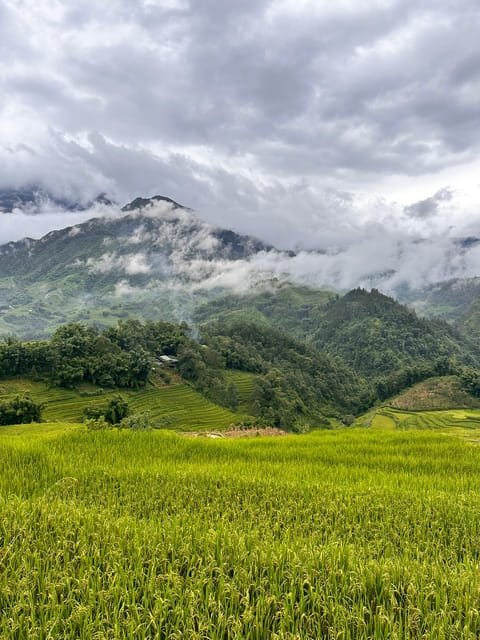
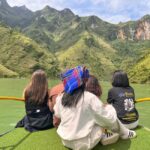
- Rice terraces in Sapa look especially dramatic on clear days, with buffalo, pigs, and chickens along parts of the route
- Easy-to-hard options let you choose a route style (including harder sections if you want more challenge)
- Local lunch in Lao Chai is included, with vegetarian or even vegan options sometimes available if you ask
- Rain plan is real: boots and trekking sticks are ready when the weather turns
- Expect a group hike and a bit of souvenir selling along the way—your guide will help you set boundaries
Why this Sapa trek feels more real than most tours
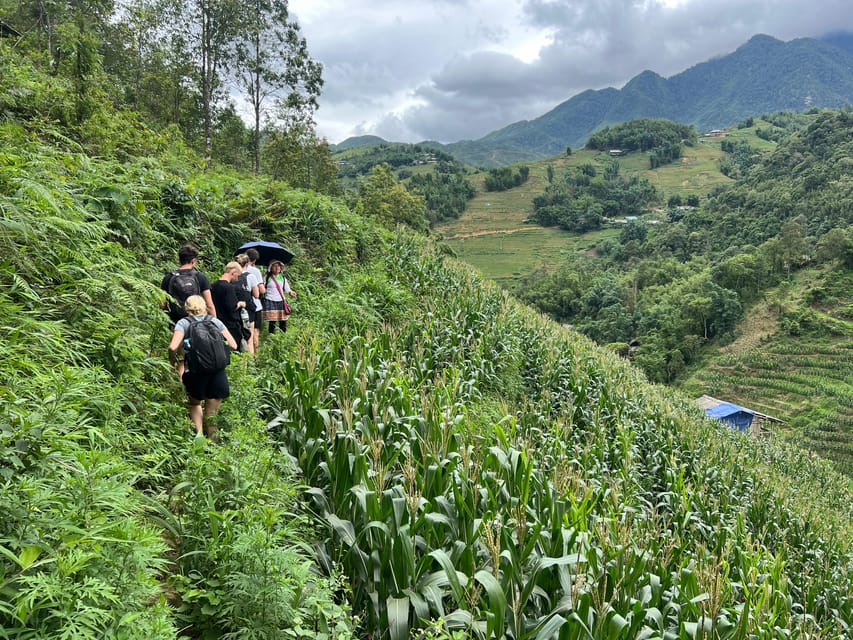
Sapa can feel like a place you either rush through or get stuck in. This trek hits the sweet spot: you’re still based in town, but you’re not just staring at mountains from a café patio. You actually walk down through valleys and village paths, watching the rhythms of rural life change with every turn.
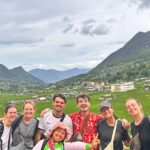
The best part is that your guide isn’t a “tour voice.” This is a family-and-community operation led by Dinh Sapa Trekking Adventures, with local women from the communities you visit. On days guided by Sun, Mu, Ko, or Chuchu, the tone is warm and funny—and the explanations stay practical: how villagers farm, how houses are built and used, and what daily routines look like.
The route also keeps you moving without turning the day into a forced march. You can choose distance and difficulty, and the pacing includes breaks so you can catch your footing, take photos, and actually listen.
You can also read our reviews of more tours and experiences in Sa Pa.
Entering Sapa Town: where your day really starts
Most tours like this start with a generic hotel pickup. Here, you’ll meet either at your hotel in Sapa Town or in front of the main church area. If you’re early, you’ll likely spot the “first chaos” moment—people gathering, groups getting sorted, then heading out.
That meeting point matters more than you might think. Sapa can be foggy, and weather can swing fast. Getting organized on the ground gives you a smoother start, especially when you’re preparing for downhill walking and uneven footpaths soon after.
Once you’re grouped, you’ll get a quick break and some time for shopping or sightseeing if you want it. Then the trek begins toward the rice terraces and the villages.
Walking down toward Y Linh Ho’s rice terraces (and village life)
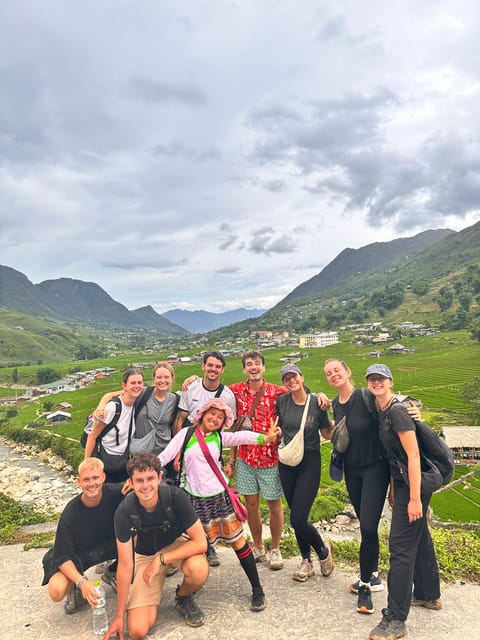
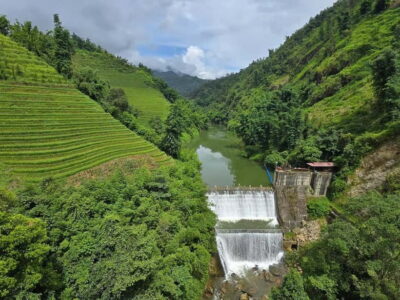
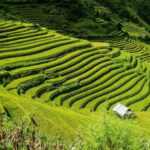
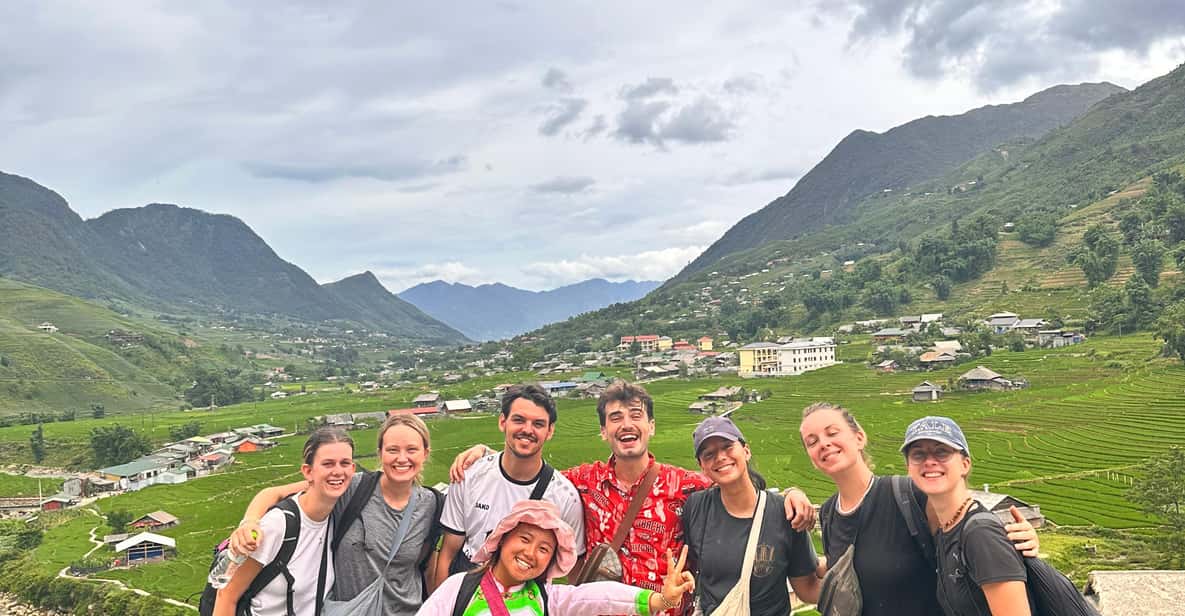
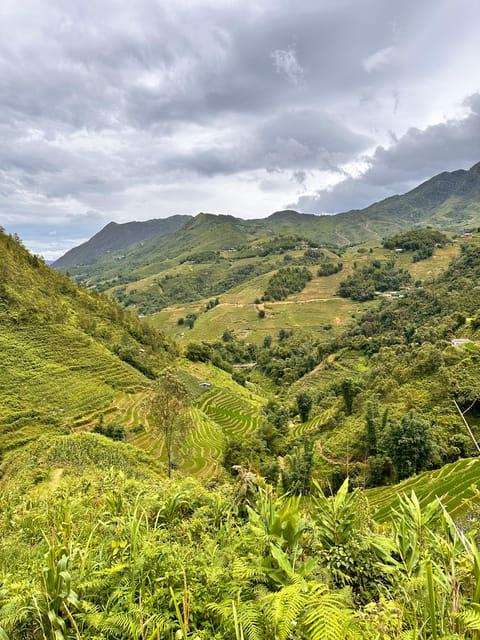
The first big pull of the day is the walk from Sapa down to Y Linh Ho, a Black Hmong village area. This is where you start to see what makes Sapa special beyond the “mountain town” look: stepped rice terraces, narrow paths, and the kind of agricultural scenery you can’t recreate anywhere else.
Along parts of the route, you may spot local animals like buffalo, pigs, and chickens. It’s not a zoo moment. It’s just life happening nearby, and it changes how you see everything. Rice terraces suddenly stop looking like a postcard background and start looking like infrastructure—work made visible.
Y Linh Ho is also where your guide’s storytelling becomes most useful. You’re not just looking; you’re learning what you’re walking through and how communities live with the terrain. One of the most moving themes shared by the guides is the role of women in village life and how tourism can connect visitors to opportunities for local families.
Practical note: this section can feel challenging in the way mountain trails often do—uneven ground and changing footing. If you’re choosing an easier route, the goal is steadier walking and fewer tricky scrambles.
Lao Chai: the village stop that turns the walk into a full day
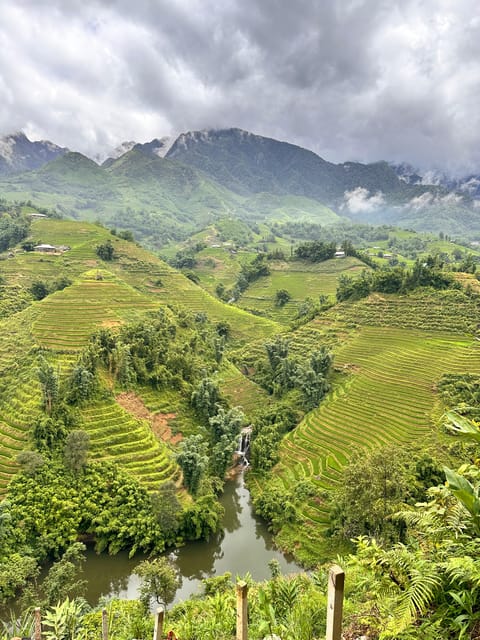
Next you head toward Lao Chai, one of the older and larger Hmong communities you’ll see on this route. This is a turning point because it’s where the day shifts from “walk and view” to “walk and understand.”
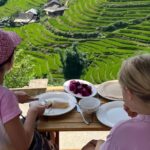
Lunch is usually taken here at a local restaurant, and it’s included in the price. In practice, that means you get an actual break in a real village setting—not a rushed meal designed mainly to keep you moving.
What I like about this lunch stop: it’s not just food. It’s a reset. You sit down, eat well, and let the guide explain more about daily life, village structure, and how traditions differ across ethnic communities in Sapa.
Food can be great and filling, and you might even be able to get vegetarian or vegan options if you tell your guide ahead of time. If that matters to you, plan to communicate clearly when you book.
House visits and cultural context you can actually use
Between lunch and the later part of the trek, you’ll visit a traditional Black Hmong house and learn about daily life. This is one of those moments that can go either way on guided tours—sometimes it becomes a quick “look, learn, move on” stop.
On this tour, it tends to feel more like conversation. Guides often share what family life looks like, how farming and household duties fit together, and what cultural expectations can shape education and marriage. You’ll hear personal stories from the women involved in the guiding team and understand why their work matters for their community.
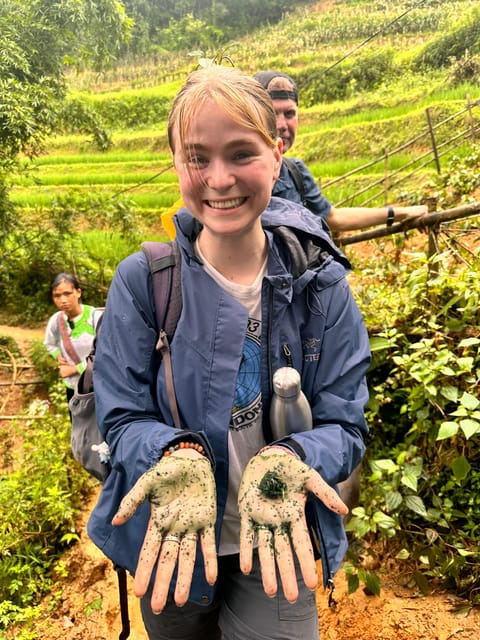
A specific example from guide stories: one of the experiences described for this region includes traditional craft knowledge like indigo dyeing processes, explained by local guides during house-related visits. You might not get exactly the same demonstration every day, but it shows the type of practical cultural detail you can expect.
The walk to Ta Van: when the valley opens up again
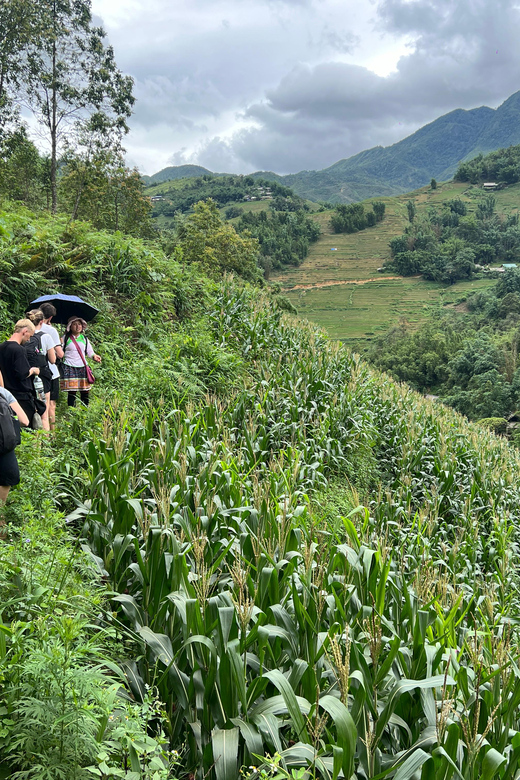
After Lao Chai, you continue to Ta Van Village, home of the Dzay people. This section tends to bring back bigger views and a broader sense of the valley. It also helps close the loop: you started with rice terraces and Hmong villages, and now you see another community with its own way of living.
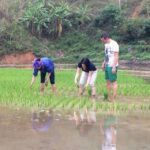
If you’re lucky with timing and season, you can see rice planting or harvesting. Season strongly affects what you’ll notice, so go into it ready to accept that Sapa changes week to week.
You’ll end around 3:00 PM in Ta Van Village. Then a private car takes you back to Sapa Town. Ending in Ta Van is smart. You get the sense you traveled through the mountains, not just out-and-back from the same trailhead.
Difficulty choices: how to match your day to your legs
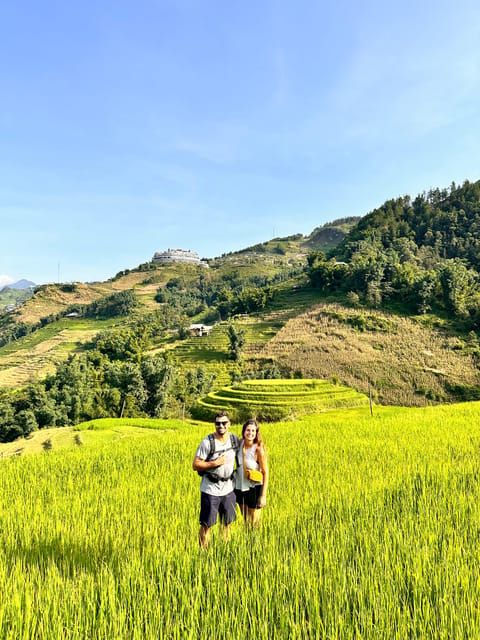
This trek gives you a rare thing: you can choose your trekking level. Options range from easy/moderate to hard, and some routes are described as hard then easy. Distance can be roughly 5–11 km, depending on the option you select.
Here’s how to think about it:
- Choose the easier option if you want steady walking, fewer slippery moments, and more time to talk and take photos.
- Choose the harder option if you want steeper, tougher segments and a more athletic feeling day.
In practice, even the easier route includes downhill work. Several guides and walk stories emphasize safety and careful footing. If it rained before your hike, expect mud and slipperiness—especially during downhill sections.
Also remember: Sapa mornings can start cool and foggy, then improve later. I’d pack layers so you’re not stuck either freezing or sweating.
Weather reality: fog and rain are part of the deal
Sapa has a habit of not asking permission. In winter, heavy fog can block views. One day can be dramatic and clear; the next can feel like walking in a white curtain.
That doesn’t mean the tour is ruined. Fog still reveals village rhythms, shapes, and textures—just with less panorama. If your main goal is big views, check the forecast, and be mentally flexible.
Rain is handled more practically. The tour notes say they have boots and trekking sticks ready if it’s wet. That’s a real comfort, because many Sapa treks rely on you already being prepared.
Still, you should bring your own basics:
- raincoat or waterproof layer
- sunscreen and hat (yes, even when it’s cool)
- insect repellent
- comfortable shoes with grip
The guide factor: why Sun, Mu, Ko, and Chuchu matter
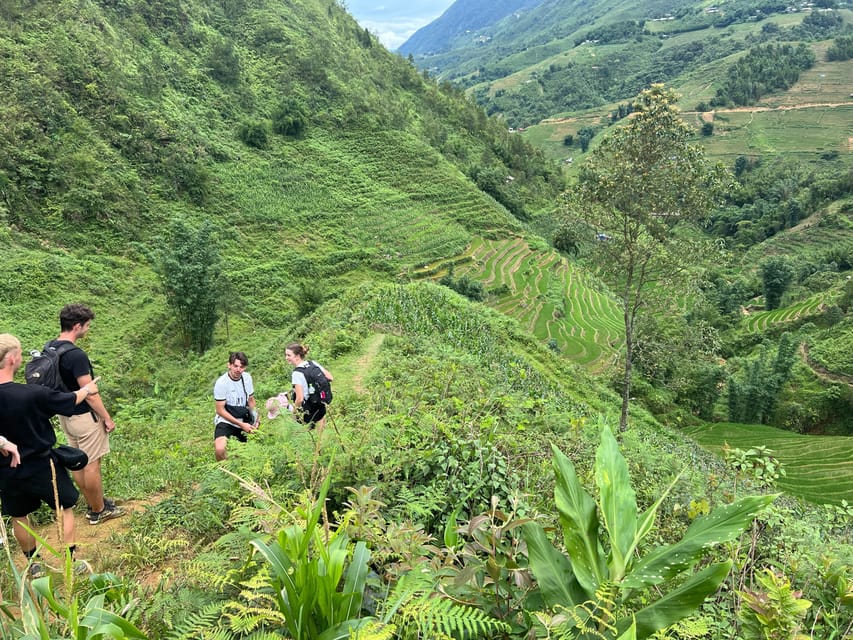
The reason this trek earns such high marks isn’t only the scenery. It’s the guiding style. On days led by Sun, visitors describe humor, clear explanations, and attention to safety on slippery ground. On other days, Mu and Ko were praised for being friendly, knowledgeable, and helpful with pace and questions.
In my view, that’s what you want in a village trek: someone who understands the terrain and also understands how to translate daily life in a way that feels respectful. The best guides don’t just point. They answer.
You’ll likely get regular small stops during the walk, and you can usually ask questions. That makes a difference if you care about how people live, not just what you see.
Group hike logistics: good energy, but set your expectations
This is a group tour. That’s good value and it’s easier socially, but you should know what it feels like: there’s some waiting, some regrouping, and you won’t always have the trail to yourself.
Also, one theme that comes up in the walking experience is souvenir selling. Guides may guide you to the parts where you can browse, and you’ll usually get reminders that you control what you buy. Still, plan for the reality that villagers may want to sell handmade items when you pass close to their homes.
My practical advice:
- Carry some cash so you can buy nothing without feeling awkward if someone asks.
- If you want to shop, buy small and fair.
- If you don’t want to, just stay with your guide’s pacing and don’t get pulled off the main route.
Value for $23: what you’re really paying for
At $23 per person for about 5 hours, this tour can feel almost too good to be true—until you list what’s included.
You’re getting:
- a local English-speaking guide (English and Vietnamese support)
- lunch (local restaurant stop)
- water
- village entry fees
- transportation back to Sapa Town after you finish
You’re not paying for your own logistics, so your money goes to people and local infrastructure. That’s the main value: you’re not just buying a path through nature; you’re paying for access to communities and for the women doing the guiding and hosting.
What’s not included is also important. Drinks during the hike aren’t included, and you’ll want your own travel insurance. But for many visitors, this structure is a win because it prevents the classic “cheap tour, expensive add-ons” surprise.
What to bring (so your day feels easy, not annoying)
To keep this tour from turning into a struggle, pack with grip and sun in mind.
Bring:
- cash
- comfortable walking shoes
- sunglasses and sun hat
- sunscreen
- a camera
- raincoat (plus insect repellent, based on the tour notes)
If you forget something, you can sometimes rely on what the guide team offers during rain (boots and trekking sticks). But don’t assume that covers everything—especially sun protection.
Who this trek is best for
This tour suits you if:
- you want culture plus hiking, not hiking alone
- you like meeting local women guides and asking real questions
- you want one solid day outside Sapa Town without needing more travel time
It also works for couples and solo travelers, as long as you’re comfortable in a group setting.
It may not suit you if you’re looking for a fully flat, low-risk walk. Even when it’s rated easy to moderate, the trail includes uneven steps and can be slippery in muddy conditions. And people over 95 years are noted as not suitable.
Should you book this Sapa trek?
I’d book it if your priority is authentic village time and rice terraces you can walk through with guidance from local women. The combination of a short 5-hour window, included lunch, and village entry makes it good value, and the guide-led storytelling is the heart of the experience.
I wouldn’t book it just for views on a strict timetable. Fog can happen in winter, and mud changes the feel of the trail. But if you’re the type who likes learning on your feet—then this is exactly that kind of day.
If you want the best odds for great views, plan for weather flexibility, bring rain protection and grippy shoes, and choose the difficulty level that matches how you want to spend your energy.
FAQ
How long is the Sapa trek and when does it start?
The experience lasts about 5 hours. Starting time is set for 9:00 AM or you can often arrange a start that suits you (you need to tell them in advance).
What route will we walk during the day?
You’ll trek from Sapa to Y Linh Ho, then continue to Lao Chai, and finish in Ta Van Village.
How far do we walk, and can we choose difficulty?
Distance is roughly 5–11 km depending on the option you choose. Trekking difficulty is described as easy/moderate or hard (and there is also an option described as hard then easy).
Is lunch included?
Yes. Lunch at a local restaurant in Lao Chai is included, and water is also provided.
If it rains, will the trek still happen?
If rain comes up, the tour states they have boots and trekking sticks ready for you, so you’re not left scrambling for gear.
Where do we meet the guide?
You’ll meet either at your hotel in Sapa Town or in front of the main church.
Do I get transportation back to Sapa Town after the trek?
Yes. The tour ends around 3:00 PM in Ta Van Village, and a private car brings you back to Sapa Town.