REVIEW · SA PA
Journey Through Sapa Terraces & Traditions
Book on GetYourGuide →Operated by BAE Travel Company · Bookable on GetYourGuide
Sapa hits you fast with steep steps and big views. This trek strings together rice terraces, the Muong Hoa river and hanging bridge, and time with ethnic communities like the Black Hmong and Giay. What I like most is how the day mixes serious walking with human moments (lunch at a local family spot and village time). The main drawback to plan around is the terrain: it can be slippery, and rainy-day logistics can sometimes feel a bit off.
Two other things make this experience feel worth your time: the small group (max 10) keeps it personal, and the guides are set up for real mountain trekking, not just a casual stroll. One consideration: pickup timing and rain gear can make a difference in how smooth your morning feels.
In This Review
- Quick Take: Key Things I’d Book This For
- Why Sapa Terraces + Villages Work So Well Together
- 8:00 AM Pickup in Sapa and the Start Down Cat Cat Road
- The Hmong Village Pass and a Hanging Bridge Moment Over Muong Hoa
- Bamboo Forest Climb: When the Trek Changes Texture
- Hoang Lien Son Views: Where the Route Feels Big
- Y Linh Ho Lunch: A Local Family Meal That Ends the Morning Right
- Lao Chai and Black Hmong Village Time: Cultural Stops With Context
- Ta Van Valley and a Giay Community Meet-Up
- Rain, Slippery Steps, and What to Bring (No One Loves Limping)
- Small Group Trekking: The Difference Between Crowds and a Real Day
- Price and Logistics: Does $20 Actually Make Sense?
- Who Should Book This Sapa Trek (And Who Should Skip It)
- Should You Book This One-Day Sapa Terraces and Traditions Trek?
- FAQ
- What time does the trek start, and when do we get back?
- How long is the experience?
- Is the group small?
- What’s included in the price?
- What should I bring and wear?
- Is this trek suitable for everyone?
Quick Take: Key Things I’d Book This For
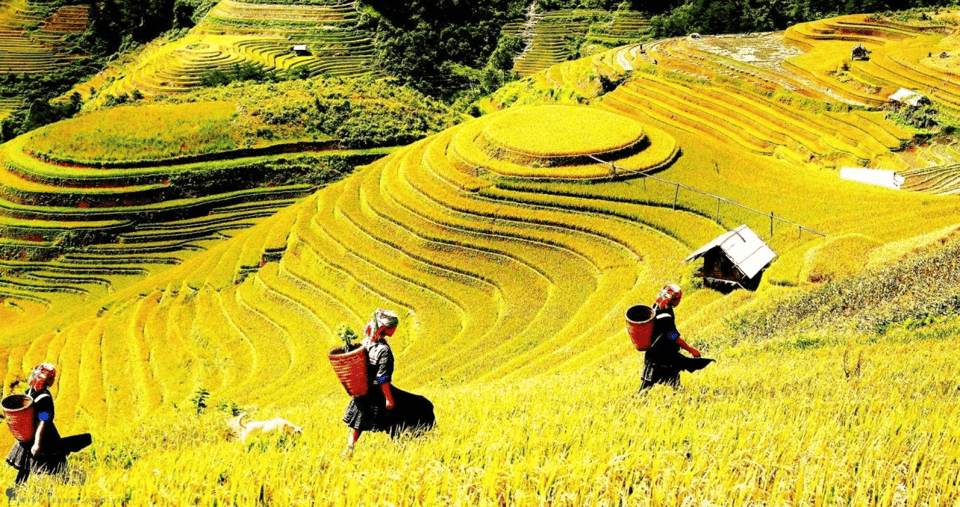
- Rice terraces plus Hoang Lien Son views in a single day, without feeling rushed.
- Muong Hoa hanging bridge and a bamboo-forest section that breaks up the descent nicely.
- Home-style lunch in Y Linh Ho, served in a local community setting.
- Cultural stops across Lao Chai and Ta Van, including time with the Giay community.
- Small-group pacing with an English/Vietnamese guide who’s been doing this a long time.
- Challenging, not stroller-friendly trekking through Sapa’s uneven mountain paths.
Why Sapa Terraces + Villages Work So Well Together
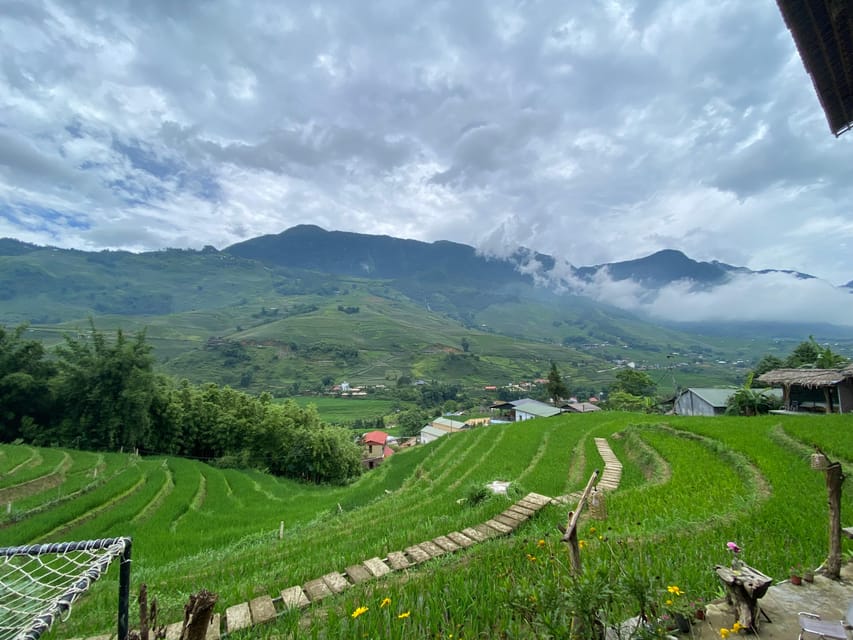
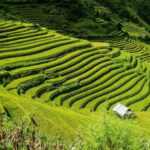
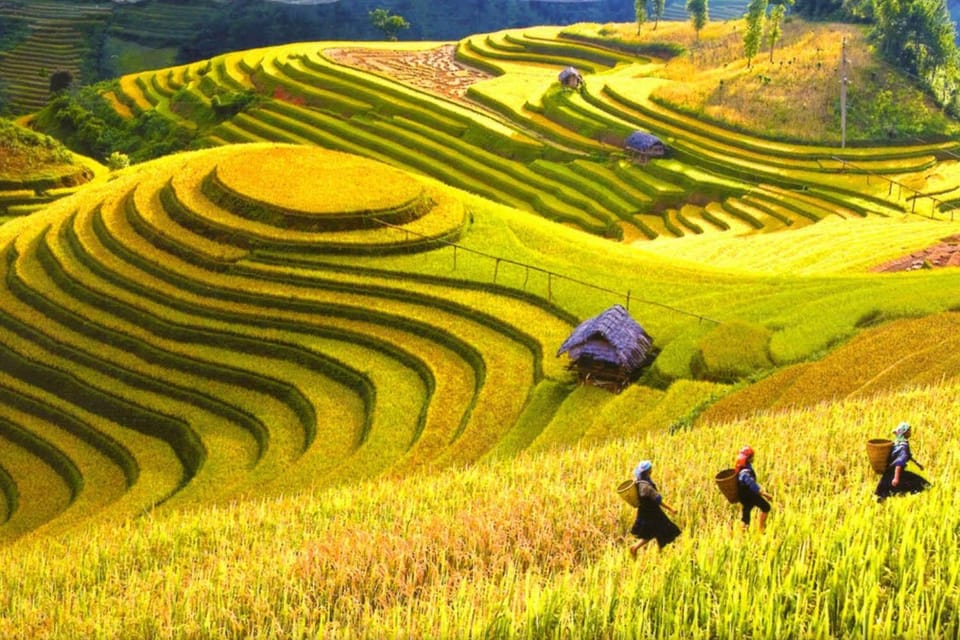
Sapa’s rice terraces look like they’re made for photos. But the best part here is how quickly you go from viewpoint to footpath. You’re not just seeing the terraces; you’re walking through the way people live around them—along river edges, through bamboo shade, and up and down farm paths.
This tour also avoids the classic mistake of treating culture like a stop on a checklist. You’re given time in villages, and the day is organized so you eat with a local family-style lunch before moving on to the next community. That order matters. Food grounds you. Then the next village interaction feels more real and less like a quick look-then-leave.
If you like hiking with a purpose—views plus context—this one-day route is a strong fit.
You can also read our reviews of more tours and experiences in Sa Pa.
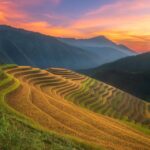
8:00 AM Pickup in Sapa and the Start Down Cat Cat Road
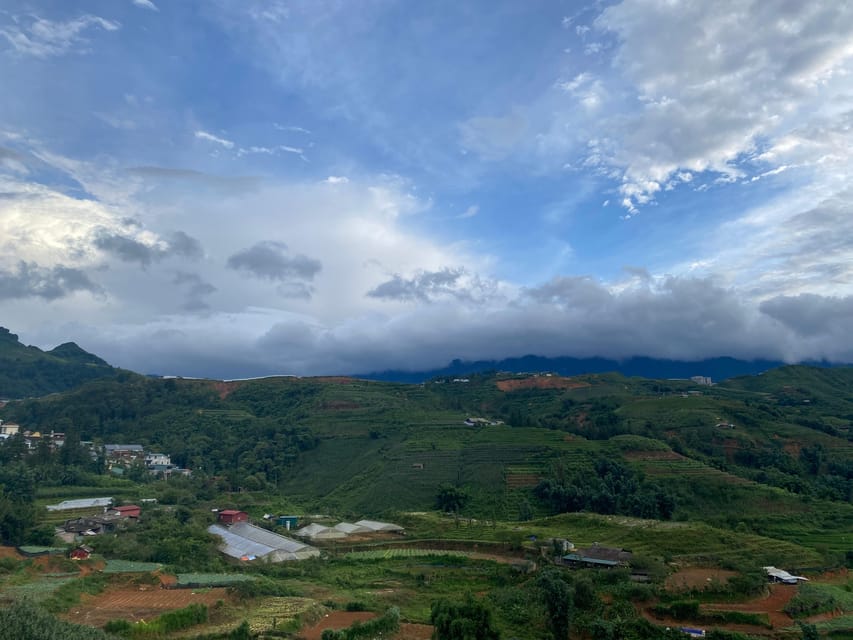
The day begins early, with pickup from Sapa town (or your stay in the Sapa area) around 8:00 AM, meeting at 61 Mường Hoa. Expect a short walk right after you start—then your legs get the first real taste of Sapa: a ~2 km descent along Cat Cat Road.
Why I like this start: descending first can help you ease into the rhythm. Your pace settles before you head upward later. You also get your bearings early, so the later climbs feel like part of one continuous walk rather than a surprise detour.
A small practical tip: even if it’s sunny at pickup time, mountain weather can change fast. I’d plan as if you could be walking in damp patches.
The Hmong Village Pass and a Hanging Bridge Moment Over Muong Hoa
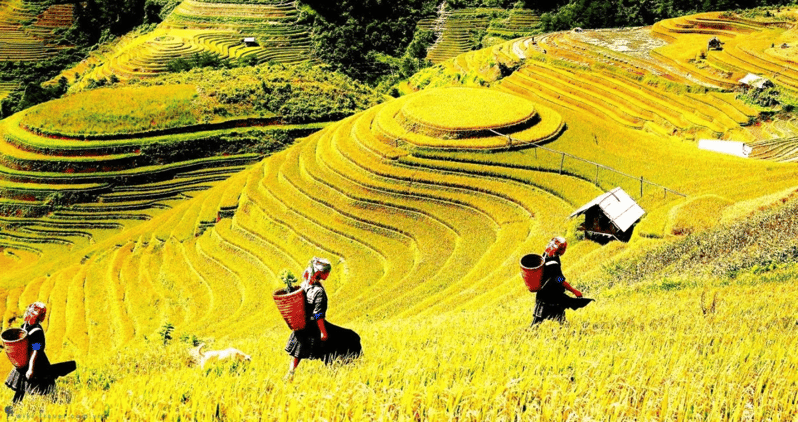
After the descent, you’ll pass through a Hmong minority village area, where the scenery shifts from terraces-and-paths to people-and-homes along the route. This is where the “tours feel like a road movie” energy starts. You’re moving, but the village scale makes you slow down naturally.
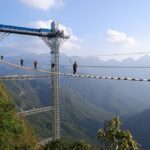
Then comes one of the most memorable structures on the day: the hanging bridge over the Muong Hoa River. It’s the kind of crossing that makes you pay attention—hands on rails, careful steps, and quick looks both ways to take in the river and terrace layers beyond.
If you’re a bit nervous on wobbly footings, don’t ignore it. This is exactly the kind of moment that’s easier when you go at a steady pace and don’t rush your footing.
Bamboo Forest Climb: When the Trek Changes Texture
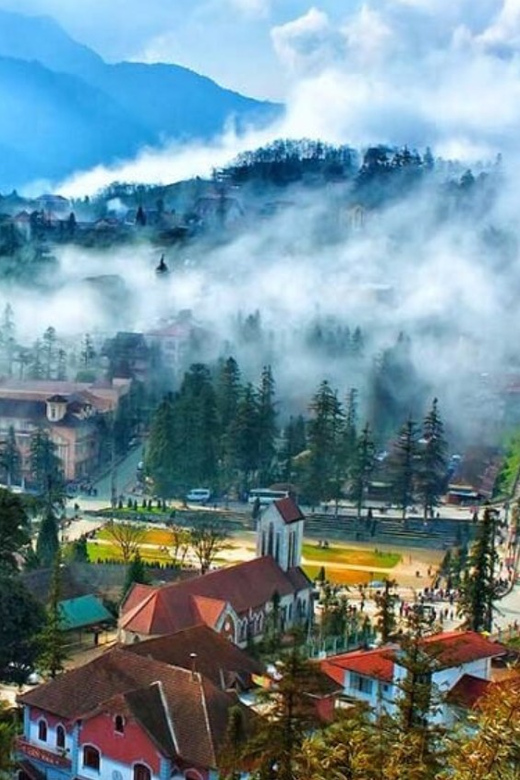
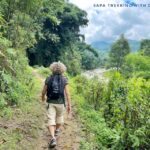
After the river crossing, the route turns into ascent through a bamboo forest. This part matters because it changes the feel of the walk. Instead of open terrace views, you get shade, cooler air, and a tighter trail feel.
It’s also mentally helpful. The mountain doesn’t just climb—it changes environment, which makes the effort feel more broken up. You’re not constantly staring at the next hill; you’re passing through a different “room” of the landscape.
On a clear day, the bamboo stretch also acts like a pause button before the terrace sections open again. On a rainy day, this can become slick, so your shoes matter more than your willpower.
Hoang Lien Son Views: Where the Route Feels Big
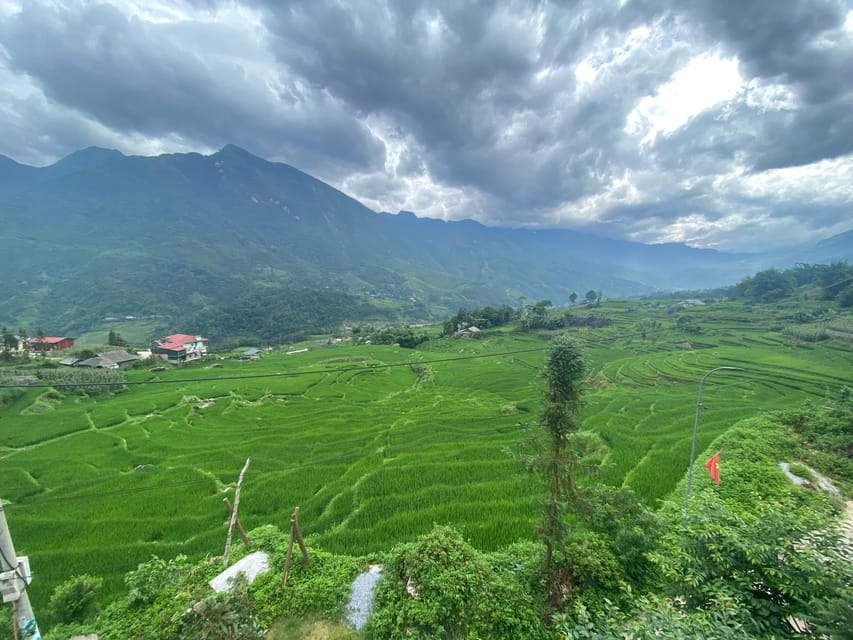
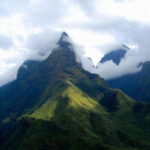
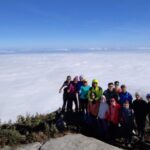
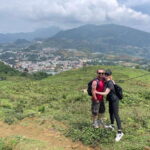
As you move along the terrace paths, you get big views toward Hoang Lien Son Mountain. This is the “camera moment,” but it’s also the “breath moment.” You reach points where the terrain drops away behind you, and you can see the pattern of the fields and the river valley.
What you’re really buying with this route is variety in perspective:
- terraces closer to the trail,
- distant mountain framing,
- river-and-valley geometry.
That combination is why this trek feels like more than a simple village walk. It’s a full circuit of sight lines—far to near, near to far, then back to village life.
Y Linh Ho Lunch: A Local Family Meal That Ends the Morning Right
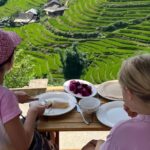
Lunch is part of what makes the $20 price feel more believable. You’ll eat at a small traditional restaurant in Y Linh Ho village, with a community-run, local-family-style feel.
The practical value here is simple: after a morning of descending and navigating uneven paths, you want a meal that doesn’t feel like it was designed for tourists alone. This stop is built for that. The tour structure also gives you time to sit, recover, and reset before the later villages.
One note for planning: you’ll be hungry. Bring water when you can, and eat like you’re fueling a hike, not just having lunch.
Lao Chai and Black Hmong Village Time: Cultural Stops With Context
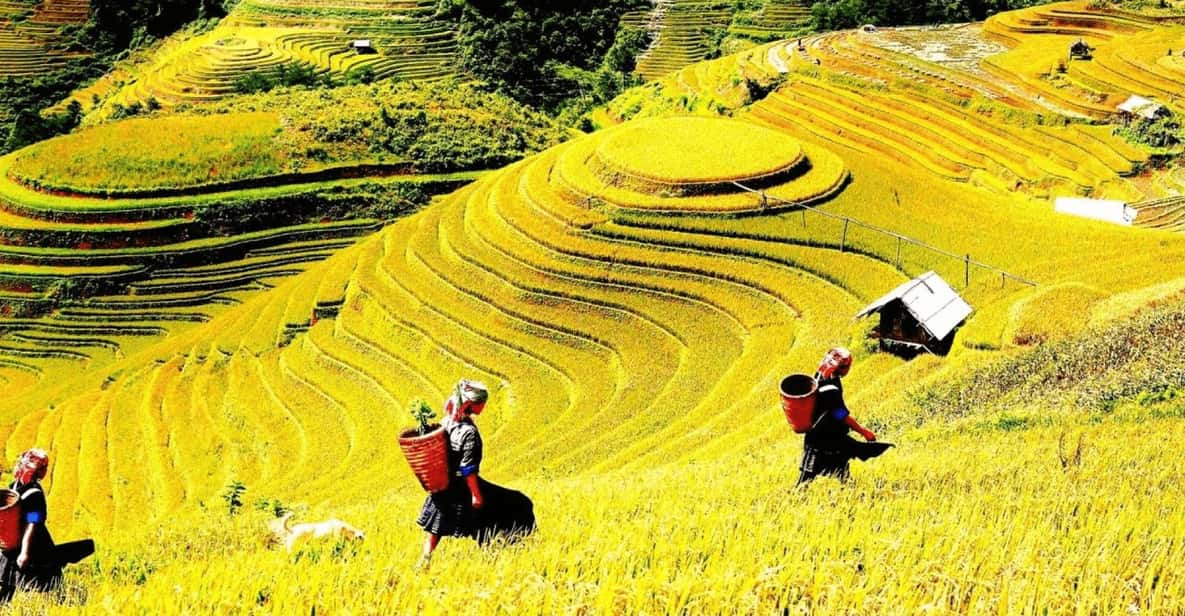
After lunch, the walk continues toward Lao Chai, known in this route as home to Black Hmong people. This is where you shift from “watching scenery” to “meeting the reality behind the scenery.”
Why this stop works best when you approach it slowly:
- You’re already tired from trekking, so conversations and small details feel more meaningful.
- You’re not just passing through a viewpoint; you’re spending time in a lived-in setting.
You don’t need a deep background lecture to enjoy this portion. The day itself gives you the context: terraces, agriculture, geography, and community roads that shaped everything you’re seeing.
Ta Van Valley and a Giay Community Meet-Up
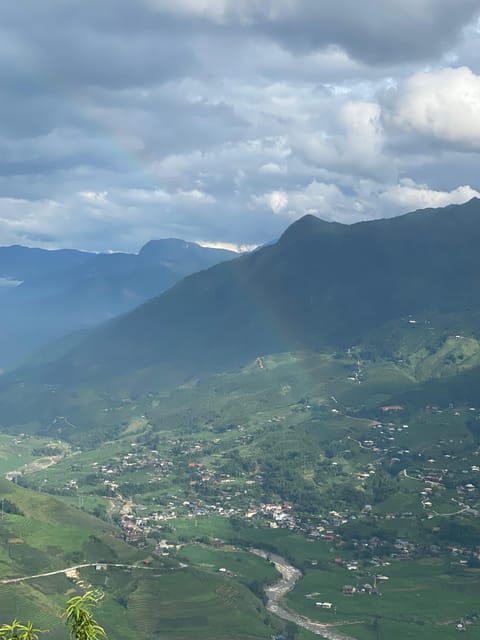
Your final village focus is Ta Van. Here, you’ll have the chance to meet members of the Giay minority and learn about local traditions and day-to-day life.
This is a key moment because it completes the ethnic “map” of the day. Earlier stops focus on different community identities along the Sapa area. By the time you reach Ta Van, you’ve walked enough to understand that these communities aren’t separate from the terrain—they’re tied to it.
Also, Ta Van is the kind of place where the valley feel lands. Even without a named viewpoint, you sense the wider geography and the way the fields spread out. It helps the whole day click into place.
Rain, Slippery Steps, and What to Bring (No One Loves Limping)
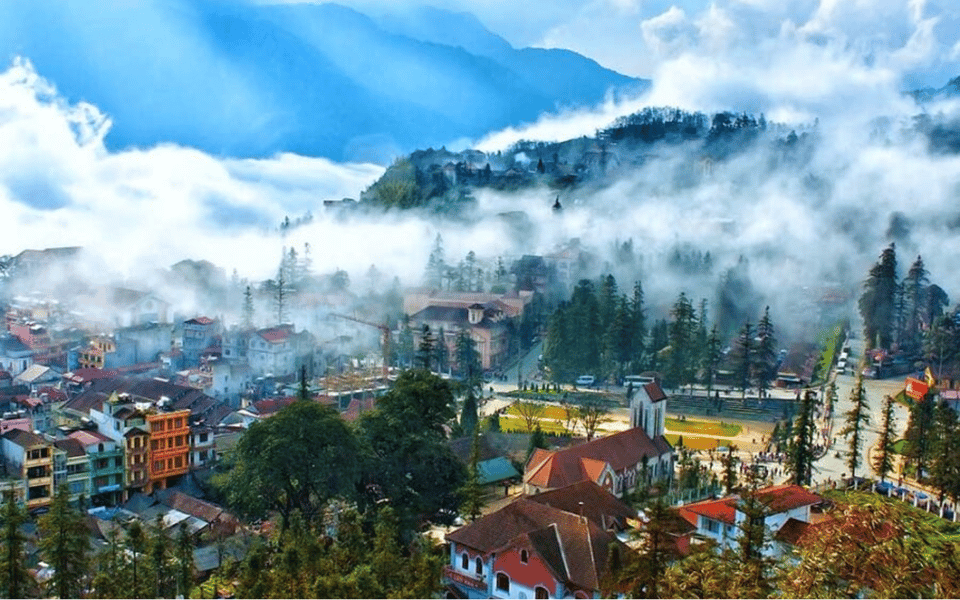
One thing I appreciate about this tour is that guides are used to handling real mountain conditions. Still, the human factor is real: rain can change footing, and logistics can vary.
So do yourself a favor and show up ready:
- Hiking shoes (not just sports shoes)
- sun hat even if you think you won’t need it
- clothes that can get dirty
- avoid sandals or flip-flops
In rainy conditions, you may find that some people receive extra rain footwear, while others don’t. That’s not something you should gamble on. I’d pack at least a simple rain layer in your day bag, because you’ll be moving long enough that damp can turn into discomfort fast.
And if you’re starting from a pickup point, build in a little patience. When a tour gets delayed by weather, it affects everyone. The best move is to confirm pickup timing the morning of your hike.
Small Group Trekking: The Difference Between Crowds and a Real Day
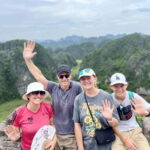
This is a small-group experience limited to 10 participants. That size matters on a trail.
With fewer people:
- the guide can watch footing more easily,
- you get more chance for questions,
- the pacing can stay more human.
You also benefit from a guide with 10+ years experience, plus English and Vietnamese support. Even if your Vietnamese is basic, you’ll still get clear guidance on what to do, where to look, and how to handle challenging terrain.
One review detail that stood out: guides actively checked that everyone was okay on slippery rainy ground. That kind of attention is what keeps a hike feeling safe rather than chaotic.
Price and Logistics: Does $20 Actually Make Sense?
At $20 per person for a 7-hour trek, this price looks low at first—until you match it to what’s included:
- pickup from Sapa center or your stay,
- a local guide with long experience,
- a traditional lunch with the local community setting.
You’re also getting a small-group format, and the route includes multiple stops (villages, bridge crossing, terraces, and a bamboo section). That’s a lot of guided time for the money.
The only “hidden cost” is on you: footwear, rain gear, and any personal purchases. If you come prepared with proper shoes and a day bag, this is a pretty straightforward deal. If you come in flimsy sandals and hope for the best, you’ll pay for it in blisters or discomfort—way more than the difference between cheap and solid shoes.
Who Should Book This Sapa Trek (And Who Should Skip It)
This tour is best for you if:
- you want a challenging trekking day with real walking time,
- you care about seeing how terraces connect to community life,
- you like guides who help you navigate safely on uneven ground,
- you enjoy meeting different ethnic groups in their daily settings.
You should skip or reconsider if:
- you’re looking for an easy flat walk,
- you’re pregnant, wheelchair users, or you have severe mobility limits,
- you’re traveling with very young kids (it’s not for children under 4 years),
- you’re over 95 years or you’re prone to issues like seasickness (listed as not suitable).
This isn’t about being dramatic. It’s about matching expectations to terrain.
Should You Book This One-Day Sapa Terraces and Traditions Trek?
If you want value, scenery, and cultural contact in one packed day, I’d book it—especially if you’re comfortable with steep, slippery mountain paths. The mix is strong: rice terraces with Hoang Lien Son framing, a Muong Hoa bridge crossing, bamboo forest variety, and village time that includes lunch in a local family-style setting.
Just don’t treat it like a casual stroll. Bring real shoes, plan for rain, and confirm pickup timing if the weather shifts. If you do that, this trek feels like the kind of Sapa day you’ll remember for both the views and the people you met along the way.
FAQ
What time does the trek start, and when do we get back?
Pickup happens around 8:00 AM from Sapa town or your stay. The trek ends around 3:30 PM in Sapa town, returning to the meeting point area.
How long is the experience?
The total duration is about 7 hours.
Is the group small?
Yes. The tour is limited to a small group of up to 10 participants.
What’s included in the price?
Pickup from Sapa center town (or your stay), a traditional lunch with local communities, and a local guide are included.
What should I bring and wear?
Bring a sun hat and hiking shoes (or sports shoes that work for uneven ground), plus clothes that can get dirty. Sandals or flip-flops are not allowed.
Is this trek suitable for everyone?
It’s not suitable for children under 4 years, pregnant women, wheelchair users, people prone to seasickness, or people over 95 years.