REVIEW · HIKING & TREKKING
From Hanoi: 2-Days Sapa Trek Lao Chai/Cat Cat, Fansipan Peak
Book on GetYourGuide →Operated by Duy Amma · Bookable on GetYourGuide
Sapa fog turns a simple walk into a photo moment. This 2-day trek blends ethnic minority village culture with big, sky-high views from Fansipan Peak, the Roof of Indochina. I love the chance to see daily life up close in Black Hmong and Day villages, not just admire scenery from a bus window.
I also like how the trip packs real variety in two days: rice-terrace paths and suspension bridges one afternoon, then the Hoang Lien Son mountain panorama the next morning. One thing to watch: the Fansipan cable car ticket costs extra (not included in the main price), and the trekking calls for solid shoes.
In This Review
- Key moments you’ll actually remember
- From Hanoi to Sapa: the sleeper bus setup that works
- Choosing your trek: Cat Cat or Lao Chai and Ta Van
- Cat Cat Village trek: waterfall time and Black Hmong village life
- Lao Chai and Ta Van trek: rice paddies, bridges, and a longer valley feel
- Stilt houses, daily life, and photo stops that feel natural
- Hotel night in Sapa: rest, dinner, and mountain air
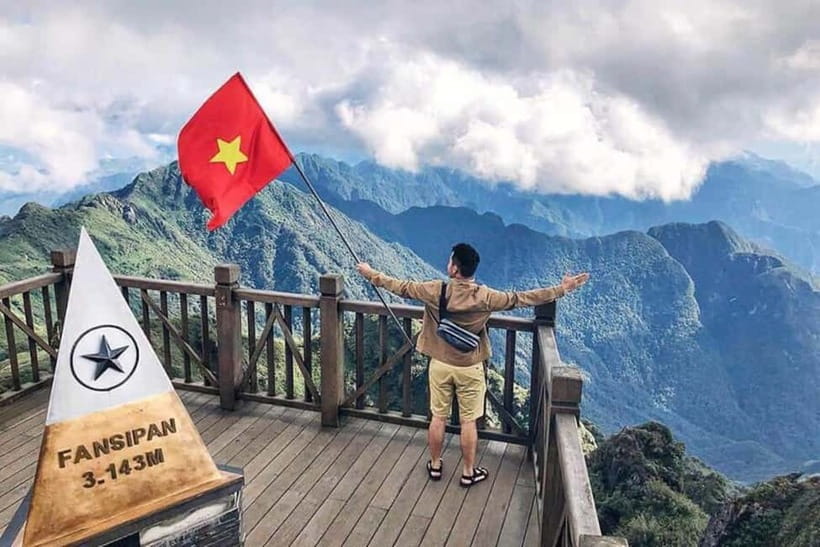
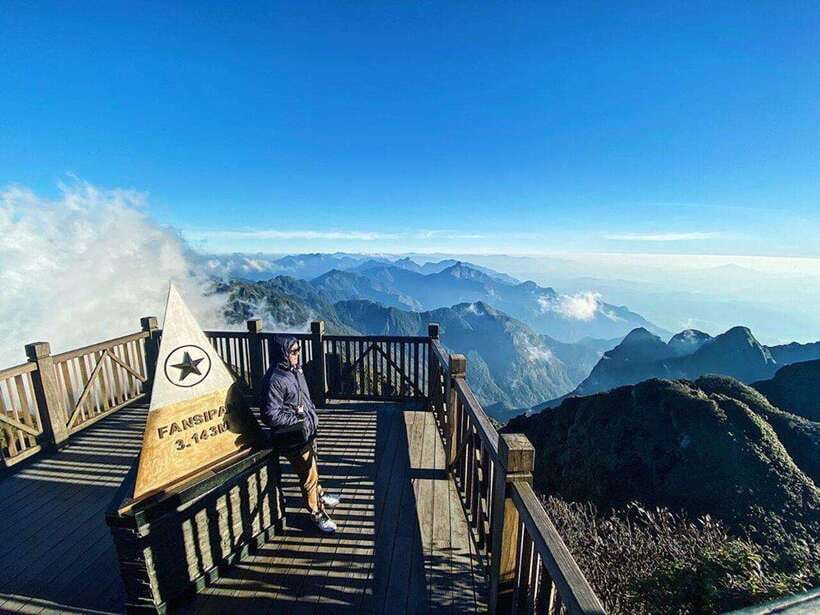
- Fansipan cable car and the view at 3,143 meters
- Budget reality: the cable car ticket is separate
- Descending, lunch, and getting back to Hanoi without losing the day
- Price and logistics: why $137 is decent value here
- Who should book this Sapa trek + Fansipan trip?
- Small practical tips that make a difference
- Should you book this Sapa trek and Fansipan experience?
- FAQ
- How long is the Sapa trek and Fansipan experience?
- Where does the trip start?
- What trekking options are available?
- Which ethnic minority villages are visited?
- Do I need to pay extra for the Fansipan cable car?
- What’s included for meals?
- Is there an English-speaking guide included?
- What is the altitude of Fansipan at the top station?
- What should I bring for the trek?
- What is the cancellation policy?
Key moments you’ll actually remember
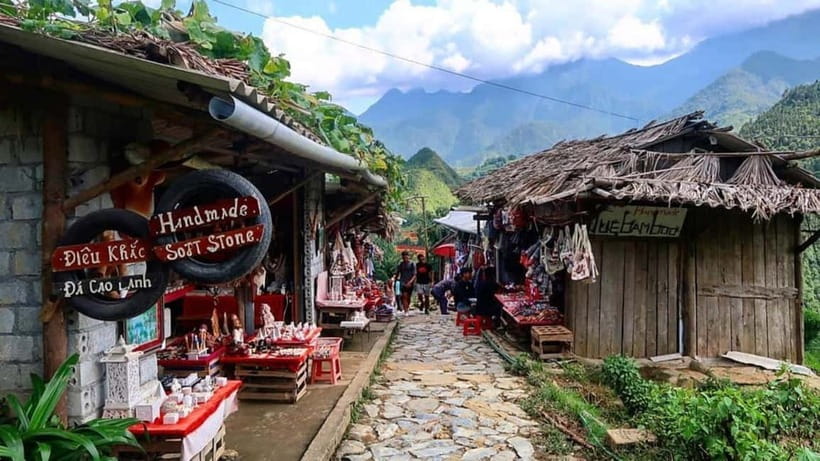
- Fansipan Peak at 3,143 meters with sweeping views of the Hoang Lien Son range
- Two trekking options: Cat Cat, or Lao Chai and Ta Van in Muong Hoa Valley
- Cat Cat waterfall + stilt houses as you move through the Black Hmong village area
- Suspension bridges and rice paddies on the Lao Chai/Ta Van route
- English-speaking local guide included, with other languages possible for a surcharge
From Hanoi to Sapa: the sleeper bus setup that works
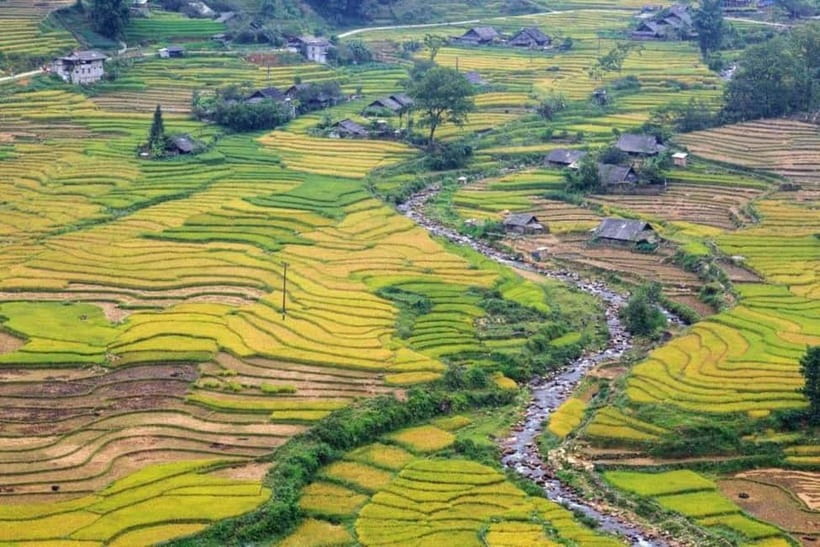
You start in Hanoi and head to Sapa by round-trip sleeper bus. That matters because it saves a whole day of moving around and gives you time to use Sapa itself for the trekking and cable car day.
You’ll arrive around midday. After a warm welcome and a local lunch, you’re not stuck waiting around all afternoon with nothing to do. Instead, you get right into the mountains while you still have daylight.
You can also read our reviews of more hiking tours in Sa Pa

Choosing your trek: Cat Cat or Lao Chai and Ta Van
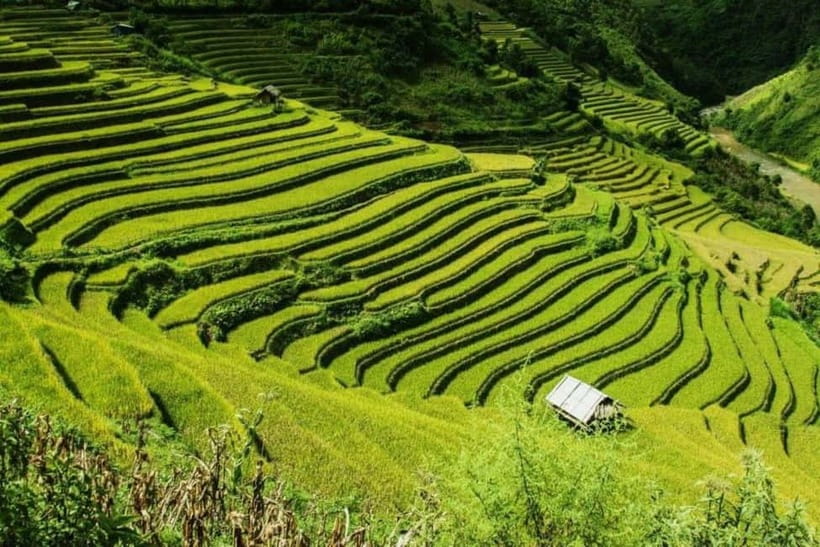
The trip gives you a choice, and this is where you can match the walk to your style.
If you want a classic Sapa village feel with a well-known stop, pick Cat Cat Village. If you prefer valley scenery with rice paddies and more moving around, choose Lao Chai and Ta Van in Muong Hoa Valley.
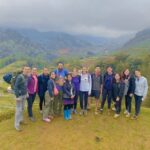
Either way, you’re trekking through ethnic minority villages where you’ll see traditional wooden/stilt-style homes and get genuine chances to learn about day-to-day life. This is one of the biggest reasons the experience feels more meaningful than a quick photo tour.
Cat Cat Village trek: waterfall time and Black Hmong village life
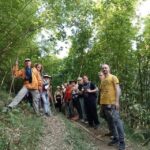
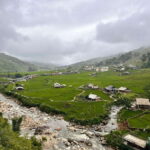
On the Cat Cat option, your afternoon starts with a downhill trek into Cat Cat, a picturesque Black Hmong village. As you walk through the village area, you’ll pass traditional homes and get a closer look at how people live with the mountains right there in the background.
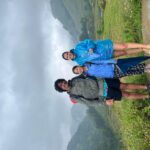
A major highlight is the Cat Cat Waterfall. You’ll be able to pause for photos with the waterfall setting behind you, and the area’s rice-terrace scenery adds depth even when the light is flat or hazy.
Practical note: since the route includes walking downhill, plan your day around steady footwork. Good shoes matter, especially if you hit slippery or muddy patches after misty weather.
Lao Chai and Ta Van trek: rice paddies, bridges, and a longer valley feel
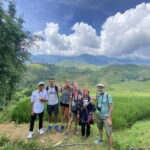
The Lao Chai – Ta Van option focuses on Muong Hoa Valley. You’ll follow a scenic trail through rice paddies, then reach village areas including Lao Chai (Black Hmong) and Ta Van (Day people).
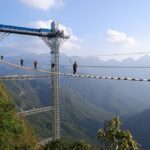
You also cross suspension bridges, which is both fun and useful for keeping things interesting. Even if you’re not a hardcore hiker, that bridge-and-path rhythm helps break up the trek visually and keeps it from feeling like one long straight line.
What makes this route special is the balance: you’re not only walking past views. You’re moving through communities and seeing daily life while you go. That’s the part you’ll remember after the photos blur together.
Stilt houses, daily life, and photo stops that feel natural
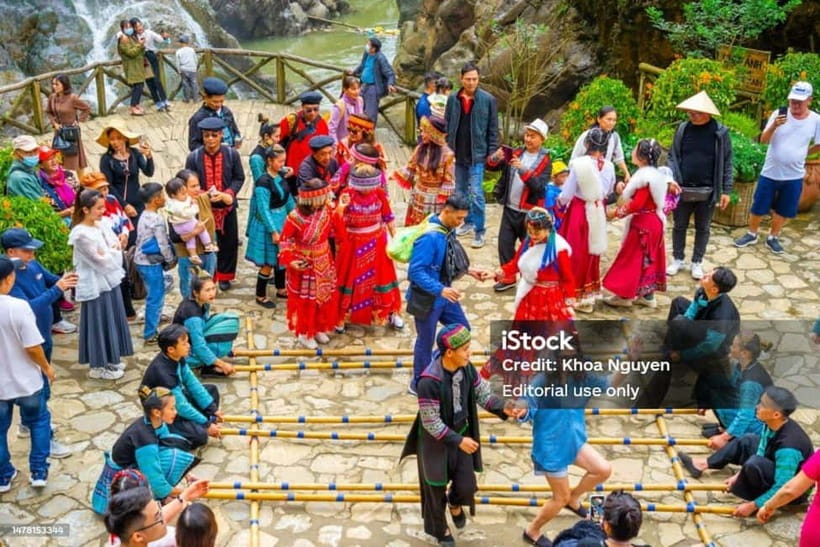
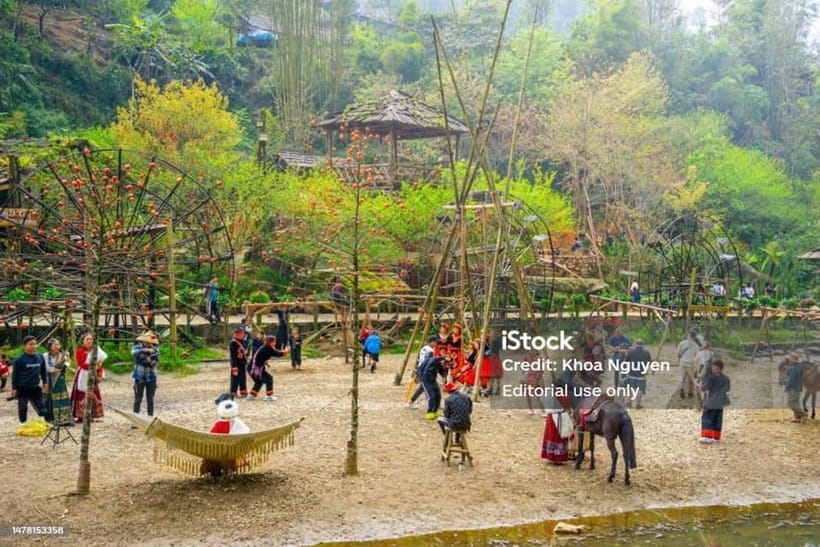
No matter which route you choose, you’ll spend real time with village scenes. You’ll see traditional stilt houses and experience the slower pace of rural mountain communities.
You’ll also have photo moments built into the day, including time for the Moana check-in photo stop mentioned in the itinerary overview. If you’re the type who likes capturing a few themed shots, this is the kind of timed pause that keeps you from feeling rushed.
You can also read our reviews of more tours and experiences in Sa Pa


Hotel night in Sapa: rest, dinner, and mountain air
After your afternoon trek, you return to Sapa town in the evening. The tour includes one night in a comfortable hotel, plus dinner so you don’t have to hunt for food right after a hike.
This is a good point to slow down. Sapa is known for cool, misty mountain weather, and the schedule gives you a proper break before the Fansipan cable car morning. If you’re using trekking shoes, this is also when you’ll be glad you brought socks and took a moment to dry out your footwear.
Fansipan cable car and the view at 3,143 meters
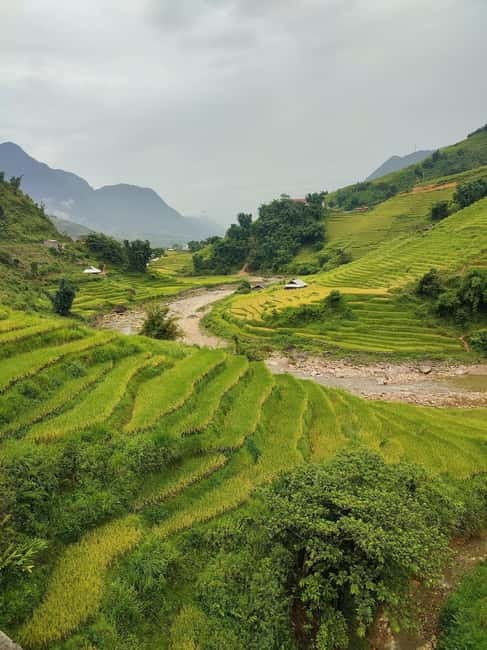
The next morning starts with breakfast before heading to the Fansipan Cable Car station. You’ll ascend to 3,143 meters, reaching the highest peak in Indochina.
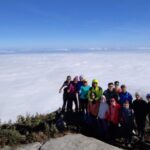
At the top, you’re in the Hoang Lien Son mountain range zone, where the views can feel huge even if fog rolls in. You can stroll around the summit pagoda complex, which gives you more than just “stand and look” time. It’s a calm spot to take in the altitude and the feel of the place.
You should plan your time for the vibe, not just the photo. When you’re at that height, the experience is about being among clouds and ridgelines rather than racing for Instagram shots.
Budget reality: the cable car ticket is separate
One key cost detail: the Fansipan cable car ticket is not included. It’s listed at 800,000 VND (about $32). If you’re budgeting your total trip, add that amount so there are no surprises.
Descending, lunch, and getting back to Hanoi without losing the day
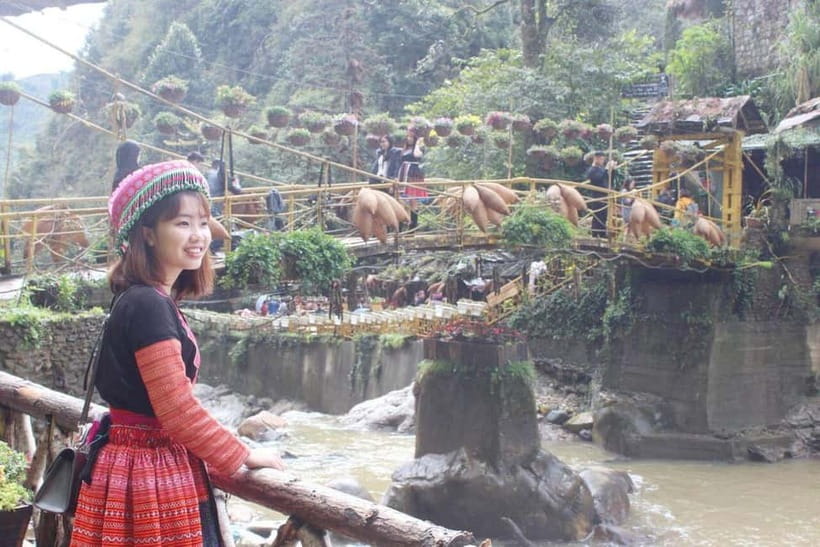
After you descend, you’ll enjoy a hearty lunch in Sapa. Then you’ll board the sleeper bus back to Hanoi in the early afternoon, arriving in the evening.
That timing is practical. You don’t end your day late at night with a chaotic “rush back” feeling, and you still get a decent meal before departure. It’s the kind of schedule that keeps energy for the ride home instead of draining you before it starts.
Price and logistics: why $137 is decent value here
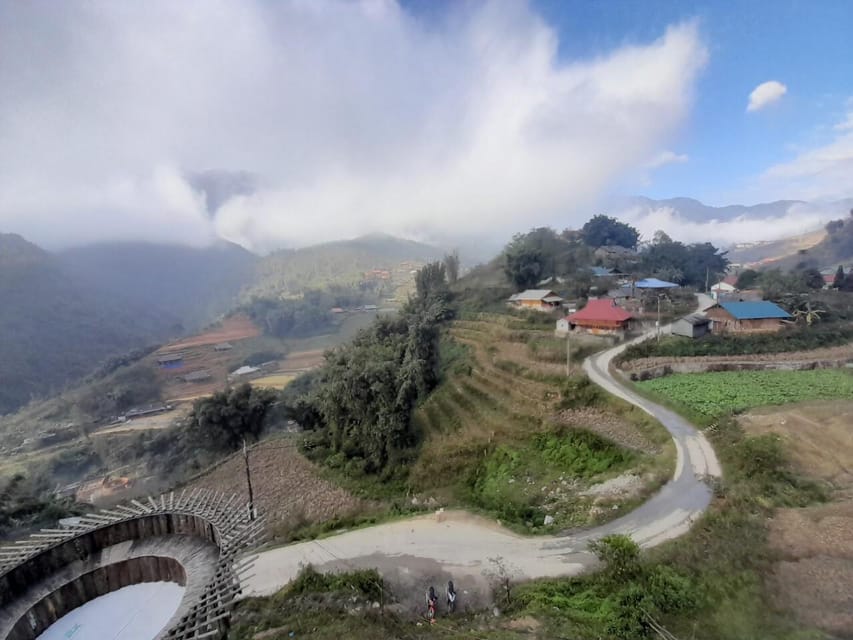
At $137 per person, this is one of those prices that can be either a bargain or a trap depending on what’s included. Here, a lot is packed into the cost:
Included in the price:
- Round-trip sleeper bus between Hanoi and Sapa
- 1-night hotel in Sapa
- Meals: 2 Vietnamese lunches, 1 dinner, 1 breakfast
- English-speaking local guide (with a surcharge possible for other language guides)
- Trekking tour for Cat Cat or Lao Chai/Ta Van
- Entrance fees and permits
Not included:
- Single room service charge if you travel alone
- Holiday surcharge for major Vietnamese holidays
- Fansipan cable car ticket (800,000 VND approx $32)
- Upgrade by Luxury Limousine
So, what do you actually get for your money? In plain terms: transport, lodging, food, a guide, and a guided trek with permits. The cable car ticket is the main extra, and once you add it, the value still holds because the rest is taken care of.
Also, the experience provider is listed as Duy Amma, and the trip style feels well-run. One review specifically praised organization and fast response times, with operators that were accommodating. That matters on a short 2-day itinerary. When things run on time, your view time goes up.
Who should book this Sapa trek + Fansipan trip?
This works best if you:
- Want a short, well-structured mountain break without planning daily transport
- Like cultural travel, especially spending time in Black Hmong and Day villages
- Want both trekking time and a major “big view” moment at Fansipan
- Prefer having a guide handle permits and entry so you can focus on walking and photos
You might skip it if you:
- Don’t enjoy walking on uneven paths (the trekking choices include downhill sections and bridges)
- Have a tight budget and don’t want to add the cable car ticket cost
- Want a slower, more flexible multi-day itinerary with extra free time in Sapa
Small practical tips that make a difference
Bring comfortable trekking shoes. This isn’t optional fluff—your feet will thank you on village paths and suspension bridges.
Pack sunscreen. Even in mist, mountain sun can sneak up, and you’ll be outside for long stretches.
Choose your trekking option based on your mood:
- Cat Cat if you want a classic village visit and waterfall time
- Lao Chai/Ta Van if you want rice paddies and more valley movement
If you care about language, note that an English-speaking local guide is included, while other languages may come with a surcharge.
Should you book this Sapa trek and Fansipan experience?
If you want a tight two days that actually hits the big Sapa moments, I’d book it. The value is strong because you’re not paying separately for transport, lodging, guides, and most meals. You also get a real mix: village life on the trek and a high-altitude view at 3,143 meters.
But do one budget check first for the Fansipan cable car ticket. After that, it’s a solid way to experience Sapa without turning your trip into logistics homework.
FAQ
How long is the Sapa trek and Fansipan experience?
It’s a 2-day trip, including round-trip transport from Hanoi, one night in Sapa, a village trek, and a Fansipan visit.
Where does the trip start?
The journey starts in Hanoi, with a sleeper bus to Sapa.
What trekking options are available?
You can choose either Cat Cat Village trek or Lao Chai – Ta Van trek in Muong Hoa Valley.
Which ethnic minority villages are visited?
The treks include areas home to Black Hmong and Day ethnic minorities.
Do I need to pay extra for the Fansipan cable car?
Yes. The Fansipan cable car ticket is listed separately at 800,000 VND (about $32).
What’s included for meals?
The trip includes 2 Vietnamese lunches, 1 dinner, and 1 breakfast.
Is there an English-speaking guide included?
Yes. An English-speaking local guide is included, and other language guides may require a surcharge.
What is the altitude of Fansipan at the top station?
You’ll reach an altitude of 3,143 meters.
What should I bring for the trek?
Comfortable trekking shoes and sunscreen are recommended.
What is the cancellation policy?
You can cancel up to 24 hours in advance for a full refund.