REVIEW · HIKING & TREKKING
2-Day Fansipan Mountain Trek – Indochina’s Highest Peak
Book on GetYourGuide →Operated by Vietnam Nomadtrails · Bookable on GetYourGuide
Vietnam’s highest peak is a legit summit mission. This 2-day Fansipan trek from Sa Pa follows a guided climb through pine and bamboo forests, then rewards you with an early-morning view from the 3,143 m top. I especially like the way the route mixes big scenery with human context, plus the practical pacing on Day 1. One thing to consider: this is a steep, long hike with very basic sleeping conditions, and near-freezing temperatures are possible.
If you want an experience that feels more like trekking with locals than just ticking off a mountain, this tour fits. I also like that it’s set up for you logistically: guide, porter support, permits, and meals are handled, so you can focus on your feet and your breathing. The main drawback is physical: the trek is not suitable for children under 17 or people with disabilities, and it’s also advised against for older hikers.
In This Review
- Key things I’d note before you go
- A 2-day shot at Vietnam’s 3,143 m giant
- What’s included (and why it matters up high)
- Getting to Tram Ton: your Sa Pa morning set-up
- Day 1: Sapa to around 2,800 m through forest and streams
- Night at 2,800 m: rustic shelter and cold reality
- Day 2: early breakfast, summit timing around 7:30 AM
- Descent, Tram Ton, and your post-hike shower
- Price and logistics: what $120 buys you
- Who this trek is for (and who should skip it)
- Small details that can make or break it
- Should you book this Fansipan trek?
- FAQ
- What time does the trek start in Sa Pa?
- How long is the Fansipan trek?
- What’s the highest point you reach?
- What’s included in the price?
- What should I bring for the hike?
- Is the cable car available if I’m tired?
- Is this trek suitable for children or people with disabilities?
- What about food restrictions?
Key things I’d note before you go
- English-speaking guide with on-the-ground explanations about local minority communities like the Black Mong, Red Dzao, and Dzay
- Permit and entrance fees included, so you’re not scrambling for paperwork on the mountain route
- Porter support carries your food and sleeping bag, which matters on a steep climb
- Sunrise summit timing (arriving around 7:30 AM) and big valley views over Sa Pa and beyond
- Night at around 2,800 m with basic shelter options, plus cold-weather reality
- Optional cable car if you need an easier descent (ticket costs extra)
A 2-day shot at Vietnam’s 3,143 m giant
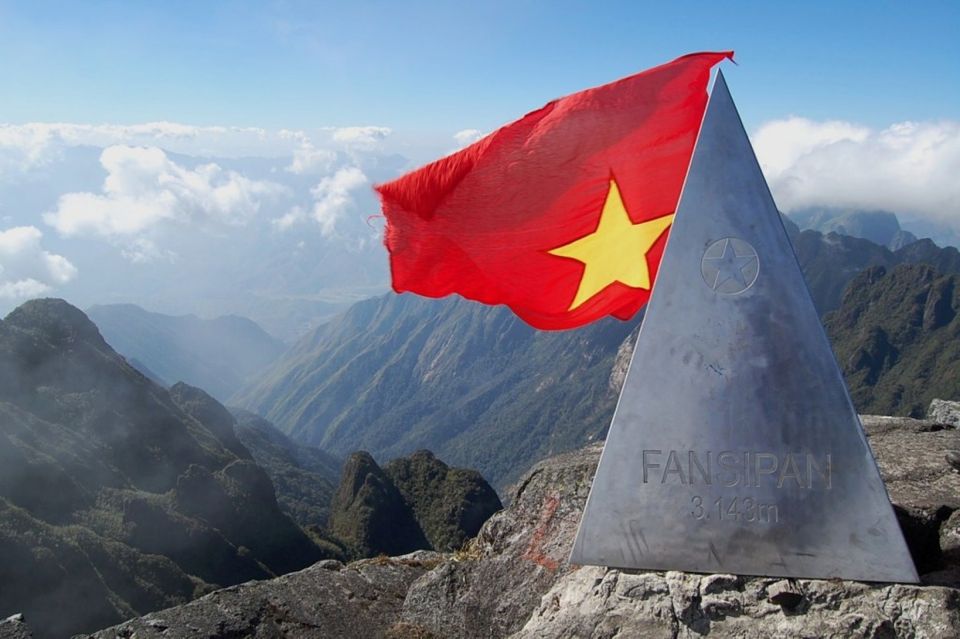
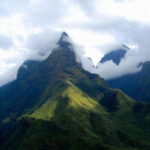
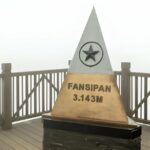
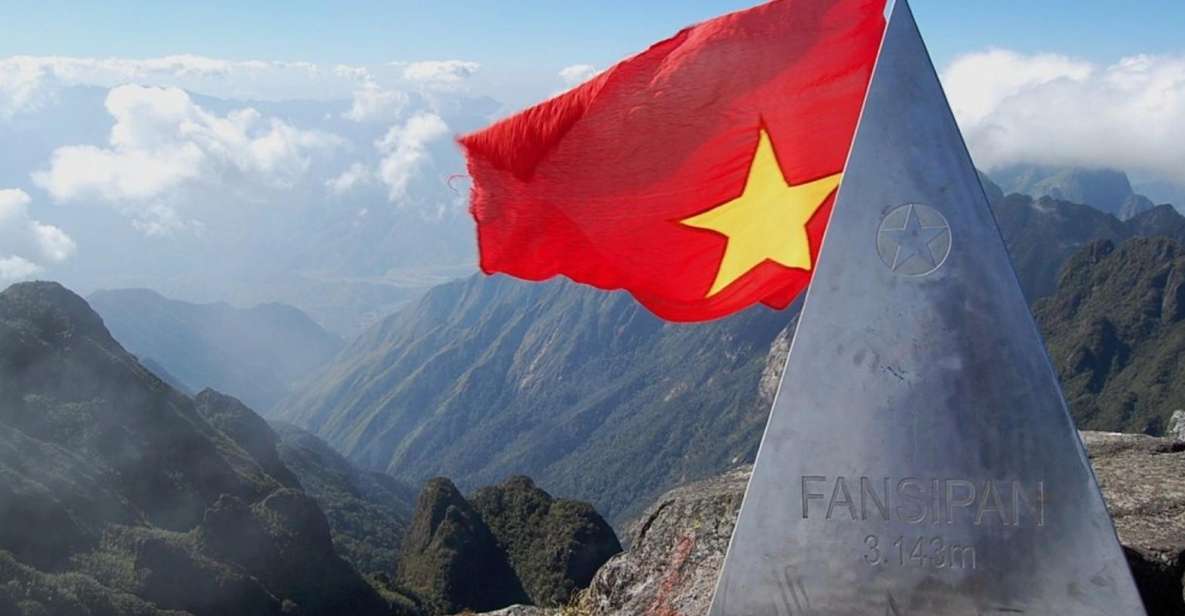
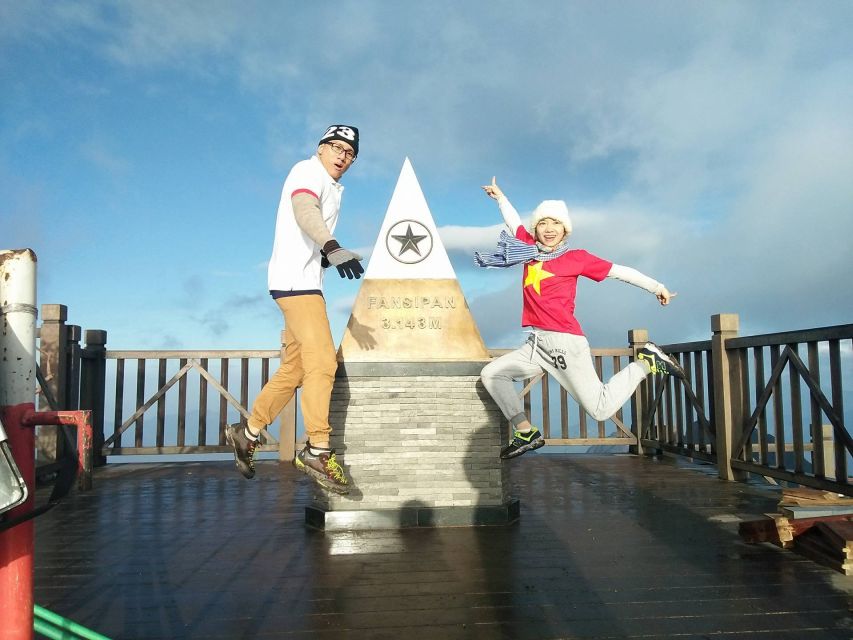
Fansipan, at 3,143 meters, is the big draw. In two days you’ll climb from the Tram Ton area up into the national park, camp near 2,800 m, and reach the summit early enough to see the sunrise and wide mountain valleys below. The whole trip is built around morning views, steady hiking, and letting the mountain “open up” as altitude changes.
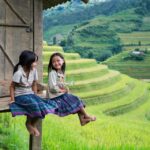
What makes this trek more interesting than a basic hike is the way it connects landscape to people. You’ll learn about the minority groups in the Sa Pa region—especially Black Mong, Red Dzao, and Dzay—from your guide on the way up. That context doesn’t slow you down much, and it tends to make the route feel less like a straight line to a number on a map.
Just know the climb is not a gentle nature walk. The route can be steep and long, and the terrain includes rocky sections, steps, and ladders. If you’re the type who loves a challenge and hates nothing more than stopping early because you’re tired, this is your kind of plan.
You can also read our reviews of more hiking tours in Sa Pa
What’s included (and why it matters up high)
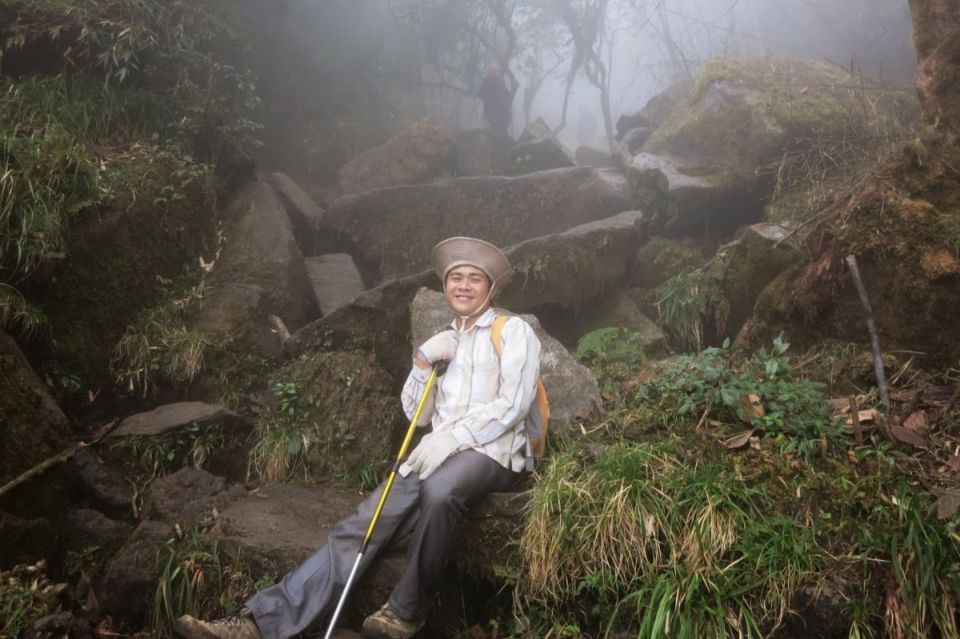
The $120 per person price includes a lot of the stuff that turns “maybe I could hike” into “I actually did it.” You get an English-speaking guide, meals (2 lunches, 1 dinner, 1 breakfast), and 1.5 liters of water per day. You’re also covered for entrance fees and permits, plus transport to and from the trail starting point.
Then there’s the support piece. A porter carries your food and sleeping bag, which can take real pressure off your legs when the trail turns rocky. And at the end you get a hot shower (at the office/arrival area), which isn’t just a comfort upgrade—it’s a morale upgrade after a cold, dusty overnight.
Accommodation is described as sleeping bag plus a hut or tent setup depending on the night conditions. Some hikers find it very rustic, so think of it as functional shelter, not a hotel experience.
Getting to Tram Ton: your Sa Pa morning set-up
The day starts early in Sa Pa. The meeting point is listed at Vietnam Nomadtrails’ office in town, and the overall start time is early enough that you’ll want to be ready for it the night before. You should expect a hot shower and luggage storage at the start window, because you’ll likely arrive with bags you don’t want hauling up the mountain.
From there, you’ll head to Tram Ton pass, the main starting area for the ascent. It’s an important step because Tram Ton is where the environment shifts into true altitude hiking: cooler air, more forest cover, and a route that follows streams and changes in vegetation.
Along the way, you’ll meet your porter (Black Mong is specifically mentioned). This matters because you’ll hike better when your base-load strategy makes sense. Your porter is carrying your food and sleeping bag, so you can keep your personal load manageable.
Day 1: Sapa to around 2,800 m through forest and streams
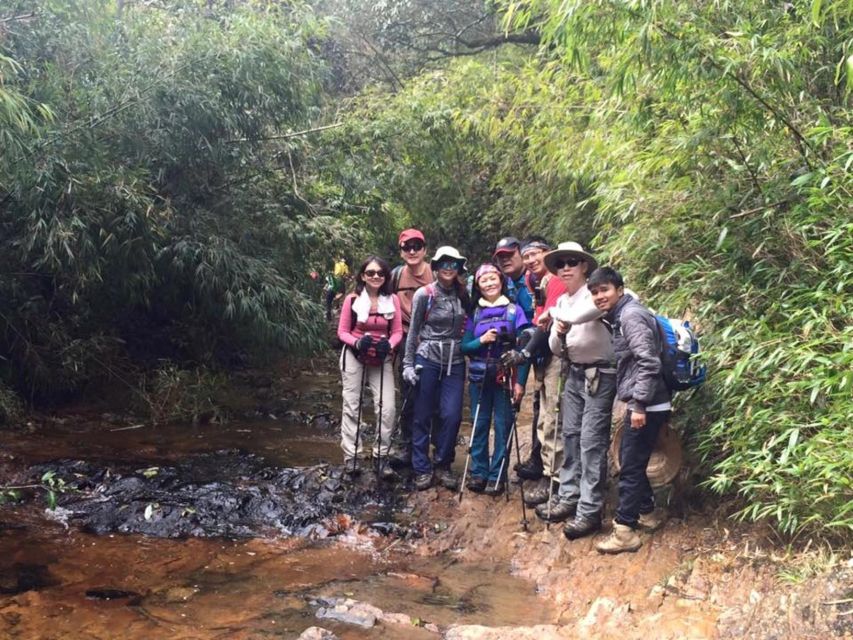
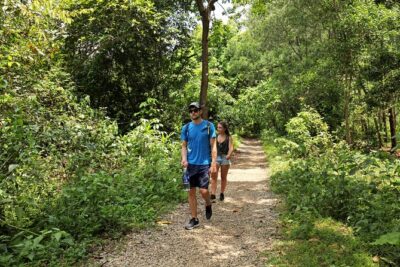
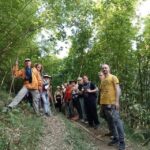
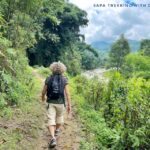
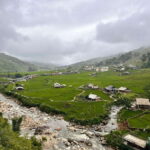
Day 1 is the climb and the learning. You start from Tram Ton and work your way up through pine and bamboo forests in a cooler climate. The route follows streams and changes texture as you gain elevation, so even if you’re hiking at a steady pace, the scenery keeps adjusting around you.
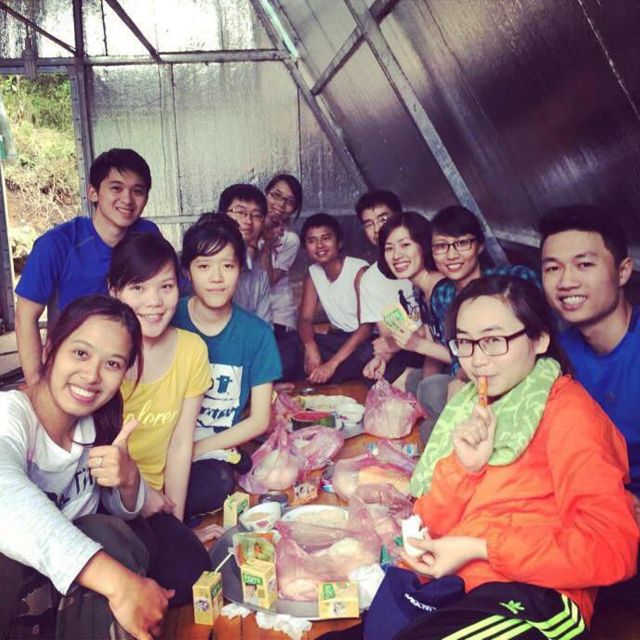
You’ll reach roughly 2,200 meters for a picnic lunch. That stop isn’t just about food—it’s about breathing room. This is also where the guide’s explanations tend to connect better. When you’re sitting and warming up your hands, minority culture stories and local geography feel more grounded than they do while you’re moving uphill.
After lunch you continue to your sleeping point around 2,800 meters, with arrival timing listed around 4:00 PM. That gives you time to rest, explore near camp, and let the crew handle dinner. Dinner is at 6:30 PM, then the day ends early by design so you can get sleep before the summit push.
A small practical note: as altitude climbs, your body’s comfort changes fast. I’d plan to take your pace seriously on Day 1. The goal is to arrive at camp feeling like you could still do more, not like you’ve already emptied the tank.
Night at 2,800 m: rustic shelter and cold reality
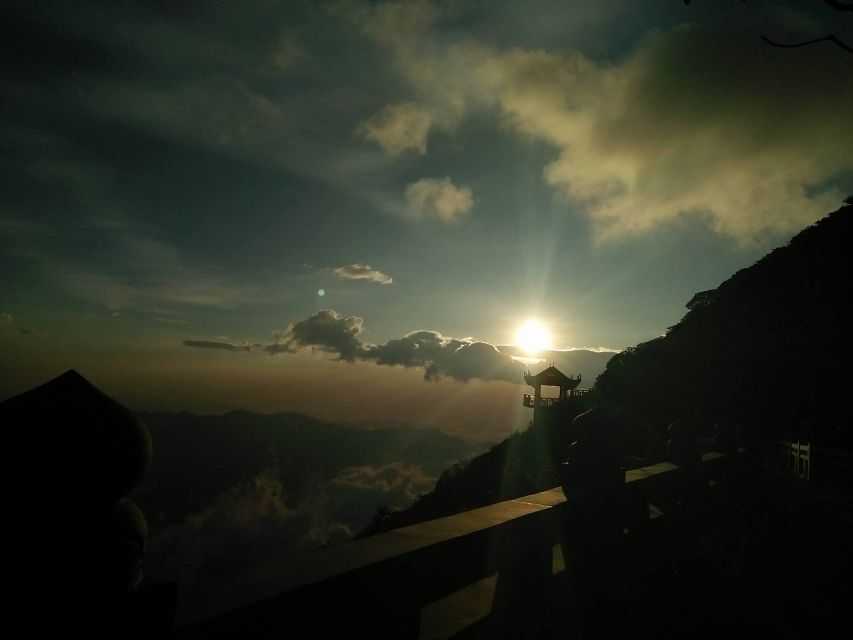
Sleeping is where expectations can get messy. This trek includes an accommodation setup such as a tent or hut and sleeping bag use, but it’s still described as basic. One reason I’m mentioning this upfront is because near-freezing nights are possible at this elevation. In at least one account, temperatures were reported around zero degrees, and the sleeping bags were described as not fully adequate without extra warmth.
So here’s my practical advice: treat your sleeping system as something you’ll likely need to supplement. If you run cold, bring layers you can actually sleep in. Even something like a warm liner or an extra blanket-style layer can change your night.
Also, remember you’re not just sleeping—you’re recovering. The better you rest, the more enjoyable Day 2 feels when the trail tilts upward again.
You can also read our reviews of more tours and experiences in Sa Pa
Day 2: early breakfast, summit timing around 7:30 AM
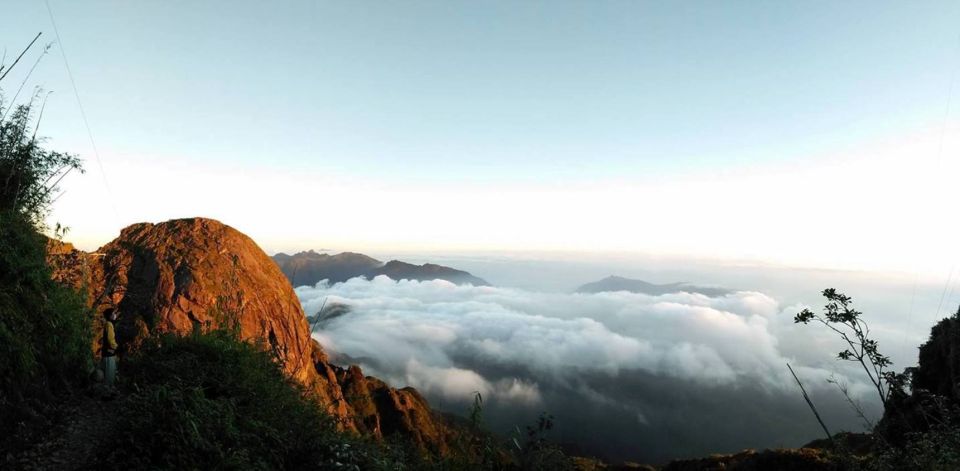
Day 2 starts very early with breakfast at 5:00 AM. You’ll have hot tea or coffee, and then you’ll keep moving through bamboo forest toward the summit area. The vegetation changes as you gain altitude, and you’ll feel the air tighten a bit. This is often when hikers stop thinking about the idea of Fansipan and start thinking about the next switchback.
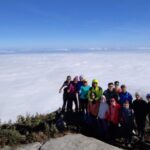
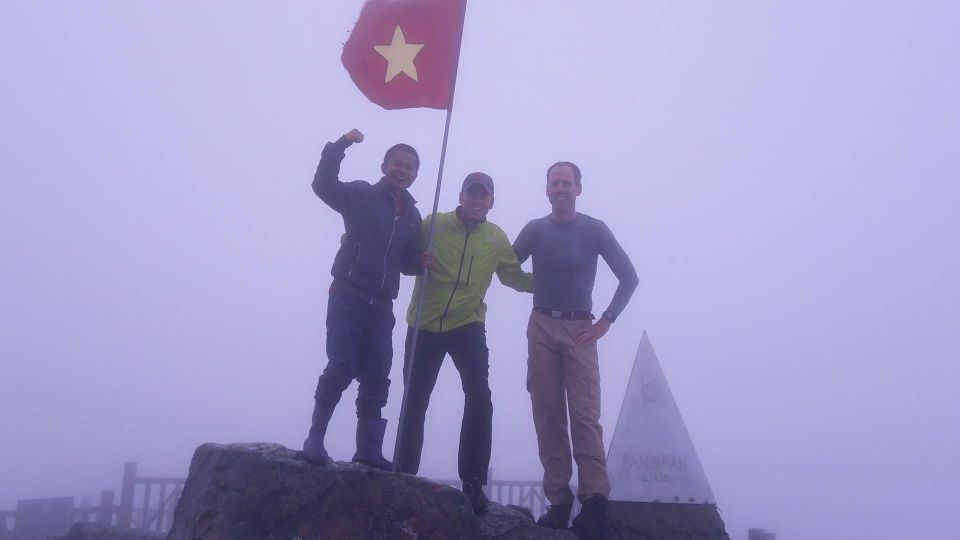
At about 7:30 AM you arrive at the summit. That timing is built for sunrise and the feeling of standing at the highest point in Vietnam. The view is described as stretching over valleys of Sa Pa and Lai Chai Province, and on clear days you can even spot mountains in Yunnan Province in China.
The summit experience is short on purpose. After sunrise viewing, you’ll begin the descent around 8:00 AM. This is important: going up is hard, but going down is its own challenge on tired legs and rocky ground.
You’ll have a picnic lunch on the way down, then you’ll head back toward Tram Ton. Arrival at Tram Ton is listed between 3:30 and 4:30 PM, where a car waits to return to Sa Pa.
Descent, Tram Ton, and your post-hike shower
After the summit, the descent is where your choices matter. If you want to keep things comfortable, use the guide’s advice on pace and footing. If you decide you need extra help, the tour includes an option to buy a cable car ticket for descent at additional cost.
The pricing details for the cable car appear in the trip information in a couple of places, so double-check the exact cost when you book. Either way, the important part is that it’s available if you’re feeling cooked and want to finish your vacation instead of hobbling back through more steep sections.
Back in Sa Pa, you’ll get time to shower at the office. The end point is back at the meeting point. If you’re heading to Hanoi afterward, transportation from Sa Pa to Hanoi is on you, since it’s not included in this package.
Price and logistics: what $120 buys you
At $120 per person, you’re not just paying for a guide. You’re paying for the mountain infrastructure that makes a two-day climb possible: permits and entrance fees, meals, water allowance, transport to and from Tram Ton, and porter help for food and sleeping bag.
You’re also paying for an English-speaking person who can connect what you’re seeing to what it means—especially around local communities in the Sa Pa region. That’s where the trek earns its keep. A hike is a hike, but this one tries to explain the mountain in a local frame, not just a checklist frame.
What’s not in the price is also clear. Drinks are not included, travel insurance isn’t included, and the cable car ticket cost is separate if you use it. If you’re traveling around Lunar New Year, there’s also a surcharge listed for dates from 26th to 2 Feb 2025, so check your dates carefully.
If you’re a solo traveler and want a private tour, the info lists $230 for a private option. That can be a good deal if you value quiet or if you’re a slower mover who wants more control over pace.
Who this trek is for (and who should skip it)
This is a good match for hikers who want a real summit challenge without needing to arrange permits, guides, and gear on their own. If you enjoy early mornings, rocky trails, and the satisfaction of reaching the top—this tour delivers the emotional payoff.
It’s also a decent match for people who like culture learning on the move. The guide isn’t just managing the group; you’ll get context about minority communities such as Black Mong, Red Dzao, and Dzay. Even if you don’t retain every detail, it changes how you look at the landscape.
But be honest about fitness and body comfort. The trek is long—about 26 kilometers is referenced in the tour info—and it’s described as not suitable for those with disabilities and children under 17. Elderly people are advised not to do the long trek, so if you’re in that category, I’d look for a shorter alternative in the Sa Pa area.
Also, if you’re sensitive to cold, plan for basic shelter plus near-freezing potential. Bring warm layers you can sleep in, not just warm clothes for daytime.
Small details that can make or break it
A few practical things I’d keep in mind:
- You’ll hike with cold and altitude in mind. Even when the sun is out, the higher you go, the more your body feels it.
- Your porter may not speak English. The trip description calls for local support, and it’s normal that not every staff member shares your language. The key is that they handle carrying and camp tasks.
- Camp is rustic. That’s part of the point, but it also means comfort is limited. You’re there to recover for a summit day.
- Cable car is your safety valve. If legs fail, it can prevent a bad end to a great trip.
Should you book this Fansipan trek?
Book it if you want the real Fansipan experience: sunrise summit timing, guided context about local communities, and a two-day structure that doesn’t require you to manage permits and logistics. The included meals, water, permits, and porter support help you focus on the hike instead of the paperwork.
Skip it (or choose a different format) if you know cold nights and steep rocky trails aren’t your thing, or if you don’t want basic sleeping conditions at altitude. And if your group includes anyone who may struggle physically, it’s worth choosing a shorter or easier trek—your Day 2 summit experience is only good if you actually arrive fresh enough to enjoy it.
If you’re prepared for the challenge and you like your mountains with culture and real-life logistics, this trek is a strong choice.
FAQ
What time does the trek start in Sa Pa?
The meeting point is listed at Vietnam Nomadtrails’ office in Sapa town, with an early start time shown as 8:00 AM. The day description also mentions arriving earlier for shower and luggage storage, so it’s smart to confirm the exact pickup time when you book.
How long is the Fansipan trek?
The tour is 2 days.
What’s the highest point you reach?
The ascent is to Mount Fansipan, listed at an altitude of 3,143 meters. The summit arrival time is provided around 7:30 AM on Day 2.
What’s included in the price?
Included items are an English-speaking guide, meals (2 lunches, 1 dinner, 1 breakfast), 1.5 liters of water per day, entrance fees and permit, porter support for your food and sleeping bag, transport to and from the trekking starting point, hot shower, and accommodation with sleeping bag and hut or tent.
What should I bring for the hike?
The tour information doesn’t list a packing list, but you should plan for a steep, rocky trek and cold nights around 2,800 meters. Bring appropriate warm clothing for early mornings and night recovery.
Is the cable car available if I’m tired?
Yes. If you feel tired, the tour notes that your guide can help buy a cable car ticket for the descent at additional cost. Cable car tickets are listed as not included, with prices given in the trip information.
Is this trek suitable for children or people with disabilities?
No. The information states it is not suitable for those with disabilities and children under 17.
What about food restrictions?
You should inform the provider of dietary requirements such as allergies or vegetarian requests in advance.