REVIEW · HIKING & TREKKING
From Hanoi: Sapa 3-Day Medium Trek and Limousine Trip
Book on GetYourGuide →Operated by Crossing Vietnam Tour · Bookable on GetYourGuide
Sapa changes your pace fast. I like this trip for the mountain scenery you get on the trails, and the chance to walk through real village areas like Sin Chai and Ta Van instead of only viewpoints. You also get an English-speaking guide who can translate what you’re seeing into something that actually makes sense.
One possible drawback to plan for: the homestays are part of the deal, and they can be very rustic compared with Sapa hotel standards. If you need privacy, quiet, and hotel-level comfort, this may feel like a trade-off.
In This Review
- Key highlights you’ll feel on the trail
- Hanoi to Sapa by limousine: comfortable ride, don’t treat the clock like gospel
- Day 1 trek to Sin Chai: short distance, real village atmosphere
- Sapa at night: roasted corn, baked eggs, and walking off the day
- Day 2 Muong Hoa Valley trek: suspension bridge, rice terraces, and village stops
- Ta Van homestay evening: the cultural part is the point, but expect rustic basics
- Quick note on village sellers and boundary lines
- Day 3 Giang Ta Chai: bamboo forest, waterfall break, Red Zao village finish
- The emotional payoff
- Fitness reality check: it’s labeled medium, but there’s still real hiking
- Weather and packing: Sapa can feel cold fast, especially from September to March
- Price and value: what $165 covers (and what it doesn’t)
- The guide makes or breaks it: look for clear pacing and local context
- Who should book this trek, and who should skip it
- Should you book the Sapa 3-Day Medium Trek and Limousine Trip?
- FAQ
- How long is the trip?
- What are the pick-up and return times in Hanoi?
- Is the guide English-speaking?
- How much trekking is involved?
- Do I stay in a homestay?
- What meals are included?
- Are entrance tickets included?
- What should I bring for weather in Sapa?
- Is cash required?
- Are pets allowed?
Key highlights you’ll feel on the trail
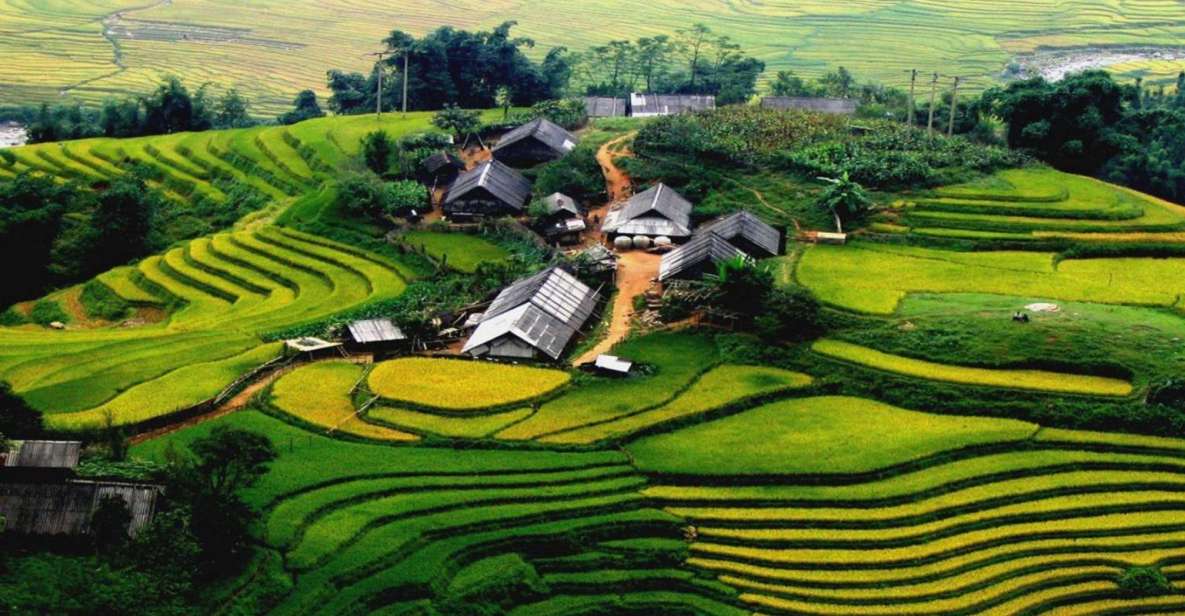
- Sin Chai (Black Hmong) off the center of town: a short trek to see day-to-day life in a simple village setting
- Muong Hoa Valley viewpoints plus a suspension bridge: big scenery and a practical river crossing at Y Linh Ho
- Y Linh Ho village stop: time with H’mong families and their daily work rhythms
- Ta Van (Zay) homestay night: village atmosphere with shared meals and local routines
- Bamboo forest and waterfall day: a quieter stretch before reaching Giang Ta Chai (Red Zao)
Hanoi to Sapa by limousine: comfortable ride, don’t treat the clock like gospel
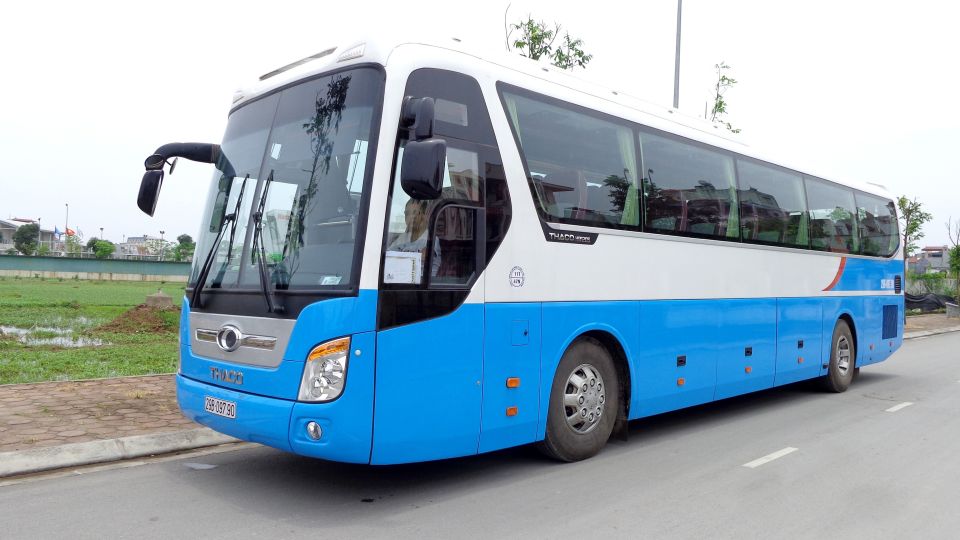
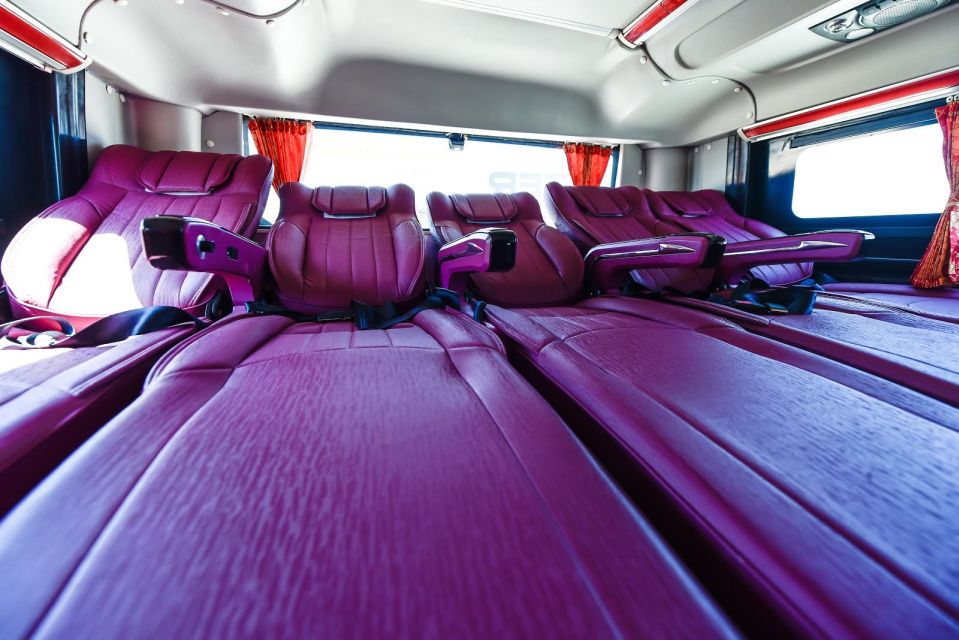
The ride is the easiest part of the trip to appreciate. You’re picked up in Hanoi’s Old Quarter around 6:30–7:00am and taken by modern air-conditioned limousine toward Sapa. Expect about 6 hours on the road with two planned stops for snacks and restrooms.
That said, this is still a long mountain transfer. In practice, the ride can have small hiccups like brief uncertainty around stops or timing moving a little. The good news: once you’re in the Sapa area, the day-to-day pace becomes the main event.
What matters for you: pack light, keep your water handy (beverages aren’t included), and wear layers. Even when Hanoi feels warm, Sapa weather can flip quickly once you gain altitude.
You can also read our reviews of more hiking tours in Sa Pa
Day 1 trek to Sin Chai: short distance, real village atmosphere
Day 1 starts once you reach Sapa. You’ll have lunch at a local restaurant, check in, then rest a bit until your guide brings you back out for the trek.
Your walk is about 4 km southwest of Sapa to Sin Chai, associated with the Black Hmong community. The payoff here is how close it is to town, but still feels far from the usual tourist path. Sin Chai is described as simple and rustic, more than 2 km from the center of Sa Pa town, which helps you feel the shift from roadside bustle to village life.
This first hike is a great “tone setter.” It gives you:
- a chance to see traditional homes and everyday routines
- a manageable effort level compared with later valley stretches
- time to learn what your guide points out before you commit to more rugged scenery
When you finish, you head back to your hotel to freshen up. Then dinner comes, and you get a low-pressure evening to get oriented in Sapa town.
Sapa at night: roasted corn, baked eggs, and walking off the day
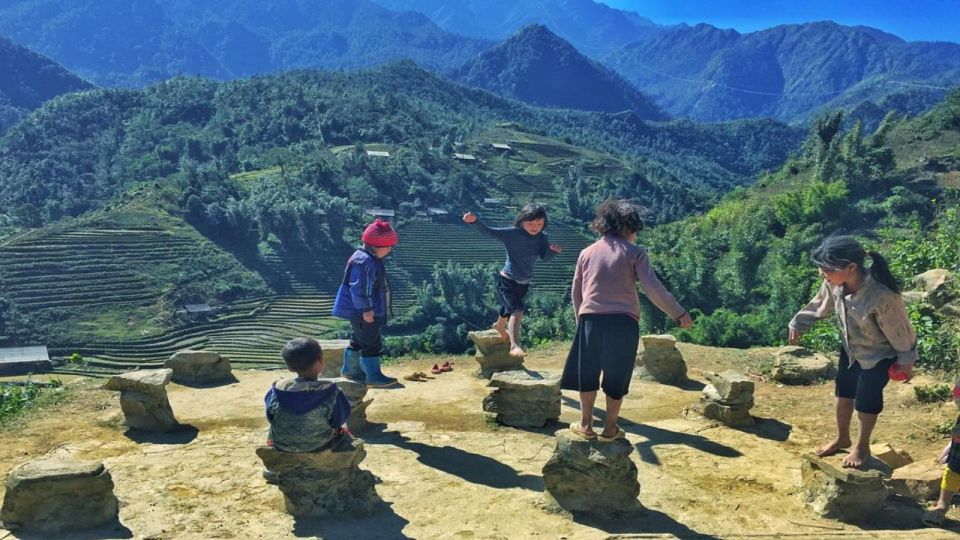
After dinner, the tour time gives you space to explore Sapa at night. One of the classic, practical comforts is simple street food by a charcoal fire: think roasted corn and baked eggs. It’s not a big production, but it’s exactly the kind of thing that makes Sapa feel lived-in rather than staged.
You might also want to use the evening for last-minute prep. If you’re planning to trek in fog or drizzle later, this is when you can adjust your layers, dry out socks if needed, and buy anything you forgot (like insect repellent).
Day 2 Muong Hoa Valley trek: suspension bridge, rice terraces, and village stops
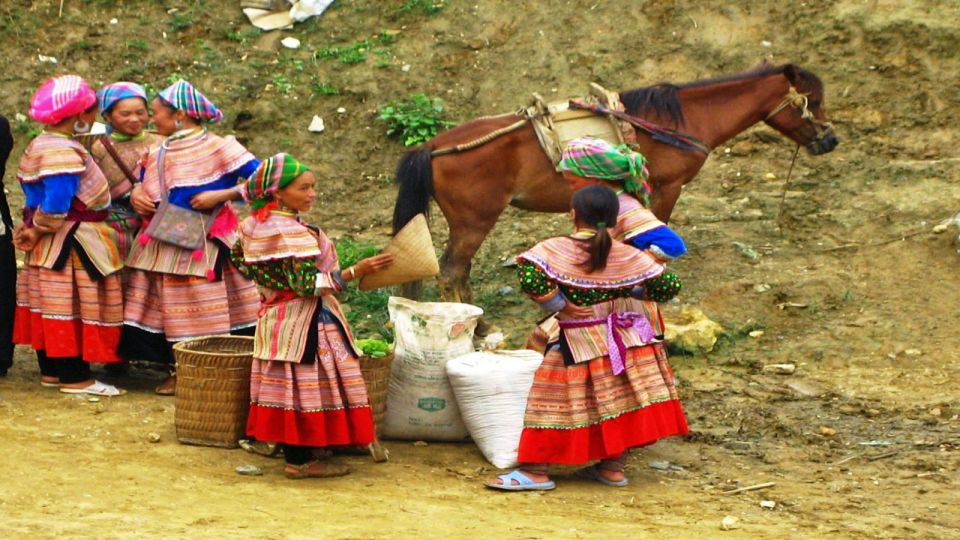
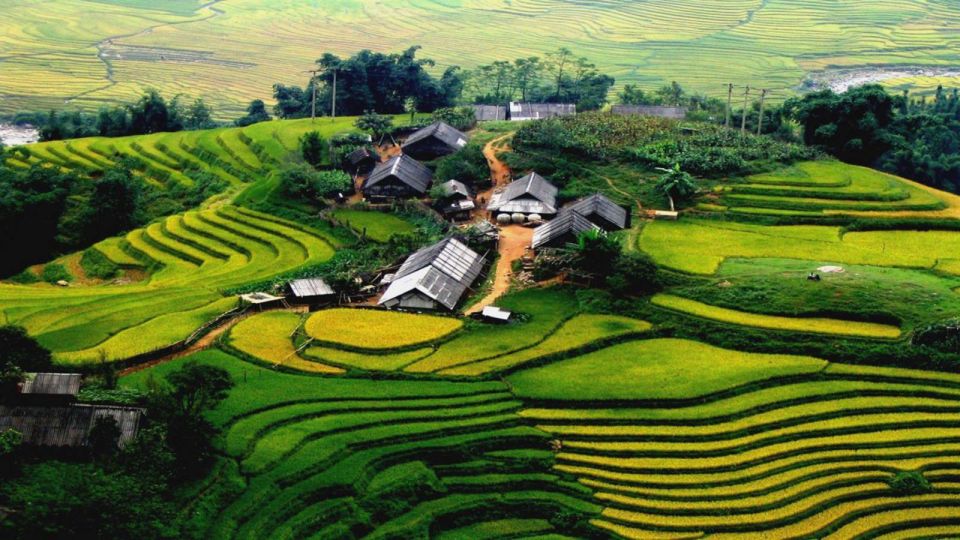
Day 2 is the scenery day. You’ll start with breakfast, then you’ll check out and head into the Muong Hoa Valley area.
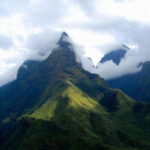
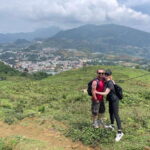
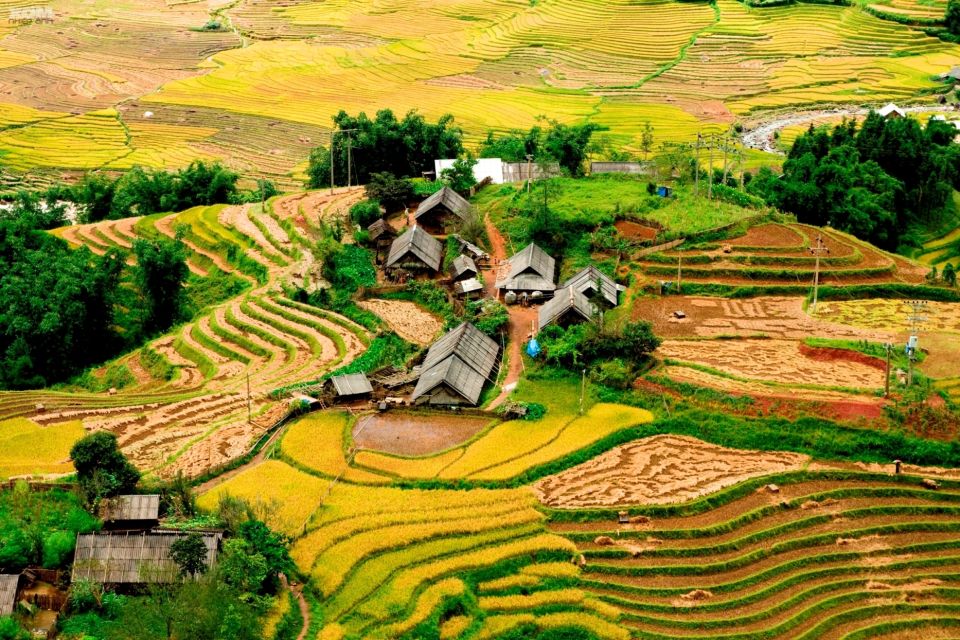
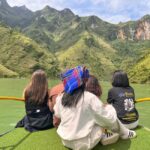
The route works like this: you follow the main road south for about an hour, then switch onto a footpath downhill toward the valley. This downhill segment is where you really start to feel the highland landscape, especially with views toward the Hoang Lien Son mountain range.
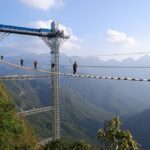
A key moment: you cross a river on a suspension bridge to reach Y Linh Ho village. Crossing bridges can feel like nothing when you’re only thinking about photos, but it actually changes how you experience the valley. It also puts you close enough to village life that you’re not just looking from afar.
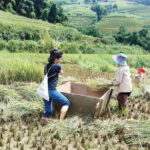
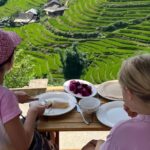
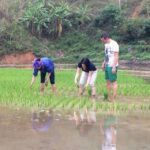
At Y Linh Ho, you’ll have time to visit H’mong families and watch daily work. There’s also lunch time here, which matters because you’ll be building up miles and altitude changes without feeling like you’re running on fumes.
From Y Linh Ho, you follow the trail through the hills for about two hours until you reach Lao Chai, a H’mong village. After that, you follow the river bank to Ta Van, where you’ll spend the evening in a homestay with the Zay community.
Why this day is valuable: you get a full arc of landscape plus community. You move from higher paths into a valley, cross water, meet families at village scale, then finish in a community home base for the night.
Ta Van homestay evening: the cultural part is the point, but expect rustic basics
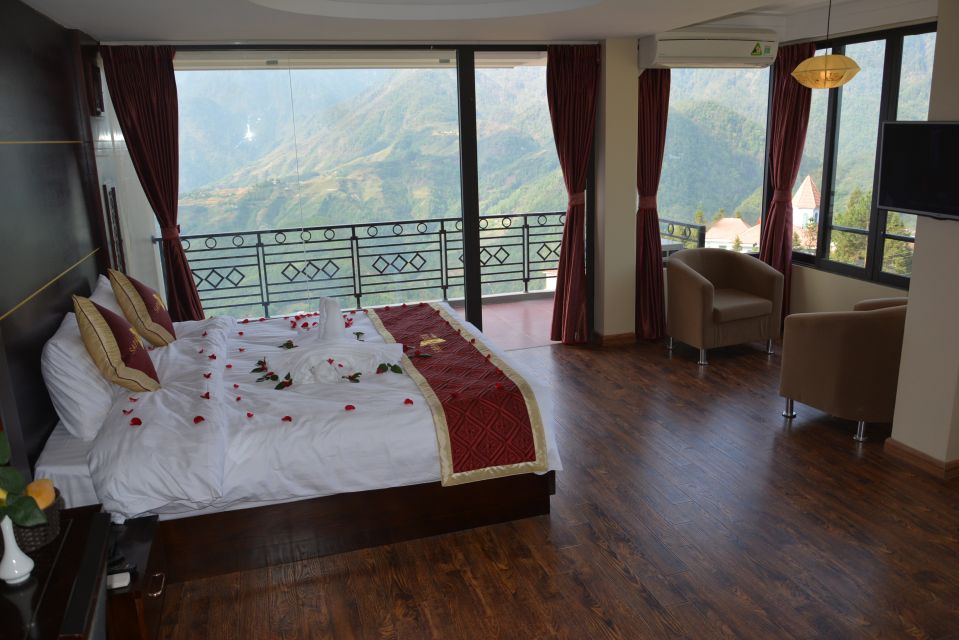
Ta Van is where the trip shifts from sightseeing to “you’re living among people” for a night. You’ll visit local homes and see daily routines up close, then you’ll settle in for the homestay evening.
The homestay experience is a big reason people book this kind of trek. You’re not just collecting stamps; you’re sharing the rhythm of the day: where people sit, how meals work, and how the space functions at night.
Now, the trade-off is comfort. The homestay setup is described as rustic, and in some cases it can mean shared sleeping areas with limited privacy and basic washroom arrangements. If you’re the type who sleeps light, you should plan for sound and minimal barriers.
My practical tip: bring a small set of backup comfort items (earplugs, a light layer, and a small towel if you tend to prefer your own). That way, you can enjoy the real experience without being miserable.
You can also read our reviews of more tours and experiences in Sa Pa
Quick note on village sellers and boundary lines
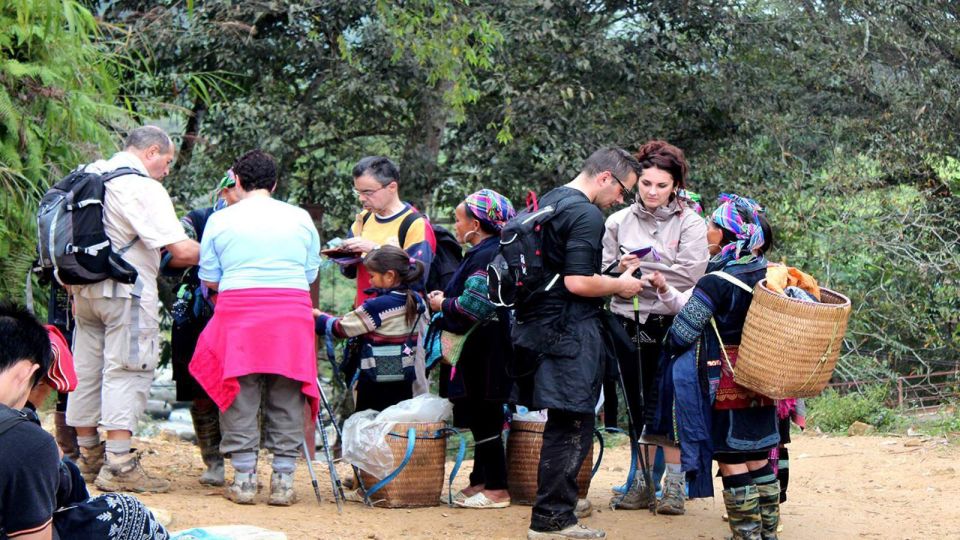
You may run into local ethnic people who try to accompany you along parts of the trekking route to ask for money or sell items at high prices. The tour data is direct about this: you should ignore offers, and stick with your guide.
How to make that work smoothly: keep your cash limited for your own pace, don’t get pulled aside, and let your guide handle the interaction. This keeps the trek focused on walking and learning, not negotiating.
Day 3 Giang Ta Chai: bamboo forest, waterfall break, Red Zao village finish
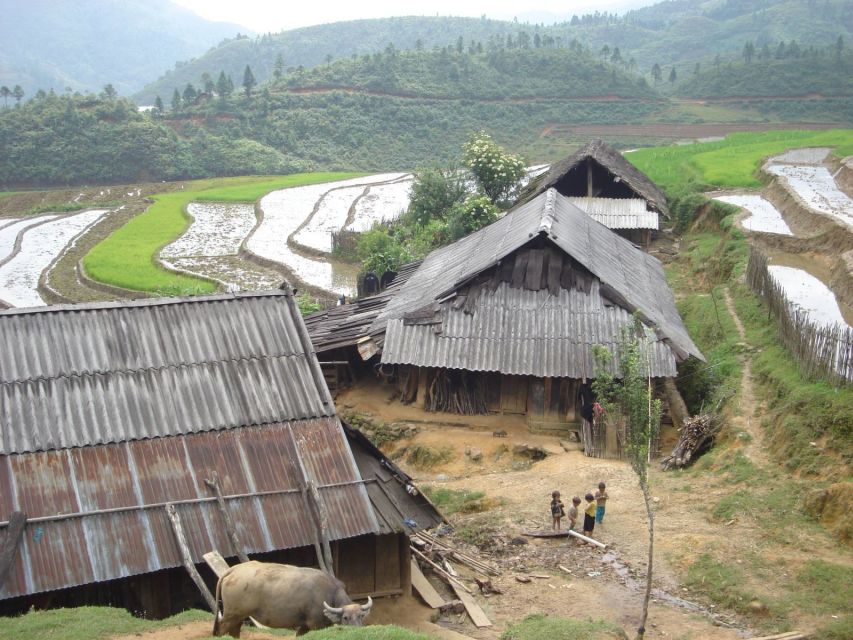
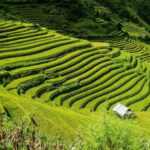
Day 3 starts after breakfast in Ta Van. Then you move uphill again on a trail that passes terraced rice fields and small hamlets connected with H’mong communities.
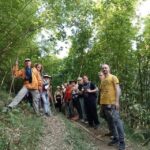
You’ll then go through a bamboo forest, which tends to feel calmer than the wider valley paths. After that comes a waterfall stop. You’ll have a chance to relax there before continuing for about 30 minutes to reach Giang Ta Chai, home to the Red Zao people.
Lunch is served near the village center, and then you’ll have time to relax and prepare before heading back to Hanoi.
The emotional payoff
This day often lands well because it’s not only scenery. The mix of terraced agriculture, a shaded bamboo stretch, and then a village arrival gives you a more complete sense of how the landscape shapes daily life. It’s also a good counterbalance to Day 2’s longer valley feel.
After lunch and downtime, the tour returns with a limousine pickup at 2:00pm. The drive back takes 5–6 hours, and you typically arrive in Hanoi around 8:30–9:30pm.
Fitness reality check: it’s labeled medium, but there’s still real hiking
This trip is called a medium trek, and it’s not just marketing. The overall trekking is described as about 9 km, and it’s not recommended for older guests or children. Mobility impairments are also flagged as a mismatch for the tour.
On the ground, you’ll be dealing with:
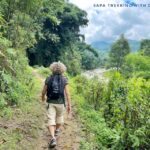
- uneven footpaths and downhill/uphill changes
- bridge crossing and narrow trail sections
- altitude effects in Sapa (fog is common in colder months)
If you’re an active walker, you’ll likely be fine if you pace yourself. If you’re not, you’ll want to take it seriously. Go slow, drink water, and don’t wait until you’re out of breath to remember you’re climbing.
Weather and packing: Sapa can feel cold fast, especially from September to March
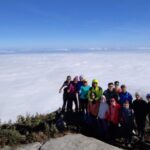
Sapa weather is unpredictable. It’s normally cold from September to March, and fog is common in December, January, February, and March. Altitude can also make visibility drop, which changes the feel of your views.
You should bring:
- warm clothes, including a scarf and hat or cap
- trekking shoes (not just sneakers)
- sunglasses and sun cream (fog can lift and you’ll still get glare)
- insect repellent
- cash for small purchases (and generally keep some Vietnam Dong on hand)
- medicine if you’re prone to getting sick
Practical money note: the banking system in Sapa can be patchy, so plan for cash. US dollars, euros, and Australian dollars are accepted in Sapa.
Price and value: what $165 covers (and what it doesn’t)
At $165 per person for 3 days, this is strong value if you’re comparing it to the cost of assembling everything yourself.
What you get for that price:
- modern air-conditioned limousine Hanoi to Sapa and return
- modern bus in Sapa with an experienced driver
- English-speaking local tour guide
- 2 dinners, 3 lunches, 2 breakfasts
- entrance tickets to the indicated sites
- 2 nights accommodation, including homestay options based on the situation
What’s not included:
- beverages
- personal expenses
So you’re mostly paying for transportation, guide time, food, and lodging—plus the trail plan. That’s exactly where independent trips in the area often get expensive, because guides, transport coordination, and homestay arrangements are the friction points.
If you like the idea of being guided, eating well without hunting for restaurants between hikes, and using homestay nights as part of the cultural experience, you’ll probably feel like you got your money’s worth.
The guide makes or breaks it: look for clear pacing and local context
The quality signal here is the guide. Past groups mention guides such as Jo, Ai, and May, with support like Nam from the provider side. What stood out is not just friendliness, but clear control of pace and itinerary timing—things like knowing when you’ll arrive, when meals happen, and helping adjust routes if something feels too hard.
When you choose this kind of trek, you should value:
- calm pacing for mixed ability levels
- explanations that connect what you see (villages, agriculture, daily work)
- confidence managing the “sticky” parts of trekking where sellers try to talk you into buying
If you get a guide who keeps the group organized and the trail moving, the whole experience gets easier to enjoy.
Who should book this trek, and who should skip it
This trip fits you if you want:
- a village-focused Sapa experience, not only viewpoints
- day hikes that mix scenery with community visits
- homestay time as part of the cultural exchange
- an English-speaking guide to translate what you’re seeing
Skip it if:
- you need hotel-style comfort and privacy at night
- you can’t do uneven trails and hill paths
- you’re traveling with mobility limitations
- you’re sensitive to cold weather and unpredictable fog without the right layers
Also, if you’re easily bothered by group logistics, be mentally prepared for the fact that pickup timing and ride-stop communication can be imperfect. It doesn’t ruin the trip, but it helps to go in flexible.
Should you book the Sapa 3-Day Medium Trek and Limousine Trip?
I’d book this if you’re after a real Sapa hiking-and-village experience where the days are built around walking, meeting communities, and eating as you go. The value is solid for the combination of transport, meals, guiding, and two nights of lodging.
I wouldn’t book it if you’re expecting spa-level comfort at the homestay or you need guaranteed smooth logistics start to finish. The homestay style is rustic, and weather can shift fast, so you need the right expectations going in.
If you want the kind of trip where the views are great and the people you meet actually matter, this one is worth your shortlist.
FAQ
How long is the trip?
It runs 3 days total, from the Hanoi pickup through the return to Hanoi on the final evening.
What are the pick-up and return times in Hanoi?
You’re picked up from your hotel in Hanoi Old Quarter at about 6:30–7:00am for the outbound ride. The return limousine is scheduled for 2:00pm on Day 3, with arrival back in Hanoi around 8:30–9:30pm.
Is the guide English-speaking?
Yes. You’ll have an English-speaking local tour guide in Sapa.
How much trekking is involved?
The trek is described as a 9-kilometer trek overall. It’s not recommended for older guests or children.
Do I stay in a homestay?
Yes. The experience includes 2 nights accommodation, and it can include an overnight at a homestay (either the first or second night depending on circumstances).
What meals are included?
Meals included are 2 breakfasts, 3 lunches, and 2 dinners. Beverages are not included.
Are entrance tickets included?
Yes. All entrance tickets to the indicated sites are included.
What should I bring for weather in Sapa?
Bring warm clothes, including a scarf and hat/cap, plus comfortable trekking shoes. Sapa is often cold and can be foggy from September to March, so plan for changing conditions.
Is cash required?
You should plan on bringing cash in Vietnam Dong, since banking can be unreliable in Sapa. US dollars, euros, and Australian dollars are also accepted.
Are pets allowed?
No. Pets are not allowed on this activity.