REVIEW · HIKING & TREKKING
EXPLORE SAPA: 2D1N TREKKING & HMONG CULTURE WITH DINH
Book on GetYourGuide →Operated by Dinh Sapa Trekking Adventures · Bookable on GetYourGuide
Rice terraces meet real Hmong hospitality. On Dinh’s 2D1N trek in Northern Vietnam, you walk from Sapa into Ta Van with local families, then sleep inside a working homestay while Dinh explains daily life up close.
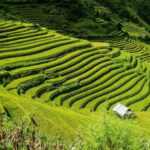
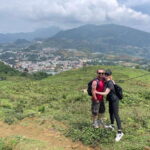
I like two things a lot. First, the rice terraces and bamboo forest route gives you long, changing views as the trail drops and climbs between villages like Y Linh Ho and Lao Chai. Second, the evening in Ta Van is built around real moments, from an informal cooking class to a traditional dance welcome and Dinh’s community work for local children.
One heads-up: this is moderate hiking on steep, uneven ground (about 18 km total), and depending on the weather you should expect muddy paths. Bring proper shoes and don’t plan to treat this like an easy stroll.
In This Review
- Key highlights you’ll feel on this trek
- Why Dinh’s Sapa trek in Ta Van feels personal, not staged
- Day 1: From Sapa Town down to Y Linh Ho, Lao Chai, and Ta Van
- Night in Dinh’s Ta Van homestay: private rooms, mountain view, and hot shower
- Day 2: Bamboo forest, terraces, Giang Ta Chai waterfall, and Red Dao area
- Food, water, and village entry fees: what your $43 actually covers
- Getting ready: shoes, sun protection, and the mud reality in Sapa
- Luggage and meeting points: how not to carry your whole life
- Who should book this Sapa 2D1N trek, and who should skip it
- A few small moments that make the difference
- Should you book Dinh’s 2D1N Sapa trekking & Hmong culture?
- FAQ
- How long is the trek, and what distance should I expect?
- Where do we meet in Sapa, and what time does the tour end?
- Which places and ethnic areas are part of the route?
- What kind of homestay room will I get?
- Are meals included, and can I eat vegetarian?
- What should I do with big luggage during the trek?
- What should I bring for the hike?
Key highlights you’ll feel on this trek
- Walk 2 days, 18 km total through Hmong villages and terrace paths, not just photo stops
- Stay in Dinh’s Ta Van homestay in a private room or mountain-view bungalow with a hot shower
- Hands-on culture moments: a cooking class, traditional dance welcome, and evenings with family
- Giang Ta Chai waterfall plus an optional swim if the water level and conditions are right
- Value-packed inclusions for the price: 1 night homestay, meals, guide time, and village entry fees
- A real community purpose behind the experience, tied to Dinh’s support for local kids and education
Why Dinh’s Sapa trek in Ta Van feels personal, not staged
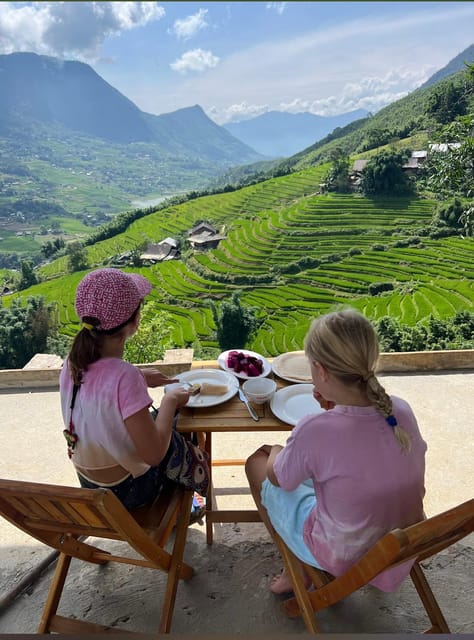
Sapa has plenty of tours that sound good on paper. This one works because Dinh is a real person living in Ta Van, and the itinerary is shaped by village life instead of just moving you between viewpoints. You’re not only hiking through rice terraces—you’re stepping into the rhythm of a Hmong home and learning how people farm, cook, and celebrate.
In the evening, you’ll get more than a quick explanation. Dinh and her family share stories, including how her work supports local children’s education, and the night often includes an informal cooking session with traditional dinner. Some group experiences also include dance performances by her students to welcome you, plus games and time to hang out with kids.
That community piece is not just a feel-good add-on. It’s part of why your visit matters here: the trekking proceeds are tied to education support, so your money turns into direct help for the village, not just a guide fee.
You can also read our reviews of more hiking tours in Sa Pa

Day 1: From Sapa Town down to Y Linh Ho, Lao Chai, and Ta Van
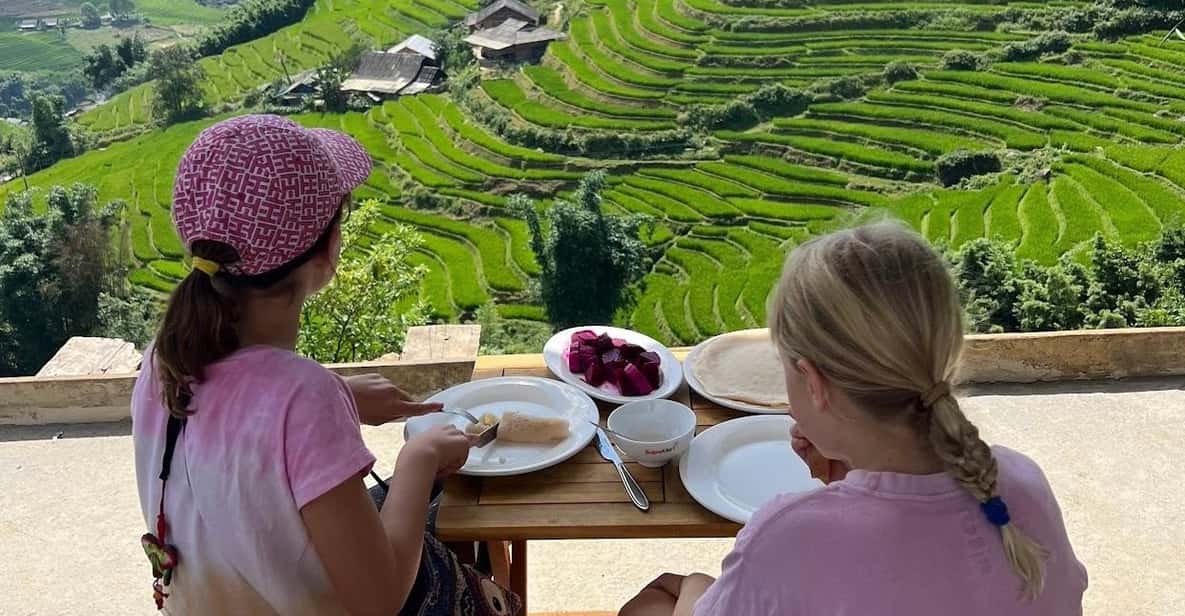
Day 1 starts at 9:00 AM, with Dinh meeting you at your hotel in Sapa Town or in front of the local main church. You then leave town and trek down toward Y Linh Ho, passing farmland and valley views that change as you move. The total distance is about 9–11 km, usually around 5.5 hours, depending on the group and conditions.
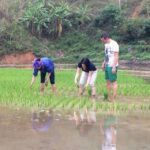
Why Y Linh Ho matters: it’s one of the places where you see Hmong village life connected to the land. Dinh talks about differences between ethnic groups along the way, including how traditions and farming practices show up in everyday life. If you travel during planting or harvesting season, you may see locals working the rice terraces, which makes the whole walk feel grounded and real.
Lunch is served at a small traditional restaurant run by a Hmong family. This isn’t just a place to refill water—it’s part of the village connection. After lunch, you continue to Lao Chai, described as one of the oldest and largest Hmong villages in the area, and then trek on to Ta Van.
Ta Van is where the homestay part of the trip becomes real. Depending on the season, you may also notice rice planting or harvesting again, and the walk helps you understand why this area is famous for terraces: the slopes are steep, but the work is coordinated and practical.
Practical note for Day 1 pace: the walk includes steep and uneven sections, so you’ll want steady footing over speed. If you like taking photos, build in a little extra time because the trail naturally slows you down—good, not bad.
Night in Dinh’s Ta Van homestay: private rooms, mountain view, and hot shower
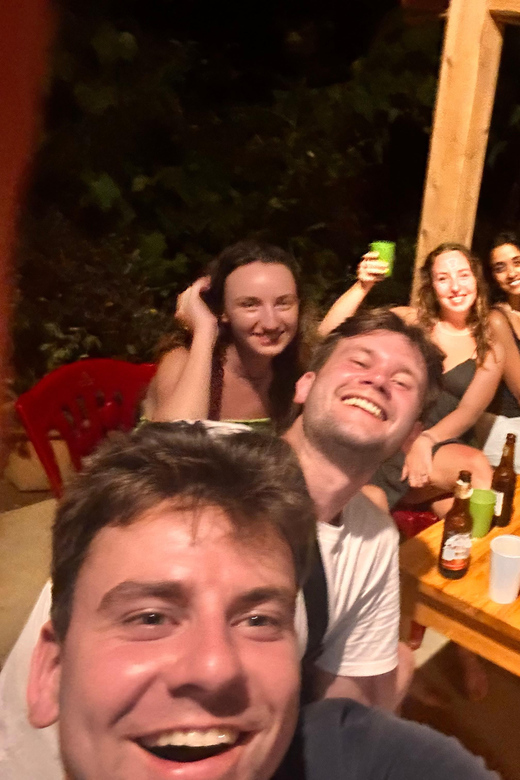
Arriving at the homestay is usually when the day shifts from trekking to settling in. You’ll have time to rest, take a hot shower, and relax before dinner. The accommodation is described as simple and authentic, with two common setups you can request when booking: a shared private room or a bungalow with a mountain view (often the best spot for terrace views).
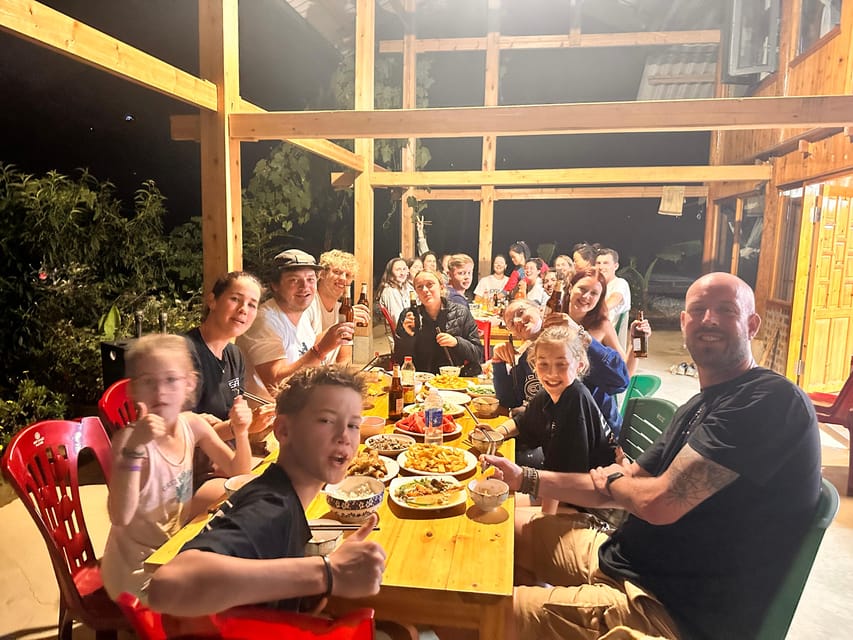
A lot of people underestimate what one night in a homestay actually means. Here, it’s not about luxury—it’s about being inside the family day. That’s why the included informal cooking class in the evening feels like the center of the experience. You’ll likely help prepare traditional dinner items, then eat together.
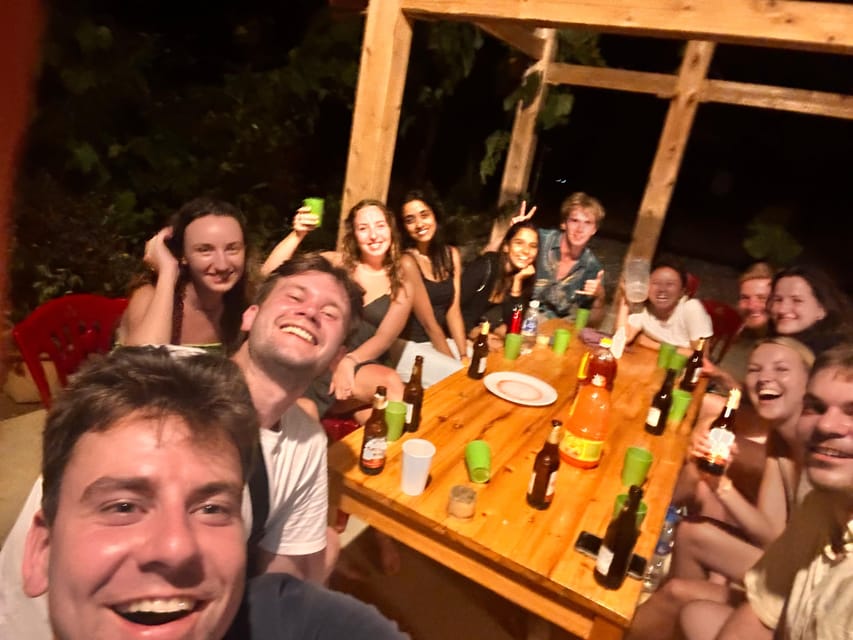
The homestay evening can include local rice wine (happy water) and friendly games. If you don’t drink, you can still participate in the social parts without turning the night into a drinking contest. What matters is the conversation—how Dinh explains her life, her family, and the role of education support in the community.
Meal style is also worth mentioning. Dishes are made with fresh ingredients, and the experience includes 1 dinner (Day 1 evening) plus lunches and breakfast. Vegetarian options are available for meals, which is a big help if you eat this way while traveling.
Day 2: Bamboo forest, terraces, Giang Ta Chai waterfall, and Red Dao area
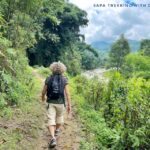
Day 2 begins at the homestay with a hot coffee or tea in the peaceful surroundings. After breakfast, you trek again, covering about 7–8 km in roughly 4 hours. The route focuses on bamboo forests and terraced rice fields—so instead of repeating Day 1, you get a different feel: softer shade from bamboo and the sound of water as you head toward the waterfall area.
Giang Ta Chai waterfall is the highlight stop on this day. The tour mentions that you can swim in the cool waterfall if you’d like, which turns the day into more than just walking and looking. If you want to swim, plan for wet conditions and mud on your return path. A small towel and water-friendly footwear can make the whole thing more comfortable, but what you bring should match your own comfort level.
Later, you enter the Red Dao ethnic area before heading back toward the main road. A final lunch is included, and then you take a taxi back to Sapa. The tour usually ends between 2:00 and 3:30 PM, though timing can run later when the group is larger and logistics take extra time getting everyone and bags positioned.
Timing tip if you have a strict departure: give yourself buffer. If you’re catching a bus right after the tour, it’s smart to plan for a later finish than the ideal window.
Food, water, and village entry fees: what your $43 actually covers
Price is listed at $43 per person, and the value comes from what’s included—because this isn’t just a guided hike. Your package includes a local guide for 2 days, village entry fees for 4 villages, 2 lunches, 1 dinner, and 1 breakfast. It also includes the 1-night homestay and transportation back to Sapa after the trek ends.
You’ll also receive 1 big water for 1 person per day. Extra drinks during hiking aren’t included, so if you like bottled water for long breaks, you’ll want to budget for that separately.
The best way to think about value here: you’re paying for (1) guided time, (2) the homestay bed, (3) meals in the villages, and (4) access through village areas. If you tried to piece all that together independently, you’d still end up spending on guide time, entry permissions, and lodging—often without the same family connection.
Meals also show effort. Reviews highlight big, home-style portions and the fact that food is made fresh. If you have dietary needs, mention them when booking so they can plan accordingly, especially since vegetarian options are known to be available.
You can also read our reviews of more tours and experiences in Sa Pa
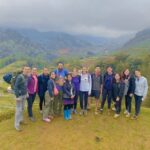
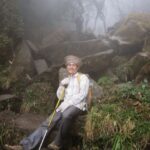
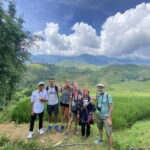

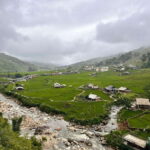
Getting ready: shoes, sun protection, and the mud reality in Sapa
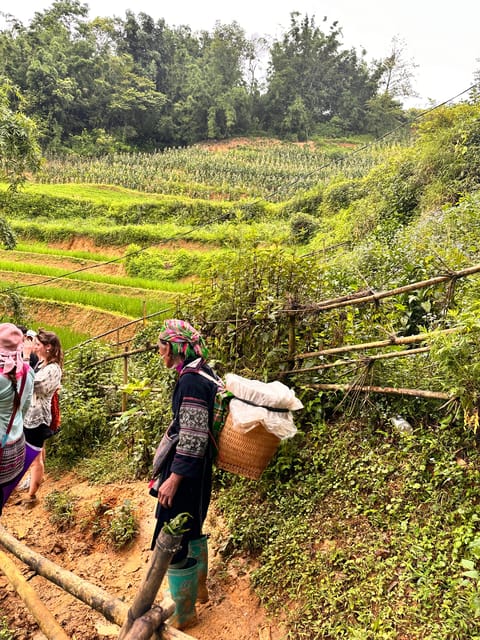
This trek fits people with moderate fitness. You’ll cover around 18 km over 2 days with steep, uneven terrain. Even when the weather looks fine in Sapa town, trails between villages can turn slick after rain.
Here’s what you should bring based on the tour guidance:
- Comfortable shoes (hiking shoes are best)
- Sun hat
- Water
- Biodegradable sunscreen
- Climbing gear (bring what you normally use for uneven footing)
- Cash (useful for small purchases from locals along the way)
- Daypack
- Mosquito spray is specifically suggested for comfort
If you’re traveling in wetter conditions, expect mud. Some paths can leave you covered before you reach the next bend. That’s not a dealbreaker; it’s just a reality check. Solid grip shoes matter more than trying to look good in photos.
Also plan for limited space in your daypack. You don’t want to carry more than you’ll use during the hikes.
Luggage and meeting points: how not to carry your whole life
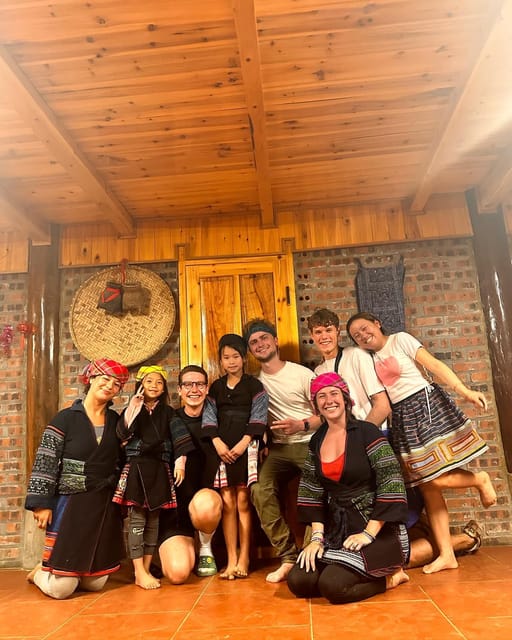
The tour gives practical advice on bags. For big bags, ask your hostel if you can leave them there and just bring essentials for the one-night homestay. If leaving luggage at your accommodation isn’t an option, and you don’t have a hotel, don’t stress—your host can help transport bags to the home where you’ll stay after the trek.
This is a big deal because it keeps the hike from turning into a weight-training session. You’ll have your bags waiting at the end, so you only need what you truly need for the trekking day: water, sunscreen, mosquito spray, and whatever you use for weather comfort.
Who should book this Sapa 2D1N trek, and who should skip it
Book it if you want:
- Real Hmong culture through daily life in and around Ta Van
- Scenic walking through rice terraces, bamboo forest, and village paths
- A homestay night with included meals and warm family interaction
- A trip that also supports a local community goal tied to education
Consider skipping if you:
- Want an easy, flat walk or zero mud risk
- Have a super tight schedule with no buffer for a later afternoon finish
- Need a very high level of comfort, because the homestay is described as simple and cozy, not hotel-standard
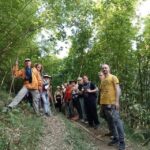
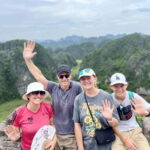
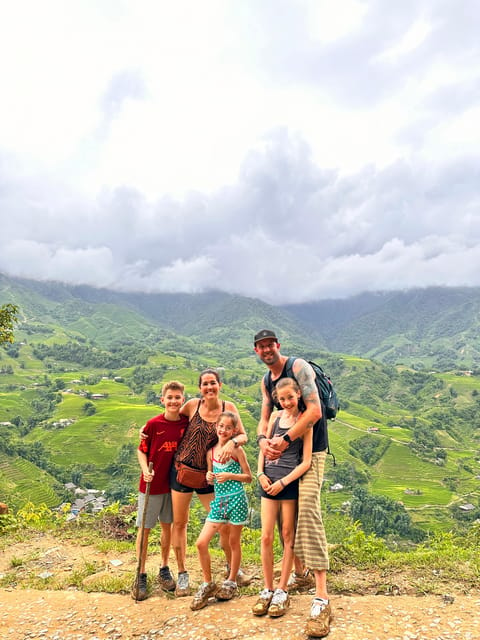
It’s also helpful to note the group nature of the trek. You’ll hike with other travelers, and that can affect timing and the pace of breaks. If you’re traveling as a family, the experience does include support for children (and a reminder that children under 3 join for free if you inform them in advance).
A few small moments that make the difference
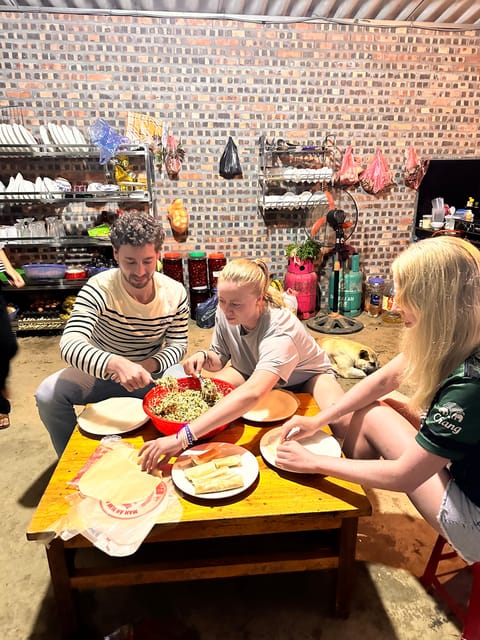
This tour has a handful of details that add up. One is the cooking class energy—doing food prep together instead of only eating. Another is the evening welcome, which may include traditional dance by Dinh’s students, plus time to play with kids and join family games.
Then there’s the Dinh story itself. She shares her journey and why she runs the homestay, and the education support she provides is woven into the experience in a direct way. At the end of your Sapa journey, you also receive a free T-shirt as a gift, which feels like a nice souvenir that doesn’t rely on overpriced merch.
If you’re lucky (and you might be), you’ll also meet family members who help guide parts of the walk, including names mentioned in past experiences like Ku, Zu, Mo, and Su.
Should you book Dinh’s 2D1N Sapa trekking & Hmong culture?
Yes, if you want a Sapa trek that feels like walking into the village instead of touring around it. The mix of rice terraces, bamboo forest, a waterfall stop at Giang Ta Chai, and an overnight homestay with included meals makes the package a strong value for the price.
Hold off if your main priority is comfort-first travel or you can’t handle uneven, muddy trails. This is a hike with culture, not a scenic bus ride.
My rule of thumb: if you can walk 2 days and you like meeting people, book it early and request the homestay room type you want. If you’re the type who enjoys the in-between moments—cooking, conversation, and village paths—this is the kind of Sapa experience you’ll remember.
FAQ
How long is the trek, and what distance should I expect?
It’s a 2-day, 1-night experience. You’ll trek about 9–11 km on Day 1 and about 7–8 km on Day 2, totaling roughly 18 km over two days.
Where do we meet in Sapa, and what time does the tour end?
Day 1 starts at 9:00 AM, meeting at your hotel in Sapa Town or in front of the local main church. Day 2 typically ends between 2:00 and 3:30 PM after lunch and taxi transport back to Sapa.
Which places and ethnic areas are part of the route?
You’ll trek through Y Linh Ho, Lao Chai, and arrive in Ta Van. On Day 2, you pass through bamboo forests and terraced rice fields to Giang Ta Chai waterfall, then enter the Red Dao ethnic area before returning to the main road.
What kind of homestay room will I get?
You’ll stay one night in a simple, authentic homestay in Ta Van. You can request either a shared private room or a bungalow with a mountain view, and you’ll have access to a hot shower.
Are meals included, and can I eat vegetarian?
Meals are included: 2 lunches, 1 dinner, and 1 breakfast. Vegetarian options are available for meals.
What should I do with big luggage during the trek?
If your hostel allows it, leave big bags there and bring only essentials for the night. If you can’t leave bags and don’t have a hotel, help with transport is available so your bags can be waiting at Dinh’s house when you arrive.
What should I bring for the hike?
Bring comfortable shoes (hiking shoes are best), a sun hat, water, biodegradable sunscreen, cash, and a daypack. The tour also suggests climbing gear and mosquito spray, since conditions can vary and trails can be muddy.