REVIEW · HIKING & TREKKING
From Sapa: Waterfalls, Trekking and Tribal Villages Tour
Book on GetYourGuide →Operated by Sapa Unique Tour - Viet Sapa Travel · Bookable on GetYourGuide
Two waterfalls in Sapa’s misty mountains is a rare treat. You’ll start about 30 minutes outside town to hit Silver Waterfall, Love Waterfall, and Tram Ton Pass, then switch gears into a mountain trek through rice paddies and tribal villages in Hoang Lien National Park.
I really like that this day balances big scenery with human scale. You get the dramatic waterfall walks, plus time on foot for village paths where you’ll learn about Hmong and Red Dzao life, not just snap photos and rush back.
One thing to consider: the trek can feel longer and hillier than you expect from the headline timing, so wear proper hiking shoes and plan on a steady effort.
In This Review
- Key highlights to know before you go
- Sapa pickup, private car, and starting your day on the right foot
- Silver Waterfall, Love Waterfall, and Tram Ton Pass: the scenery circuit
- Silver Waterfall: big views first
- Love Waterfall: another viewpoint, another mood
- Tram Ton Pass: where the mountains flex
- From Ban Khoan onto the trail: rice paddies, mountain paths, and real walking
- What you’ll actually see on foot
- The pace matters
- Village time at Ban Khoan and Ta Phin: meeting the Red Dzao
- What to expect from the visit
- Picnic lunch with the locals: why it’s more than just food
- How hard is the hike: moderate effort, uneven climbs, variable conditions
- What I recommend you prepare for
- Price and value check: why $72 can make sense for this mix
- What to pack (and what to leave behind)
- Who should book this Sapa waterfalls and tribal villages tour?
- Should you book this Sapa Waterfalls, Trekking and Tribal Villages Tour?
- FAQ
- How long is the tour?
- Where is the pickup?
- How many people are in the group?
- What language is the guide?
- What’s included in the price?
- Is lunch included?
- What do I need to wear for the hike?
- What should I bring with me?
- Is there anything seasonal I should know?
- What’s not included?
Key highlights to know before you go
- Two waterfall stops in Hoang Lien National Park, with photo-friendly viewpoints
- Tram Ton Pass as a scenic stop before the trek starts
- About 4 hours of hiking (listed as ~15 km / 9.3 miles), through rice fields and footpaths
- Tribal village time with chances to see Hmong and Red Dzao culture up close
- Picnic lunch included, eaten during the hike so the day stays flowing
- Small group (up to 15) with an English-speaking guide and private car transfer
Sapa pickup, private car, and starting your day on the right foot
This tour is built for an easy start. You’re picked up at your hotel lobby in Sapa Town, then it’s a roughly 30-minute ride to the first waterfall area. Because you’re in a private car and not stuck on a long shared transfer, you begin sightseeing while the morning still feels fresh.
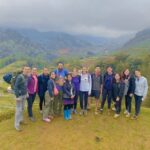
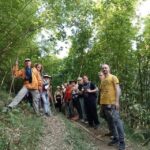
You also travel with a small group capped at 15 people. That matters more than it sounds. On a day that mixes viewpoints, a long walk, and village time, fewer people means better pace control and more space to ask questions without feeling like you’re holding up the line.
One more practical detail: entrance fees are included, and the tour is set up to help you skip the ticket line. Less waiting, more walking, more time spent on what you actually came for.
You can also read our reviews of more hiking tours in Sa Pa

Silver Waterfall, Love Waterfall, and Tram Ton Pass: the scenery circuit
The first part of the day is all about getting your eyes adjusted to northern Vietnam’s mountain power. You visit Silver Waterfall and Love Waterfall, with time to explore the area around them before the trek portion begins.
Silver Waterfall: big views first
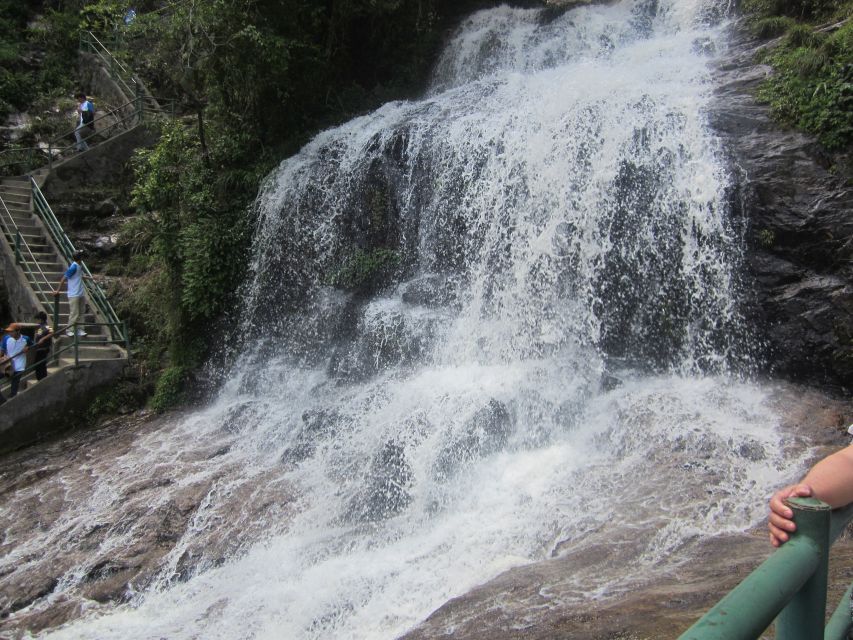
Silver Waterfall is the kind of stop that instantly changes the temperature of the day. Even when the mist is thick, the sound of water carries, and the waterfall face usually looks dramatic from multiple angles. If you go after rain, the falls can be especially forceful. On at least one day described on this route, the waterfall was huge after heavy rain, so don’t be surprised if the water show turns up the volume.
Love Waterfall: another viewpoint, another mood
Love Waterfall gives you a second hit of waterfall scenery without needing to switch to a completely different travel plan. It’s a straightforward add-on that keeps momentum going. The waterfalls aren’t just distant backdrops; you’re walking near them and climbing a bit to get better sightlines.
Tram Ton Pass: where the mountains flex
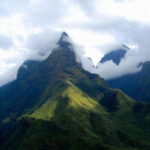
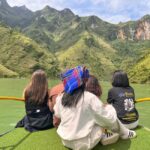
Between waterfall time and the trek start, you pass by Tram Ton Pass. This is a classic “pause and look” stop: you get sweeping mountain views before you trade roads and viewpoints for footpaths through villages and rice country.
Photo tip: if it’s foggy, don’t write off the day. Fog can soften the scene into layers. You might lose sharp detail, but you gain atmosphere.


From Ban Khoan onto the trail: rice paddies, mountain paths, and real walking
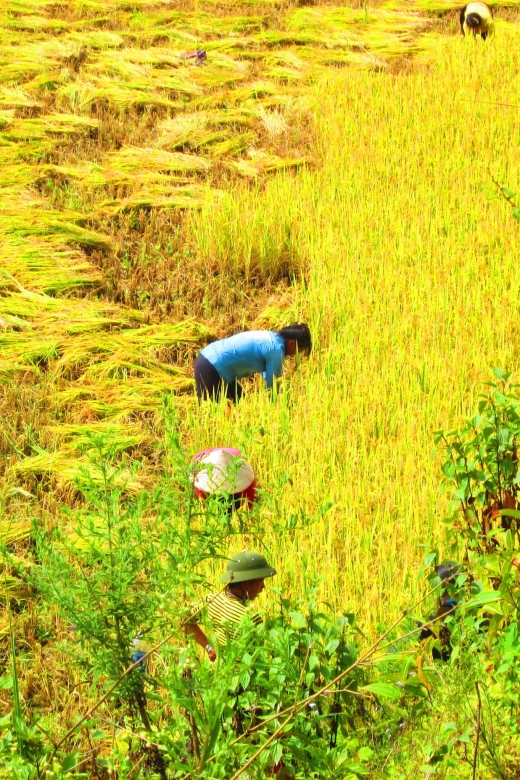
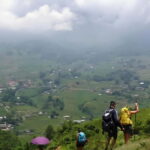
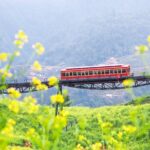
After your waterfall/Pass morning, you transition to the village-based trek. The trek starts from Ban Khoan and heads along a secluded trail that’s listed at about 4 hours of hiking and roughly 15 km (about 9.3 miles).
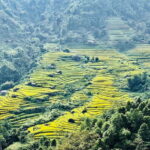
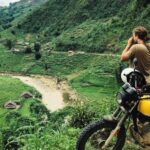
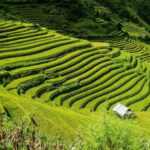
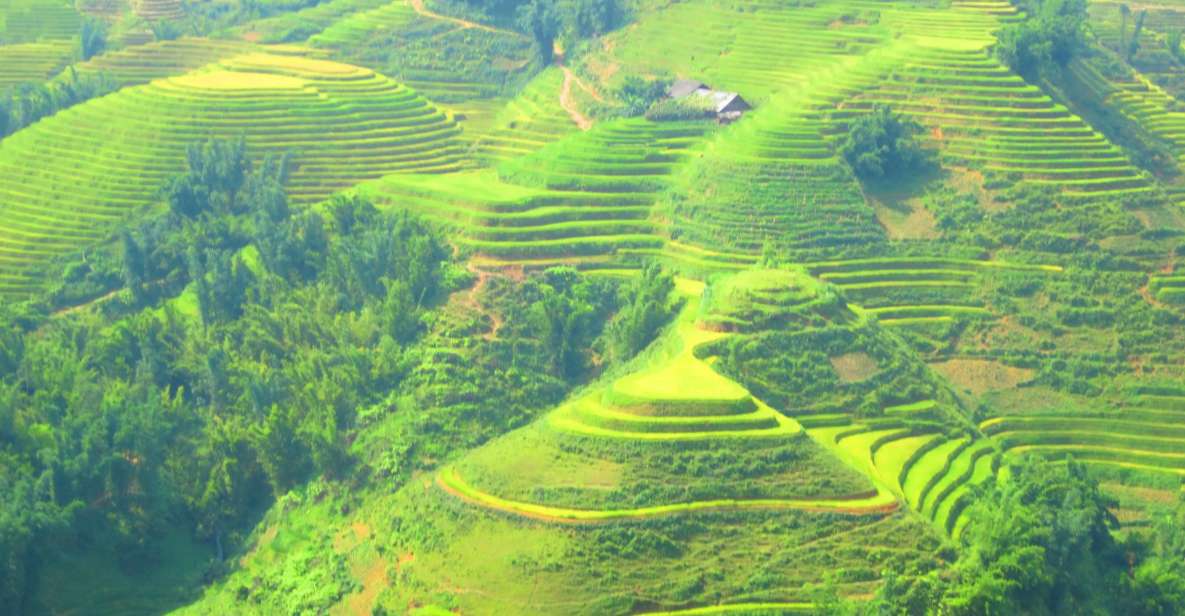
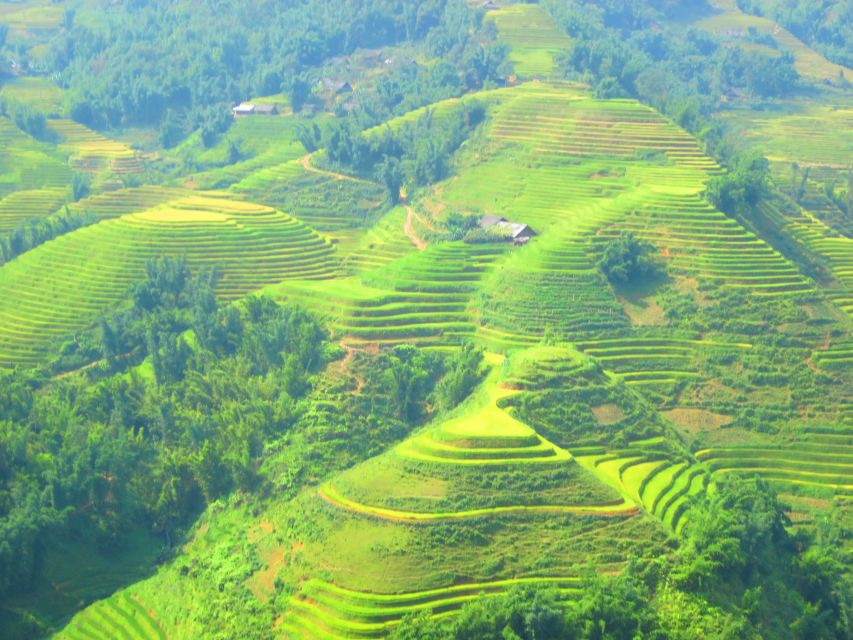
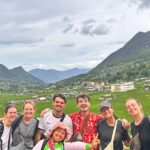
This is the part that makes the tour feel like more than sightseeing. Instead of a quick walk-through, you’re moving for hours through mountain terrain, with stretches that show rice paddies and rural village edges.
What you’ll actually see on foot
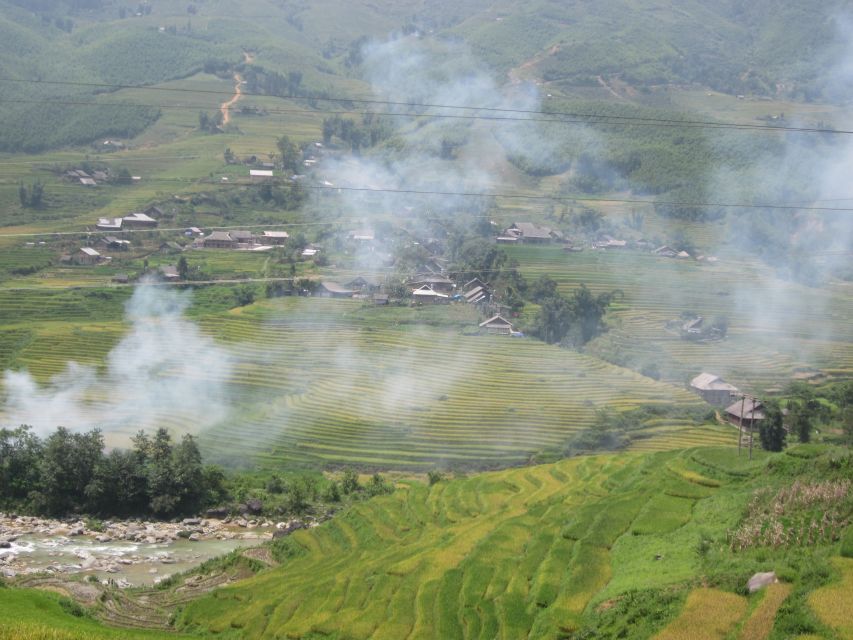
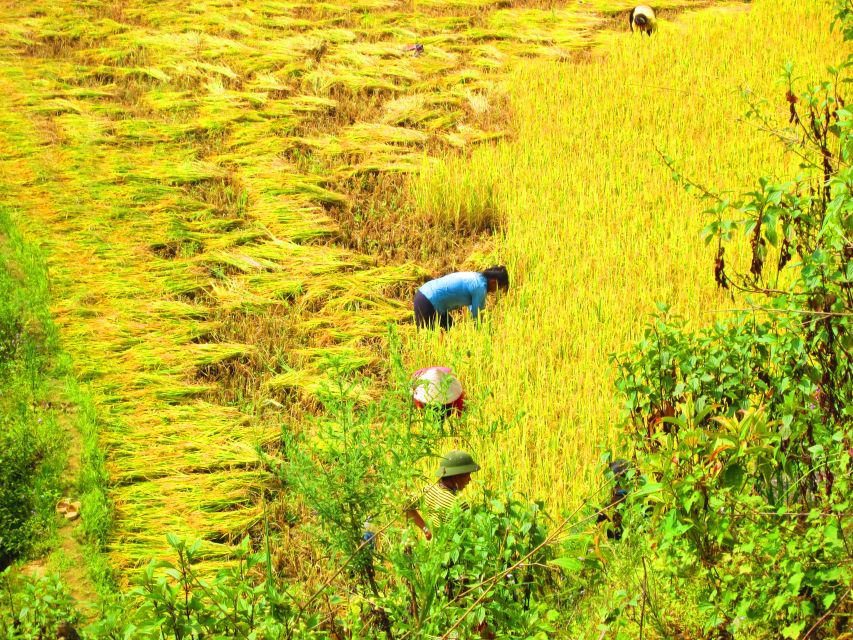
You’re not hiking in a protected “just scenery” bubble. You’re passing through a lived-in mosaic: terraces, paths between fields, and remote tribal village areas. Expect a mix of open views and narrower stretches where you’re walking around local homes and fields.
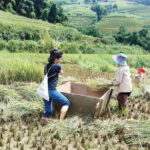
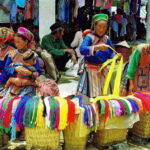
There’s also a cultural component built into the walking. You’ll meet and learn about the life of people from Hmong and Red Dzao communities. This isn’t framed as a quick photo-op. The point is conversation and observation—how daily life connects to the land, clothing, and traditions.
The pace matters
The day is promoted as a 5-hour overall experience, but the walking portion is the driver. The trek length and climb can add up faster than you think, especially if the day is damp or if you’re not used to steep, uneven paths. One helpful mindset: treat it like a proper half-day hike, not a gentle stroll.
Village time at Ban Khoan and Ta Phin: meeting the Red Dzao
Lunch and village time happen mid-day, so the trek doesn’t just turn into miles—it turns into a small cultural stop inside your route.
You start village time in the Ban Khoan area and then continue on toward Ta Phin Village, where you’ll visit the home area of the Red Dzao tribe. This matters because it changes the flavor of the walk. You’re shifting from trekking scenery into community connection, then into a more specific look at Red Dzao life.
What to expect from the visit
The village portion is described as a walk and time to learn. You’ll also have chances to notice cultural details like textiles, which come up repeatedly in feedback about this kind of experience. Clothing and handmade materials are one of the easiest ways to understand how traditions show up in daily life.
Also: this isn’t described as a shopping stop. The route is designed around seeing how people live. If you do buy something, keep it respectful and remember this is their home, not a theme park set.
Picnic lunch with the locals: why it’s more than just food
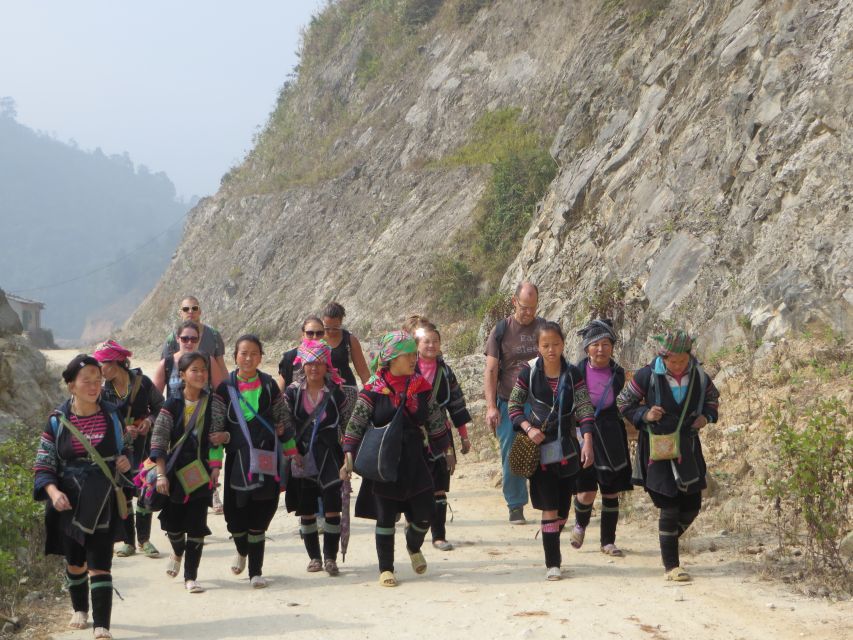
The picnic lunch is included, and it’s timed so you eat while you’re already out on the trail. That’s a big part of the value. You’re not jumping in and out of restaurants or trying to locate food near whatever waterfall you just visited. Your day stays “in motion,” but you still get a proper break.
The lunch is prepared for you as part of the day. In the feedback you’ll find notes about a delicious spread from a local host along the way. One person also reported a vegan lunch could be arranged. That doesn’t mean every meal is automatically vegan, but it does suggest you should mention dietary needs when you book.
You’ll also get 2 bottles of mineral water per person. On a long walk day in the hills, that small detail keeps you from hunting for drinks at the worst time.
How hard is the hike: moderate effort, uneven climbs, variable conditions
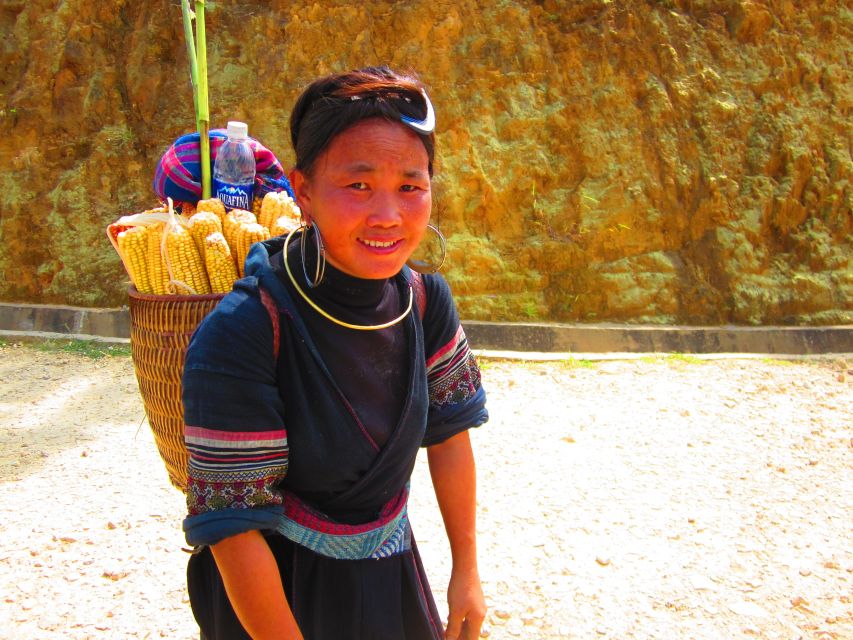
On paper, the trek is about 4 hours along a trail that totals around 15 km (9.3 miles). In reality, the experience can skew more strenuous depending on the weather and how the route is paced.
Some descriptions call it moderately difficult. Others warn that the climbs and downhills can feel like more work than expected, especially if you’re used to easy weekend walking. One key detail that’s easy to miss: the waterfall area itself also includes walking and climb time, so your legs don’t start the main trek “fresh.”
What I recommend you prepare for
- Wear hiking shoes with grip, not sneakers with smooth soles
- Expect steep-ish up and down sections
- Bring insect repellent and sunscreen, even if it looks cool
- Plan on extra care on muddy or slick patches after rain
If you’re worried about the fitness side, this tour still can fit many people because it’s guided and the group is small. Just don’t sell yourself short: bring real hiking gear and you’ll feel confident instead of rushed.
Price and value check: why $72 can make sense for this mix
At $72 per person for a half-day, this can be good value if the parts you care about are the ones included: guide, entrance fees, private transport, lunch, and water.
Here’s the value logic:
- You’re paying for a trained English-speaking guide to handle routing and interpretation.
- Entrance fees are included, so you’re not adding surprise costs later.
- The private car transfer saves time and hassle compared with DIY.
- The picnic lunch is included, which matters when you’re trekking and can’t easily grab food.
- You’re in a small group, which reduces the “herding” feeling and improves the village visit experience.
If you were to piece this together yourself—finding transport, arranging a guide, and sorting lunch—the total usually climbs fast. This tour bundles it into one price, and that’s the main reason it works for many budgets.
What to pack (and what to leave behind)
This is the kind of day where comfort wins. The essentials listed for the tour are exactly right.
Bring:
- Comfortable clothes and hiking shoes
- Insect repellent
- Sunscreen and a sun hat
- A raincoat
- A small daypack for personal items
Seasonal note: if trekking from November to March, wear warm clothes. Even if Sapa is mild some days, higher elevations and mist can chill you once you’re walking for hours.
Packing tip: keep your daypack light. You’re climbing and switching surfaces—heavy bags start to feel annoying fast.
Who should book this Sapa waterfalls and tribal villages tour?
This is a great fit if you want:
- Stunning waterfall scenery without a full-day endurance event
- A guided route through rice paddies and mountain paths
- Time to learn about Hmong and Red Dzao cultures, plus a picnic lunch that keeps the day moving
- Small-group comfort with an English-speaking guide
It may not be your best choice if you:
- Want only flat walking
- Have very limited mobility on uneven ground
- Are hoping for a super short trek that feels like a casual walk
Basically: if you can handle a half-day hike with some climbs, you’ll likely enjoy the rhythm.
Should you book this Sapa Waterfalls, Trekking and Tribal Villages Tour?
I’d book it if your ideal Sapa day includes both big scenery and real village time, and you don’t want to manage the logistics yourself. The combination of waterfall stops, Tram Ton Pass viewpoints, a guided trek from Ban Khoan, and a picnic lunch with cultural learning makes the day feel like a complete experience, not just a series of checkpoints.
I’d also book it with one honest expectation: the trail effort can be more than the headline wording suggests. If you come prepared with the right shoes, plan for a steady pace, and pack for rain and insects, the day usually feels rewarding instead of tiring.
If that’s you, then yes—this is a solid choice.
FAQ
How long is the tour?
The duration is listed as 5 hours. The trek portion is described as about 4 hours.
Where is the pickup?
Pickup is included at your hotel lobby in Sapa Town.
How many people are in the group?
The tour is a small group, limited to 15 participants.
What language is the guide?
The guide is English-speaking.
What’s included in the price?
The price includes an English-speaking guide, all entrance fees, private car transfer, picnic lunch, and 2 bottles of mineral water per person.
Is lunch included?
Yes. You’ll have a picnic lunch during the trek.
What do I need to wear for the hike?
Wear comfortable clothes and hiking shoes appropriate for outdoor activities.
What should I bring with me?
Bring insect repellent, sunscreen, a raincoat, sun hat, and a small daypack with personal belongings.
Is there anything seasonal I should know?
If trekking from November to March, wear warm clothes.
What’s not included?
Hotel accommodation, travel insurance, and bus or train tickets are not included.