REVIEW · CRAFT VILLAGE TOURS
Hanoi: Jewelry Craft Village or Incense Village, Hat Village
Book on GetYourGuide →Operated by CRAFT VILLAGE HANOI TOUR · Bookable on GetYourGuide
Craft villages in Hanoi are work you can actually see. I love how this outing turns everyday stuff—hats and incense—into hand-made skill you can watch up close. You get a smart mix of hands-on moments and guided context, with Chuong conical hats and Quang Phu Cau incense as the core stops.
Two things I especially like: you get to interact, not just stare—like painting a conical hat you can bring home—and you also see how incense is made at both a family and a more industrial scale. I also like that the tour keeps moving at a pace that works for a half day, with bottled water and entrance fees handled.
One drawback to think about: this is a craft-village day, so there’s a fair amount of walking and factory smells. If you’re sensitive to fragrance, plan for a lighter, faster route and keep a mask handy.
In This Review
- Key highlights you’ll notice fast
- Your best choice: Hat + Incense day or the Dinh Cong jewelry focus
- Chuong conical hat village: the souvenir you actually helped make
- Quang Phu Cau incense village: where tradition is still family-scale
- The nearby factory step-up: smell, scale, and how work changes
- Hanoi Train Street drop-off: the easy add-on plan
- What happens to lunch and snacks
- Dinh Cong Jewelry Craft Village: silversmithing that looks like magic up close
- Quach Van Hieu’s workshop: the family lesson inside the craft
- Price and what you’re really paying for
- Timing, group size, and language: how the day feels
- Souvenirs that make sense (and one you should think twice about)
- Who should book this craft-village experience
- Should you book it
- FAQ
- How long is the Hat + Incense half-day tour?
- Where does the tour start and end?
- Does the half-day tour include lunch?
- Can I take souvenirs home from the craft activities?
- What’s included in the Dinh Cong Jewelry Craft Village option?
- Do I need to buy entrance tickets?
- What languages are available for the guide?
Key highlights you’ll notice fast
- Paint-your-own Chuong conical hat with a souvenir hat ready to go
- Quang Phu Cau incense village where families produce incense on a small scale
- A step-up factory visit to see how the process scales up
- Live demonstrations instead of museum-style looking
- Dinh Cong jewelry option if you’d rather focus on silver-and-gold silversmithing
- Hanoi Train Street drop-off option if you want a quick add-on
Your best choice: Hat + Incense day or the Dinh Cong jewelry focus

This experience comes in a couple of ways, and choosing the right one depends on what you want to bring home and what kind of craft you enjoy watching.
If you choose the standard half-day format, it’s built around Chuong conical hat craft plus Quang Phu Cau incense making, with pickup from the Old Quarter area and drop-off back in Hanoi. You’ll spend time meeting artisans, seeing how their tools and techniques work, and taking home small souvenirs tied to what you make.
If you prefer something different, you can go for the Dinh Cong Jewelry Craft Village private option. That version is centered on traditional jewelry making on the riverbank and includes watching artisans demonstrate core silversmithing techniques, plus a workshop visit tied to famous local craftsmen and their family.
Either way, you’re paying a very reasonable price for guided access to places most people only pass by. The big value is not just the sights, but the moment when a craft becomes understandable—because someone shows you exactly how they do it.
You can also read our reviews of more tours and experiences in Hanoi.



Chuong conical hat village: the souvenir you actually helped make
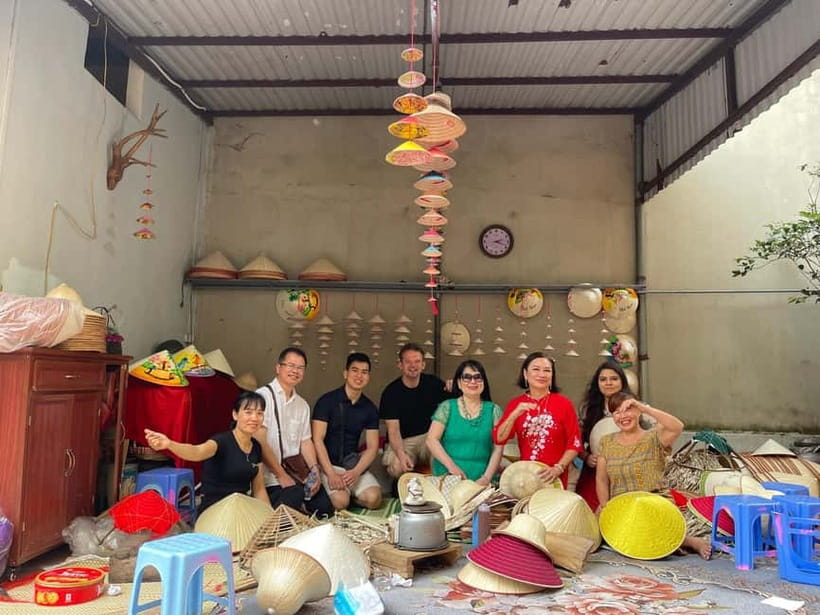
Chuong is the conical-hat hub that Hanoi visitors usually hope to see. This stop is more than a photo moment. You’ll observe how hats are made and then get time to personalize one with paint.
The most practical part: the tour doesn’t just show you the hat. You receive a free conical hat for painting and you take it home as your own souvenir. That means you’re not hunting for a small memento in a shop later. You’re making it, in your own style, right on site.
Expect a guided workflow: you’ll first watch how the hat craft happens, then you’ll decorate yours. It’s also worth knowing that conical hats are an everyday item in Vietnam, so the craft feels grounded rather than “tourist costume.” You’re seeing a tradition that’s been around for generations.
Small consideration: painting a hat can be relaxing, but it can also feel like you’re working on something delicate. Move carefully, don’t rush, and remember that your hat doesn’t need to be perfect to be fun. A slightly quirky hat looks like Hanoi style.
Quang Phu Cau incense village: where tradition is still family-scale
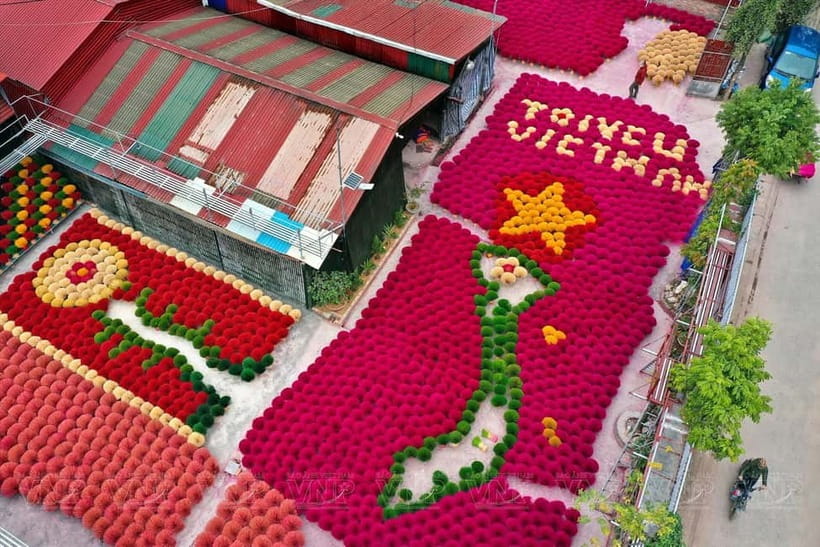
After Chuong, the tour shifts to Quang Phu Cau Incense Village, the place associated with incense-making for more than a century. The vibe here is more “neighborhood workshop” than show floor, and that’s the point.
You’ll walk through the village center area and watch how locals make incense on a family-scale, artisanal level. You should expect to see people working with dyed incense materials and handling bundles in a way that looks efficient because it’s been practiced daily, not staged once for visitors.
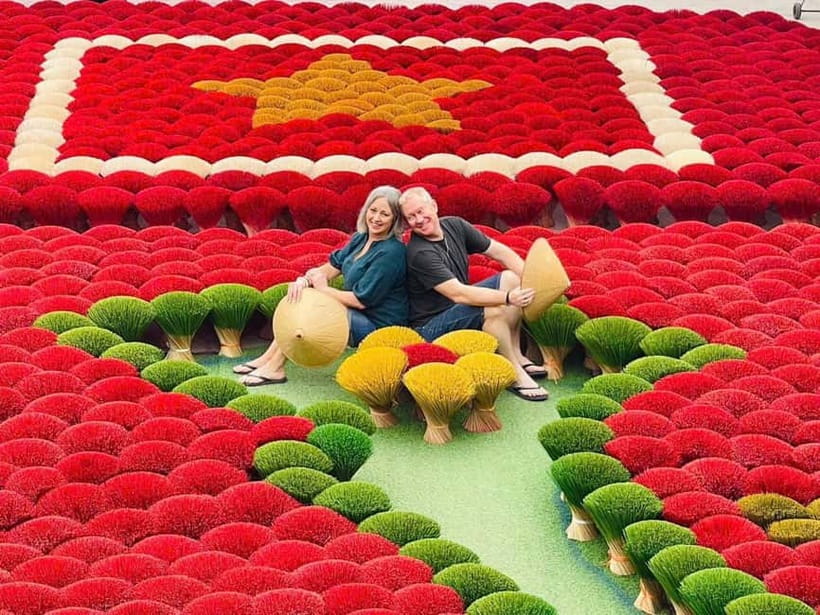
A standout part of this stop is that you meet a family who specializes in dyeing incense sticks. You’ll see the colorful bundles, and it helps connect the scent you’ll eventually burn with the process that creates it. This matters because incense isn’t only about smell. It’s about materials, drying, and timing.
You’ll also get hands-on time: the tour includes some free incense sticks after you make incense sticks yourself. That small takeaway is one of the best “I did this” souvenirs on the whole day.
Practical tip: if you plan to buy more incense later, you’ll appreciate the differences more. Once you’ve seen how it’s handled and prepared, the products in stores make more sense.
The nearby factory step-up: smell, scale, and how work changes
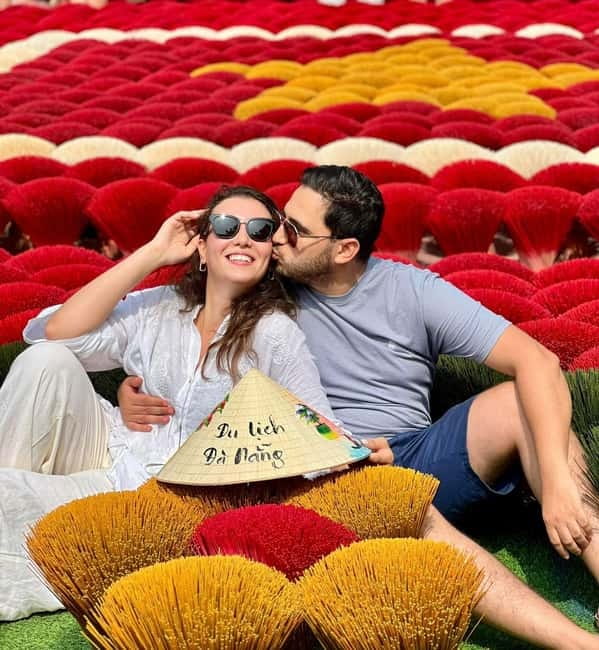
To help you understand incense-making beyond one workshop, the itinerary includes a visit to a nearby factory. This isn’t the same as the village, and that’s useful.
At the factory stop, you learn how incense is made from scratch and you’ll get a look at the lives of the manual workers involved. You’ll see how a process that’s family-driven becomes organized at a larger scale—same core idea, different workflow and equipment.
This is also where the “smell factor” is real. Incense is fragrance by design, and the factory may feel strong even if you’re used to Vietnamese streets. If you’re scent-sensitive, bring a mask or plan to spend only short blocks in the most intense areas.
Still, I like this part because it turns a simple souvenir into a real process. You stop thinking of incense as a product and start seeing it as a craft with steps.
Hanoi Train Street drop-off: the easy add-on plan

One of the logistics quirks in this format is the potential drop-off at Hanoi Train Street. If your tour includes that stop, you can hop off, enjoy the area, and then take a taxi/Grab back to your hotel.
If you don’t want to linger there, you don’t have to. You can wait on the bus and continue your day with the rest of the schedule. Either way, it’s helpful that the tour gives you options rather than forcing one choice.
Just keep your expectations realistic. Train Street is a quick stop, not a full second adventure. Plan on it as a short photo-and-stroll add-on so you don’t feel rushed.



What happens to lunch and snacks
For the half-day Hat + Incense version, lunch is not included. That’s not a dealbreaker, but it does mean you should eat beforehand or bring a small snack.
Why it matters: you’ll be out from either about 7:45 to 13:30 (morning) or 11:45 to 17:30 (afternoon). That timing can easily land you hungry if you wait too long between meals.
For the Dinh Cong jewelry option, your schedule can include a longer block and lunch during the craft village visit. One of the best signals here is that people often rate the included food as genuinely good, which suggests the lunch stop is planned, not an afterthought.
My advice: if you’re doing Hat + Incense, treat it like a day trip without a sit-down meal. Pack something small, especially if you tend to get cranky when your blood sugar drops.
Dinh Cong Jewelry Craft Village: silversmithing that looks like magic up close
If your brain lights up at metalwork, the Dinh Cong Jewelry Craft Village private tour is the cleaner match. This village is on the To Lich river bank in Hanoi’s Thanh Tri district, and it’s known for jewelry handcraft sculpturing with a history often described as over 1,500 years.
The tour centers on a long tradition passed down by the Tran family legend—skills learned and handed to local people, building the village reputation for silver and gold products.
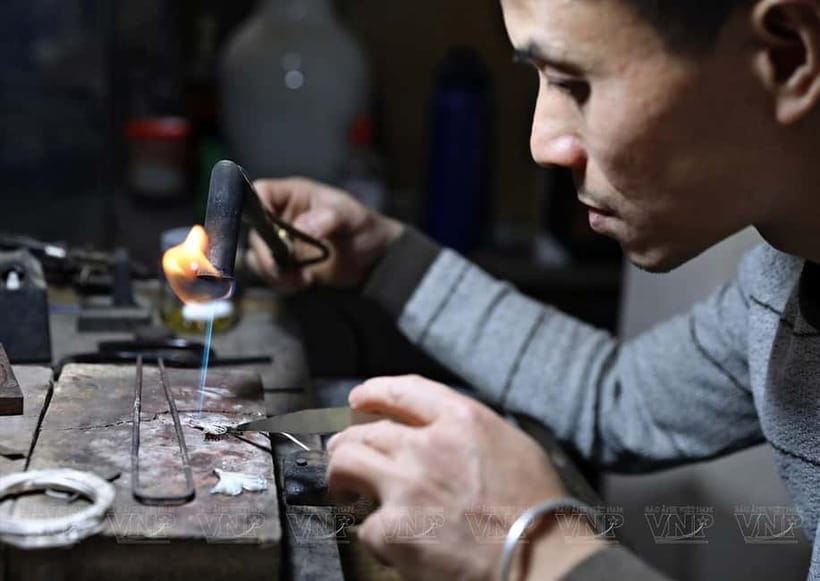
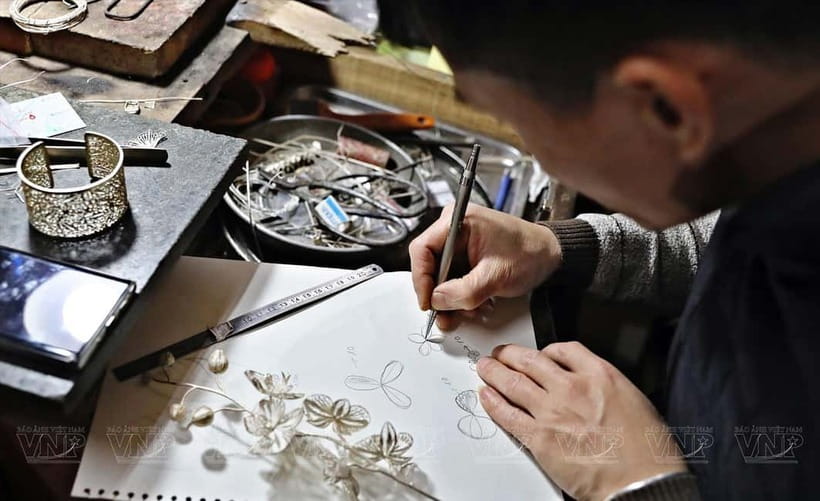
What I really like here is the clarity of the technique. You watch artisans demonstrate four core methods: smoothing, combining, sculpturing, and pulling. Those words sound simple until you see them applied to an actual piece of jewelry.
You’ll also see the finishing details: polishing, joining patterns harmoniously, and carving fine designs. Then comes one of the most dramatic moments: pulling hot melted silver into threads as small as strands of hair. It’s the kind of step that makes you understand why jewelry is labor, not luck.
Quach Van Hieu’s workshop: the family lesson inside the craft
The Dinh Cong option isn’t only about looking at finished products. You’ll visit the workshop of Quach Van Hieu and his son Quach Phan Tuan Anh, who continue the tradition.
Watching a family workshop helps you understand how skill gets taught. You’ll also see young silversmiths learning the craft, which makes the village feel alive rather than frozen in time.
If you like craftsmanship, this workshop visit is a big value-add. It gives you a story you can hold onto while you browse jewelry later. The next time you see a similar piece, you’ll be thinking about steps and technique rather than just the sparkle.
Price and what you’re really paying for

The headline price listed is $14 per person, and that’s honestly strong for a guided craft-village day. The value comes from a few things at once: multiple craft sites, a trained local guide, entrance fees covered, and included “made by you” items like the hat you paint and the incense sticks you work with.
Also, you’re not just arriving and wandering. You’re getting demonstrations, explanations, and access that’s easier with a guide. In places like these, a guide can mean the difference between seeing activity and understanding what you’re looking at.
One more practical point: the tour notes that the half-day version skips lunch, but it does include bottled water and guided time. You’ll still want snacks, but you aren’t left totally on your own.
And if there’s a Lunar New Year surcharge (listed for specific dates), it’s worth factoring in when you choose your travel week. For most people, it’s a small timing cost for a major holiday crowd situation.
Timing, group size, and language: how the day feels
These tours run in time blocks that fit a half day, and they also offer private or small group options. That matters because craft villages work better when you can hear the guide and actually see the hands-on moments.
The tour also lists a professional local guide available in multiple languages, including English and several others. If you want the explanations more than just the visuals, language support helps.
Cancellation and payment flexibility are also built in (free cancellation up to 24 hours in advance, reserve now and pay later). I keep this in mind because Hanoi schedules can change fast with weather and jet lag.
No matter which option you choose, expect a day that’s part workshop, part sightseeing, and part “how they do it” learning.
Souvenirs that make sense (and one you should think twice about)
The tour’s best take-home items are the ones tied to your actions.
- Your painted conical hat: this is the souvenir that feels personal. It’s also practical because you can carry it away easily.
- Incense sticks you make: you’re not just buying fragrance. You’re bringing home proof that you did the process.
- Incense village products: once you’ve seen dyeing and making, you’ll have a better sense of what you’re choosing.
If you’re spending extra money, I suggest you buy because you want it, not because it’s the only thing you can carry. With craft villages, it’s easy to overbuy small items. Choose a couple of meaningful pieces and let the rest be photos.
For Dinh Cong jewelry lovers, it’s the same logic: you’ll understand why handcrafted pieces cost more once you’ve seen the steps like pulling hair-thin threads of silver.
Who should book this craft-village experience
I think this tour is a great fit if you want Hanoi culture that feels practical, not staged. It’s especially good for:
- Families and curious adults who enjoy seeing hands-on craft work
- Anyone who likes a guided plan but still wants real interaction
- Travelers who want fewer “big monuments” and more understanding of daily-life traditions
- People choosing between incense and metalwork and want an organized way to compare
It’s less ideal if you’re only interested in fast photo stops with minimal walking, or if strong incense fragrance will bother you.
Should you book it
Book it if you want a half-day Hanoi experience that teaches you something you can actually explain later: how conical hats get made, how incense gets formed and dyed, and (if you choose Dinh Cong) how detailed jewelry work happens step by step.
Skip or rethink if scent sensitivity is a real issue for you, or if you’d rather spend your limited time on major city sights instead of workshops. For most people, though, the mix of Chuong, Quang Phu Cau, and the option to add Dinh Cong makes this one of the more worthwhile craft days in Hanoi.
FAQ
How long is the Hat + Incense half-day tour?
It runs about 6 hours. Morning runs roughly from 7:45 to 13:30, and afternoon runs roughly from 11:45 to 17:30.
Where does the tour start and end?
Pickup is from the Hanoi Old Quarter area (with two pickup location options listed around Hoàn Kiếm). Drop-off is also in central Hanoi, with an optional drop-off at Hanoi Train Street.
Does the half-day tour include lunch?
No. Lunch is not included on the Hat + Incense half-day format, so it’s smart to eat beforehand or bring snacks.
Can I take souvenirs home from the craft activities?
Yes. You paint and receive a free conical hat to take home, and you also make incense sticks and get some included.
What’s included in the Dinh Cong Jewelry Craft Village option?
That option includes visiting Dinh Cong, watching jewelry-making techniques, visiting Quach Van Hieu’s workshop, viewing silver products, and the schedule includes lunch during the craft village block.
Do I need to buy entrance tickets?
Entrance fees are included, and the tour skips the ticket line.
What languages are available for the guide?
The tour lists multiple languages, including English, French, German, Italian, Korean, Portuguese, Russian, Spanish, Vietnamese, Indonesian, Thai, and Chinese.