REVIEW · HIKING & TREKKING
Fansipan Trekking – 1 Day
Book on GetYourGuide →Operated by Sapa Original Trek Company Limited · Bookable on GetYourGuide
Fansipan in one day is the kind of plan that tests your legs and rewards your eyes. This trek up and down from Sapa aims at Vietnam’s highest peak, with a professional English-speaking guide keeping you on the right route and on schedule. I especially like the human touch: guides who really talk you through what you’re seeing, plus the steady organization from hotel pickup to drop-off.
The main downside is simple: this is a hard day. You’re looking at about 24 km total with a serious climb of roughly 1,400–1,600 m, and winter mornings can be brutally cold at the pass and higher up.
Plan for early starts and long daylight decisions. Expect about 10–12 hours hiking in total, with timing shifting based on your pace and whether you choose the cable car on the way down.
In This Review
- Key things to know before you go
- Why This One-Day Fansipan Trek Makes Sense (and Who It Fits)
- Getting From Sapa to Tram Ton Pass: The Early Start Rhythm
- The Trail Up: Bamboo, Old Trees, Streams, and Steady Climb
- Lunch Around 2,800 m: Fuel That Helps You Finish the Summit Push
- Reaching the Top: Summit Views Over Sapa and Toward China
- Cable Car Down or Hike Back: Timing, Energy, and Light
- Guides, Permits, and the Human Side of the Trek
- What to Pack for Cold Passes, Mist, and Fast Weather
- Cost and Value: Is $77 a Fair Deal for This One-Day Effort?
- Should You Book This 1-Day Fansipan Trek?
- FAQ
- How long is the Fansipan Trekking 1 Day tour?
- What distance will I hike?
- What’s included in the price?
- Do I need to arrange transportation from my hotel?
- Is the guide English-speaking?
- What should I bring for the weather?
- Are children or older travelers allowed?
Key things to know before you go
- English-speaking guides who can explain the forest and the route clearly
- Private group feel, with pickup from the center of Sapa town
- Picnic lunch carried by your guide at a lunch stop around 2,800 m
- Real effort: about 24 km round-trip, with 10–12 hours total time
- Weather swings fast on Fansipan, so pack for cold and rain
- Summit timing matters if you want to descend before dark
Why This One-Day Fansipan Trek Makes Sense (and Who It Fits)
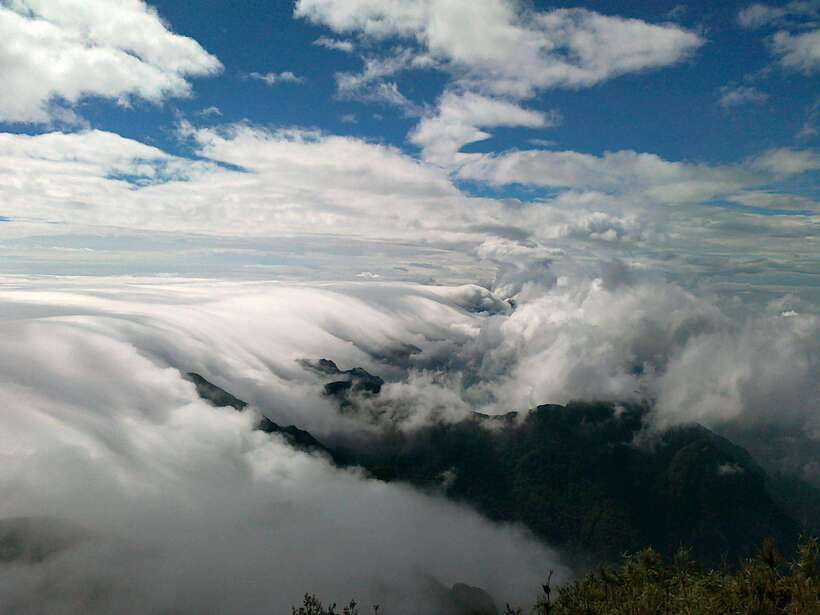
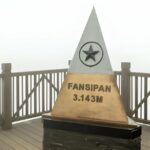
Fansipan is the highest peak in Vietnam and it also sits high in the Indochina region’s skyline. A one-day trek doesn’t make it easy, but it does make it doable for travelers who want a dramatic summit experience without spending multiple nights on the mountain.
What you’ll enjoy most is the combination of guided confidence and big-mountain rewards. With an English-speaking guide, you’re not guessing your pace or scanning for trail turns, and you also get context along the way. In the Sapa area, that makes the hike feel less like a chore and more like a story you can follow.
This one-day format fits best if you’re already comfortable hiking uphill for hours, walking on uneven ground, and staying warm in cool air. It does not fit people who want a casual stroll or who get uncomfortable with steep sections and changing weather. The operator also states it’s not suitable for children under 14, pregnant women, or people over 70.
You can also read our reviews of more hiking tours in Sa Pa
Getting From Sapa to Tram Ton Pass: The Early Start Rhythm
Your day starts early. A car picks you up from your hotel in or around the center of Sapa town (not villages or homestays far out). If you’re traveling solo, you may use a scooter for transport to the start area.
The trek begins at Tram Ton pass, around 2,000 m above sea level. Getting up to that starting altitude quickly matters because your “real work” begins sooner. By the time you’re walking, you’re already adapting to thinner air and cooler temperatures.
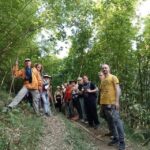
Before you even reach the first big viewpoint, you’re walking through forested sections that start to feel alive: bamboo areas, older trees, colorful flowers, and streams. Even if you’re focused on your next step, the trail early on helps you settle into pace and breathing. That’s a big deal for a 12-hour plan, because you want your energy to be steady, not spiky.
The Trail Up: Bamboo, Old Trees, Streams, and Steady Climb
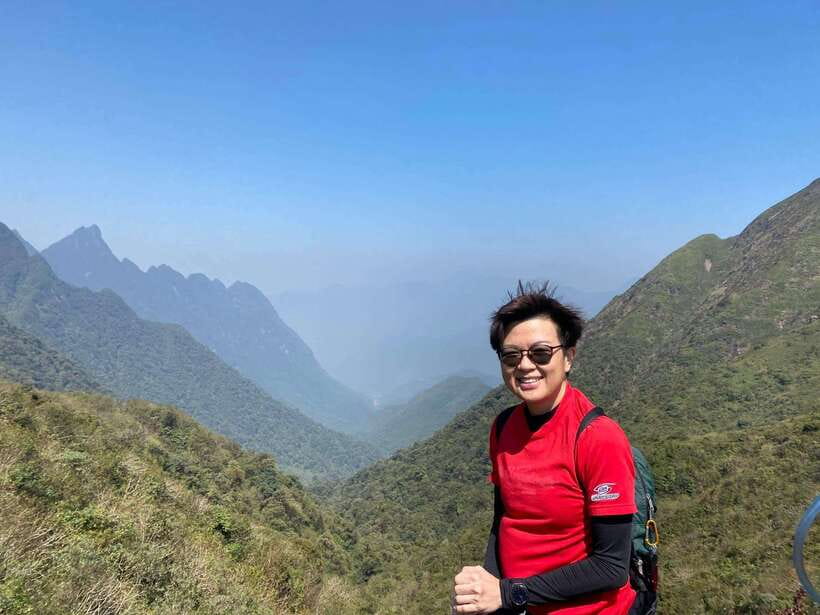
The hike is roughly 12 km each way, for a total of about 24 km. That sounds straightforward on paper, but the climb profile is what turns it into a demanding day.
You gain roughly 1,400–1,600 m across the trek, which is a lot for one day, especially if you start at 2,000 m and keep rising. The route runs through bamboo and old-tree forest, and you’ll find streams along the way. Those little water-and-forest sections are more than scenery; they tend to break up the monotony of nonstop ascent.
A practical way to enjoy this portion: treat it like a long “effort hike,” not a sprint. Let your guide set the pace early, keep your breathing controlled, and aim for consistent steps. The terrain is described as difficult and best suited to strong hikers, so your goal should be to finish, not to prove something on hour one.
Lunch Around 2,800 m: Fuel That Helps You Finish the Summit Push
Lunch comes during the climb, at about 2,800 m. The setup is a picnic lunch, and your guide carries the food. Expect bread, fried chicken and eggs, tomatoes and cucumber, two types of fresh fruit, and small Vietnamese snacks.
This matters more than you might think. On high hikes, you don’t just need calories. You need something that’s easy to eat while you’re still cold or damp, and something that won’t slow you down with a complicated meal.
If you have dietary needs, you should say so ahead of time. The operator notes you can request changes for food, and you’ll want that solved before the day starts, not at a mountain lunch spot.
Reaching the Top: Summit Views Over Sapa and Toward China
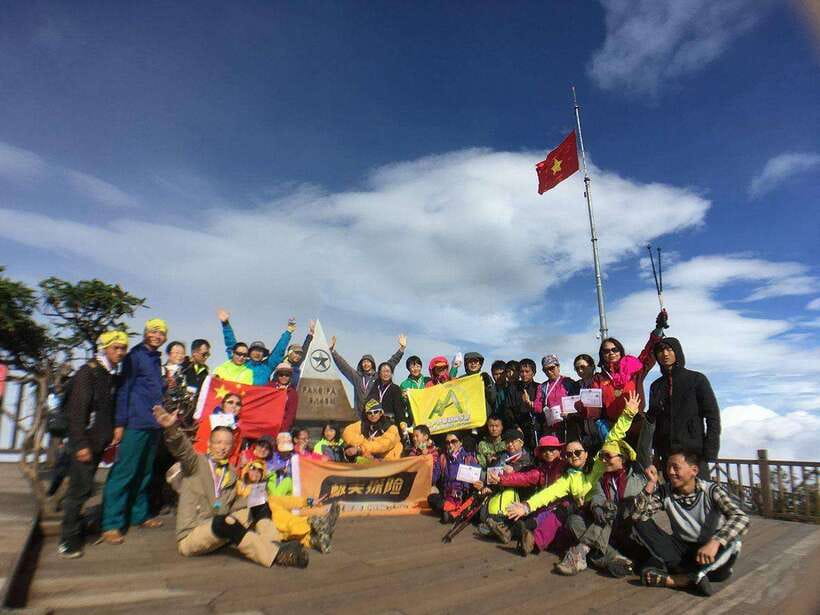
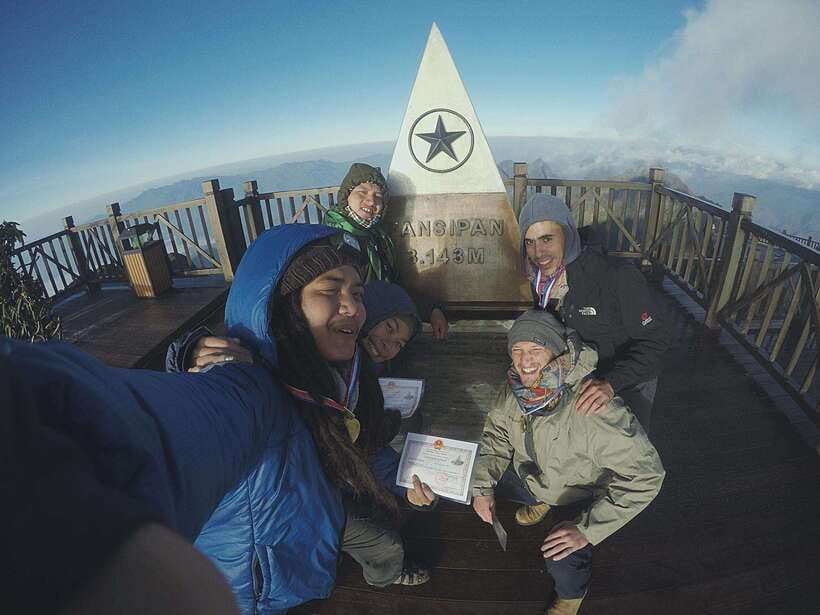
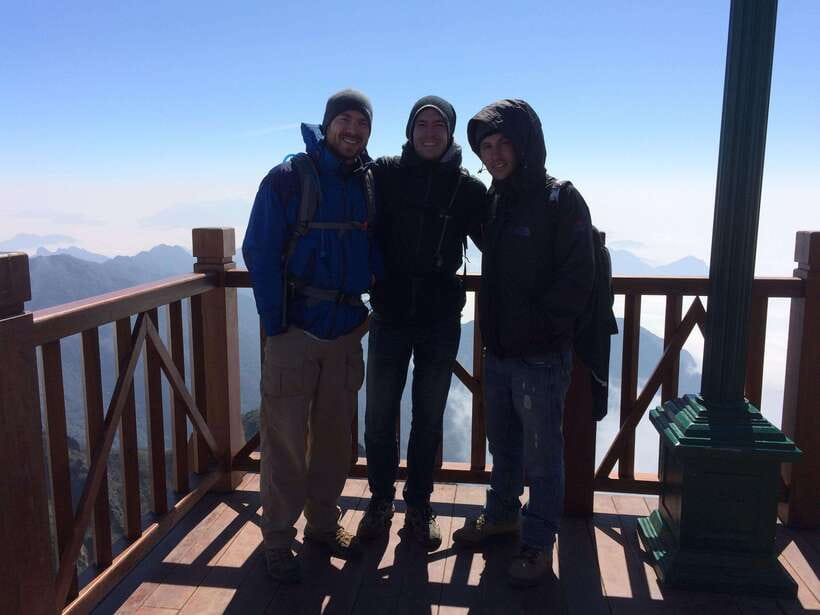
You’ll arrive at the summit around 12:00–13:00, depending on speed. That timing gives you a key advantage: you’re not only trying to “get there.” You have a window to stop, look around, and take pictures.
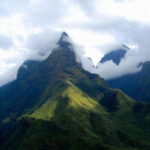
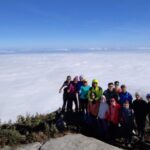
At the top, the views stretch over Sapa town and out toward the Vietnam–China mountain area. That panoramic sense is what makes Fansipan feel different from many day hikes in Vietnam. It’s also where photos become easy to obsess over, because you’re high enough for distance to matter.
One review highlighted a guide who talked about the forest and his life early on, which is the best kind of summit bonus: you reach the top feeling you’ve learned something while you climbed. When you finally look out, it lands differently than if you walked in silence.
You can also read our reviews of more tours and experiences in Sa Pa
Cable Car Down or Hike Back: Timing, Energy, and Light
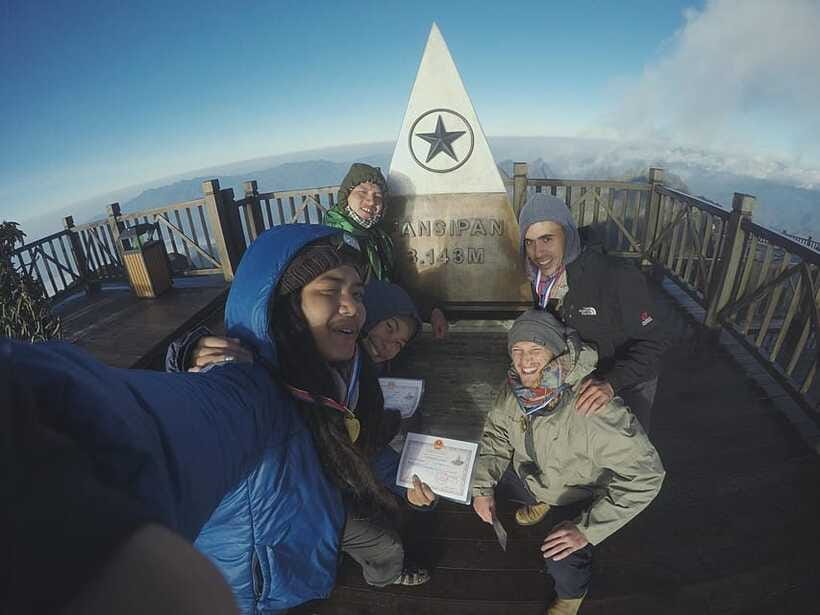
After the summit, you descend back toward Tram Ton pass. The tour ends around 17:00–18:00 by trekking down, depending on your pace.
There’s also an option to take the cable car from the top area to return to Sapa. If you go this route, you pay the cable car ticket yourself. The upside is time: the schedule notes you may finish around 14:00–15:00 if you use the cable car down, assuming your pace and choices line up.
Here’s the decision logic I’d use:
- If you’re already tired and your knees feel shaky, the cable car can turn a “long slog” into a manageable finish.
- If you want to feel the full day as a loop and don’t mind extra walking, trekking down can feel more satisfying.
- If weather is messy, prioritize safety and comfort over pride. Quick shifts can change how you feel on steep footing.
Either way, you’ll reach the same start area zone and then transfer back to Sapa by car or scooter.
Guides, Permits, and the Human Side of the Trek
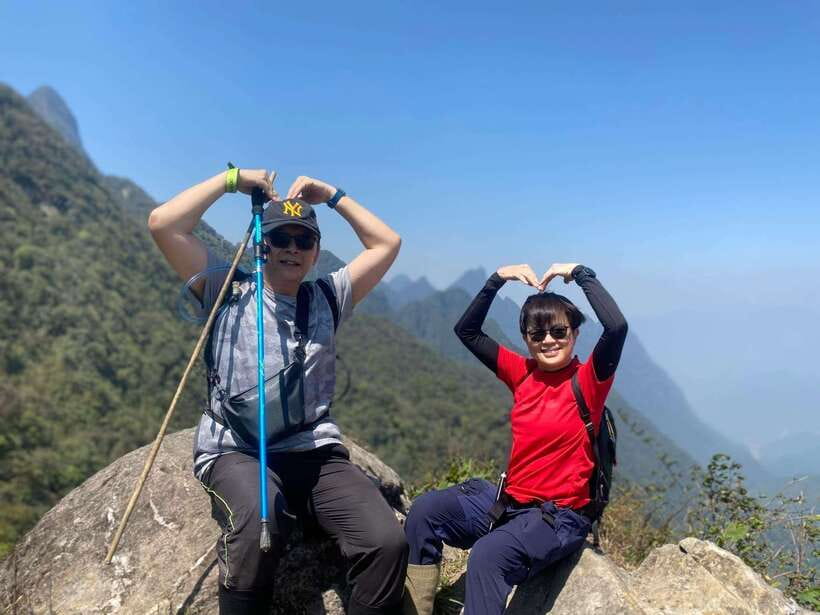
This company runs the day with a guide-led approach that feels organized without being stiff. The trek includes an English-speaking guide, and you’ll also get a route-and-explanation style that helps you handle a full day outdoors.
Guide names that come up include Mr Tinh, described as professional from start to finish, and Mr Cho, praised as enthusiastic, polite, and attentive. One account also mentioned a guide from a local tribe who shared stories about the forest and his own life at the beginning. That kind of context is why a guided climb can feel more authentic than just following a line on a map.
The other important piece is paperwork. The operator asks for registration information for permits for all members: name, date of birth, gender, passport number, and nationality. You’ll want to send that ahead of time so the hike doesn’t turn into a last-minute hassle.
The trek also includes insurance, plus an entrance fee to Fansipan that comes with a medal and certificate. Those small extras help the day feel “official,” especially when you’re committing to a hard physical objective.
What to Pack for Cold Passes, Mist, and Fast Weather
Fansipan weather changes quickly, so you have to dress for the worst moments, not the forecast you hope for.
The operator’s seasonal guidance is clear:
- November to April: winter conditions. Often sunny, sometimes misty or rainy. Temperatures can range from -2 to 12°C.
- May to October: wintery-cold air still, with more frequent rain and some mist. Temperatures around 5 to 15°C.
For packing, the essentials they list are practical:
- Warm clothing and long pants
- Hat
- Hiking shoes
- Sunscreen
- Rain gear
- Gloves
- A waterproof bag
- Cash (for the cable car if you choose it)
- Toilet paper
- Head-light
- Socks and gear carried in a backpack
- Trekking stick (you might be able to find one in the jungle, but you should still be prepared)
You’ll also get 1.5 liters of water per person and carry it yourself. This is one of those “simple but important” details: you’ll feel the difference when you’re climbing at altitude and don’t want to stop for water constantly.
Cost and Value: Is $77 a Fair Deal for This One-Day Effort?
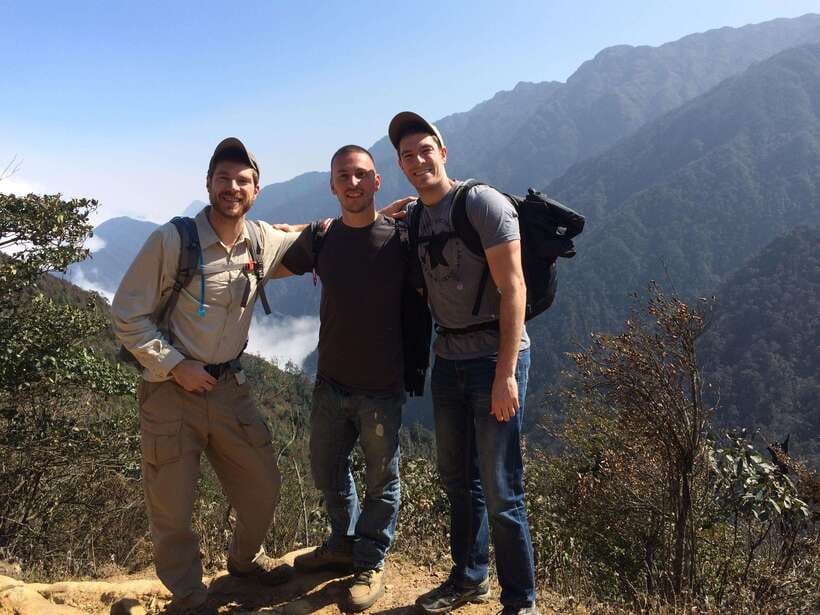
At $77 per person, the trek price is built around more than just the guide and a hike. It includes:
- Transport by car or scooter to/from Sapa
- English-speaking guide
- Picnic lunch
- 1.5 liters of water per person
- Entrance fees to Fansipan (including medal and certificate)
- Insurance
- Private-group format
If you tried to DIY this alone, you’d quickly run into the real friction points: finding reliable guidance for the route, handling permit requirements for everyone, coordinating safe timing, and bringing the right food for a high-altitude day. When you add transport and lunch support, the cost starts to look more reasonable. You’re paying for less stress and less guesswork, which matters on a tough day hike.
Where value may depend on you is pace and preferences. If you know you’ll want the cable car down, just remember you pay that ticket separately. If you’re the type who handles cold well and enjoys the full loop on foot, you might get the most satisfaction from trekking the whole way.
Should You Book This 1-Day Fansipan Trek?
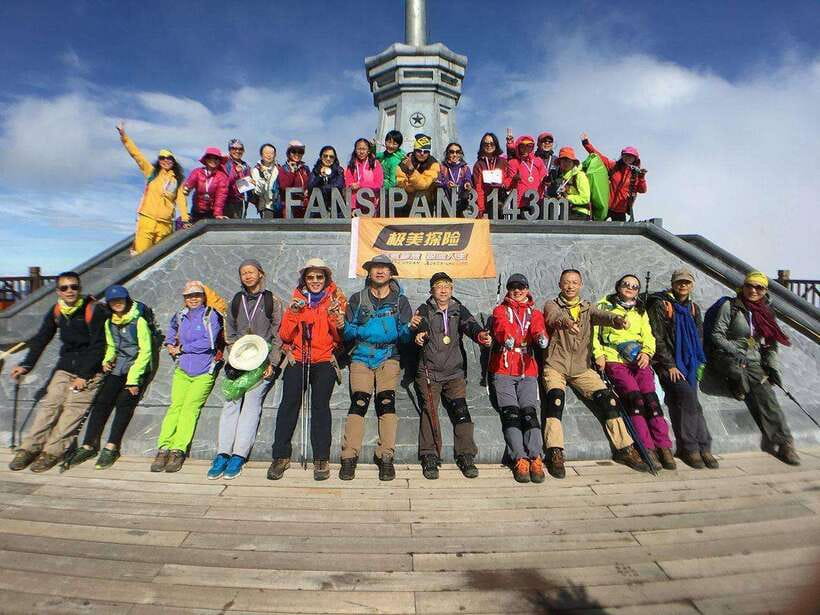
Book it if you’re ready for a strong hiking day, want a true summit goal, and appreciate guided explanations that make the hike feel connected to the place. This is also a good pick if you’re traveling with a private-group vibe and want hotel pickup in central Sapa without organizing logistics yourself.
Skip it (or think hard) if you’re easily slowed by steep terrain, hate being cold and wet in changing weather, or you fall into the operator’s ineligible categories (under 14, pregnant, over 70). Also consider your day-down timing. If you think you’ll run out of energy, plan for the cable car option so you’re not bargaining with fatigue on the descent.
If you do book, send your permit details early and pack like the weather will surprise you. Fansipan rewards the prepared hiker.
FAQ
How long is the Fansipan Trekking 1 Day tour?
The hike is about 12 hours total (often listed as 10–12 hours), starting early from Sapa and ending back around late afternoon.
What distance will I hike?
You’ll cover roughly 12 km each way, about 24 km total.
What’s included in the price?
The package includes an English-speaking guide, picnic lunch, 1.5 liters of water per person, transport (car or scooter), Fansipan entrance fee with a medal and certificate, and insurance.
Do I need to arrange transportation from my hotel?
You get pickup from hotels around the center of Sapa town (not villages/homestays outside the center). Transport back to Sapa is included at the end.
Is the guide English-speaking?
Yes. The tour is guided by a live English-speaking guide.
What should I bring for the weather?
Bring warm clothing, a hat, hiking shoes, sunscreen, rain gear, gloves, long pants, a waterproof bag, and items like a head-light and toilet paper. The day can be cold and misty or rainy, with temperatures sometimes below freezing in winter months.
Are children or older travelers allowed?
The tour is not suitable for children under 14, pregnant women, or people over 70.