REVIEW · HIKING & TREKKING
In Sapa: 1 Day Mountain Trek, Visit beautiful villages
Book on GetYourGuide →Operated by Viet Nam Explore Travel · Bookable on GetYourGuide
One mountain view makes the whole day worth it. This Sapa Sa Seng trek delivers big-name scenery fast, with views toward Fansipan and the famous rice terraces in Muong Hoa valley.
I also love the way the day mixes walking with real village time in Hang Da and Hau Thao, where a guide like Mao helps explain Black Hmong farming life and traditions. One thing to plan for: it’s not a gentle stroll—expect steep, uneven, sometimes muddy sections, so pack for a proper hike rather than casual walking.
In This Review
- Key things to know before you go
- Why this Hau Thao day trek feels genuinely local
- From pickup to first steep trail: getting your bearings by 9:00
- Sa Seng mountain: Fansipan and the Muong Hoa rice terraces payoff
- Down to Hang Da: Black Hmong village life on the trail
- Lunch with a local family: included, and the timing helps
- Hau Thao village: daily work, marriage traditions, and house building
- The 15:30 wrap: walking to Giang Ta Chai for transport back
- Trek level and what to pack (so you don’t hate your legs)
- Small-group format: why up to 10 people changes the vibe
- Price: what $24 gets you, and when it’s a bargain
- Who this trek is best for (and who should choose something else)
- Should you book the Sapa 1 Day Mountain Trek to Hau Thao?
- FAQ
- What time does the tour start and end?
- Is lunch included?
- How many people are in the group?
- What language is the guide?
- Do I need cash?
- Is a trekking stick provided?
- Is it suitable for wheelchair users or limited mobility?
- What is not allowed on the trek?
Key things to know before you go
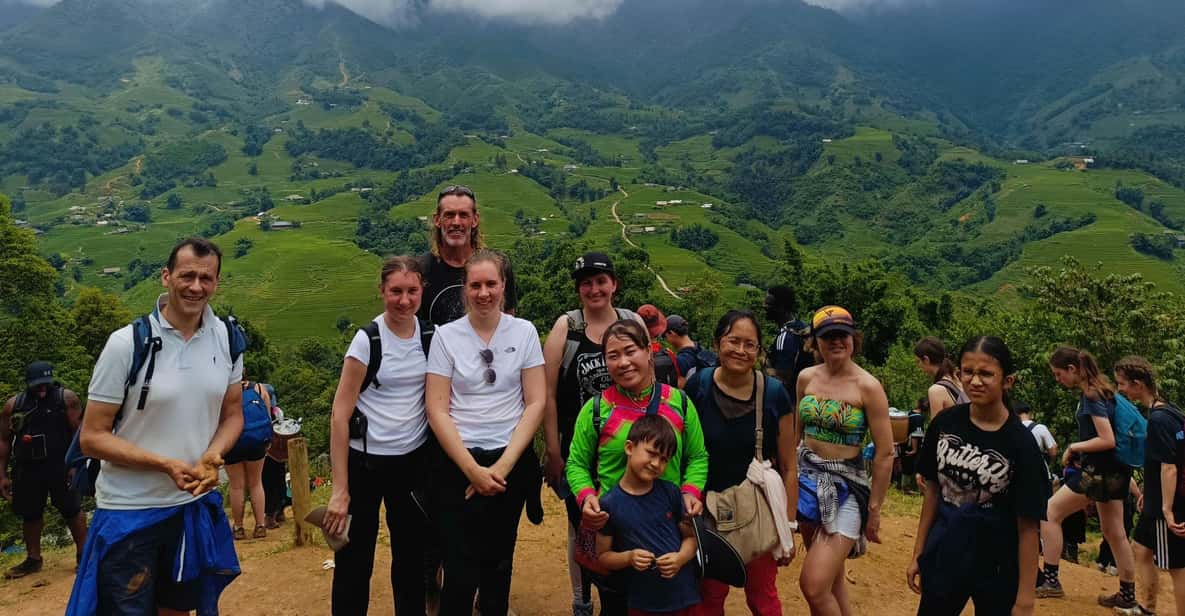
- Sa Seng peak first, photos second: reach the main viewpoint after about an hour of harder hiking
- Muong Hoa valley views: the terrace scenery and river/valley perspective are a major payoff
- Black Hmong villages, not just viewpoints: Hang Da and Hau Thao focus on daily routines and culture
- You might see farm animals: buffaloes and pigs can show up along the route
- Small group size (up to 10): pacing often feels more personal than big-tour trekking
Why this Hau Thao day trek feels genuinely local
Sapa can get crowded, fast. This tour cuts through the tourist pattern by going where people actually work and live: the Black Hmong villages around the Muong Hoa area. You’re not just looking at terraces—you’re walking the ridges between settlements, then spending time in villages where farming rhythms shape the day.
The big win is the combination of high views and human-scale moments. One part is the hard-earned panorama from Sa Seng mountain. The other is slower, grounded time in Hang Da and Hau Thao, where your English-speaking guide (often mentioned as Mao or Moa) turns the walk into something you can understand, not just something you can photograph.
If you like cultural context—how people farm, build, and celebrate—this is the kind of trek that helps you connect the scenery to real life.
You can also read our reviews of more hiking tours in Sa Pa

From pickup to first steep trail: getting your bearings by 9:00
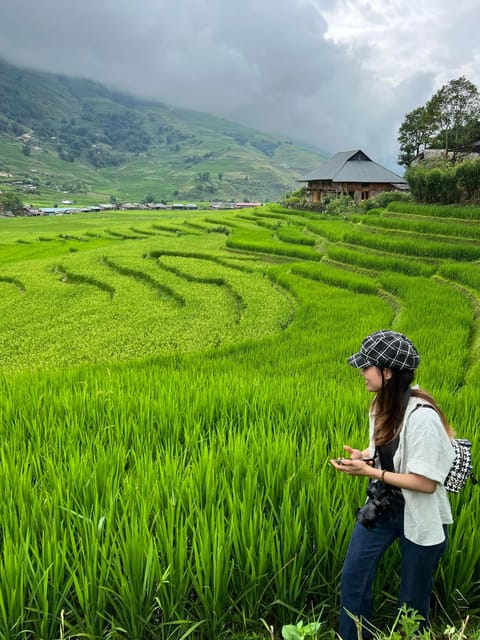
Your day starts early. Around 9:00, your guide and van pick you up at your accommodation, then you head to the meeting point area connected with the homestay used for Hau Thao (about 2.3 km from central Sapa). The homestay setup matters because it gives you time for check-in, luggage storage, and a briefing before you head out.
Then comes the first warm-up that is more like a starter test: about 1 km uphill on a small trail. After that, you settle into a long pull where pace matters. Reviews and the route description both point to “hard trekking” for the climb portion, so I’d treat this as a real mountain hike, not a nature walk.
What I’d do: wear shoes with grip from the start. If it’s been raining, this section can feel slick and tiring even before you reach the views.
Sa Seng mountain: Fansipan and the Muong Hoa rice terraces payoff
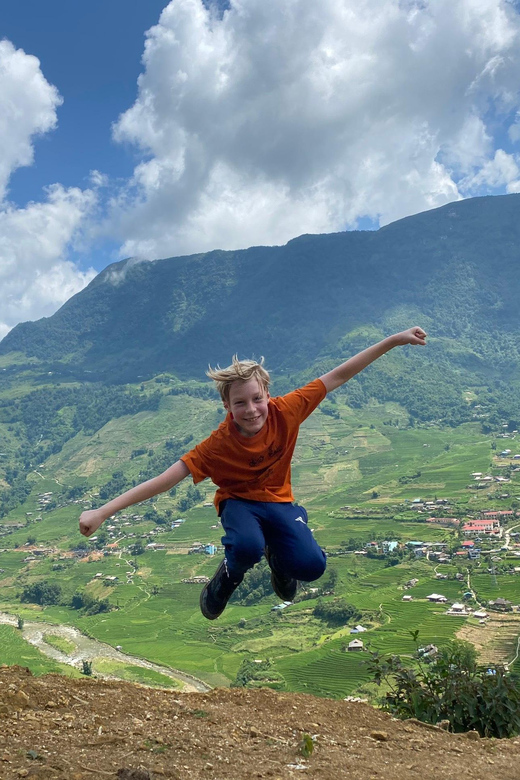
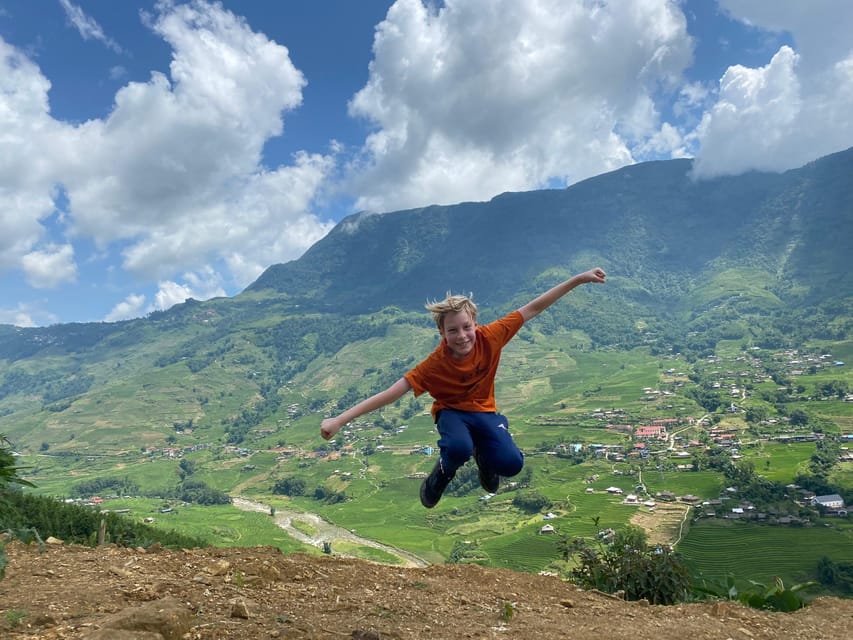
After roughly 1 hour of hard trekking, you reach the top of Sa Seng mountain. This is the moment the whole day is built around.
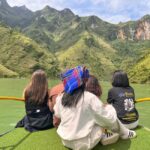
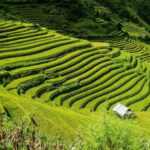
From up here, you can look toward Fansipan (3,143 m)—the highest peak in Indochina—and also see Sapa town below. Most importantly for this trek, you look down over the famed Muong Hoa valley and its signature rice terraced fields. You’ll also get a clearer sense of the biggest river/valley system in the Sapa area from this vantage point.
Why this viewpoint is so valuable: it gives you a map in your head. After seeing the valley from above, the rest of the walk makes more sense—where the villages sit, how the slopes funnel paths, and why terraces thrive on these hillsides.
Quick reality check: the climb earns the view, but the rest of the day involves walking downhill and across uneven ground. So take photos fast, then reset your legs for the descent.
Down to Hang Da: Black Hmong village life on the trail
After the viewpoint, you continue along the mountainside down toward Hang Da, a Black Hmong minority village. This section is where the walk starts to feel varied—changes in trail type, slower village connections, and frequent chances to look around without feeling rushed.
You may also spot farm animals along the way. The route information mentions buffaloes, pigs, and other animals kept as part of village farming life. If you’re into photography, this is also a great stretch because you’re moving through living spaces, not just standing still.
Then you’ll reach the village area before lunch.
One consideration: village paths can be uneven. If you’re the type who needs flat ground, this portion may feel more “trail hike” than “cultural tour.”
Lunch with a local family: included, and the timing helps
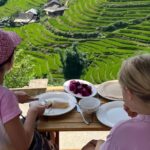
Lunch is included, and it’s served at a small restaurant run by a family. The format is simple: you hike, you arrive hungry, and you eat without having to hunt around for food.
Why this lunch stop works: it breaks the day into two focused parts—views and walking in the morning, then deeper village time in the afternoon. It also reduces decision fatigue. You don’t need to ask where to eat or worry about timing; the day is paced so you can get back outside after lunch.
You’ll come in ready for the meal. And you’ll leave ready for the next village and its cultural explanations.
If you have food preferences, plan around what’s offered as traditional lunch rather than choosing from a menu.
You can also read our reviews of more tours and experiences in Sa Pa
Hau Thao village: daily work, marriage traditions, and house building
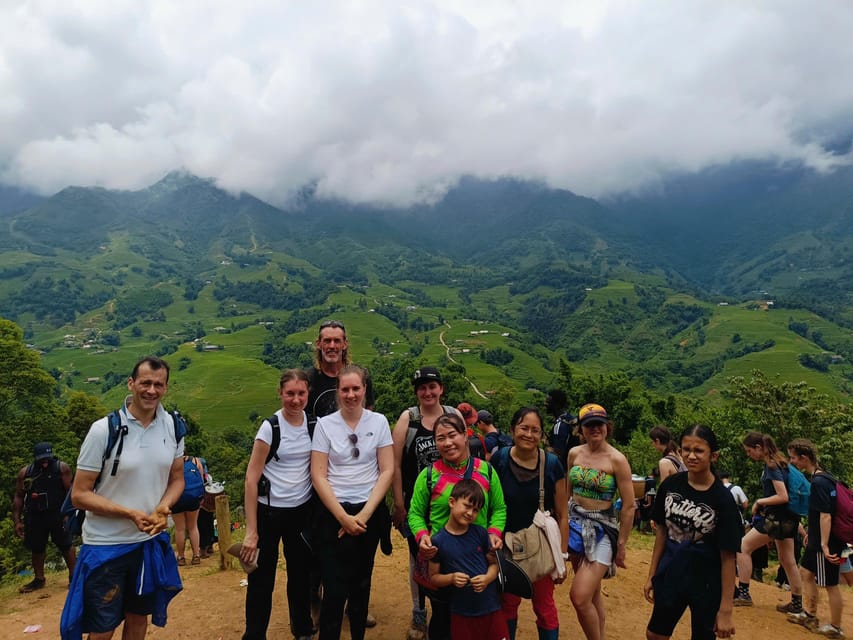
After lunch, you head down via a small road toward Hau Thao village. Arrival is around the middle-to-late part of the trek, which means you often catch village activity rather than a staged performance.
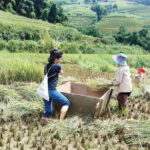
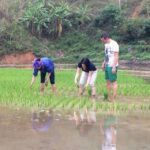
In Hau Thao, the tour focuses on daily life. If the timing is right, you may see people working in the rice fields—harvesting or planting—while everyday rhythms continue around you. This is one of the moments I’d call “slow travel” inside a fast schedule.
Your guide also explains several culture topics, including:
- Hmong marriage traditions
- rice field work
- house building techniques
Even if you don’t catch every detail, the explanations help you connect what you see—fields, tools, and homes—to the reasons behind them. Without that, rice terraces can feel like scenery you pass through. With it, you start seeing systems: how people shape land, how houses relate to slope and materials, and how community events fit into the farming calendar.
A real-world note: village visits can include a bit of sales activity. The tour doesn’t promise a no-pressure environment, so if you’re sensitive to that, stay polite, keep it short, and remember you’re there to walk and learn.
The 15:30 wrap: walking to Giang Ta Chai for transport back
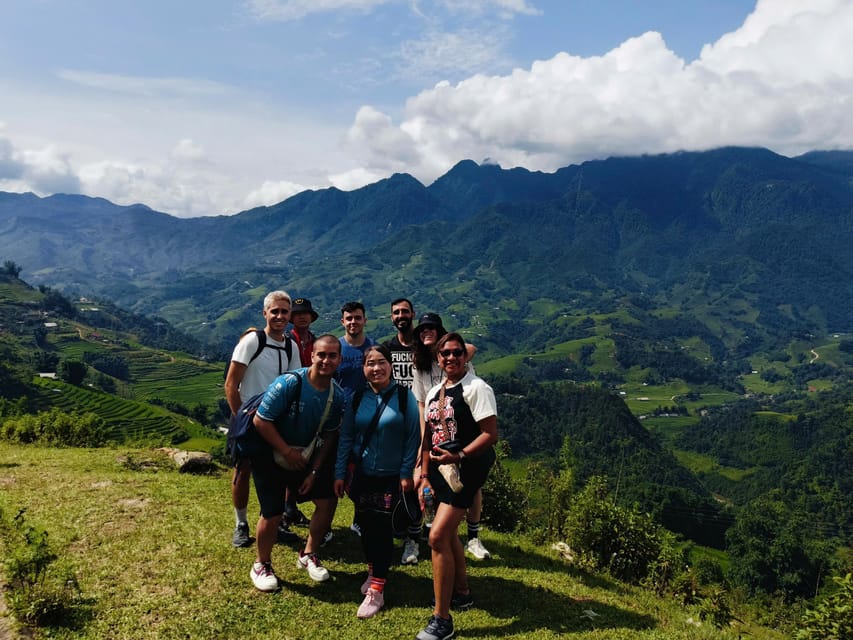
After Hau Thao, your day isn’t fully over yet. At about 15:30, you walk to Giang Ta Chai village, where your transport is waiting on the main road. Then you ride back to Sapa.
This last stretch matters more than it sounds. It’s the transition from village time back to travel mode. If you’ve been taking photos and meeting people along the way, the walk to the pickup spot is where you can feel tired—so don’t blow your energy early.
You’ll likely be ready for the ride by then. And you’ll have the satisfaction of having seen more than a single village stop.
Trek level and what to pack (so you don’t hate your legs)
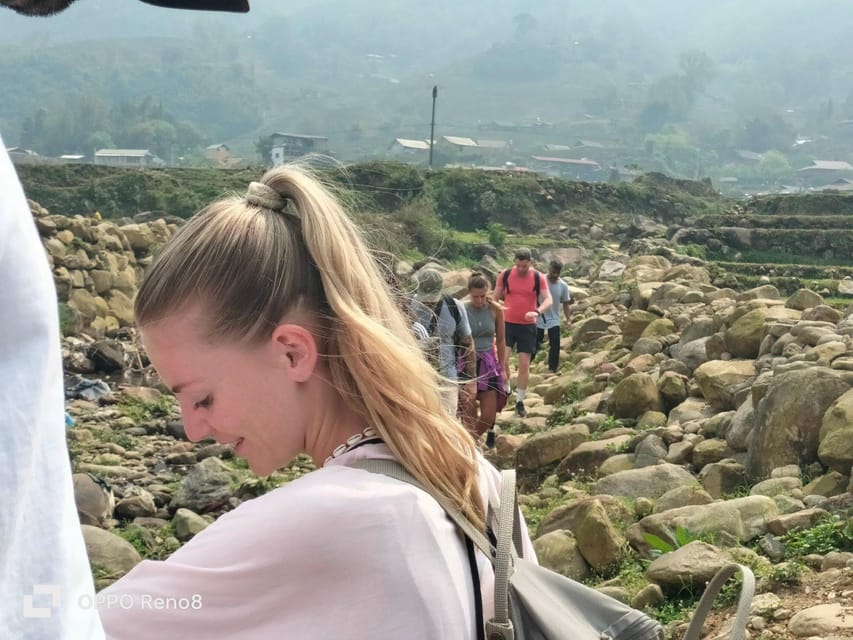
This is a 10-hour day with a trek that’s described as moderately easy by some people, but also challenging in others—especially after rain. The terrain includes steep parts, uneven ground, and stretches where footing can be slippery.
That’s why the best “gear advice” here is basic:
- Sturdy hiking shoes with grip
- A plan for mud: slow steps, shorter strides
- Bring what you need for hydration (the tour includes 1 small bottle of water per person, so you may want more if you’re a heavy sweater)
The tour also provides a trekking stick, which is a helpful extra for balance on downhill sections.
What to bring (practical): cash. The activity information specifically asks you to have cash. If you run out mid-day, you’re stuck with a bad choice.
What not to bring: weapons or sharp objects.
Also, this tour isn’t suitable for mobility impairments or wheelchair users, and it’s not recommended for people over 95 years.
Small-group format: why up to 10 people changes the vibe
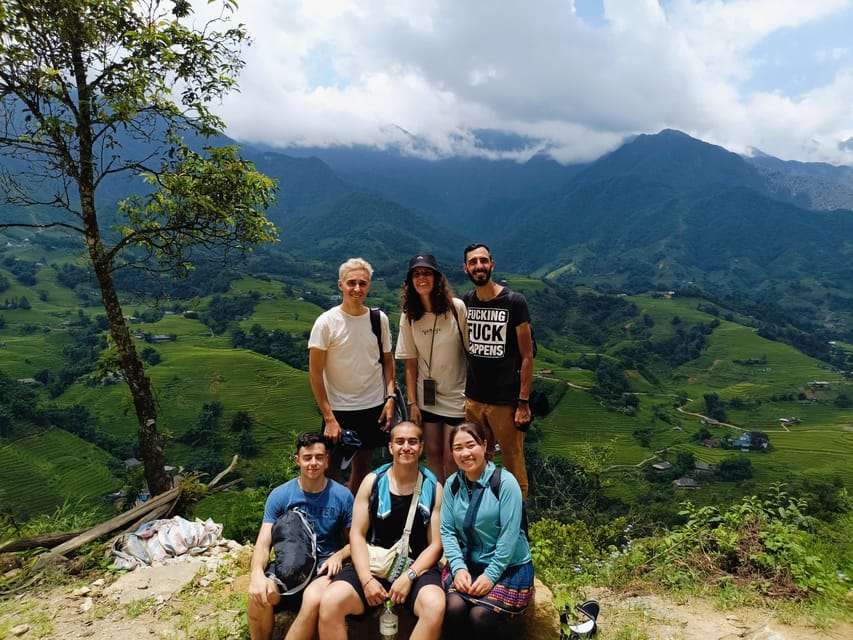
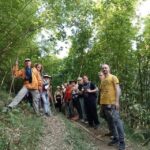
The group is limited to 10 participants, and many people report it feeling personal—small enough that the guide can adjust pace. That matters in a place like Sapa where one person’s comfortable pace can be another person’s sprint or struggle.
A small group also improves the “village interaction” feel. You spend less time waiting and more time moving when it counts. It’s also easier for the guide to manage timing, lunch, and those all-important breaks (including bathroom stops, if needed).
The transport is listed as highly rated (with many perfect scores), and smooth pickup/drop-off is genuinely a quality-of-life issue on a day trek.
Price: what $24 gets you, and when it’s a bargain
At $24 per person, this is priced as an “eat, hike, and learn” day. The inclusions are the reason it feels like value:
- English-speaking guide
- Village entry fees
- Traditional lunch
- Trekking stick
- Transport back to Sapa after the trek
- 1 small bottle of water
For a full day with guide support, lunch, and multiple village stops, that adds up fast. You’re not paying separately for entry fees, meals, or a guide to translate the meaning of what you see.
Where you should be honest with yourself: you’re also buying into a physical day. If you don’t want to hike steep parts or deal with uneven terrain, cheaper tours won’t help. The value only holds if you’re willing to walk.
Who this trek is best for (and who should choose something else)
This tour is a strong match if you want:
- A one-day way to see Hau Thao and nearby Black Hmong villages
- Mountain views plus culture explanations (marriage traditions, rice work, house building)
- A smaller-group feel rather than a crowded parade
You might look elsewhere if:
- You need wheelchair access or have mobility limitations
- You dislike steep, uneven trails, especially in mud
- You prefer a fully comfortable pace with lots of flat strolling
If you’re fit and you enjoy a real hike, this becomes one of the best days you can have in Sapa without turning it into a multi-day commitment.
Should you book the Sapa 1 Day Mountain Trek to Hau Thao?
If your goal is to experience Sapa beyond the main viewpoints, I’d book this. The Sa Seng peak views plus Hau Thao village time create a day with both wow-factor and understanding. Add a small group, an included lunch, and village entry fees, and it’s hard to beat for the price.
Just go in with the right expectations: it’s a hiking day, not a relaxed walk. Bring good shoes, have cash, and be ready to trade comfort for views and real village context. If that sounds like your kind of day, this trek is a solid yes.
FAQ
What time does the tour start and end?
You’re picked up around 9:00 from your accommodation. The day finishes after you walk to Giang Ta Chai village around 15:30, where transport takes you back to Sapa. The total duration is listed as 10 hours.
Is lunch included?
Yes. The tour includes a traditional lunch at a small family-run restaurant.
How many people are in the group?
It’s a small group, limited to 10 participants.
What language is the guide?
The tour includes a live guide in English (and Vietnamese as well).
Do I need cash?
Yes—bring cash. The tour information specifically lists cash as a needed item.
Is a trekking stick provided?
Yes. You receive a trekking stick as part of the tour.
Is it suitable for wheelchair users or limited mobility?
No. It’s listed as not suitable for people with mobility impairments and wheelchair users.
What is not allowed on the trek?
The tour information says weapons or sharp objects are not allowed.