REVIEW · HIKING & TREKKING
Sapa: 1-Day Trek to Mountain, Local Villages & Rice Terraces
Book on GetYourGuide →Operated by Sapa Odyssey Tour · Bookable on GetYourGuide
One day, multiple Sapa worlds—mountain, village, terrace. This hike strings together Dragon Jaw viewpoints, village trails, and rice-valley scenery in about 6 hours, with a real local lunch stop built in. I especially like the way the route sets you up for big outlooks fast, then slows down for everyday life in Hang Da. The one thing to think about is the footing: this is a moderate to challenging trek with steep, slippery sections, so it’s not for everyone.
You also get culture in a practical way, not just photos. The Ban Bo village museum helps you connect what you see on the walk with traditional clothing and local customs, which makes the whole day feel more grounded. Guides also adjust the experience to conditions—on a rainy day, you can often choose a tougher or easier route depending on how you feel.
Logistics are simple, but plan for weather swings. You’ll want warm layers and comfortable hiking shoes, and if you’re sensitive to heart strain, skip this one. For most people, it’s a great value half-day that feels like you left town for real.
In This Review
- Key reasons this trek feels worth your time
- First steps in Sapa: pickup, route start, and the climb to Dragon Jaw
- Dragon Jaw views and the sea of clouds factor
- Hang Da village and lunch: black H’mong life on the trail
- Bamboo forests and downhill sections: where the trail gets real
- Visiting the Hau Chuu Ngai and Giang Ta Chai stops
- Ban Bo museum: turning sights into meaning
- What’s included for $24, and why the value can be solid
- Difficulty, safety, and what to wear (so you can actually enjoy it)
- How to get the most out of your village moments
- Who should book this trek, and who should skip it
- Should you book Sapa: 1-Day Trek to Mountain, Local Villages & Rice Terraces?
- FAQ
- What time does the trek start in Sapa?
- Where is the pickup location?
- How long is the tour?
- Is lunch included?
- Do I need to pay entrance fees?
- What’s included in the price?
- What should I bring for the trek?
- Is this tour suitable for everyone?
Key reasons this trek feels worth your time
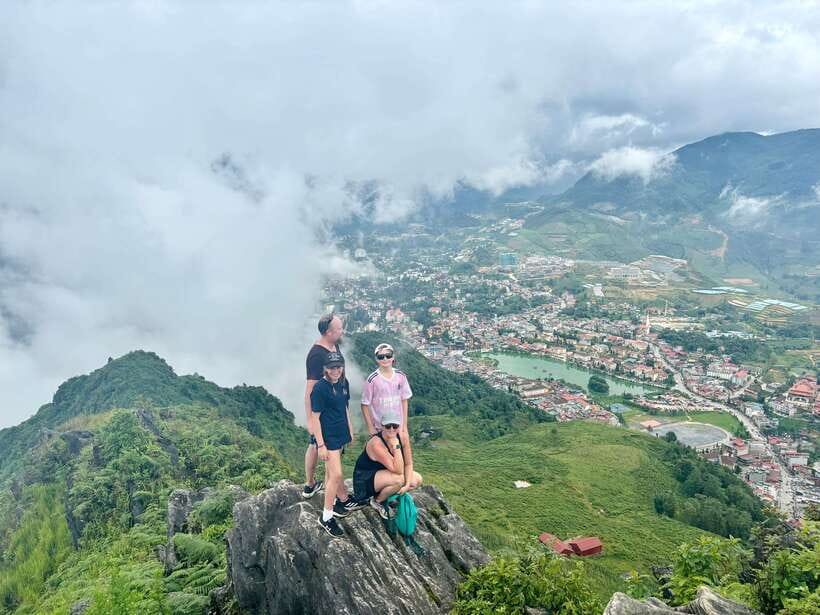
Dragon Jaw viewpoint at about 1,900 m: big sky views over Sapa and Muong Hoa, with Fansipang in sight when weather cooperates.
Hang Da lunch of local dishes: a stop that’s actually part of the trail experience, not just a time filler.
Ban Bo museum stop: clothing and culture context so the villages make more sense.
Trail variety: corn farms, bamboo pockets, village roads, and downhill sections with animals along the way.
Guide-led pacing: you can often signal your comfort level, especially when rain changes the footing.
First steps in Sapa: pickup, route start, and the climb to Dragon Jaw
Your day usually begins around 9:00am. You’ll either be picked up from a hotel around Sapa Center or you’ll meet your guide at Sapa Church, the main one in town. Before anyone moves, you get a quick rundown of the program so you know what kind of hiking to expect and when lunch and the museum fit in.
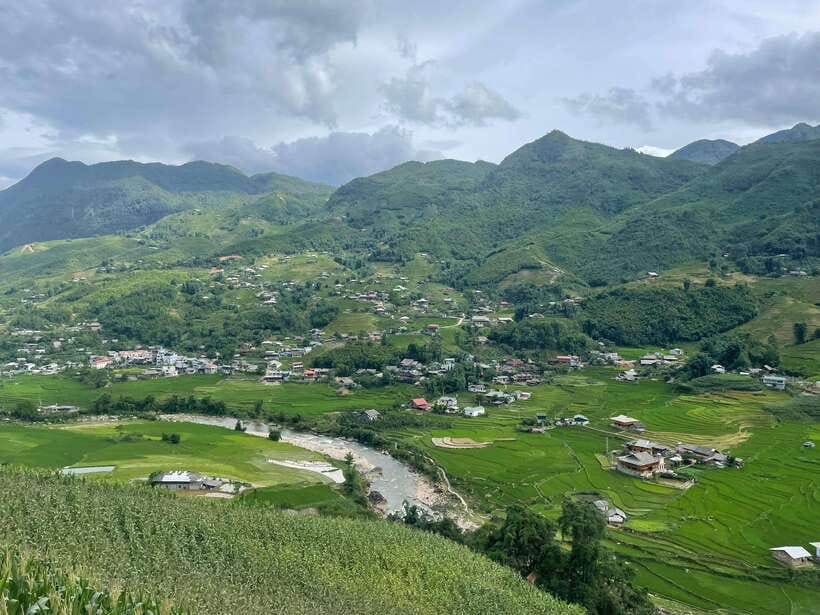
The trek starts with a short trail hike up from Sapa through working land—corn fields are part of the early scenery. After about 1.5 hours, you reach Dragon Jaw Mountain at roughly 1,900 m above sea level. This is a good design for a one-day trek. You don’t spend the first half of the morning grinding uphill with no payoff. Instead, you build into the views, then you actually enjoy them.
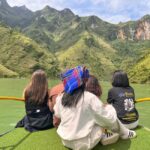
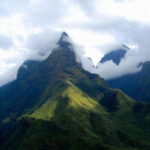
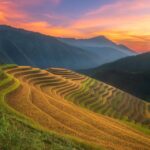
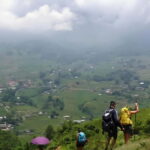
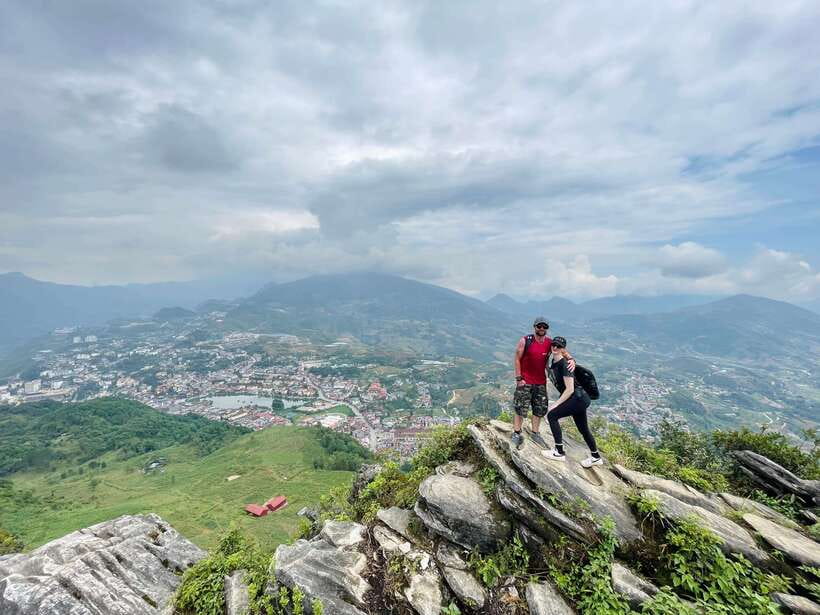
Dragon Jaw is more than a lookout. It’s one of those places where your eyes can relax even while your legs are still working. From here you can see Sapa town spread out below and the Muong Hoa rice valley, one of the signature views of the region. And when visibility is good, the highest mountain in Indochina, Fansipang, can be seen—exactly the kind of “how is that even there?” moment people come to northern Vietnam for.
You can also read our reviews of more hiking tours in Sa Pa
Dragon Jaw views and the sea of clouds factor
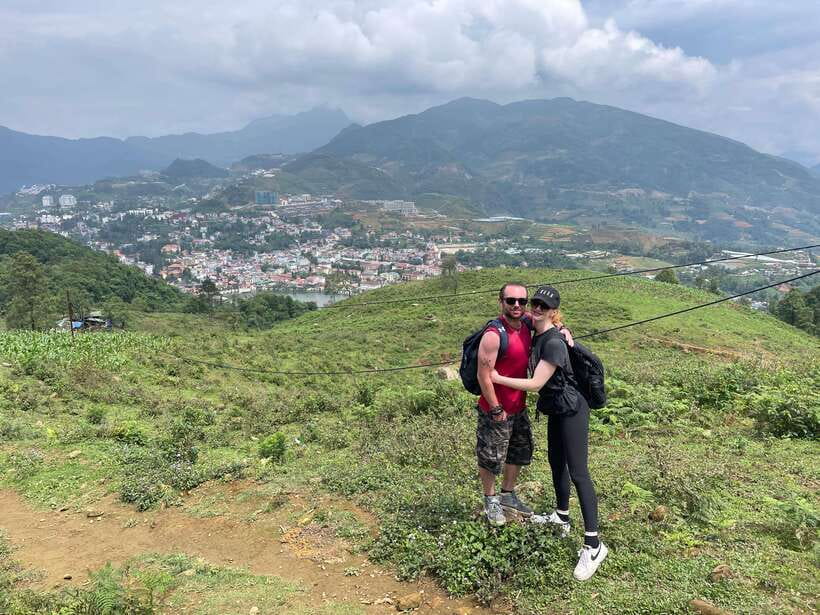
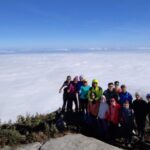
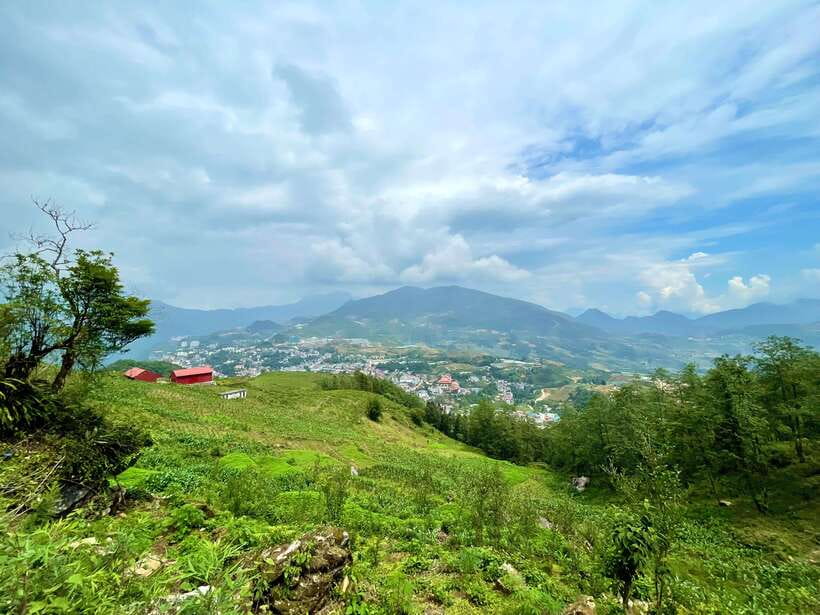
Sapa weather can be unpredictable, and that’s not a problem—it’s part of the experience. If conditions are right, you can catch those classic moments when clouds sit low and the valley looks like it disappears into mist. Even when you don’t get full cloud drama, Dragon Jaw is still worth it for the scale: mountain walls, patchwork fields, and the way the valley folds.
This is also where you’ll want your camera ready, not locked in your bag. The schedule includes a break and photo time after you arrive at the viewpoint. That pause matters. You’re not rushing through the best part of the morning; you’re letting your eyes adjust, then choosing your angle.
A practical note: if it’s rainy, footing can get tricky quickly on the descent and on narrow stretches. This is one of the reasons you should be honest with your guide about your comfort level. If the trail conditions change, a good guide will guide your choice—tough route versus easier route—so you don’t turn a scenic hike into a survival mission.
Hang Da village and lunch: black H’mong life on the trail
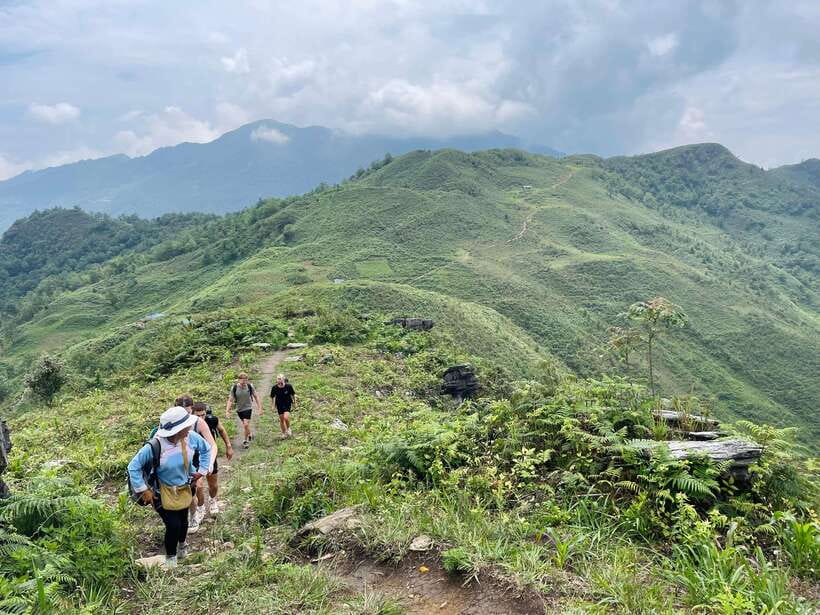
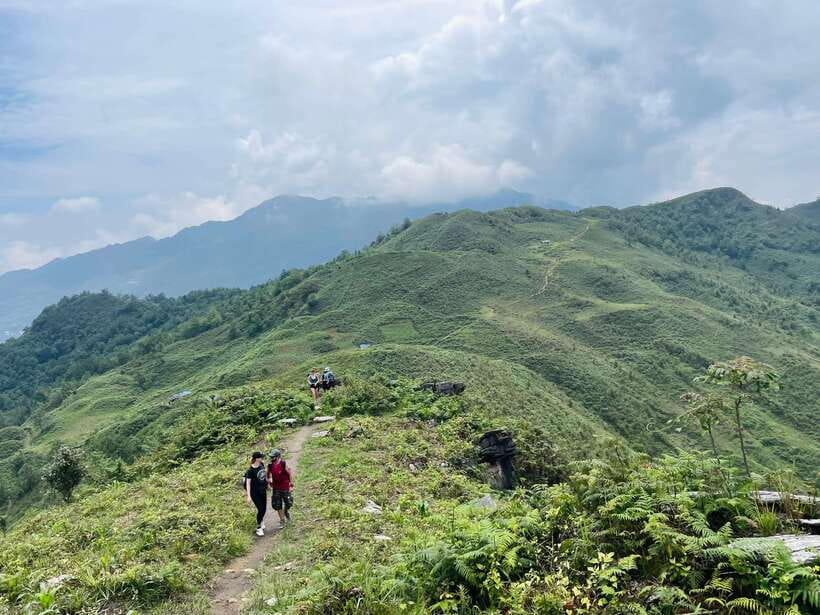
After the viewpoint break, the trek continues along a trail that follows the ridgeline in a way people often describe like a spine—long, narrow, and full of small ups and downs. This stretch sets up the transition from “big view” to “close-up living.”
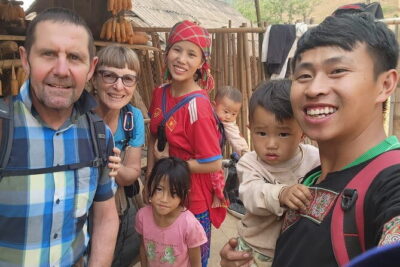
You’ll walk to Hang Da village, associated with the black H’mong community. On the way down, the valley feels alive in a more everyday way: you can see animals such as buffalo, cows, horses, and pigs. It’s not a zoo vibe. It’s just what the region looks like when people share space with livestock, farmland, and footpaths.
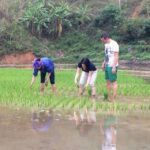
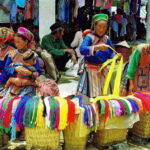
When you reach Hang Da, you get time to stop at village houses and see daily life. Traditional homes and structures appear scattered around the area, and the setting gives you a sense of how the terrain shapes everything—where people build, how they farm, and how the path connects homes.
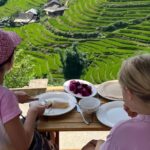
Lunch is part of this stop and lasts about an hour. The meal is described as local dishes, and in practice you should expect simple, filling food—exactly what you want after climbing. If you have dietary restrictions, let your guide know in advance so they can steer you toward what’s workable.
Bamboo forests and downhill sections: where the trail gets real
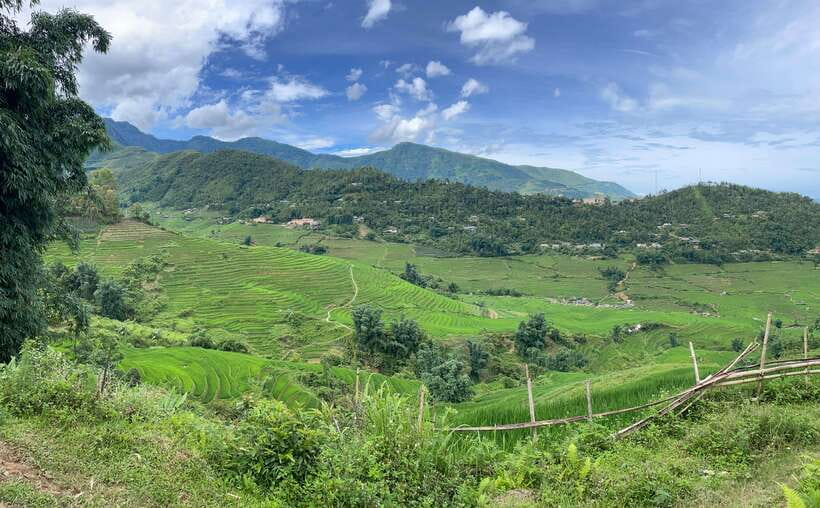
The afternoon is where you start feeling the trek’s rhythm. The route moves from Hang Da toward another set of villages, including Hau Thao and Giang Ta Chai, with photo stops and short walks between viewpoints.
There’s a mix of walking styles:
- Beautiful village roads that feel slower and more communal
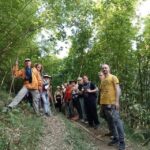
- Short bamboo forest trail sections that add shade and cooler air when the sun hits
- Downhill paths where careful steps matter more than speed
One of the best things about this part of the itinerary is variety. You’re not repeating the same scenery over and over. You’re moving from one angle of the valley to another—so even if you’re tired, you can still feel like you’re discovering something.
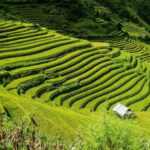
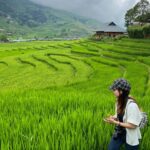
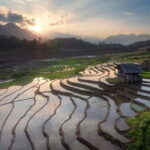
Photo stops are built in along the way, but don’t treat them like a distraction from hiking. In Sapa, the best photos often happen when you pause at the right moment—especially on ridge lines and above terraced fields. From certain points, you can see terraced areas looking dramatic from above, even if you’re not standing on the terrace itself.
If it’s been raining or the ground is damp, this is where your shoes earn their keep. Choose footwear with solid grip. The steep, slippery sections are specifically noted as something to prepare for, so don’t rely on brand-new sneakers with a smooth sole.
Visiting the Hau Chuu Ngai and Giang Ta Chai stops
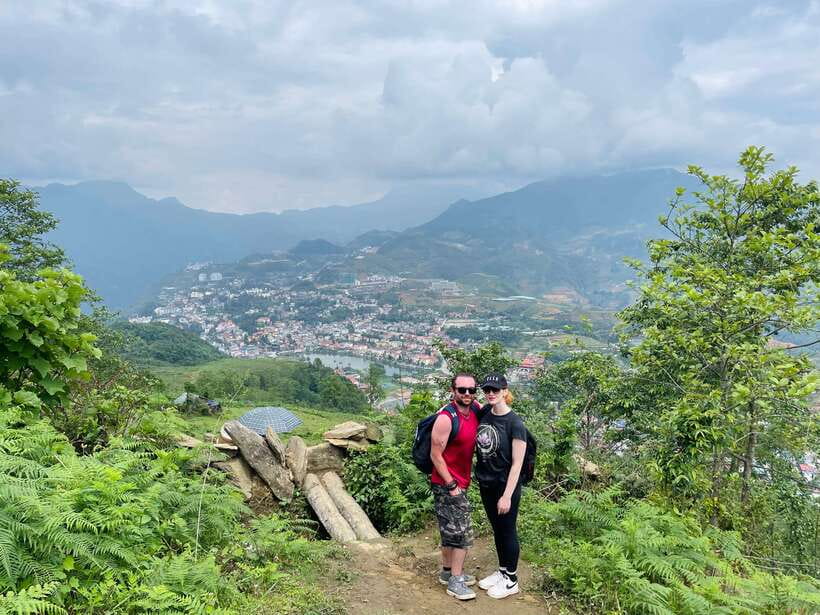
Between Hang Da and Ban Bo, the itinerary includes stops around other village areas—such as Hau Thao (listed as a walk and sightseeing stop) and Giang Ta Chai (another scenic photo stop). The timing is short at each point, but these stops add something important: they break the day into smaller chapters.
Think of these stops as “look, learn a bit, move on.” You’ll have a chance to take in views, talk with your guide, and understand how different parts of the valley connect. Even if you don’t stay long in any one place, the combined effect is a sense that the trek covers the valley in a way that village hopping alone doesn’t.
These segments are also a good test of how you manage effort. If you’re feeling strong, you’ll enjoy the walking pace. If you’re not, you’ll still be fine because the route offers regular pauses. Just keep your water and energy steady.
You can also read our reviews of more tours and experiences in Sa Pa
Ban Bo museum: turning sights into meaning
Once the walking leads you to Ban Bo village, the tour shifts from hiking to explanation. You visit a museum where your guide shows you traditional clothes, customs, and culture tied to the area.
This museum stop is valuable because it gives names and context to what you’ve already been seeing on the trails. When you’ve spent the morning climbing through corn farms, the afternoon watching livestock in valley paths, and the late day looking at homes and terraced views, the museum helps stitch it together into something more than scenery.
Another practical reason this stop works well: it’s a mental reset. By the time you reach Ban Bo, you’re probably tired. Museum time lets you recharge your legs and your attention. You finish the one-day program here, then take a car back to town or your accommodation.
What’s included for $24, and why the value can be solid
At about $24 per person for a 6-hour trek, the value comes from what’s covered. You’re not just paying for a guide to lead you up a trail. Your price includes:
- Professional English-speaking guide
- Lunch (local dishes)
- Bottle water
- Entrance fees
- Transport back to Sapa town or your accommodation
That matters because in Sapa, the smaller costs add up fast—especially if you’re organizing transport and entrance bits on your own. Having the lunch included is also a real comfort factor. You’re less likely to lose time hunting for food between treks and viewpoints.
What’s not included is mostly what you’d expect:
- personal expenses
- personal travel insurance
If you’re the type who wants a private guide, longer time in one village, or more downtime, this price point won’t feel like a luxury retreat. But for an organized, guide-led day with views, lunch, village interaction, and a museum, it’s a straightforward deal.
Difficulty, safety, and what to wear (so you can actually enjoy it)
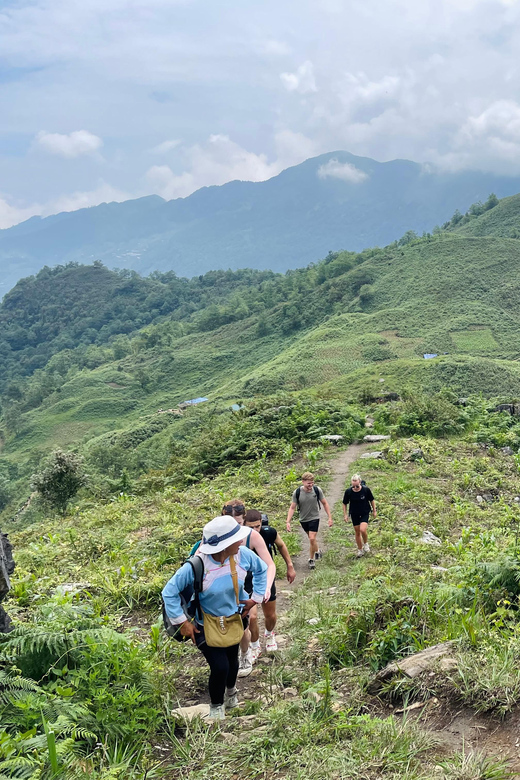
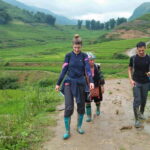
This trek is described as moderate to challenging. People with heart problems should avoid it, and it’s not set up for wheelchair users. The main challenge isn’t constant steep climbing the whole time—it’s the combination of altitude, uneven paths, and sections that can be slippery.
Here’s what to plan for:
- Comfortable shoes with grip (hiking shoes are recommended)
- Warm clothing because Sapa weather can change fast
- A camera for viewpoints—especially Dragon Jaw
- A flexible mindset if the weather shifts and the best views come and go
If rain shows up, ask your guide about gear support. One helpful tip from real trekking days is that a poncho can be available when asked. Also, check in with your guide about route difficulty. Some guides adjust the route based on conditions, and they may ask about how hard you want to go—especially when rain makes the trail riskier.
How to get the most out of your village moments
A one-day trek can sometimes feel like a checklist. The trick is to slow down at the right points—usually at village stops and museum time. In Hang Da, take a moment to watch how people live around the houses and how the valley shapes daily routines. The same goes for the museum at Ban Bo: look for how clothing and customs connect to the geography and farming life you saw during the walk.
If a local helper joins you with extra explanations, treat it as part of the interaction. You might find yourself seeing small offerings or crafts along the way. If you prefer to keep things simple, say so at the start and let your guide coordinate how much time you spend with added context.
Who should book this trek, and who should skip it
This tour is a good fit if you want:
- Big Sapa views in a single day (Dragon Jaw is the star)
- Village walking and a real lunch stop
- A museum that gives context to what you’re seeing
- A guide-led experience that’s organized but not heavy-handed
It’s not ideal if you:
- have heart issues or medical limits around sustained hiking
- need wheelchair accessibility
- want an easy, flat walk with no steep or slippery sections
If you’re visiting Sapa with limited time and you want a full valley experience without committing to a multi-day trek, this hits a sweet spot.
Should you book Sapa: 1-Day Trek to Mountain, Local Villages & Rice Terraces?
I’d book this if your priority is a strong mix of views + villages + context in one day. The route makes sense: you go up early for the best outlooks, then you spend the afternoon moving through village paths and terraced viewpoints, and you end with a museum that helps the day add up.
If you’re unsure about difficulty, don’t guess. Tell your guide your comfort level early, especially if conditions are wet. The walking is the whole point here—so the best day is the one where you match the trail to your pace, not your ego.
FAQ
What time does the trek start in Sapa?
The pickup is around 9:00am, either from your hotel near Sapa Center or at Sapa Church if pickup arrangements are needed.
Where is the pickup location?
If you booked a pickup, your guide will pick you up at your hotel around Sapa Center. If not, you meet the guide in front of the main Sapa Church in the center of town.
How long is the tour?
The duration is about 6 hours.
Is lunch included?
Yes. Lunch is included and provided during the village stop in Hang Da.
Do I need to pay entrance fees?
Entrance fees are included in the tour price.
What’s included in the price?
Included items are bottle water, a professional English-speaking guide, lunch, entrance fees, and transport back to Sapa town or your accommodation.
What should I bring for the trek?
Bring comfortable shoes or hiking shoes, warm clothing, and a camera. Weather can change, so warm layers matter.
Is this tour suitable for everyone?
It is not suitable for people with heart problems or for wheelchair users. It’s described as a moderate to challenging trek, so be honest about your fitness.