REVIEW · HIKING & TREKKING
Hanoi: 3D2N Mu Cang Chai Visit All Attractions, Trek, Ethnic Life
Book on Viator →Operated by Vietmountain Travel · Bookable on Viator
Rice terraces start before the first hike.
What makes this Mu Cang Chai trip worth your time is the way it links travel, trekking, and ethnic village life into one smooth package—without you having to coordinate vehicles or translate your way around town. I especially like the door-to-door Hanoi pickup with a modern, air-conditioned car and the sense that you’re going somewhere “real,” not just stopping at viewpoints. I also like the traditional Thai stilt house homestay style, which gives the trip a grounded, local rhythm.
I love the human scale of the day-to-day moments. You don’t just look at rice terraces—you get hands-on with rice planting/harvesting and visit Thai/Mong communities around Tú Lệ and the Lim Mong–Lim Thai area. That combination of walking the fields and meeting the people working them is the best part of the whole program.
One consideration: this is a weather-dependent trek-and-views itinerary. You’ll want comfortable trekking shoes, and you may need to adjust plans if clouds or rain affect the route (the tour notes they’ll offer an alternate date/experience or a full refund if they must cancel).
In This Review
- The core idea: Mu Cang Chai works best with local connections
- Hanoi to Mu Cang Chai: a long drive, handled the easy way
- Tú Lệ Valley: rice fields, springs, and an introduction to local life
- Lim Mong and Lim Thai trek: terrace views plus village contact
- Check in to a Thai stilt house homestay: meals, people, and simple comfort
- Khau Pha Pass and Horseshoe Hill: the big terrace moments
- What “included” really means: the value isn’t just the stops
- How hard is the trek, and how should you prepare?
- The group feel: private doesn’t mean rushed
- Who should book this Mu Cang Chai 3D2N trip?
- Should you book it?
- FAQ
- What’s included in the $512 per person price?
- Are meals included, and can I request vegetarian?
- How much trekking is involved?
- Does the tour start with pickup in Hanoi?
- Is the schedule dependent on weather?
- Is it a private tour or a group tour?
The core idea: Mu Cang Chai works best with local connections
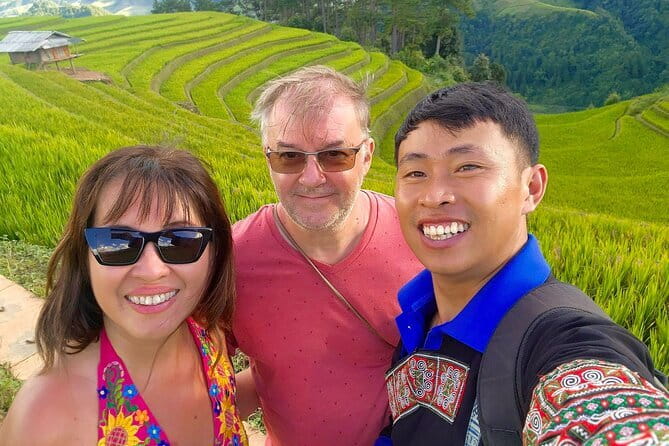
Mu Cang Chai is famous for dramatic terraced rice, but the experience isn’t only about photos. The real value here is how the tour connects you with ethnic communities and village life through a local English-speaking guide and village visits across Tú Lệ, Lim Mong–Lim Thai, and Mù Cang Chải.
With this setup, you’re not trying to “figure it out” on your own after a long drive from Hanoi. The guide helps you make sense of what you’re seeing—why rice terraces look the way they do, what life is like in the surrounding villages, and how locals interact with the landscape. It’s also practical: the tour includes entrance fees and trekking activities, so you’re not hunting around for tickets while everyone else waits.
Hanoi to Mu Cang Chai: a long drive, handled the easy way
The tour starts with pickup in Hanoi Old Quarter around 07:30 AM. From there, you’re on the road toward Tú Lệ, with scenic stops along the way. That matters because the terrain changes fast—mountains, valleys, and terrace views start shaping the trip long before you reach Mù Cang Chải.
What I like is that transportation is private and air-conditioned, with a safe driver, plus door-to-door drop-off back in Hanoi city center after the last day. Even if you don’t love long travel days, the “private vehicle + guide + bottled water” setup keeps you from feeling chopped up into transfers and taxi negotiations.
You can also read our reviews of more hiking tours in Hanoi
Tú Lệ Valley: rice fields, springs, and an introduction to local life
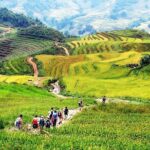
Tú Lệ is your first immersion point. After you travel there (the schedule shows arrival and exploration in the afternoon), you’ll walk around rice fields and enjoy the area’s small villages and natural features like springs. This is a good “soft landing” day: you get the sights, but you’re not thrown into a heavy trek right away.
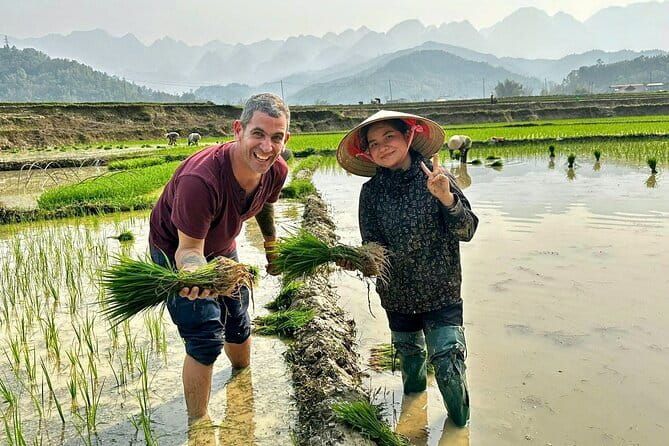
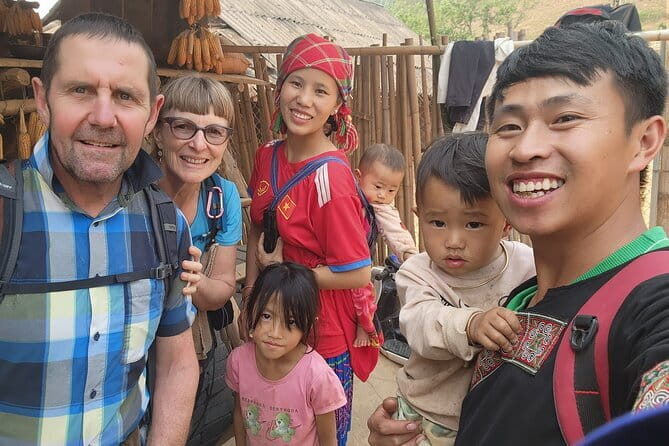
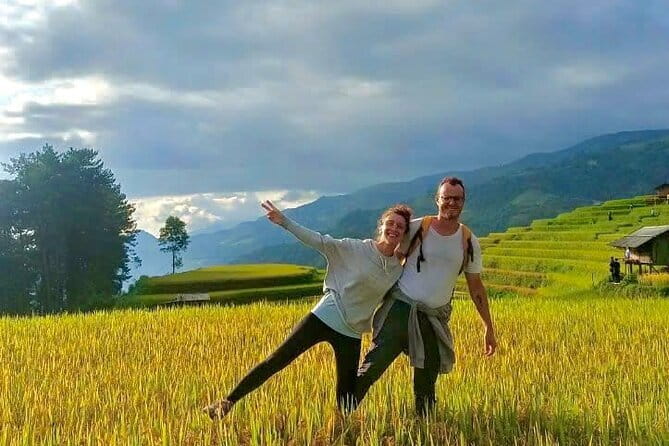
The best part of Tú Lệ is the chance to participate in hands-on rice work with local farmers—planting or harvesting depending on timing. That detail turns the terraces from scenery into something you understand through effort. You also get more than a drive-by cultural stop; you’re there long enough to see daily life patterns and talk with people in the places where the work happens.
One tip: bring a small backpack for the basics. You’ll be shifting between vehicle, walking paths, and village areas, and the tour explicitly advises items like a hat, sunglasses, and mosquito spray.
Lim Mong and Lim Thai trek: terrace views plus village contact
Day 2 starts early. After breakfast at the homestay, you head out for a soft trek to Lim Mong and Lim Thai villages. The schedule frames this as about a 5-hour activity, which is long enough to feel like a real trek but not described as extreme.
What makes this section special is the combination of walking through terraces and visiting villages where farmers live and work. You’re not just staring at rice walls from a roadside pull-off. You’re on paths where the terrain matters, and the terraces look different when you’re at walking height instead of viewpoint height.
Also, because the trip includes “village visits” and trekking activities in the price, you’re not stuck trying to negotiate guides locally once you’re already tired. The local expert handles the flow so you can focus on the walking and the conversations.
Check in to a Thai stilt house homestay: meals, people, and simple comfort
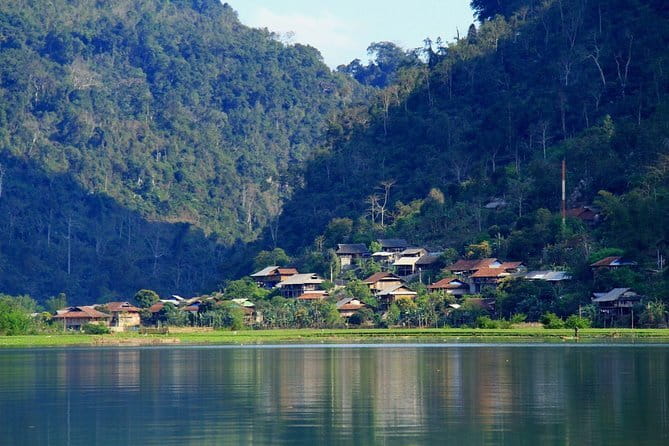
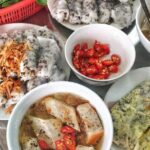
After the Lim Mong–Lim Thai trek, you arrive in Mù Cang Chải and check in to the homestay. The tour notes that lunch is prepared with fresh ingredients from the region, and dinner and breakfasts are included on the itinerary.
Homestay style matters here. The tour specifically calls out traditional Thai stilt house accommodations, which usually means you’ll experience village architecture and daily routines more directly than a hotel stay would allow. It can be a culture shift if you’re used to lots of privacy and standardized amenities, but that’s exactly why people choose these trips: you’re trading “easy comfort” for meaningful contact with place.
Food-wise, you should expect included meals (2 breakfasts, 3 lunches, 2 dinners total across the 3 days). Vegetarian food is available on request, so if you need that, tell the operator before you go.
Khau Pha Pass and Horseshoe Hill: the big terrace moments
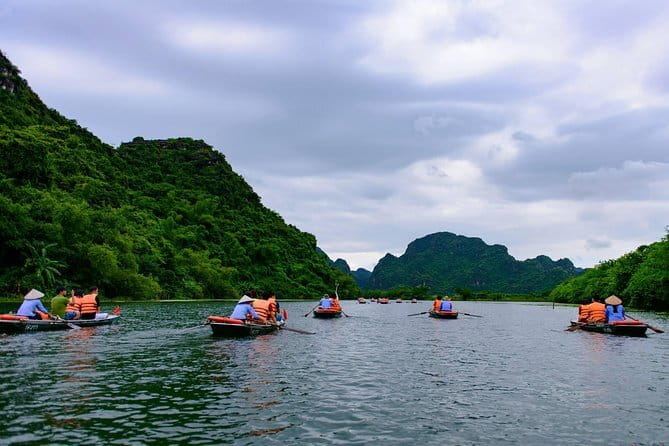
Mu Cang Chải’s top viewing spots are the kinds of places where the terraces can look almost staged. This itinerary hits that core circuit with Khau Pha Pass and Horseshoe Hill.
Khau Pha Pass is highlighted as a panoramic viewpoint—exactly what you want after trekking days. You’re seeing the terraces from above, but with context from earlier village visits and discussions. That makes the scenery land differently. It’s not just dramatic; it feels connected to how people actually farm here.
Then you have Horseshoe Hill in Sang Nhu village, just 2 km from Mù Cang Chải. The tour notes this stop offers some of the most iconic terrace scenery, and it also mentions harvest-season timing. If you happen to travel during harvest, terraces often look especially strong—golden rice tones and visible working energy. If you’re there outside peak harvest, you’ll still see the shape and structure, just with a different color and pace.
Plan for a mix of walking and viewpoint time. This day is shorter than the full trek day, and it’s built for seeing and photographing.
You can also read our reviews of more tours and experiences in Hanoi



What “included” really means: the value isn’t just the stops
On paper, the price is $512 per person for about 3 days. The better question is: what are you saving yourself?
Here’s what’s included:
- Private door-to-door pickup/drop-off in Hanoi city center
- Private, modern air-conditioned transportation and bottled water
- An English-speaking local guide (other languages on request)
- Entrance fees, trekking activities, and village visits
- Travel insurance
- All listed meals: 2 breakfasts, 3 lunches, 2 dinners (vegetarian on request)
- Hotline support and a mobile ticket
In practice, that means you’re buying coordination, timing, and local interpretation. You’re also paying for less uncertainty. If you try to cobble this together on your own, the hardest parts are usually transportation across mountain roads, getting the right village connections for ethical, respectful visits, and making sure trekking days line up with daylight.
One small note for your budget: tips for the guide and driver aren’t included, and beverages and personal expenses aren’t included. Those are normal in Vietnam tours—just don’t assume they’re bundled.
How hard is the trek, and how should you prepare?

The itinerary is labeled for “most travelers,” and it includes a soft trek rather than a hardcore expedition. Still, “soft” doesn’t mean “easy.” You’ll be walking on uneven ground around terraces and in village areas, often with stairs, mud, and slopes in the mix.
The tour’s packing advice is simple and correct:
- Comfortable trekking shoes
- Hat and sunglasses
- Mosquito spray
- Small backpack
- Cash
I’d add one practical habit: keep your “must-grabs” (repellent, sunscreen if you use it, water bottle) in an outer pocket or top section of your bag. Terrace walking days are not the time to unpack for everything one item at a time.
Also, since the tour requires good weather, you’ll want flexible expectations. If rain rolls in, visibility and road conditions can change. The tour states that if they cancel due to poor weather, you’ll either get a different date/experience or a full refund—so the plan aims to protect your time.
The group feel: private doesn’t mean rushed
This is listed as a private tour, meaning only your group participates. That usually changes the vibe in a good way: fewer waiting games, less pressure to match someone else’s pace, and more room for questions to your guide.
It also includes “free time” for you to explore on your own. That’s important because Mu Cang Chai is one of those places where you’ll want to pause, look longer, and take photos without a constant “move on” cue.
If you like having a plan but still want breathing room, this setup hits the sweet spot.
Who should book this Mu Cang Chai 3D2N trip?
This tour is a strong fit if you want:
- Rice terrace trekking with context and people, not just viewpoints
- A guided route between Hanoi, Tú Lệ, and Mù Cang Chải
- Homestay-style overnight immersion (traditional Thai stilt house)
- Included meals and entrance fees so you’re not juggling logistics
It’s also a good match for couples and families who prefer private transport instead of shared group buses over mountain roads.
You might want to think twice if:
- You’re extremely sensitive to early starts and long road days (the driving days are part of the deal)
- You don’t want any walking at all (there is a trek day plus terrace viewing time)
- You’re traveling during a time when weather is frequently unstable and you can’t be flexible
Should you book it?
Yes, if your top goal is experiencing Mu Cang Chải through ethnic village life and terrace work, not just ticking off scenery. The price feels fair because you’re paying for private logistics, a local guide, included meals, entrance fees, and the trekking/village structure—things that are hard to DIY smoothly.
If you like nature-and-culture travel with practical support, this 3D2N itinerary is a solid way to get there. Book it when you can match the weather window, pack the basics for trekking, and go in ready to walk through rice terraces and conversations—not just around them.
FAQ
What’s included in the $512 per person price?
The price includes private door-to-door pickup/drop-off in Hanoi city center, private modern air-conditioned transportation, an English-speaking local guide, entrance fees, trekking activities and village visits, travel insurance, bottled water, and the meals listed in the itinerary (2 breakfasts, 3 lunches, 2 dinners). Vegetarian meals are available on request.
Are meals included, and can I request vegetarian?
Yes. Breakfast and lunch and dinner are included as specified in the itinerary. Vegetarian food is available on request.
How much trekking is involved?
There’s a soft trek to the Lim Mong and Lim Thai villages (about 5 hours). You’ll also spend time walking around rice terraces and viewpoints, including the Horseshoe Hill visit on the last day.
Does the tour start with pickup in Hanoi?
Yes. You’re picked up from Hanoi Old Quarter around 07:30 AM and you’ll be dropped back to your Hanoi hotel after the trip concludes.
Is the schedule dependent on weather?
Yes. The tour requires good weather. If it has to be cancelled due to poor weather, you’ll be offered a different date/experience or a full refund.
Is it a private tour or a group tour?
It’s private. Only your group participates.