
REVIEW · SAPA
Private Tour Experience from Sapa Town to Cat Cat Village
Book on Viator →Operated by LOCAL TOURS VIETNAM · Bookable on Viator
Cat Cat feels like Sapa in miniature. I love the easy-to-follow pace of the 30–45 minute walk through rice terraces and H’mong villages, and I like how the English guide ties the everyday details to what you’ll see at Cat Cat. One consideration: Cat Cat is famous for crafts and photo-friendly village stops, not for a long, wild stretch of untouched nature.
This is a private outing that keeps things personal, with pickup offered and about 2 hours inside the village. You’ll also get access to the waterfall area and an older hydro electric power station tied to the French colonial period, plus local snacks to keep your energy steady on the return walk.
In This Review
- Quick hits before you go
- Sapa to Cat Cat: what the 8:30 start and walk really feel like
- Cat Cat Village: seeing why it’s famous (and what it’s not)
- Traditional clothes, brocade, and the village shopping reality
- The hemp fabric process: where craft becomes culture
- Waterfall time and the old hydro electric station
- Local food and snacks: refueling without turning the tour into a meal plan
- How the price works for this private tour (and when it’s worth it)
- Getting the most out of Cat Cat: practical tips that prevent frustration
- Who should book this Cat Cat tour (and who should choose another route)
- Should you book this tour?
- FAQ
- What time does the tour start?
- How long is the Cat Cat Village tour?
- Is Cat Cat Village admission included?
- What can I do inside Cat Cat Village?
- Do I need a certain fitness level?
- Is a taxi from Cat Cat Village back to Sapa included?
- Can I cancel and get a full refund?
Quick hits before you go
- Meet the Black H’Mong community at Cat Cat Village, one of Sapa’s oldest Black H’Mong settlements
- A scenic walk out of Sapa that includes rice terraces and smaller H’mong hamlets along the way
- Hands-on village time: try traditional clothes, watch hemp fabric work, and browse brocade items
- Cat Cat Waterfall moments: the waterfall show runs at certain times, so timing matters
- Two-way experience flow: village time first, then a walk back to Sapa with guides pointing out landmarks
Sapa to Cat Cat: what the 8:30 start and walk really feel like
Most people start at 8:30am from Sapa Church (or your hotel, since pickup is offered). From there, you’ll head on foot toward Cat Cat Village for about 30–45 minutes, depending on your pace and how often you stop for photos and small detours your guide suggests.
This walk is where the tour earns its keep. You’re not just moving from point A to point B—you pass rice terraces and see smaller H’mong villages tucked along the Muong Hoa Valley. Expect uneven ground and a “slow travel” tempo: you’ll walk, pause, and listen. It’s an easy way to get context before you reach the more crowded photo stops.
Fitness-wise, the tour asks for moderate ability. If you’re comfortable with hills and some steps, you’ll be fine. If stairs tire you quickly, plan to move at a slower pace from the start.
You can also read our reviews of more private tours in Sapa



Cat Cat Village: seeing why it’s famous (and what it’s not)

Cat Cat Village sits in the Muong Hoa Valley, and it’s one of the most well-known cultural stops around Sapa. The big draw here is the Black H’Mong community and their long-running customs and traditions, which still show up in how people live, dress, and make textiles.
Here’s the honest framing: Cat Cat is not a “quiet hike through emptiness” type of place. The experience is built around interaction—food, crafts, fabric work, and waterfall viewpoints. If you’re hoping for a long rice-field wilderness walk, you may feel a bit boxed in. But if you like meeting real people, watching traditional work, and learning how a community makes and sells textiles, Cat Cat delivers.
Once you arrive, you’ll usually have a good 2 hours to explore. That time block matters because it lets you do more than one thing: you’re not rushed straight to photos and out the gate.
Traditional clothes, brocade, and the village shopping reality
One of the most popular activities is trying on traditional H’Mong clothes. There’s a small fee for costume wear, so think of this as a fun add-on rather than something you’ll do for free and for long.
As you walk through the village, you’ll also see handmade items—especially brocade products like bracelets, scarves, and clothing. This is where Cat Cat’s reputation makes sense. The textiles are not only souvenirs; they’re connected to skills that take time to learn and practice.
That said, you should go in with your expectations calibrated. Cat Cat has plenty of “look here, take a picture” spots. It can feel like a one-street corridor at times, with stalls clustered for visitor convenience. My advice: treat it like a cultural marketplace with great storytelling, not like a museum with no commerce. The craft work is the reason to stay longer.
If you want to keep it from feeling salesy, ask your guide what to focus on—fabric processes, cultural details, or specific parts of the village—so you spend your time on the meaning, not just the merchandise.
The hemp fabric process: where craft becomes culture

A standout stop inside Cat Cat is watching the process of making H’Mong hemp fabric. This is the kind of activity that changes your whole experience. Instead of only seeing finished products, you get a glimpse of the craft steps that lead to those textiles.
It also gives you something to do beyond browsing. You’ll have a chance to slow down and ask questions in a real-world setting. If you’re the type who likes to know how things are made—threads, dyes, weaving, finishing—you’ll likely enjoy this portion a lot.
This is also where a strong guide adds real value. In past tours, Nhu has been praised for weaving cultural context with what you see, including how Black H’Mong life and the village’s history connect to everyday traditions. Sung has also been singled out for friendly, helpful guidance and clear English, with no pushy upselling vibe. If you can request a guide, these names are worth considering.
Waterfall time and the old hydro electric station

Cat Cat includes two big “wow” elements that change with the day: the Cat Cat Waterfall area and the old hydro electric power station.
The waterfall itself is known for its rushing stream, and there’s also a musical show performed by the waterfall at certain times. This is why timing matters. If you show up when the show isn’t running, you’ll still see the waterfall, but you might miss the “event” feeling that many people plan for.
Your guide can help you sync your movement so you get the best waterfall window. If you’re traveling during a time when the show is scheduled, I’d treat that as your anchor moment and work around it.
Nearby, don’t skip the older hydro electric power station, described as the village’s power source during the French colonial period. It adds a layer beyond “nature and photos.” You see how technology and history intersected with village life long before modern electricity became routine.





Local food and snacks: refueling without turning the tour into a meal plan
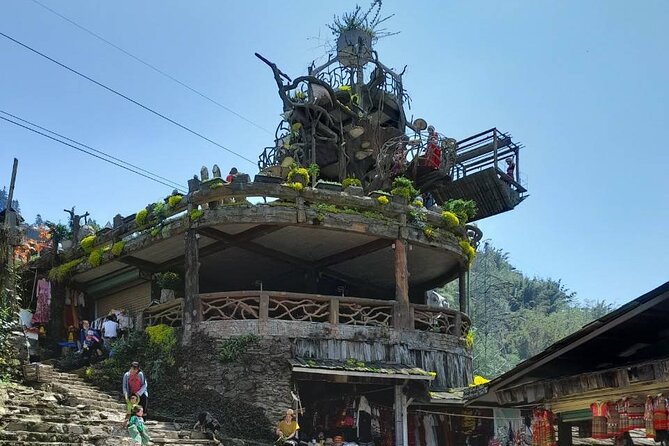
After walking in and spending time exploring, you’ll appreciate having food options built into the experience. Inside Cat Cat, there’s a chance to taste local dishes and drinks—often including buffalo meat, H’Mong smoked pork sausages, grilled egg, and sugarcane juice.
On top of village food opportunities, the tour includes local snacks. That small inclusion is smart. Sapa days often mix cool air, walking, and sightseeing energy-drain, and snacks help you avoid the classic problem: you’re starving, so you start buying random things instead of choosing what you actually want to try.
If you plan to try the local meat dishes, give yourself a little flexibility. You don’t have to eat everything, but picking one or two items will help you taste the culture without feeling stuffed before the return walk.
How the price works for this private tour (and when it’s worth it)

The tour price is $29 per person, and it’s a private experience—your group only. For Sapa, that matters because you’re not negotiating with a big crowd pace or waiting around for strangers to finish photos.
Here’s what you’re paying for beyond “someone walks you there”:
- English guide
- Admission tickets to Cat Cat Village
- Local snacks
- Pickup offered (when arranged)
The pricing also makes sense given the time structure. You’re out about 4 hours total, with a chunk of that time reserved for village exploration. That’s enough to see the main highlights without feeling like a whirlwind.
Also worth noting: this kind of experience often gets booked about 27 days in advance on average. If you’re traveling in a busy season or on a tight schedule, booking early helps you secure a good time slot.
A possible extra cost to keep in mind: a taxi/car from Cat Cat village back to Sapa is listed as $10 for a private 4-seat car one-way. The tour typically ends back at the meeting point, but if you want to avoid stairs or steep stretches—especially with older family members—that taxi option can be a lifesaver.
Getting the most out of Cat Cat: practical tips that prevent frustration

If you want this tour to feel smooth, focus on three things: pacing, timing, and questions.
Pace yourself on the walk. The trip includes a walk out and a walk back. Wear comfortable shoes with grip. If stairs are a concern, you may want to discuss the return plan early (some travelers handle the hills with a taxi).
Aim for the waterfall show window. The musical waterfall show only happens at certain times. If you care about that moment, ask your guide what time to target and plan your village stops around it.
Ask for meaning, not just photos. Guides like Nhu and Sung have been praised for strong English and for staying patient while explaining culture and daily life. A good strategy: pick 2–3 topics you want to understand (fabric making, H’Mong values, village history, or food traditions) and ask questions as you move.
Finally, bring a realistic mindset about Cat Cat’s structure. You’re going into one of Sapa’s most visited village areas, so you’ll see a lot of visitor-facing setup. Your job is to look past that and focus on the skills, customs, and people that make the place worth visiting.
Who should book this Cat Cat tour (and who should choose another route)
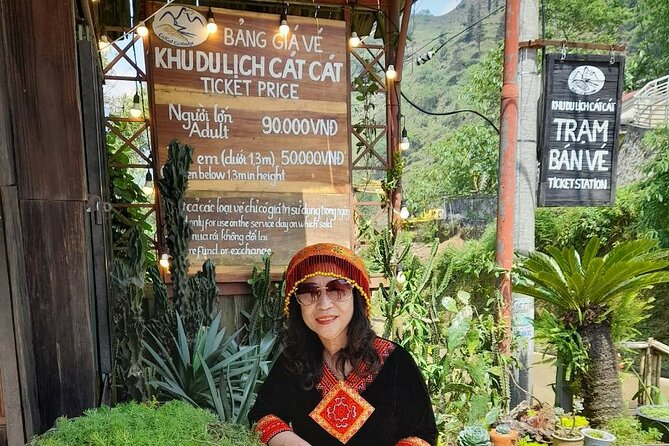
This private Cat Cat experience is a great fit if you:
- want a culture-forward visit with the Black H’Mong community
- enjoy traditional craft details like hemp fabric and brocade textiles
- like a short, scenic walk from Sapa with viewpoints along the way
- want an English guide who can connect what you see to daily life
It may be less satisfying if your top goal is a quiet nature hike or long rice-field trekking. Cat Cat is more about village interaction and craft than about untouched trails.
If that’s your priority, a better match is a trekking route aimed at rice terraces and villages such as Y Linh Ho, Lao Chai, and Ta Van. Those are the kinds of destinations people choose when they want more time walking through farming scenery.
Also, consider physical comfort. The tour expects moderate fitness, and stairs can show up in village areas. If you’re traveling with someone who prefers minimal walking, you’ll likely want to think about arranging help for the return.
Should you book this tour?
Book it if you want a compact, guided visit where craft, culture, and the waterfall area are the main event. At $29 per person, with admission and an English guide included, it’s good value for a private 4-hour outing in Sapa—especially if you care about understanding the Black H’Mong community rather than just collecting pictures.
Skip or swap it if you’re chasing a long, quiet nature trek. Cat Cat can feel shop-heavy because it’s built for visitors. But if you go in knowing that—and you focus on the fabric work, traditional clothing, and waterfall timing—you’ll leave with a more meaningful sense of how Sapa’s cultures live beyond the viewpoints.
If you want my practical advice: plan for comfortable shoes, ask your guide about the waterfall show timing, and don’t miss the hemp fabric process. That’s where Cat Cat stops being a stop and starts feeling like a place.
FAQ
What time does the tour start?
It starts at 8:30am, beginning from Sapa Church or your hotel (pickup is offered). The experience ends back at the meeting point.
How long is the Cat Cat Village tour?
The duration is about 4 hours.
Is Cat Cat Village admission included?
Yes. Admission tickets to Cat Cat Village are included in the tour price.
What can I do inside Cat Cat Village?
You can try on traditional H’Mong clothes (there is a small fee), taste local food, observe the process of making H’Mong hemp fabric, and visit the Cat Cat Waterfall area. There may also be a musical waterfall show at certain times, plus plenty of photo opportunities.
Do I need a certain fitness level?
The tour is for travelers with moderate physical fitness. There is walking involved to and from the village.
Is a taxi from Cat Cat Village back to Sapa included?
No. A taxi/car from Cat Cat Village to Sapa town is not included. The listed option is $10 for a private 4-seat car one-way.
Can I cancel and get a full refund?
Yes, free cancellation is available if you cancel at least 24 hours before the experience’s start time for a full refund. If poor weather causes a cancellation, you’ll be offered a different date or a full refund.