REVIEW · SAPA TREKKING TOURS
2-Day Sapa Tour – Overnight in Ta Van Village (All in One)
Book on GetYourGuide →Operated by Vietnam Travel Simple · Bookable on GetYourGuide
That first view of the valley hits fast. This 2-day Sapa trek with an overnight in Ta Van mixes big mountain scenery, ethnic villages, and real village life in a way day trips rarely manage. You get guided walks through rice terraces, plus a night in a simple stilt-house setting with local family time.
I really like the balance here: active trekking (not just sitting on a bus) plus time to slow down and talk with people in Ta Van. I also like that your day includes multiple cultural stops, like Y Linh Ho and Lao Chai, not only a single photo spot.
One drawback to plan around: the cold and fog can be real in Sapa, and the homestay is basic. If you hate cold feet and simple facilities, this can feel like a rough trade-off.
In This Review
- Key things that matter most on this tour
- Why sleeping in Ta Van beats a day-trip version
- Getting from Hanoi to Sapa: two bus options, two moods
- Day 1 walk: Y Linh Ho to Lao Chai and down to Ta Van
- Village time in Ta Van: a real evening, not just a bed
- Day 2: bamboo forest paths, photos in the rice paddies, and Giang Ta Chai
- Guide and group vibe: English help plus local voices
- What $36 covers (and why that price can make sense)
- Cold weather, fog, and cash: what you should plan for
- Who should book this trek, and who should skip it
- Should you book this 2-day Sapa overnight in Ta Van?
- FAQ
- How long is the 2-Day Sapa Tour?
- Where do I meet the group in Hanoi?
- How do I get to Sapa and back?
- What trekking distances and times should I expect?
- What kind of accommodation is included in Ta Van?
- Which meals are included?
- What should I pack for Sapa weather?
- Is the tour suitable for wheelchair users, and can I bring pets?
- Can I cancel or pay later?
Key things that matter most on this tour
- Small group (up to 10): easier pacing and more chances to ask questions during the walks.
- Local ethnic minority culture comes with the trekking: you’re not just hiking; you’re learning as you go.
- Overnight in Ta Van (Giay village area): you sleep in a village home setting, not a hotel bubble.
- Two trek lengths you can mentally prepare for: about 9 km day 1 and 4 km day 2.
- English-Vietnamese guidance plus real community meals: lunch and dinner are built into the plan.
- Sapa town free time: you get a chance to wander and shop without rushing.
Why sleeping in Ta Van beats a day-trip version
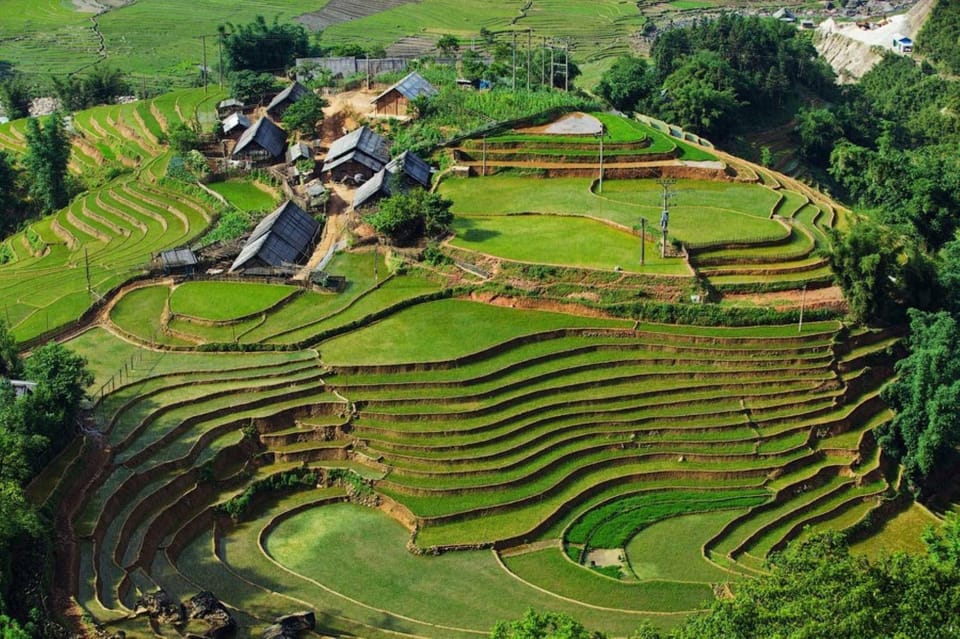
Sapa can be a magnet for quick, cookie-cutter trips: bus up, photos, bus back. This one changes the rhythm by adding a full night in Ta Van Village, where the air feels different and the village life is close enough to notice small things. When you’re there after trekking, you’re not competing with the day-trip crowd for views or quiet corners.
The other big win is pacing. You walk between villages in the daytime, then you have a proper evening in the village—check in, settle, and spend time as the light cools. It’s when you’ll likely understand how daily life works in these hills, especially once you’re sitting down for the meals your hosts prepare.
You can also read our reviews of more tours and experiences in Hanoi


Getting from Hanoi to Sapa: two bus options, two moods
You start in Hanoi and head to Sapa by modern air-conditioned bus or limousine bus, with return transport included. You’ll choose between a morning departure or an overnight sleeper style transfer, and your pick affects how you feel when the trekking day begins.
If you take the morning option, you’ll be picked up in the Hanoi Old Quarter in the early hours (around 6:00–6:20). After leaving Hanoi, the ride includes comfort breaks—one around Lao Cai and another before approaching Sapa—so you’re not stuck staring at the ceiling the whole time. By early afternoon, you’ll reach Sapa Town and be ready for the walk.
If you take the night bus, you leave late from a bus station in Hanoi (listed as 30 Ly Thai To, Hoan Kiem). You arrive around 5:00 a.m. in Sapa, then you keep resting until about 6:00 a.m., have breakfast, and start the tour around 8:00 a.m. This version can feel efficient: you trade sleep for earlier trekking hours.
Either way, the same core experience runs through both options: you’re transported with guidance, then your trekking day begins with a plan instead of improvising.
Day 1 walk: Y Linh Ho to Lao Chai and down to Ta Van

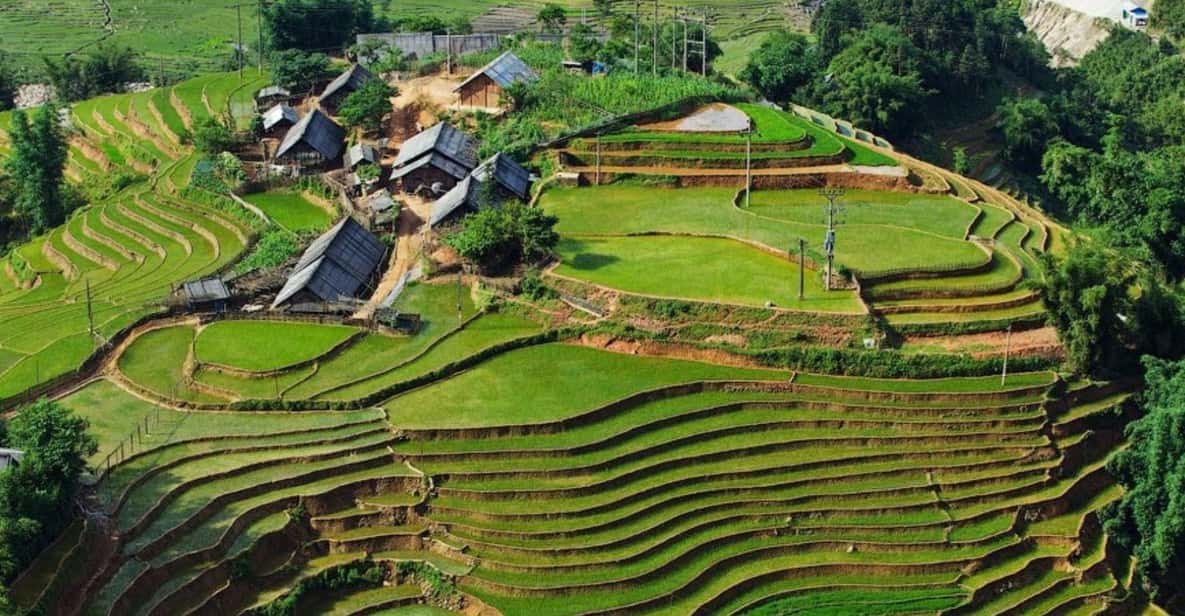
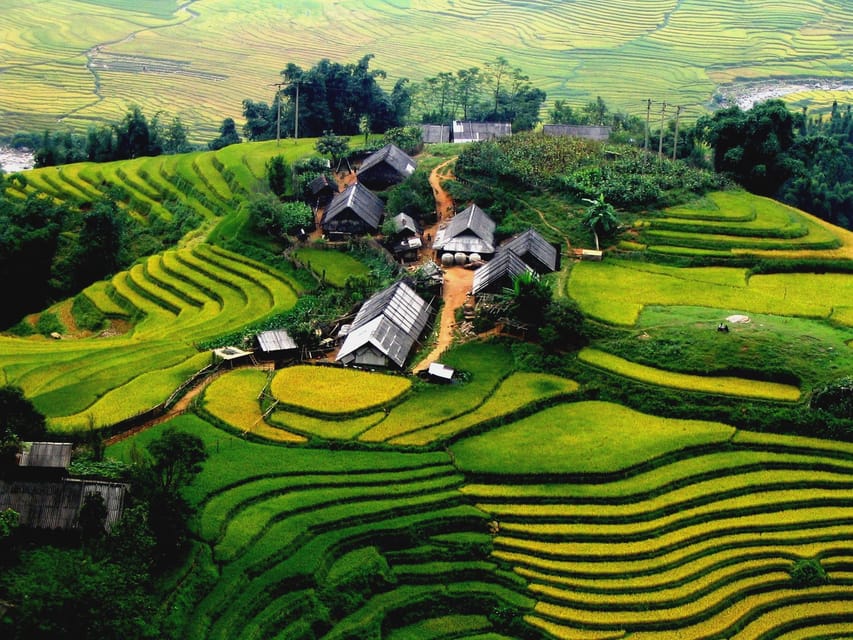
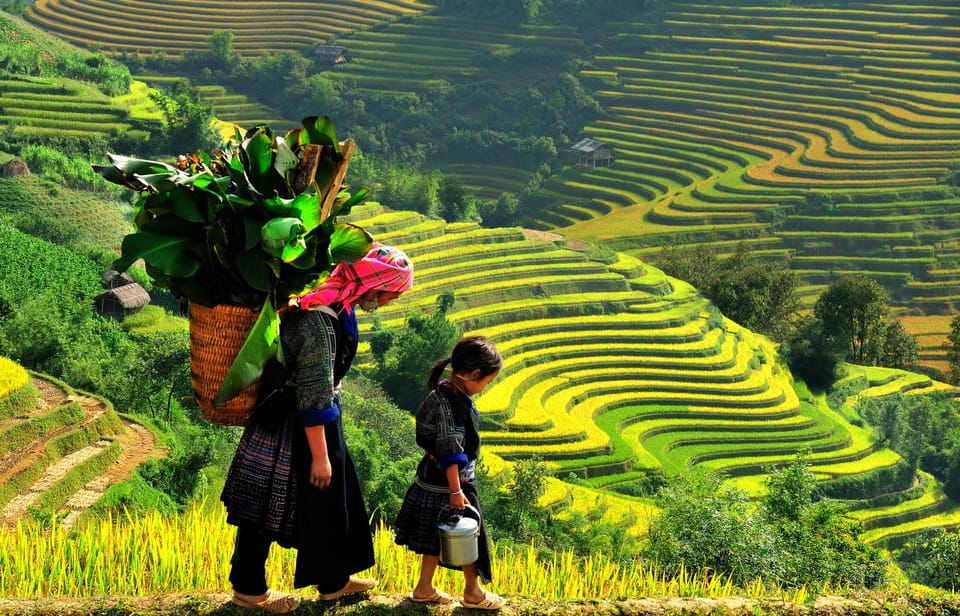
Day 1 is built around a classic northern Vietnam mountain route. You start with a guided trek through Y Linh Ho, then move into the rice-terrace zone while walking alongside Muong Hoa Stream. This is where the views start stacking up: terraces, hillsides, and village paths that keep curving as the valley opens.
You’ll also make the village connection with Lao Chai, described as a Black Hmong village area. That matters because you’re not only seeing scenery—you’re seeing how people live where the land is steep and farming is the main story. The trek is about 9 km and takes around 3.5 hours, which is long enough to feel like hiking but not so long that it becomes punishment.
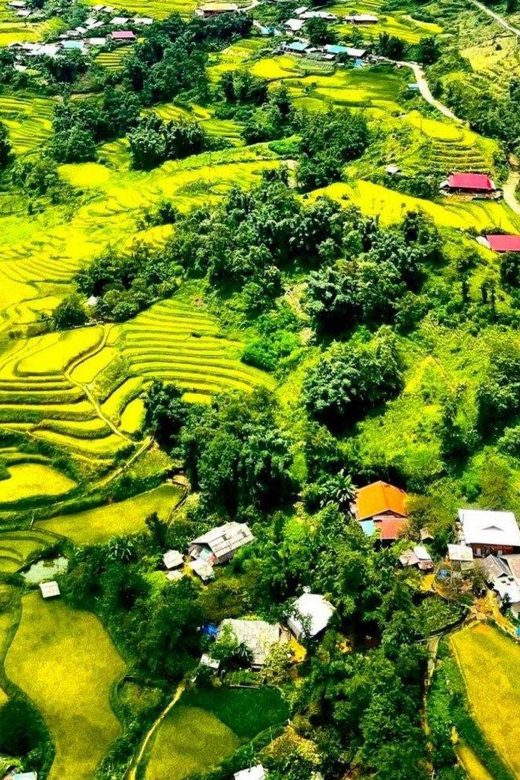
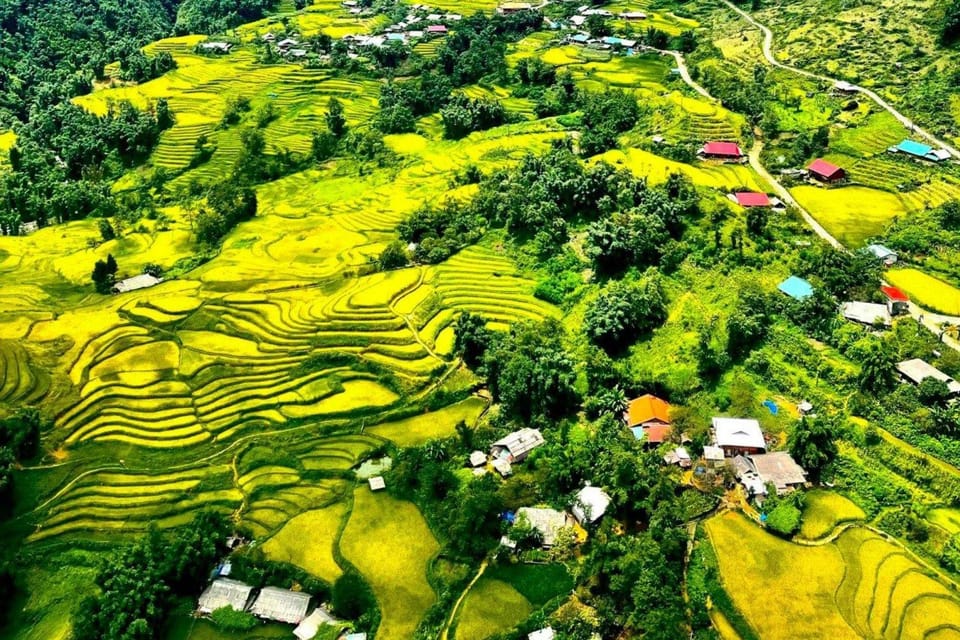
Late afternoon is when you shift from “walking through a place” to “arriving somewhere.” You reach Ta Van Village (Giay ethnic group area). You check in at a simple bungalow/stilt-house setting, then spend time getting to know the family and village rhythm. If you’re the type who enjoys connecting with people during travel, this is the part that usually sticks in your memory.
Village time in Ta Van: a real evening, not just a bed
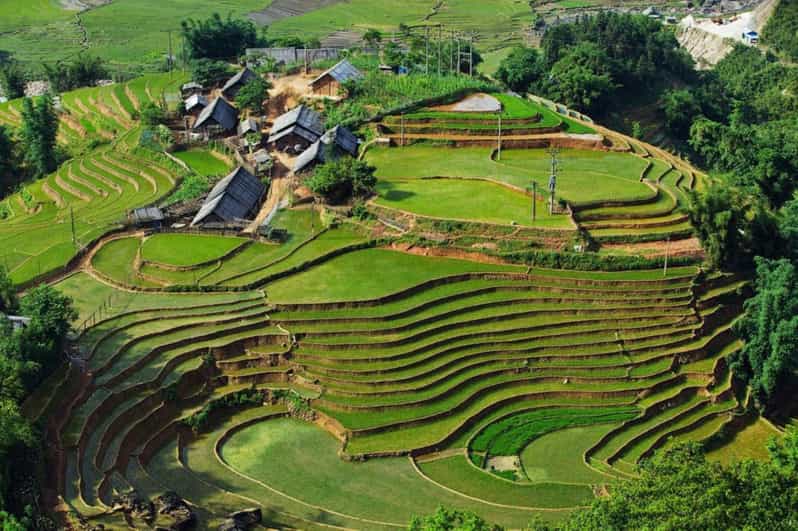
Your overnight setting is a stilt house bungalow in the Ta Van village area. It’s described as basic with culture facilities, and you’re given clean water and fresh food. Translation: don’t expect a hotel experience, but do expect a real village home-style setup.
After you settle in, you’ll have time for sunset views and a slower evening. If you want to socialize, there’s also a local bar nearby with music, where you can meet other group members. That can be a helpful option if you arrive feeling tired and just want something low-effort before dinner.
You may also have a cooking experience with the family, and then dinner is served in a calm, family-centered way. This is one of those travel moments where you’ll likely learn more from everyday conversation than from formal storytelling. Even when the language barrier exists, sharing a meal reduces the distance fast.
And yes, sleep conditions matter. If you’re sensitive to cold or you’re used to thick mattresses, plan for “simple and functional” rather than “cozy and luxurious.”
Day 2: bamboo forest paths, photos in the rice paddies, and Giang Ta Chai
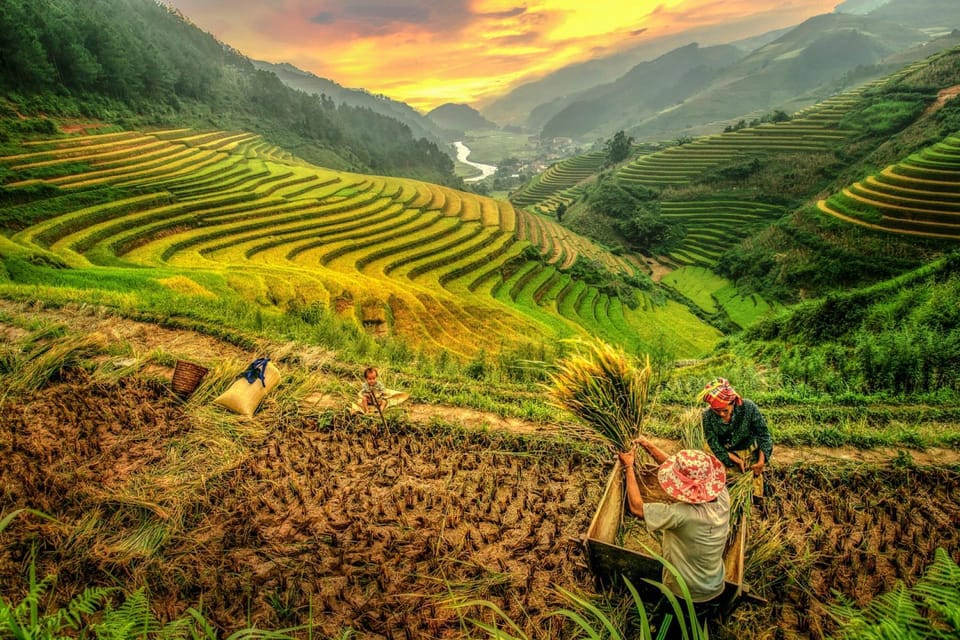
Day 2 starts with breakfast prepared by the family at the homestay around 8:00 a.m. Then you head out for a second trek, shorter and more medium-paced compared to day 1. This one is listed at about 4 km and around 2 hours.
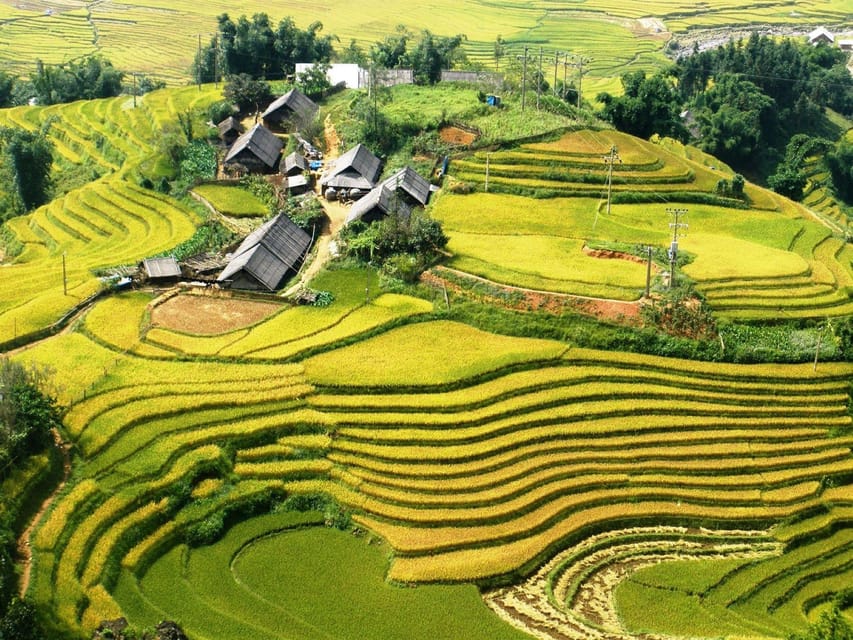
First you walk to the rice paddies for a photo session—this is one of those stretches where you’ll want to pause, catch the light, and actually look around. After that, you pass through a bamboo forest, then stop for a panorama view over Giang Ta Chai village, home of the Red Dzao people.
You also cross or trek toward the Giang Ta Chai Bridge, and then you return to the main road. The group then goes back to the bungalow to shower, reset, and get lunch. From there, the van/car transfer brings you to the bus station, and you receive bus tickets for the ride back to Hanoi.
The afternoon is also when you get flexibility: you’ll have free time in Sapa Town (roughly 1 hour, depending on the flow of the day). It’s not a huge block, but it’s enough for a wander and some shopping without turning your whole day into a sprint. Then the bus returns you to Hanoi, with two rest stops, arriving around 21:30.




Guide and group vibe: English help plus local voices
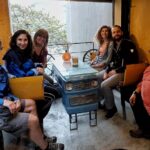
A strong trek lives or dies by the guide, and this tour focuses on that. You’ll travel with an English-Vietnamese speaking tour guide, plus local guidance tied to the ethnic minority community around the villages.
Names matter because they signal real human continuity. In past experiences, guides such as Dao and Chang were singled out for making the trekking feel lighter and more informative. When a guide explains what you’re seeing in plain language, the walk feels less like a route and more like a story.
Also, you’re in a small group limited to 10, which helps on narrow paths and at stops where everyone wants a view. It’s not a solo hike, but you also aren’t lost in a giant crowd.
One practical note: communication quality can vary. There’s at least one case where someone had trouble getting a response and had to sort out their refund. My advice is simple: after you book, confirm your pickup details and contact method, then keep your messages ready if the schedule changes.
What $36 covers (and why that price can make sense)
At $36 per person for a 2-day package, the value comes from what’s bundled together. You’re getting:
- Round-trip air-conditioned bus/limousine transport Hanoi ↔ Sapa
- An English-speaking guide
- 1 night in a Ta Van village bungalow/stilt-house setup (dorm style)
- Meals as scheduled: lunch and dinner on day 1, breakfast and lunch on day 2
- Entrance fees
- A small bottle of water on the bus
- 24/7 hotline support
The big value piece is not just the guide. It’s the overnight and meals tied directly to the trek. Without that, you’d usually need to coordinate transport, lodging, and food separately—often with more friction and less certainty.
Just be clear on what you’re not getting: the tour notes say other items aren’t included unless clearly mentioned. In practice, that means you’ll cover personal spending in Sapa, plus anything like snacks, drinks beyond what’s specified, and anything you want to buy for trekking.
Cold weather, fog, and cash: what you should plan for
Sapa is famous for changing weather, and the tour’s packing advice is worth taking seriously. You’ll want warm clothes, including a scarf, hat, and cap, because it can be cold in September through March. Fog shows up particularly in December, January, February, and March, too, which can affect visibility during trekking days.
Trekking shoes matter. The tour explicitly calls out trekking shoes, along with sunglasses and sun cream because sun can still hit even when it’s chilly. Add insect repellent if you’re prone to bites.
Money logistics also need your attention. The tour recommends you carry cash in Vietnam Dong, because the banking system in Sapa sometimes doesn’t function well. It also says US dollars, euros, and Australia dollars are accepted in Sapa. For a smooth day, don’t bet everything on card payments.
Bring basic medicine too. There are pharmacies in Sapa, but planning ahead is easier than searching while you feel unwell—especially when your schedule is packed.
Who should book this trek, and who should skip it
This is a great fit for you if:
- You want a real overnight in a village, not just a day hike
- You enjoy guided walking with cultural context
- You’re okay with simple accommodation and cold weather prep
It’s less ideal if:
- You need wheelchair-friendly travel (the tour states it’s not suitable for wheelchair users)
- You want hotel-style comfort
- You hate the idea of trekking on uneven paths for hours
If you’re a “photos only” traveler who wants paved surfaces the whole time, you may find the trekking demanding. On the flip side, if you enjoy movement and talking with people along the way, you’ll likely find this tour hits the right tone.
Should you book this 2-day Sapa overnight in Ta Van?
I’d book it if you want the best version of Sapa that fits into two days: guided village-to-village walking plus a night in Ta Van. The combination of trek distances you can gauge, included meals, and a small group size makes it feel like a thoughtfully assembled experience rather than a rushed sightseeing loop.
Before you hit reserve, do two things: confirm your pickup point details in Hanoi Old Quarter, and message your contact number (WhatsApp/Line/Viber) for confirmation so you don’t get stuck with last-minute confusion. If you’re traveling in cold months, prioritize warm layers and traction-ready shoes.
If you want Sapa to feel human—terraces, bridges, village paths, and conversation at dinner—this one is worth your time.
FAQ
How long is the 2-Day Sapa Tour?
The tour lasts 2 days, with the schedule starting times varying based on availability.
Where do I meet the group in Hanoi?
Meeting points can vary by option booked, but the morning option uses pickup in the Hanoi Old Quarter, while the night bus option references pickup at 30 Ly Thai To, Hoan Kiem.
How do I get to Sapa and back?
You travel by modern air-conditioned bus or limousine bus from Hanoi to Sapa and back, with rest stops on the return journey.
What trekking distances and times should I expect?
Day 1 includes a trek of about 9 km that lasts around 3.5 hours. Day 2 is a shorter trek of about 4 km lasting around 2 hours.
What kind of accommodation is included in Ta Van?
You stay 1 night in a bungalow/stilt house (dorm) in the Ta Van village area. It’s described as basic, with clean water and fresh food.
Which meals are included?
The schedule includes lunch and dinner on Day 1, and breakfast and lunch on Day 2.
What should I pack for Sapa weather?
Bring warm clothes (scarf, hat, cap), plus trekking shoes, sunglasses, sun cream, and insect repellent. It also recommends bringing medicine and carrying cash in Vietnam Dong.
Is the tour suitable for wheelchair users, and can I bring pets?
The tour is not suitable for wheelchair users, and pets are not allowed.
Can I cancel or pay later?
Yes. There’s free cancellation up to 24 hours in advance for a full refund, and you can reserve now and pay later.
You Might Also Enjoy


More 2-Day Experiences in Hanoi
- Doris Cruise 5 star cruise 2 days visiting Halong Bay Lan Ha Bay private balcony
★ 5.0 · 2,338 reviews


More Tours in Hanoi
- Ninh Binh Full-Day Tour from Hanoi to Hoa Lu, Tam Coc & Mua Cave Via Boat & Bike
★ 5.0 · 4,384 reviews