REVIEW · HA LONG
Vietnamese deep tissue neck and shoulder massage class
Book on GetYourGuide →Operated by Dao's Care Social Enterprise · Bookable on GetYourGuide
Your neck gets sore fast; this class fixes it. In Dong Bac, hands-on neck-and-shoulder work makes the difference between theory and results, and you get taught strokes like effleurage in plain, usable steps.
What I like most is the practical give-and-take practice with real feedback, and the way the instructor guides you through both the relaxation side and the more targeted pressure for common tension spots.
One thing to plan for: the session length can run from 3 up to 18 hours depending on the option you book, so check the timing before you commit and block out enough focus time. Timing matters here, because your body learns through repetition.
In This Review
- Key Highlights Worth Knowing
- Dong Bac Neck And Shoulder Massage Class: What This Skill Turns Into
- Price and Value: $66 for Skill, Oils, and a Certificate
- Where the Session Starts: Calm Room Setup and What You Should Bring
- Warm-Up and Stretching: The Part That Makes the Rest Easier
- Effleurage and Kneading Basics: The Foundation You’ll Actually Use
- Targeting Neck and Shoulder Tension: Deeper Methods, Smarter Pressure
- Practice in Pairs: Give, Receive, and Learn Faster
- Oils, Aromatherapy, and the Home Ambiance Checklist
- The Take-Home Handout, Follow-Up Support, and Certificate
- Who This Neck and Shoulder Massage Class Is Best For
- Should You Book This Class in Dong Bac?
- FAQ
- How long is the Vietnam neck and shoulder massage class?
- Where does the class take place?
- What’s the price per person?
- Do I get a certificate?
- What languages are available during instruction?
- Will I practice hands-on during the class?
- What techniques are included?
- What’s included in the price?
- What isn’t included?
- Is there anything I should avoid during the class?
- Is the class refundable if I change my plans?
Key Highlights Worth Knowing
- English-, Vietnamese-, and French-ready instruction with an expert who has 6+ years of experience
- Effleurage and kneading taught early, so you build a solid foundation
- Neck-and-shoulder tension mapping so you know where and how to work
- Practice with partners or mannequins plus personalized corrections while you try
- Aromatherapy setup: essential oils, soothing music, and quality massage lotions/oils
- You leave with a completion certificate and a take-home handout for ongoing practice
Dong Bac Neck And Shoulder Massage Class: What This Skill Turns Into

This isn’t a sit-and-watch massage show. You’ll learn the mechanics of neck and shoulder massage in a way that you can repeat later on real people (or at least on the best available stand-ins). The room is set up to feel calm from minute one—think soothing music, essential oils in the air, and massage oil and lotion ready when you’re about to practice. That matters because good bodywork starts with focus.
What makes the class work for you is the structure: warm-up first, foundational strokes next, then more targeted techniques for tension. By the end, you’re not just memorizing movements. You’re understanding what you’re doing, why it works, and how to adjust pressure and timing so it feels helpful rather than harsh.
You also get a human teacher. The instructors are described as having 6+ years of experience and fluent English, plus they can teach in Vietnamese and French too. That flexibility is more than a comfort feature—it helps you ask real questions and get corrections in the language you actually think in.
You can also read our reviews of more tours and experiences in Ha Long.



Price and Value: $66 for Skill, Oils, and a Certificate
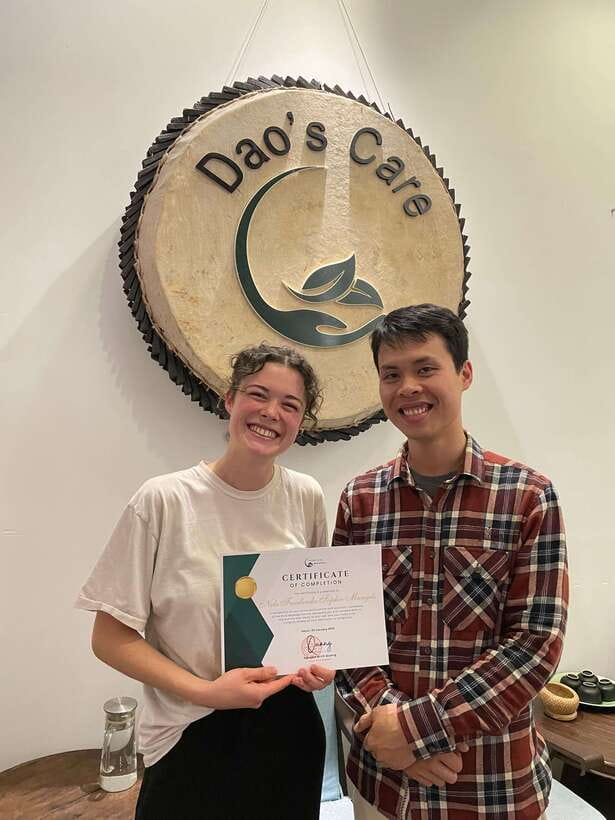
$66 might sound like a lot for a class until you look at what’s included. You’re paying for guided practice with hands-on instruction, quality massage products, and time with an experienced therapist who can point out what you’re doing wrong (and what to change).
Here’s what you get for the price:
- expert instruction from a certified massage therapist
- hands-on guidance and personalized feedback
- practice with partners or mannequins
- high-quality massage oils and lotions
- a relaxing setup with aromatherapy and soothing music
- herbal tea and light snacks
- a detailed handout you can take home
- a completion certificate
- follow-up support and resources after the class
Also, the duration depends on the option you choose (3 to 18 hours). That range means your value is directly tied to how much practice time you pick. If you’re serious—either for personal use or as a hobby/business skill—lean toward the longer option you can realistically fit into your day. Your shoulders and hands will thank you for practice repetition.
Where the Session Starts: Calm Room Setup and What You Should Bring
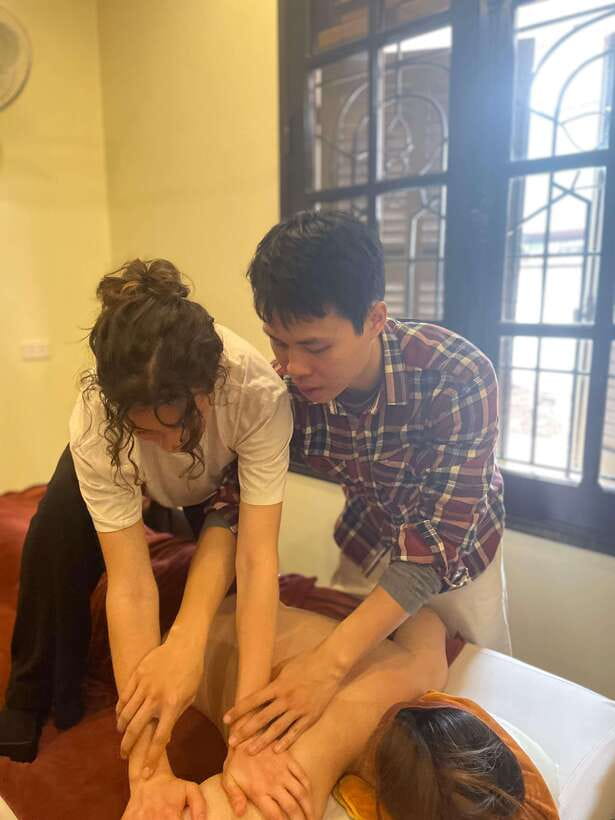
The meeting point can vary based on which option you book, and the class ends back at the meeting point. Once you’re there, you’ll step into a quiet, scented environment with a relaxing soundtrack. It’s designed to put you in the right headspace before anyone asks you to put hands on a partner.
What you should bring is simple: a curious attitude and comfortable clothing that makes movement easy during warm-ups. The class itself provides the massage oils/lotion, so you don’t need to bring product.
One practical note: alcohol and drugs aren’t allowed. So if you’re treating this like a fun night out, this is not that kind of class. It’s a learning experience where your judgment and muscle control matter.
Warm-Up and Stretching: The Part That Makes the Rest Easier
You’ll begin with a gentle warm-up and simple stretches to prep the muscles. This is not a throwaway segment. In neck and shoulder work, stiffness can distort your technique fast—if you rush into pressure before the body is ready, you’re more likely to miss the tension or overdo it.
During this warm-up, you’re learning a quiet skill: how to get the body to cooperate. Think of it as setting up conditions so your later strokes—like kneading and targeted deeper work—have a cleaner pathway to the problem areas.
If you’re someone who sits at a desk or travels a lot, this warm-up is likely the first moment you’ll feel relief. You may not call it “massage therapy” yet—but your body will notice.
Effleurage and Kneading Basics: The Foundation You’ll Actually Use
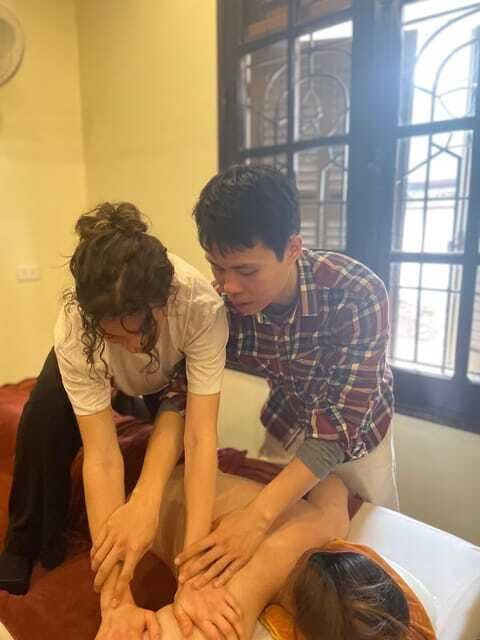
After warm-up, you move into foundational massage techniques. The class specifically includes effleurage and kneading. These are the building blocks because they teach you:
- how to move slowly and rhythmically
- how to apply pressure gradually
- how to keep your hands comfortable while working for longer stretches
- how to avoid “guessing” when you feel tension
You’ll see the instructor demonstrate on a partner, then you’ll practice with hands-on guidance. What I appreciate about this setup is that you’re not just copying shapes. You’re getting feedback while your muscles are still learning the motions.
This is also where you can ask questions that will save you later. You can clarify the difference between relaxation strokes and tension-targeting strokes, and you can learn how to pace the work so the person receiving massage stays comfortable.






Targeting Neck and Shoulder Tension: Deeper Methods, Smarter Pressure
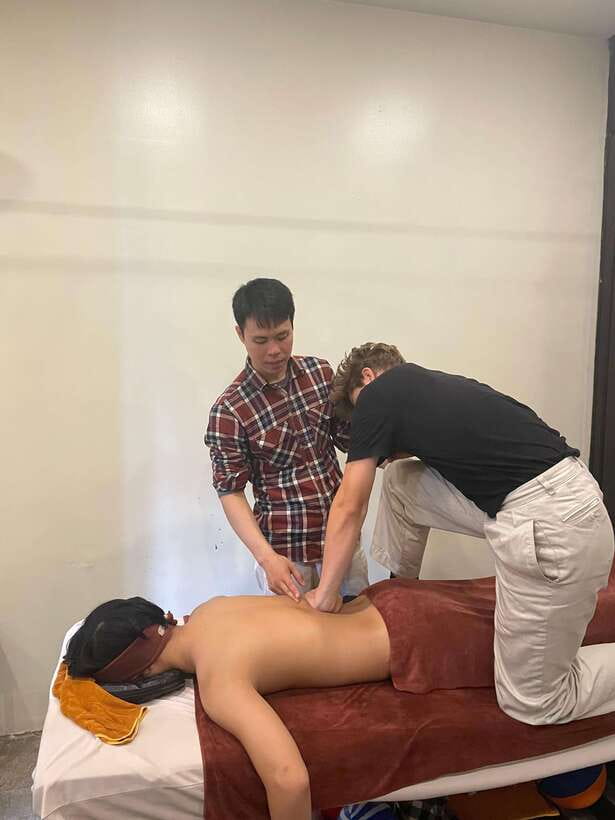
As the session progresses, you move beyond basics into methods aimed at specific tension areas in the neck and shoulders. This is the “deep tissue” style part of the course, but taught in a structured way.
The goal isn’t to smash muscle. It’s to work with it:
- find the tight spots
- apply pressure with control
- keep the rhythm steady
- adjust based on what you feel and what the recipient reports
Because you’re practicing with instructor circulation and personalized tips, you should be able to correct technique mid-session. That’s important—neck work can go wrong quickly if your hand angle, pressure, or tempo is off.
This is also where the language support matters. If you’re learning in English, Vietnamese, or French, you can communicate what feels too intense or not intense enough. Good feedback is part of making the technique safe.
Practice in Pairs: Give, Receive, and Learn Faster

A big part of this class is practicing in pairs—giving and receiving massages. Even if you’re focused on learning for yourself, receiving massage helps you calibrate. You’ll feel what the strokes should feel like on real skin and muscles, not just on paper.
During pair practice:
- the instructor circulates and adjusts your technique
- you get feedback on your pressure and movement
- you learn by switching roles, so you understand both sides
Some classes may use mannequins too. Either way, the learning method is the same: practice, feedback, repeat. One student example highlighted that the instructor used someone as a direct model and provided instant, expert feedback—exactly the kind of real-time correction that helps you improve quickly.
You’ll likely notice that the best part of practice isn’t just skill growth. It’s confidence. When you can feel the difference between “doing it” and “doing it well,” you stop guessing.
Oils, Aromatherapy, and the Home Ambiance Checklist
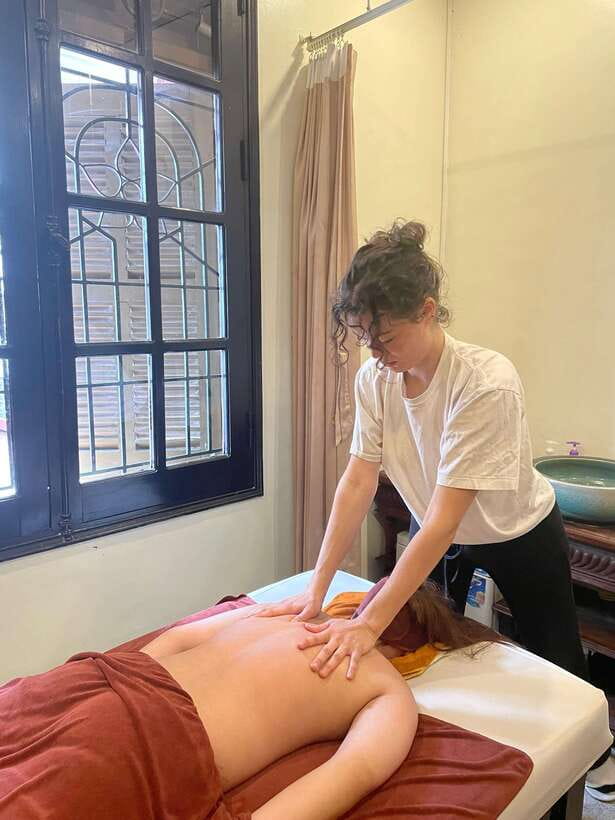
The class doesn’t stop at technique. You’ll also talk about how to create a massage environment at home. That includes practical ideas like lighting, music, and oils—small things, but they change the entire experience.
Here’s why this part is valuable for you:
- Ambiance helps relaxation: if someone is tense, even great techniques won’t land well.
- A consistent setup improves repeatability: you’ll know what to reproduce the next night.
- You learn the product context: oils and lotions are tools, not accessories. The class provides quality oils and lotions during practice.
This is where the soothing space becomes more than a nice smell. It becomes a teaching aid: your brain links the environment to safety and calm, which makes the massage feel better and work better.
The Take-Home Handout, Follow-Up Support, and Certificate
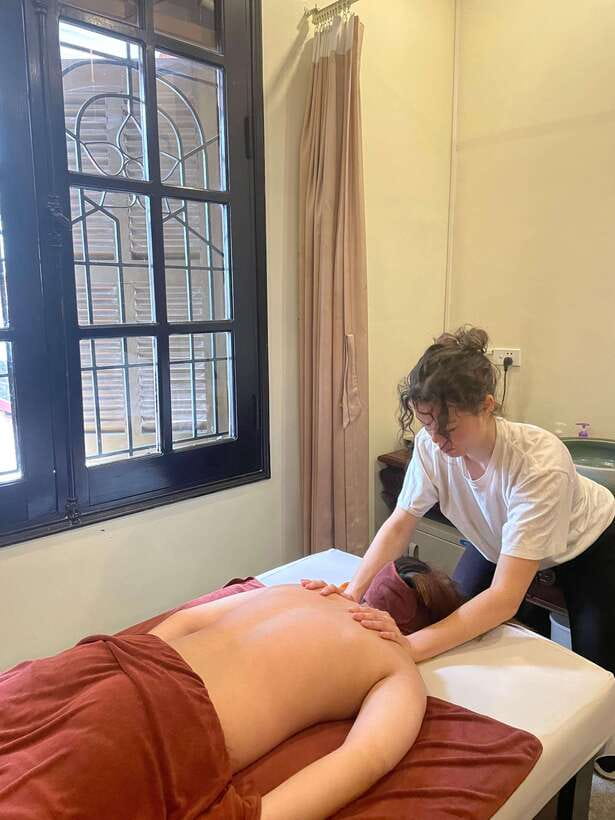
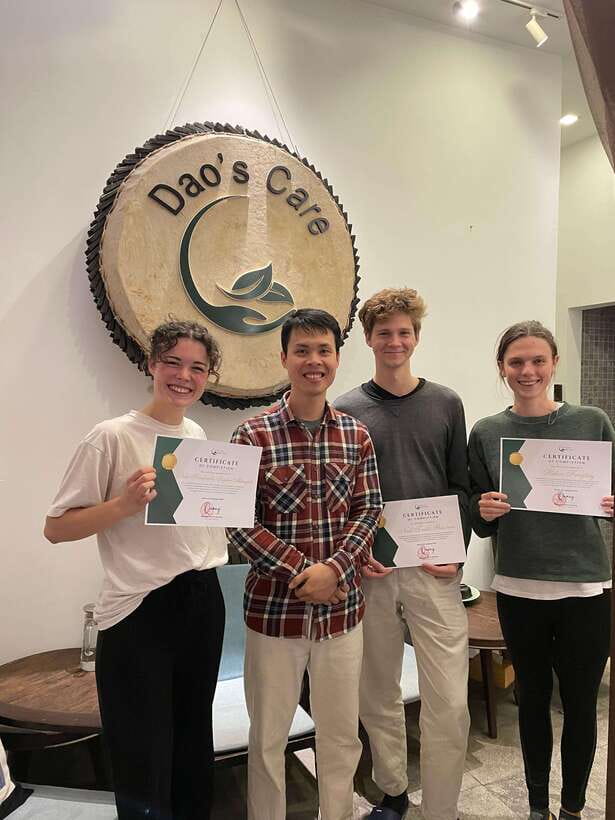
At the end, you receive a detailed handout to take home and continue practicing. You also get a certificate of completion after finishing the course.
There’s also follow-up support and resources. That’s a quiet advantage most classes skip. You’re not left alone the moment you walk out the door. If you’re planning to keep learning, those extra resources help you practice with more accuracy.
And yes, the learning stays practical. One student praised an instructor for teaching both technique and the principles behind them, plus a real dedication to getting it right. That principle-based teaching is the difference between memorizing moves and building skill you can apply later.
Who This Neck and Shoulder Massage Class Is Best For
This course is a strong choice if you want real hands-on skill—not a tour-style experience.
You’ll likely enjoy it if you:
- carry neck/shoulder tension from daily sitting or travel
- want to massage yourself or someone close
- want a hobby that grows into real competence
- appreciate small-group attention and instructor feedback
It also helps if you like asking questions. The class explicitly allows time for questions and feedback.
A few fit notes from the course info:
- Not suitable for children under 10
- Not suitable for people over 70
- Not suitable for people with altitude sickness
If any of those apply, it’s worth checking carefully before booking.
Should You Book This Class in Dong Bac?
Book it if you want hands-on neck and shoulder massage instruction with oils, practice time, and feedback from an experienced, English-capable therapist. The value feels strongest when you pick the longer option for more practice, and when you care about learning principles—not just copying strokes.
Skip (or at least rethink) it if you only want a short session with minimal physical practice. This class is built around warm-ups, technique practice, and pair work. Also, if your schedule is tight, confirm the duration and start time first—because the range is wide, and you’ll learn better with uninterrupted time.
If you’re curious and willing to practice, this is the kind of class that turns into real-life use.
FAQ
How long is the Vietnam neck and shoulder massage class?
The duration is listed as 3 to 18 hours, depending on the option you book. Check availability to see the starting times.
Where does the class take place?
The activity is located in Dong Bac, Vietnam. The meeting point may vary depending on the option booked.
What’s the price per person?
The price is $66 per person.
Do I get a certificate?
Yes. You receive a certificate after completing the course.
What languages are available during instruction?
The instructor speaks English, Vietnamese, and French.
Will I practice hands-on during the class?
Yes. You’ll practice techniques on partners or mannequins, and you’ll receive hands-on guidance and personalized feedback.
What techniques are included?
The class includes fundamental techniques such as effleurage and kneading, along with additional methods to target neck and shoulder tension.
What’s included in the price?
Included items are expert instruction, hands-on guidance and feedback, practice materials (oils and lotions), aromatherapy ambiance with music, refreshments (herbal tea and light snacks), tips for setting up a massage environment at home, a completion certificate, and follow-up support/resources.
What isn’t included?
Certification renewal or upgrades, extended practice sessions or one-on-one help, and transportation or accommodation are not included (if travel is needed).
Is there anything I should avoid during the class?
Yes. Alcohol and drugs are not allowed.
Is the class refundable if I change my plans?
You can cancel up to 24 hours in advance for a full refund.