REVIEW · HIKING & TREKKING
Hanoi: Sapa Trekking 2 Days 1 Night – Sleeper Bus from Hanoi
Book on GetYourGuide →Operated by VietnamAsiaTrip · Bookable on GetYourGuide
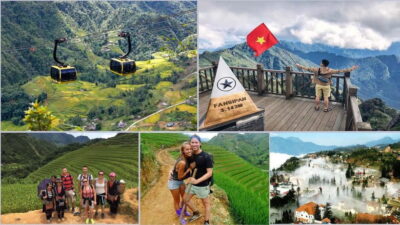
Sapa feels like a different planet after a long Hanoi night. This 2-day trek hits big mountain scenery and real village culture across Cat Cat, Lao Chai, and Ta Van. The trade-off is that the sleeper bus and the walking days aren’t for people who want comfort-first travel.
I like how the itinerary is built around actual trails and community visits, not just quick photo stops. You get a guided day1 walk in Cat Cat (with a waterfall and even a French-era power plant) and a day2 route through Muong Hoa Valley rice terraces with Black H’mong and Dzay village life. The one possible drawback: the sleeper bus can mean older, not-so-squishy seats, and hotel dinner quality can be hit-or-miss.
You’ll also want to plan for early mornings and muddy ground. Day 1 involves a shorter trek (about 2.5 km), but day 2 ramps up with around 12 km of trekking across uneven paths. If you have high blood pressure or you’re pregnant, this trip isn’t recommended.
In This Review
- Key highlights worth your attention
- Price and value: what $90 really buys you
- Sleeper bus: great for saving time, not great for comfort
- Day 1 in Sapa: Cat Cat Village, waterfall views, and that French power plant
- Day 2 trek through Muong Hoa Valley: Y Linh Ho, Lao Chai, Ta Van
- Hotel, meals, and what to pack for walking days
- Culture and guiding: what you gain beyond the views
- Who should book this Hanoi–Sapa 2D1N trek (and who should skip it)
- Should you book the Hanoi: Sapa Trekking 2 Days 1 Night?
- FAQ
- What’s the duration of this Hanoi to Sapa tour?
- How much does it cost?
- How does pickup in Hanoi work?
- Where do you get dropped off after the tour?
- What’s included in the price?
- Are drinks included?
- What villages are visited?
- How much trekking is there?
- What languages are offered?
- Is this tour suitable for everyone?
Key highlights worth your attention
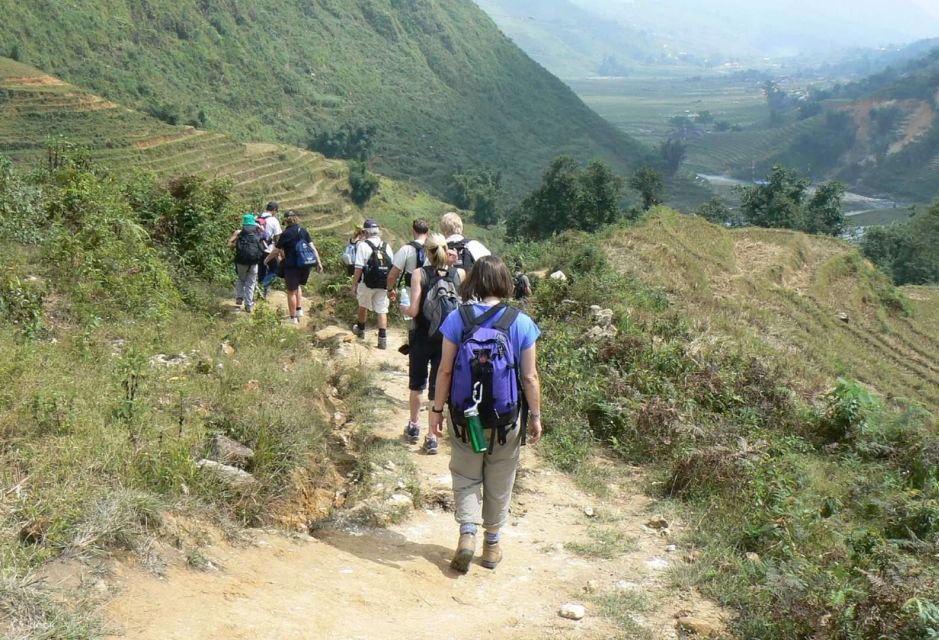
- Sleeper bus round-trip from Hanoi to Sapa and back, with pickup and a fixed drop point at 30 Ly Thai To Street
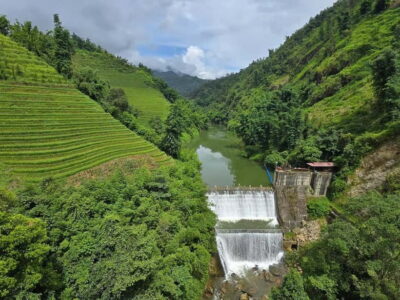
- Cat Cat Village: Black H’mong area, valley views, and a waterfall with a power plant built by the French in 1925
- Muong Hoa Valley rice terraces and a downhill trekking day to Y Linh Ho → Lao Chai → Ta Van
- Ethnic culture time that feels practical: customs of Black H’mong and life in a Dzay family cottage setup
- Small group size (15 max) with an English-speaking guide
- Meals are included (breakfast + 2 lunches + 1 dinner), but drinks aren’t
Price and value: what $90 really buys you
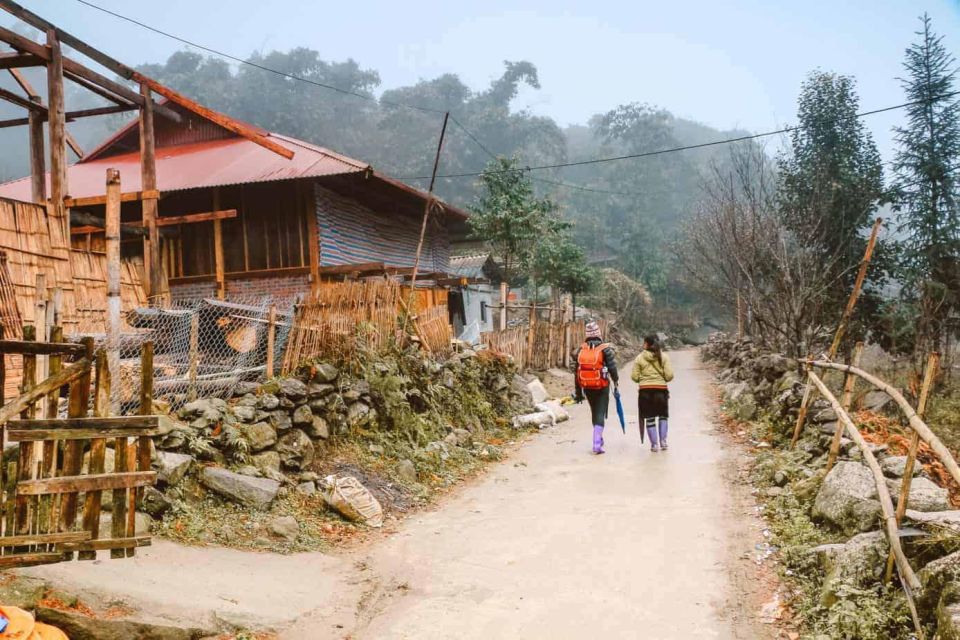
At about $90 per person for 2 days and 1 night, the price is strongest when you want the full package: transport, guiding, trekking logistics, and meals. You’re not just paying for a ticket to Sapa—you’re paying for a guided route that connects multiple villages and viewpoints, plus the sleeper bus experience to reduce wasted time in transit.
Here’s what helps justify the cost:
- Round-trip sleeper bus Hanoi ↔ Sapa
- English local guide while you’re in Sapa and trekking
- Hotel room in Sapa (2 people per room)
- All entrance tickets to listed stops
- Meals included: 1 breakfast, 2 lunches, 1 dinner
- Mineral water on the bus and insurance during bus time
What you should keep in mind: drinks aren’t included, and hotel dinner may not be your highlight of the trip. I’d treat the meals as functional fuel, with the lunches during village trekking as the best bet.
You can also read our reviews of more evening experiences in Sa Pa


Sleeper bus: great for saving time, not great for comfort
The sleeper bus is the engine of this trip. It’s how you squeeze an active trekking itinerary into a short 2-day window. The upside is simple: you don’t lose a full day traveling.
The realistic side:
- Expect older buses and less-than-perfect seating. One review specifically called the bus old with some uncomfortable seats.
- Drivers tend to stay on time (a big deal when you’re on a tight schedule).
- You’ll still arrive with an early start in Sapa and need to be ready to move.
If you’re the type who travels with your comfort bar low (blanket, neck pillow, earplugs), you’ll likely enjoy the time-saving benefit. If you’re expecting airline-level comfort, adjust your expectations.
Day 1 in Sapa: Cat Cat Village, waterfall views, and that French power plant
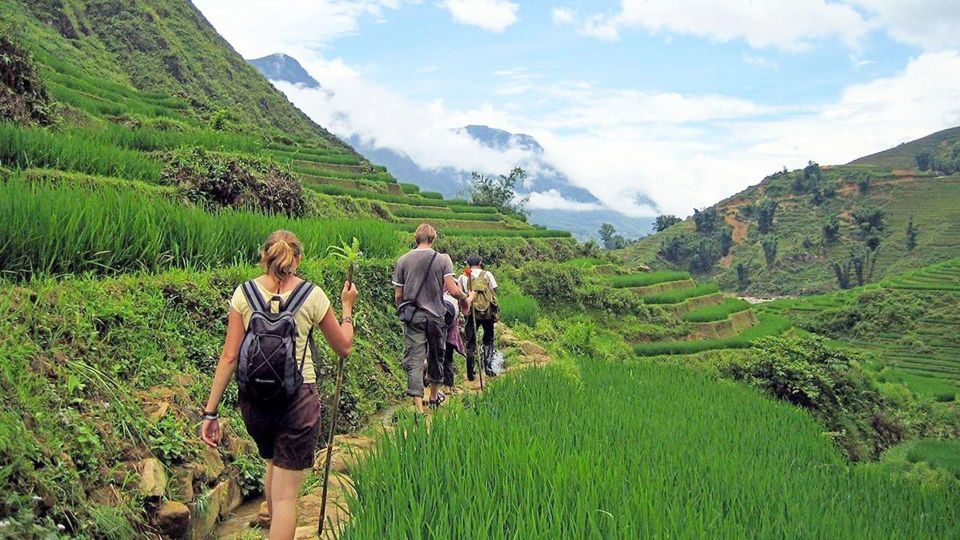
Day 1 starts with pickup in Hanoi’s Old Quarter area around 6:15–6:45 AM. If you’re staying outside the Old Quarter, you’ll meet at 30 Ly Thai To Street at 6:45 AM. You’ll then head to Sapa and arrive around 13:00.
Once in Sapa, the day turns from travel mode into village mode:
- 13:30 lunch at a local restaurant
- You’ll store your big luggage at the hotel and pack only what you need for trekking
- Around 14:30, you drive to the gate of Cat Cat Village, a Black H’mong community tucked near the base of Fansipan Peak
From the gate, you trek down:
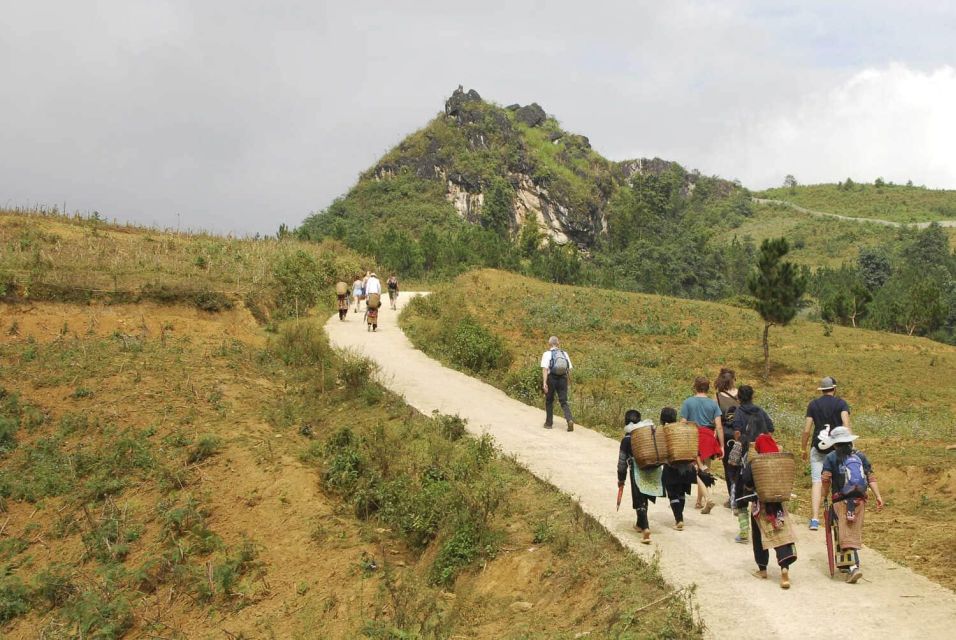
- You walk about 2.5 km and it takes roughly 2 hours.
- Along the way, you get a classic Sapa moment: valley views, cooler air, and a change in the rhythm of the landscape.
- You’ll reach the waterfall area and see a power plant built by the French in 1925. That detail adds a layer beyond “pretty scenery”—it’s a reminder of how this region was shaped during the colonial period.
Then there’s a cultural performance component:
- You’ll have about 40 minutes to enjoy a show performed by boys and girls from the village.
By 17:00, you’re back in Sapa town. Dinner is at the hotel at 19:00, and you’ll have free time afterward to wander Sapa on your own.
One practical note from real experience: hotel dinner can be disappointing. One review mentioned dinner being cold and not very tasty, while the lunches during the trekking day were much better. So if you’re a picky eater, plan to treat dinner as a “get fed” meal, not a food highlight.
Day 2 trek through Muong Hoa Valley: Y Linh Ho, Lao Chai, Ta Van
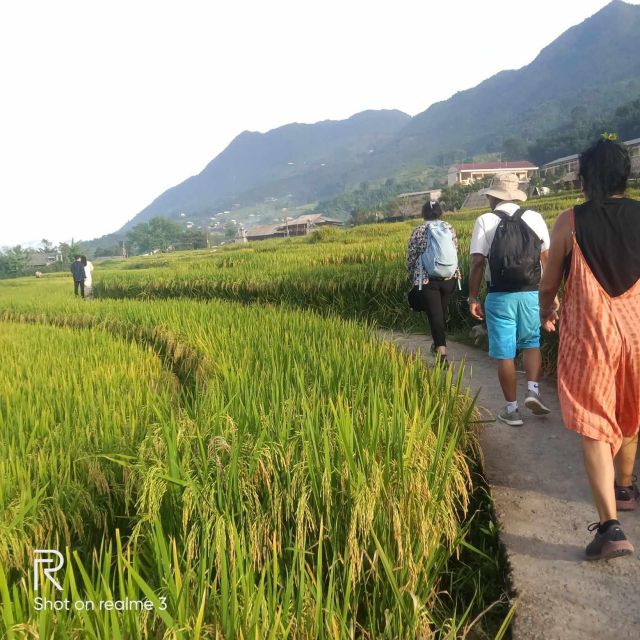
Day 2 is the main event. Breakfast happens 7:00–8:00, you check out, and you prepare a light pack. Big luggage stays in hotel storage.
The trekking plan is built around a big valley:
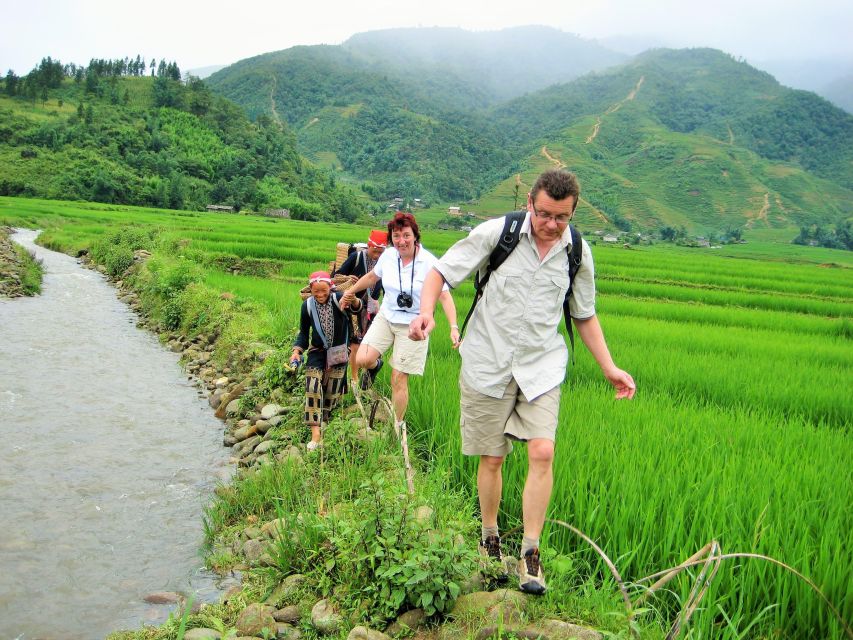
- Total trekking distance is about 12 km to visit three villages: Y Linh Ho, Lao Chai, and Ta Van.
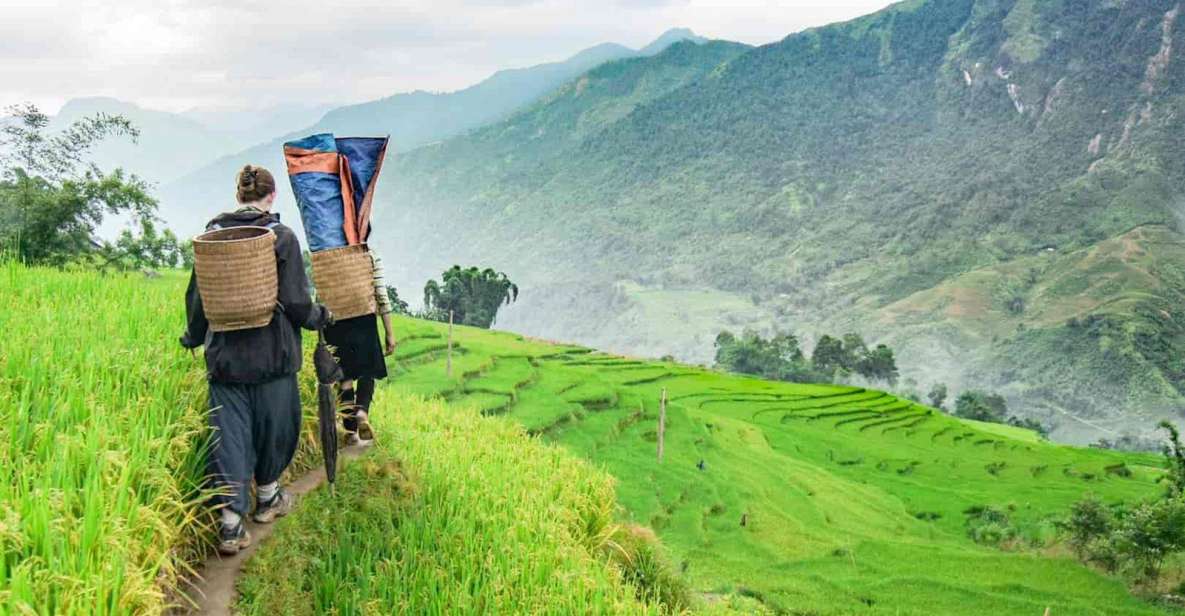
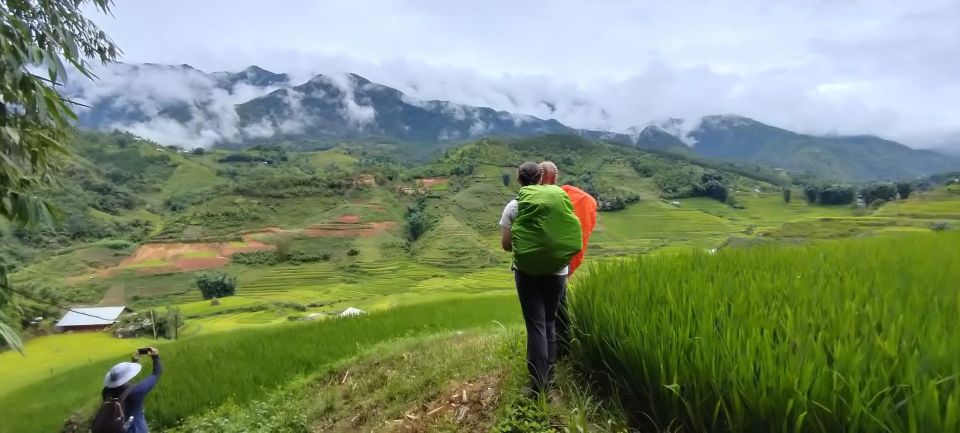
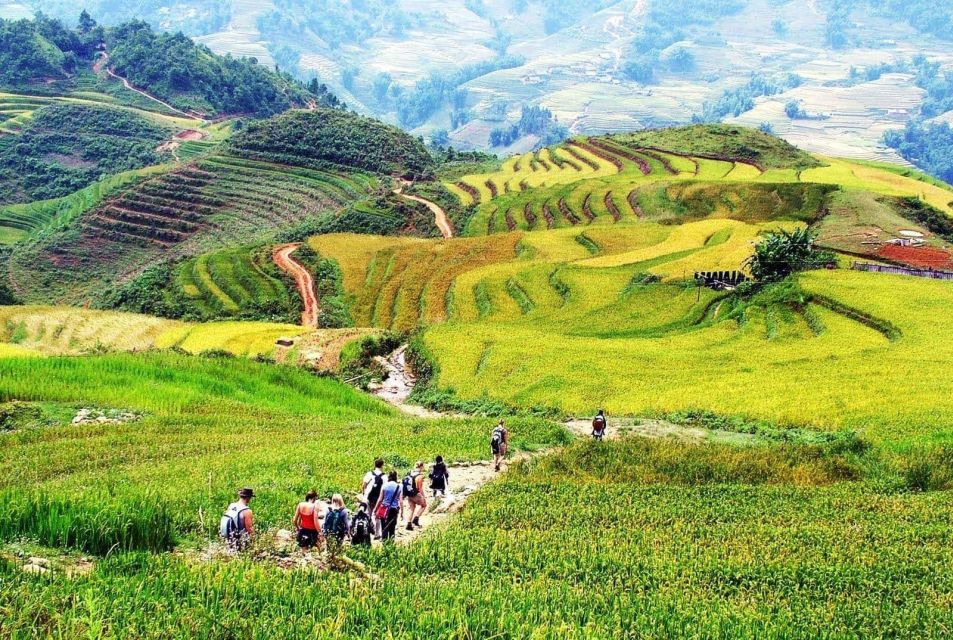
- You’ll spend the day moving downhill through parts of Muong Hoa Valley, known for its rice terrace fields where local hill tribes work and live.
The timeline matters here because you’re not just walking—you’re learning on the move:
- 9:00: Trek downhill toward Muong Hoa Valley (it’s described as the most beautiful valley area in Sapa where local communities live and work on terraced rice).
- 10:00: Continue through Y Linh Ho and Lao Chai on smaller trails for about 3.5 hours. You’ll reach a mountainside area where you can see terrace rice paddies up close.
- You’ll also learn about Black H’mong customs while you’re in the area.
- 12:30: Lunch at a local restaurant along the Lao Chai route. One review singled out the lunch in the Hmong village as delicious.
After lunch, you shift toward a different village life:
- 13:30: Trek along the bottom of the valley to Ta Van village, a Dzay community.
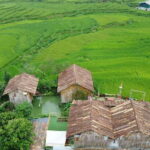
- You’ll experience their way of life while staying in a local family’s cottage setup.
By 14:30, the bus transfers you back to the hotel area to pick up luggage and get ready for the Hanoi return.
At 15:30, your guide transfers you to the bus station.
Around 21:30, you arrive back in Hanoi, with a drop at 30 Ly Thai To Street.
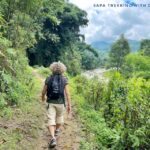
This day is where “good shoes” turns from advice into survival. Mud and slippery patches show up on these trails, especially after rain. I’d bring shoes you can trust on uneven ground.
Hotel, meals, and what to pack for walking days
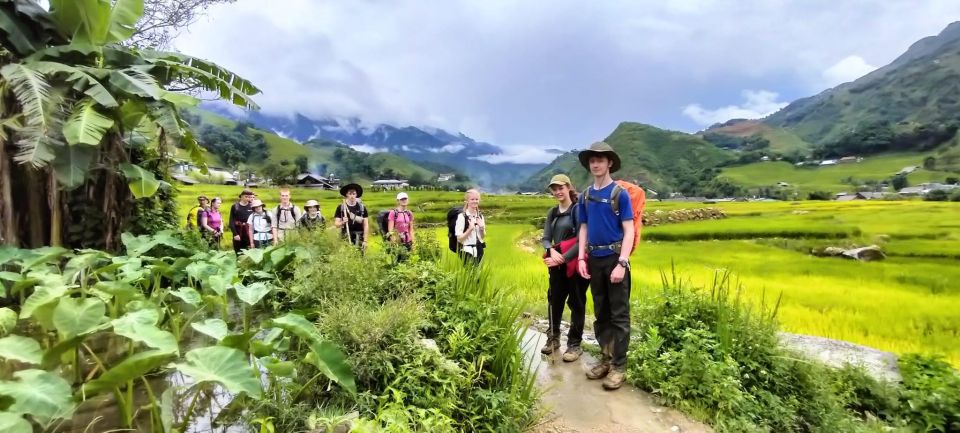
This tour includes accommodation in Sapa—a hotel room for 2 people per room. One review mentioned a hotel called Swan, described as a nice place with wood flooring and walls (but again, that’s one experience, so think “solid, not luxury” rather than “spa hotel”).
Meal inclusions:
- Day 1: lunch in Sapa + dinner at hotel
- Day 2: breakfast at the hotel + lunch during the trekking route
- Drinks are not included, so bring cash or plan to buy water/small drinks as needed.
The food takeaway from reviews:
- Village trekking day lunches can be the best eating of the trip.
- Hotel dinner may not be as satisfying as the lunch you get closer to village life.
Packing that actually helps:
- Shoes with grip. The trip notes muddy, slippery parts, and one review basically said you have to bring good shoes.
- A small light pack for the trek (you’ll leave big luggage at the hotel).
- Layers. It’s cool in the hills even when Hanoi feels steamy.
- Keep a little flexibility with your schedule expectations. It’s a trek-based day, not a museum checklist.
You can also read our reviews of more hiking tours in Sa Pa


Culture and guiding: what you gain beyond the views
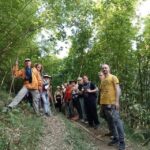
What makes this trek feel worthwhile is that you’re not just passing through. You stop at communities long enough to see daily life and hear explanations tied to where you are standing.
A couple of guide notes from actual experiences:
- One guide named Change was praised as excellent and caring, with lots of information about Sapa and local life.
- Another guide called Cat was mentioned for giving a very good trekking experience.
Even without needing a name, the key is this: you learn while walking. You get context for:
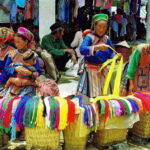
- Black H’mong village traditions during the Cat Cat area and again along the Lao Chai/Y Linh Ho route
- Dzay life around Ta Van, including a family-cottage style experience
Also, the small village performance at Cat Cat isn’t just a show. It’s a reminder that community visitors and community schedules are real parts of the landscape here. You’re seeing culture as something lived, not staged like a theme park.
Who should book this Hanoi–Sapa 2D1N trek (and who should skip it)
This trip is a good fit if you want:
- A short, structured route from Hanoi with minimal planning
- Village-to-village trekking (Cat Cat, Lao Chai, Ta Van)
- A guided experience in English
- A small group (up to 15), so you’re not lost in the crowd
Skip it if:
- You’re pregnant or managing high blood pressure. The trip explicitly says it isn’t suitable.
- You need comfort over movement. This is walking-based travel, and the path can be muddy.
Fitness reality check:
- Day 1 is manageable for many people (2 hours, around 2.5 km).
- Day 2 is the long one (about 12 km, multiple hours on uneven terrain).
If you can handle a full day of trekking on slippery ground, you’ll be fine. If not, you might start regretting your shoelace choices around midday.
Should you book the Hanoi: Sapa Trekking 2 Days 1 Night?
I’d book it if you want a value-packed Sapa experience that combines transport + guiding + real trekking routes with a clear schedule. The $90 price makes sense when you want to avoid DIY logistics and get to multiple villages in a short time.
Don’t book it if you’re comfort-first or sensitive to rougher transport and uneven trails. Also, take the trekking notes seriously—good shoes aren’t optional.
If you’re choosing between this and a less active trip, go with your goal:
- Want views plus culture plus walking? This is the right lane.
- Want rest and easy sightseeing? You’ll probably feel the trek pressure here.
FAQ
What’s the duration of this Hanoi to Sapa tour?
It’s a 2-day trip with 1 night in Sapa.
How much does it cost?
The price is $90 per person.
How does pickup in Hanoi work?
Pickup is available in Hanoi’s Old Quarter (Hoan Kiem district) between 6:00 AM and 6:50 AM depending on location. If you’re staying outside the Old Quarter, you meet at 30 Ly Thai To Street at 6:45 AM.
Where do you get dropped off after the tour?
You’re dropped at the bus station on 30 Ly Thai To Street in Hanoi, not at your hotel.
What’s included in the price?
Included are the sleeper bus round-trip, an English local guide in Sapa, mineral water on the bus, meals (1 dinner, 2 lunches, 1 breakfast), entrance tickets, a hotel room in Sapa, and insurance during the bus time.
Are drinks included?
No, drinks aren’t included.
What villages are visited?
The trip includes Cat Cat Village, Lao Chai Village, and Ta Van, with additional time around Y Linh Ho during the trekking day.
How much trekking is there?
Day 1 includes about 2.5 km of trekking (around 2 hours). Day 2 is about 12 km of trekking across the Muong Hoa Valley route.
What languages are offered?
The live tour guide is available in English.
Is this tour suitable for everyone?
It’s not suitable for pregnant women or people with high blood pressure.