REVIEW · HANOI
Highlights Of Vietnam and Cambodia In 10 Days
Book on Viator →Operated by Realistic Asia · Bookable on Viator
Karst cliffs and temple towers in one trip.
Highlights Of Vietnam and Cambodia In 10 Days strings together Vietnam’s best scenic and food moments with Cambodia’s biggest temple hits, all in one efficient 10-day rhythm. I like that you’re not just stuck in cities: you get river and sea time, plus hands-on village-style activities.
Two things I’d keep for myself: door-to-door private transfers that reduce stress on arrival days, and boat cruises plus cycling that give variety beyond sightseeing photos.
One consideration: the Mekong Delta day may feel like the weakest link compared with the rest of the trip’s wow factor, so go in expecting a calmer, local-life pace.
In This Review
- Key Points to Know Before You Go
- First Stops in Hanoi: private pickup and an easy landing
- Ninh Binh’s limestone world: cycling villages and Tam Coc boats
- Halong Bay sunrise cruise: tai chi, limestone caves, and seafood
- Flying to Ho Chi Minh City: why the switch feels efficient
- Cu Chi Tunnels: a serious stop handled with time to absorb
- Mekong Delta by sampan and bike: where the trip shines and where it may lag
- Cross into Cambodia: landing in Siem Reap with a plan
- Angkor Thom and Angkor Wat: Bayon, the big temple, and Ta Prohm
- Tonle Sap floating villages and Puok silk farm: everyday Cambodia beyond temples
- Last morning in Siem Reap: markets and your flight home
- Price and included value: what you’re really paying for
- Who should book this 10-day Hanoi-to-Angkor route
- Should you book Highlights Of Vietnam and Cambodia In 10 Days?
- FAQ
- FAQ
- What’s the total duration of the trip?
- Where does the tour start and what time?
- How do flights work between Vietnam and Cambodia?
- What kind of transport is included once you’re picked up?
- Is Angkor Wat included, and how is the Angkor day planned?
- Are cruises or boat rides included?
- Is there any cycling or physical activity?
- What meals are included?
- Do I need e-visa documents, and are they included?
- What happens if the trip is canceled due to weather?
Key Points to Know Before You Go
- Max 15 travelers keeps the group feel manageable and the schedule easier to follow
- Ninh Binh + Tam Coc combines cycling with a limestone-cave river boat ride
- Halong Bay sunrise includes tai chi on the sundeck and a limestone cave visit
- Angkor day plan hits Bayon, Angkor Wat, and Ta Prohm in a single flow
- Real support via WhatsApp showed up repeatedly in customer feedback (including help from Long Pham)
First Stops in Hanoi: private pickup and an easy landing
Hanoi starts gently, in the way you want after a long flight. On arrival at Noi Bai International Airport, you’re met by a private driver holding a sign with your name, then taken straight to your hotel in the city center. That door-to-door setup matters more than it sounds: it helps you get oriented fast and avoids the first-day chaos.
Because the trip keeps using private vehicles and air-conditioned transport, you spend less time negotiating buses, taxis, and weather delays. You also start with a clear base for the next two big landscape days: Ninh Binh and Halong Bay.
If you’re the kind of traveler who likes to wake up and know where you’ll be by lunch, this format fits.
You can also read our reviews of more tours and experiences in Hanoi.

Ninh Binh’s limestone world: cycling villages and Tam Coc boats
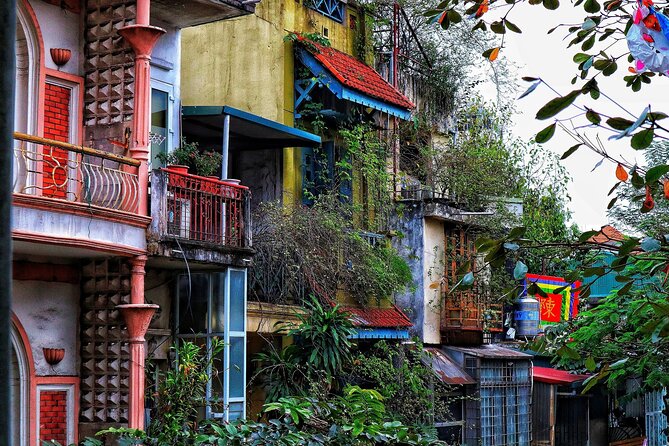
Day 2 is built around Ninh Binh Province, where Vietnam’s karst scenery looks like it was designed for postcards. You start with the Hoa Lu District, a historic area tied to ancient Vietnam, then head toward the Tam Coc–Bich Động region.
What makes this day practical is the activity mix. You’ll stop for a Vietnamese lunch, then board a river boat at Tam Coc wharf for a cruise through limestone caves. After that, you transition to cycling around idyllic villages, which is one of the better ways to see daily life at a slower speed than a bus window.
Why I like this day for you: it gives you both the “wow” of scenery and the “real” of small roads and local rhythm. The only drawback is straightforward—if you dislike cycling or want zero effort, you might find the ride more than you bargained for. Still, the overall day is well-paced and organized.
Halong Bay sunrise cruise: tai chi, limestone caves, and seafood
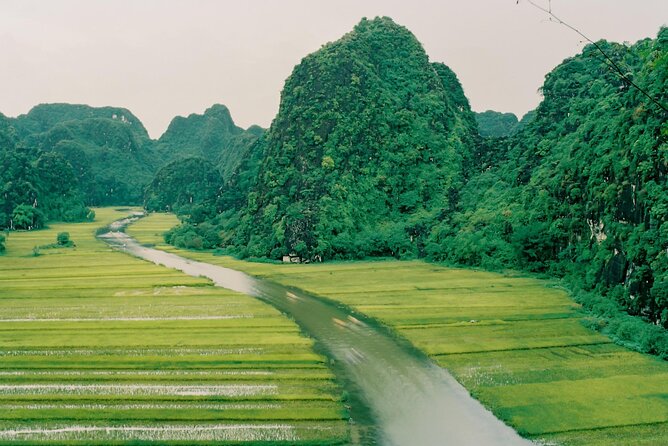
Day 3 and Day 4 are where the trip really leans into classic Vietnam. You leave Hanoi and take a scenic route across the Red River Delta, with emerald green rice paddies along the way. That ride isn’t just travel time—it’s part of the experience.
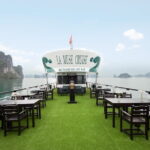
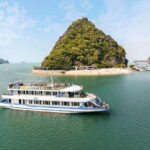
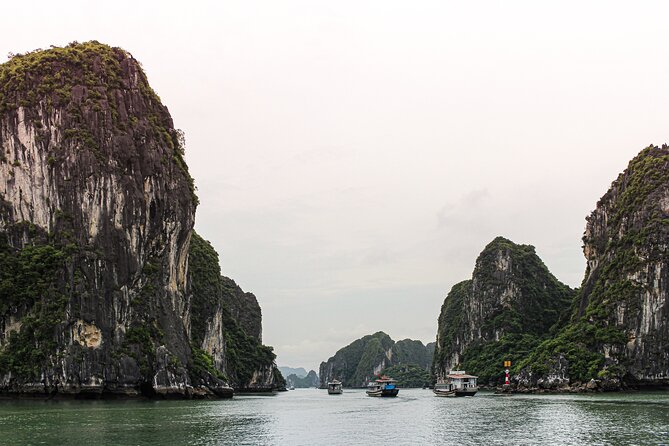
When you reach Halong Bay, you board the cruise and get the signature views: limestone rocks and karst grottoes. You’ll have a seafood lunch onboard and get time on the sundeck—use it for photos, but also for the simple value of being on the water.
Day 4 ups the energy with an early start. You’ll view sunrise, eat breakfast onboard, then join a tai chi class on the sun deck. After that, you visit a limestone cave.
The balance here is good: you’re not stuck inside all day. You get movement (boat deck time, cave visit), plus a slow morning that feels like a reset after travel days. If weather matters to you, it does here—this experience requires good weather, so pack for flexibility.
Flying to Ho Chi Minh City: why the switch feels efficient
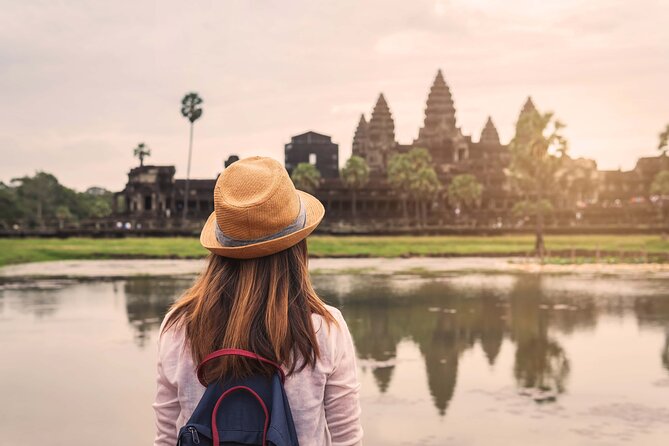
After two days in the north, you fly down to Ho Chi Minh City (often still called “Saigon” by locals). You’ll be transferred to your hotel on arrival, then spend the evening in the city.
This flight jump is part of why the whole trip works. Instead of wasting days on long overland distances, you gain time for big named sites: Cu Chi Tunnels and then—later—Siem Reap and Angkor. For many people, that’s the difference between a “sample trip” and a truly satisfying one.
Also, this is the moment where you’ll feel the group rhythm settle. You’ll likely have a morning-and-afternoon structure again, and you can keep the evenings freer if you want to wander.
Cu Chi Tunnels: a serious stop handled with time to absorb
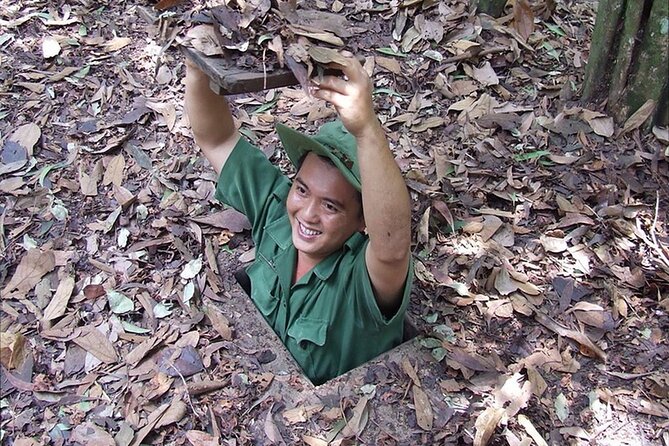
Day 6 is Cu Chi Tunnels, a long underground tunnel network tied to Vietnam’s war history. You drive about 1.5 hours to reach the site, then spend time exploring the tunnels.
This isn’t a casual “photo and leave” stop. Even with a guided structure, you’ll want a few minutes to process what you’re seeing—tight spaces, underground routes, and the sense of survival that comes through the scale of the system. The program includes an entrance ticket, so you’re not scrambling to arrange entry.
One practical tip: keep your pace slow during the tunnel sections. It’s easy to rush and miss the point. If you’re sensitive to confined spaces, consider how you’ll handle the physical feel before you go in.


Mekong Delta by sampan and bike: where the trip shines and where it may lag
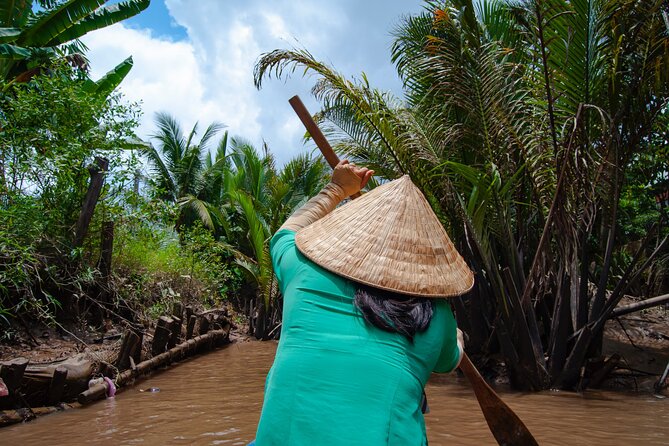
Day 5 takes you to the Mekong Delta, starting with My Tho on the left side of the Mekong River. After breakfast, you board a sampan and cruise around four islands—Dragon, Unicorn, Phoenix, and Tortoise. A stop on Unicorn Island includes walking around country lanes, then you get into village time again.
In the afternoon, you head to Tan Thach for cycling or walking around the village area and meeting locals to experience daily life. You also get included relaxation time, like hammock moments and a break from active movement.
This day is great if you enjoy slower travel and local interaction. It’s also the day that can disappoint some people compared to the “big spectacle” days like Halong Bay and Angkor. If you’re booking this expecting maximum visual drama every hour, consider that the Mekong is more about rhythm than jaw-dropping architecture.
Still, the structure is thoughtful: you get a mix of river cruising + islands + village activity in one day, so you’re not paying for separate mini-tours that repeat the same idea.
Cross into Cambodia: landing in Siem Reap with a plan
Day 7 switches countries and mood. You take a private driver to the airport in Ho Chi Minh City, fly to Siem Reap, then get picked up on arrival. When you’re dealing with international entry, having a driver waiting is a small comfort that saves time and stress.
Siem Reap is where you’ll feel the trip’s “main event” coming. The next days focus on the Angkor complex—temples that are huge, layered, and best seen with a guided route so you don’t wander in circles for hours.
Your hotel base in Siem Reap also matters. You’ll likely have enough time between temple blocks to rest your legs and keep energy for early starts.
Angkor Thom and Angkor Wat: Bayon, the big temple, and Ta Prohm
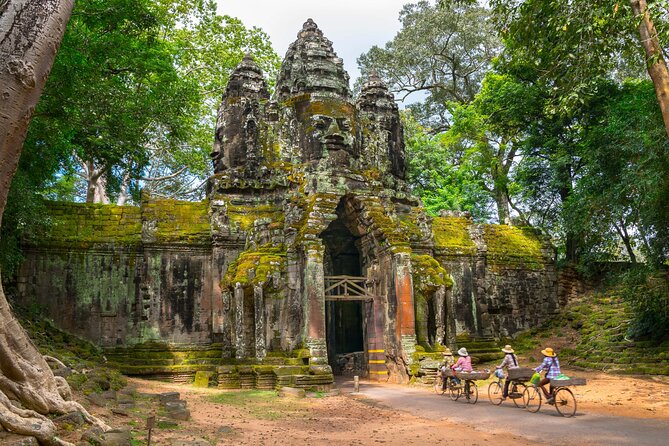
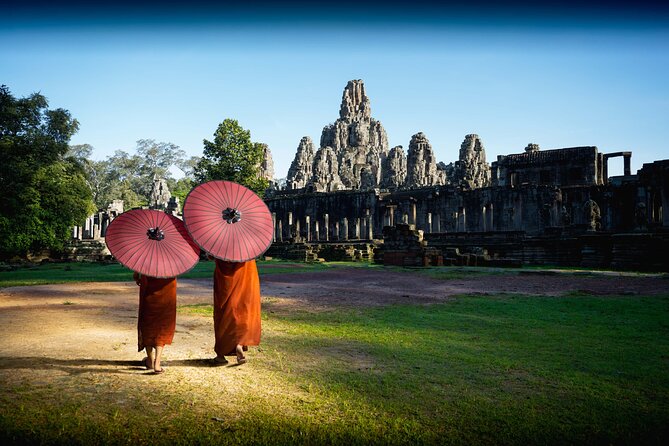
Days 8 and 9 are the temple marathon, but it’s a smart one. On Day 8, you start with Angkor Thom and the South Gate, then visit Bayon Temple. Bayon is known for its stone faces and heavy sculptural detail, and it’s a great first anchor before you move to bigger open space.
Next comes Angkor Wat, described as the largest and most complete temple in the area. You’ll see vast galleries, libraries, pavilions, courtyards, and ponds. The sheer scale here is part of the experience—this is why the trip includes time blocks rather than rushing you through.
Then you finish with Ta Prohm, famous for trees and creepers growing among the stones. That jungle reclaiming effect makes Ta Prohm feel less like a museum and more like a place that time is still actively writing on.
Day 9 continues with off-temple life in the afternoon, so Day 8 keeps your energy focused on Angkor’s must-sees.
Tonle Sap floating villages and Puok silk farm: everyday Cambodia beyond temples
Not every day needs to be stones and towers. Day 9 includes a trip to Tonle Sap Lake to visit floating villages. You’ll meet your guide, then take a scenic drive and cruise by traditional wooden boat. This is where you get a different view of Cambodian life—less monument, more livelihood.
In the afternoon, you go to Puok in the Pouk district for a silk farm. You’ll visit a workshop and see the process of silk creation, starting with growing the plants and moving through the steps of making silk.
This mix is a big plus for your trip value. It rounds out the Angkor-heavy schedule so you leave with more than just archaeology. You also get a calmer pace after lots of walking.
Last morning in Siem Reap: markets and your flight home
On the final day, you have breakfast and then check out. After that, you can visit local markets for souvenirs, then transfer to Siem Reap International Airport for your departure flight.
This structure is practical. You’re not stuck with a long “dead time” window without plans, and you can still pick up small gifts for friends and family without stressing over the clock. Aim for a little extra time for shopping if you’re a slow browser—markets can be tempting once you see what’s available.
Price and included value: what you’re really paying for
At $1,555 per person for about 10 days, this isn’t a barebones budget trip. But the value is in the package setup: you’re paying for private door-to-door transfers, air-conditioned transport, domestic flights between major hubs, and entrance fees.
Included items also reduce friction:
- Cruise time at Halong Bay
- River boat time for Tam Coc
- Sampan cruising in the Mekong Delta
- English-speaking guides are a repeated strength in customer feedback
- Meals are partly covered (breakfast is listed 8 times; lunch is listed 4 times; dinner is included)
The things you’ll still plan for yourself: travel insurance, tips and personal expenses, and the required e-visas are specifically noted as not included. Vietnam e-visa can be applied online, and Cambodia’s e-visa is obtainable on arrival.
For value, the biggest question is your tolerance for a packed schedule. This is efficient and organized, but it’s not slow-travel by design.
Who should book this 10-day Hanoi-to-Angkor route
This tour fits best if you want a strong hit list without constant planning. You’ll like it if you:
- Want Hanoi + Halong Bay + Angkor without long overland transfers
- Enjoy a mix of scenic cruises and hands-on activity like cycling
- Prefer having support on call rather than handling every little detail yourself
I’d also consider it if you’re a solo traveler who doesn’t want solitude every minute. Customer comments highlight that people found friendly group dynamics while still getting individual attention.
It may be less ideal if you:
- Hate cycling or want minimal walking
- Want a deeply slow pace with lots of free days
Should you book Highlights Of Vietnam and Cambodia In 10 Days?
If your dream trip is “big sights, plus real-life river moments,” I think this is a solid choice. You’re getting Halong Bay and Angkor Wat-level highlights, plus Ninh Binh cycling and Mekong boat time—so you won’t feel like you only saw one kind of attraction.
Book it if you trust a structured plan and want smooth logistics handled for you. Pass or swap expectations if you mostly want one standout destination and can’t stand a day that feels more like local pacing than dramatic set pieces.
FAQ
FAQ
What’s the total duration of the trip?
It’s listed as 10 days (approx.), starting with pickup in Hanoi and ending with transfer to Siem Reap International Airport.
Where does the tour start and what time?
It starts at Noi Bai International Airport in Hanoi, with a start time of 8:00 am listed for the experience.
How do flights work between Vietnam and Cambodia?
The trip includes domestic flights: Hanoi to Ho Chi Minh City (economy), and then Ho Chi Minh City to Siem Reap (economy).
What kind of transport is included once you’re picked up?
You get door-to-door pick-up & drop-off services by private car, plus air-conditioned transport for transfers throughout the tour.
Is Angkor Wat included, and how is the Angkor day planned?
Yes. You visit Bayon Temple, Angkor Wat, and Ta Prohm as part of the Angkor complex sightseeing plan.
Are cruises or boat rides included?
Yes. Boat experiences are included, including Halong Bay cruise, Tam Coc boat cruise, and a sampan cruise on the Mekong Delta.
Is there any cycling or physical activity?
Yes. You include cycling in the Ninh Binh area and also cycling or walking around Tan Thach in the Mekong Delta.
What meals are included?
The package lists breakfast (8 times), lunch (4 times), and dinner as included.
Do I need e-visa documents, and are they included?
E-visa is not included. Vietnam’s e-visa can be applied online, and Cambodia’s e-visa can be obtained upon arrival.
What happens if the trip is canceled due to weather?
The experience requires good weather. If it’s canceled because of poor weather, you’ll be offered a different date or a full refund.