REVIEW · HIKING & TREKKING
Sapa: Private trek to Muong Hoa Valley
Book on GetYourGuide →Operated by Vietnam Nomadtrails · Bookable on GetYourGuide
Rice terraces start your morning in Sapa. This private trek to Muong Hoa Valley delivers big mountain views and real village stops, led by an English-speaking guide who can explain what you’re seeing. I especially love the mix of scenic Lao Chai terrace views and the way guides like Cha and Zheng adjust the hike to your comfort level. One consideration: it’s about a 12 km walk, and May–September can be slippery, so good shoes really matter.
You’ll start on foot right from Sapa town and move through Black Hmong villages toward the terrace country. Then you’ll get lunch near the river bank or at a local spot, followed by more trekking to Ta Van and its craft-focused house visits. The upside is that you finish with a private car back to the Sapa center instead of dragging your feet all the way.
What makes this feel like more than another hike is the people-and-rhythm approach. You’re not just looking at scenery; you’re learning about daily life, costumes, and traditional handicrafts like weaving and coloring. If you’re after a totally flat, easy stroll, this route may feel like more work than you want.
In This Review
- Key highlights worth planning around
- Muong Hoa Valley: 12 km of rice-terrace payoff from Sapa
- Black Hmong villages and daily life you can actually see
- Lao Chai rice terraces: your lunch stop with a view
- Ta Van and Dzay village life: weaving and coloring in local houses
- Guide-led pacing on steep, slippery sections (and why it matters)
- Transportation and the private-car finish: a smart way to avoid fatigue
- Price and value: what $47 really covers on this route
- What to bring: shoes, clothes, and why slippers are a bad idea
- Who should book this trek (and who should skip it)
- Should you book the private trek to Muong Hoa Valley?
- FAQ
- How long is the Sapa private trek to Muong Hoa Valley?
- About how far will we hike?
- What villages will we visit?
- Is lunch included?
- What’s included in the price?
- What should I wear or bring?
- Is this trek suitable for everyone?
Key highlights worth planning around
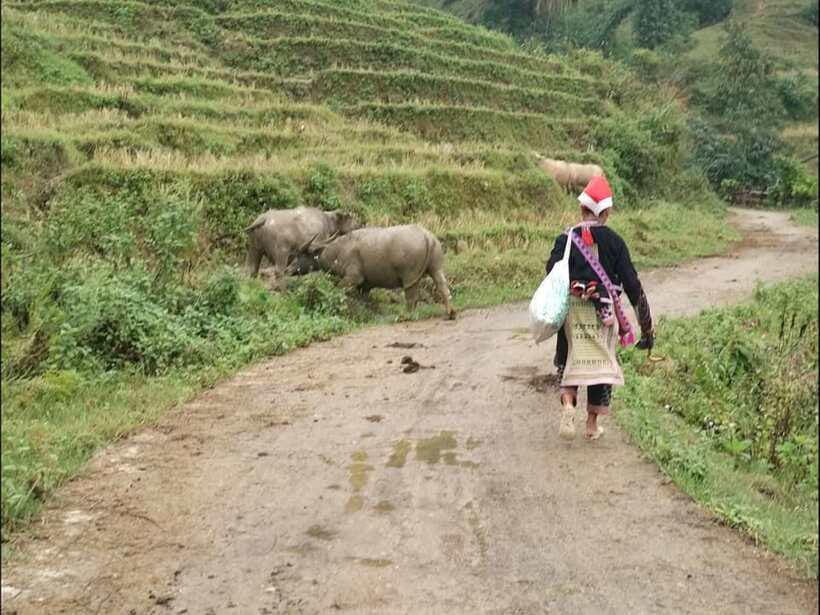
- Muong Hoa Valley views with a strong payoff at Lao Chai rice terraces
- Village encounters with the Black Hmong and Dzay communities along the way
- Lunch included near the river bank or in a local restaurant
- Hands-on craft learning at Ta Van homes (weaving and coloring)
- Guide-led pacing changes for steep, slippery sections
- Hotel pickup and drop-off in Sapa town plus water along the trek
Muong Hoa Valley: 12 km of rice-terrace payoff from Sapa
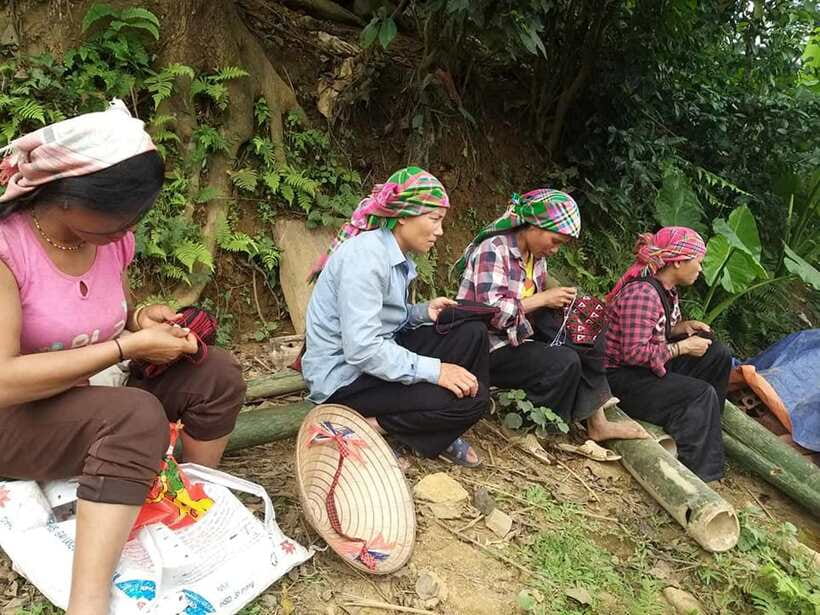
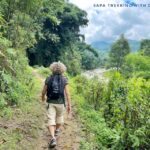
This trek runs for about 5 hours and covers roughly 12 kilometers of walking. You’ll leave Sapa on foot, working your way into the valley as the scenery opens up and the trail switches between village paths and terrace viewpoints.
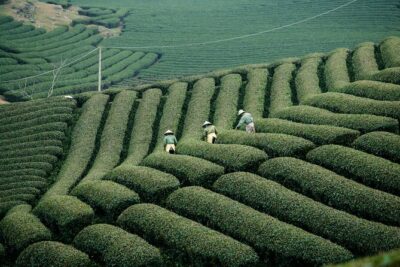
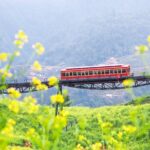
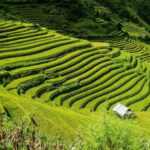
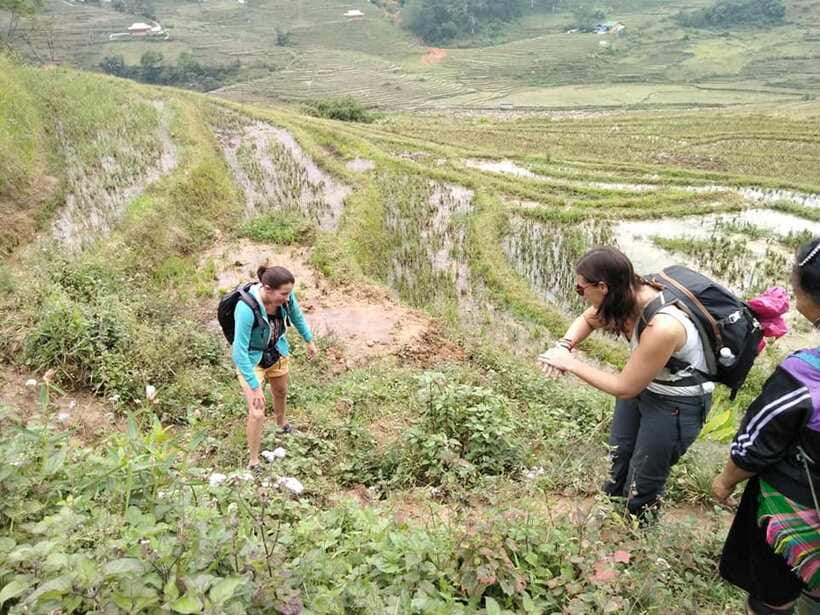
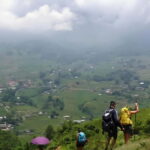
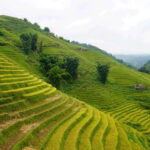
The best part, for most people, is how the landscape keeps unfolding. You don’t get one dramatic picture and then disappear into the woods—you keep earning the views. Lao Chai is the big terrace moment, with sweeping rice fields that you can actually see from where you’re standing, not just from a distance.
The one “plan smart” note is terrain. In May to September, the path can be slippery, especially on wet sections or where the trail stays shaded. That’s where your footwear choice matters more than your attitude.
You can also read our reviews of more private tours in Sa Pa

Black Hmong villages and daily life you can actually see
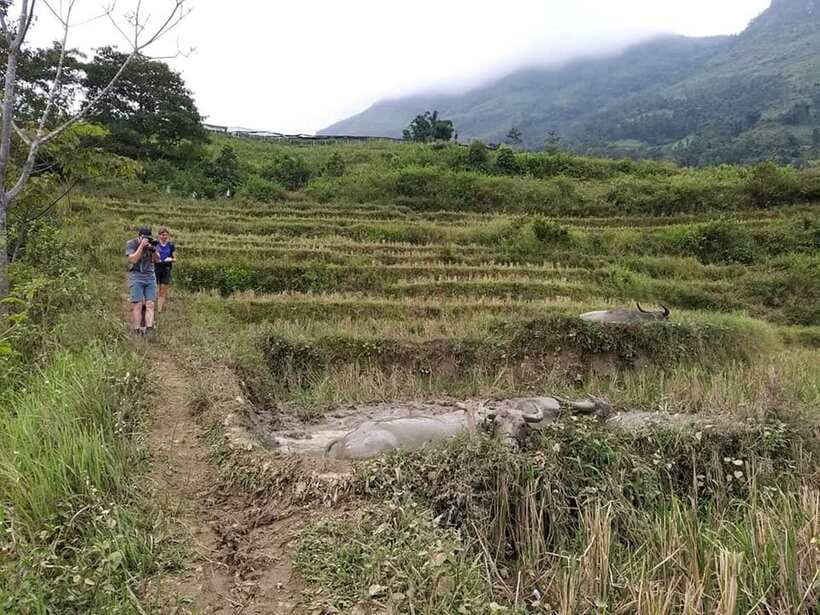
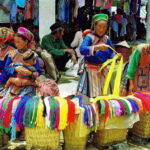
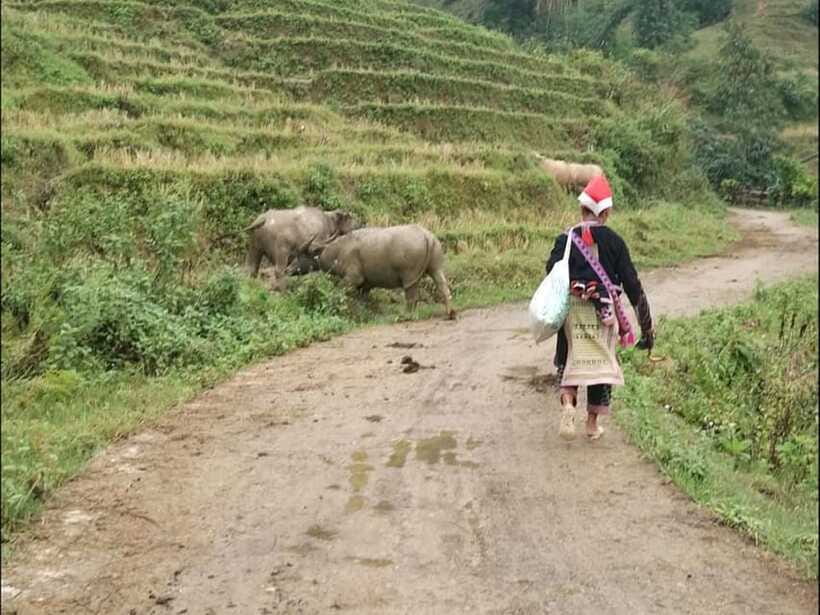
Between Sapa and Lao Chai, you trek through villages associated with the Black Hmong. This is where the hike shifts from scenic to personal. Instead of rushing past houses and small plots, you slow down enough to get a sense of how people live in the mountains.
Your English-speaking guide helps connect the dots—what different areas are used for, how daily routines fit the landscape, and what to look for in clothing and village life. In feedback, guides like Cha are praised for sharing interesting, specific details, not just general facts. That’s a big difference on a trail like this.
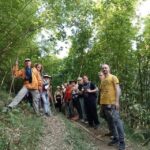
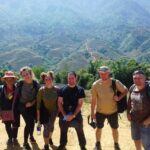
A private format also helps. Your guide can keep the stops at the right pace for you, rather than forcing you to match a larger group’s rhythm. If you prefer a steady walking pace with short pauses to look and ask questions, this style tends to work well.
Lao Chai rice terraces: your lunch stop with a view
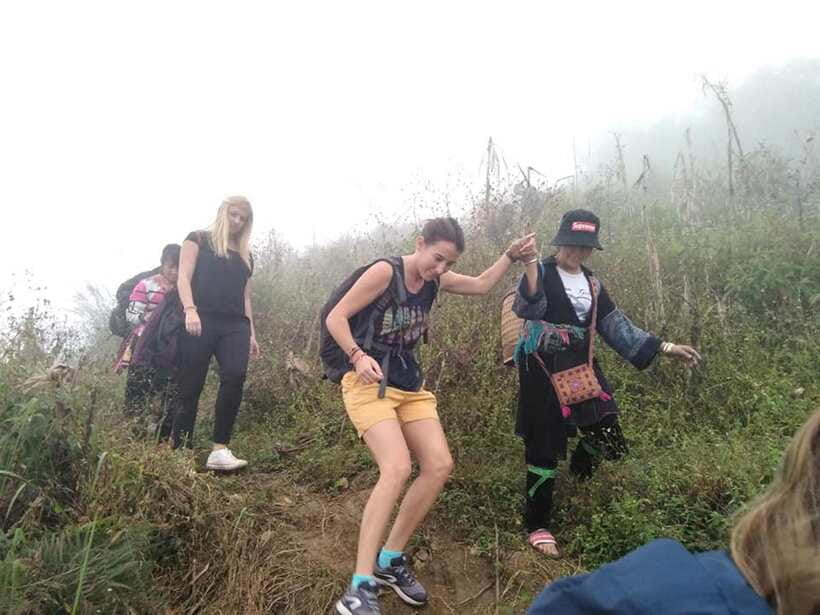
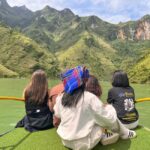
When you reach Lao Chai, you’re in the zone for some of the most impressive rice terrace views in northern Vietnam. This is the moment where you’ll want to slow down, look around, and take in how the terraces step across the hills.
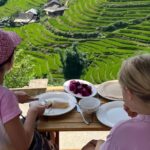
Then it’s lunch, included in the price. The meal is served either near the river bank or at a local restaurant, depending on the day’s setup. Either way, this is a proper reset point: you’re far enough into the valley to feel like you left Sapa behind, but not so far that your energy is gone.
In review-style feedback, lunch is described as very good and plentiful—a reassuring sign if you’ve ever been burned by “included lunch” that turns out to be a snack. Still, keep expectations realistic: you’re eating on a hike route in a rural area, so focus on comfort and satisfaction rather than a fine-dining vibe.
Ta Van and Dzay village life: weaving and coloring in local houses
After lunch, you continue trekking to Ta Van, a village inhabited by the Dzay ethnic group. This portion of the hike often feels more intimate, because you spend time closer to homes and small community spaces.
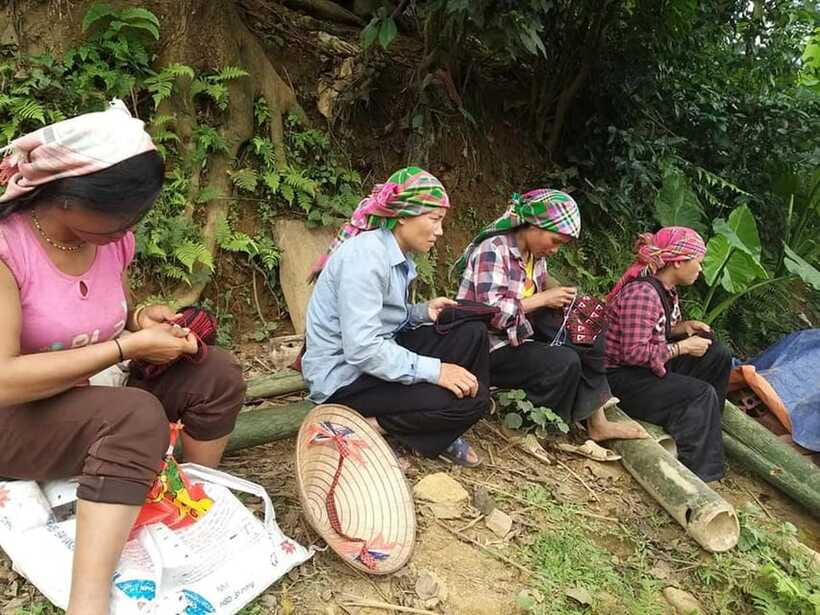
You’ll visit local houses and learn about traditional handicrafts such as weaving and coloring. The value here isn’t just watching someone do a skill—it’s hearing the story behind it and seeing the practical side of how crafts connect to everyday life.
You’ll also learn more about customs and costumes before you return toward the main road. In real-world terms, this is where your guide’s explanations make a difference: it turns random visuals into something you can remember later with context.
Guide-led pacing on steep, slippery sections (and why it matters)
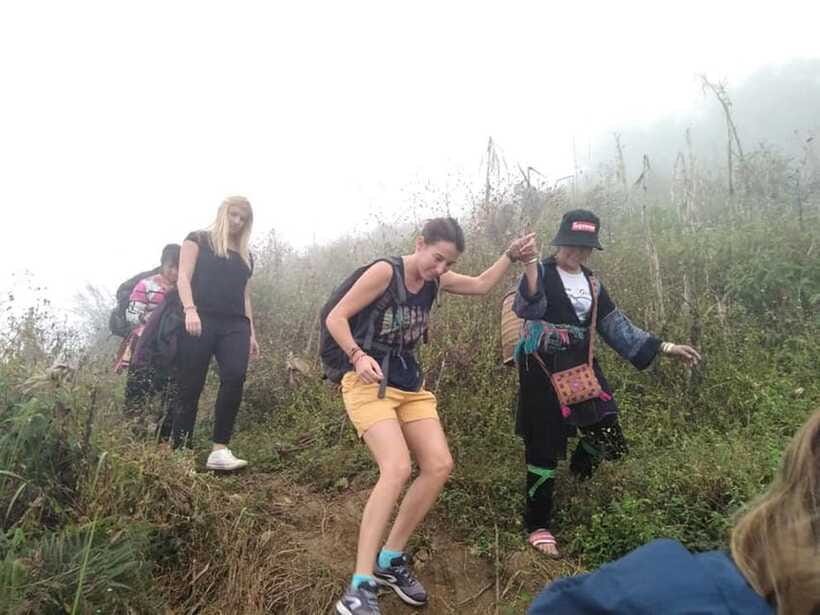
A private trek should feel flexible, and this one is built for that. You may not always have a perfectly gentle path, and reviews highlight that guides adapted the route when sections got steep or slippery.
That matters because it changes the experience from “survive the trail” to “enjoy the trail.” When your guide adjusts the pace and timing—pauses when needed, chooses a workable route—you spend more energy on the views and less on stress.
Guides like Zheng are specifically praised for being accommodating and friendly, with a hike tailored to your comfort level. Even if you’re a strong hiker, you’ll appreciate having someone who knows where footing is safer and when to slow down.
You can also read our reviews of more hiking tours in Sa Pa
Transportation and the private-car finish: a smart way to avoid fatigue
You’ll start from Sapa town and end near the main road, where a driver is waiting. From there, you take a private car back to Sapa center, which is one of those underrated details that changes how the day feels.
Instead of walking out until you’re exhausted and then trying to catch a bus, you get a clean finish. That’s especially helpful if you’re doing this as a day activity and still want energy left for Sapa’s evening streets afterward.
Also included is transportation plus hotel pickup and drop-off in Sapa town only. If your hotel is outside the pickup zone, you’ll want to plan accordingly, but for most central Sapa stays this is straightforward.
Price and value: what $47 really covers on this route
At $47 per person, this trek is priced like a mid-range, guided day hike—but the value comes from what’s bundled.
You get:
- An English-speaking guide
- Lunch
- Entrance fees
- Transportation plus pickup/drop-off in Sapa town
- Water during the trek
That’s a lot you’d otherwise pay separately. The experience isn’t just “a person with a hat”—you’re paying for interpretation, pacing, and access to the villages along the way. And the lunch inclusion removes one of the biggest headaches in mountain travel.
A couple of add-ons are worth knowing: there’s a 15 USD per person surcharge if you need a French-speaking guide (paid at the meeting point), and during Lunar New Year (26 Jan to 2 Feb 2025) there’s a 35 USD per person surcharge paid directly on the trip. If your dates fall in that window, factor it into your total budget.
Not included: insurance and personal expenses. VAT is also listed as not included, so keep that in mind if you’re comparing costs across tours.
What to bring: shoes, clothes, and why slippers are a bad idea
This hike is outdoors most of the day, and the trail conditions can shift fast. Bring comfortable shoes and comfortable clothes you can move in.
Slippers are explicitly not allowed. That’s not just a rule for show—if the ground turns slick, slippers won’t give you the traction or support you need. If you’re visiting in wetter months, prioritize grip and ankle support.
Also consider how you’ll handle changing mountain weather. You’re walking into a valley, and conditions can feel cooler or damp depending on the time of day. Layering helps you stay comfortable without slowing down.
Who should book this trek (and who should skip it)
This is a great choice if you want:
- A private Sapa experience with an English guide
- Village and culture stops tied to a hike, not separate
- Rice terrace viewpoints at Lao Chai plus craft learning at Ta Van
It may not be the right fit if you:
- Are pregnant
- Have heart problems
- Have mobility impairments
The distance and terrain are the main reasons. Even though guides can adapt the pace, it’s still a real trek of around 12 km with potential slipping risk in May–September.
Should you book the private trek to Muong Hoa Valley?
I’d book this if your goal is an authentic Sapa day that mixes mountain views, village life, and craft learning, without turning the day into logistics chaos. The strongest reasons are the terrace payoff at Lao Chai, the cultural stops in Black Hmong and Dzay areas, and the fact that guides like Cha and Zheng are praised for detailed explanations and route adjustments.
Skip it if you want a short, easy walk or you’re not comfortable with a 12 km hike on uneven terrain. And if you’re planning your trip in slippery season, take the shoe advice seriously—this is where the experience can swing from fun to frustrating fast.
If you’re choosing between a purely scenic tour and a more human-scale trek, this one leans toward people-and-place. That’s the kind of day you’ll remember when the pictures are just the proof.
FAQ
How long is the Sapa private trek to Muong Hoa Valley?
The duration is listed as 5 hours, with starting times depending on availability.
About how far will we hike?
The trek is about 12 kilometers.
What villages will we visit?
You’ll trek through villages associated with the Black Hmong tribe, reach Lao Chai village for terrace views and lunch, and then continue to Ta Van village.
Is lunch included?
Yes. Lunch is included, served either near the river bank or at a local restaurant.
What’s included in the price?
Included items are an English-speaking guide, lunch, entrance fees, transportation, water, and hotel pickup and drop-off in Sapa town.
What should I wear or bring?
Bring comfortable shoes and comfortable clothes. Slippers are not allowed.
Is this trek suitable for everyone?
It’s not suitable for pregnant women, people with heart problems, or people with mobility impairments.