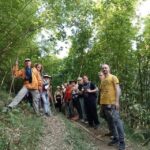
REVIEW · HIKING & TREKKING
Full Day Trekking Lao Chai-Ta Van and Cat Cat Village
Book on GetYourGuide →Operated by VN CHARM TOURISM CO,LTD · Bookable on GetYourGuide
This one-day Sapa trek strings together rice terrace views, two ethnic villages, and an afternoon walk to Cat Cat’s waterfall area. I love how the route mixes scenery with real village life, so you’re not just taking photos from the bus window. I also like that your English-speaking local guide turns the walk into something you can actually understand, including community customs and daily routines. One possible drawback: it’s a hiking day, so if you’re not comfortable with steep, uneven trails, the pace may feel like a workout.
You’ll start in Sapa, hop toward the trailhead, then spend the morning walking about 9 km (around 4 hours), with a lunch stop and time at Lao Chai and Ta Van. The afternoon shifts to Cat Cat Village (about 2.5 km and around 2 hours on foot), plus time for coffee, exploring, and photos near the waterfall. If you get guide Nguyen Thanh Chung, you’ll likely notice he’s hands-on and quick to adapt, based on past group experiences.
In This Review
- Key highlights you’ll feel right away
- Why This Lao Chai–Ta Van to Cat Cat Trek Makes Sense in One Day
- Getting Going: Sapa Pickup, Y Linh Ho Start, and Your Expected Pace
- Muong Hoa Valley: Rice Terraces and Stream Walks That Change Mood Fast
- Lao Chai Village: Black Hmong Life Along the Trail and Toward the Views
- Ta Van Village: Dzay Culture and the Moment the Trek Feels Personal
- Lunch Timing in Sapa: The Midday Fuel You Actually Need
- Cat Cat Village: The Waterfall Area and the French-Era Power Station
- What to Bring (and What Matters Most on This Trail)
- Price and Value: Is $46 a Good Deal for This Much Walking?
- Who This Tour Fits Best (and Who Should Rethink It)
- My Take: Should You Book the Full Day Lao Chai–Ta Van and Cat Cat Trek?
- FAQ
- How long is the trekking day?
- What route does the tour follow?
- What’s included in the price?
- What languages are available for the guide?
- Is this tour wheelchair accessible?
- What should I bring for the trek?
Key highlights you’ll feel right away
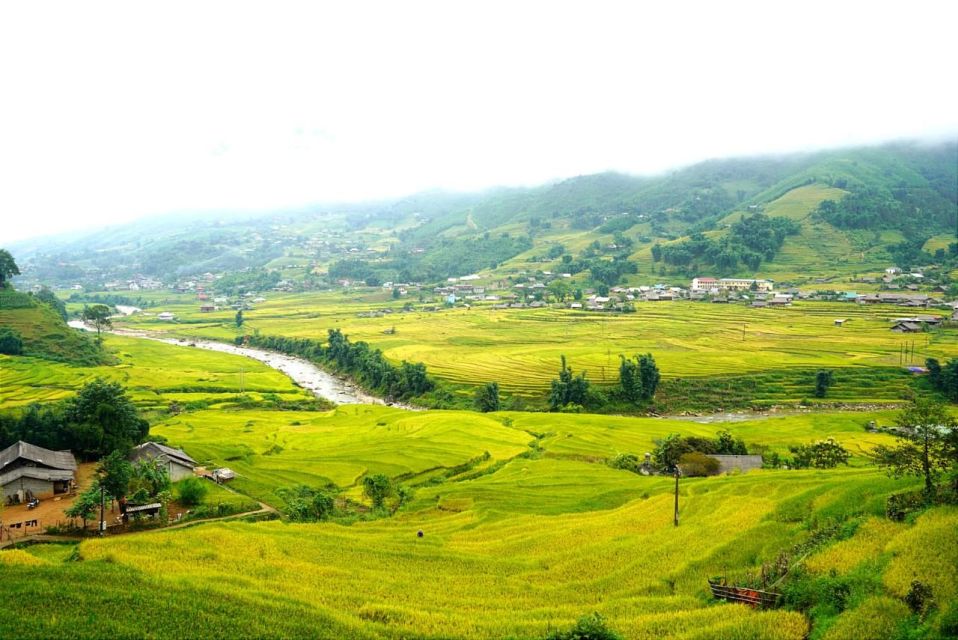
Muong Hoa Valley panorama with terrace views along the walk
Lao Chai and Ta Van village visits with different ethnic communities
A real lunch stop included during the long day
Cat Cat descent-to-waterfall loop with great photo opportunities
English-speaking local guide (some groups report an outstanding guide like Nguyen Thanh Chung)
Small-group vibe on some departures helps you move and ask questions
Why This Lao Chai–Ta Van to Cat Cat Trek Makes Sense in One Day
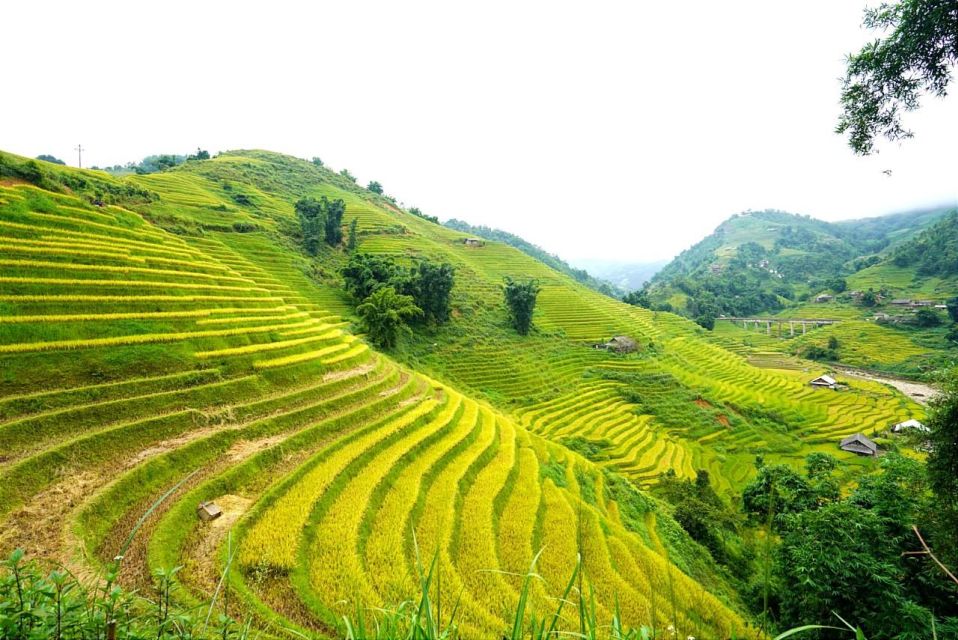
Sapa can be confusing if you only have a short visit. This tour helps you pack in the most famous walking areas without making you choose between morning terraces and an afternoon village circuit. You get the Muong Hoa Valley walking route, then ethnic village time at Lao Chai and Ta Van, and finally Cat Cat Village with its waterfall area.
What makes this route work for you is the flow. The morning builds up to big views and village immersion, then lunch gives you energy, and the afternoon walk finishes with a payoff scene at the bottom of a deep valley. Even if you’re not a hardcore hiker, you still get that sense of, I earned this view.
That said, it is still a trekking day. You’ll be in hiking shoes for long stretches, and you’ll want a realistic attitude about effort. If you like easy strolls only, you might prefer a gentler option in the area.
You can also read our reviews of more hiking tours in Sa Pa



Getting Going: Sapa Pickup, Y Linh Ho Start, and Your Expected Pace
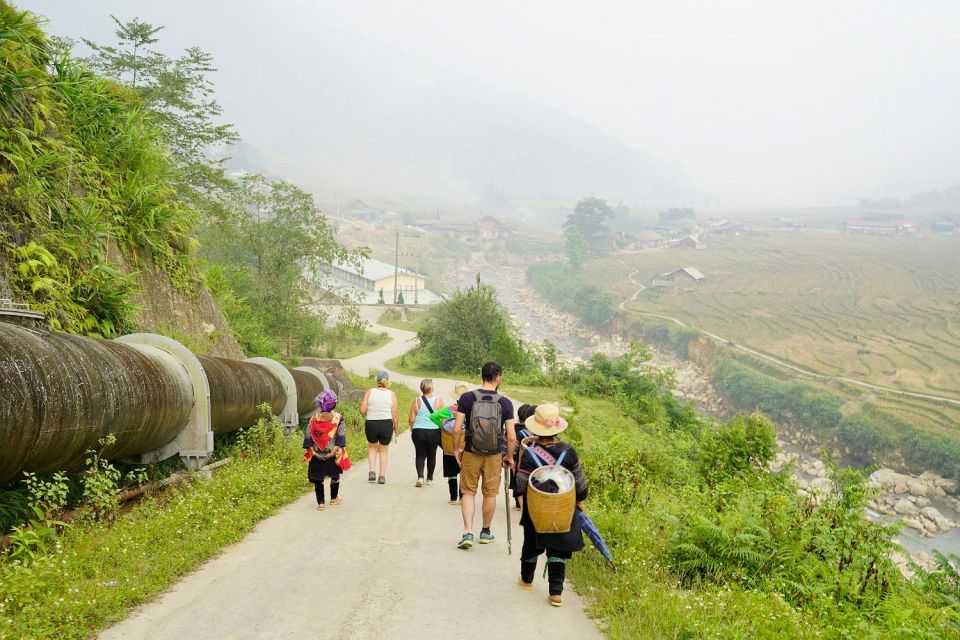
The day starts early, with pickup around 7:45–8:00 from Sapa Charm Hotel. You’ll do a quick light-pack setup for a longer walk, and then you’ll ride to a starting area around Y Linh Ho. This matters because it reduces the dull travel time and gets you onto the trail while the valleys still feel fresh.
Once you’re on foot, the morning trek is about 9 km and takes around 4 hours. That’s a solid distance, but it’s paced with stops for photos and village time. You’re not meant to sprint; you’re meant to keep moving, stop, look, listen, and keep going.
One practical note: the tour mentions trekking along Muong Hoa Stream. Streams in rainy or misty conditions can mean slick stones. The goal is comfort and stability, not speed. Your footwear choice can make or break the day.
Muong Hoa Valley: Rice Terraces and Stream Walks That Change Mood Fast
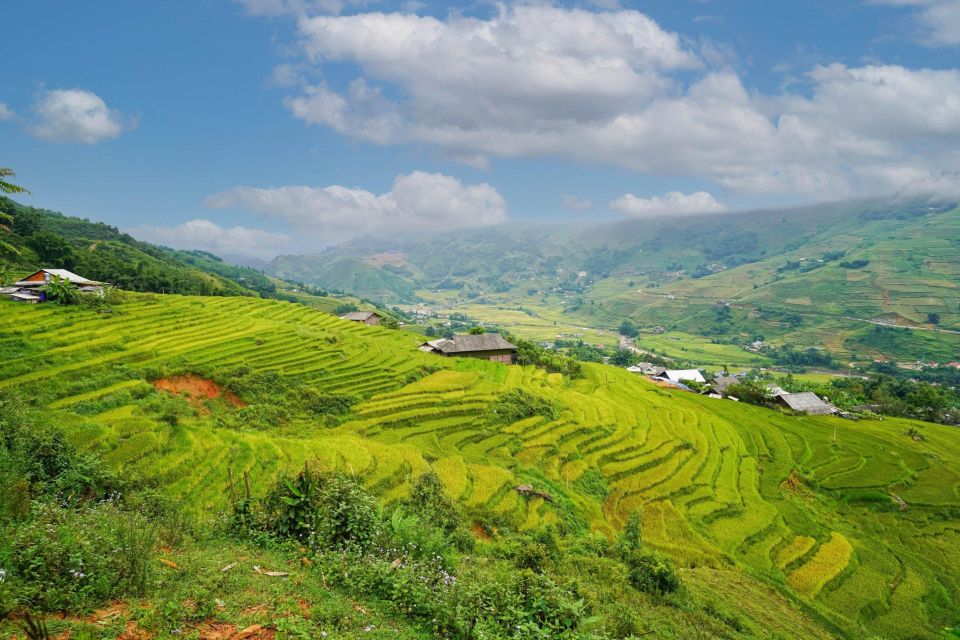
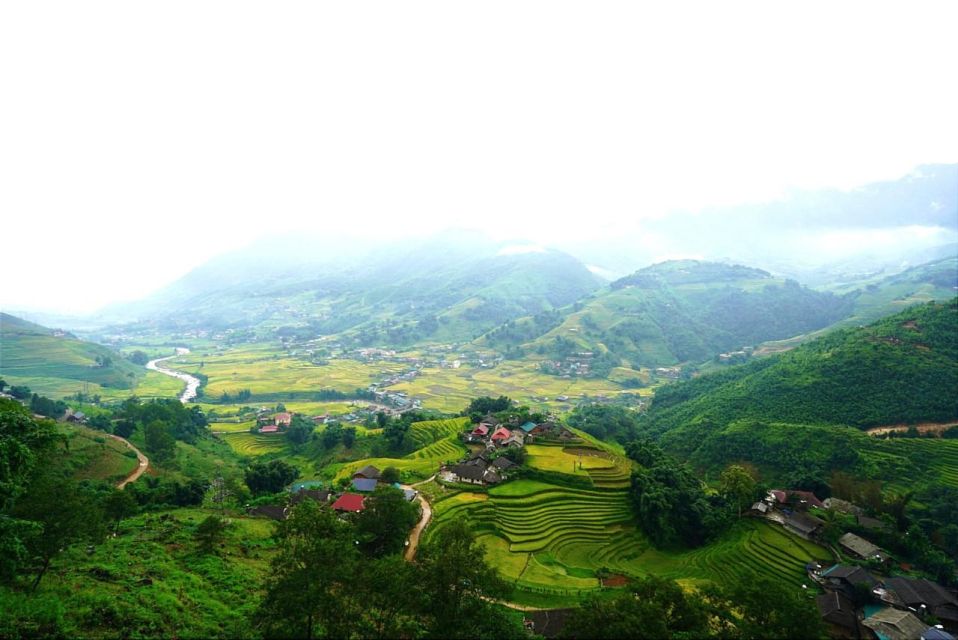
Muong Hoa Valley is famous for a reason: the terraces keep widening as you move, and the views feel layered instead of flat. On this route, you’ll pass through terrace areas and walk along the stream, which gives the day a change of texture. One minute you’re scanning the slopes and patterns in the rice fields; the next you’re walking beside the water corridor.
This part of the trek also helps you adjust to the terrain. Early on, it’s easier to find your rhythm. Later, as the trail bends toward village areas, you’ll likely notice the walking becomes more about footing and careful steps than about speed.
If you love photos, this is where you’ll collect your best “route” shots. You’ll also get the kind of moments where the view opens suddenly, and you’ll want to take a breath before aiming your camera.
Lao Chai Village: Black Hmong Life Along the Trail and Toward the Views
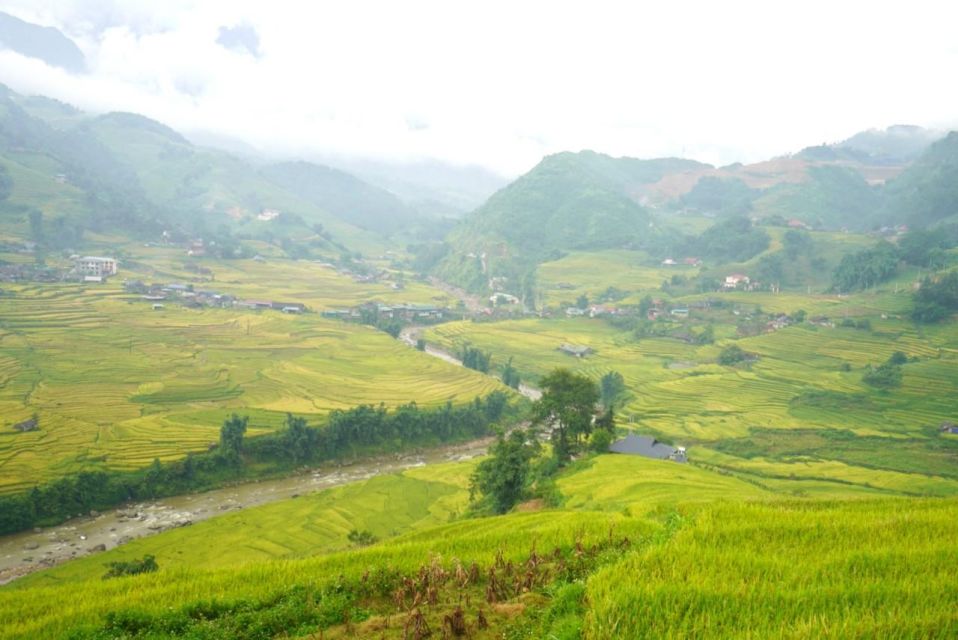
After the initial valley walking, you’ll reach Lao Chai, described as home to the Black Hmong. This stop is a key reason the tour is worth doing instead of just taking a scenic ride. You’re not only looking at the region; you’re walking into the social geography of the valley.
The route includes a break time and guided visit, plus scenic stops along the way. You’ll spend about 1.5 hours here, which is long enough to slow down and take in what you’re seeing rather than rushing through.
A useful tip from real group experience: if you want Hmong items, buy during the trek stop with local women rather than relying only on the later village browsing. The craft quality can be noticeably better, and the products often feel more connected to the people you’re walking with.
You’ll also connect the dots between geography and life. The Hoang Lien Son mountain region creates dramatic backdrop views, and the village setting shows why people settled where they did. It’s scenic, yes. But it’s also informative.
Ta Van Village: Dzay Culture and the Moment the Trek Feels Personal
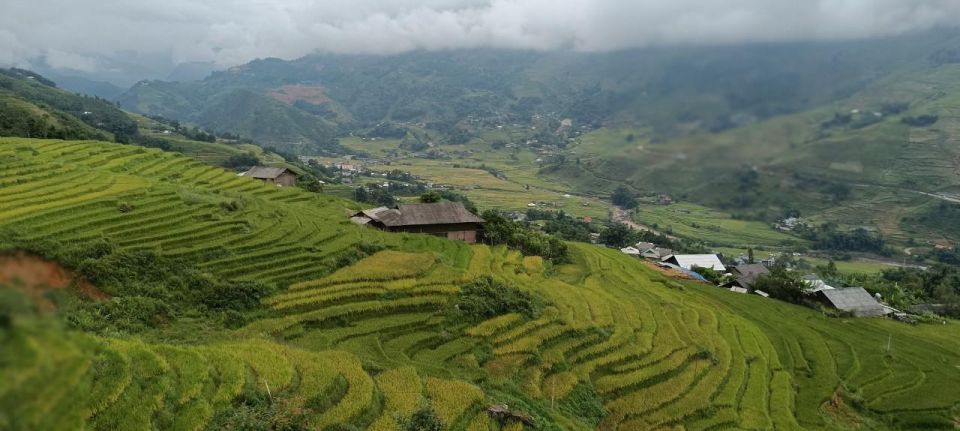
From Lao Chai, the trek continues to Ta Van, home of the Dzay ethnic group. This section keeps the morning moving, while still giving you time to meet people, ask questions, and understand what you’re seeing.
You’ll have about 75 minutes at Ta Van, including a guided visit and photo stops. This is a practical sweet spot. Long enough for conversation and observation, not so long that you feel stuck.
What I like about this stop is the shift in what you pay attention to. In Lao Chai, you’re focused on terrace-and-trail context plus Black Hmong village life. In Ta Van, you start noticing patterns in daily routines and how communities interpret the valley environment differently.
If you’re hoping for a cultural experience that isn’t just a quick photo line, Ta Van is one of the best places in the day to get that.
You can also read our reviews of more tours and experiences in Sa Pa



Lunch Timing in Sapa: The Midday Fuel You Actually Need
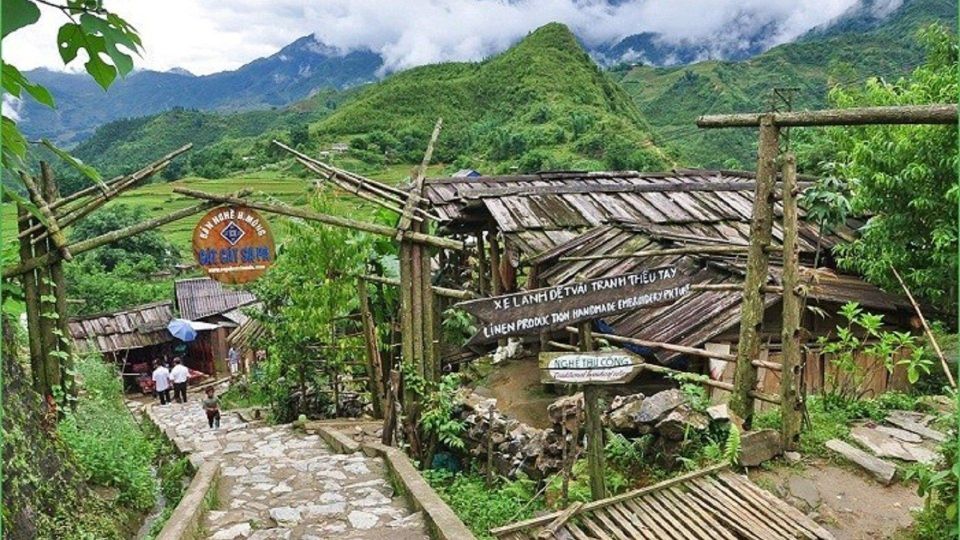
Lunch happens after you reach Ta Van Bridge, then it’s time for pickup/transfer back toward Sapa before eating. The tour includes one lunch at a local restaurant.
Here’s the balanced part: lunch is included, and it’s convenient. But the lunch setting may not feel like the highlight of the day. Some groups have noted that the lunch stop can feel more like a standard restaurant environment than a special village-meal experience. The takeaway for you is simple: treat lunch as fuel. Don’t expect it to compete with the terrace views and village walks.
If you’re a person who gets hungry fast on treks, arrive ready. Between the morning’s walking and the afternoon’s descent toward Cat Cat, you’ll want your energy stable.
Cat Cat Village: The Waterfall Area and the French-Era Power Station
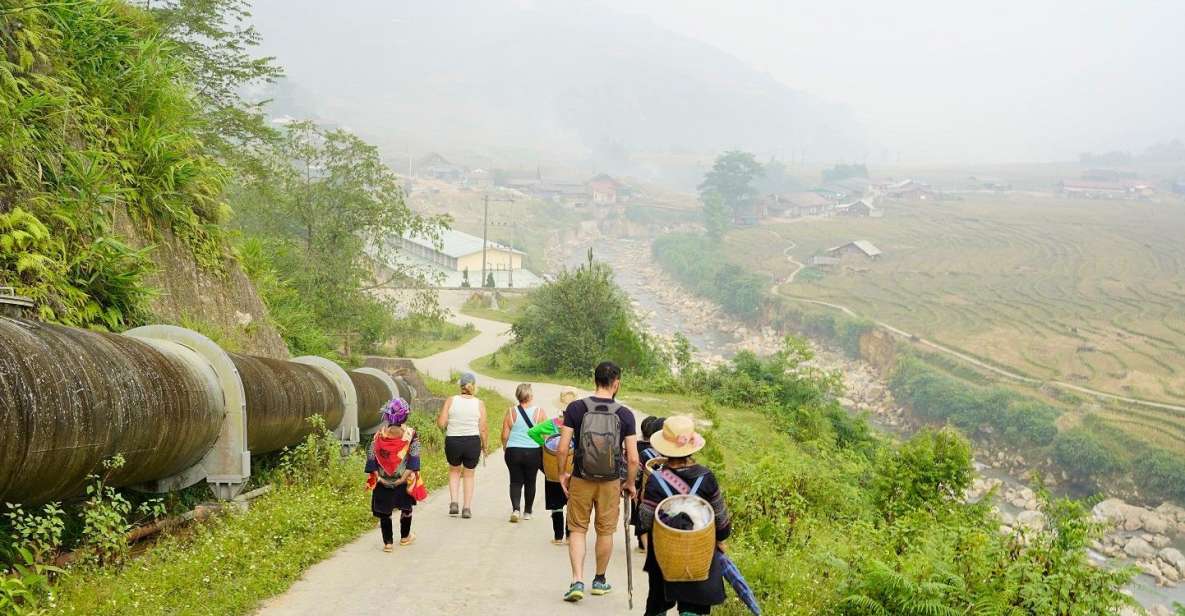
After lunch, you’ll head back toward Cat Cat with a short walking segment and guided time in the village area. Cat Cat is home to Black H’mong people and sits near the bottom of a deep valley at the foot of Fansipan Peak.
Cat Cat is where your day turns from terraces and stream walking into a more dramatic “go down, see the view, come back up” loop. The walking distance is about 2.5 km and takes around 2 hours, but your total time in the Cat Cat area is longer because you’ll also have time for coffee, sightseeing, free moments, and lunch-related breaks.
A detail worth planning for: the afternoon route includes trekking down to a waterfall area where French built a hydraulic power station (with photo time at a bridge and the waterfall). That history piece adds context to what might otherwise feel like just a scenic stop. It also helps you understand why the area developed infrastructure where it did.
If you like photos, this is the part where you’ll want to keep your camera accessible. The bridge-and-waterfall moments are quick, and it’s easy to miss the angle if you’re busy eating lunch time stories.
Also, expect the return uphill walk. It’s not a long distance, but it’s uphill. Plan to take it steady and use the guide as a pacing benchmark.
What to Bring (and What Matters Most on This Trail)
You’ll get a full-day trek plan, which means your packing list isn’t about souvenirs. It’s about comfort, safety, and not getting stuck mid-day.
Bring:
- Hiking shoes (or sturdy footwear with grip)
- Sunscreen and sunglasses
- Camera and a fully charged phone
- Outdoor clothing plus hiking pants (shorts can work, but pants often feel safer on trail surfaces)
- Cash (useful if you buy handmade items while you’re with village women)
- A small first aid kit if you’re the type who likes control
If you’re wondering what matters most: footwear and sun protection. The routes include walking near water and over uneven ground. The sun can hit hard even when you’re not thinking about it.
Price and Value: Is $46 a Good Deal for This Much Walking?
For $46 per person, you’re getting a modern air-conditioned bus for transfers between Sapa and the trail areas, an English-speaking local guide, entrance tickets to indicated sites, and lunch.
Is it worth it? In my view, yes—mainly because you’re not paying only for transport. You’re paying for:
- Guided village visits at Lao Chai, Ta Van, and Cat Cat
- A full day plan that combines treks, not just a single stop
- Included lunch and access costs so you don’t have to micromanage the day
The one caveat is that you should be confident in your hiking ability. If you’re hoping for a relaxed outing with minimal walking, you may feel like you paid for effort you didn’t want.
For people who want real value, this price is reasonable because the day includes two major trekking sections plus organized cultural stops. You’re essentially buying structure and a guide to make the walking meaningful.
Who This Tour Fits Best (and Who Should Rethink It)
This tour is a strong match if you:
- Want Sapa trekking without planning a route yourself
- Like meeting people and learning customs through a guide
- Are okay with a morning hike plus an afternoon hike
- Prefer an itinerary that hits the major valley villages in one day
It is not suitable for wheelchair users, based on the tour’s stated limitations. If you have mobility concerns, the uneven trail and uphill/downhill walking are the obvious reasons.
If you’re traveling with a very low tolerance for walking time, consider a lighter option in the region. This is built for movement.
My Take: Should You Book the Full Day Lao Chai–Ta Van and Cat Cat Trek?
If you want one day that feels like Sapa, book it. The combination of Muong Hoa Valley terraces, Lao Chai and Ta Van village time, and the Cat Cat waterfall power-station area gives you multiple kinds of payoff: big views, guided culture, and a memorable afternoon loop.
I’d skip it only if you hate hiking steep, uneven trails or you’re looking for a mostly seated sightseeing day. If you’re flexible, wear proper shoes, and come ready to walk, you’ll likely end the day tired in a satisfying way—because the scenery and village visits are the whole point.
FAQ
How long is the trekking day?
The tour runs for 1 day. The overall trek activities include about 4 hours in the morning (around 9 km) and about 2 hours in the afternoon (around 2.5 km), plus breaks and village exploration time.
What route does the tour follow?
You’ll trek through Muong Hoa Valley and visit Lao Chai (Black Hmong) and Ta Van (Dzay). In the afternoon, you’ll walk to Cat Cat Village (Black H’mong) and spend time around the waterfall and bridge area, including the area tied to a French hydraulic power station.
What’s included in the price?
The price includes air-conditioned modern bus transfers (Sapa–Y Linh Ho–Sapa), an English-speaking local guide, lunch, and all entrance tickets to indicated sites.
What languages are available for the guide?
The tour includes a live guide in English and Vietnamese.
Is this tour wheelchair accessible?
No. The tour is stated as not suitable for wheelchair users.
What should I bring for the trek?
Bring hiking shoes, sunscreen, sunglasses, a camera, outdoor clothing (including hiking pants), shorts if you prefer, cash, and a first aid kit.