
REVIEW · HIKING & TREKKING
Hanoi-Sapa Trek 2 days 2 nights and Homestay with small group
Book on Viator →Operated by Crossing Vietnam Tour · Bookable on Viator
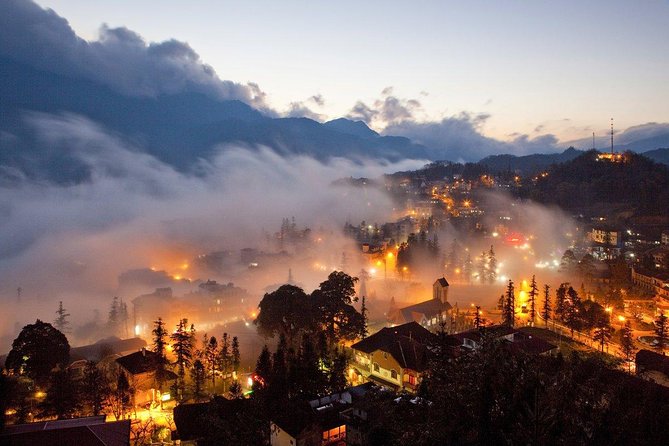
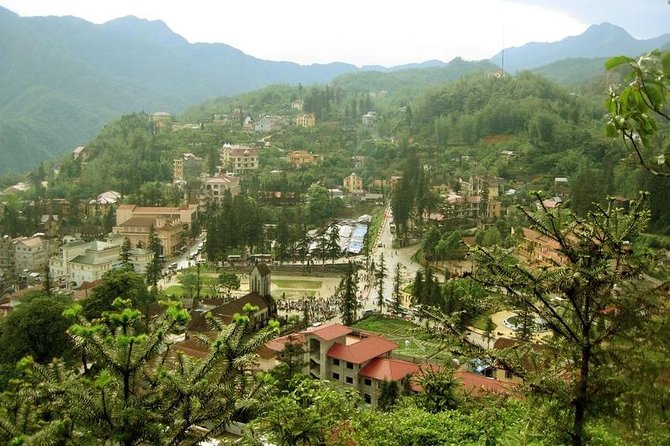
Sapa looks famous for a reason, but this trip helps you see it from the ground up. The appeal here is small-group trekking plus an overnight stay in Ta Van Village, so you get more than quick viewpoints between train windows and tour buses. You’re also steered toward the named local stops—Cat Cat, Lao Chai, Ta Van, Giang Ta Chai, and Su Pan—without spending your energy figuring out logistics.
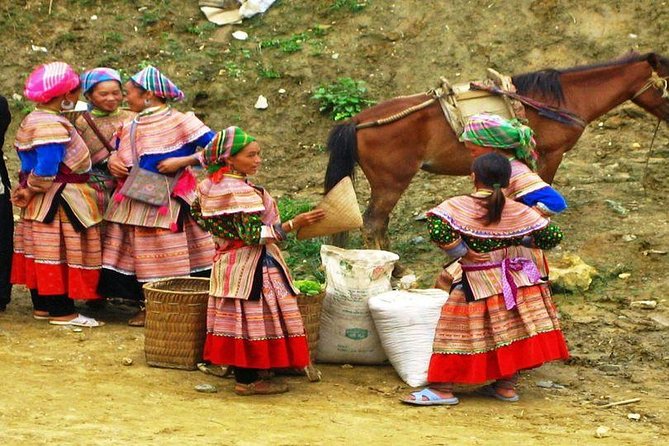
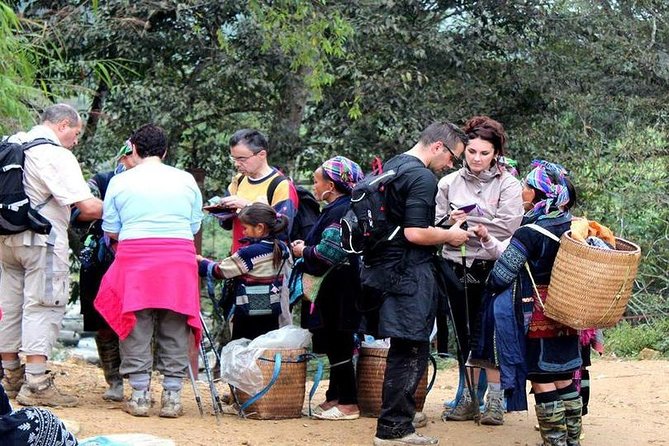
What I like most is the pacing: guided walks through multiple villages in just 2 days, which makes the region feel real, not rushed. I also like that you’re not alone in it—your group is capped at nine people, so the guide can give real attention on terrain and timing. You’ll get good context for the ethnic communities you pass, not just photos.
One thing to consider: Sapa weather can be unpredictable and cold, and the trekking can get muddy. Homestay lodging is not hotel-style, and drop-off isn’t at your exact door (you’ll end at the last stop in the Old Quarter area), so plan around a little roughness.
In This Review
- Key highlights you’ll feel right away
- Sapa from Hanoi: the point of going in 2 days
- Your trekking loop: Cat Cat, Lao Chai, Ta Van, Giang Ta Chai, Su Pan
- Homestay in Ta Van Village: basic, but the right kind of basic
- The cold reality of Sapa: fog, mud, and what to pack
- Getting there and back: pickup, Old Quarter drop-off, and transport choices
- Guides and small-group attention: what “limited to 9” really means
- Food and pacing: meals included for a reason
- Value check: why $139 can be fair (and when it’s not)
- Who this tour fits best
- Quick FAQ-style notes before you book
- Should you book this Hanoi–Sapa Trek with Ta Van homestay?
- FAQ
- What is the duration of the Hanoi–Sapa trek and homestay?
- How much does the tour cost?
- How many people are in the group?
- What does the tour include for lodging and meals?
- Where are the trekking stops?
- Is pickup or drop-off at the hotel included?
- What should I pack for Sapa weather?
- Is cash needed for Sapa expenses?
- What is the cancellation policy?
Key highlights you’ll feel right away

- Small group of max 9 means you’re not stuck watching your guide vanish into a crowd.
- Ta Van homestay for 1 night gives you a more direct slice of daily life than a quick stop at a viewpoint.
- Village-to-village trekking hits Cat Cat, Lao Chai, Ta Van, Giang Ta Chai, and Su Pan.
- Meals are built in (2 breakfasts, 2 lunches, 1 dinner), so you’re not scrambling for food between walks.
- Cold-weather packing is part of the plan with clear advice on what to bring for fog and chill.
Sapa from Hanoi: the point of going in 2 days

This is a short trip, so it works best if you want contrast without committing to a longer 3–4 day circuit. You start in Hanoi, then the experience focuses on getting you to Sapa with transport handled and moving you straight into the walking and village visits. The payoff is that Sapa stops feeling like a distant headline and starts feeling like a place with paths, fields, and people.
If it’s your first time in northern Vietnam, I think this format is smart. You’ll see the popular areas (the named villages above), but in a way that’s tied to how the region actually functions—walking routes, fields, and community connections. Instead of treating Sapa like a photo sprint, you experience it like a day-to-day landscape.
You can also read our reviews of more hiking tours in Hanoi



Your trekking loop: Cat Cat, Lao Chai, Ta Van, Giang Ta Chai, Su Pan
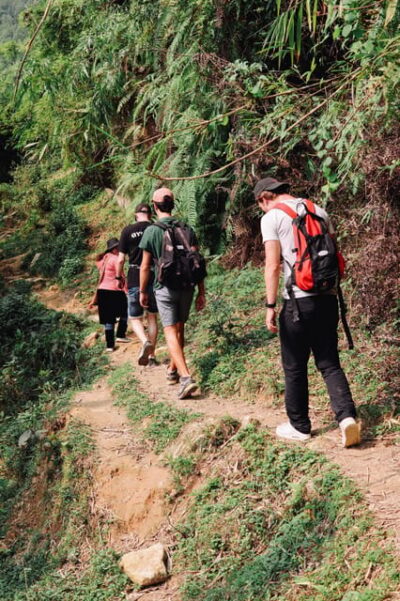
The trekking day structure is built around multiple stops, and that matters. Each village name is a different lens on the area—different communities, different ways the hills look from the path, and different village rhythms you can pick up just by walking through.
Here’s what you should expect in practical terms:
- Cat Cat tends to be one of the first familiar stops, often used as an entry point to the valley views and village setting.
- Lao Chai is where you’ll typically get that classic rice-field angle—great views, and a reminder that you’re walking in real terrain.
- Ta Van is also where your homestay is, so you’re not just touring through; you’re sleeping nearby.
- Giang Ta Chai adds another layer of village life and scenery, with the trek continuing beyond the most obvious zones.
- Su Pan finishes the named route list and rounds out the variety of the region.
The reviews also flag that walking distances can add up, and some sections can be tough in mud. One person specifically pointed out about 10 km of walking and noted muddy terrain in parts, which is exactly the kind of reality check you want before you pack.
Homestay in Ta Van Village: basic, but the right kind of basic

You get 1 night at a homestay in Ta Van Village. That line is doing a lot of work. Homestays here are not the same comfort level as a standard Sapa hotel room, and that’s not a flaw—it’s the point. You trade polished amenities for a closer feel for how people live in the area.
What I’d plan for:
- Simple rooms compared to hotels in town.
- Less predictable comfort than you’d expect in a resort.
- A stronger sense of being in the community rather than visiting it.
One of the best bits from feedback is the value of the view from a homestay room. People also highlight how helpful local women can be during the trek and in the homestay setting, especially when terrain gets difficult. That kind of practical support is one reason homestays work better with a good guide than with DIY trekking.
If you’re the kind of traveler who hates “roughing it,” you may find this style uncomfortable. If you’re okay with basic and want the human side, it’s a highlight.
The cold reality of Sapa: fog, mud, and what to pack

Sapa weather is not polite. The guidance is clear: bring warm clothes, a scarf, and a hat/cap, because it’s often cold in the months roughly from September through March. Also, fog can happen in winter months due to Sapa’s altitude, especially around December to February.
And then there’s the ground truth: paths can be muddy. Even if you’re not doing a mountain-climb, you’ll appreciate good footwear. If you only pack one “nice” pair of shoes, Sapa will punish that choice.
Pack with this logic:
- Trekking shoes that handle mud and grip.
- Insect repellent, since you’re outside and around village edges.
- Sunscreen and sunglasses, because brightness and glare can still happen even when it feels cold.
- Cash in Vietnamese Dong; banking systems in Sapa may not work reliably.
- Basic medicine with you, since chemist shops exist but you shouldn’t bet your health on last-minute purchases.
One extra planning note: homestay nights can feel colder than town accommodations, since you’re sleeping in a village setting. Your best friend is layers.
Getting there and back: pickup, Old Quarter drop-off, and transport choices
Your tour starts in Hoàn Kiếm, Hanoi, and it ends back near the meeting point. Pickup is offered, but the tour specifically notes a drop-off detail: you won’t be dropped at your exact hotel address. Instead, you’ll be dropped at the last stop at 160 Tran Quang Khai street in the Old Quarter area, and you can walk or take a taxi from there.
That matters more than it sounds. Hanoi hotels can be spread out, and when you’re tired from walking, a longer walk feels longer. If your hotel isn’t near Tran Quang Khai, budget for a quick taxi ride on return.
On the Sapa side, the included transport covers the Hanoi–Sapa and Sapa–Hanoi legs with Luxury Limousine Car. At the same time, the trip is clearly marketed as an overnight-connection style experience. In practice, this usually means you won’t be sitting around all day waiting; the logistics are designed to compress travel time so you get more walking in.
You can also read our reviews of more tours and experiences in Hanoi
- Doris Cruise 5 star cruise 2 days visiting Halong Bay Lan Ha Bay private balcony
★ 5.0 · 2,338 reviews





Guides and small-group attention: what “limited to 9” really means
A group cap of nine travelers sounds like a nice number until you’re on a trail and you realize how spacing affects everything. With fewer people, the guide can better manage pace, regrouping, and help you read the terrain. It also makes it easier to ask questions about what you’re seeing.
Guide communication is a big deal here. Multiple reports mention guides with solid English, including names like Zua and Khu, and one person credited Lucy with being helpful with practical support like snacks and extra help at the train-station stage. Another name that came up for pre-trip help was Jenny, who answered questions before arrival and offered clothing advice.
All of that points to the same theme: this is not just “walk here, take photos.” You’ll have a human interpreter who helps connect the trek to local culture.
Food and pacing: meals included for a reason
You’re fed: 2 breakfasts, 2 lunches, and 1 dinner are included. That matters for trekking tours because hunger turns cold weather into misery fast. It also reduces the mental load of finding food while you’re figuring out timing and terrain.
Breakfast and lunch are especially useful on walking days since you’re moving through villages and open areas where choices can be limited. Dinner on the homestay night is also part of the structure, so you can focus on winding down without chasing a restaurant.
The one thing not included is drinks. This is common on tours, but it’s worth planning for so you’re not paying surprise prices on bottled water when you’re already tired.
Value check: why $139 can be fair (and when it’s not)
At $139 per person, the value depends on what you compare it to.
You’re paying for:
- Round-trip transport between Hanoi and Sapa (via included limousine service).
- Homestay lodging in Ta Van Village for 1 night.
- A local English-speaking guide.
- Sightseeing fees and service/tax charges.
- Meals across two days.
If you tried to piece this together yourself, you’d spend time arranging guides, homestays, meals, and the route between villages. Even if you find cheaper transport, your time savings and reduced stress are what you’re buying here. And because it’s a small group, you’re also paying for a more personal experience than a larger bus-and-ticket model.
When it might not be worth it:
- If you hate any cold-muddy walking and don’t want to dress for it.
- If you expect a hotel-standard homestay experience.
- If you rely on exact hotel drop-offs and don’t want to handle the final walk/taxi.
Who this tour fits best
This works well if you:
- Want a first Sapa intro that’s structured and not overwhelming.
- Like guided trekking with culture context, not just scenic stops.
- Appreciate small-group attention and a homestay night as a cultural bridge.
Most people can participate, but the trekking still requires you to walk on real paths. If you’re dealing with serious mobility limitations, it’s smart to ask questions directly before booking and be honest about your pace.
Quick FAQ-style notes before you book
You’ll want to go in with the right expectations: warm layers, trekking shoes, and the mindset that weather can change your view. Fog can reduce the clarity of far-off scenery in winter months, and muddy sections are part of the deal on village routes.
The good news is that the trip is set up with logistics support, meals included, and a guide who can help you stay steady and comfortable.
Should you book this Hanoi–Sapa Trek with Ta Van homestay?
I’d book it if you want a 2-day Sapa experience that feels grounded—village walks, guided interpretation, and a real homestay night rather than just a one-day tour. The small group size is a strong signal that the operator expects a more personal trekking experience, and the guide support (with English mentioned often) is exactly what you want when weather and terrain shift.
Skip it—or at least ask more questions—if your idea of comfort requires a hotel-like homestay and perfectly clean paths. The cold, fog risk, and muddy terrain mean you should pack seriously and move with patience.
If you’re flexible, dress right, and want the countryside and village life to be the main event, this is a solid value for $139.
FAQ
What is the duration of the Hanoi–Sapa trek and homestay?
The tour is about 2 days (2 days/approx.), including 2 days of activities and an overnight stay at a homestay in Ta Van Village.
How much does the tour cost?
The price listed is $139.00 per person.
How many people are in the group?
This tour has a maximum group size of 9 travelers.
What does the tour include for lodging and meals?
You get 1 night at a homestay in Ta Van Village and meals including 2 breakfasts, 2 lunches, and 1 dinner.
Where are the trekking stops?
The experience includes visits to Cat Cat, Lao Chai, Ta Van, Giang Ta Chai, and Su Pan.
Is pickup or drop-off at the hotel included?
Pickup is offered, but hotel drop-off is not included. The tour drops you at the last stop at 160 Tran Quang Khai street in Hanoi’s Old Quarter.
What should I pack for Sapa weather?
Bring warm clothes plus a scarf and hat/cap. The weather can be unpredictable, and Sapa is often cold in September through March. Trekking shoes, sunglasses, sun cream, and insect repellent are also recommended.
Is cash needed for Sapa expenses?
Yes. Bring cash in Vietnamese Dong, since banking systems in Sapa sometimes don’t function well. US Dollar, Euro, and Australia Dollar are accepted in Sapa.
What is the cancellation policy?
Free cancellation is available. You can cancel up to 24 hours in advance for a full refund. If you cancel less than 24 hours before the experience starts, the amount paid is not refunded.
You Might Also Enjoy



More 2-Day Experiences in Hanoi
- Doris Cruise 5 star cruise 2 days visiting Halong Bay Lan Ha Bay private balcony
★ 5.0 · 2,338 reviews