REVIEW · HIKING & TREKKING
Sapa: Muong Hoa Mountain Views and Villages Trek with Lunch
Book on GetYourGuide →Operated by HELEN · Bookable on GetYourGuide
Summit views kick off the trek. I love the panoramic look from Sa Seng Mountain toward Fansipan and the Muong Hoa rice terraces, and I also like the chance to meet Black Hmong families in Hang Da and Hau Thao. The flip side is the trek has steep, uphill sections and it may not suit people worried about heights or with back issues.
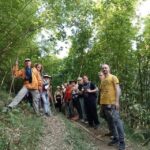
Your English guide keeps things practical: you start at Massage Lits on Hoàng Văn Thụ, hike for about an hour to the summit, then descend village paths for photo stops, farm-animal sightings, and a family-run lunch. It’s a small group (up to 10), so you usually get time to ask questions, but you’ll want to be at the meeting point on time because a few bookings have mentioned late or missing pickup.
In This Review
- Key things that make this trek worth your time
- Sa Seng Mountain: the moment the day clicks
- Getting started from Massage Lits on Hoàng Văn Thụ
- Hang Da village: Black Hmong life, farm animals, and practical culture
- Lunch at a local family restaurant: simple, included, and real
- Hau Thao village and the Hmong marriage tradition talk
- Giang Ta Chai and the walk back to the road
- Fitness check: what to expect from the “hard trek” wording
- Price and value: why $20 can be a good deal (and where it can fall short)
- Who should book this tour, and who might want a different option
- After-trek recovery: use the Massage Lits discount
- Should you book this Muong Hoa Mountain Views and Villages Trek?
- FAQ
- How long is the Sapa trek to Sa Seng Mountain and the villages?
- Where is the meeting point for pickup?
- Is lunch included, and what kind of lunch is it?
- What happens during the trek and village visits?
- Is the tour guide English-speaking, and how big is the group?
- What should I bring, and is there anything I can’t do?
- Can I get a refund if my plans change?
Key things that make this trek worth your time
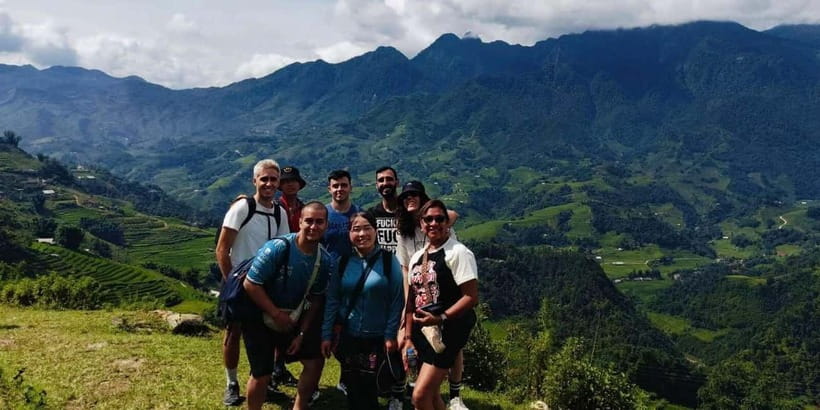
- Sa Seng summit views over Sapa, with Fansipan (3,143m) on the horizon
- Muong Hoa rice terraces and valley views that make the hard parts feel worth it
- Hang Da + Hau Thao Black Hmong villages for real daily-life glimpses
- Hmong marriage traditions and hands-on culture topics like house-building
- Family lunch in a small roadside spot, plus farm animals along the route
- A 20% massage discount at Massage Lits, 01 Hoang Van Thu, after your trek
Sa Seng Mountain: the moment the day clicks
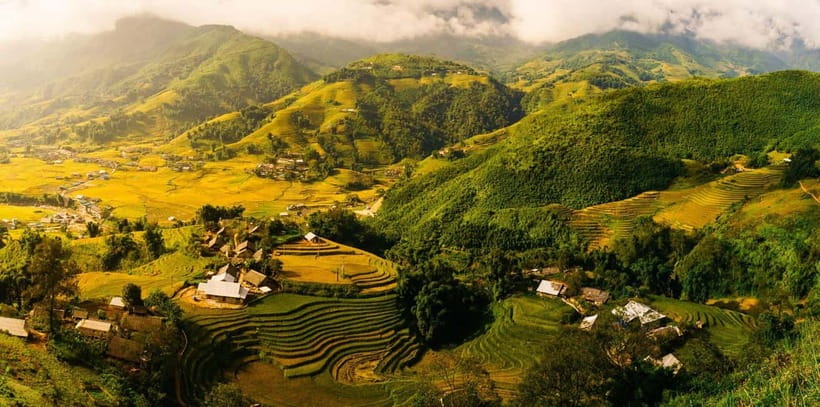
This tour starts with a straightforward goal: get you up to Sa Seng Mountain for big, wide views. After pickup at 9:00 at Massage Lits (01 Hoàng Văn Thụ), you head out on a small uphill trail. It’s only about 1 km at first, but it’s the kind of climb that wakes up your legs quickly.
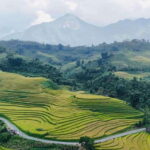
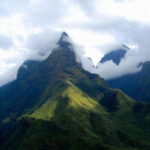
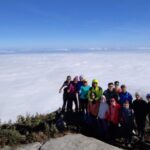
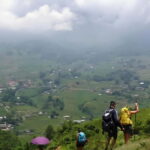
After roughly an hour of harder trekking, you reach the top of Sa Seng. This is where you get the payoff: Fansipan (3,143m), the highest peak in Indochina, shows up in the distance. On clear days you can also see Sapa town spread out below, which helps you understand how the valley and hills all fit together.
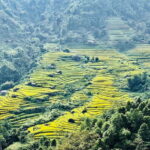
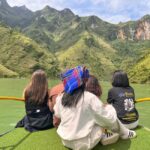
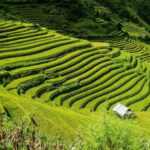
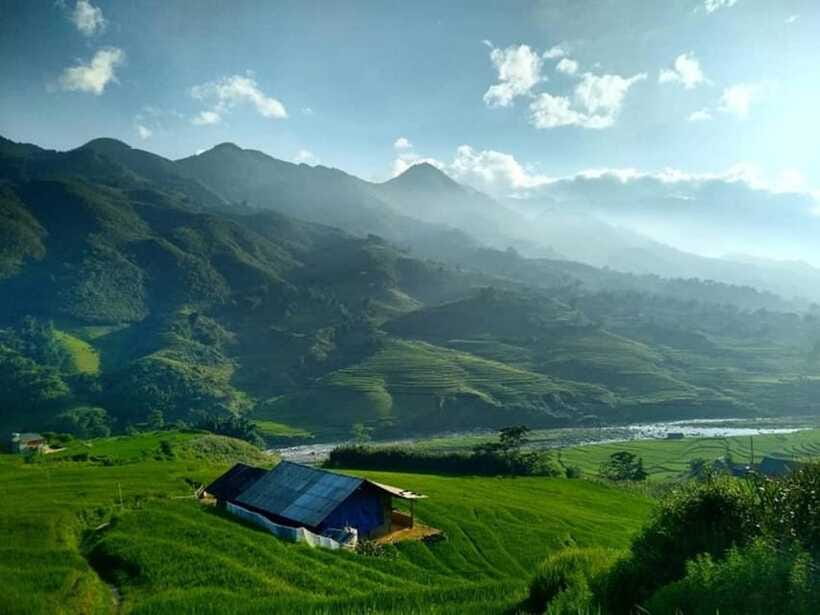
Then comes the view people usually remember long after lunch. From Sa Seng, you look down toward Muong Hoa valley’s famous rice terraces. You also spot what the route describes as the biggest river and valley in Sapa. Even if you’ve seen pictures online, it hits differently when you’re standing above the terraces and watching how the slopes shape the fields.
If you don’t love steep walks, here’s the key reality: the climb is the hardest part of the day, and it’s front-loaded. You’ll feel it, but you also avoid the classic problem of “saving the best view for last.”
You can also read our reviews of more tours and experiences in Sa Pa

Getting started from Massage Lits on Hoàng Văn Thụ
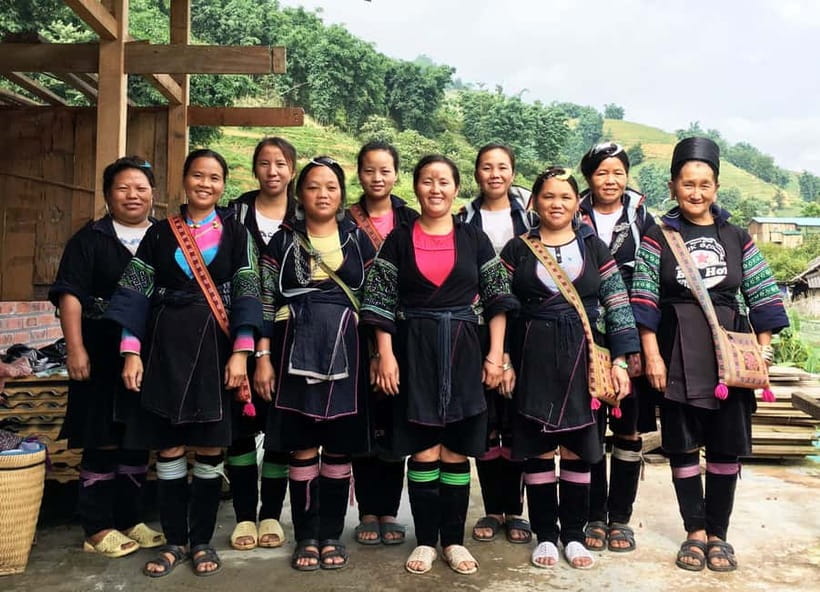
Logistics matter on Sapa treks, and this one starts at an easy-to-find landmark: Massage Lits, 01 Hoàng Văn Thụ. Your pickup is listed for 9:00, and from there the pacing stays fairly consistent through the day.
Because the schedule depends on the group departing together, I’d treat arrival time like part of the experience. Get to the meeting point early and be ready to go. A couple of past bookings have described waiting for the van or not getting picked up as expected. That doesn’t mean it’s common, but it’s enough to justify simple caution: arrive early, keep your phone handy, and confirm you’re in the right spot before you settle in.
Once everyone’s together, you’ll follow your guide up to the mountain views and then down through the villages. This is one of those tours where the guide isn’t just there for directions. They’re also helping you read what you’re seeing—terraces, village life, and the connection between work and daily rhythm.
Hang Da village: Black Hmong life, farm animals, and practical culture
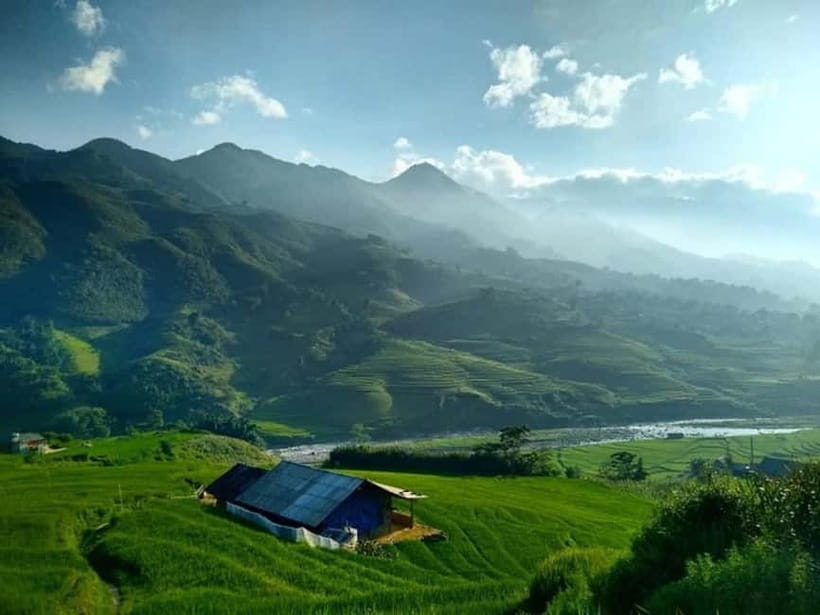
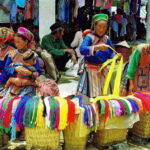
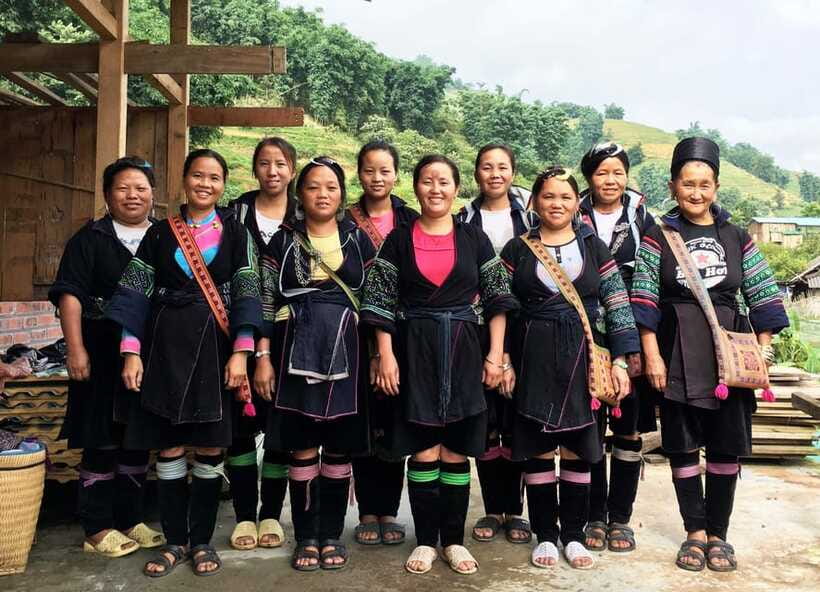
After the summit, the route continues down the mountainside toward Hang Da, described as a village of the Black Hmong minority. This is where the day shifts from “big view hiking” to “community-level understanding.”
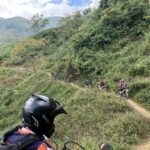
The walk down is still active, but it’s more about village paths than constant steep ascent. You’ll have photo stops, guided explanations, and chances to look closely at how the area supports everyday farming.
A fun detail here is the chance to see farm animals. The route mentions buffalos and pigs as important parts of local life. You may also spot other livestock depending on what’s happening that day. Don’t expect a zoo moment. Think more along the lines of seeing how a rural household works—animals that support farming and food, and the routines that come with them.
This is also a good spot to notice how your guide frames culture. Instead of treating village life like a museum, the tour uses it to connect the landscape (terraces and slopes) with people’s work. That connection is the thread that runs through the later Hau Thao visit as well.
One small drawback: village stops take time, and the day stays full. If you’re the type who wants long, slow wandering alone with no schedule, this itinerary may feel a bit structured. If you want a guided introduction that keeps moving, it’s a strong fit.
Lunch at a local family restaurant: simple, included, and real
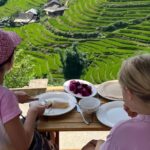
Lunch is included, served at a small restaurant run by a local family. That matters more than it sounds, because it keeps the day from turning into a “find food somewhere on your own” scramble.
What you’ll likely appreciate most is the convenience and timing. After a morning of climbing and descending, you’ll want a proper break where you don’t have to negotiate menus or transportation. This stop also gives the group a reset before the afternoon village walk.
The tour descriptions emphasize that lunch happens in a family-run setting. In practice, that usually means you’ll eat what’s normal for the area and day—not a tourist buffet built for speed. Don’t expect gourmet, but do expect a meal that fits the rhythm of the trek.
If you have dietary restrictions, the tour information you provided doesn’t list options. I’d plan to ask your guide ahead of time (or on the day) what’s possible. Bring basic expectations: this is part of the local route, not a western restaurant with guaranteed substitutes.
Hau Thao village and the Hmong marriage tradition talk
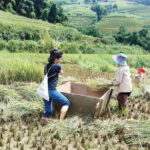
In the afternoon, you head down a small road toward Hau Thao, another Black Hmong village. This portion is built around daily life. If the timing is right, you may see people working in the fields—harvesting or planting rice.
This is where the tour feels most “alive.” You’re not just looking at houses from a distance. You’re seeing why the terraces and valley layout matter: people work those slopes because that’s where their livelihood is.
Your guide also shares cultural topics that go beyond general sightseeing. The itinerary specifically mentions learning about Hmong marriage traditions, along with rice-field work and house-building techniques. Those are the kinds of details that make a village visit more than a photo stop.
A practical way to approach these explanations: listen for how the tradition connects to life here. For example, marriage customs aren’t random rituals; they’re often tied to family structure, community roles, and a practical understanding of how households operate. Same idea with house-building and farming techniques. They’re adaptations to the terrain, weather, and the realities of rural work.
One consideration: the afternoon still includes walking, and you’re already tired from earlier climbing. Wear comfortable shoes with traction, and keep your water going. If you start the day properly hydrated, the village portion feels easier than it might otherwise.
You can also read our reviews of more hiking tours in Sa Pa
Giang Ta Chai and the walk back to the road
After Hau Thao, you’ll continue on to the next village area: Giang Ta Chai. The itinerary describes a walk to this village where the transport is waiting on the main road.
This segment is important because it’s the transition from footpath trekking back to van time. It’s also one last chance for photos, depending on how the schedule lands that day.
Your return timing is listed around 15:30 back to Sa Pa, after the walk and pickup on the road. That puts the day at a full 9 hours, including transport and breaks.
If you’re planning evening activities, I’d keep them flexible. You’ll likely feel it in your legs, even if you’re generally active.
Fitness check: what to expect from the “hard trek” wording
The tour is honest about difficulty: it’s described as a challenging trek with steep inclines. It’s not a flat stroll between villages. You’ll be going up, then up again in effort, then down through uneven terrain.
That’s why the tour notes it’s not suitable for pregnant women, people with back problems, mobility impairments, or anyone afraid of heights or with vertigo. Even if you don’t have those issues, be realistic. If you get winded on stairs, treat this as a workout day, not an easy cultural walk.
What to bring is also pretty clear:
- Comfortable shoes (with good grip)
- Hat and sunscreen
- Water
- Camera
- Basic trekking gear
The advice to bring water and snacks is practical. The itinerary includes lunch, but the climb comes before lunch, and you don’t want to be searching for energy mid-trek.
Also, plan for weather changes. Sapa can shift quickly. A hat helps, but so does dressing in layers so you can adjust as your body warms during the climb.
Price and value: why $20 can be a good deal (and where it can fall short)
At about $20 per person for a 9-hour day, this tour is priced like a budget-friendly entry into a “real trek + village culture” mix. The inclusions are the big reason: round-trip van transportation, a driver, an English-speaking guide, lunch, and a massage discount voucher.
That means you’re not paying extra for basic logistics. On short vacations, that value matters, because the “hidden costs” of independent travel add up fast—getting to trailheads, arranging guides, buying lunch on the go, and figuring out where to recover afterward.
The massage voucher is a nice perk. The tour includes a 20% discount at Massage Lits, 01 Hoàng Văn Thu. If you time it well, you can turn soreness into a proper reset.
Where value can fall short is not the price. It’s the experience quality depending on timing and pickup reliability. If you show up late or the start is delayed, your day can get stressed quickly. So the real value comes when the plan runs smoothly and you’re prepared.
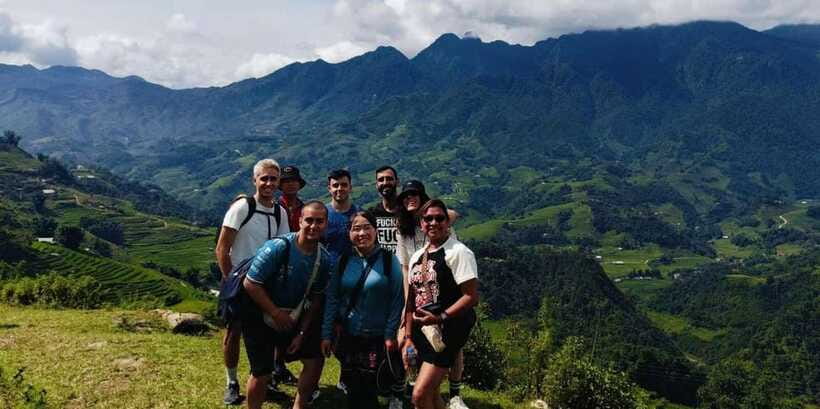
Small group size (limited to 10) can add value too. It usually means less crowding at stops and more room for questions.
Who should book this tour, and who might want a different option
This trek is a great match for you if:
- You want summit views and rice-terrace scenery in one day
- You enjoy village visits where the guide explains daily work and traditions
- You like structured guidance so you don’t worry about route planning
- You’re okay with a steep, active hike
I’d think twice if:
- You’re afraid of heights, have vertigo, or know steep terrain will spike anxiety
- You have back or mobility limitations
- You want an easy day with minimal walking
One more tip based on group dynamics: small-group days can feel more personal. Some schedules end up with very small groups, which can mean more conversation with your guide—especially during the cultural explanation time. If you like a chatty, question-friendly tour, that’s a good reason to aim for quieter dates.
After-trek recovery: use the Massage Lits discount
Your day ends back in Sa Pa, and the tour offers a voucher for massage with a 20% discount at Massage Lits (01 Hoàng Văn Thu). Even if you don’t book immediately, it gives you a real incentive to plan recovery the same day or next day.
This matters because Sapa treks often leave you with leg fatigue more than anything else. A massage doesn’t fix the terrain, but it can help you feel better faster—especially if you have another day of walking after.
Should you book this Muong Hoa Mountain Views and Villages Trek?
Book it if you want a day that mixes big mountain viewpoints with culturally focused village stops, and you’re ready for a real trek. The combination of Sa Seng summit panoramas, Muong Hoa rice terrace views, and Black Hmong village visits makes it more than a simple hike. Lunch at a family restaurant is also a practical plus.
Skip it (or choose something easier) if steep inclines are a problem for you or if heights/vertigo are major triggers. Also, go in with eyes open about pickup reliability. Arrive early at the meeting point on Hoàng Văn Thụ and keep your plan flexible so a delay doesn’t ruin your day.
If you do book, pack like it’s an active hike: good shoes, water, and sun protection. Do that, and you’ll be in the right mindset for what this tour does best—views first, village life next, and a straightforward way to experience more of Sapa in one long day.
FAQ
How long is the Sapa trek to Sa Seng Mountain and the villages?
The tour runs for about 9 hours, with pickup at 9:00 and return to Sa Pa around 15:30.
Where is the meeting point for pickup?
The meeting point is Massage Lits, 01 Hoàng Văn Thụ, Sapa.
Is lunch included, and what kind of lunch is it?
Yes. Lunch is included at a small restaurant run by a local family.
What happens during the trek and village visits?
You hike up to Sa Seng Mountain for panoramic views, then descend to Hang Da village for cultural stops and farm-animal viewing. After lunch you visit Hau Thao village, where you can see daily life in the fields and learn about Hmong marriage traditions, rice-field work, and house-building techniques. You finish with a walk to Giang Ta Chai where transport meets you.
Is the tour guide English-speaking, and how big is the group?
The guide is listed as English-speaking, and the group is limited to 10 participants.
What should I bring, and is there anything I can’t do?
Bring comfortable shoes, a hat, sunscreen, a camera, water, and trekking gear. Smoking is listed as not allowed.
Can I get a refund if my plans change?
Free cancellation is listed up to 24 hours in advance for a full refund.