REVIEW · HIKING & TREKKING
Muong Hoa Valley View & Village Trek in Sapa 1 Day
Book on Viator →Operated by Sapa Nomad · Bookable on Viator
Fog or sun, Muong Hoa rewards your legs. From Sapa you’ll hike into the hills to see the Muong Hoa Valley from multiple angles, walk through H’Mong communities few day-trippers reach, and end with classic terrace-and-cloud scenery. It’s a full half-day of walking plus story-filled stops, so the time feels earned.
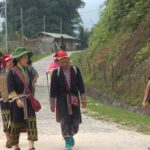
I love the way the route uses both village trails and winding roads, so the scenery changes constantly instead of staying stuck on one path. I also love the human side: you’re not just looking at views, you’re meeting local life, with chances to try local foods (and vegetarian on request).
One thing to consider: this is a moderate trek, and some sections follow roads with big drop-offs. If rain or fog rolls in, you may lose part of the panorama, even though the walk itself can still be great.
In This Review
- Key takeaways before you go
- From Sapa to Ham Rong: the quick route to epic orientation views
- Sapa market stop: brocade textiles, produce, and easy cultural contrast
- Ham Rong to Hang Da: cloud hunting over the terraces
- Into Muong Hoa Valley villages: the cliff road and the quieter pace
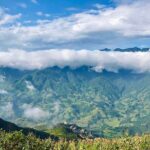
- Hau Thao: rice terraces, bamboo forest, and the white-cloud look
- Food and guide style: what’s included, what you can request, and why it matters
- Price and value check for $53 in Sapa
- Weather, pace, and packing for a moderate day trek
- Who should book this Muong Hoa Valley View & Village Trek
- Should you book this Muong Hoa Valley trek?
- FAQ
- FAQ
- How long is the Muong Hoa Valley view and village trek?
- What time does the tour start in Sapa?
- Is pickup offered from my hotel?
- What’s included in the price?
- Can I get vegetarian food?
- What admission fees do I need to pay?
- How fit do I need to be?
- What if I need to cancel?
Key takeaways before you go
- Ham Rong Mountain first, big Sapa + Hoang Lien Son range views. You get a high, orientation-style start with free admission.
- Hang Da village and cloud hunting. If weather cooperates, you can watch clouds drift over the valley from the hillside.
- Muong Hoa Valley village walking along a cliff road. One side is the drop; the other side is the valley and forest—plan your pace.
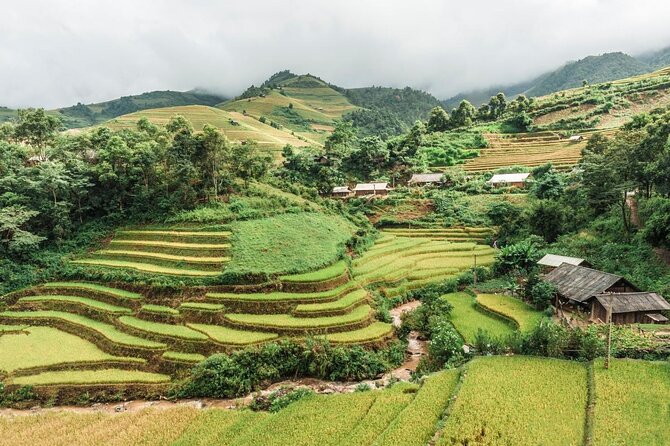
- Hau Thao rice terraces plus bamboo forest. This stop is built around the classic white-cloud look over terraced fields.
- Sapa market on the way through town. It’s a daily, central stop for color-splashed H’Mong, Dao Do, and Giay textiles and everyday produce.
From Sapa to Ham Rong: the quick route to epic orientation views
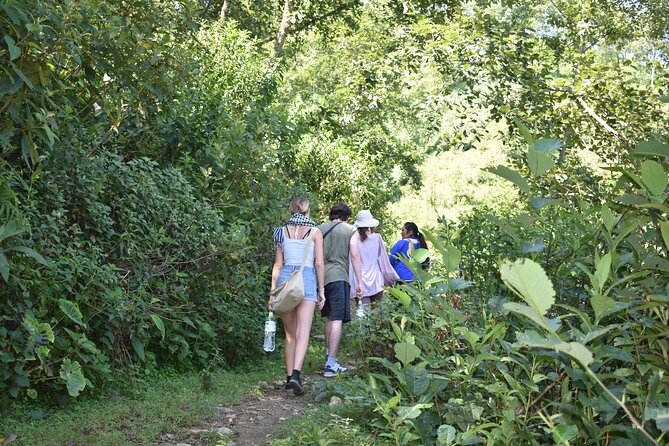
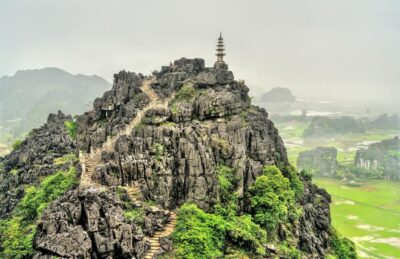
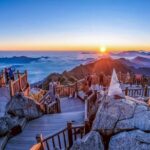
You start at 9:00 am from 536 Đường Điện Biên Phủ in central Sapa. The first major stop takes you up Ham Rong Mountain for a wide overlook of Sapa town and the Hoang Lien Son range. This is the kind of viewpoint that helps you understand the geography before you walk deeper into the valley.
Ham Rong’s name means Jaw of the Dragon, which locals connect to the mountain’s shape. The mountain also connects to local folklore about mythical creatures and old caves. Even if you don’t care about legends, the practical payoff is the same: you’ll get a clear sense of where the terraces and ridgelines sit in relation to town.
Plan about 1 hour 30 minutes here. Admission is free, which is a nice small bonus on a day that already includes a lot of walking. If you want the best clarity, I’d aim to keep your camera ready and resist the urge to linger too long at one spot—you’ll see different angles as the light shifts.
You can also read our reviews of more hiking tours in Sapa
Sapa market stop: brocade textiles, produce, and easy cultural contrast
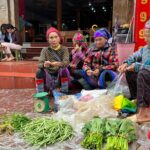
Next you swing back toward town for Sapa market, about 1.0 km from Stone Church. This is the most popular everyday market in Sapa, open daily, and it has a different energy from the villages. In town, you’ll notice the push-and-pull of commerce: fabrics, food, and small household items all moving through the same space.
The market’s standout draw is brocade work in bright colors with subtle patterns linked to the H’Mong, Dao Do, and Giay communities. There are also everyday staples like fruits, vegetables, and spices—things locals use, not just things made for tourists to glance at.
This stop works well if you like small, useful souvenirs. It also gives you a mental reset after the viewpoint. I’d keep your shopping light and focused: buy something you’ll actually use, not just something that looks cool in a photo.
You’ll have about time to wander on this stop (the schedule describes the market as an included stop rather than a long sit-down break), so treat it like a quick culture snapshot.
Ham Rong to Hang Da: cloud hunting over the terraces
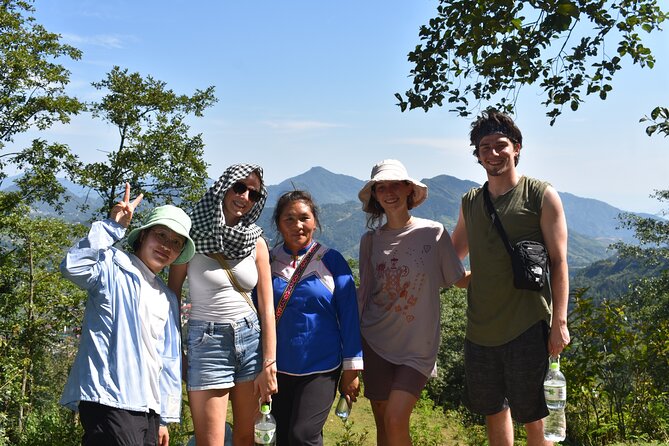
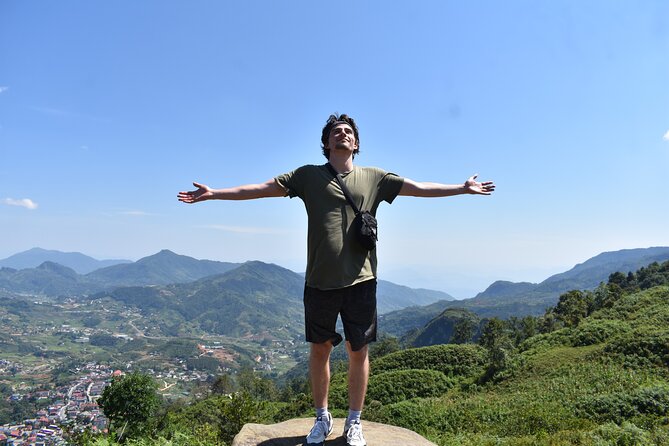
After Ham Rong, the day turns more rural and more about walking. Your next stop is Hang Da village, set at over 1,800 meters. The village clings to the mountainside, surrounded by green forest, with far-off high mountains and curvy terraced fields. It’s a nature-focused stop, and it earns that reputation for one main reason: cloud watching.
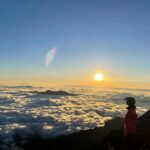
The description calls this a paradise for hunting clouds—basically, looking for that moment when clouds sit in layers and drift in and out of the valley. If the weather is kind, this is where Sapa’s signature misty mood feels most dramatic. If clouds are thick, you might get less distance, but you can still enjoy the motion and the feeling of being above the day-to-day chaos.
You’ll spend about 2 hours in this area. The route continues toward Tao Sha (Sapa Sha) village of the Black H’Mong, and the path at the top is described as gentle with valley views below. That matters because it makes Hang Da a good “breather” segment before the tougher-scenery parts.
Practical tip: bring layers you can adjust. High altitude air can feel sharp early, and cloud-cover can make temperatures flip fast.
Into Muong Hoa Valley villages: the cliff road and the quieter pace
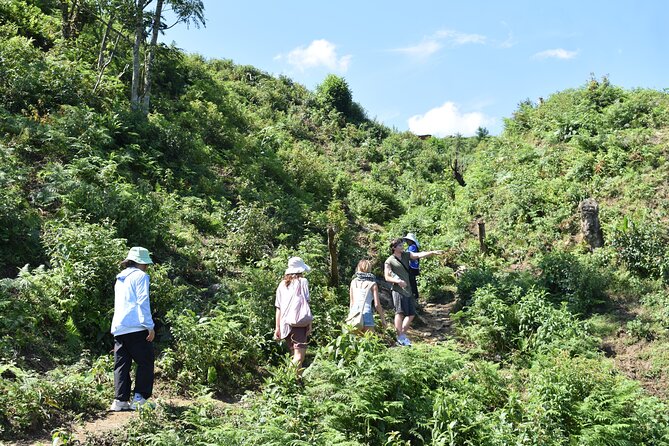
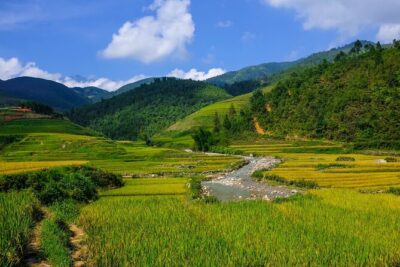
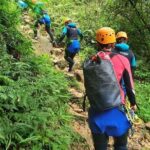
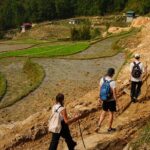
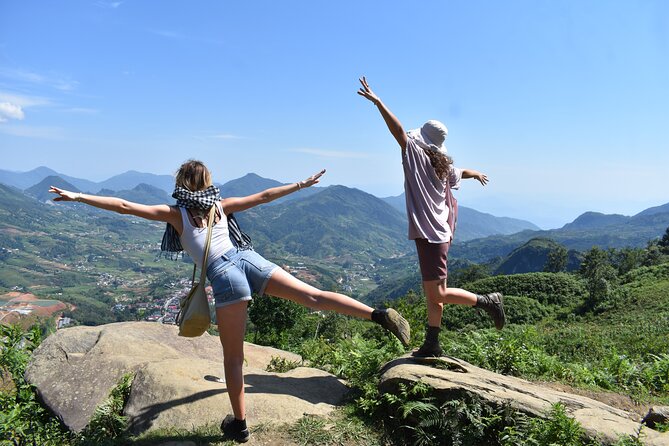
Now you get the signature part of the day: time in the Muong Hoa Valley. Your walk leads to a village where the road is described as one side cliff and the other side Muong Hoa Valley. This is not a sightseeing platform. You’ll actually be walking next to that drop, with forest trees and, in some seasons, wildflowers showing up along the edges of the path.
You’ll have about 1 hour 30 minutes here. The value of this stop isn’t only the scenery, it’s the rhythm of daily village life. The tour description emphasizes that villages are almost separate from central Sapa, so you feel like you’re “running away” from the town crowd. That’s the sweet spot: a day that gives you both views and the sense that you’ve moved into a different world.
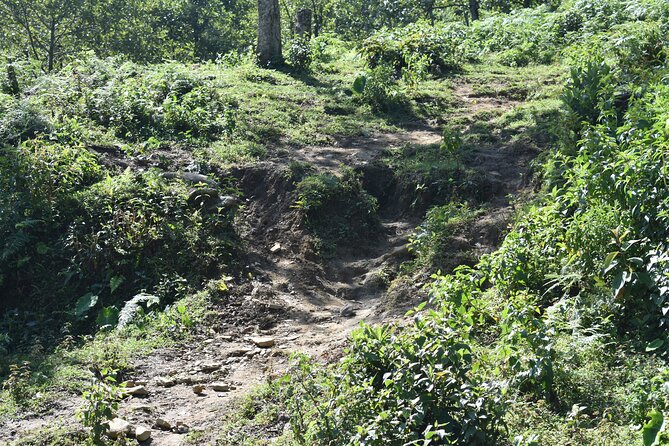
One thing to keep in mind: you’ll be on a moderate trek, so even if the trail looks narrow or simple, it still takes attention. If you’re the type who likes a relaxed walk with minimal concentration, this is the part where you’ll want to slow down and keep your footing steady.
Hau Thao: rice terraces, bamboo forest, and the white-cloud look
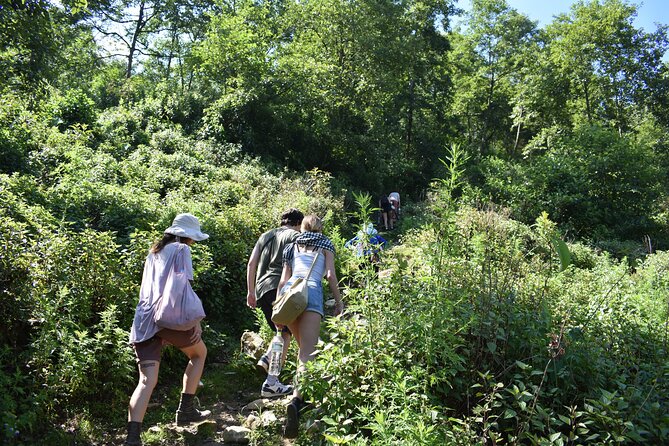
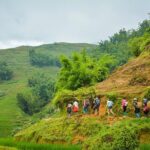
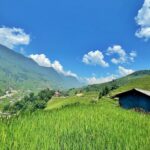
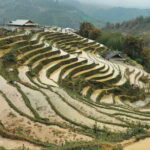
The last village-area stop is Hau Thao. This is where the scenery turns extra classic for Sapa: rice fields spreading along the mountainside, bamboo forest nearby, and terraces with a rolling-cloud feeling. The idea is almost cinematic—highland views, clouds that you can easily encounter while exploring, and a sea of white cloud that can appear around you depending on the day.
You’ll spend about 2 hours here. This is also tied to the highlight of visiting the highest village in Sapa, so the elevation payoff here is part of the plan, not an accident. Even if clouds are present, don’t assume it’s automatically bad. Mist can erase distant clutter and make the terraces and bamboo stands feel more intimate.
If you like photos, Hau Thao is the most “expectation matches reality” stop: it’s described as rice terraces + forests + rolling cloud views. If your camera battery doesn’t love cold air, keep it warm in your bag between shots.
You can also read our reviews of more tours and experiences in Sapa


Food and guide style: what’s included, what you can request, and why it matters
The day is built around the idea that you’re not out there alone. You’ll have a local tour guide who speaks English, described as experienced and enthusiastic. In practice, this is one of the biggest value points of the whole experience. You’re far enough from town that explanations help you connect what you’re seeing—terraced farming, village layout, and everyday culture—to the bigger picture.
Lunch is included, and all fees and taxes are included too. You’ll also have private transportation and bottled water. This matters because it saves you time and decision fatigue. You’re not trying to figure out transport between scattered viewpoints and villages on your own while also trying to stay on schedule for a full day.
Vegetarian food is available on request, which is worth noting in a trek context. If you eat vegetarian, you’ll appreciate not having to hunt for options mid-walk.
The best part is the pacing. Instead of one long slog with nothing but scenery, you get a viewpoint stop, a market stop, and multiple village/terrace stops. It makes the day feel like a story arc: start above town, touch town life, move into village life, then finish with the iconic highland views.
Price and value check for $53 in Sapa
At $53.00 per person for roughly 6 hours to 7 hours 30 minutes, this trek sits in the “good deal if you want it all in one shot” category. Here’s the value math I’d use:
- You’re paying for a full guided day that includes lunch, bottled water, and private transportation (not just a guide walking beside you while you handle everything else).
- You also get multiple major experiences packed into one route: Ham Rong viewpoints, Sapa market, and several village/terrace areas tied to the Muong Hoa Valley.
- Admission at the first viewpoint is free, and all included fees are already handled.
You’ll also see the tour listing offers group discounts and a mobile ticket. That’s helpful if you’re traveling with friends or want a smoother day-of experience.
For me, the price works best if you want three things at once: real views, real village culture, and less transport hassle. If you already have a driver and you’re comfortable navigating villages independently, you might find cheaper options. But if you want someone to stitch the day together, this one looks fair.
Weather, pace, and packing for a moderate day trek
This is a moderate trek, and at times it can feel like a workout—enough that you’ll want to treat it seriously. Even if you’re not a trail athlete, you should be ready for sustained walking and some uphill moments. One of the practical signals from past experiences is that people still describe it as physically demanding, so don’t assume it’s a gentle stroll.
The other big variable is weather. Fog and rain can hide the far-distance panorama. That said, the trek still has a reason to exist on cloudy days: village life doesn’t disappear, terraces still show texture up close, and clouds often become part of the scenery rather than the failure of it.
Packing ideas that match what the day actually involves:
- Proper walking shoes for uneven ground.
- A light rain layer or wind layer, since high areas can change fast.
- Sunglasses and a hat if the sky clears—views from Ham Rong and the valley can be bright.
- A small day bag for water and layers (you get bottled water, but you’ll still want easy access).
Who should book this Muong Hoa Valley View & Village Trek
This tour is a strong fit if:
- You want a one-day way to see more than the usual Sapa center.
- You enjoy village culture as much as scenery.
- You like guided context, especially with an English-speaking guide.
- You’re okay with a moderate trek and want a day that’s active, not just scenic.
It may not be ideal if:
- You want a short, mostly flat walk.
- You’re very sensitive to steep, cliff-edge road sections.
- You’re hoping for the best views no matter the weather. On foggy days, you might get less distance.
Should you book this Muong Hoa Valley trek?
If your priority is a guided day that ties together Muong Hoa Valley panoramas, H’Mong villages, terrace scenery at altitude, and a market stop that shows the textile side of Sapa, I think this is a solid choice. The price also makes sense because the day includes lunch, bottled water, and private transportation, not just a guide.
Book it if you’re ready for walking and you can handle weather uncertainty. If you hate any chance of cliff-edge walking or you want an easy stroller-style day, look for something gentler.
FAQ
FAQ
How long is the Muong Hoa Valley view and village trek?
The trek runs about 6 hours to 7 hours 30 minutes.
What time does the tour start in Sapa?
The start time is 9:00 am.
Is pickup offered from my hotel?
Pickup is listed as offered, and the activity ends back at the meeting point.
What’s included in the price?
Included are lunch, bottled water, private transportation, and all fees and taxes.
Can I get vegetarian food?
Yes. Vegetarian food is available on request.
What admission fees do I need to pay?
At Ham Rong Mountain, admission is free, and the tour includes all fees and taxes.
How fit do I need to be?
The trek is for travelers with moderate physical fitness.
What if I need to cancel?
There is free cancellation. You can cancel up to 24 hours in advance for a full refund.