REVIEW · HIKING & TREKKING
Fansipan Trek One Day Tour – Roof of Indochina
Book on Viator →Operated by Trekking Tour Sapa · Bookable on Viator
Fansipan is a mountain with an early alarm. This one-day trek from Sapa takes you up from Tram Ton Pass into Hoang Lien Son, where the plants change with altitude and you may spot goats or langur monkeys on the way to the Roof of Indochina.
Two things I like a lot: you get real porter support (3 people share 1 porter), and the tour includes practical extras like lunch, a park entrance ticket, bottled water, and even gloves. That matters because it turns a long day of steep hiking into something you can actually manage.
The main catch is simple: this is a steep, demanding climb. The tour is best for people with strong physical fitness, and you should expect tough sections (including ladders/steps in places) with a long day of ascent and descent.
In This Review
- Key highlights to know before you go
- From Sapa Church to Tram Ton Pass: the day starts fast
- Hoang Lien Son trek: shifting plants, real challenge, possible wildlife
- Summit around noon: Roof of Indochina photos and the certificate
- The descent to Sapa: late afternoon freedom, optional cable car
- What’s included in the $98 rate (and what you’ll still pay)
- Guide and porter support: why reaching the top is about more than willpower
- Pace, timing, and fitness: who this is truly for
- Booking timing and weather reality in Sapa
- Should you book the Fansipan Trek One Day Tour?
- FAQ
- What time does the tour start in Sapa?
- How long is the trek on the mountain?
- Where is the meeting point?
- Is lunch included?
- Does the price include national park entrance?
- Is there a guide?
- Do I get porter help?
- What’s included for summit materials?
- Is the cable car included?
- What fitness level is required?
Key highlights to know before you go
- Small group size (max 15) for a more controlled pace and easier guide attention
- Porters + gloves included, so you’re not stuck improvising on the toughest parts
- Tram Ton Pass start at about 2,000 m for quick access to higher-elevation trekking
- Hoang Lien Son nature reserve with changing vegetation and possible wildlife like goats and langur monkeys
- Summit time around noon, plus an included admission ticket and a Fansipan summiting certificate
- Early return to Sapa (around late afternoon), with an optional cable-car way down for extra cost
From Sapa Church to Tram Ton Pass: the day starts fast
Your day kicks off before most people are fully awake. You’ll meet at Sapa Church (P. Hàm Rồng) and the start time is listed around 5:00–5:30 AM. The car ride moves you from Sapa toward Tram Ton Pass, which sits at roughly 2,000 meters above sea level.
Why that matters: you lose less time climbing from the town itself. Instead, you get onto the trail where the air is already cooler and the vegetation shifts sooner. You also get the mountain at a better hour for views, photos, and steady trekking conditions.
At about 6:30 AM, you begin walking from Tram Ton Pass. The pace is guided, and you’re not left to figure out your own rhythm. This is one-day trekking, so the schedule is tight by design—start early, walk hard, summit, then head back to town before dinner plans get messy.
You can also read our reviews of more hiking tours in Sapa

Hoang Lien Son trek: shifting plants, real challenge, possible wildlife
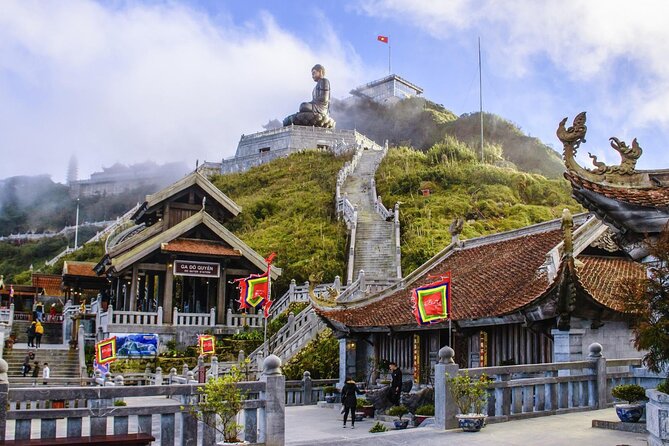
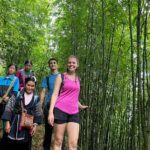
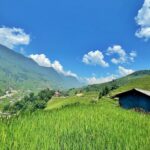
Once you start ascending, the trek becomes a living lesson in altitude. The Hoang Lien Son area is a nature reserve, and the tour focuses on how the environment changes as you climb.
You should expect multiple plant zones:
- Higher areas with giant, centuries-old pine trees
- Stretches marked by yellow bamboo
- And near the top, a forest of dwarf bamboo
There’s also a specific biodiversity angle. The reserve protects a wide range of plant life, including over 100 varieties of orchids. You won’t be able to check off every species like a botanist, but knowing that this is a protected ecosystem helps you pay attention to what’s around you instead of just counting steps.
Wildlife is possible, not guaranteed. The tour describes chances to see mountain goats and langur monkeys along the route. If you’re the type who looks up and scans the treeline, you’ll get more out of the hike.
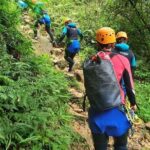
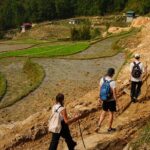
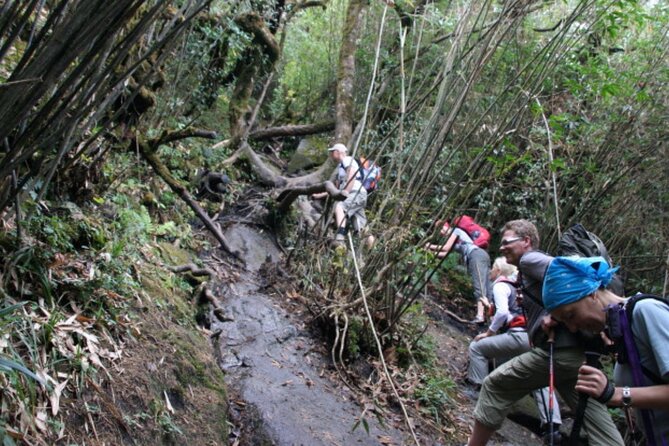
Now the real-world part: this is not a casual walk. The ascent and descent together take about 7–8 hours, and the climb is challenging. One of the most common practical themes from guide feedback is steady encouragement and patience on steeper sections. Expect tough footing at times, and plan to move at a pace you can sustain for hours—not just sprint to the summit.
And yes, you’ll be thinking about gear. This tour includes gloves per person and provides porter support, which helps on colder sections and makes the hard segments less intimidating. Still, you’ll want to show up prepared for a long day: shoes with grip matter, and layers help because conditions can change on a mountain.
Summit around noon: Roof of Indochina photos and the certificate
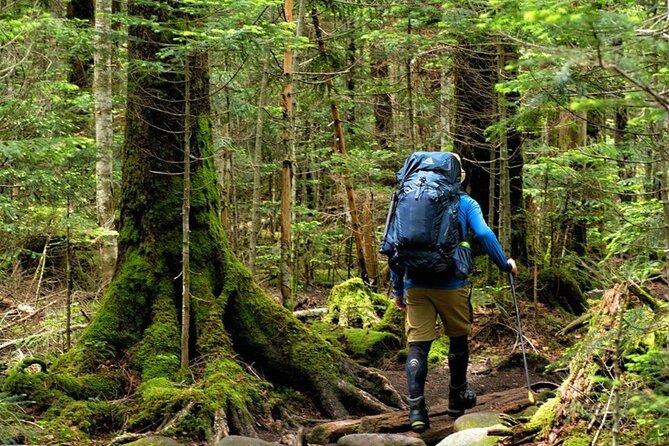
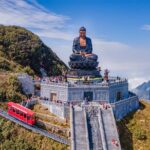
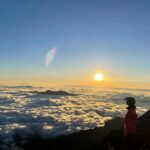
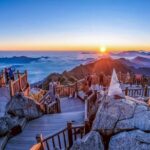
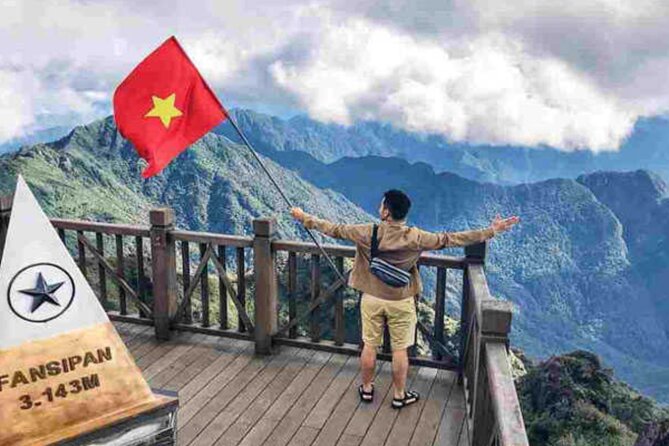
After the long push, you arrive at the Fansipan peak around noon. This is when the tour’s “one day, big payoff” structure really clicks: you don’t just hike to a vague viewpoint—you get peak time.
There’s about 1 hour at the summit, and the tour includes the admission ticket for that experience. You’ll enjoy the view and unique photo spots from the top, and you’ll also get a Fansipan summiting certificate. That certificate is more than paperwork. It’s the kind of keepsake that turns a tough day into something you’ll remember later without having to recreate the exact route details.
Some people also mentioned receiving medals at the top. The guarantee here is the summiting certificate; medals may depend on what the site is handing out that day.
One more thing to plan: summit time is short. You’ll want to dress for the conditions you find up there—wind and temperature can change fast on a high peak. Bring your best self to the photos, but also don’t spend the whole hour trying to find the perfect shot. You still have to descend.
The descent to Sapa: late afternoon freedom, optional cable car
The turnaround point is your summit time, then it’s back down. The full day typically ends around 4:00–4:30 PM, with the tour arriving back in Sapa town around roughly 16:30–17:30.
That timing is helpful because it gives you options after the hike:
- you can grab a simple late lunch/early dinner
- you can move on toward Hanoi or another stop (the tour notes that you can book a bus afterward)
- you can keep your evening light instead of spending it recovering all night
One common decision is whether to use the optional cable car on the way down. The cable car is not included in the standard package, and extra costs apply. One example cited in the provided information put the add-on at 800,000 dong, but prices can change, so treat that as a ballpark.
My practical take: if you feel strong and your legs are holding up, hike down with the group and enjoy the changing vegetation on the way back. If you’re spent—especially after steep sections—having the cable car as a fallback can reduce risk and stress. Just remember: it’s an extra expense, and it may affect how long you stay in the mountains.
What’s included in the $98 rate (and what you’ll still pay)
At $98 per person, you’re paying for a structured one-day trek with a bunch of the usual headaches handled. Here’s what’s clearly included:
- Lunch (vegetarian)
- Hoang Lien National Park entrance fee
- Local English-speaking guide
- Transport from Sapa to Tram Ton Pass and back
- 1 big bottle of water per person
- Porter service (3 people sharing 1 porter)
- Fansipan summiting certificate
- Gloves per person
Those inclusions matter because they remove three big risk factors for first-timers:
1) Getting to the trailhead on time
2) Paying separate fees for the national park piece
3) Showing up without enough basic hiking support
What’s not included is also important:
- Personal travel insurance
- Extra drinks (the information specifically mentions additional drinks like bottled water or beer at homestays)
- Tips for guide, porter, and driver (expected but not included)
- Optional return via cable car
- Other expenses outside the program
If you’re budgeting, think of the trek as mostly all-in except for personal spending and optional down-ride comfort. Also, the tour is listed as requiring good weather. That’s worth keeping in mind when you’re planning the rest of your Sapa schedule.
You can also read our reviews of more tours and experiences in Sapa


Guide and porter support: why reaching the top is about more than willpower
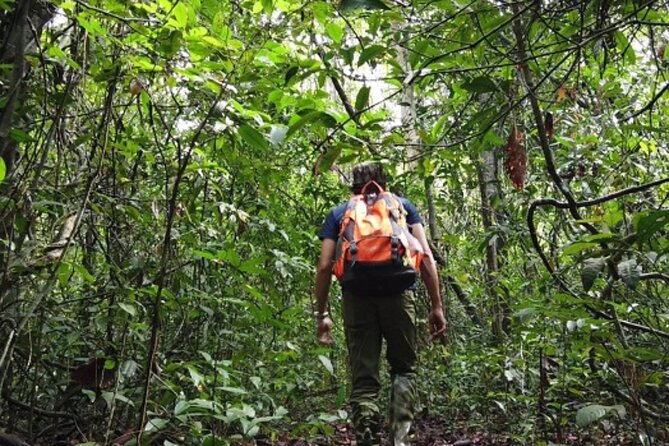
When a trek is steep, the difference between okay and excellent often comes down to how well the support team manages pace and morale.
This tour is built around an experienced local guide and a porter service. Porters typically support you through the physical effort, and the program shares that you’ll be guided “through each specific step” to conquer the climb. In plain terms: on a tough mountain, you want instructions, not guesswork.
Guide quality shows up in the feedback names included in the provided information. Guides such as Pau, Chu, Mei, Phung, and Pao were praised for things like patience, steady encouragement, and strong English. That’s the kind of support that helps when you’re tired or when the conditions turn rainy.
A small group size (maximum 15 travelers) also helps. In a smaller group, the guide can adjust for slower hikers without losing the schedule the whole day.
One more support detail: gloves are included. That’s small, but it helps you avoid the classic mistake of wearing the wrong hand setup when temperatures drop at higher elevation.
Pace, timing, and fitness: who this is truly for
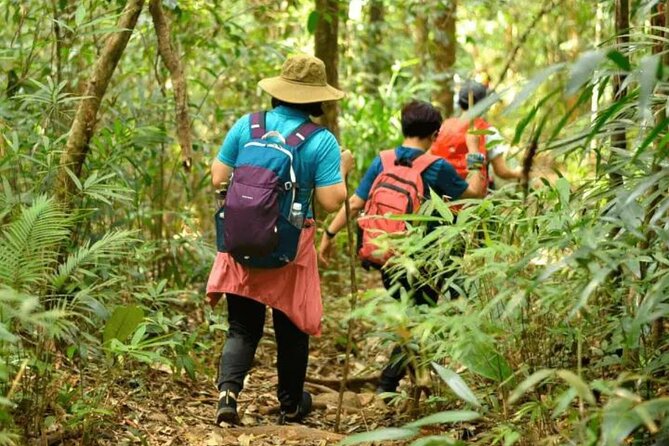
This is a one-day high-altitude challenge. The tour description is blunt about it: you should have strong physical fitness level. The hiking ascent and descent are long enough that pacing matters more than speed.
If you’re comfortable hiking for hours with a steady uphill and you can handle stairs or rough footing, this will feel like a big achievement day—not a survival story. If you’re not, you’ll feel it in your legs fast.
So who’s a good fit?
- People in good shape who want a real challenge
- Travelers who like a structured plan with guide and porter help
- Couples, friends, and solo hikers who want to summit without DIY logistics
Who might struggle?
- Anyone expecting a light walk or an easy nature stroll
- Anyone with knee or stamina limitations who can’t manage steep segments and long time on your feet
The early start is also a factor. You’re meeting before 6 AM and walking by 6:30. If you hate mornings, you’ll still have to do mornings. The trick is going to bed early the night before.
Booking timing and weather reality in Sapa
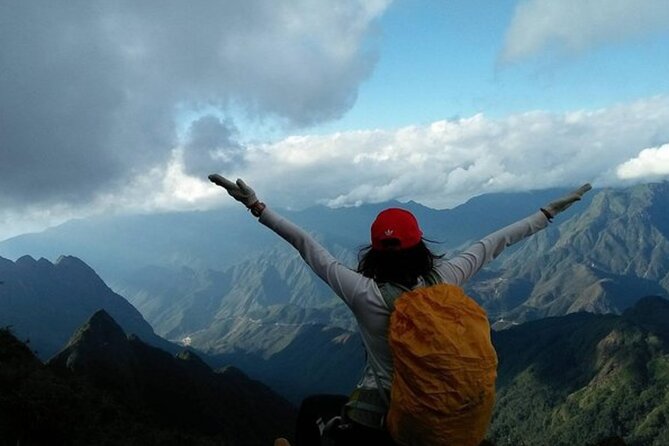
This trek has a practical scheduling pattern: it’s often booked around 16 days in advance on average. If you’re visiting during peak season or you’re traveling around weekends, booking ahead helps you secure a slot that fits your stamina window.
Weather matters here. The tour notes that it requires good weather, and if it’s canceled due to poor weather, you’ll be offered a different date or a full refund. That’s a key piece of planning—don’t treat Fansipan day as your only chance to do a mountain hike in the area.
Also, the info states that the tour has a maximum of 15 travelers, and it depends on the number of travelers meeting a minimum for the experience to run. In real travel terms: if you’re flexible, you have more options. If you’re locked to one exact day, keep a backup plan for another mountain trek or Sapa town time.
Should you book the Fansipan Trek One Day Tour?
If you want the headline—Fansipan, the Roof of Indochina—and you’re willing to work for it, this tour is a solid choice. I like that the $98 price includes the big essentials: park entry, transport, lunch, water, gloves, guide, and porter support. That support layer is what makes the climb feel possible for more people.
Book it if:
- you want a guided one-day summit from Sapa
- you prefer a small group (max 15) to keep things manageable
- you’re ready for a steep day and you’ll take the challenge seriously
Skip it or consider another plan if:
- you’re hoping for a flat, easy hike
- you’re unsure about your fitness for 7–8 hours of ascent/descent
- you want to reduce mountain walking time as much as possible (because the cable car is optional and extra, not part of the standard plan)
If you do book, your best move is simple: show up rested, bring the right footwear, and treat summit time as a short reward after a long effort. Do that, and Fansipan will feel like a day you earned.
FAQ
What time does the tour start in Sapa?
You meet around 5:00–5:30 AM at Sapa Church, then you travel to Tram Ton Pass and begin walking at about 6:30 AM.
How long is the trek on the mountain?
The challenging ascent and descent together take about 7–8 hours (the full tour duration is listed as roughly 7 to 11 hours).
Where is the meeting point?
The meeting point is Sapa Church on P. Hàm Rồng, TT. Sa Pa, Sa Pa, Lào Cai, Vietnam.
Is lunch included?
Yes. Vegetarian lunch is included.
Does the price include national park entrance?
Yes. The Hoang Lien National Park entrance fee is included.
Is there a guide?
Yes. You get a local English-speaking guide.
Do I get porter help?
Yes. Porter service is included, with 3 people sharing 1 porter.
What’s included for summit materials?
You get a Fansipan summiting certificate, and the summit admission ticket is included.
Is the cable car included?
No. Cable car return is optional and not included in the standard price.
What fitness level is required?
The tour description says travelers should have a strong physical fitness level because the hike is challenging and steep.