REVIEW · HIKING & TREKKING
Sapa 3 Days Trek with 2 Nights Homestay
Book on Viator →Operated by Asia Travel Legend · Bookable on Viator
Sapa’s homestay trek is a people-first mountain getaway. You get a private tour with an English-speaking guide who helps you shape which villages you visit, plus a 2-night homestay where most meals are handled. For me, the best part is how practical it feels: you’re hiking through real village areas, not just doing sightseeing stops, and entrance fees plus the ride back to Sapa Town are folded in.
The main consideration is effort. Even though this tour says most travelers can participate, the “go off the beaten track” style routes can get steep, muddy, and long if you choose the harder options. If you’re unsure, you’ll want to talk pace and route difficulty with your guide before you commit.
In This Review
- Quick hits: what makes this Sapa homestay trek stand out
- Why this 3-day homestay trek works (even if you’re short on time)
- Route at a glance: Y Linh Ho, Ta Van, Giang Ta Chai, and Ban Ho
- Day 1: Y Linh Ho (9:00 am) and a first night in Ta Van Village
- Day 2: Giang Ta Chai, Su Pan, and settling into Ban Ho homestay
- Day 3: Nam Toong and Thank Phu before returning to Sapa Town
- Guides and route choices: the real value in a private tour
- Homestay reality check: food, rooms, and community time
- Price and value: what $196.16 covers (and what it doesn’t)
- How hard is it, really? Choosing a pace you can enjoy
- Who this trek is best for (and who might want a different plan)
- Should you book the Sapa 3 days / 2 nights homestay trek?
- FAQ
- What time does the trek start, and where do I meet?
- Is this a private tour?
- What’s included in the price?
- What meals are covered?
- Is pickup available?
- What’s not included?
- Is it possible to cancel and get a refund?
- How do I get tickets and when will I receive confirmation?
Quick hits: what makes this Sapa homestay trek stand out
- Private, English-speaking guiding means you get to ask questions and adjust your village route
- Homestay nights (2 nights) turn the trek into more than just photos and walking
- Most meals included helps you avoid the usual trek-day budgeting stress
- Entrance fees and return transport included so you’re not juggling tickets and taxis
- Flexible route difficulty can mean an easier walk or a seriously hard day depending on your choices
- Village visits across the valley region keep each day feeling different
Why this 3-day homestay trek works (even if you’re short on time)
Sapa is one of Vietnam’s places where it’s easy to spend a whole day “in transit” and end up seeing only the outer edges. This trek is built to do the opposite. Over three days, you move through multiple villages and valleys, then you sleep where the daily life is happening, not in a hotel bubble.
What I like about the format is that it saves you from planning headaches. Entrance fees are included, and transportation back to Sapa Town is included after your trek. That matters because in mountain towns, logistics can eat up energy you’d rather spend on the walk and conversations.
It also helps that the itinerary is structured but not rigid. After meeting your guide, you can customize the villages you visit. That’s a big deal if you care more about day-to-day village life than hitting a single “must-see” viewpoint.
You can also read our reviews of more hiking tours in Sapa
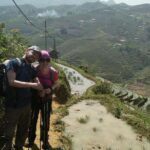

Route at a glance: Y Linh Ho, Ta Van, Giang Ta Chai, and Ban Ho
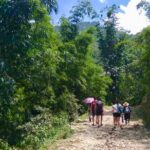
This trek is organized around village-to-village walking with homestay nights in the valley area.
- Day 1 starts with Y Linh Ho and ends with Ta Van Village for your first homestay night. The day runs 9:00 am to about 3:00 pm and includes 3 lunches, 2 dinners, and 2 breakfasts across the trek period (with meals spread through the three days).
- Day 2 links Ta Van → Giang Ta Chai → Su Pan → Ban Ho, with your second homestay night in Ban Ho.
- Day 3 continues Ban Ho → Nam Toong → Thank Phu → Ban Ho → Sapa, returning you to Sapa Town to end the experience.
You’ll notice a pattern: the trek alternates between motion (walking legs through valley areas) and slower moments (meal breaks and community time). That rhythm is why a 3-day trek can feel like a real experience instead of a rushed checklist.
Day 1: Y Linh Ho (9:00 am) and a first night in Ta Van Village
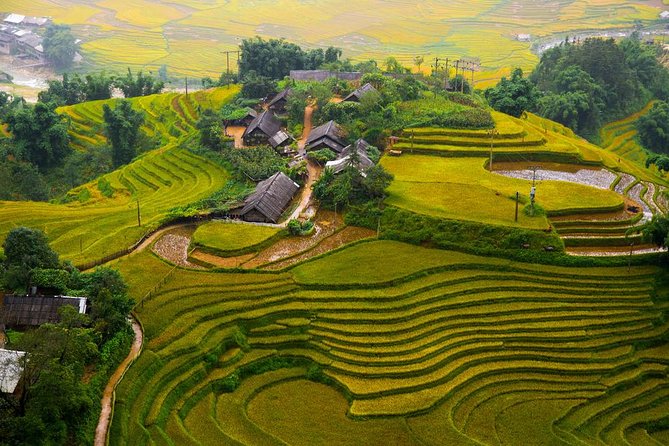
Day 1 starts at 9:00 am in Sa Pa (Sapa), Lao Cai. From there, you’ll head to Y Linh Ho, where your trek begins in the valley area. The tour schedules this as part of a long day (roughly 4 hours at this stop), and it’s the kind of walking that gets your legs warmed up for the next two days.
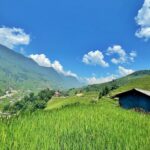
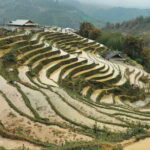
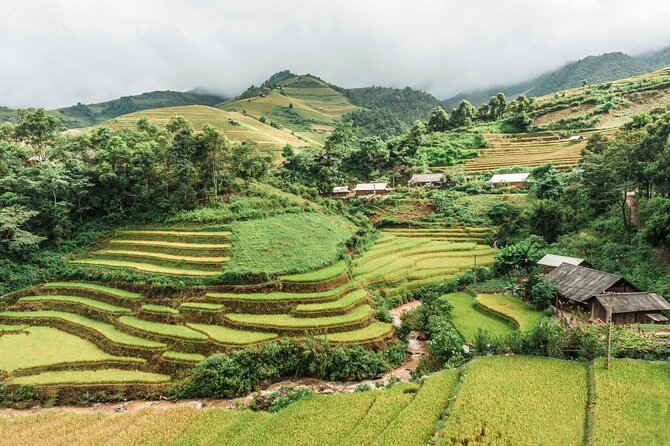
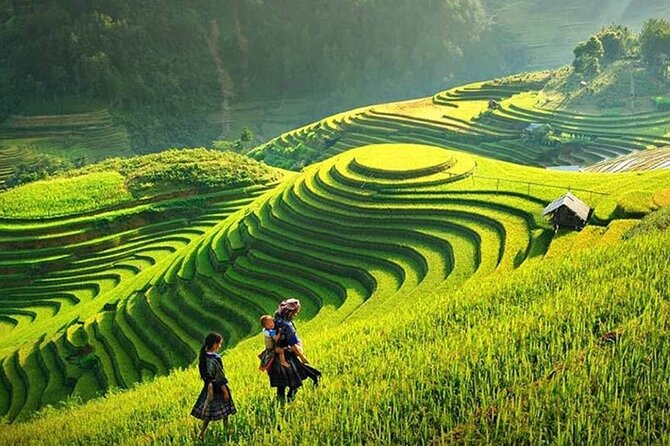
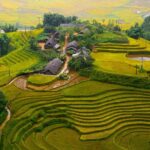
Once you reach Ta Van Village, the vibe shifts. This is where the trek becomes social and human-scale: you’re not just passing fields and footpaths, you’re arriving in a place where people live, cook, and farm. A key theme that shows up in guides and past experiences is rice-paddy scenery and village conversations, which helps you understand daily life instead of treating it like a backdrop.
That first homestay night in Ta Van is where you’ll feel the difference between “tour time” and “local time.” You’ll also get a sense of how your guide handles the rhythm of the day: when to slow down for photos, when to ask questions, and where it’s worth paying attention (like family routines and village work).
Day 2: Giang Ta Chai, Su Pan, and settling into Ban Ho homestay
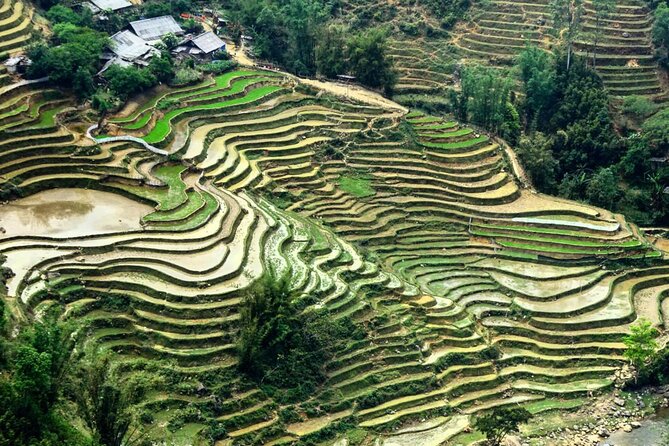
Day 2 is your connector day. You leave Ta Van, walk to Giang Ta Chai, continue through Su Pan, and finish at Ban Ho for the second homestay night. The route is listed as about 4 hours for the day’s segment, and it’s paced so you’re hiking long enough to feel like a real trek, but not so long that you lose the cultural side.
This is also the day where the village mix can feel most noticeable. Different village areas often have different community routines and home setups, so even if you’re doing similar walking patterns (paths, steps, field edges), your experience changes with each stop.
Ban Ho is a great “final homestay night” because it gives you time to rest before the last day’s return walk. It’s also when your conversations with your guide can deepen. Many people leave Day 2 feeling like they finally understand what they’ve been looking at, because you’ve now visited more than one village and the patterns start making sense.
Day 3: Nam Toong and Thank Phu before returning to Sapa Town

Day 3 is the closer. You start from Ban Ho, walk through Nam Toong and Thank Phu, and then head back to Sapa Town, with the route looping back to Ban Ho before the final return.
The final day includes multiple stops but stays within a manageable structure: the walking segment is listed at around 4 hours, ending back at your meeting point in Sapa. That makes it easier to plan the rest of your day in town—lunch, a hot shower, and a casual wander without the pressure of rushing to make another tour.
If you’ve been thinking about this trek as a “culture + views” combo, Day 3 often balances both well. By this point, you’ve already seen how villages work and how people move around paths and terraces, so the walk feels less like navigation and more like connection.
You can also read our reviews of more tours and experiences in Sapa
Guides and route choices: the real value in a private tour
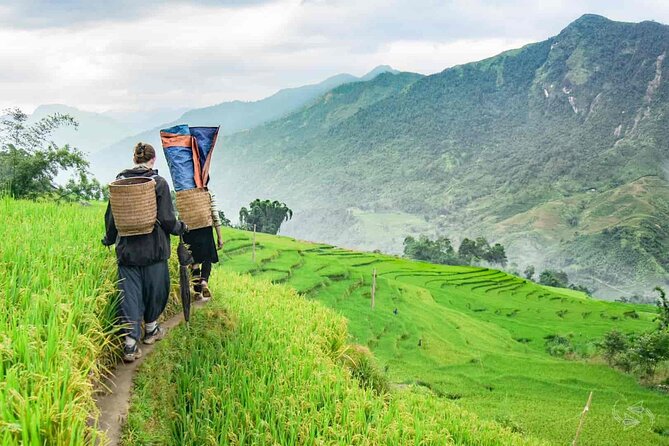
This is a private tour, so you won’t be stuck waiting on other groups or trading your questions for someone else’s itinerary. Your guide’s job isn’t just pointing and translating. It’s also helping you tune the trek to your interests and fitness.
In past trips, guides like Py Chi, Mao, Pen, Lang, Little Zo, and Khu have been praised for being friendly, funny, and good at explaining what you’re seeing. That matters because Sapa can be visually impressive, but the meaning is what makes it stick. A strong guide turns a path between villages into a story about how people live, work, and survive the season.
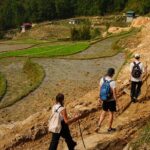
One more practical note: the trek route can shift depending on your preferences. If you want a more relaxed walk, you can aim for easier choices. If you want a serious workout, you can choose a harder off-the-beaten-track style route. One example from past experiences included a very challenging plan with steep climbing, lots of elevation gain, and long days—awesome for people who came for a workout, not ideal for anyone who needs an easy pace.
Homestay reality check: food, rooms, and community time
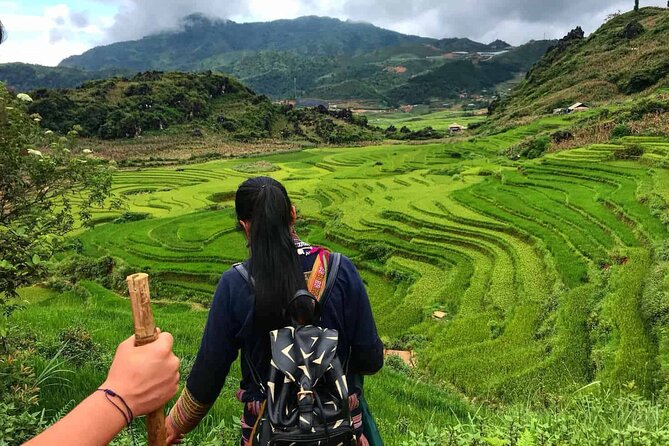
A homestay is the centerpiece here, and it’s not just a place to sleep. You’re included for two nights, and your meals are mostly handled: 3 lunches, 2 dinners, and 2 breakfasts across the trek. That’s a big part of the package value because you’re getting steady fuel without needing to hunt for restaurants on trekking days.
Food is commonly described as delicious in past experiences, and it’s usually the most comforting part of the day after walking. You’ll also get your first real taste of how meals and routines work in a family setting.
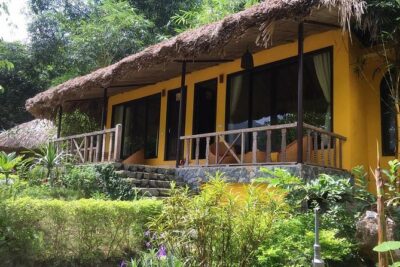
Room details can vary. Some people have reported staying in a more private setup with a bathroom arrangement, while other stays may feel more basic. The tour information keeps it general, so I’d ask your operator what your exact room setup will be once you book, especially if you care about privacy or bathroom access.
Price and value: what $196.16 covers (and what it doesn’t)
At $196.16 per person, you’re paying for a package that includes a lot of the hidden costs that make trekking expensive.
What’s covered:
- English-speaking guide
- Entrance fees
- Homestay for 2 nights
- Most meals (3 lunches, 2 dinners, 2 breakfasts)
- Transport back to Sapa
- Food for 3 days as part of the package
What’s not covered:
- Drinks and beverages
- Private expenses
Here’s the practical way to think about value: you’re not just paying for a route. You’re paying for time, local hosting, and the logistics that would be painful to replicate on your own—finding entrance access, sorting guide time, and coordinating the return to Sapa Town.
Also, popularity matters. The tour is typically booked about 18 days in advance, which is a sign it sells out during good travel windows. If you have firm dates, booking early can help you avoid the “only harder routes left” problem.
How hard is it, really? Choosing a pace you can enjoy
The tour notes that most travelers can participate, which is reassuring if you’re not an endurance athlete. But Sapa walking can be deceptive. Trails can be uneven, climbs can be steep, and mud happens—especially with rain or after wet periods.
Past experiences include a really demanding day when someone chose a medium/hard option off the beaten track: steep climbs, long distance, and getting into higher elevation territory. That’s not guaranteed for every route, but it’s a helpful warning that “3 days trekking” can range from pleasant hiking to a proper challenge.
My advice: before you start, tell your guide what you want your trek to be.
- If you want views and village time, ask for the easier pace.
- If you want a fitness challenge, ask for the harder off-track option.
Either way, don’t guess. A private guide is exactly what you want to calibrate effort.
Who this trek is best for (and who might want a different plan)
This is a strong fit if you want:
- A private, guided experience with customization
- Homestay nights instead of only day walks
- Meals included so you don’t lose time and energy
- A route that touches multiple villages instead of repeating the same path
You might not love it as much if you:
- Need a very light walking day every day
- Hate any chance of steep, muddy sections
- Want full control over every meal and schedule (because meals are mostly included and the day runs to a set structure)
If you’re traveling as a couple, a small friend group, or solo with a flexible schedule, the private format can make this feel like your own small expedition instead of a tour group.
Should you book the Sapa 3 days / 2 nights homestay trek?
If your goal is to see Sapa through village life, not just the famous viewpoints, I think this is a smart booking. The combination of private guiding, homestay nights, and meals plus entrance fees plus return transport is exactly what keeps the trek from turning into admin work.
Before you lock it in, do two quick checks:
- Ask about route difficulty options so you get the pace you want.
- Confirm what’s included for drinks so you can budget for them without surprises.
One last point: the experience has a strong track record, with a 5-star average and a high recommendation rate. That doesn’t guarantee your exact guide or route, but it does suggest the operation is built around strong local support.
If you’re ready to trade convenience for real community time, this trek is the kind of trip you’ll talk about long after the photos fade.
FAQ
What time does the trek start, and where do I meet?
The experience starts at 9:00 am in Sa Pa (Sapa), Lao Cai, Vietnam, and it ends back at the same meeting point.
Is this a private tour?
Yes. It’s described as a private tour/activity, meaning only your group participates.
What’s included in the price?
The package includes an English-speaking guide, entrance fees, food for 3 days, homestay for 2 nights, and transportation back to Sapa.
What meals are covered?
The itinerary notes 3 lunches, 2 dinners, and 2 breakfasts across the three days.
Is pickup available?
The tour offers pickup, and the meeting point is listed as Sapa Town area.
What’s not included?
Drinks and beverages and private expenses are not included.
Is it possible to cancel and get a refund?
No. The experience is listed as non-refundable and cannot be changed for any reason.
How do I get tickets and when will I receive confirmation?
It includes a mobile ticket, and you should receive confirmation at the time of booking.