REVIEW · SAPA
Sapa vacation 3 days 2 night
Book on Viator →Operated by Sapa Vacation Tour · Bookable on Viator
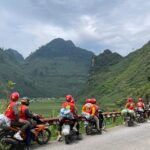
Sapa hits you fast. This 3-day, 2-night route mixes homestay life, village walking, and a real cooking class so your days feel lived-in, not just scenic. I like the way the itinerary strings together Y Linh Ho, Lao Chai, and Ta Van with breaks built around the trekking pace. I also like the local-family meals that make the culture part more than a quick photo stop. One thing to consider: you’re not doing a slow sightseeing loop, because the schedule includes multiple starts around 8–9am and moderate hikes.
The best part is that it’s private, so you’re not stuck timing your questions around a big group. You’ll also get an English-speaking guide and transportation plus entrance fees handled for you, which matters when roads are winding and days are tight. If you want lots of free time sitting in Sapa town, this isn’t that kind of trip.
In This Review
- Key highlights worth knowing
- Why This Sapa 3 Days 2 Nights Route Works
- Day 1: Ta Phin Short Trek, Y Linh Ho Homestay, and a Cooking Class
- Day 2: Cat Cat Village, Muong Hoa Valley, and the Dirt-Trail Trek to Ta Van
- Day 3: Bamboo Forest Walk, Giang Ta Chai Red Dao Village, and Back to Sapa
- Homestay Nights and Meals With Local Families
- Transportation, Timing, and What to Pack
- Price and Value: Getting $131 to Go Far
- Who Should Book This Sapa Private Tour (and Who Should Skip It)
- Should You Book This Sapa Vacation 3 Days 2 Nights Tour?
- FAQ
- Is this a private tour?
- What’s included in the price?
- Where does the tour start and is pickup available?
- What are the main activities during the 3 days?
- How much trekking is involved, and what fitness level do I need?
- What meals should I expect?
- When does the tour end?
- What if I need to cancel?
Key highlights worth knowing

- Homestay overnight (2 nights) in the Ta Van area route for a more real rhythm of village life
- Cooking class and dinner with a local family on Day 1 to add hands-on culture
- Cat Cat village and Muong Hoa Valley built into the trekking day so you see more than just trails
- Trekking through mountain paths with realistic pacing and scheduled lunch breaks
- Bamboo forest walk and Red Dao visit in Giang Ta Chai on Day 3 before returning to Sapa
Why This Sapa 3 Days 2 Nights Route Works
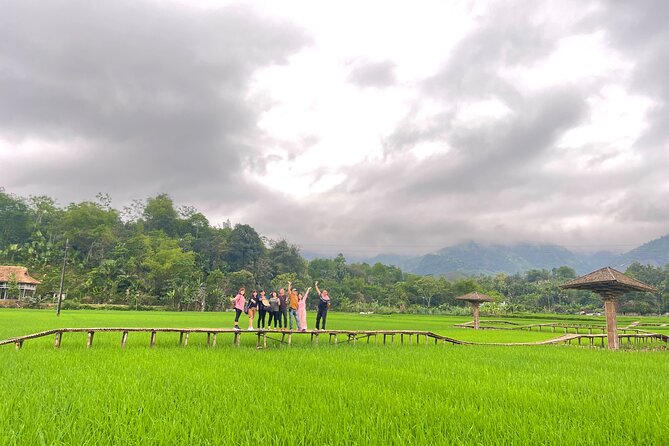
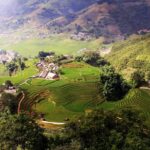
This tour is designed for people who want Sapa without feeling rushed through ten separate “must-see” stops. You get a compact itinerary that moves between villages—Y Linh Ho, Lao Chai, Ta Van, and Giang Ta Chai—so you watch the scenery change while still keeping your feet moving at a manageable pace.
A big value point is how much is included: transportation, entrance fees, 2 nights in a homestay, and meals. That reduces decision fatigue. You’re not trying to figure out where to eat after a trek or hunting for tickets to small village sites on the fly.
One more practical win: this is private. Your group has the guide attention and timing flexibility that feels much more personal on mountain roads and narrow trails.
You can also read our reviews of more evening experiences in Sapa



Day 1: Ta Phin Short Trek, Y Linh Ho Homestay, and a Cooking Class
Your day starts with leaving Sapa town around 9:00am. The schedule includes a quick stop for Ta Phin trekking (about 10 minutes, ticket-free). Even if it’s short, it’s a nice warm-up: you’ll get your legs moving and get a feel for the path surfaces before the longer walking days.
By about 1:00pm, you’re set up for lunch. Then the pace turns toward village time. Around 3:00pm you arrive at the homestay area, and you’re looking at a late afternoon start to the cultural portion—usually around 5:00pm arrival, then activities right after.
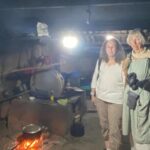
The heart of Day 1 is what comes after you settle in: you learn a cooking class with your tour guide, then you eat dinner with a local family. That pairing matters. Cooking classes can sometimes feel like a staged demo, but having dinner afterward helps you connect what you just learned to what you’re actually eating.
If you’re curious, our guide Huy (Bob) came across as organized and accommodating, which helps when you’re switching from town logistics to a homestay schedule. It also makes the cooking class less intimidating because you’re getting guidance throughout.
Practical consideration for Day 1: you’ll be moving from 9:00am to the homestay evening program, with trekking earlier and dinner later. Wear clothes you can move in and bring a layer. Mountain weather can shift quickly, and homestays often work best when you’re prepared for cooler evenings.
Day 2: Cat Cat Village, Muong Hoa Valley, and the Dirt-Trail Trek to Ta Van

Day 2 starts around 9:00am from the homestay. The route links village life and trekking in a way that keeps the day from feeling like one long “go-go-go” session. You begin with visits and then shift into walking through mountain terrain.
You’ll visit Cat Cat village (about 1 hour) and Muong Hoa Valley (about 45 minutes). This is the day’s structured sightseeing layer before the trekking gets more physical. Cat Cat gives you a cultural stop that’s easy to absorb before you hit the longer paths. Muong Hoa Valley is a quick taste of the wider region—enough time to look around and then get back to the main trek.
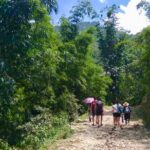
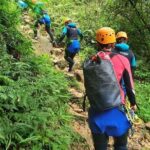
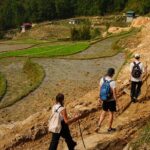
After those visits, you’re on the walking portion: a dirt trail snaking through the mountains. The itinerary timing gives you a sense of pacing: trekking in the late morning, then lunch around 1:30pm, followed by more walking and arrival in Ta Van by about 6:30pm for dinner.
This is also where you’ll appreciate the tour being private. On popular treks, big groups can make the pace awkward—too slow for people who want steady motion, too fast for people who need more breaks. Here, you can follow the guide’s rhythm without constantly adjusting to a crowd.
From the experience itself, the hiking time lands in a realistic range. In a similar group context, the trekking days were around 1.5 to 3 hours each day, with rest stops and breaks built in. That’s a good benchmark for planning your energy.
If you’re prone to sore feet, bring trekking shoes with decent grip. The tour includes transportation and entrance fees, but it can’t control trail footing.
Day 3: Bamboo Forest Walk, Giang Ta Chai Red Dao Village, and Back to Sapa
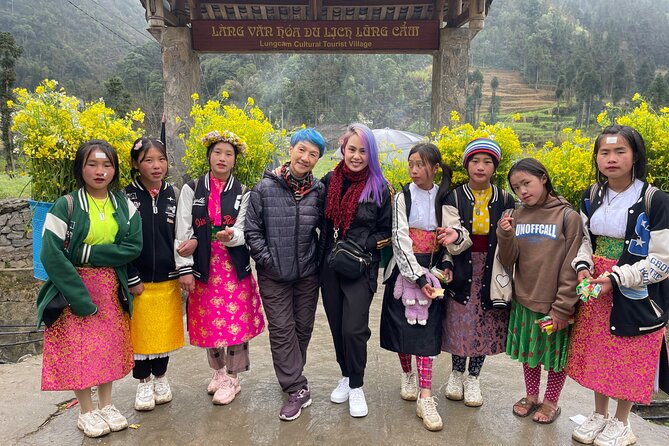
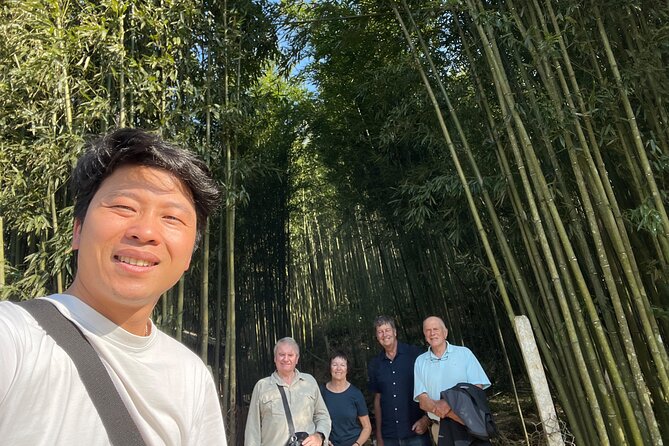
Your last morning begins with breakfast around 8:00am. Then the tour shifts to a calmer, nature-focused walk: around 9:30am you’ll visit through bamboo forests. This kind of stop breaks up the schedule in a good way. It’s not only about village scenes; you get a stretch of quiet trail time that feels different from the earlier mountain paths.
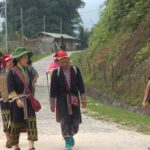
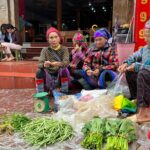
After the bamboo forest portion, you head to Giang Ta Chai for a visit to the Red Dao village around 11:30am. This is the cultural highlight on Day 3, and it’s scheduled long enough for you to look around and absorb what you’re seeing without feeling like you’re being rushed out of a small community space.
Lunch comes at about 12:30pm, and then you’re picked up by car around 1:30pm back to Sapa. That timing is useful because you don’t end the tour exhausted and stranded. You have a portion of the afternoon to get settled back in Sapa town.
One small takeaway: because Day 3 includes both a nature walk and a village visit, you’ll want to keep your pace steady but not frantic. You’re meant to enjoy the transition from trail to village, not treat it like a race.
Homestay Nights and Meals With Local Families
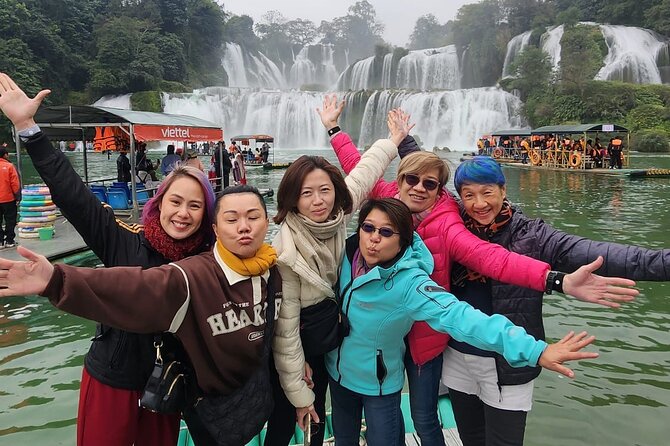
Two nights in a homestay is the anchor of this trip. You don’t just sleep somewhere nearby—you shift into the rhythm of village life for two evenings, which is exactly why this style of itinerary tends to feel more memorable than day trips.
On Day 1, dinner with a local family is built in. That matters because the meal is connected to the day’s cultural activity (the cooking class). Instead of eating at a generic restaurant after trekking, you’re sitting down within the context of the community.
Meals are also a major value component. The tour includes 2 breakfasts, 3 lunches, and 2 dinners. For planning, that means fewer meals to pay for and fewer “where should we eat now?” moments during busy trek days.
Balance check: homestay lodging can mean simpler comforts than a hotel. The good news is that the sleeping accommodations were described as beautiful in the experience feedback you’ll likely get from people booking this route. Still, if you’re the type who needs strict routines, think ahead about what you’ll bring for comfort (like a light layer for evenings and a plan for charging devices).
You can also read our reviews of more tours and experiences in Sapa


Transportation, Timing, and What to Pack
This tour includes transportation and pickup is offered. You’re also given a mobile ticket, which cuts down on time spent coordinating paperwork once you’re in Vietnam.
The itinerary runs like a mountain schedule, not a city schedule. Expect starts around 8:00–9:00am and days that fill up with a mix of trekking, village visits, and meals. That’s great if you want structure. It’s less great if you’re the kind of traveler who likes long mid-day naps and spontaneous detours.
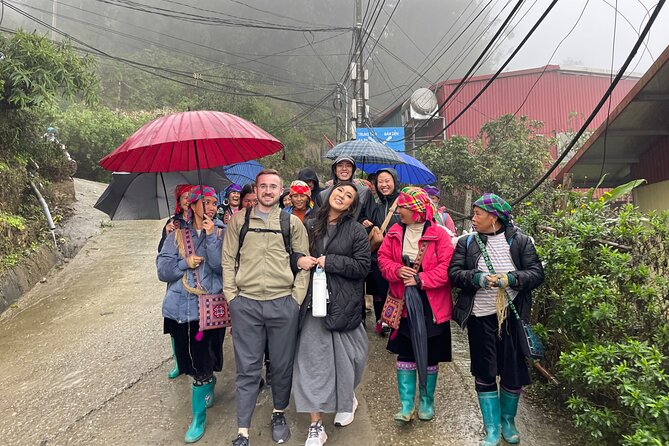
Fitness is listed as moderate physical fitness. In plain terms, this is for people who can handle uneven trails and a few hours of walking spread across the days. If you’re coming in with very limited walking ability, you may find the climbs and dirt paths harder than you expect.
What to bring (practical, not fancy):
- Good grip shoes for uneven ground
- A light rain layer or compact umbrella (mountain weather can change)
- A warm layer for evenings after trekking
- Any small personal comfort item you rely on (your homestay won’t be a hotel)
The tour includes entrance fees, so you can focus on the walking and village time instead of paying at each site.
Price and Value: Getting $131 to Go Far
The price is $131 for about 3 days. For many Sapa itineraries, “cheap” can mean you’re paying extra for meals, tickets, or guide time. Here, the inclusions are what make the number feel fair.
You’re getting:
- Transportation and pickup offered
- Entrance fees included
- Accommodation for 2 nights at a homestay
- Meals: 2 breakfasts, 2 dinners, and 3 lunches
- English-speaking guide
To see the value, think of it as you’re paying for three big components: guide + transport + accommodation + food. Those are the items that usually add up fast in Vietnam once you start piecing things together yourself. With this tour, you’re buying a ready-made framework and spending your time on the trail and in the villages.
One more value angle: private tours cost more in general, and this one is private. That makes the guide attention and timing feel better, especially on a route where conditions and trail pace affect everything.
If you’re comparing options, check whether other tours include homestay nights and meals in the same way. If not, the $131 price can look more attractive than it first appears.
Who Should Book This Sapa Private Tour (and Who Should Skip It)
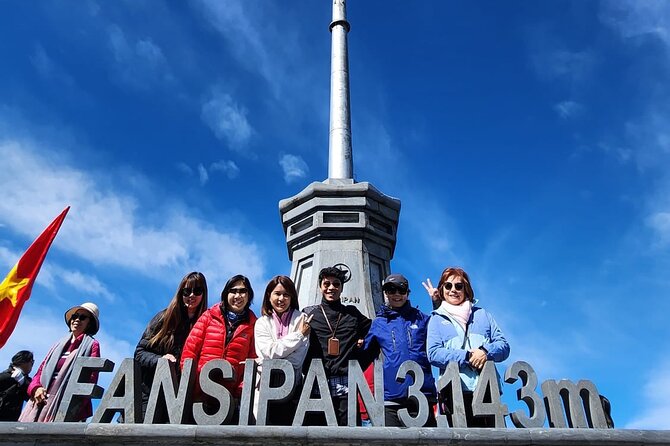
This trip is a strong fit if you:
- Want a homestay experience rather than only hotel stays
- Enjoy village visits tied to walking routes (Y Linh Ho, Lao Chai, Ta Van, Giang Ta Chai)
- Are comfortable with moderate trekking and don’t need a totally flexible schedule
- Prefer a private group so you can ask questions and keep your pace realistic
You might skip it if you:
- Want mostly easy, flat strolls all day
- Need large chunks of unplanned downtime in Sapa town
- Are unable to do a few hours of walking across uneven paths
The tour is private and guided, which is ideal for couples, small groups, and anyone who likes learning from an English-speaking guide instead of wandering alone.
Should You Book This Sapa Vacation 3 Days 2 Nights Tour?
I’d book it if your idea of a great Sapa trip is simple: sleep in a homestay, eat good food, walk between villages, and get a guide who keeps the day organized. The mix of cooking class + local dinner on Day 1, village visits on Day 2, and bamboo forest + Red Dao village on Day 3 gives you variety without stretching the schedule into something unmanageable.
Before you commit, do one reality check: you’re booking a moderate trekking route with set times. If that sounds good, you’re likely to enjoy it a lot. If you’d rather do a purely relaxed Sapa sightseeing plan, you may find the pace too structured.
Overall, for $131, the inclusions are strong and the route hits the core Sapa experience: homestay life, village culture, and mountain walking.
FAQ
Is this a private tour?
Yes. It’s listed as a private tour/activity, meaning only your group participates.
What’s included in the price?
The tour includes transportation, entrance fees, accommodation for 2 nights at a homestay, meals (2 breakfasts, 2 dinners, 3 lunches), and an English-speaking guide.
Where does the tour start and is pickup available?
You leave from Sapa town, and pickup is offered. The tour also returns you to Sapa by car on Day 3.
What are the main activities during the 3 days?
You’ll have a short Ta Phin trekking stop, then village visits like Cat Cat and Muong Hoa Valley, trekking through mountain paths, a bamboo forest visit, and a visit to the Red Dao village of Giang Ta Chai. You’ll also do a cooking class and have dinner with a local family.
How much trekking is involved, and what fitness level do I need?
The requirement is moderate physical fitness. The experience involves trekking on multiple days, with hiking times in a reasonable range (roughly 1.5 to 3 hours per day with breaks).
What meals should I expect?
Meals included are 2 breakfasts, 3 lunches, and 2 dinners across the 3 days. Lunch and dinner are scheduled during trek days, and you’ll have dinner with a local family on Day 1.
When does the tour end?
You’ll return to Sapa by car on Day 3 around 1:30pm after lunch.
What if I need to cancel?
You can cancel for a full refund up to 24 hours in advance of the experience start time (local time). If the minimum traveler count isn’t met, the tour may be canceled and you’ll be offered a different date or a full refund.