REVIEW · HIKING & TREKKING
Sapa 2 Day Trekking with 1 Night Homestay
Book on Viator →Operated by Asia Travel Legend · Bookable on Viator
Sapa villages hit different on foot. This 2-day trek gets you out of town with a guide and into the hills, then you sleep in a local homestay and eat homemade meals built around the trek. It’s the kind of trip where the day feels active, but you’re not left scrambling for food or logistics.
One potential drawback: on popular walking routes, you might run into a more touristy feel and people occasionally tagging along to sell souvenirs.
The experience is paced for a day-hike rhythm (big views, village stops, and enough breaks to enjoy the walking), and you’re back in town afterward. In the mix, you may also catch glimpses of real local life like farming routines and occasional community moments.
In This Review
- Key things I’d watch for before you book
- Leaving Sapa Town: why this trek works so well
- What’s included (and what isn’t)
- Day 1 from 9:00 to mid-afternoon: Ta Van, Y Linh Ho, and Lao Chai
- Ta Van Village and the homestay build-up
- Y Linh Ho and Lao Chai: where the walk turns scenic (and practical)
- A small but meaningful perk: being done in time
- Day 2: Giang Ta Chai, Su Pan, and heading back to Sapa
- Giang Ta Chai: another village-to-village segment
- Su Pan and the return: close with a calm landing
- The homestay night: what you should expect
- Meals: not just fuel, part of the experience
- How to get the most from the night
- Guide quality: the names you may hear, and why it matters
- Family-friendly adjustments are possible
- Price and value: is $119.88 worth it?
- Terrain, weather, and pace: what to prepare for
- Rain or shine
- Fun details you might encounter
- What to pack (practical checklist)
- Who should book this trek?
- Should you book this Sapa 2 Day Trekking with 1 Night Homestay?
- FAQ
- What time does the trek start?
- Where does the tour start and end?
- Is hotel-to-trek transportation included?
- What meals are included for the 2 days?
- Are drinks included in the tour price?
- Is this a private tour?
- What is the cancellation policy?
Key things I’d watch for before you book
- Homestay night is part of the deal, not an optional add-on
- Food is covered for 2 lunches, 1 dinner, and breakfast, plus tea/coffee isn’t listed as included
- Transport back to Sapa is included, so your hike doesn’t end in a scramble
- Guides are a major strength; names seen in past groups include Chi, Khu, May, Ker, Chai, Lily, and Little Zo
- Route can feel busy on some days, with people walking alongside to sell items
Leaving Sapa Town: why this trek works so well
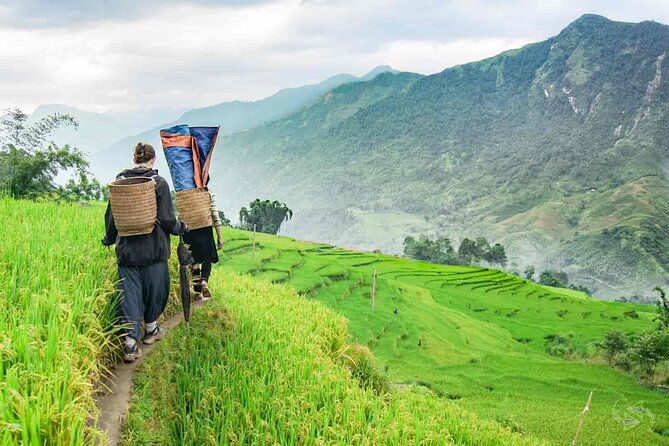
Sapa can feel like a base camp—shops, hotels, and tour buses lined up. What I like about this 2-day trek is that it treats Sapa as the start and finish, then hands you something more useful: time walking with a guide through villages and farmland.
Your guide’s role matters here. You’re not just following a trail—you’re learning what you’re seeing as you move between hamlets and valleys. That makes the day go faster in a good way, and it also helps you read the rhythm of village life rather than just taking photos.
And then there’s the homestay. This isn’t a quick stop for a shower and a bed. It’s the anchor of the second half of the experience. You’ll have time to slow down, eat dinner, and wake up to village surroundings the next morning.
You can also read our reviews of more evening experiences in Sapa
What’s included (and what isn’t)
The price covers the big pieces you’d otherwise have to piece together yourself:
- Pick up & drop off
- Guide
- Entrance fee to the valley
- Homestay for 1 night
- Meals for 2 days: 2 lunches, 1 dinner, and 1 breakfast
Not included: drinks. Keep that in mind if you like to budget with a set “daily drinks” amount.
Day 1 from 9:00 to mid-afternoon: Ta Van, Y Linh Ho, and Lao Chai
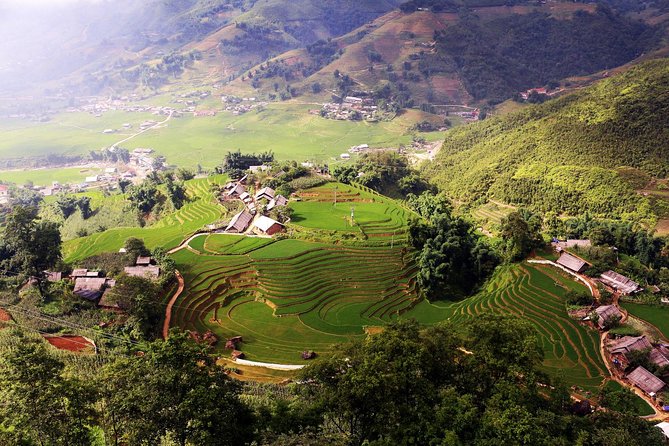
Day 1 runs from 9:00 am to about 3:00 pm, and it’s built around a classic Sapa rhythm: you start early, walk to a key village area, stop for lunch, and then end at the homestay area.
Ta Van Village and the homestay build-up
Ta Van Village is the main landing spot for the overnight. This is usually where the trip’s tone shifts from “tour” to “stay.” If you like experiences where you actually spend time in someone’s everyday setting, this is the part you’ll remember most.
Also, plan for the fact that your schedule is active. The day isn’t just “walk a little and snack.” It’s a full trekking morning and early afternoon, then the evening shifts to dinner and homestay time.
Y Linh Ho and Lao Chai: where the walk turns scenic (and practical)
You’ll also go through Y Linh Ho and stop for lunch in Lao Chai. I like these kinds of stop patterns because they reduce decision fatigue. Instead of wondering when you’ll eat or where you’ll end up, the day is structured around meals and transitions.
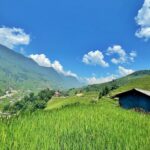
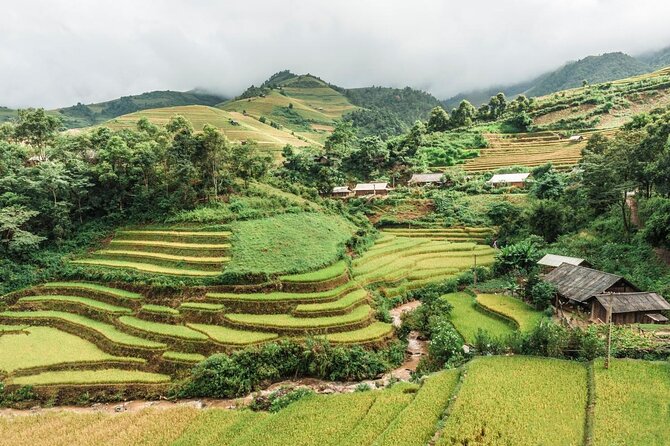
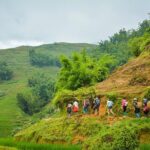
In Sapa trekking, it’s the details you pick up along the way that turn scenery into a story: rice terraces, buffalo you pass in the fields, and small moments of daily work. Past groups on this route have described tougher sections too—good boots matter, and you’ll want to treat the walking as part of the experience, not a chore you can speed through.
You can also read our reviews of more hiking tours in Sapa

A small but meaningful perk: being done in time
Finishing Day 1 around mid-afternoon gives you the chance to settle in without the “late-night scramble” feeling. For me, that matters because it keeps the homestay from turning into a rushed stop.
Also, some groups noted the value of being able to store luggage and get a shower at the end of the trekking day. You should assume freshening up might be possible, but since it’s not listed as a firm standard, treat it as a nice-to-have you can ask about.
Day 2: Giang Ta Chai, Su Pan, and heading back to Sapa
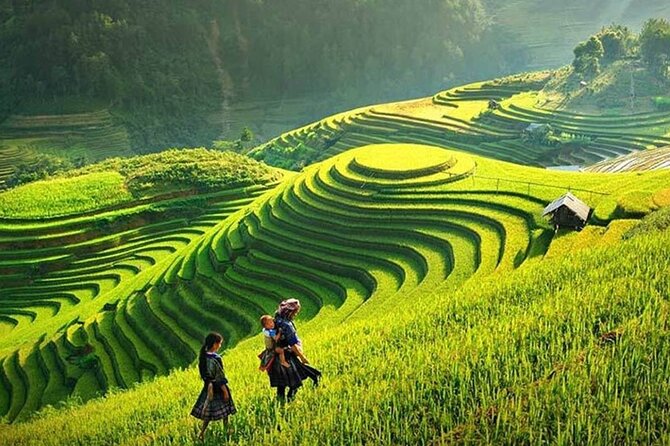
Day 2 picks up from Ta Van and continues the route toward Giang Ta Chai, then Su Pan, before returning to Sapa.
This day is shorter on paper—about 4 hours of walking time—which helps the trek feel more doable overall. When day two is lighter, you can keep the energy for enjoying stops instead of just surviving the route.
Giang Ta Chai: another village-to-village segment
Giang Ta Chai is one of the named village stops, and this is where your guide’s context makes the most difference. On a trek like this, you’ll likely see farming practices, daily routines, and how families use the land around them. Even when you don’t speak the language, a good guide can point out what matters and what you’re looking at.
Su Pan and the return: close with a calm landing
Su Pan is the last walk segment before you head back to Sapa. The best part of returning by afternoon is that you get to shift from “trek mode” to “real life mode” while your legs still have decent energy.
If you’re planning dinner in Sapa, this timing is helpful. You’re not arriving exhausted and needing to solve transportation issues first.
The homestay night: what you should expect
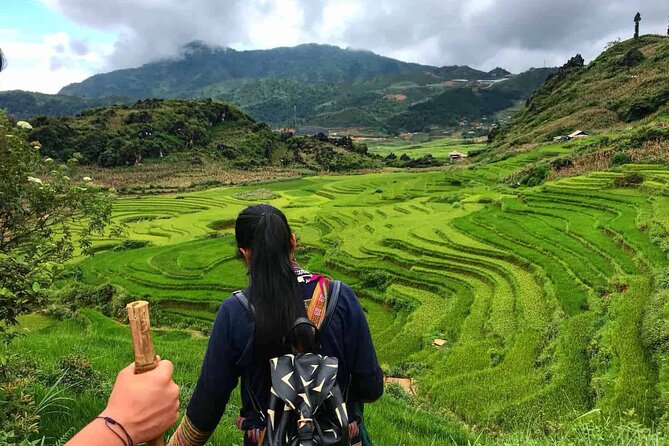
The homestay is included, and it’s built into your Day 1 end point. That means:
- You’ll get dinner as part of the package
- You’ll have breakfast the next morning
- You’ll spend the night in a local home setting
What I like about homestays on treks is that they turn the trip from a “route” into a relationship with a place. You’re not just passing through villages; you’re staying close enough to feel the morning rhythm before you walk again.
Meals: not just fuel, part of the experience
The food plan is clear: two lunches, one dinner, one breakfast included. People consistently highlight that the meals feel homemade and satisfying after a trekking day, which is exactly what you want when you’re walking in hills.
Do remember drinks aren’t included. If you like bottled water or have a coffee/juice habit, budget for that separately.
How to get the most from the night
You’ll get the best experience if you go in with the right expectations:
- You’re a visitor; be polite, quiet when others are resting, and follow your host’s cues.
- If you’re sensitive to uneven ground, bring slippers or light footwear you can use indoors.
- If you’re carrying extra belongings, ask early about where you can leave luggage safely.
Guide quality: the names you may hear, and why it matters
The trek is led by a guide, and that’s not a small detail. With this kind of walking route, a great guide changes everything:
- You understand what you’re seeing
- You keep the pace realistic
- You avoid wrong turns and waste
- You feel more welcome during village interactions
Past groups have credited guides like Chi, Khu, May, Ker, Chai, Lily, and Little Zo with making the trip feel informative and friendly. People also highlight how well communication worked with the main office—especially when someone had a medical issue and the route needed adjustment.
There’s also a strong theme around farming knowledge and village routines. One common thread in feedback is that you’re not just given facts; you’re taught how to look at the hills, the fields, and the daily work happening there.
Family-friendly adjustments are possible
If you’re traveling with kids, this trek can still work—but only if the guide can adjust pacing. One group described having a child get sick in the morning and the plan shifting accordingly. That’s the kind of flexibility that turns a “standard tour” into something you can actually enjoy.
Price and value: is $119.88 worth it?
At $119.88 per person, you’re paying for a full setup: guide time, valley entrance, homestay, and meals for two days, plus transport to and from the Sapa area.
Here’s why I think it’s decent value if the included items match what you want:
- You’re not arranging a separate homestay on your own
- You’re not hiring a guide by the hour
- You’re not figuring out meals after trekking
- You’re paying for valley entry and returning transport
Could it feel expensive if you expected a quieter, “only we are on the path” kind of trek? That’s where one critical note comes in: some people felt the route could feel touristy, with others walking alongside to sell souvenirs.
So I’d frame this as: solid value for an organized trek with homestay and meals; not the best pick if you want total solitude.
Terrain, weather, and pace: what to prepare for
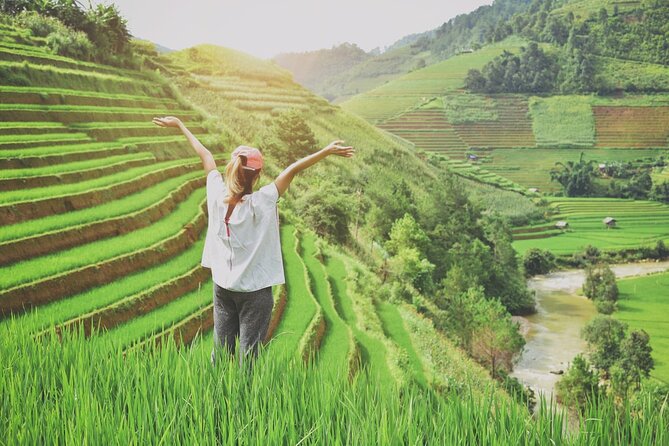
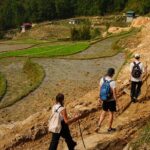
This isn’t a gentle city walk. Expect tougher tracks at times, and plan for uneven footing. Rice fields, hillside paths, and village-to-village segments can mean wet ground and slips if you’re not careful.
Rain or shine
Some groups specifically emphasized that the trek works in different weather conditions. That’s good news, but it also means you should show up prepared:
- Wear shoes with grip
- Bring a rain layer you can move in
- Pack an extra dry layer for later in the day
Fun details you might encounter
You may pass real village life in unexpected ways. Past groups have described seeing buffalo along the route and even community moments like a funeral and a wedding. That’s one reason I like treks in this region: it can feel real, not staged.
What to pack (practical checklist)
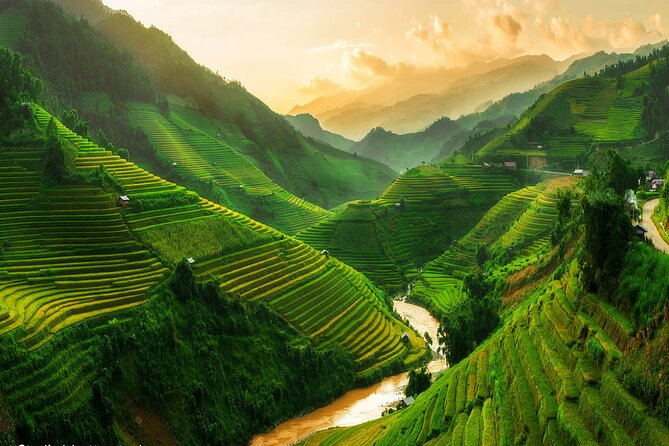
Because the tour includes meals and a homestay, you can pack focused on comfort and walking safety:
- Comfortable hiking shoes (non-slip if it’s wet)
- Light rain jacket or poncho
- Small daypack
- Sunscreen and a hat (Sapa days can be bright even when the air feels cool)
- A reusable water bottle (but drinks beyond water aren’t included)
If you’re sensitive to cold at night in the hills, consider a warm layer for the homestay evening.
Who should book this trek?
This fits best if you want:
- A guided walk that connects you to village life
- A real overnight in a homestay setting
- Meals taken care of (so you can focus on walking and learning)
- Transport handled around your trekking day
It’s also a good option for older kids, based on group experiences where families trekked together and plans were adjusted as needed.
Should you book this Sapa 2 Day Trekking with 1 Night Homestay?
I’d book it if you like structured trekking with real village time and you’re comfortable sharing popular paths in exchange for a smoother, no-logistics hassle. The big strengths are the homestay night, the included meals, and a guide-led experience that makes the hills feel understandable, not just pretty.
I’d think twice if you’re the type who hates any “tour” feeling—because parts of the route can feel busy and you may deal with souvenir-selling while you walk.
If you do book, send a clear message about your walking comfort and any needs ahead of time. With a guide-led setup, small adjustments can make the difference between a trek you enjoy and a trek you just finish.
FAQ
What time does the trek start?
The tour starts at 9:00 am.
Where does the tour start and end?
It starts in Sa Pa, Lao Cai, Vietnam and ends back at the meeting point.
Is hotel-to-trek transportation included?
Yes. Pick up & drop off and transportation to and from Sapa after your trek are included.
What meals are included for the 2 days?
You get two lunches, one dinner, and one breakfast included, for a total of meals across both days.
Are drinks included in the tour price?
No. Drinks are not included.
Is this a private tour?
Yes. It’s listed as a private tour/activity, meaning only your group participates.
What is the cancellation policy?
The experience is non-refundable and cannot be changed for any reason. If you cancel or request an amendment, the amount you paid isn’t refunded.