REVIEW · HANOI MOTORBIKE TOURS
Sapa Motorbike Tour 2 Days 1 Night Off The Beaten Track
Book on Viator →Operated by Sapa Motorbike Tour · Bookable on Viator
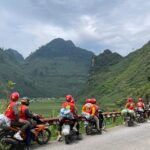
Sapa by motorbike is a fast way to see more than the usual viewpoints. This 2 days 1 night ride focuses on villages, valleys, and quieter backroads around Sapa, with stops like O Quy Ho and Thác Bạc plus lesser-known village areas. You also get a traditional house stay, which adds real day-to-day life instead of just a photo run.
What I like most is that the tour is built for people who want the scenery without wrestling logistics. You’re covered with an English-speaking guide, riders, fuel, entrance fees, and meals (breakfast twice, lunch twice, and dinner), so you can focus on the ride and the places. I also like that guides such as May have a reputation for warmth and for tailoring the experience to your pace and interests.
One consideration: you’ll be a passenger on a motorbike for a lot of mountain-road time. If you’re sensitive to bumps, long drives, or changing weather, this kind of tour may feel more intense than a car-based day.
In This Review
- Key highlights
- Why This 2 Days 1 Night Sapa Ride Feels More Local Than Most Tours
- What $225 Covers (and Why It’s Not Just a Seat on a Bike)
- Day 1 From Sapa to O Quy Ho and Thác Bạc: Big Views, Then Village Time
- O Quy Ho viewpoint: the first “Sapa wow”
- Thác Bạc (Silver Falls): scenery with a clearer “wow moment”
- Ta Phìn area and the quieter village feel
- Day 1 Lunch and Village Roads Through Ma Tra and Hang Da Sôi Chu
- Day 1 Night: The Traditional House Stay That Makes the Trip Stick
- Day 2 Ta Van and Giang Tả Chải: Rice Paddies, River Crossings, and Real Backroads
- Ta Van village: terraces and a slower pace
- Giang Tả Chải and the “ancient stone area” feel
- Muong Hoa Valley: where the views turn into a backdrop
- The Motorbike Experience: How to Stay Comfortable and Still Enjoy the Ride
- How Organized Timing Helps You Enjoy the Quiet Parts
- Who This Tour Fits Best (and Who Might Want Another Option)
- Practical Tips to Make the Most of Every Stop
- Should You Book Sapa Motorbike Tour 2 Days 1 Night Off The Beaten Track?
- FAQ
- What is the total duration of the Sapa motorbike tour?
- How much does the tour cost?
- What time does the tour start?
- Where is the meeting point in Sapa?
- Does the tour include pickup from hotels?
- What’s included in the price?
- Are meals covered during both days?
- Do I need to pay for entrance tickets?
- How many people are in a group?
- Is cancellation free?
Key highlights
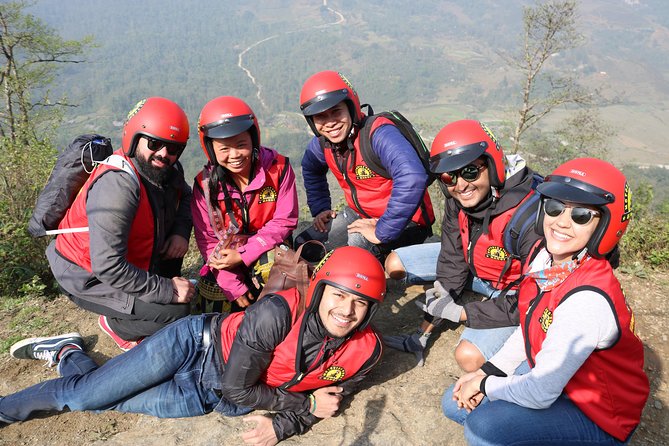
- Small group size (max 15), which helps the day feel less rushed
- Guide May (and other guides noted like Tamay) with a strong village-and-mountains knowledge
- Backroad routing to reach places with far fewer crowds
- A balanced mix of major stops like O Quy Ho and Thác Bạc plus quieter village time
- Included food and comfort extras: breakfast, lunch, dinner, water, and rain poncho
- Traditional house stay for a more grounded Sapa experience than hotels-only trips
Why This 2 Days 1 Night Sapa Ride Feels More Local Than Most Tours
Sapa has a way of turning into the same loop for many visitors: one famous waterfall, one busy market, and a few view stops that feel identical by day two. This tour is designed to break that pattern with a route that swings between valleys, rice fields, and village areas—often on roads that don’t show up in the tightest “top 3 sights” itineraries.
The difference is in how the day is paced. You don’t just drive past sights. You get set down at viewpoints, you walk around village areas at your own rhythm, and you spend enough time around places like the Ta Phìn / Phìn Hồ area that you can actually notice how people live—what’s in the courtyards, how fields sit under the ridgelines, and how the scenery changes every time the road bends.
Another strong point is the travel style: easy-rider comfort. The tour is meant for you to enjoy the mountain scenery without needing to be the one navigating. That’s a big deal when you’re dealing with rural roads, weather shifts, and the reality that Sapa’s best views often sit beyond the main strip.
You can also read our reviews of more evening experiences in Sapa


What $225 Covers (and Why It’s Not Just a Seat on a Bike)
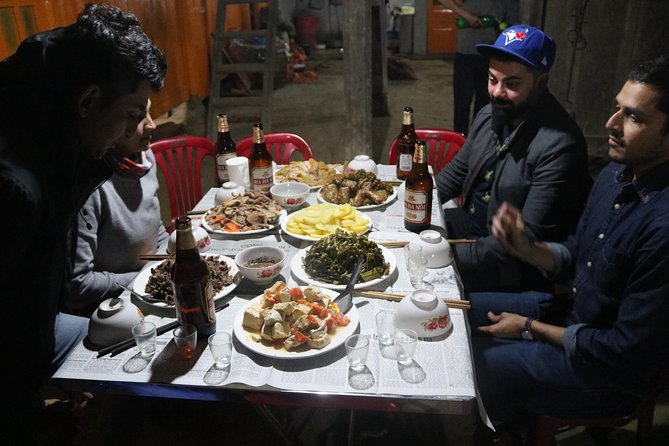
At $225 per person for 2 days and 1 night, the value comes from what’s packaged together. This isn’t a “pay for everything else” kind of deal. Your tour includes:
- Meals: breakfast (2), lunch (2), and dinner
- English-speaking guide
- Riders and fuel
- Entrance fees
- Water and a rain poncho
- A pickup option and a mobile ticket
For budgeting, this matters. In Vietnam, the small add-ons can add up fast when a tour doesn’t include meals, entrances, or fuel. Here, you can plan around one main cost, then decide how much to spend on tips and personal snacks.
The price also matches the type of route you’re doing: you’re covering several villages and scenic regions, plus a longer stretch that goes through valley drives. That takes more rider time and more stop-and-go logistics than a short loop.
Day 1 From Sapa to O Quy Ho and Thác Bạc: Big Views, Then Village Time
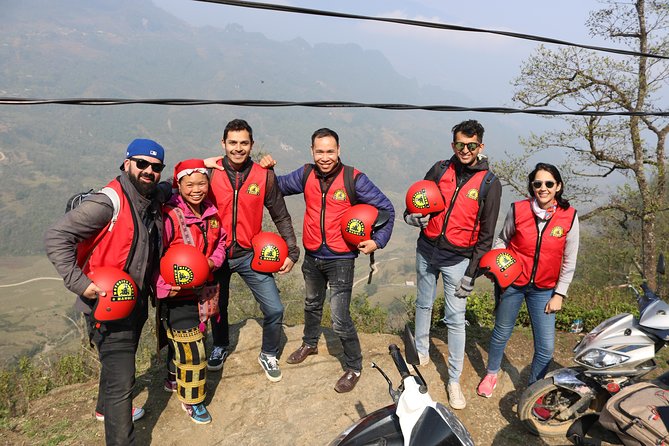
Day one starts with a pickup near Sapa Town (the meeting point listed is 018 Phạm Xuân Huân). Timing is set for a morning departure—the schedule shows a start around 8:00 am, and the day’s pickup is stated as 8:30 am, so you’ll want to plan to be ready before that window.
Once you meet your guide and rider, you get a safety and tour overview. This is practical stuff—how the day works, where you’re going next, and what to expect from riding in mountain terrain.
O Quy Ho viewpoint: the first “Sapa wow”
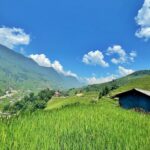
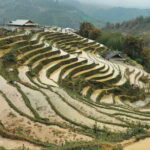
One of the first highlights is the drive toward O Quy Ho village, where you get early impressions of Muong Hoa Valley from viewpoints along the way. This is the moment when the scale clicks: not just hills, but a patchwork of ridges, valleys, and agricultural terraces that disappear into the distance.
The stop setup is designed so you can pause, look around, and take photos without the pressure of constantly moving. If you like starting the trip with a wide view to set the mood, this part does it well.
Thác Bạc (Silver Falls): scenery with a clearer “wow moment”
Next comes Thác Bạc Waterfall, also referred to as Silver Falls. You’re given about 1 hour 15 minutes here, which is long enough to walk at an easy pace, find your viewing spot, and enjoy the waterfall without feeling like you’re in a conveyor belt line.
If it’s raining (common in mountainous areas), the day can look different in a good way: mistier edges, softer light, and that silver-sound feel from water dropping into the gorge. Even if conditions change, you still get the benefit of having time to move slowly and adjust your angle.
You can also read our reviews of more tours and experiences in Sapa

Ta Phìn area and the quieter village feel
After Thác Bạc, the ride continues back onto the motorbikes, heading toward the Ta Phìn area and the Phìn Hồ village area that very few tourists typically see. The itinerary calls out “hidden village” time and longer exploration here (about 4 hours in the Ta Phìn section).
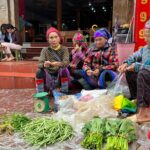
This is where the tour shifts from “sights” to “place.” You’re not just looking at a landmark; you’re moving through village routes and spending time around terraced views and the day-to-day setting that tourism often ignores. If you enjoy conversations with locals, this kind of stop gives you more time to notice details and ask questions as the day unfolds.
Day 1 Lunch and Village Roads Through Ma Tra and Hang Da Sôi Chu
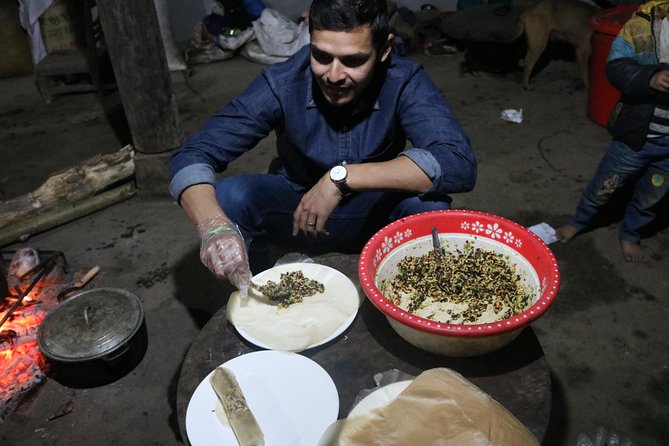
After the main Ta Phìn exploration, you’ll have lunch with a local family or at a local restaurant (lunch is included). The value here is partly logistical—lunch is handled for you—but also situational. Eating within the rhythm of the area means you’re not losing hours back in town.
In the afternoon, the route continues through additional village roads, including Ma Tra and the Hang Da Sôi Chu village area (spelled in the itinerary notes as shown). This portion matters because it keeps the trip from turning into a “viewpoints only” day.
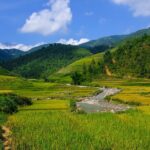
You get the feeling of how roads connect communities: small stretches, a few bends, then open views of rice paddies and distant ridgelines. Even if you’re mostly sitting as a passenger, the frequent turns bring new angles, and the scenery changes often enough that it doesn’t feel repetitive.
Day 1 Night: The Traditional House Stay That Makes the Trip Stick
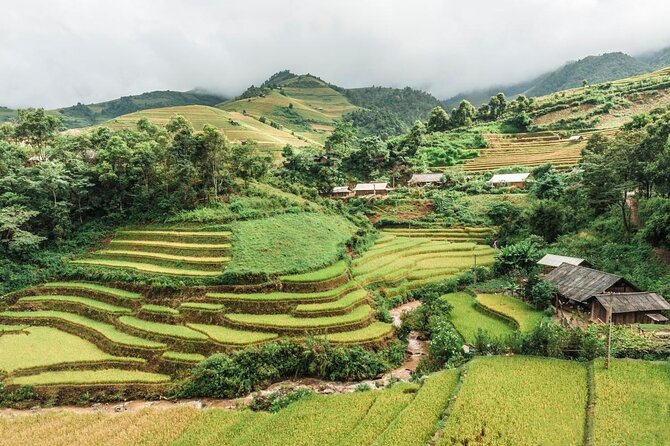
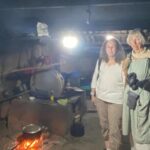
This tour includes a night in a typical traditional house. That single line is easy to skim past, but it’s one of the reasons this itinerary tends to be remembered.
A hotel night can be interchangeable anywhere. A traditional house stay is different because it anchors the trip to the village setting. You’re not only visiting Sapa during daylight stops—you’re also being present after the crowds thin out and the atmosphere settles.
Practical note: comfort level can vary by setting when you choose traditional-style lodging. The tour does include meals and the general structure, but your best move is to pack for everyday simplicity (and be ready for the mountain-weather reality that can come in at night).
Day 2 Ta Van and Giang Tả Chải: Rice Paddies, River Crossings, and Real Backroads
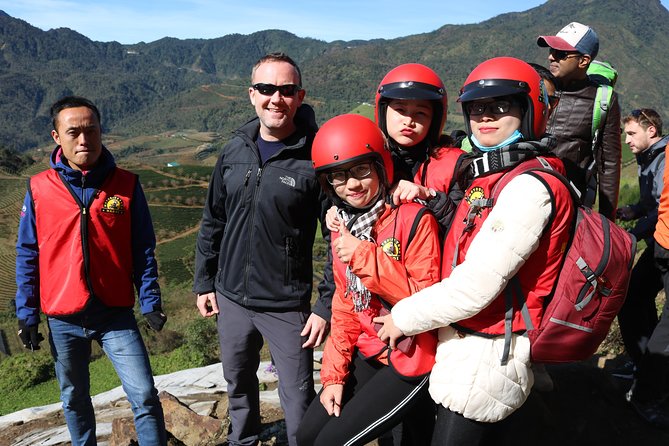
After breakfast, day two pushes deeper into the mountainous scenery. You’re traveling toward areas including Sau Chua and Hang Da, with time to enjoy views of mountains, rice fields, and valleys along the route. The morning ride section is set at about 4 hours total for the Ta Van segment.
Ta Van village: terraces and a slower pace
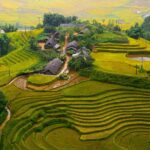
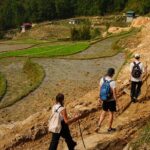
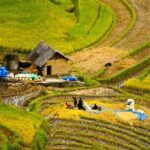
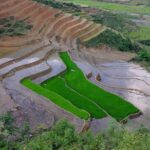
Ta Van Village is a major part of day two, and it’s one of the stops that usually balances “tour-friendly” and “still quiet.” The point isn’t just to stand and take photos. It’s to have enough time to walk in the area and absorb the terrace patterns and the way villages sit along slopes.
If you like villages where the scenery feels tied to daily life—fields near paths, homes set back from viewpoints—this is the kind of stop you’ll probably enjoy.
Giang Tả Chải and the “ancient stone area” feel
Next, you continue to Giang Tả Chải. The route description points out backroads and scenes like rice paddies, plus a stop around an “ancient stone area.” You also move toward the Ta Giàng Phình village after that.
This is the day’s texture: more backroad driving, more natural scenery moments, and village areas that don’t require big-ticket “attractions” to be interesting. It’s the kind of sightseeing that works best when you’re okay with moving at the rhythm of rural roads rather than a strict schedule of only big landmarks.
Muong Hoa Valley: where the views turn into a backdrop
The tour summary also notes a drive through Muong Hoa Valley on the second day. That’s important because it rounds out the whole trip. Day one gives you the big waterfall and first big valley overlooks. Day two keeps the valley feeling present, so the scenery doesn’t feel like separate pieces.
The Motorbike Experience: How to Stay Comfortable and Still Enjoy the Ride
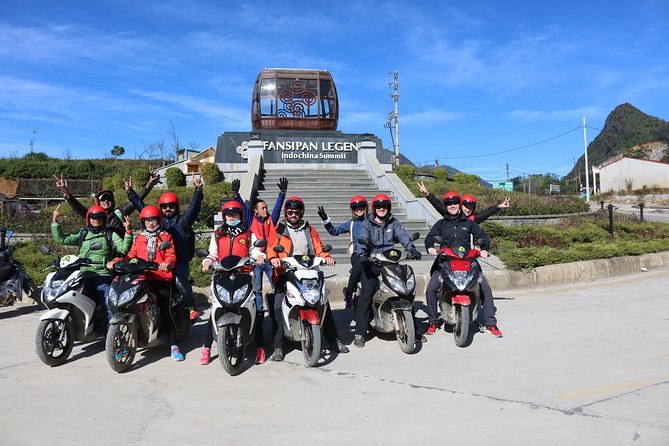
The tour’s style is passenger-friendly, but you’re still on a bike. The operator specifically frames it as easy riders with comfortable motorbikes and includes fuel, plus water and rain protection.
Here’s how I’d think about comfort with a tour like this:
- Expect longer time on mountain roads than a city day tour.
- Bring patience for changing conditions: if it rains, the included rain poncho helps you keep going.
- If you want photos, consider using the stop times well. On the move, you’ll mostly be enjoying the view, not photographing every second.
One especially loved detail from guide-and-rider feedback is that your guide can be flexible. With May, there are accounts of getting opportunities to drive on some smaller paths and off-road sections across rice fields, when that fits your group’s comfort and what the day allows. You shouldn’t count on it as a guarantee, but it does suggest this tour isn’t rigid.
How Organized Timing Helps You Enjoy the Quiet Parts
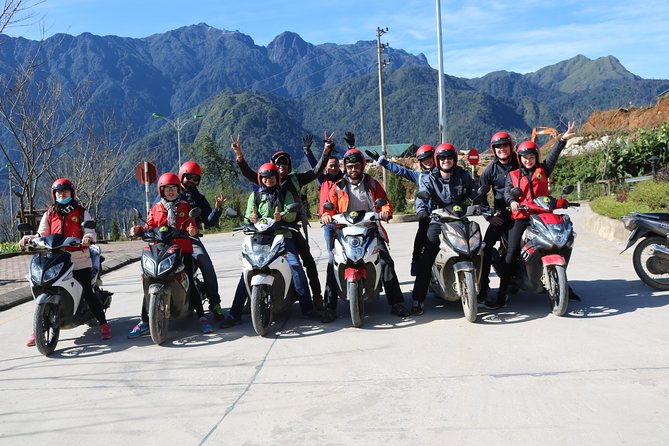
One reason this tour gets strong satisfaction ratings is simple: it’s not chaotic. The route has multiple anchors—Sapa pickup and briefing, key scenic stops, set meal times, and defined riding segments.
When you’re going off the beaten track, a good day structure matters more than you think. You don’t want to arrive at a village area and wonder when lunch is. You don’t want to lose daylight while hunting for directions. Here, meals are included and stops are planned with time windows, so you can focus on the “slow” parts: looking closely, asking questions, and walking a little without rushing.
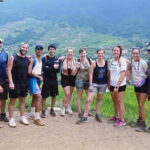
It also helps that the group size tops out at 15 travelers, which keeps the day feeling more human. You’re less likely to feel packed into a crowd at every viewpoint.
Who This Tour Fits Best (and Who Might Want Another Option)
This is a good match if you want:
- A real village-and-valley Sapa trip rather than just famous stops
- A small group and a guide who can explain what you’re seeing
- A motorbike experience without needing to drive yourself
- Included meals and entrance fees so budgeting stays easy
You might want to think twice if:
- You get uncomfortable with repeated riding on curving roads
- You want a completely low-effort sightseeing day (this is action-focused, even if it’s passenger-friendly)
- You prefer big-city comfort and minimal time moving between sites
Practical Tips to Make the Most of Every Stop
A few habits will pay off immediately on this kind of route:
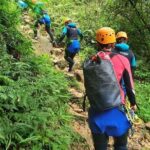
- Wear shoes you can trust on uneven paths. Village areas can have slippery patches after rain.
- Use your stop time for the view and your walking time for the details. The best photos often happen right after you arrive and get oriented.
- Ask your guide questions about what you’re seeing. Guides like May are known for explaining the differences between areas and helping you understand what changes from valley to valley.
- Keep expectations realistic for waterfalls and viewpoints. They’re beautiful, but you’ll enjoy them more if you treat them as moments inside a longer village journey.
Should You Book Sapa Motorbike Tour 2 Days 1 Night Off The Beaten Track?
If your goal is to see more than the tourist strip, this tour is a strong pick. For the money, you get a full package: guide, riders, fuel, entrances, water, rain poncho, and all meals, plus the bonus of a traditional house stay and village time that’s not only about taking photos.
I’d book it if you’re comfortable being a passenger on a motorbike and you like scenery that comes in layers: viewpoints first, waterfalls next, then village exploration where the day becomes personal.
If you want, tell me your travel dates and whether you prefer a faster pace or a calmer one, and I’ll suggest how to time the rest of your Sapa days around this 2-day ride.
FAQ
What is the total duration of the Sapa motorbike tour?
The tour runs for 2 days (about 2 days 1 night).
How much does the tour cost?
The price is $225.00 per person.
What time does the tour start?
The tour start time is listed as 8:00 am, and the itinerary indicates pickup around 8:30 am.
Where is the meeting point in Sapa?
The meeting point provided is 018 Phạm Xuân Huân in Sapa.
Does the tour include pickup from hotels?
Pickup is offered, and the tour indicates pickup for stays in Sapa Town or at the meeting point.
What’s included in the price?
It includes an English speaking guide, riders, fuel, all entrance fees, water, a rain poncho, dinner, breakfast (2), and lunch (2).
Are meals covered during both days?
Yes. You get breakfast twice, lunch twice, and dinner.
Do I need to pay for entrance tickets?
No. All entrance fees are included.
How many people are in a group?
The tour has a maximum of 15 travelers.
Is cancellation free?
Yes. You can cancel up to 24 hours in advance for a full refund.