REVIEW · HIKING & TREKKING
Sapa Villages trekking and homestay 2 Days/ 1 night package tour: best selling
Book on Viator →Operated by David Tran Travel - Day Tours · Bookable on Viator
Sa Pa’s village paths turn tourist time into real country time. This 2 days / 1 night trek takes you through Hmong and Giay areas with rice-terrace scenery, then hands you a private room in a local home. I especially like that all meals and accommodation are included, and that the group stays small (up to 15). The one thing to keep in mind: you’ll be sharing a public bathroom, so this is basic-homestay travel, not hotel comfort.
The route also has a gentle rhythm: an afternoon trek on Day 1, a homestay dinner and cooking moment, then a bamboo-forest walk to another village viewpoint on Day 2. You get local culture through daily life—meals, conversations, and walking the trails locals actually use. One possible drawback: you start in the early afternoon (1:00 pm), so it’s not an ideal pick if you want a morning-only itinerary.
In This Review
- Key things I’d watch for before you go
- The real vibe: village trekking that feels practical, not staged
- Value check: does $70 cover what matters?
- Meet-up and timing: the itinerary starts in the afternoon
- Day 1: Ta Van Village trek through Y Linh Ho and Lao Chai
- Stop: Y Linh Ho for Hmong rice-terrace views
- Stop: Lao Chai for the feel of a village base
- Final walk to Ta Van for a Giay family homestay
- Homestay night in Ta Van: private room, shared bathroom, real family meals
- Day 2: bamboo forest, silk waterfall, and Giang Ta Chai viewpoints
- Bamboo forest trek toward Giang Ta Chai
- Finish back to the main road and return to Sapa
- Guides and group size: where the experience usually wins (or doesn’t)
- Who should book this Sa Pa 2D/1N package?
- Price and comfort trade-offs: how to set your expectations
- Should you book this trek?
- FAQ
- Where does the tour start in Sapa, and when does it begin?
- What meals and accommodation are included?
- Which villages are part of the route?
- Is the price ever higher on holidays?
- What’s included in the price, and what’s not?
- What if weather is bad or the minimum group size isn’t met?
Key things I’d watch for before you go
- Small group size (max 15) makes it easier to ask questions and keep the pace human.
- Full meals + homestay dinner means you’re not hunting food after a long walk.
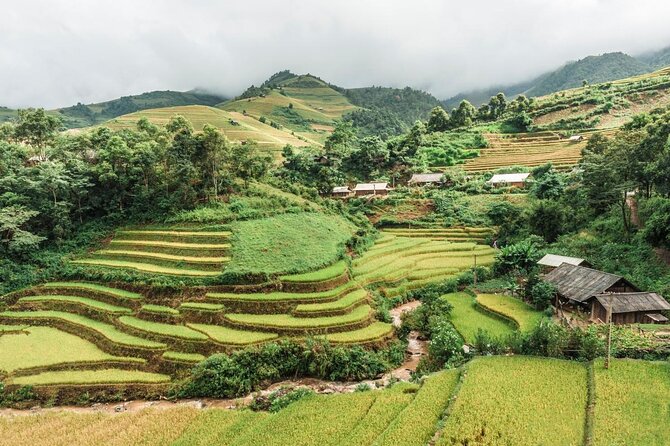
- Rice terrace photography stops at Y Linh Ho and Lao Chai give you classic Sa Pa views.
- Hmong and Giay village mix helps you see more than one community and way of life.
- Public sharing bathroom is the main “comfort” trade-off versus a city hotel.
- Weather-dependent scheduling means your day may shift if conditions are poor.
The real vibe: village trekking that feels practical, not staged
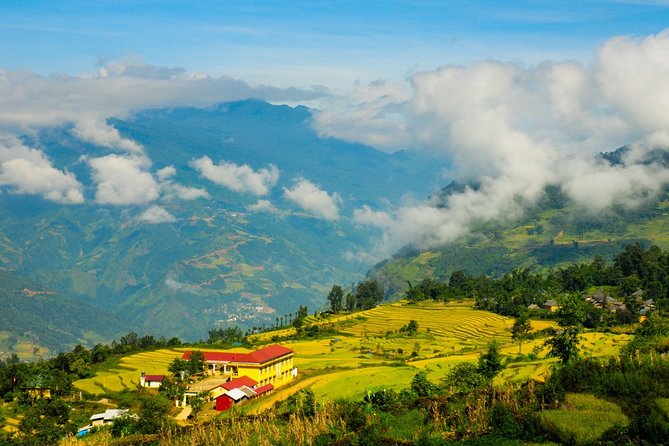
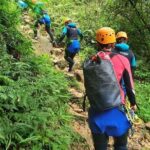
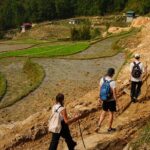
This package is built for people who want the Sa Pa countryside without turning it into a full-on expedition. You get an organized plan, a local guide, and a small group. But you’re still walking on real village trails—forest paths, slopes, and rice-terrace edges where you’ll see everyday farm life, not just photo stops on a loop.
The biggest win is the homestay structure. A private room inside a local home helps you sleep in the same rhythm as the family, while meals keep the logistics simple. You’re also guided enough to feel safe on the trails, even if your walking tolerance is average.
The trade-off is basic facilities. The tour includes a room for 2–3 people (double or twin bed setup), and you’ll use a public sharing bathroom. If you’re expecting a modern ensuite bathroom experience, you’ll feel the difference fast.
You can also read our reviews of more evening experiences in Sapa


Value check: does $70 cover what matters?
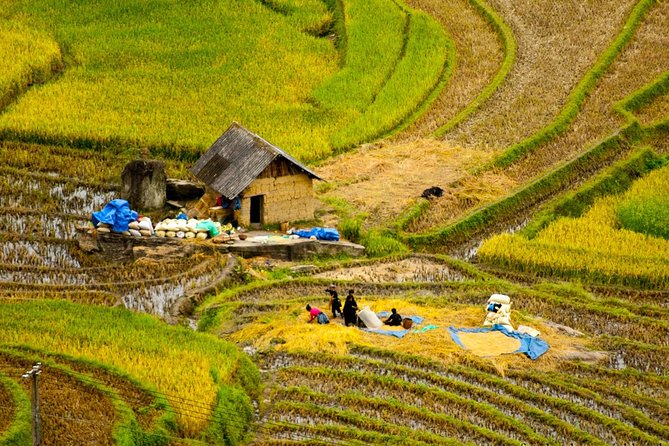
At $70 per person, the headline value is not just the trekking—it’s that the essentials are bundled. Your price covers:
- All meals (breakfast, two lunches, and dinner)
- Accommodation in a local homestay room for the night
- Trekking village tours and entrances with a local guide
- Guided group logistics with pickup from Sapa town hotels
That matters because Sa Pa village walks can quickly become expensive once you add day-by-day meals, entrance fees, and separate transfers. Here, the package tries to keep your budget predictable.
What’s not included is also clear: beverages and drinks are excluded. Plan on bringing spending money just for water, soft drinks, or whatever you personally consider a must-have.
There is also a $30 per person surcharge on Lunar New Year holiday dates (Feb 14–23, 2026). If you’re traveling in that window, do the math early, because it changes the true per-person value.
Meet-up and timing: the itinerary starts in the afternoon
This trek runs on a schedule that’s built around arriving in Sapa and then using daylight for your walking days. You’ll have pickup from hotels in Sapa town centre, and the tour start time is 1:00 pm.
Your meeting point is listed at Delta Sapa Hotel (031 Ng. Cầu Mây, TT. Sa Pa, Sa Pa, Lào Cai). On Day 1, you’ll also spend time at the hotel before setting off: you get lunch at the hotel, then depart at 2:30 pm for the trek.
Why this matters for you: if you hate late starts, this isn’t that kind of itinerary. But if you want a relaxed arrival day and you like afternoon light for photos, the timing can actually work in your favor.
Day 1: Ta Van Village trek through Y Linh Ho and Lao Chai
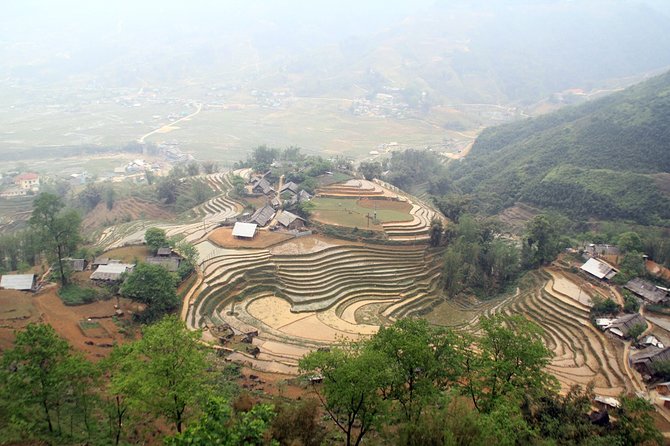
Day 1 is the “scenery + village walk” half. After pickup, you’ll go to the office at Delta Sapa Hotel, have lunch, and then start trekking at 2:30 pm.
Stop: Y Linh Ho for Hmong rice-terrace views
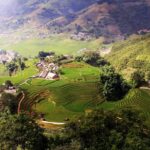
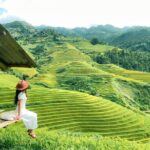
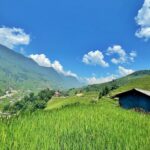
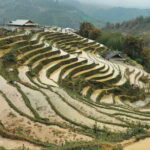
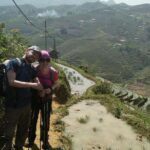
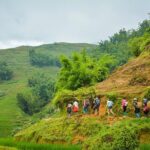
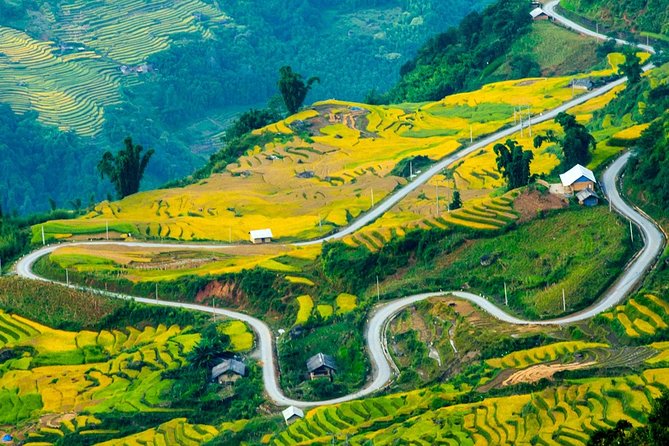
You’ll walk down toward Y Linh Ho, a village inhabited by the Hmong minority. This is where you’ll get a classic Sa Pa look: steep terraced hillsides, older agricultural patterns, and rural houses positioned to catch the slopes and valleys.
The tour also flags photography-friendly details—especially the terraced fields estimated around 100 years old. If you care about photos, this is your first “linger and look around” moment.
One practical consideration: descending and ascending in hills is slower than you think, especially if it has rained. Wear shoes you trust, and pace yourself.
You can also read our reviews of more hiking tours in Sapa

Stop: Lao Chai for the feel of a village base
From Y Linh Ho, you’ll head to Lao Chai. This is described as a Hmong home area where you take a short break, enjoy drinks, and pause for the views.
This break matters more than it sounds. It’s not just rest—it’s your chance to take in how the village life sits in the landscape: where paths run, how houses face slopes, and how fields line up with foot traffic.
Final walk to Ta Van for a Giay family homestay
Then you continue walking to Ta Van, an established area for both Hmong and Giay communities. You’ll be welcomed by a local Giay family, and you’ll stay for the night in their home.
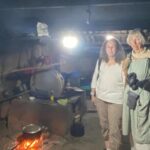
Day 1 ends with what many people consider the heart of a homestay: dinner with the family and time to experience the way they cook and live. The package specifically includes cooking and having dinner with the local family, which is where the “tour” feeling fades and the “daily life” feeling starts.
Homestay night in Ta Van: private room, shared bathroom, real family meals
Sleeping arrangements are simple and clear. You’ll have a private room at the homestay—set up for 2–3 people (double or twin bed room). You’ll also use a public sharing bathroom.
In plain terms: it’s comfortable enough to rest, but it’s still a rural homestay setup. If you’re the type who needs hotel-level cleanliness and amenities, you may feel uneasy. If you’re open-minded and just want a warm, human overnight experience, this part is usually why people book in the first place.
And the family meal time is more than food. It’s conversation time, and it’s how you get beyond the scenery-only version of Sa Pa. Even if language is limited, you’ll still learn through shared routines—what people cook, what they consider important, and how the day closes.
From the way the homestay morning is described on Day 2, you can also expect the rhythm of farm life: you’ll wake up to sounds from animals, then start the day with a simple breakfast.
Day 2: bamboo forest, silk waterfall, and Giang Ta Chai viewpoints
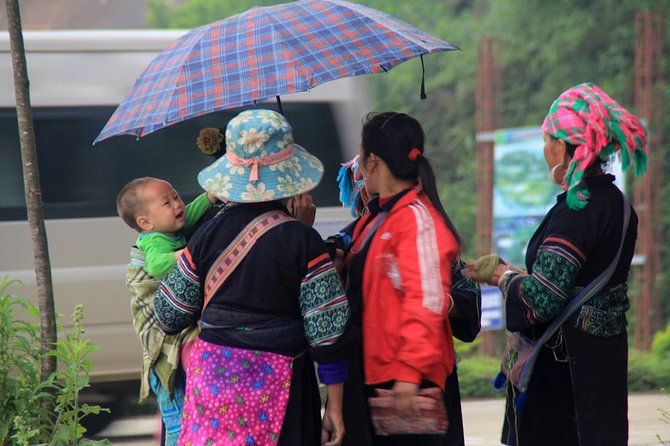
Day 2 begins with breakfast at the homestay. You’ll wake up naturally—rooster or pigs are mentioned—then have breakfast with pancakes and hot tea or hot coffee served outdoors. After breakfast, you’ll say goodbye and start trekking again.
Bamboo forest trek toward Giang Ta Chai
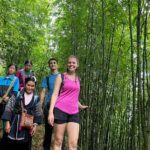
The next part is the walk people remember. You’ll trek through an enchanting bamboo forest, then head toward silk waterfall in the route description.
You’ll walk for a few hours, then stop for a picnic lunch with scenic views. That lunch stop is a big deal because it breaks up the trek without pushing you to find a restaurant at the wrong moment. It also gives you time to sit, rehydrate, and enjoy the wider valley feel.
Finish back to the main road and return to Sapa
After the picnic and trekking portion, you walk back to the main road and catch a car or mini van back to Sapa Town. You’ll return around 2:00 pm, have a shower at your hotel, and then at 3:00 pm take a shuttle to the bus office for check-in back to Hanoi.
Before you leave, the tour prepares you sandwiches to take away. That’s a small detail, but it’s exactly the kind of convenience that helps you avoid a food scramble on travel day.
Guides and group size: where the experience usually wins (or doesn’t)
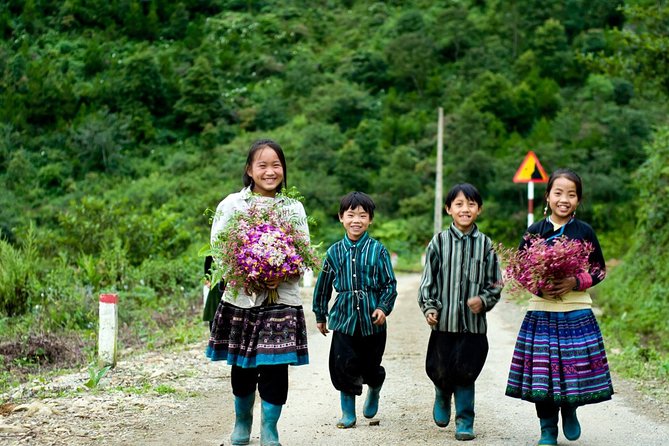
A small group doesn’t automatically create a great trek, but it helps. With a max of 15 travelers, you’re less likely to feel like you’re in a crowd. You can follow the guide’s pace and ask practical questions.
The reviews also highlight guides by name—Tran, Hien, Hoan, Lien, May Trang, Thang, Trung, and A Luc show up as examples of friendly, flexible, and helpful people leading these village walks. If your guide is someone who likes explaining daily habits and connecting what you see to real village life, you’ll probably get more out of the walk than just photos.
If you’re wondering how to make the most of the guide, do this: ask about what you’re walking through. For example, ask why the fields look arranged the way they do, or what the family does on a normal day. Even simple questions make the trek feel personal fast.
Who should book this Sa Pa 2D/1N package?
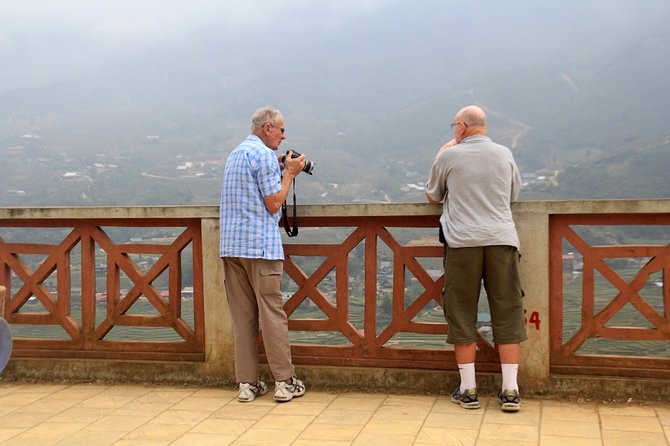
This is a great fit if:
- You want rice-terrace views and a village walk without planning every detail yourself
- You’re okay with basic homestay facilities (especially the shared bathroom)
- You prefer a small-group trek where conversation is possible
- You want to experience the countryside in a way that includes home cooking and local meals
It’s also a smart choice if you’re combining Sa Pa with Hanoi travel and want a clear return schedule. The plan lines up your Day 2 trek with a 3:00 pm shuttle back for bus check-in.
You might think twice if:
- You hate afternoon starts and long travel days
- You need private bathroom comfort
- Your walking tolerance is low and you expect flat, easy terrain (this is hilly village trekking)
Price and comfort trade-offs: how to set your expectations
This trek is priced like a “value but real” experience. You pay for organization, a local guide, entrances, meals, and the night in a homestay room. You’re also paying for time in the countryside instead of spending money on a bunch of separate activities.
Comfort-wise, the package is straightforward: private room, shared bathroom, shower time at the hotel on Day 2. If you’re planning your gear, aim for practicality over luxury. In hill-country weather, your feet and layers matter more than fancy travel gadgets.
Should you book this trek?
If you want a reliable, small-group Sa Pa village experience that mixes guided trekking + homestay + meals for a fair price, this package makes sense. The itinerary is built to give you both sides of Sa Pa—terrace views and village life in Ta Van—without turning your trip into a complicated logistical project.
Book it if you’re excited by the idea of meeting a Giay family, eating together, and walking through bamboo and terrace scenery at a pace that still leaves time to look around. If you’re strongly attached to hotel-style bathrooms and want a mostly comfortable sitting-and-snacking itinerary, you’ll probably be happier with a different type of Sa Pa tour.
FAQ
Where does the tour start in Sapa, and when does it begin?
The tour starts at Delta Sapa Hotel (031 Ng. Cầu Mây, TT. Sa Pa, Sa Pa, Lào Cai) with a start time of 1:00 pm. Pickup is offered from hotels in Sapa town centre.
What meals and accommodation are included?
Meals included are breakfast, two lunches, and dinner. You stay in a private room at a local house for one night (2–3 people per room; double or twin bed room). There is a public sharing bathroom.
Which villages are part of the route?
Day 1 includes Y Linh Ho and Lao Chai before continuing to Ta Van. Day 2 includes trekking toward Giang Ta Chai Village.
Is the price ever higher on holidays?
Yes. There is a surcharge of $30 per person on Lunar New Year holiday dates (Feb 14–23, 2026).
What’s included in the price, and what’s not?
Included are dinner, breakfast, trekking tours and entrances fees with a local guide and group tours, and accommodation. Beverages and drinks are not included.
What if weather is bad or the minimum group size isn’t met?
The experience requires good weather. If it’s canceled due to poor weather, you’ll be offered a different date or a full refund. If the minimum number of travelers isn’t met, you’ll be offered a different experience/date or a full refund.