REVIEW · HIKING & TREKKING
Sapa 2 Days Trek with 1 Night Homestay
Book on Viator →Operated by Asia Travel Legend · Bookable on Viator
Two days in Sapa can change your perspective fast. This private trek mixes village culture with a real homestay night, so you’re not just passing through. You also get round-trip transfers and meals included, which makes the whole thing feel practical and doable.
What I love most is how much gets included for the price, especially the meal plan (2 lunches, 1 dinner, 1 breakfast) and the time with your guide in the villages. Guides like Sam and Ru have a way of explaining daily life in a clear, human way, and that’s the difference between seeing places and understanding them. I also like that the walking can be matched to you—on one trek, the guide checked your intensity and offered options for food and the homestay setup.
One thing to consider: Sapa weather can be cold and foggy, and paths may feel different day to day. A guide may adjust the route to keep the experience meaningful, but if you’re expecting a single, never-changing plan, you should know reality in the mountains can be unpredictable.
In This Review
- Key points before you go
- Entering Y Linh Ho: your first taste of Sapa life
- What could feel tricky here
- Day 2 in Ta Van and Giang Ta Chai: culture with more conversation
- Why the village sequence is smart
- A reality check on pace
- Homestay night: the part that makes it feel real
- What to expect (and what to not over-assume)
- Your guide: when it’s good, it’s excellent
- How to get the best outcome
- Transfers, tickets, and the practical side
- What’s not included
- Price and value: what $130.77 really buys
- Pace, weather, and packing tips that protect your trip
- Who this trek suits best (and who might want a different plan)
- Should you book Sapa 2 Days Trek with 1 Night Homestay?
- FAQ
- How long is the Sapa trek?
- What meals are included?
- Is the homestay included for one night?
- Are transfers included?
- Is there an admission fee included?
- Is this a private tour?
- Do I get a ticket for this activity?
- What if I need to cancel?
Key points before you go
- Private guide, private group: it’s only your group, so pacing and questions don’t get crowded.
- Meals + homestay included: you’re paying for comfort and food, not just the hike.
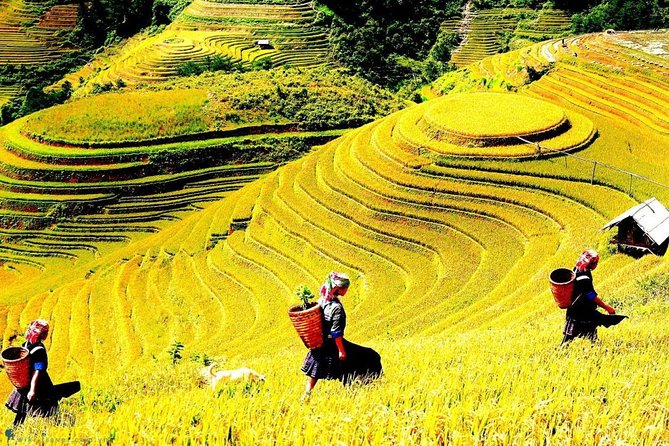
- Village days, not just viewpoints: Y Linh Ho, Ta Van, Giang Ta Chai, and Su Pan are part of the cultural flow.
- Weather matters: fog and cold can shape the feel of the trek, so pack for damp and chill.
- A guide can shape the route: some guides take you on quieter trails when conditions call for it.
- Entrance fee to the valley is included: fewer extra costs once you start moving.
Entering Y Linh Ho: your first taste of Sapa life
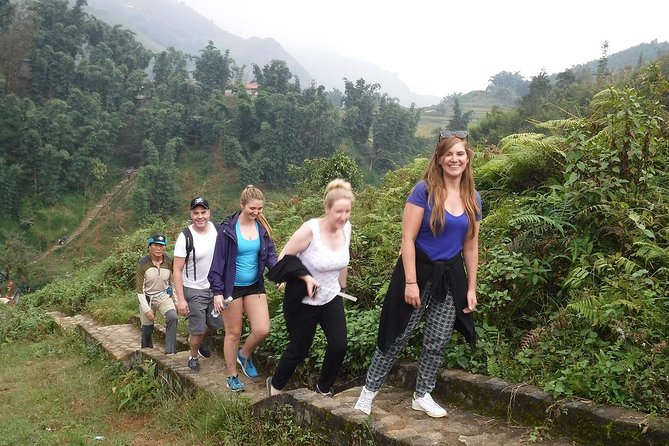
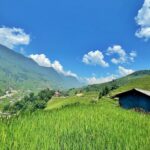
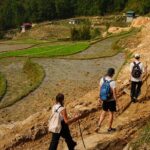
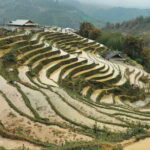
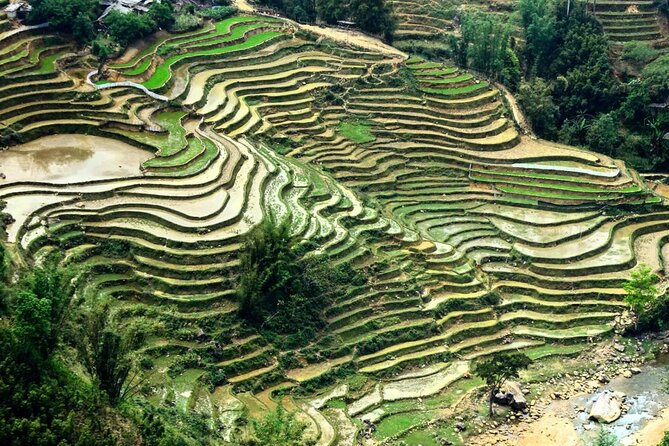
Your day starts at 9:00 am in Sapa, and you’ll be out for roughly 8 hours (until around 3:00 pm). The first stop is Y Linh Ho, and it’s a strong way to begin because it sets the tone: terraces, village paths, and the kind of trekking where you notice small details along the way.
This part matters for two reasons. First, it gives you an easy on-ramp to altitude and walking rhythm. Second, it’s where your guide starts turning the places into stories—who lives where, what daily routines look like, and how communities relate to the land.
You’ll also have meals built into this stretch: the full day includes two lunches, plus a dinner on the first day and a breakfast before you start moving again the next day. That sounds basic, but on a 2-day trek it’s huge. It means you don’t spend energy hunting food or budgeting on the fly—especially helpful if it’s cold or visibility is poor.
A practical note: your schedule includes an entrance fee to the valley and transportation back to Sapa Town after the trek on day one. Translation: you don’t need to worry about lining up extra tickets or arranging a last-minute ride after hiking.
You can also read our reviews of more evening experiences in Sapa


What could feel tricky here
If you dislike cold mornings or damp trails, this is where you’ll feel it. One person mentioned fog and cold being constant—so plan for chilly, wet conditions even if the day starts okay. And since this is a homestay trek, you’ll likely be doing real walking time, not a short stroll with lots of stops for pictures.
Day 2 in Ta Van and Giang Ta Chai: culture with more conversation
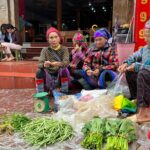
Day two runs about 8 hours as well, and it starts by heading to Ta Van Village. This is a great follow-up because Ta Van gives you a more human, lived-in sense of Sapa. It’s less about the big “look at the view” moment and more about the pace of village life—how people move, work, and share space.
After Ta Van, the route includes Giang Ta Chai Village and also Su Pan. Between these stops, you’ll have lunch included (so you stay focused on the walk and the conversations, not meal logistics).
This is also where the guide’s skill shows. Names that came up in real experiences include Little Chi and Lily, and the common thread was clear communication—explaining culture in a way that makes sense in the moment. In one case, the guide even shared a personal, family-based moment at her mother’s house, and that kind of interaction is exactly why this style of trek can feel different from a standard group tour.
Why the village sequence is smart
The order—Ta Van, then Giang Ta Chai, then Su Pan—helps you build context. You don’t just hop from one scenic spot to another. You start noticing patterns: where communities place daily life, how routes connect hamlets, and how people talk about their traditions. By the time you reach Su Pan, you’re usually past the “newness stage,” so you can actually enjoy the day instead of just surviving it.
A reality check on pace
This is still a trek. Even when the operator offers you a choose-your-intensity approach, you’re doing hours on foot. If you’re coming from a beach vacation or you’re planning this right after a long travel day, I’d treat day one as the warm-up and day two as the full workout.
You can also read our reviews of more hiking tours in Sapa
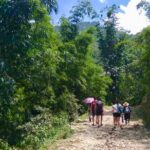
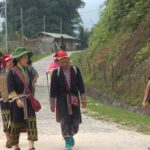
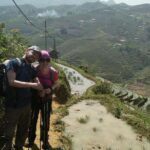

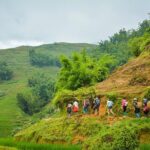
Homestay night: the part that makes it feel real
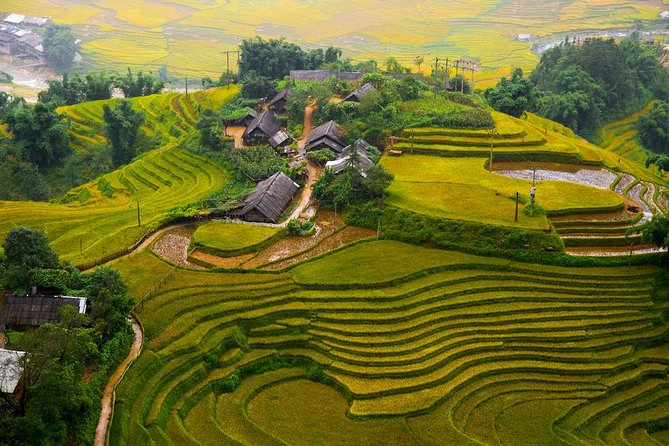
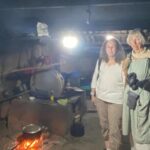
The homestay is a key selling point, and it’s more than a checkbox for a place to sleep. You get one night in a local homestay, plus meals that keep you on track. In one experience, the homestay was described as clean, with local food hosted by the family (with a host named Shun mentioned). That’s worth noting because homestays can range from basic to very comfortable.
Also, the homestay time isn’t always locked down to sleeping only. Some guides create space for family interaction. One person highlighted a guide sharing a moment at her mother house as a highlight, even in tough weather. If that kind of personal connection appeals to you, this trek will likely land well.
What to expect (and what to not over-assume)
The data here confirms homestay accommodation and included meals, but it doesn’t spell out room upgrades or modern amenities. So go in with the right expectations: you’re paying for cultural exchange and a genuine night in a family setting, not a hotel experience with lots of services.
If you’re sensitive to cold, ask yourself how you handle chilly nights. Sapa can be damp and cool, and the trek itself may not be the warmest. Pack accordingly and plan on being practical, not comfortable in a city-hotel sense.
Your guide: when it’s good, it’s excellent
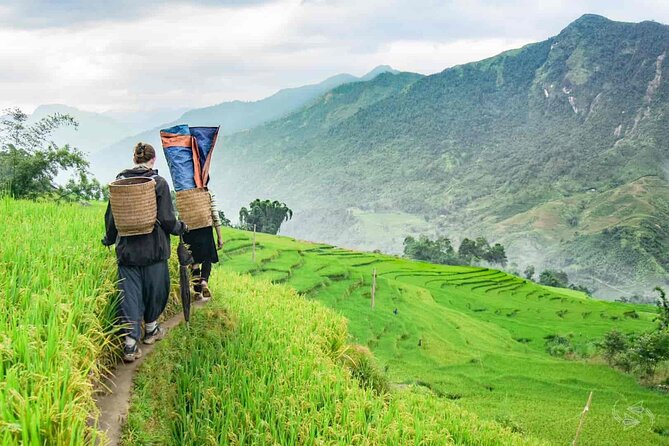
This tour is private, and your guide plays a huge role in how you experience Sapa. The names that came up—Sam, Ru, Little Chi, and Lily—suggest a pattern: strong guides don’t just lead, they explain.
One standout theme was adaptability. In one account, the trek and homestay plan didn’t match expectations at first, but the guide saved the experience by taking the group on less crowded trails and toward her own home area. That’s not a guarantee for every day, but it’s a useful lesson: in Sapa, route adjustments can matter.
Another repeated detail: your guide may check intensity and then match the plan to you. Little Chi, for example, asked about how hard you wanted to go and offered options for food and homestay arrangements. That’s exactly what you want on a 2-day trek. It keeps the day from feeling like either a struggle or a slow boredom.
How to get the best outcome
Bring honest info at the start: your fitness level, any knee or ankle issues, and whether you prefer more time resting or more time walking. A private guide can tailor. If you don’t say anything, you may end up on the default pace.
Transfers, tickets, and the practical side
This experience includes round-trip transfers and transportation back to Sapa Town after the day-one trek window. You also get a mobile ticket, and the meeting point is in Sapa. If you like starting clean—without hunting down taxis or figuring out logistics on the spot—this setup helps.
One more practical piece: the tour is near public transportation. That doesn’t matter to everyone, but it’s comforting if you’re staying somewhere a bit off-center or you want backup options.
Also, this is a private activity. Only your group participates, which usually means less waiting around and fewer “everybody, stop talking” moments.
What’s not included
You’ll need to cover drinks and beverages and any private expenses. So if you’re the type who likes warm drinks during a cold trek, budget a bit for that. Having water and staying hydrated matters, especially at altitude.
Price and value: what $130.77 really buys
At $130.77 per person, you’re not just paying for walking. You’re paying for a full service package: private guide, meals, one homestay night, an entrance fee, and transportation. For a 2-day, 1-night experience in Sapa, that’s the core value equation.
Here’s the way I look at it: if you tried to piece together a guide, homestay, food, and transfers yourself, you’d spend time coordinating and likely end up spending similar money—plus you’d take on more friction. This tour removes that friction, which is especially valuable when weather turns or plans need adjusting.
Is it “cheap”? No. But it’s also not a barebones trek. It’s the kind of trip where you pay upfront so you can focus on the mountains, the villages, and the conversations.
Pace, weather, and packing tips that protect your trip
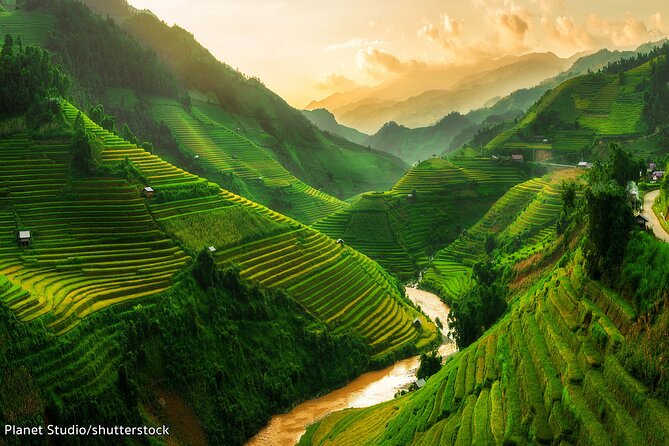
Because the trek can be cold and foggy, think about comfort as part of your success plan. Sapa weather can slow you down, and fog can make trails feel longer than they look on a map.
You should pack with these realities in mind:
- Warm layers you can remove and add quickly
- Rain protection (even when it’s not raining hard)
- Shoes you trust for wet paths
- A small day bag for water and snacks (even though meals are included, you may want extras)
And here’s the trick I use on multi-day treks: aim for steady effort, not hero moments. If your guide offers intensity choices, take the middle option first day, then adjust day two based on how you feel.
Who this trek suits best (and who might want a different plan)
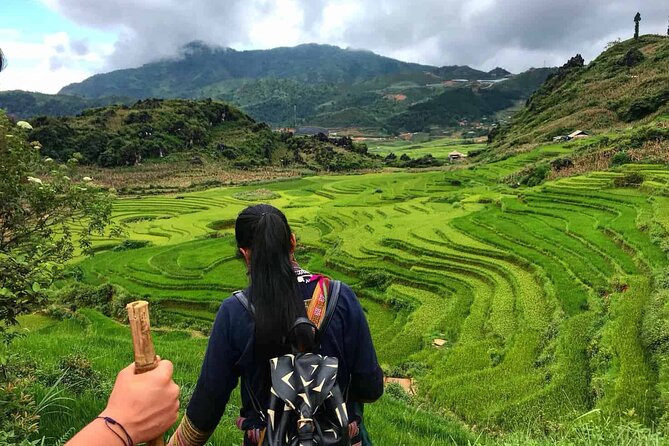
This tour is a strong fit if you want:
- Real village culture, not only photo stops
- A homestay night with included meals
- A private guide who can tailor pace and ask what you prefer
It also seems to work well for families and groups that include teens, since one experience specifically called out a family with teens enjoying the mix of scenery and local life. That doesn’t mean it’s effortless, but it suggests the pacing can be workable when you communicate needs.
This might be less ideal if:
- You want a low-walking day with minimal hiking
- You expect a hotel-style room and modern comforts
- Weather and trail uncertainty stress you out
In those cases, you may prefer a shorter trek or a more flexible day-trip format. But if you can handle a solid walk and enjoy cultural interaction, this one has real staying power.
Should you book Sapa 2 Days Trek with 1 Night Homestay?
I’d book this if you want the full Sapa feel: terraces plus village life, with the homestay night being part of the point, not an add-on. The included meals and homestay cover the biggest “trip friction” items, and the private guide approach means you’re more likely to get a trek that matches your pace.
I’d hesitate only if you’re extremely sensitive to cold or you need predictable, unchanging hiking conditions. Sapa can be foggy. Trails can shift. The good news is that experienced guides tend to adapt, and the names you’ll hear—Sam, Ru, Little Chi, Lily—are associated with exactly that: making the experience work.
If you’re aiming for value, authenticity, and a cultural exchange you can actually feel, this is a solid bet.
FAQ
How long is the Sapa trek?
It’s about 2 days total (2 days / 1 night), running roughly from 9:00 am on day one for about 8 hours, and then another about 8 hours on day two.
What meals are included?
You get 2 lunches, 1 dinner, and 1 breakfast included.
Is the homestay included for one night?
Yes. The tour includes one night in a local homestay.
Are transfers included?
Yes. Round-trip transfers are provided, and transportation back to Sapa Town is included after your trek.
Is there an admission fee included?
Yes. The entrance fee to the valley is included.
Is this a private tour?
Yes. It’s private, and only your group will participate.
Do I get a ticket for this activity?
Yes. A mobile ticket is included.
What if I need to cancel?
This experience is non-refundable and cannot be changed for any reason. If you cancel or request an amendment, the amount you paid will not be refunded.