REVIEW · HIKING & TREKKING
Sapa 3 Day Trekking with 2 Nights Homestay
Book on Viator →Operated by Asia Travel Legend · Bookable on Viator
Sapa trails turn a short trip into real stories. This 3-day, 2-night trek around Sapa mixes village walks with homestay life, and it’s paced for people who want culture plus scenery without rushing. I love that the trip is guide-led with English support (I’ve seen guides like Lan and Pang mentioned), and I also like that you’re not just hiking—you’re eating local meals in family-run houses. One thing to consider: it’s still real walking on uneven paths, and even the gentler pace can feel tough if you’re not used to hills.
Plan for most days to run from 9:00 AM to around 3:00 PM, so bring your patience as well as your water. Drinks aren’t included, and if you’re sensitive to altitude and uphill walking, you’ll want to take breaks when your guide suggests them.
In This Review
- Key highlights at a glance
- What You Actually Get in This 3-Day Sapa Trek (and What It Means for Your Budget)
- Day 1 in Ta Van Village: The Start at 9:00 AM and Why It Sets the Tone
- Day 2: Ta Van to Giang Ta Chai, Su Pan, and Ban Ho Homestay Night
- Day 3: Ban Ho to Nam Toong and Thank Phu, Then Back to Sapa Town
- Homestays in Sapa: What You Can Expect From the Overnight Experience
- The Real MVP: Guide Skills, English, and Culture Talk That Feels Human
- Pace and Fitness: How Hard Is This Trek, Really?
- Price Check: Is $190.71 Per Person Good Value for a 3-Day Homestay Trek?
- Who Should Book This Trek (and Who Might Want a Different Style)
- Practical Tips Before You Go (So Day 1 Feels Easy)
- Should You Book This Sapa 3-Day Trek with 2 Nights Homestay?
- FAQ
- How long is the Sapa trekking experience?
- Where does the tour start and end?
- What villages does the trek include?
- How many homestay nights are included?
- Are meals included in the price?
- Is the valley entrance fee included?
- Is pickup available?
- Is this a private tour?
- Are drinks included?
- Is there a cancellation/refund if I change my mind?
Key highlights at a glance
- Homestay stays for 2 nights: You get the village rhythm, not just a quick photo stop.
- Most meals included: 3 lunches, 2 dinners, and 2 breakfasts cover the big budget bites.
- English-speaking guidance: Guides like Lan and Pang have a track record of explaining culture and everyday life.
- Village-to-village route: Ta Van, Giang Ta Chai, Su Pan, and Ban Ho connect you to how people live here.
- Built-in return to Sapa Town: Your day ends back at the meeting point after the final walk.
What You Actually Get in This 3-Day Sapa Trek (and What It Means for Your Budget)
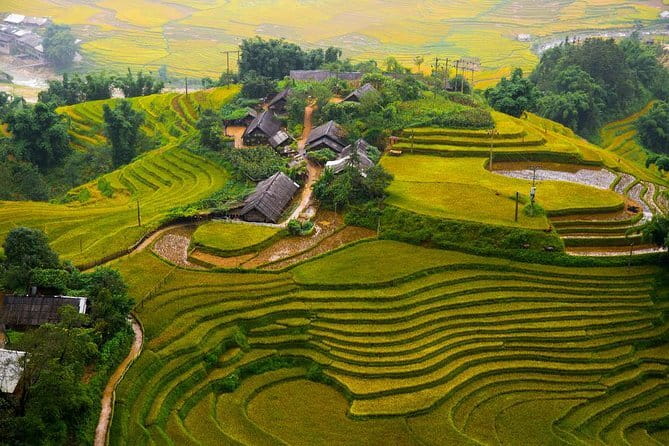
This is a 3 days / 2 nights trekking program in Sapa, designed around one simple idea: you should get to the valley routes and the homestay experience without constantly thinking about food, tickets, or logistics.
On the included side, you get:
- A guide for the full trekking experience
- Pick up & drop off
- Entrance fee to the valley
- Food for 3 days: 3 lunches, 2 dinners, 2 breakfasts
- 2 overnight homestay nights
- Transportation back to Sapa Town after the trek
- A mobile ticket (so you’re not hunting for paper)
What that means in practice: the price is easier to trust because your biggest costs are already covered. The only ongoing “watch this” item is drinks. Everything else (food, access, and getting you back) is handled.
One more detail I like: the tour is private. That matters on treks because timing, walking pace, and group comfort can change everything. If you’re trying to photograph, chat, rest, or just take it slow, a private setup usually works better than being blended into a big crowd.
You can also read our reviews of more hiking tours in Sapa

Day 1 in Ta Van Village: The Start at 9:00 AM and Why It Sets the Tone
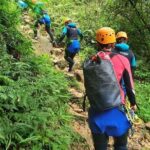
Your day begins at 9:00 AM, and you’ll spend a full stretch trekking (roughly 8 hours) during the first day. The focus is on Ta Van Village, a starting point that helps you ease into the experience rather than launching you into the hardest uphill right away.
What to expect on Day 1:
- You’ll be moving for most of the day, with breaks built into the route.
- You’ll see village life up close, not from a bus window.
- You’ll learn as you walk—this is where English-speaking guides tend to do their best work. In the feedback I saw, guides shared stories tied to daily life and even the local ecosystem and plants.
The biggest value of Day 1 is that it acts like a “training day for your senses.” You get used to the rhythm: the path, the pace, the way your guide explains what you’re seeing, and how homestay life fits into the day.
Possible drawback to keep in mind: if you’re the type who dislikes uneven footing, Day 1 is where you’ll feel that most. You don’t need to be an athlete, but comfortable shoes and a calm attitude help a lot.
Day 2: Ta Van to Giang Ta Chai, Su Pan, and Ban Ho Homestay Night

Day 2 is where the trek turns into a proper route day. You’re looking at another long walking period (again around 8 hours), connecting Ta Van → Giang Ta Chai → Su Pan → Ban Ho for your second homestay night.
Why this day matters:
- It links multiple village stops, so you get a sense of how communities connect through the valley routes.
- It gives you time to understand local culture in a way that feels practical, not like a lecture.
- It’s the day when your guide can tailor the effort. Several guides mentioned in feedback were flexible about how challenging you want each day to be, which is a big deal if you’re trying to match your comfort level.
The homestay on Night 2 is at Ban Ho. That switch in location is part of what makes this trek feel real. You’re not just visiting a village once—you’re living near it long enough to notice how life works after you’ve stopped walking.
One thing to plan for: after a full day, you’ll likely be tired in a satisfying way. The food is included, and that’s useful because it prevents the common problem of “I’m too worn out to hunt for dinner.”
Day 3: Ban Ho to Nam Toong and Thank Phu, Then Back to Sapa Town
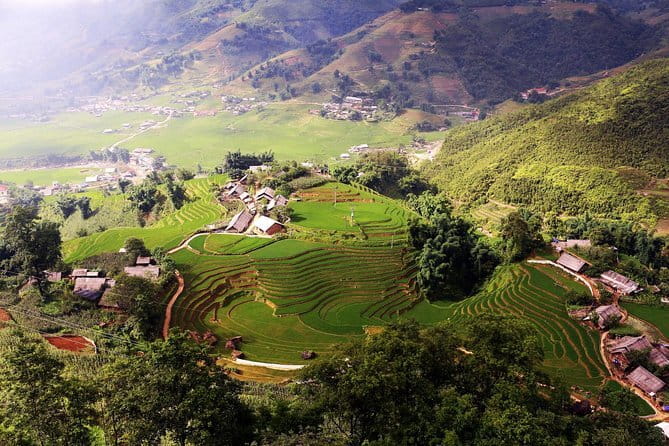
Day 3 is shorter—about 4 hours—and it’s built for closure. You’ll go from Ban Ho → Nam Toong → Thank Phu → Ban Ho → Sapa, ending back at the starting area/meeting point.
This shortened final day is a smart design choice. It lets you enjoy your last views and village moments without turning the end of the trip into exhaustion. It also means you’re more likely to arrive back in Sapa Town still able to think clearly about what you learned and saw.
If you’re worried about energy levels, Day 3 is often the day people feel most positive about. You get to finish strong, and then you’re not stranded in the valley without an easy return.
Homestays in Sapa: What You Can Expect From the Overnight Experience
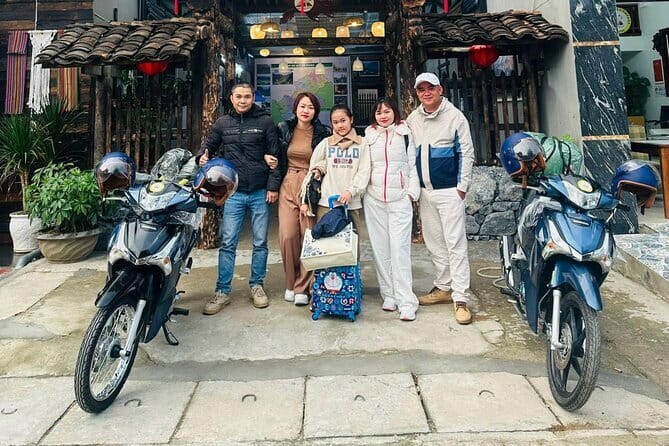
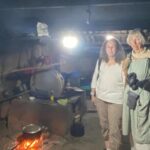
The homestay is the heart of this trek. You’re staying two nights in homestay houses, and the tour includes your meals during those days (breakfasts and dinners are part of it).
From the feedback you shared with me, homestay life is described as:
- Homely, family-style food
- Rooms that are generally clean and comfortable enough for a trek traveler
- Good daily handling by the household
That’s what you should aim for mentally: this isn’t a hotel, and it’s not trying to be. It’s meant to be a swap in perspective. You sleep in the village, eat what the family serves, and spend time where locals actually live.
One practical tip: since drinks are not included, you may want to bring something you can sip in the evenings or at breaks. The homestay experience is smoother when you’re not hunting for hydration after a long day.
You can also read our reviews of more tours and experiences in Sapa

The Real MVP: Guide Skills, English, and Culture Talk That Feels Human
A guided trek can either feel scripted or feel alive. The standout here is that the guides described in feedback—like Lan and Pang—are not just moving people from point A to point B. They teach.
In particular, you can expect your guide to share:
- Explanations related to H’mong culture
- Stories tied to crops and plants
- Notes about the local ecosystem and how people live with it
What I like about this approach is that it turns a walk into something you remember for more than the views. You stop seeing the valley as a backdrop and start seeing it as a place with systems—growing seasons, daily routines, and practical knowledge.
Another useful detail: some guides are flexible about how challenging you want the trekking to feel. If you want a slower pace with more photo stops, or you want to push a bit, you’re more likely to get that adjustment here than on a fixed “one pace for all” walk.
Pace and Fitness: How Hard Is This Trek, Really?
This trip isn’t for couch potatoes, but it’s also not marketed as a mountain-climbing mission. The key phrase to treat seriously is Most travelers can participate. That usually means: there’s a range of comfort levels, but you’ll still be walking on uneven terrain.
Here’s what you can use to judge difficulty:
- Day 1 and Day 2 are long days (roughly 8 hours each).
- Day 3 is shorter (around 4 hours).
- The routes between villages include uphill and downhill segments typical of valley trails.
If you don’t exercise much, don’t panic. Just plan to take it slow, use your trekking rhythm, and let your guide set sensible breaks. The best advice I can give is to treat the hike like a steady conversation, not a race.
Also, pack smart. Comfortable shoes and layered clothing matter more than fancy gear. Trekking in Sapa can also mean weather changes, so having a warm layer helps you feel comfortable even when the sun drops.
Price Check: Is $190.71 Per Person Good Value for a 3-Day Homestay Trek?
At $190.71 per person, you’re paying for a lot of things that add up fast if you try to build the trip alone: guide time, valley entrance, two homestay nights, and most meals.
When I judge value on treks, I look at what’s included that usually costs extra:
- Meals for 3 days (3 lunches, 2 dinners, 2 breakfasts)
- Two nights of lodging (homestay)
- Entrance fees
- Pick up and drop off plus return to Sapa Town
- A guide for the trekking days
The biggest “not included” is drinks. That’s normal for group treks, but it’s still worth planning for. If you usually buy a lot of bottled drinks, your final spending could creep up.
Overall, this price feels fair if you want the whole package: guided route + village living + meals + valley access. If you already planned your own homestay and guide, you might compare costs—but for most people, the convenience is the deal.
Who Should Book This Trek (and Who Might Want a Different Style)

This trek is a strong fit if you:
- Want village-to-village walking rather than a single viewpoint hike
- Like the idea of homestay meals and conversation
- Enjoy learning from guides about how local life works
- Want a private tour, so pace and stops feel more comfortable
You might think twice if you:
- Have very limited mobility or need mostly flat ground (the days are long)
- Hate uncertainty in walking surfaces
- Expect hotel-level comfort for rooms (homestay is simpler by nature)
The tour notes say near public transportation, so getting to the meeting area in Sapa Town should be manageable. Still, the trek itself is the main event, and you’ll want to be ready for that reality.
Practical Tips Before You Go (So Day 1 Feels Easy)
Based on what this kind of trek demands, here are your best prep moves:
- Wear shoes you trust on uneven paths.
- Bring water strategy: drinks aren’t included, so plan for hydration during the day.
- Pack layers: even within a short trek day, temperatures can shift.
- Keep your phone charged: you’ll get a few photo moments, but trekking pace matters.
- Be ready to switch mindsets: the best part of homestays is slowing down when your day ends.
One more tip that makes the experience smoother: ask your guide about what pace feels right for you. With flexible guides, it can change how enjoyable the hikes feel.
Should You Book This Sapa 3-Day Trek with 2 Nights Homestay?
If you want a Sapa trip that feels grounded in daily life, this is the kind of trek you should book. The value comes from the combination: guided village routes, two homestay nights, and meals already handled. You’re spending your effort on walking and observing, not on planning dinner, tickets, or where to sleep.
I’d book it especially if you appreciate learning on the move—because guides like Lan and Pang (and others) are known for explaining H’mong culture, crops, and the local ecosystem in a way that feels connected to what you’re seeing. And I like that the itinerary gives you a full first experience, a strong second day, and a shorter final day so you don’t limp to the finish.
The only real reason to hesitate is if your fitness level is low and you don’t handle hills well. This trek can be difficult for people who aren’t used to uneven terrain, even when it’s not technically extreme.
If that’s you, you still might enjoy it—just go in with realistic expectations, good shoes, and a willingness to take breaks.
FAQ
How long is the Sapa trekking experience?
It lasts about 3 days (with a 2 nights homestay), and the trekking runs from 9:00 AM to around 3:00 PM.
Where does the tour start and end?
It starts in Sa Pa, Lao Cai, Vietnam and ends back at the meeting point.
What villages does the trek include?
You’ll visit Ta Van Village, Giang Ta Chai Village, Su Pan, and Ban Ho Village, with additional stops on the route such as Nam Toong and Thank Phu on the final day.
How many homestay nights are included?
There are 2 overnight stays in homestay.
Are meals included in the price?
Yes. The tour includes 3 lunches, 2 dinners, and 2 breakfasts.
Is the valley entrance fee included?
Yes. The entrance fee to the valley is included.
Is pickup available?
Pickup is offered. The information also mentions pickup options in Hanoi Old Quarter.
Is this a private tour?
Yes. It’s private, so only your group participates.
Are drinks included?
No. Drinks are listed as not included.
Is there a cancellation/refund if I change my mind?
The experience is non-refundable and cannot be changed for any reason.