REVIEW · HIKING & TREKKING
SaPa: 2-Day Villages,Rice Fields, Love Waterfall Hiking Tour
Book on GetYourGuide →Operated by Sapa Original Trek Company Limited · Bookable on GetYourGuide
A foggy day can still be gorgeous in Sapa. This 2-day trek trades bus-stopping crowds for non-touristy villages and real hiking through rice paddies, bamboo, and jungle, then caps it with Love and Silver Waterfalls. I like the mix of village time plus big scenery, and the honest pacing with an English-speaking guide. One thing to consider: weather can swing fast in the hills, so visibility at Heaven Gate may be hit-or-miss.
I especially liked the people side. Guides like Mr. Tinh and Mo focus on explaining what you’re seeing—how Hmong villages fit into the valleys, and how the Red Dzao community connects to traditions like the herbal bath (optional). For me, that’s what makes this feel more like a journey through the area than just a checklist of viewpoints. The drawback is simple: you will walk 12–14 km per day, with medium effort and some elevation.
If you’re the type who enjoys getting a little muddy, eating local food without second-guessing it, and taking photos when the light finally clears, this trek is a strong fit. Expect a traditional wooden homestay, dinner with the family, and short breaks at panoramic spots over Sapa’s valleys. Bring your patience too: even with a great guide, the mountains decide the view sometimes.
In This Review
- Key things to know before you go
- Why this Sapa villages-and-waterfalls trek feels more real than the usual loop
- Day 1: Sapa down to Suoi Ho, Giang Cha, Ta Phin—and a bamboo forest homestay
- Lunch in Giang Cha
- The plateau panorama and the hilltop valley look
- Bamboo forest evening and dinner with the family
- Optional Red Dzao herbal bath
- Day 2: rice paddy walking to Phin Ho, then Love and Silver Waterfalls
- Minority villages, rice paddy time, and a top-of-the-mountain viewpoint
- Lunch in Ban Khoang, then transport to the waterfalls
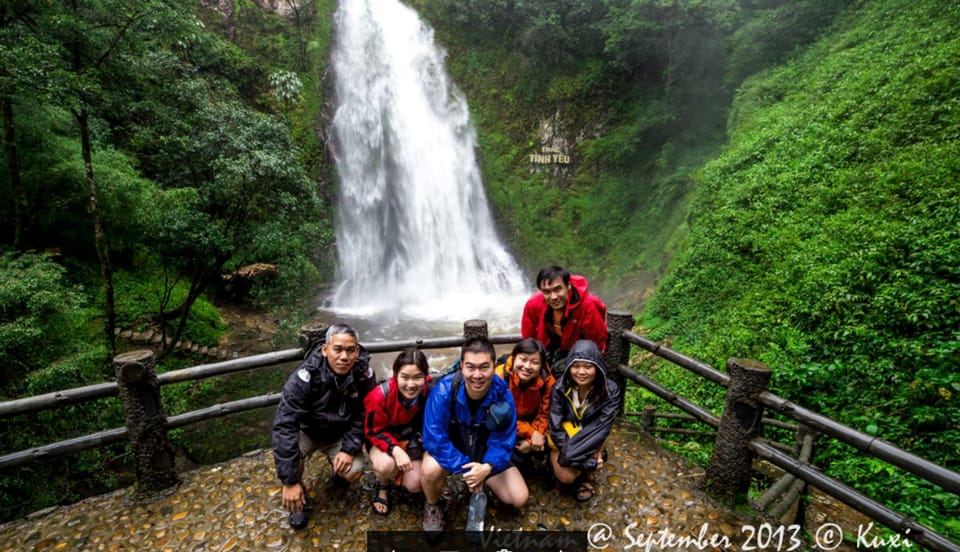
- Love Waterfall and Silver Waterfall
- Heaven Gate’s lonely tree point
- Heaven Gate at ~2,000m: the photo stop where weather matters
- Guide quality is the secret ingredient here (and you’ll feel it fast)
- Price and value: what you actually get for $112 per person
- What to bring for a two-day trek in Sapa (so you enjoy it more)
- Who should book this trek, and who might want a gentler day
- Should you book? My honest call
- FAQ
- What’s the duration of the Sapa trek?
- How long do I walk each day?
- Is the hike easy, medium, or hard?
- What sights are included during the two days?
- Are meals and lodging included?
- Is the Red Dzao herbal bath included?
- Will I have a place to shower and store luggage?
Key things to know before you go
- Non-touristy village route that keeps you out of the biggest tourist lanes
- Rice-terrace viewpoint time built into a downhill-to-plateau walking day
- Red Dzao herbal bath is available, but it’s optional and you pay for it
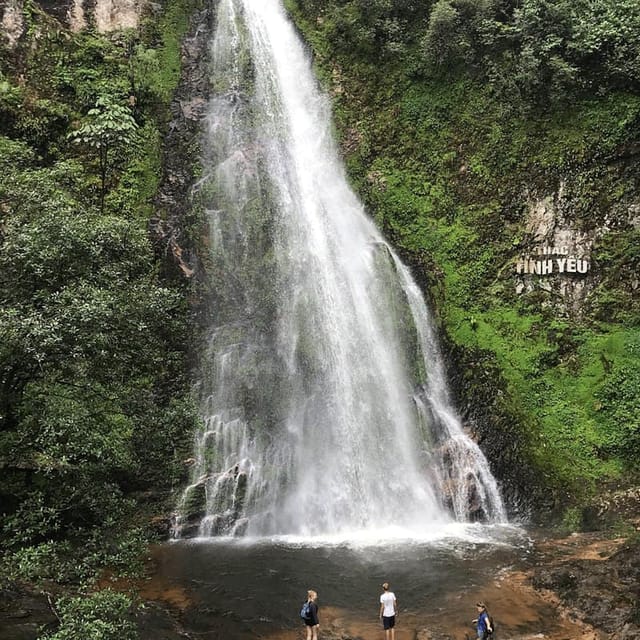
- Two big waterfalls: Love and Silver, plus a short national-park walk
- Heaven Gate at about 2,000m for cool air and dramatic valley views
Why this Sapa villages-and-waterfalls trek feels more real than the usual loop
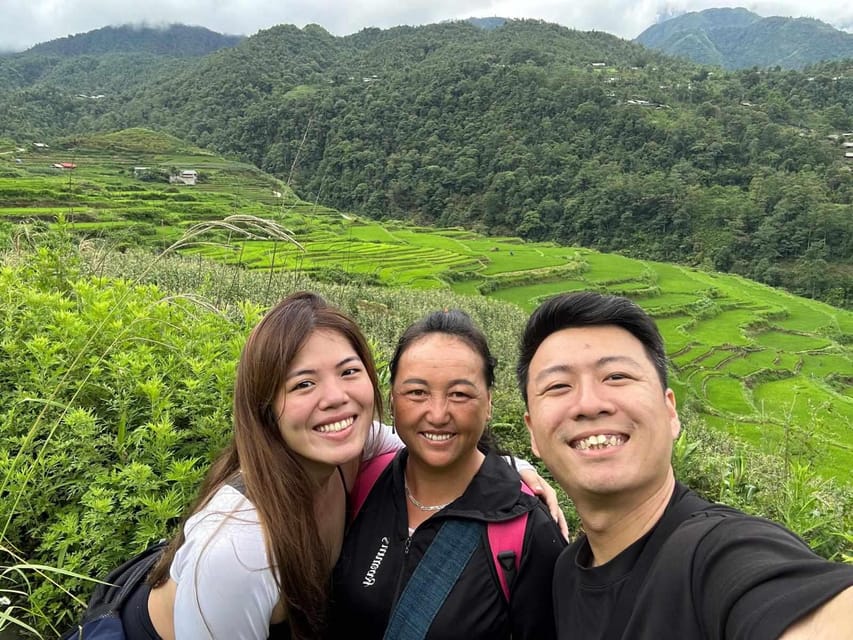
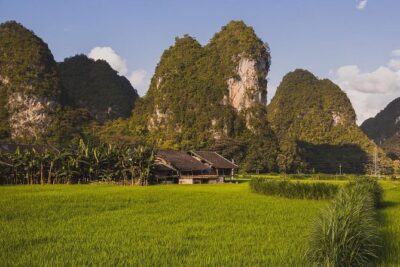
This tour is built around a simple idea: if you want to understand Sapa, you need to walk where people actually live. You’ll pass through minority villages, move through bamboo forest and cornfields, and spend real time in local routines—sleeping in a wooden homestay and eating meals that match the area.
I like that it’s not just “viewpoint, photo, move on.” You hike to the views, and then you slow down enough to take them in. Even the “short” national-park walking time near the waterfalls matters because you’re surrounded by older trees and cool stream air rather than just standing on a roadside.
Do note the rhythm: you’re not doing a marathon, but you are doing two hiking days back-to-back. If you know you hate stairs and steep slopes, consider that you’ll cover 12–14 km each day, with about 200–300 m elevation on Day 1 and 300–400 m on Day 2.
You can also read our reviews of more hiking tours in Sa Pa
Day 1: Sapa down to Suoi Ho, Giang Cha, Ta Phin—and a bamboo forest homestay
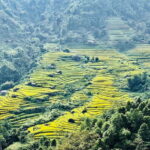
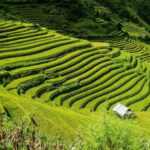
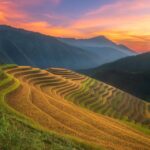
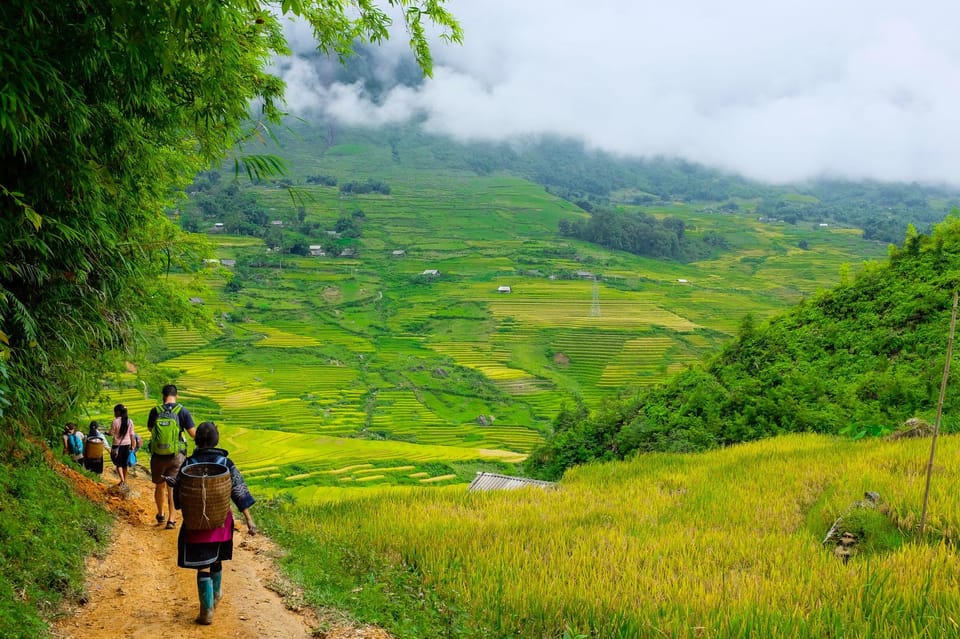
Day 1 runs about 12–14 km and usually takes around 4–5 hours of walking at an easy-to-medium pace. Elevation gain is listed at roughly 200–300 m, so think “steady hills,” not “climbing a wall.” You start around 9:00 AM with a downhill dirt trail through more rural areas, where the views open up over rice terraces and cornfields.
This is the day for early scenery and village texture. On the route, you pass through villages associated with the Hmong community, and you get multiple chances to look across layered mountain valleys. I find that kind of walking is where Sapa stops feeling like a postcard and starts feeling lived-in.
Lunch in Giang Cha
After the morning stretch, you stop for lunch at a local restaurant in Giang Cha village. The tour includes lunch, and the food is typically traditional Vietnamese meals—simple, hearty, and designed for hikers who need energy more than presentation. It also breaks the hike into two manageable chunks.
The plateau panorama and the hilltop valley look
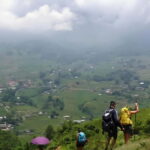
After lunch, the route continues downhill toward a plateau with one of the best mountain-and-rice panoramas in Sapa. Then you climb to a hilltop for a wide view of the valley—this is the moment you’ll want your camera ready, because the air can clear just enough to make the terraces pop.
Bamboo forest evening and dinner with the family
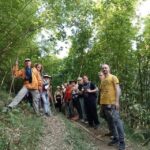
Later, you trek down to the bamboo forest and spend the night in a traditional wooden homestay. After settling in, you can walk around the village while your guide handles the evening rhythm and dinner preparation. Dinner is included, and one of the standout moments from guide-led trips is how “normal” it feels—sharing a meal in a family setting rather than being treated as a timed customer.
You can also read our reviews of more tours and experiences in Sa Pa
Optional Red Dzao herbal bath
Before dinner, you’ll have the chance for a traditional herbal bath with the Red Dzao community. It’s listed as optional, and you pay for it yourself, so treat it like an extra cultural add-on rather than something you’re guaranteed to do. If you’re curious about local wellness traditions, this is one of the more distinctive experiences on the itinerary.
Day 2: rice paddy walking to Phin Ho, then Love and Silver Waterfalls
Day 2 also covers about 12–14 km with around 5 hours of walking. The elevation is listed higher—about 300–400 m—so it’s still easy-to-medium overall, but you’ll feel it more. You start with breakfast at the homestay, then move toward Suoi Thau village.
Minority villages, rice paddy time, and a top-of-the-mountain viewpoint
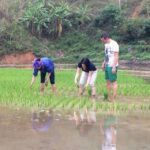
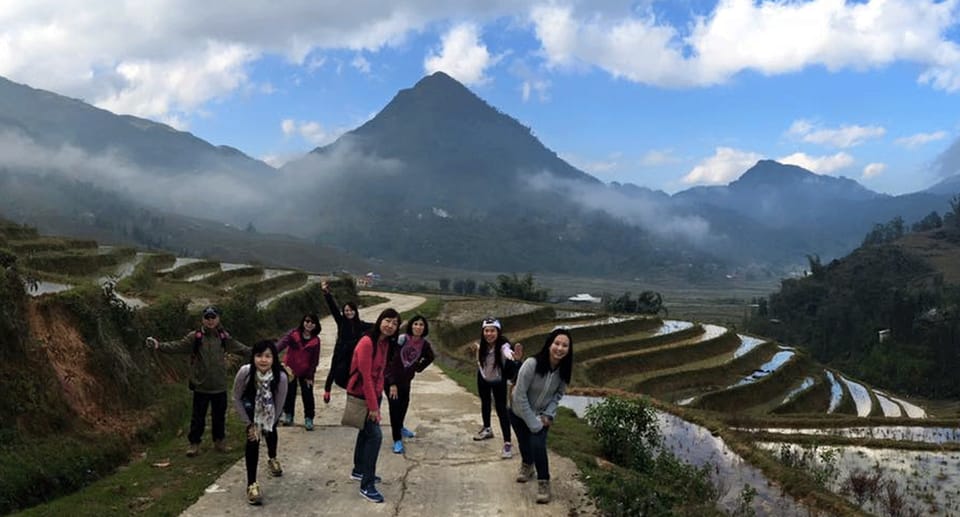
This day leans harder into walking through rice paddies and village paths. You pass through several minority villages, in a calmer, peaceful area. The big reward comes when you reach a top-of-mountain viewpoint with wide valley views—this is where Sapa’s fields stretch far enough that you stop thinking about distance.
From there, you head down toward Phin Ho village, with a view spot near the jungle and Red Dzao valley area. If you want photos that show the scale of the terraces—not just a corner of them—this is where you get it.
Lunch in Ban Khoang, then transport to the waterfalls
Lunch is included at a local restaurant in Ban Khoang village. After that, you take a car for about 25 minutes to the Love and Silver Waterfalls area. This matters because it saves your legs for the parts that are worth hiking.
Love Waterfall and Silver Waterfall
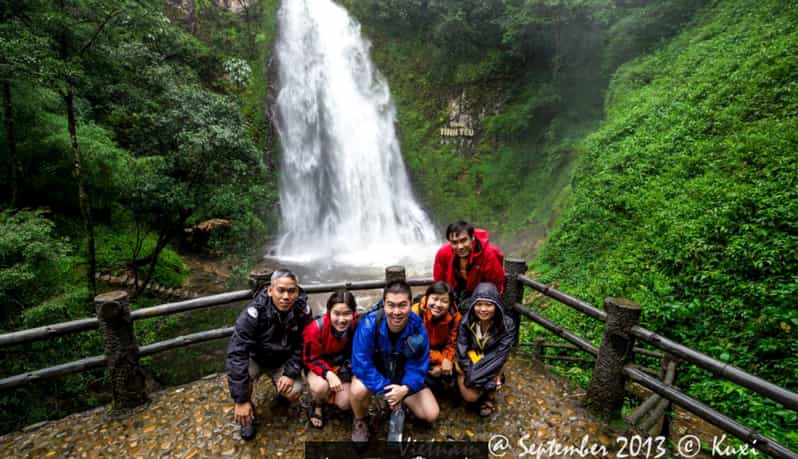
The tour frames Love and Silver Waterfall as the biggest waterfalls in Sapa. You also get a short walk inside the national park with scenic old trees and stream areas, plus the possibility of swimming at Love Waterfall if conditions allow. Even when you don’t get in the water, the sound and mist make this feel different from the village walks.
Heaven Gate’s lonely tree point
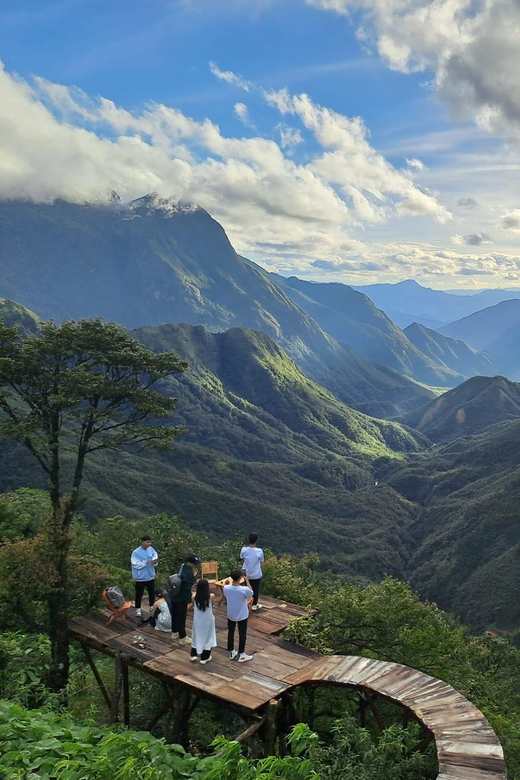
After the waterfall time, you go to the Lonely tree point in Heaven Gate, described as the highest pass in Vietnam at about 2,000 m above sea level. This is the “big air” moment: fresh air, cooler wind, and a deep valley view that can look like clouds moving under you. It’s also the place for classic photos with the single tree silhouette, especially when the fog lifts.
Then you continue by car back to Sapa, usually ending around 15:00–16:00.
Heaven Gate at ~2,000m: the photo stop where weather matters
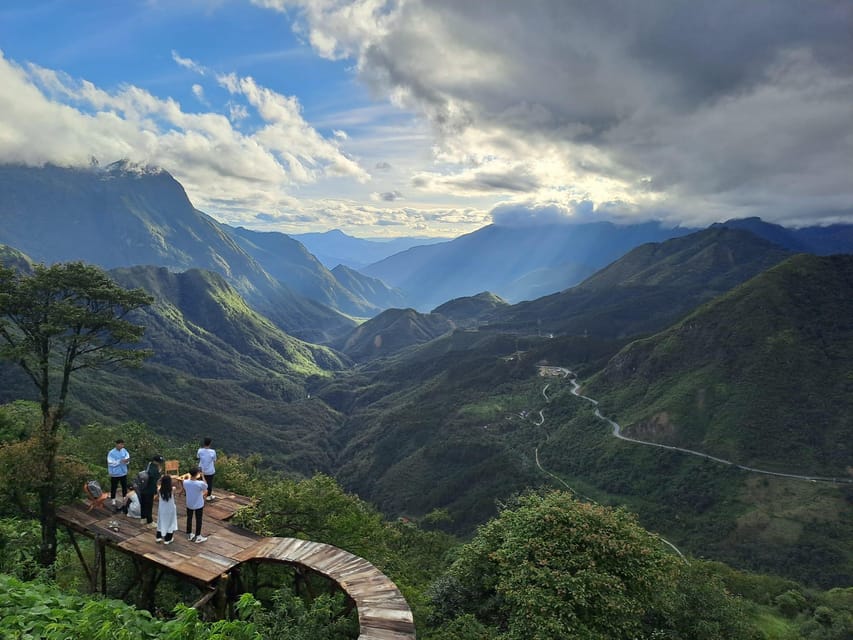
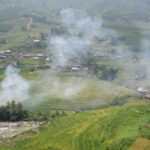
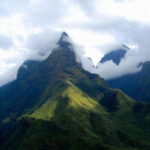
Heaven Gate is one of those places where the same spot can look totally different hour to hour. When visibility is good, you’ll see down into the valley and feel that cool, windy altitude air. When it’s foggy, the view can turn into a moody, hidden-valley feeling—still dramatic, just less “clear postcard.”
I’d plan this stop like a photographer: bring patience, not certainty. You can’t control mist, but you can be ready with a jacket, layers, and gloves if you run cold.
If you’re traveling in rainy season, I’d also mentally budget time for slow moments and reduced visibility. One of the common realities with Sapa trekking is that weather can be changeable even when the route is solid.
Guide quality is the secret ingredient here (and you’ll feel it fast)
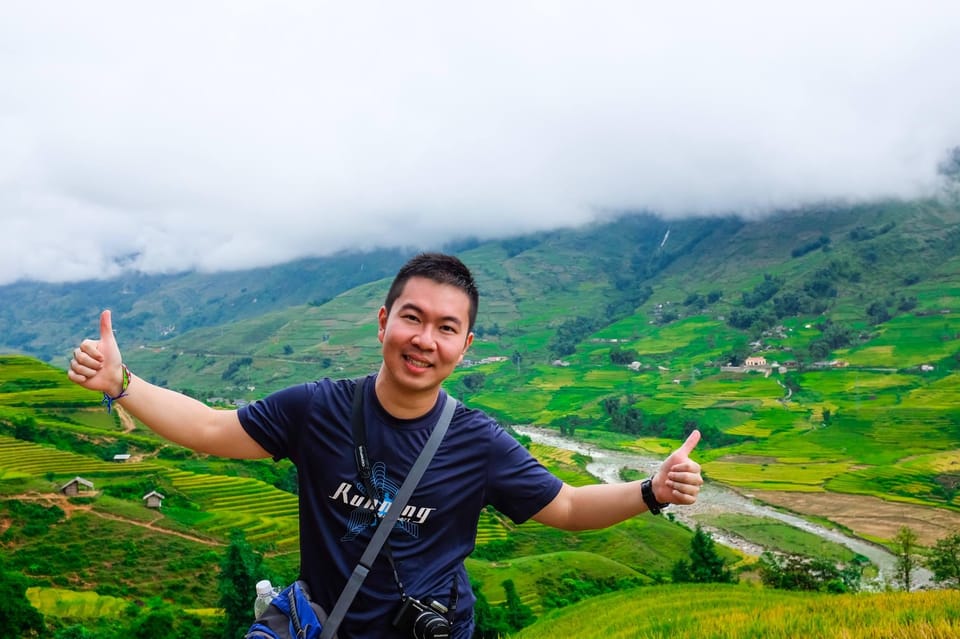
This is a private-group style tour with an English-speaking guide, and guide quality shows up in small ways. On these hikes, pace and safety matter, but the real difference is how you understand what you’re walking through.
In past experiences, guides like Mr. Tinh have been praised for being friendly, giving clear village context, and respecting your pace. Another guide, Mo, got strong notes for being a super kind presence with great explanation along the way. That kind of guidance turns a set route into a story you can follow.
You’ll also notice that the homestay experience isn’t just “sleep somewhere.” The family meal setup can be a highlight, and in one case the included dinner was described as the best meal of the whole Sapa stay. That’s not a small thing—sharing food with a local family often gives you a deeper sense of place than the viewpoints alone.
Price and value: what you actually get for $112 per person
$112 for two days in Sapa is not a budget “just book a bus and walk” price. It’s closer to the cost of a guided experience because you’re paying for real labor: an English-speaking guide, two lunches plus one breakfast and one dinner, homestay accommodation, entrance fees to villages and waterfalls, and transport along the route.
Here’s where the value comes from:
- You get homestay lodging for one night in a traditional wooden house.
- You get meals across two days, including dinner with the family.
- You get transport that handles the jump to Love and Silver Waterfalls and the return to Sapa.
- You get entrance fees rolled in for villages and waterfall areas.
- You get 1.5 liters of water per person per day, which is a practical safety and comfort win on day hikes.
The main “not guaranteed” element is weather and how clear the views look—especially at higher points like Heaven Gate. Still, even with fog or rain, a good guide can keep the day moving and help you enjoy the experience without forcing you to chase perfect light.
What to bring for a two-day trek in Sapa (so you enjoy it more)
Even though the hike is listed as easy-to-medium, you’ll be walking on dirt trails with hills. Pack for comfort, not just for photos.
What I’d plan on:
- Good hiking shoes with grip (wet trails happen)
- A rain layer you’ll actually use
- Layers, especially for Heaven Gate’s cooler air
- A small day bag for water, snacks, and a jacket
- Cash for the herbal bath since it’s not included
Also, take advantage of the tour’s practical support. The tour includes “room for shower and luggage storage in our office in Sapa town.” That’s helpful when you finish the trek and still want to feel human before your next leg of travel.
Who should book this trek, and who might want a gentler day
This tour is a great match for:
- You want villages + nature, not just waterfalls
- You like rice terraces, bamboo forest, and a bit of jungle walking
- You’re comfortable hiking 12–14 km per day
- You care about cultural touches like the Red Dzao herbal bath and homestay dinner
It may not be ideal if:
- You’re looking for very low walking time or flat ground
- You have mobility limits that make steady hill walking difficult
- You hate surprises from the weather (fog and rain can reduce visibility)
If you’re an active traveler who enjoys authentic local rhythm—walking routes, village meals, and community storytelling—this is the kind of Sapa experience you remember.
Should you book? My honest call
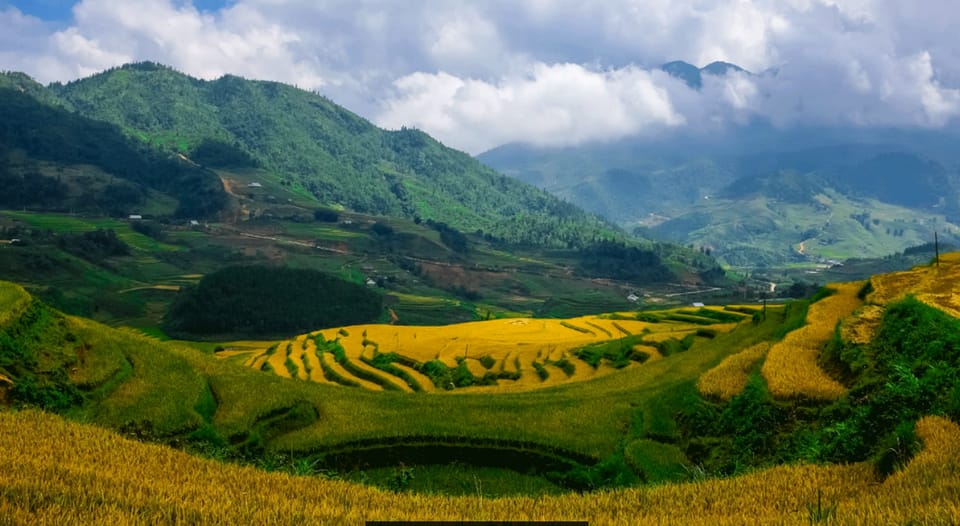
Book it if you want Sapa that feels lived in: village paths, rice terrace viewpoints, and waterfall time without feeling like you’re on a tight factory schedule. The included meals, homestay, and guide help make it feel like value rather than a “pay for permission to walk.”
Think twice if you’re only interested in the clearest possible views—Heaven Gate depends on weather. Even then, the day can still feel meaningful, but if you need perfect visibility to enjoy the trip, you’ll want flexibility in your dates.
FAQ
What’s the duration of the Sapa trek?
The tour runs for 2 days.
How long do I walk each day?
Day 1 is about 4–5 hours of walking for roughly 12–14 km. Day 2 is about 5 hours of walking for roughly 12–14 km.
Is the hike easy, medium, or hard?
The walking is listed as easy to medium on both days. Elevation is listed at about 200–300 m on Day 1 and about 300–400 m on Day 2.
What sights are included during the two days?
You’ll walk through villages and scenic areas around Sapa, including rice terraces and bamboo forest. You also visit Love and Silver Waterfall and stop at Heaven Gate (including the Lonely tree viewpoint).
Are meals and lodging included?
Yes. The tour includes 2 lunches, 1 breakfast, 1 dinner, and homestay accommodation for one night.
Is the Red Dzao herbal bath included?
It’s optional. The herbal bath is not included in the price, and you pay for it yourself.
Will I have a place to shower and store luggage?
Yes. The tour includes room for shower and luggage storage in the office in Sapa town.