REVIEW · HANOI
Hoa Lo Prison and Little Paris in Hanoi
Book on GetYourGuide →Operated by Joyful_Adventures · Bookable on GetYourGuide
Hanoi’s French Quarter reads like two stories at once. This guided walk turns colonial-era architecture into living context, with Hoa Lo Prison as the emotional anchor. I like that it feels personal because the guides are young locals, and they talk like people who still care about the streets they grew up on.
Second, I love the small group size. You get enough time to stop, look up, and actually understand what you’re seeing instead of rushing past it. One drawback: there’s a fair amount of walking, and the tour isn’t a great fit if you have heart problems.
In This Review
- Quick hits before you go
- Why Hanoi’s “Little Paris” makes sense on foot
- Meeting up: pick the start point that fits your day
- The opening stretch: banking, power, and the look of authority
- Stop-by-stop: Opera House and St. Joseph’s Cathedral moments
- The secret stop: why a local guide changes everything
- Hoa Lo Prison: what you’ll see, and how to handle it
- French influence vs. Vietnamese resilience (and why the tour balances both)
- Vietnamese coffee and water: small comfort, smart pacing
- Duration and group size: why 10 people changes the experience
- Price check: what $40 buys you (and what it doesn’t)
- What to bring (so the walk feels easy, not annoying)
- Who should book this tour, and who might skip it
- Should you book this Hanoi French Quarter + Hoa Lo Prison walk?
- FAQ
- What’s the tour duration?
- How much does the tour cost?
- Where do pickups happen?
- What’s included in the price?
- Is it wheelchair accessible?
- Is there any rule about photos or smoking?
Quick hits before you go

- Young guides with a friendly, down-to-earth style: you may tour with locals named Nam, Van, Lisa, or Julia.
- Paris-like architecture in Hanoi: you’ll compare French Quarter landmarks to famous buildings in Paris.
- Hoa Lo Prison isn’t just a stop—it’s the point: the guide explains the French occupation and later Vietnam War resistance.
- A structured walk with a secret stop: you’re not stuck in a straight line of the usual postcard spots.
- Vietnamese coffee is included: plus a bottle of water to keep your pace comfortable.
Why Hanoi’s “Little Paris” makes sense on foot
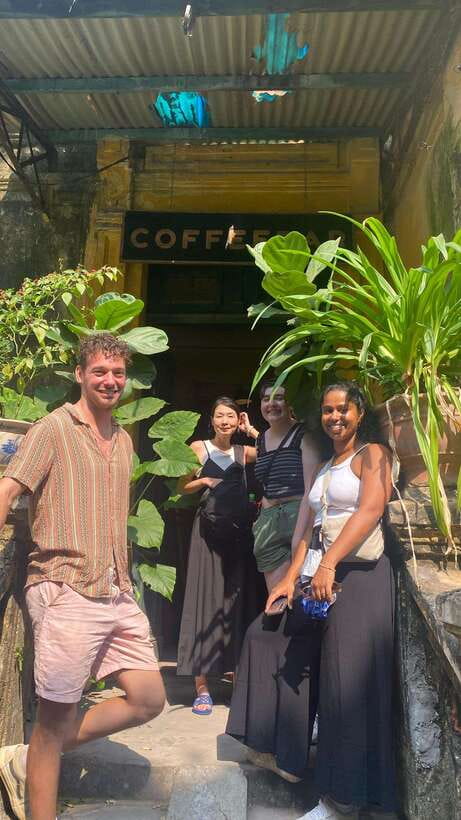
The French Quarter in Hanoi can feel confusing at first. Buildings look European, but the street life around them is unmistakably Vietnamese. That’s exactly why a guided walk works so well here: it helps you connect the “look” to the “why.”
What I especially like is the way the tour frames the area as a place of power and pressure. You’re not only admiring façades like St. Joseph’s Cathedral or the Opera House. You’re also hearing how Vietnamese people pushed back—first during French rule, and later through the Vietnam War.
And yes, this area truly earns the nickname “Little Paris” because you’ll spot architectural similarities that feel intentional. It’s not just a vibe; it’s the shape, the scale, and the styling—guided so you know what to notice.
You can also read our reviews of more tours and experiences in Hanoi.



Meeting up: pick the start point that fits your day
You get two pickup options. If you’re staying in the Hanoi Old Quarter, hotel pickup is included; you’ll be met from the hotel lobby. If you prefer to meet outside your hotel, you can start at the Emperor Ly Thai To Monument statue.
In either case, it helps to be ready a few minutes early so the group can roll out without delays. This is a walking tour, so your timing matters more than you might think.
Also, double-check your shoes plan before you leave the room. The tour is designed around comfort and steady strolling, not urban parkour.
The opening stretch: banking, power, and the look of authority
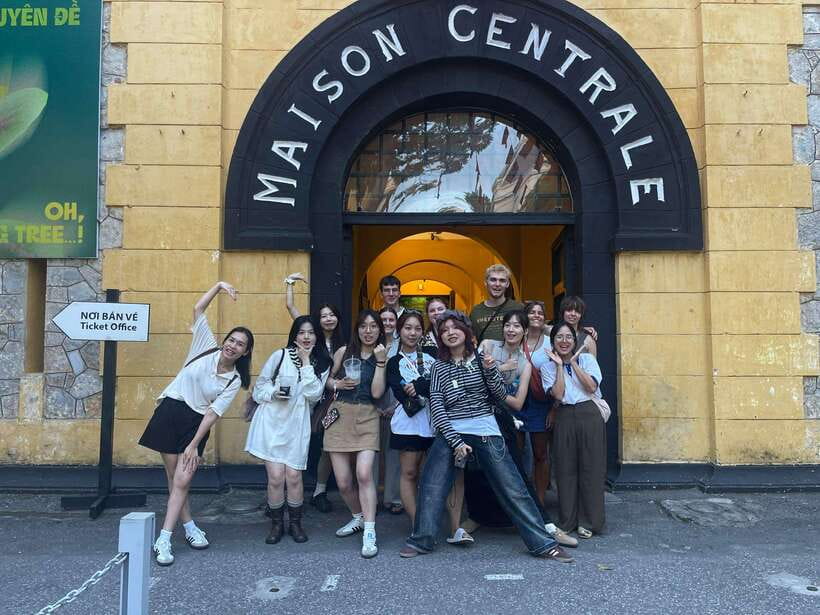
The first real “set the stage” stop is the State Bank of Vietnam area. Even when you’re not going inside anywhere, the guide’s job is to point out what kind of power these buildings represented and how that power showed up in design.
Then you move toward the Government Guest House, also known as Tonkin Palace. This is where the story becomes very concrete. You can walk past a structure and think it’s just pretty. With a guide, you learn what it meant in the colonial era, and why that matters when you’re also learning about Vietnamese independence.
The walking portion between stops is also useful. These are the kinds of streets where details hide in plain sight—doorways, street widths, and the rhythm of buildings. Without someone pointing it out, you’d likely keep seeing Hanoi as “a city,” not a shaped political landscape.
Stop-by-stop: Opera House and St. Joseph’s Cathedral moments
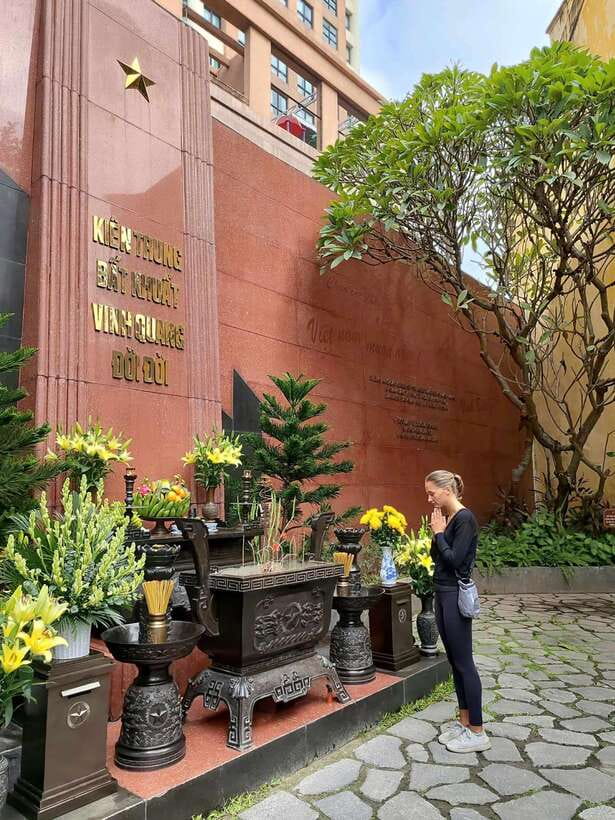
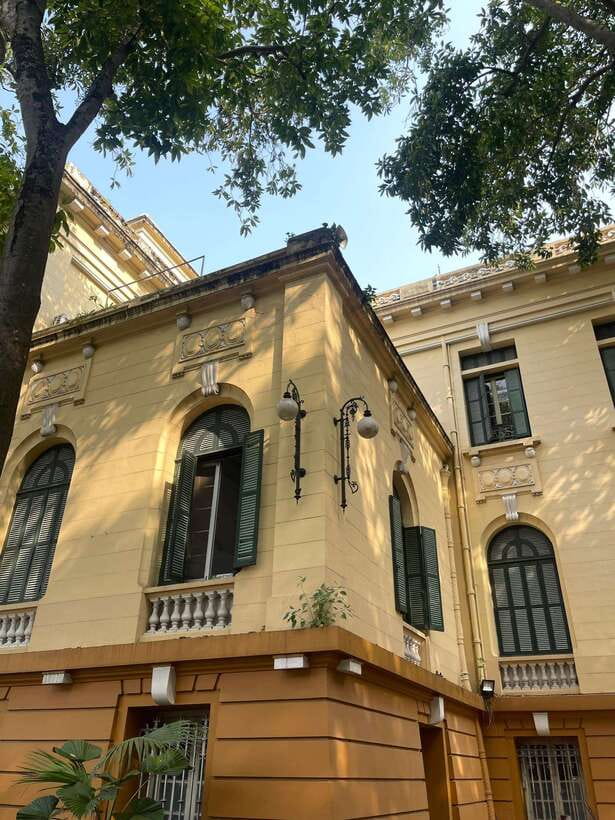
The Hanoi Opera House is one of the big visual anchors on the route. You’ll get a guided explanation rather than just a photo opportunity, which is the difference between snapping a picture and actually understanding the design language. This stop is also a good moment to slow down, look at symmetry, and connect it back to the French influence you’ve been hearing about.
Next comes St. Joseph’s Cathedral in Hanoi. Expect a photo stop plus a visit and guided time. This is the classic “your camera will work” moment, but the guide will help you notice more than the obvious. You’ll learn what kind of meaning people attached to these structures and why they were built the way they were.
One practical tip: bring a hat and sunscreen. Even on mild mornings, you’re exposed in open areas around major landmarks, and you’ll appreciate not feeling fried halfway through.
The secret stop: why a local guide changes everything
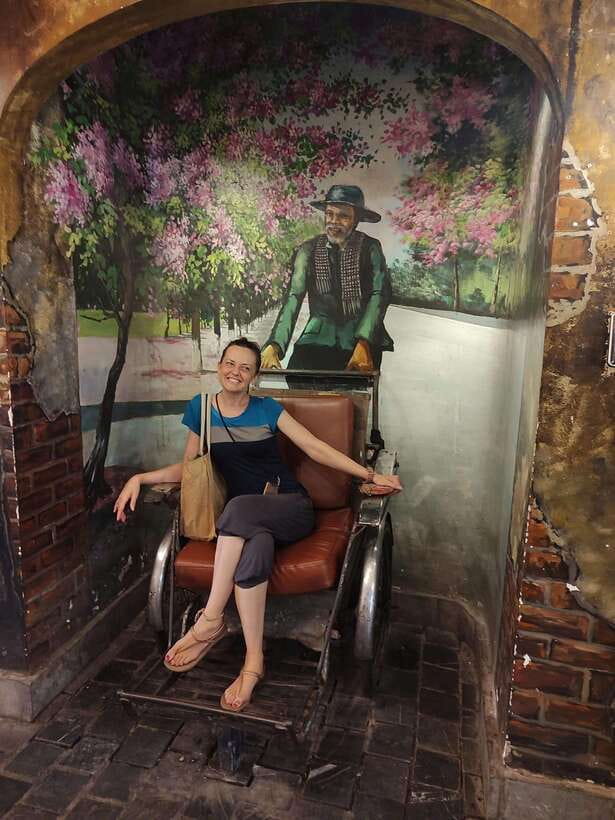
There’s a stop labeled as secret, and that’s not just marketing. In neighborhoods like this, the difference between a good walk and a memorable walk is often one or two turns that pull you off the main stream.
This is also where the tour’s local personality shows up. The guides (often people like Lisa, Van, or Julia) tend to add small context: how the buildings relate to each other, what the area was used for, and what people still remember. That’s the stuff that doesn’t travel well through a generic walking itinerary.
If you like architecture, this kind of stop is gold. You start seeing the “mini-Paris” theme as a system, not a handful of random showpieces.



Hoa Lo Prison: what you’ll see, and how to handle it
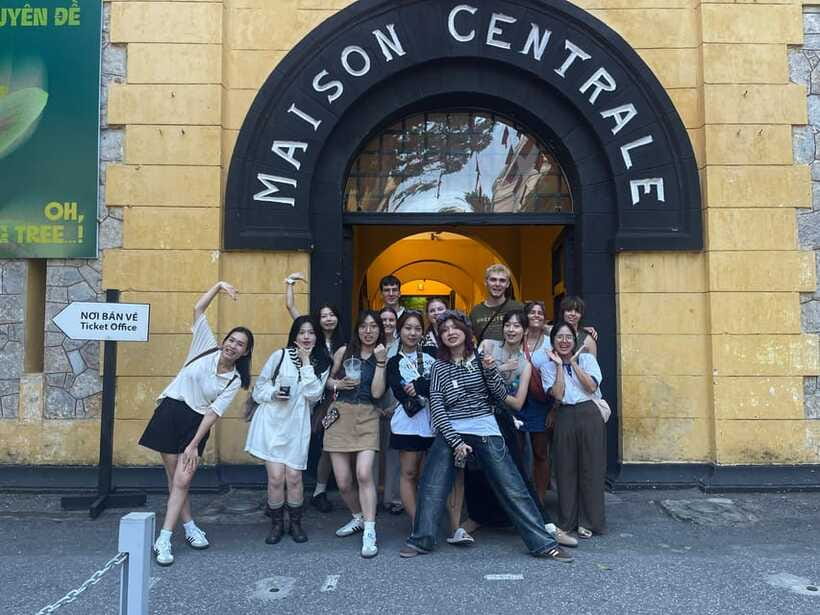
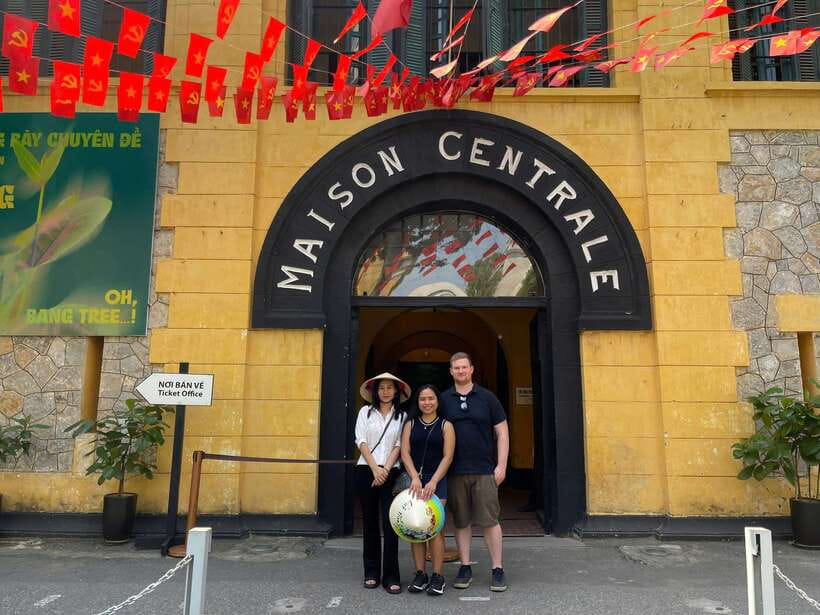
The final major highlight is Hỏa Lò Prison. You’ll visit and get a guided tour here, and the subject matter is heavy. The guide connects the dots between the French occupation and later Vietnam War resistance against the United States, so the prison isn’t presented as an isolated historic curiosity.
If you’re the type who likes to understand the full timeline—who controlled what, and how people resisted—this is the moment. The tour’s value is that you’re not only hearing about buildings. You’re hearing about people’s struggle and survival, and how the French Quarter setting links to that.
Two things to keep in mind:
- The content is not light, so go with a calm mindset and take breaks if you need them.
- Flash photography isn’t allowed, so plan on reading the signage and listening rather than just filming everything.
This is the stop that gives the whole morning its emotional weight.
French influence vs. Vietnamese resilience (and why the tour balances both)
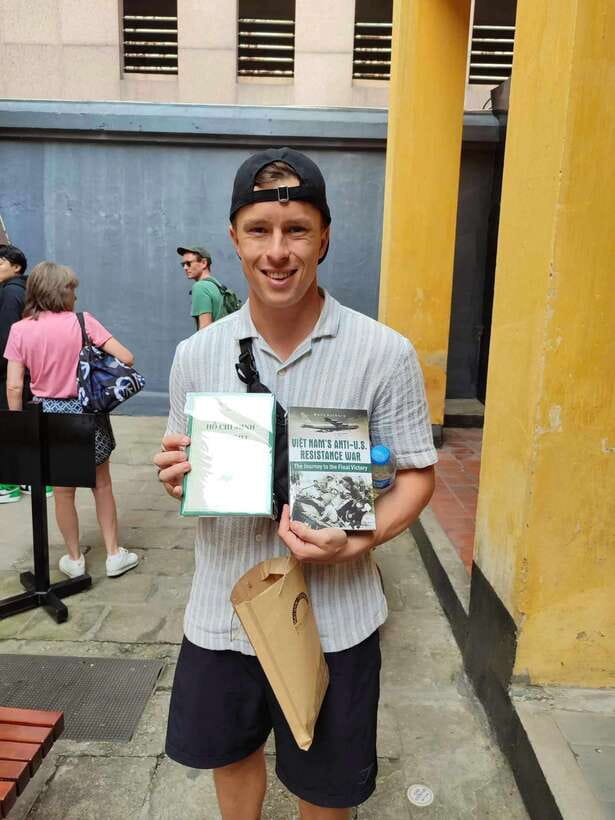
A lot of tours in colonial-era places fall into one of two traps. They either glamorize the architecture and skip the pain, or they focus on suffering so heavily that the city’s layers blur together.
This walk tries to connect the two. You see the “French look” in places like the Cathedral and the Opera House, and you also hear about Vietnam’s fight for independence. The effect is a more honest understanding: colonial design wasn’t just decoration—it was part of power, administration, and control.
And then, by bringing the Vietnam War resistance context into the same thread, the story doesn’t end when the French left. It continues, showing how the struggle changed over time.
That’s one reason people often call this tour the highlight of their trip. It gives you a framework for Hanoi that you can carry forward even after you leave these streets behind.
Vietnamese coffee and water: small comfort, smart pacing
Vietnamese coffee and a bottle of water are included. That matters more than it sounds, because 3.5 hours of walking in Hanoi can feel longer if you’re thirsty or overheated.
The coffee break also gives the tour a human rhythm. You get a pause where conversation feels easier, and the guide can add extra context that might not fit into a stop-and-go walking pace.
If you’re sensitive to food timing, plan to eat before or after the tour rather than expecting a full meal during it. This experience is built around landmarks and short guided segments, not long sit-down meals.
Duration and group size: why 10 people changes the experience
The tour lasts about 3.5 hours and runs in a small group limited to 10 participants. That size is big enough to meet fellow visitors, but small enough that your guide can slow down for questions and still keep the route moving.
In practice, that means you spend more time looking at details and less time waiting. It also means the guide can tailor explanations to the group’s interest level, whether you’re focused on architecture, politics, or war history.
If you hate rush schedules, this duration feels realistic. It’s long enough to feel like you learned the area, but short enough that you’re not too exhausted to enjoy Hanoi afterward.
Price check: what $40 buys you (and what it doesn’t)
At $40 per person for a 3.5-hour guided walk, the value is mainly in two places: guide time and entry access. You’re not just getting “a local route.” You get a guided tour with Hoa Lo Prison entry included, plus transportation support in the Old Quarter via hotel pickup.
You also get Vietnamese coffee and water, which helps offset some of the day’s small expenses. For many people, the cost feels reasonable when you remember you’re covering multiple major landmarks in one go without needing to sort the route yourself.
Not included are other drinks or personal expenses, and there’s no hotel drop-off. So if you want the easiest finish, plan for that—either return on foot, grab a ride afterward, or head to your next stop with a clear idea of where you’re going.
What to bring (so the walk feels easy, not annoying)
This is one of those tours where packing smarter beats packing more.
Bring:
- Comfortable shoes (you’ll be walking enough to notice the soles)
- A hat and sunscreen (sun exposure around major landmarks can add up)
- A camera (photos are allowed, but flash is not)
- Water logic in your head, since you’ll have one bottle but may still want more after
Not allowed:
- Smoking
- Flash photography
If you’re someone who likes taking notes or zooming in on details, bring a small bag that keeps you hands-free. You’ll want both hands at times, especially around cathedral and street-level architecture.
Who should book this tour, and who might skip it
This is a great fit if you’re drawn to architecture with meaning and you want history explained in a way that connects French colonial influence to Vietnamese independence struggles. If you like learning through a real neighborhood walk, you’ll appreciate how the guides point things out instead of just naming places.
It also suits you if you enjoy meeting friendly locals. The guides are young and personable—people like Nam, Van, Lisa, and Julia—so the tone tends to feel conversational.
Skip or think twice if:
- You have heart problems, since the tour is not suitable for that
- You don’t handle emotionally intense history well, because Hoa Lo Prison includes difficult material
Should you book this Hanoi French Quarter + Hoa Lo Prison walk?
I’d book it if you want one morning that combines the “Little Paris” visuals with clear context about occupation and resistance. The small group size keeps it personal, and the inclusion of Hoa Lo Prison entry plus a guided explanation makes the price easier to justify.
I’d pass if you want a purely light sightseeing day or if you prefer museum-only learning. This experience is about streets, architecture, and the stories those buildings hold—especially at Hỏa Lò Prison.
If you’re in Hanoi for a short stay, this is also a smart way to get your bearings fast in the French Quarter without guessing what matters.
FAQ
What’s the tour duration?
It runs for about 3.5 hours. Starting times vary, so check availability for the exact schedule.
How much does the tour cost?
The price is $40 per person.
Where do pickups happen?
Pickup is included only if you’re staying in the Hanoi Old Quarter. You can also meet at the Emperor Ly Thai To Monument statue.
What’s included in the price?
You get a local guide, Hoa Lo Prison entry ticket, the French Quarter walking tour, Vietnamese coffee, 1 bottle of water, and hotel pickup (Old Quarter only).
Is it wheelchair accessible?
Yes, the tour is listed as wheelchair accessible.
Is there any rule about photos or smoking?
Smoking isn’t allowed, and flash photography is not allowed.