
REVIEW · HANOI
Hanoi: Taste Fresh Lotus Tea Ceremony & Untold Stories
Book on GetYourGuide →Operated by Mộc Thôn · Bookable on GetYourGuide
Lotus tea rewards patience. This Hanoi experience pairs a calm villa setting with a hands-on Fresh Lotus Tea Ceremony, plus the real story behind West Lake lotus tea. I especially like the focus on using your senses for authenticity, and the step-by-step brewing coaching you can actually repeat later. One possible drawback: it is intentionally slow and tea-centered, so if you want fast-hit sightseeing, this might feel too mellow.
You will start with a gentle tea mindfulness moment, the kind that makes your brain unclench before you begin tasting. Your host explains why West Lake lotus tea is treated like the king of Vietnamese teas, including how the scenting process has been kept the same for generations. Recent classes have been led by welcoming instructors such as Piey, Maxie, and Sue, and that friendly energy matters when you are learning something as finicky as tea.
Then the workshop gets practical: you’ll smell fresh lotus stamens, learn what counts as authentic lotus tea versus flavored shortcuts, and follow the patience behind the multi-day scenting method. You finish by pairing your brew with Vietnamese floating cakes and tasting another scented tea as a comparison, so you can tell what makes lotus tea’s aroma and aftertaste special. If you are sensitive to strong floral notes, plan on going slowly and asking questions.
In This Review
- Key highlights you will actually notice
- Why West Lake lotus tea is more craft than drink
- The preserved villa setting makes the tea lesson feel real
- The fresh lotus stamen smell test (and how not to get fooled)
- Brewing lotus tea step-by-step: temperature, time, ratio
- Floating cakes pairing: a small bite that changes the whole cup
- The Da Lat coffee farmers story adds real-world meaning
- Price and value: what $28 gets you in real life
- Who should book this Hanoi lotus tea ceremony
- Final call: should you book this lotus tea ceremony?
- FAQ
- How long is the Hanoi lotus tea ceremony experience?
- What is the price per person?
- Is the workshop taught in English?
- What does the ceremony include besides tasting tea?
- Can I learn how to brew lotus tea for later?
- Is there a certificate available?
- Are pickup and drop-off included, and do times stay exact?
- Is the venue wheelchair accessible?
- Is the activity refundable if my plans change?
Key highlights you will actually notice
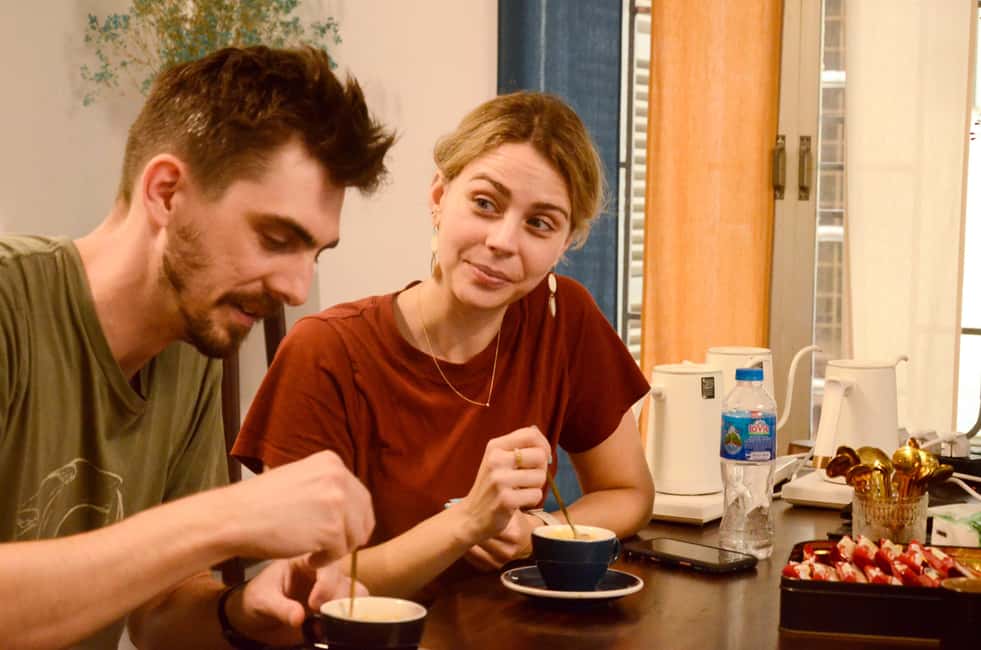
- Fresh lotus stamens, not just a lecture: you smell and learn what real lotus aroma should feel like.
- How to spot authentic lotus tea: you get a quick method to separate true scenting from imitation flavor.
- Hands-on brewing coaching: water temperature, steeping time, and tea-to-water ratios are taught clearly.
- Aroma layers you learn to name: gentle bitterness, sweetness, and the long aftertaste are part of the lesson.
- Lotus tea + floating cakes: the pairing is built into the experience, not an afterthought.
- Small story detour to Da Lat coffee: the activity connects to education support for coffee farmers’ children in Da Lat.
Why West Lake lotus tea is more craft than drink
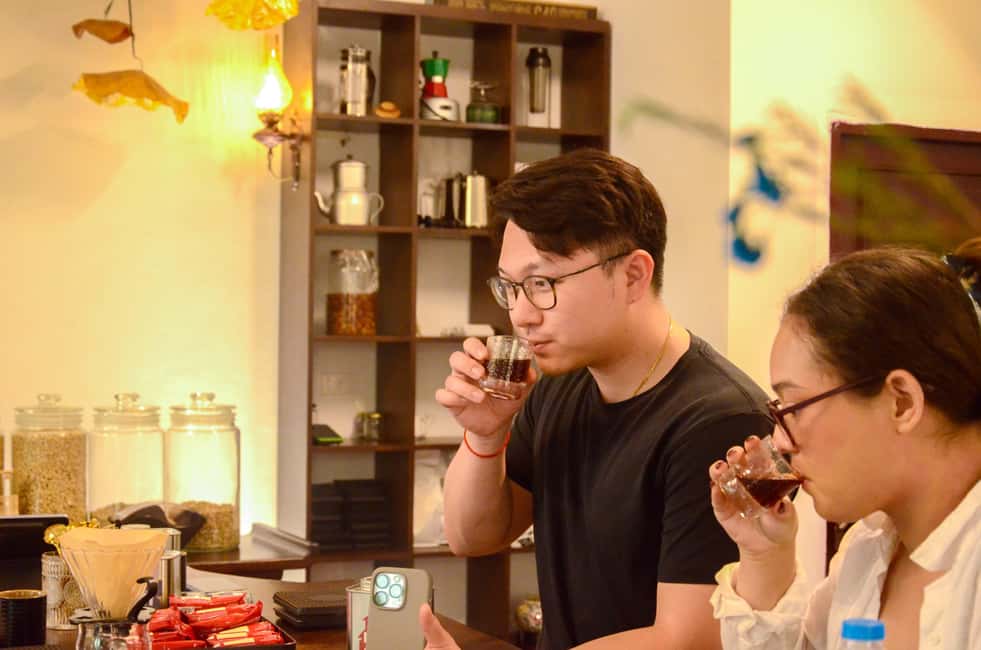
Lotus tea in Hanoi is not just a scented tea that tastes good. It’s a craft that depends on timing, scent transfer, and careful repetition. That is exactly the point of this ceremony. You are not only tasting; you are learning how the flavor is created.
The host explains why West Lake lotus tea has that special status in Vietnam. The big idea is the scenting process. Lotus stamen scent has to cling to the tea through a careful, multi-day technique, and the patience behind that method is part of what makes the final cup feel layered instead of one-note. You learn that the process has stayed consistent for generations, which helps you understand why authentic lotus tea tastes different from newer flavored products.
This is also where your sense of smell becomes a tool. Before you even brew, you will see and smell fresh lotus stamens and compare what you expect to what the tea delivers. You’ll also practice distinguishing authentic lotus tea from flavored alternatives. That skill matters because in tea markets, it’s easy to spot a pretty label and assume you are getting the real scenting story. Here, you learn how to slow down enough to notice the difference.
You can also read our reviews of more tours and experiences in Hanoi.



The preserved villa setting makes the tea lesson feel real
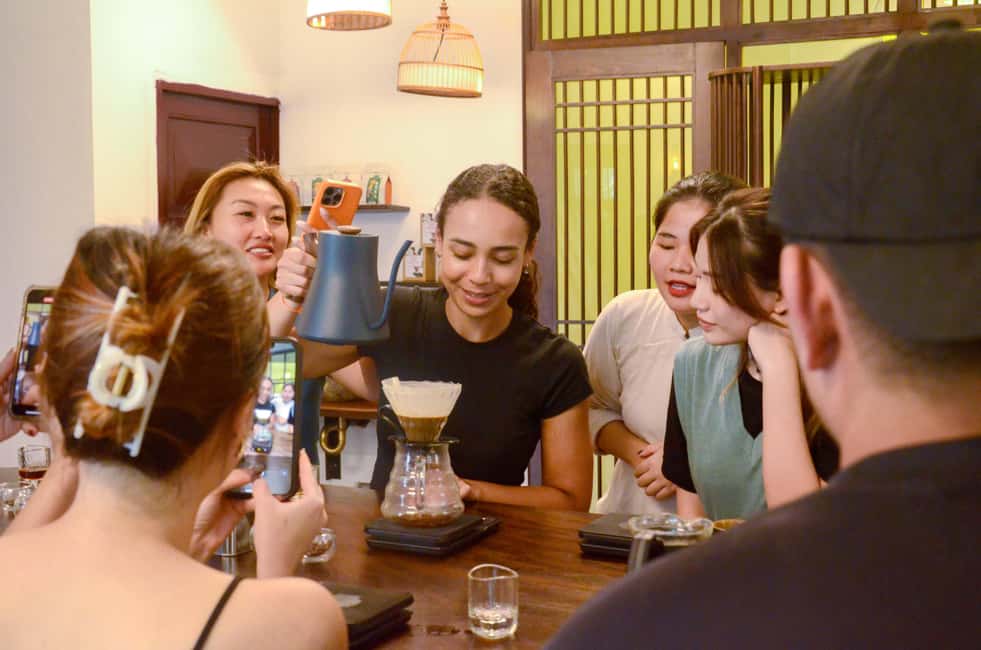
You do the ceremony in a peaceful, preserved heritage villa. That matters more than it sounds. When the setting is quiet, you actually have time to smell, pause, and pay attention to how the aroma changes from cup to cup.
You start with a short, gentle tea mindfulness introduction. It’s not spiritual theater. It’s a simple reset. Your body and mind slow down, and that makes the tasting easier. When you later brew and sip, you’ll be able to pick up the aroma layers more clearly because you are not rushing through them.
In a place like this, even the structure of the experience feels intentional. You are guided from story to senses to technique to tasting. The villa atmosphere keeps the whole flow from turning into a checklist. You end up leaving with a better memory of what lotus tea is supposed to smell like and how it should develop on the palate.
The fresh lotus stamen smell test (and how not to get fooled)
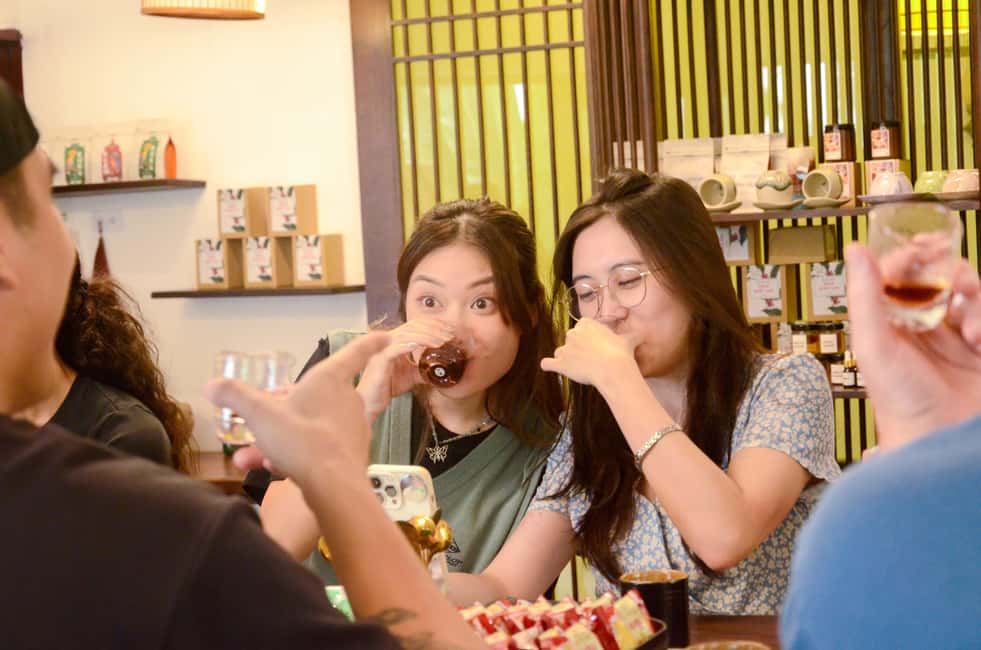
One of the most memorable parts is the moment you handle fresh lotus stamens. This is where the ceremony stops being abstract. You learn what authentic lotus scent should feel like before you try it inside the tea.
Your host shares stories tied to West Lake lotus tea and why the scenting process matters. Then you practice recognition. That includes learning how to distinguish authentic lotus tea from flavored alternatives. The goal is not to become a tea snob. It’s to give you practical pattern recognition: if a product is only flavored, you’ll often sense it in a flatter aroma that doesn’t build the way properly scenting does.
You also learn the patience behind the multi-day technique. This helps you respect what is happening. Lotus tea can take more time than many people expect, and that time is basically what you taste later. When you understand that, the cup feels like a process you can follow instead of a mystery you’re just buying.
Brewing lotus tea step-by-step: temperature, time, ratio
This is the part I think you’ll use the most later. The ceremony moves into real brewing instruction, with hands-on guidance from tea connoisseurs.
You learn:
- water temperature guidance
- steeping time
- tea ratio
These three details are the difference between a pleasant floral cup and one that tastes thin, too strong, or flat. You are taught to brew with intention, not guesswork.
Then comes the tasting lesson. Sip slowly and focus on aroma layers. You’ll notice gentle bitterness in a balanced way, then the long sweet aftertaste that lotus tea is known for. That aftertaste is key. Many floral teas can smell nice but fade quickly. Lotus tea’s sweetness tends to linger, and once you learn to recognize it, you can evaluate future cups much faster.
This is also where comparisons help. After the lotus tea experience, you taste another Vietnamese scented tea as a reference point. That side-by-side moment makes it easier to understand what makes lotus tea unique rather than simply liking it because it’s pretty.
Floating cakes pairing: a small bite that changes the whole cup
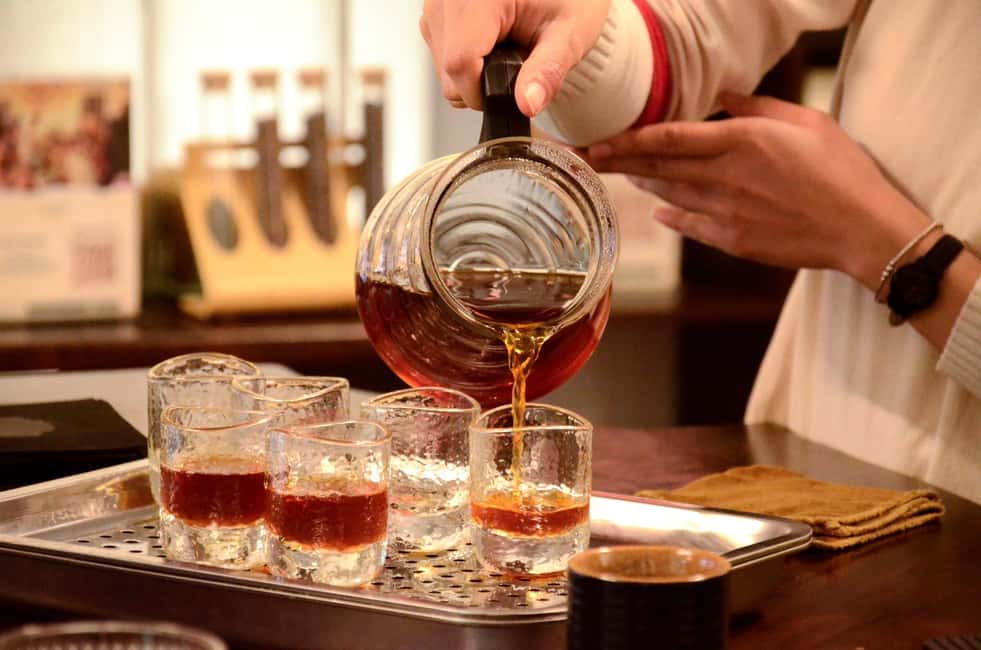
The ceremony doesn’t end at tea. You pair your lotus tea with traditional Vietnamese floating cakes, which are meant for that same slow, careful pacing.
Floating cakes are a fun choice for tea because they don’t overpower aromatics. They support the taste experience without turning it into a sugar-fest that drowns everything else. With lotus tea, that balance is exactly what you want. The long sweet aftertaste needs a partner that is interesting, not loud.
The pairing also helps you remember the flavor profile later. If you’ve ever had tea without food and then tried to replicate it at home, you know it can be hard. Here, the ceremony teaches you a full sensorial moment: aroma, sip, bite, and then how the sweetness lingers.



The Da Lat coffee farmers story adds real-world meaning
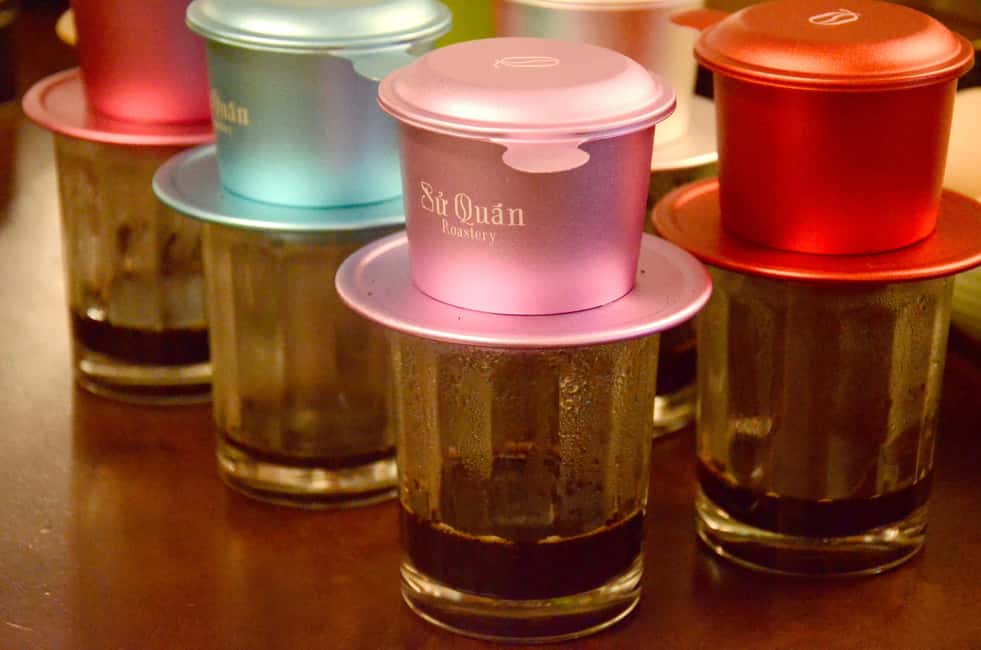
This experience is labeled Hanoi: Taste Fresh Lotus Tea Ceremony & Untold Stories, and the untold part includes a connection to Da Lat coffee. The activity contributes to the education of coffee farmers’ children in Da Lat.
Why this matters: it turns your ticket from a pure taste workshop into something with a social thread. You are still learning lotus tea techniques, but you’re also learning how the broader Vietnamese food story includes coffee farmers and education support. Reviews reflect that angle too, with people noting they learned about coffee and Vietnamese culture, not just tea.
You don’t need to know anything about coffee to enjoy this segment. It’s presented as part of the story behind the experience, and it gives you a reason to care beyond your cup.
Price and value: what $28 gets you in real life
At $28 per person for about 150 minutes, you are paying for more than a drink. You are buying a structured lesson, sensory training, and a chance to learn brewing technique you can reuse.
Here’s what you actually get:
- an engaging workshop covering Hanoi lotus tea history, cultivation, and roasting techniques
- guidance from seasoned tea connoisseurs
- recipe book so you can make the brews anywhere
- pictures or photos sent via a Google link after the workshop
- a professional certificate if you request it
- English and Vietnamese instruction
- pickup and drop-off with times that may vary slightly due to traffic
Add that up and the value starts to make sense. Many tea experiences either focus on stories with no technique, or on tasting with no coaching. This one gives you technique (temperature, time, ratio) and a way to remember it (recipe book and photos). If you like hands-on cultural activities and you want a souvenir that is edible and repeatable, this price feels fair.
Who should book this Hanoi lotus tea ceremony
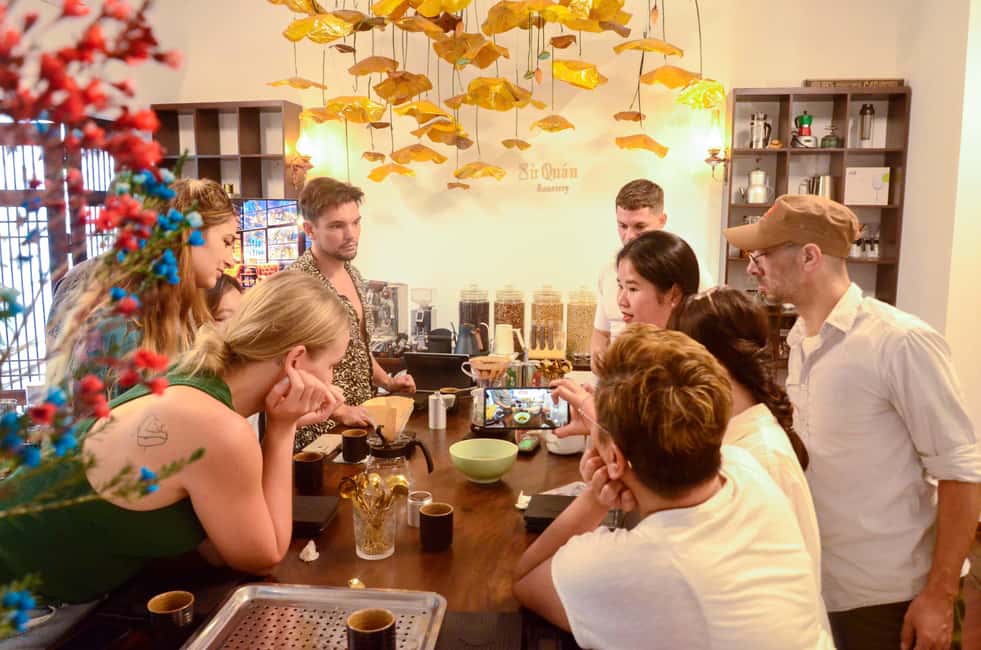
You’ll probably love this if:
- you want a calm cultural break from busy Hanoi
- you enjoy sensory learning (smell, taste, compare)
- you like getting practical instructions, not just watching
- you want a tea lesson that you can repeat at home using the recipe book
- you are interested in how Vietnamese tea traditions connect to other local stories, like Da Lat coffee
You might skip it if you’re the type who wants big outdoor sights and fast movement. This is a slow, thoughtful workshop. It is not trying to be a full day of ticking landmarks.
If you are traveling solo, it can still work well because the format is guided and structured. If you are traveling with friends who like food and light cultural education, it also makes a good shared memory.
Final call: should you book this lotus tea ceremony?
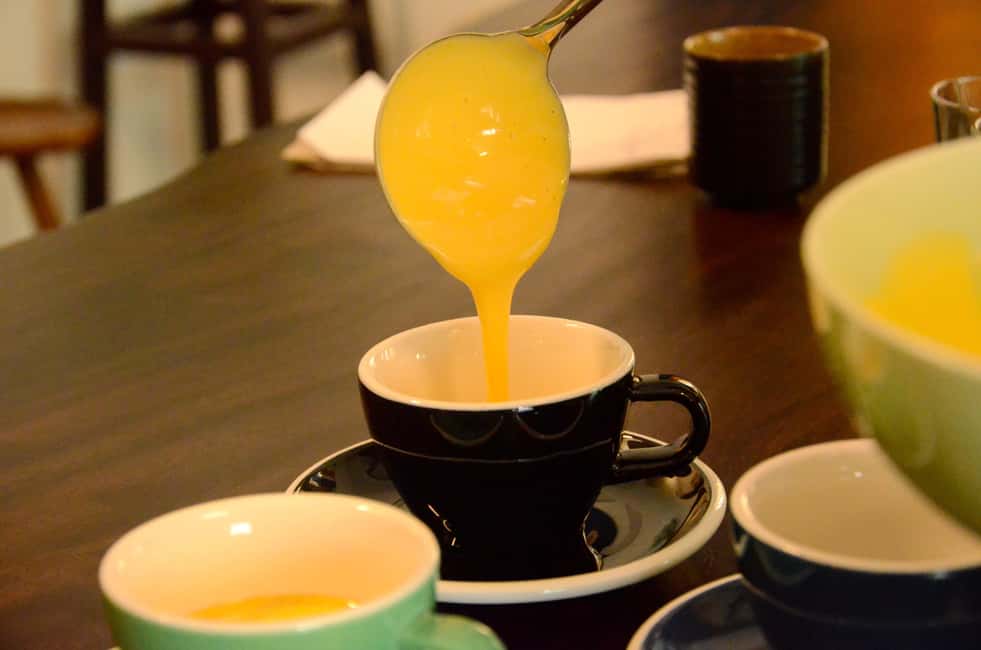
If you want Hanoi with your senses turned up and your stress turned down, book it. The biggest reason is the combination: authentic West Lake lotus tea storytelling, fresh lotus stamen smell practice, and hands-on brewing coaching with temperature, time, and ratio. Then you finish with a real food pairing and a comparison tasting that makes you smarter, not just full.
I’d only hold off if you dislike floral teas or you need a fast itinerary. Otherwise, $28 for 150 minutes of guided technique, a recipe book, and photo sharing feels like solid value.
FAQ
How long is the Hanoi lotus tea ceremony experience?
The experience runs for about 150 minutes.
What is the price per person?
The price is $28 per person.
Is the workshop taught in English?
Yes. Instruction is available in English and Vietnamese.
What does the ceremony include besides tasting tea?
You get a workshop that covers lotus tea history, cultivation, and roasting techniques, plus hands-on brewing guidance and pairing with traditional Vietnamese floating cakes.
Can I learn how to brew lotus tea for later?
Yes. You receive a recipe book with the brewing guidance so you can make the brews at home.
Is there a certificate available?
A professional certificate is available if you request it.
Are pickup and drop-off included, and do times stay exact?
Pickup and drop-off are provided. Times may vary slightly due to real traffic conditions.
Is the venue wheelchair accessible?
Yes, the activity is listed as wheelchair accessible.
Is the activity refundable if my plans change?
Free cancellation is available up to 24 hours in advance for a full refund.