REVIEW · HIKING & TREKKING
Sapa hard trekking villages homestay 3days/ 2nights tour – amazing culture
Book on Viator →Operated by David Tran Travel - Day Tours · Bookable on Viator
Sapa hits different when your plan is walking, not sightseeing. This 3-day hard trekking villages homestay tour links rice-terrace views with real village time, and it’s run as a small group so you’re not just shuffling with everyone else. You’ll meet ethnic Hmong, Giay, Tay, and Red Dao communities through home visits, shared meals, and a route that’s built around the countryside.
Two things I especially like are the homestay setup (you sleep with local families, not in a “show” room), and the way the hikes keep changing scenery day to day. One thing to consider: the trekking can be a real workout, and the overnight stays are basic (sharing bathroom), so pack for simple comfort.
In This Review
- Key highlights worth knowing
- First Impressions: Pickup Timing and Your First Village Walk
- Day 1: Ta Van, Lao Chai, and a Giay Family Welcome
- Day 2: Bamboo Forest, Silk Waterfall Stops, and Ban Ho’s Tay Welcome
- Day 3: Nam Toong (Red Dao) River Walk, Waterfall Time, and Back to Sapa
- Guide Impact: English Explanations That Make the Hike Stick
- Food and Homestays: Why This Tour Feels More Authentic
- Price and Logistics: How $110 Adds Up (and What It Doesn’t Cover)
- Fitness, Weather, and What to Pack for Hard Trekking in Sapa
- Who This Tour Suits Best (and Who Might Want Another Option)
- Should You Book This 3-Day Hard Trekking Villages Tour?
- FAQ
- How long is the tour, and what time does it start?
- What’s included in the $110 price?
- Where do you stay during the 3 days?
- Is the trekking suitable for most people?
- What happens if the weather is bad?
- What is the cancellation policy?
Key highlights worth knowing
- Homestay-focused nights with shared family meals and daily-life interaction
- English-speaking guide and small-group feel (max 15 people)
- Route built around ethnic villages like Ta Van, Y Linh Ho, Lao Chai, Giang Ta Chai, Ban Ho, and Nam Toong
- Two full days of trekking with bamboo forest walking, a silk waterfall stop, and terrace viewpoints
- Meals and trekking fees included, so you can budget without surprise add-ons
- Weather-dependent: poor conditions can change dates or trigger a refund/alternate schedule
First Impressions: Pickup Timing and Your First Village Walk
Your day starts in the Sapa area, with pickup from your hotel or the bus station around noon, then a clear meeting point at Delta Sapa Hotel for the afternoon start. Expect the rhythm to be: check in with the team, grab lunch, then start walking in the early afternoon. It’s not an early-morning trek, which I like. You can settle into the trip, get your legs ready, and still enjoy late-day light over the terraces.
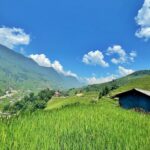
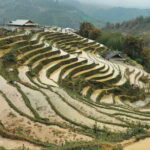
The first planned walking segment drops you into the Hmong cultural landscape right away. You’ll head down toward Y Linh Ho, a village area associated with the Hmong minority, where the views include terrace patterns that have been around for roughly a century. Even if the weather is foggy (it happens a lot up here), the village-to-village sightlines still make the photos worth the effort.
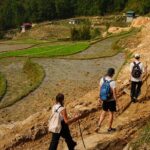
Practical note: this is a hard-trekking style itinerary, so you’ll want shoes with grip. The route is rural and uneven. Also, bring a small daypack for snacks, water, and a light layer—because conditions in northern Vietnam can shift quickly.
You can also read our reviews of more hiking tours in Sapa
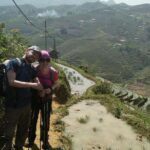

Day 1: Ta Van, Lao Chai, and a Giay Family Welcome
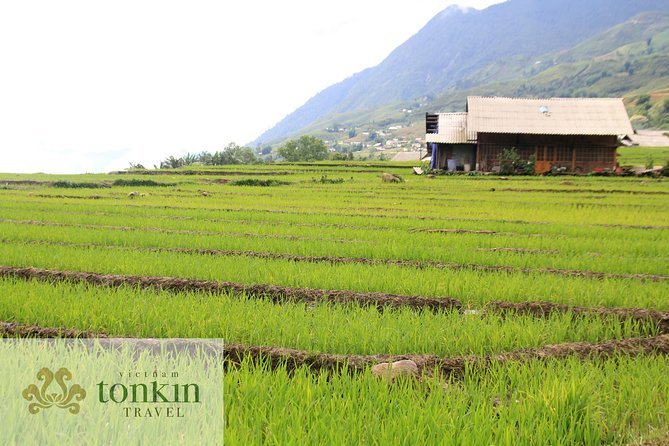
Day 1 is designed like a cultural orientation hike. After lunch at the hotel, you depart around 2:30 PM for the walk from Y Linh Ho down toward Lao Chai, then continue on to Ta Van for your first homestay night. The day is long enough to feel like you did something real, but not so long that you’re wiped out before you meet your hosts.
Here’s what makes this first afternoon special:
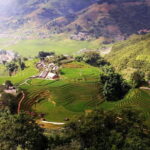
- Y Linh Ho to Lao Chai puts you where terrace systems and village life overlap. The terraces aren’t just scenery; they’re part of how people live.
- Lao Chai village stop includes a breather with drinks and viewpoints. It gives you a pause to absorb what you’re seeing before you keep walking.
- Ta Van arrival means you get welcomed by a local Giay family and spend the night in their home.
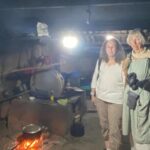
In plain terms, the Ta Van homestay is where the experience turns from “seeing villages” into “sharing a day in a village.” You’ll cook and have dinner with the local family, which is exactly the kind of interaction that makes this trip feel more human than tour-bus tourism. If you’re the kind of person who likes asking simple questions—about daily routines, food, or village crafts—this first night sets you up well.
One caution: homestays are described as basic rooms with sharing bathroom. That can be totally fine, but it means you should pack your expectations accordingly. Bring whatever makes sleeping easier for you—light sleepwear, a small towel if you prefer it, and anything you rely on for hygiene.
Day 2: Bamboo Forest, Silk Waterfall Stops, and Ban Ho’s Tay Welcome
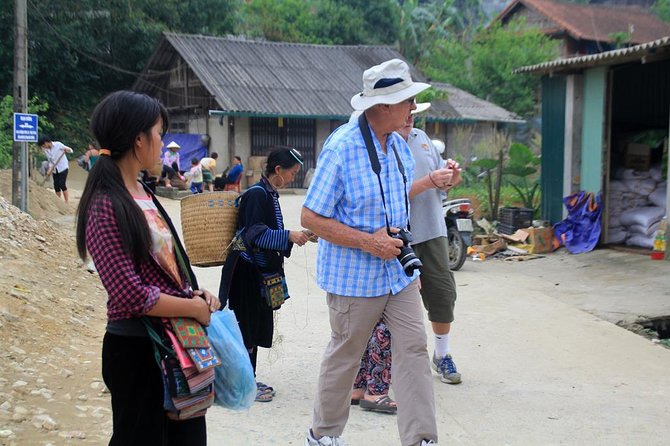
Day 2 is where the trek workload really ramps up. You’ll wake up in the village—yes, the morning can be loud in rural Vietnam—and have breakfast that’s described as outdoor-style pancakes with hot tea or hot coffee, plus terrace views you can look at while you eat. Then you say goodbye to the first homestay family and start the main trekking stretch.
The route includes:
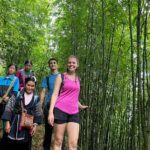
- A bamboo forest walk
- A silk waterfall area stop
- A trek onward to Giang Ta Chai village
- Then continuation to Ban Ho, where you’ll be welcomed by the local Tay community
This is also the day with the picnic lunch. That matters because it breaks up the walking with a change of pace and keeps you from ending up hungry and cranky on the trail. The itinerary builds in scenic breaks, including views across rice terraces after trekking segments.
The Ban Ho overnight is the second big “life” moment. Dinner with the local family and another homestay night means you’ll compare two village cultures back to back—Hmong/Giay tones in one place, Tay community rhythms in another. Even if you don’t speak the language, you’ll notice the differences in food style, daily routines, and the way families share space.
From a comfort standpoint, expect the second night to feel easier than the first because you know what the setup will be. Still, keep the same strategy: pack for simple accommodations and plan to treat each day as “moving and living,” not “checking into a hotel.”
Day 3: Nam Toong (Red Dao) River Walk, Waterfall Time, and Back to Sapa
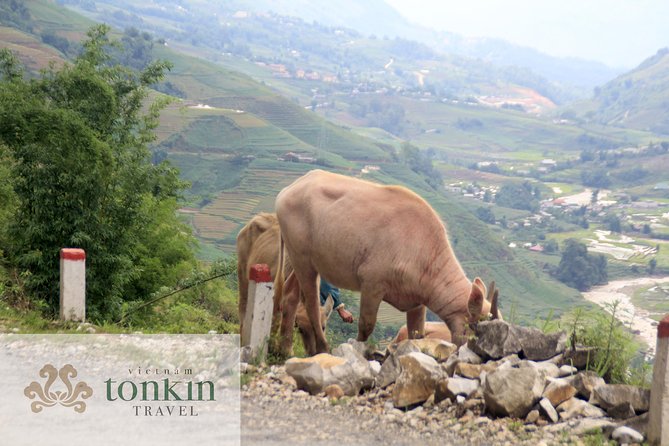
Day 3 keeps the pace outdoors and finishes with a practical return plan. You’ll wake up, have breakfast at the homestay, then do a short walk along the river with breathtaking scenery toward Nam Toong village, associated with the Red Dao minority. Then you return to Ban Ho.
There’s also a swim-or-wade style moment built in: you can dip into fresh water near Lavie waterfall. If you bring a small packable towel and you don’t mind getting wet, this is one of those simple, memorable pauses that doesn’t require planning or equipment beyond what you already carry.
After that, you head back to the homestay for lunch, then transfer by car to Sapa. You’re scheduled to return to Sapa around 2:00 PM, shower at your hotel, and then the shuttle takes you to the bus office around 3:00 PM for onward travel to Hanoi. Sandwiches are prepared for you to take away before you leave.
That last part matters more than it sounds. After days of walking, you don’t want to scramble for food at the end. The sandwich plan helps you leave feeling fed instead of rushed.
Guide Impact: English Explanations That Make the Hike Stick
A lot of trekking tours show you scenery. What makes this one feel higher value is the English-speaking guide and the village explanations. In the past, guides such as Ha, Tran, Dem, Dinh, Jack, Lu, and Hung are mentioned for friendly, funny, or strongly informative storytelling, plus good English. I’d treat that as a clue about what to look for in your guide experience: clear explanations and a guide who helps you understand what you’re seeing without turning it into a lecture.
When you have that, the route gets easier mentally. You stop seeing random villages and start recognizing the logic: who lives where, why terraces matter, and how daily life connects to the terrain.
Small-group size is part of this too. With a max of 15 people, the guide can answer questions without shouting over a crowd. If you’re the type who asks follow-ups—about customs, village life, or how people handle farming on steep slopes—you’ll be glad this isn’t a giant group.
You can also read our reviews of more tours and experiences in Sapa

Food and Homestays: Why This Tour Feels More Authentic
The itinerary makes food a core part of the experience, not an afterthought. You get all meals listed in the inclusions: breakfast twice, lunch three times, and dinner twice. That’s a big deal in mountainous regions where eating options can be limited once you step off the main road.
You’ll try local home cooking with host families in Ta Van and Ban Ho. Cooking and sharing dinner in Ta Van is a highlight because it’s interactive. In Ban Ho, dinner with the Tay family becomes another “read the room” moment—watch how people eat, how families talk, and how daily routines work when you’re a visitor inside the home.
If you’re worried about dietary restrictions: the tour includes meals, but beverages and drinks are not included. The data doesn’t list dietary accommodations. So if you have strict needs, it’s smart to contact the provider before you book and ask what can be arranged.
Also, pack for basic bathrooms and shared rooms. This kind of homestay isn’t about luxury; it’s about access to everyday life. If you come with that mindset, you’ll probably feel like the value is strong.
Price and Logistics: How $110 Adds Up (and What It Doesn’t Cover)
At $110 per person for about 3 days, this tour is priced in a way that makes sense if you compare it to the cost of piecing it together yourself. You’re not just paying for a guide—you’re paying for:
- Two nights of homestay/basic lodging
- All meals included in the itinerary
- Entrance and sightseeing fees that are bundled into the trip
- Trekking trip support and an air-conditioned vehicle for transfers
- English-speaking guiding and a route that’s already planned
What’s not included is beverages and drinks. Also, there’s a Lunar New Year surcharge of $50 per person on specific February dates in 2026. If you’re traveling around that period, budget the extra cost.
One more practical point: you’ll have a mobile ticket, and the trip runs with a set start point at Delta Sapa Hotel (start time 1:00 PM). That’s helpful for people who hate “mystery meetups.” And you do get pickup from hotels or the bus station around noon, so you don’t need to get there completely on your own.
My biggest logistics advice is this: plan for a full hiking mindset. You’ll be moving most of the time. Keep your valuables minimal and your expectations realistic about accommodation. If you do that, the price feels fair for what you’re getting.
Fitness, Weather, and What to Pack for Hard Trekking in Sapa
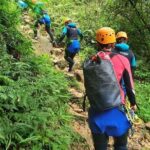
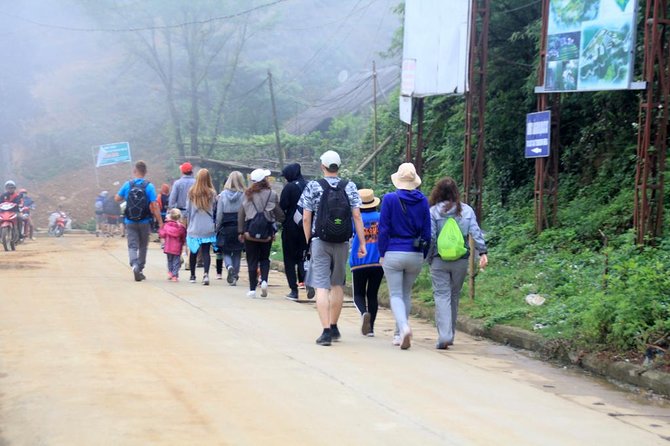
This is an active outdoors tour. The hike segments are long enough that Day 2 in particular feels like the main push, with several trekking hours plus bamboo and waterfall areas. One review snippet even notes the trek being quite a challenge. That matches the itinerary length and the fact that you’re walking between villages and descending/ascending on rural terrain.
Weather is also not a side note here. The experience requires good weather. If it’s canceled due to poor conditions, you’ll be offered a different date or a full refund.
So what should you pack?
- Sturdy hiking shoes with grip
- A light rain layer or compact poncho (mountain weather can shift)
- Extra socks
- A small daypack
- Sun protection (fog happens, but sun can still show up)
- A refillable water bottle
If you want the best day-views, you can’t always control fog, but you can control preparation. Layers help because mornings may feel cooler, and afternoons can warm up even when the peaks look hidden.
Who This Tour Suits Best (and Who Might Want Another Option)
This tour is ideal if you want outdoor effort plus cultural contact. If your idea of a great trip is walking between rice terraces, meeting village families, and eating what locals cook, you’ll likely love the pace.
It’s also a good match for people who don’t want to plan logistics across multiple days. The itinerary is built for you: homestay nights, meal timing, guided routes, and transfers back to Sapa and then onward to Hanoi.
Where it might be less ideal:
- If you hate uneven walking or you’re not comfortable with a few days of hiking.
- If you strongly prefer private ensuite bathrooms and hotel-level bedding.
- If you need very specific dietary arrangements, because meals are included but the details of special diets aren’t provided here.
For most people, though, the combination of small-group guiding and homestay connection makes the trip feel worth it.
Should You Book This 3-Day Hard Trekking Villages Tour?
I’d book it if you want the Sapa story beyond the viewpoint crowds. The value comes from three places: the homestay nights, the structured multi-day trekking, and the fact that meals and key fees are included. You get a clear plan, small-group attention, and a route that connects multiple ethnic communities instead of repeating the same scenery.
If you’re choosing between “easy walks” and “hard trekking,” pick this when you mean it about walking. And if you’re sensitive to basic accommodations, go in prepared—simple rooms and sharing bathrooms are part of the deal.
If that matches your travel style, this is a smart way to experience northern Vietnam in a grounded, human way.
FAQ
How long is the tour, and what time does it start?
The tour runs for 3 days (approx.) and starts at 1:00 PM. Pickup from hotels in Sapa or the bus station is scheduled around noon time.
What’s included in the $110 price?
It includes an English-speaking guide, entrance and sightseeing fees, the trekking trip, two nights’ accommodation in basic homestay-style rooms (sharing bathroom), and meals (two breakfasts, three lunches, and two dinners). Beverages and drinks are not included.
Where do you stay during the 3 days?
You stay for two nights: the first night in a Giay family homestay in Ta Van, and the second night in a Tay community homestay in Ban Ho village. One night includes cooking and dinner with the host family.
Is the trekking suitable for most people?
The tour notes that most people can participate, but it is still a hard-trekking style itinerary with long walking segments, so comfortable walking shoes and a good fitness baseline matter.
What happens if the weather is bad?
The experience requires good weather. If it’s canceled due to poor weather, you’ll be offered a different date or a full refund.
What is the cancellation policy?
You can cancel for a full refund up to 24 hours in advance of the experience’s start time. If you cancel less than 24 hours before the start time, the amount you paid will not be refunded.