REVIEW · HANOI
Beauty of Vietnam and Cambodia holidays and package in 15 days water way
Book on Viator →Operated by LVP TRAVEL · Bookable on Viator
Few trips feel this “river-to-temple” focused.
This 14-day Vietnam and Cambodia package strings together big-ticket sights with real time on the water—then adds history you can actually process, from Cu Chi Tunnels to Angkor Wat. I especially like how the days mix modern cities with ancient capitals, instead of treating everything as checkboxes, and I like that your logistics are handled with pickup, transfers, and entrance fees bundled in. One drawback to consider: the pace is busy, and the water parts depend on weather, so a rough day can affect comfort and timing.
You’ll start in Hanoi’s Old Quarter, cruise the bay region, ride an overnight soft-sleeper train to Central Vietnam, and then keep moving through the Mekong river world before landing in Cambodia’s biggest historical moments. It’s a smart choice if you want the highlights without spending your trip budgeting for constant taxis and separate tickets.
In This Review
- Key Things That Make This Trip Work
- A Route That Links Hanoi, Ha Long, Hoi An, Ho Chi Minh City, Phnom Penh, and Angkor
- First Stop: Hanoi Old Quarter After Noi Bai Airport Pickup
- Trang An Grottoes and Bai Dinh: Limestone Scenery With a Spiritual Break
- Ha Long Bay Cruise and Vung Vieng: A Water Day That Doesn’t Feel Like a Factory Tour
- Overnight Soft-Sleeper Train to Da Nang: The Sleep-on-the-Move Strategy
- Hoi An Ancient Town Plus Fishing Basket Boat Fun
- Marble Mountains and Âm Phủ Cave: Short Walks, Big Views
- Ho Chi Minh City and Cu Chi Tunnels: History You Feel in Your Chest
- Mekong Delta to Can Tho: Sampan River Time, Cycling, and Homestay-Style Moments
- Cai Rang Floating Market to Phnom Penh: Cambodia Arrival With Momentum
- Phnom Penh’s Two-Day History Punch: Royal Palace and Tuol Sleng
- Siem Reap and Angkor Area: A Full Day at the Core Temples
- Free Time in Siem Reap: Let the Temples Settle In
- Price and Value: What You’re Getting for About $1,590
- Weather and Pacing: The Two Things to Plan Around
- Should You Book This Vietnam and Cambodia Water-Ways Package?
- FAQ
- How long is the Vietnam and Cambodia package?
- Where does the trip start?
- What is included in the price?
- Is there an overnight train?
- How big is the group?
- Does the tour depend on weather?
- Is it refundable if I cancel?
Key Things That Make This Trip Work
- Water-focused highlights: Bai Dinh-to-Ha Long-to-Mekong, with river life built into the schedule
- Overnight soft-sleeper train: a long transfer handled in motion, not wasted daytime
- Hoi An “local day” style activities: farming/cooking/lantern-making energy paired with time in the Old Town
- Real history stops: Cu Chi Tunnels in Vietnam, then Tuol Sleng in Phnom Penh
- Small-ish group size: capped at 20 travelers, which helps tours feel less chaotic
A Route That Links Hanoi, Ha Long, Hoi An, Ho Chi Minh City, Phnom Penh, and Angkor
This is a classic Southeast Asia “southbound” route with a clear theme: waterways + enduring history. You’re not just hopping cities; you’re moving along Vietnam’s river and coastal rhythms, then switching to Cambodia’s temple geography.
The value here isn’t only the destinations. It’s the way the trip stitches them together with scheduled transport and bundled entrance fees. If you want to see a lot in two weeks and you don’t want to constantly plan bus times, this route is built for you.
You can also read our reviews of more tours and experiences in Hanoi.


First Stop: Hanoi Old Quarter After Noi Bai Airport Pickup
Your trip starts with a driver meeting you at Noi Bai Airport, then dropping you into Hanoi’s Old Quarter for an easy first evening. That matters because the first day is when jet lag can steal the joy. You get free time right away to walk the 36 streets and get your bearings fast.
Old Quarter evenings can be loud and busy, but that’s part of the charm. You’ll have time to find a simple meal, get a feel for street life, and sleep well before the day trips start.
Trang An Grottoes and Bai Dinh: Limestone Scenery With a Spiritual Break
Day two takes you out to Trang An Tourism Complex in Ninh Binh, a UNESCO-listed area known for karst scenery and grotto passages. Expect a slow, scenic pace. This is the kind of place where you’ll want to take photos, then set the phone down and just watch the rock formations glide past.
After that, you visit Bai Dinh Pagoda. It’s a different vibe than Trang An. Bai Dinh is more about scale and religious atmosphere, so it balances out the nature-heavy morning with a calm, reflective stop.
The main consideration: you’ll be on the move again after breakfast-type timing. If you hate long travel days, plan to keep your mornings flexible and your expectations realistic.
Ha Long Bay Cruise and Vung Vieng: A Water Day That Doesn’t Feel Like a Factory Tour
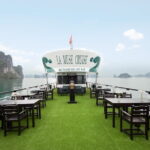
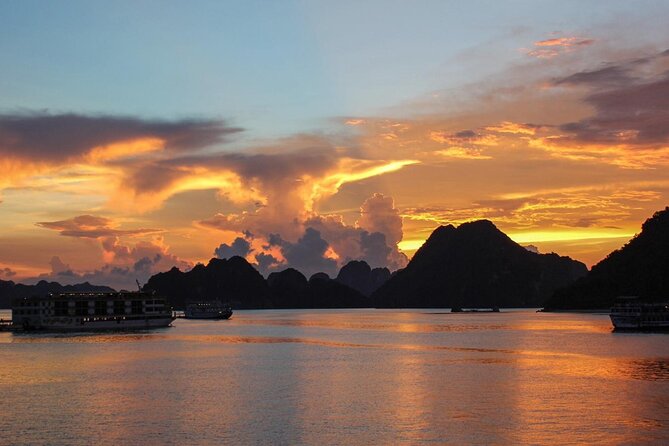
Ha Long Bay is the obvious headline, but what makes this program appealing is how it structures the day around quieter water time. You drive in through the Red River Delta area, then board at the wharf.
On day four, you’re set up for breakfast and sunrise on the bay. Sunrise turns Ha Long from a scenic postcard into something more atmospheric, and it’s a nice reward after the earlier day’s travel. Then you visit the Vung Vieng floating village, where the focus is more on peaceful water life than big crowd spectacle.
One practical note: mornings can be cool. Bring a light layer even if you’re traveling in warmer months.
Overnight Soft-Sleeper Train to Da Nang: The Sleep-on-the-Move Strategy
Instead of killing your day with transportation, the program schedules an overnight train after you finish in the Ha Long area. The train run is described as about 16 hours, so it’s a real time saver.
This is the kind of logistics choice that can make you feel like you’re traveling smarter, not just faster. You’ll have time to pack snacks for the journey, and your day doesn’t disappear into a bus seat.
Trade-off: you’ll be sleeping in transit. If you’re a light sleeper, bring earplugs or a sleep mask. You’ll still enjoy the momentum, but your rest quality matters.



Hoi An Ancient Town Plus Fishing Basket Boat Fun

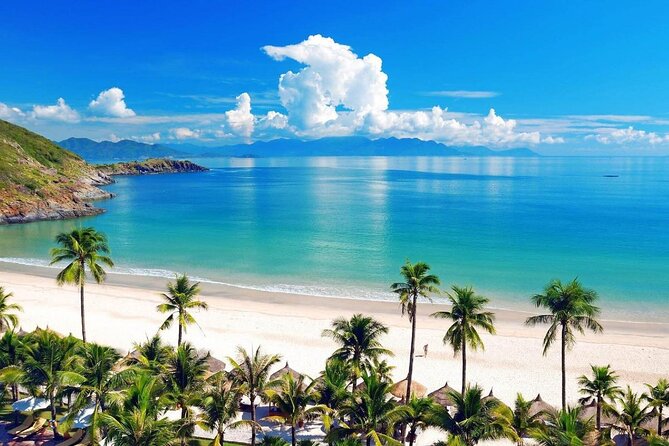
After arriving in Da Nang, you transfer to Hoi An and settle in with time to explore the Ancient Town. This is where you get that atmospheric walkability: old streets, lantern light, and a slower rhythm than the northern cities.
A standout addition is the hands-on style day. One option in the plan is a basket-boat fishing experience with local fishermen. It’s playful, very hands-on, and it gets you out of the museum mode for a full day.
If you like structured experiences, you’ll also see elements like lantern-making and cooking/farming style activities in the broader Hoi An concept. Even if the exact sequence varies by season, the intent is clear: you’re meant to leave understanding how daily life supports tourism here.
Marble Mountains and Âm Phủ Cave: Short Walks, Big Views
Day seven connects Marble Mountains and a cave visit before you fly into the next region of the trip. You start with an early pickup in Da Nang, then walk the Marble Mountains area and also pass by local stone sculpture factories. That’s useful because it explains what you’re seeing in the shops.
Then you head toward the large cave stop, Âm Phủ Cave, which includes Buddhism-related philosophies and plenty of photo opportunities. The cave can be physically simple but mentally tiring if you’re expecting a long hiking day—so treat it as a culture + viewpoint stop, not a full workout.
This day ends with you transitioning onward toward Ho Chi Minh City, so keep your energy for the evening.
Ho Chi Minh City and Cu Chi Tunnels: History You Feel in Your Chest
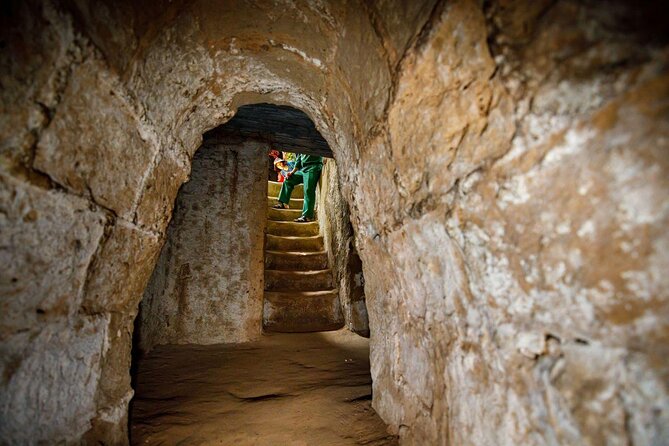
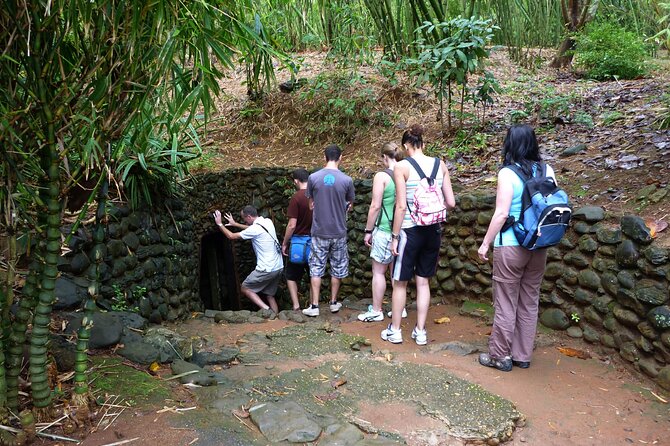
In Ho Chi Minh City, the program includes time for the Cu Chi Tunnels, a network tied to wartime resilience. The visit is described as covering the legend of the tunnels and the difficult reality of the area. The setting also includes peaceful rural visuals like rice paddies and water-side life, which makes the contrast hit harder.
What I like about including Cu Chi here is timing. You come from water days and pagodas; then you get a grounded history lesson. It forces perspective.
This isn’t “fun” history, but it’s one of the most important stops on the whole route. If you’re sensitive to heavy historical content, you can still enjoy it—but consider how much emotion you want to take in during your trip.
Mekong Delta to Can Tho: Sampan River Time, Cycling, and Homestay-Style Moments
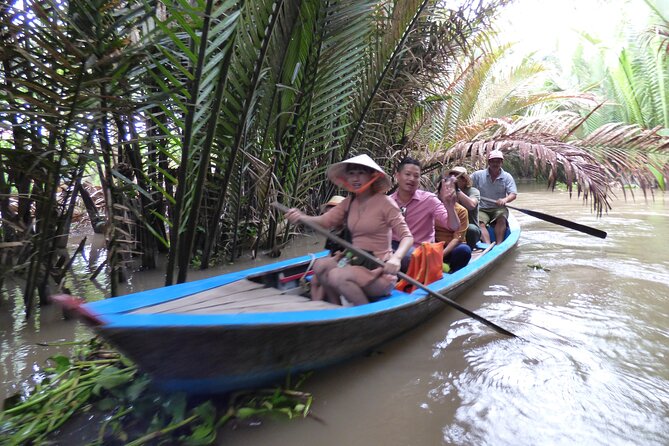
After Cu Chi, the tour shifts toward the Mekong Delta, and the day is structured around river life. You start with a move toward My Tho/Can Tho region, with a stop at Vĩnh Tràng Pagoda before boarding a sampan cruise. That river segment is the heart of the day because it slows everything down. You’re not just looking; you’re traveling through the ecosystem.
In the afternoon, the schedule includes cycling around Tan Thach village and meeting local people to experience daily life. There’s also mention of hammock relaxation if you prefer to take it easy instead of pedaling the whole time.
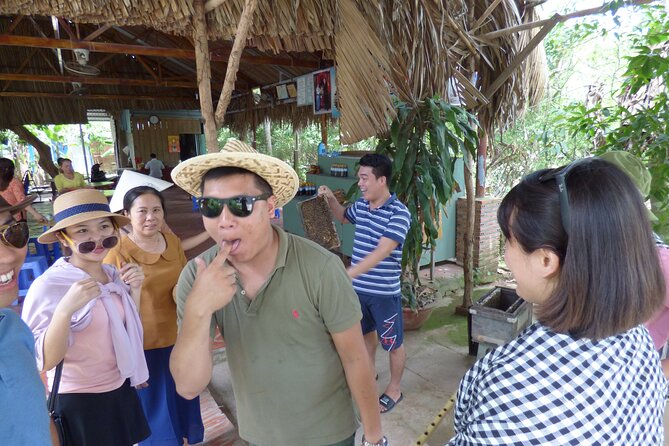
The tour overview also calls out a Mekong Delta homestay element with time sharing authentic moments with local families. Even if the exact homestay format can vary in practice, the intent is to add human scale to the river scenery. That’s what keeps the day from being only boat-based sightseeing.
Cai Rang Floating Market to Phnom Penh: Cambodia Arrival With Momentum
Next you head to Cai Rang Floating Market. This is one of those experiences that’s better when you arrive with your curiosity switched on. You’re seeing boats loaded with fruits and goods, but it’s also about watching how the river supports real commerce.
Then you take an express bus to Phnom Penh, about 5.5 hours, and check into a hotel. That bus leg matters for planning: you don’t need to fight with multiple local transfers, and you still arrive with enough time to reset.
This day is all about transition. If you get motion sickness easily, consider bringing something for the ride and drink water after you arrive.
Phnom Penh’s Two-Day History Punch: Royal Palace and Tuol Sleng
Day eleven concentrates Phnom Penh’s must-sees. First is the Royal Palace complex and the Silver Pagoda inside the grounds. The palace stop gives you a sense of Cambodian royal and cultural heritage through architecture and sacred spaces.
Then, in the afternoon, you visit Tuol Sleng Genocide Museum (S-21 prison). This is heavy. It’s not designed for light mood travel, and you should give yourself time to absorb what you’re seeing. The inclusion of this museum is one of the clearest reminders that Cambodia’s story is not just temples and sunsets.
If you prefer pacing, you might take a few breaks during the museum. The goal isn’t to rush; it’s to understand.
Siem Reap and Angkor Area: A Full Day at the Core Temples
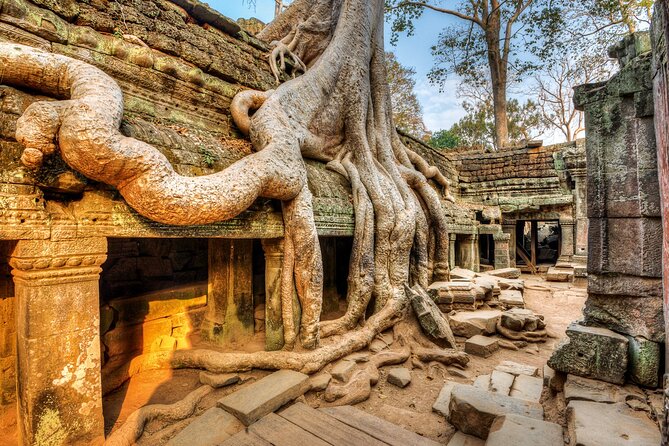
The trip moves to Siem Reap by bus, then dedicates a full day to Angkor-area ruins. You’re guided through major highlights around Angkor Thom, including the South Gate and its famous carved human faces.
Angkor rewards time, not just snapshots. A full day gives you room to see different angles, notice details in the stonework, and still have the energy to walk after longer temple segments.
Practical note: temple days can be hot and tiring. Wear comfortable shoes that you can live in for hours, and plan water breaks.
Free Time in Siem Reap: Let the Temples Settle In
On the final day, you get breakfast and then free time until a driver picks you up for departure to the airport. This is smart. After intense sightseeing, you don’t want your last hours swallowed by another packed tour.
Use the open time for a slow walk, last-minute gifts, or just sitting somewhere shady with a drink (those drinks are not included, so budget a bit for that). You’ll leave with the sights stored deeper, not just lined up.
Price and Value: What You’re Getting for About $1,590
At $1,590 per person for an approximately 14-day trip, the big value is what’s bundled. The program includes air-conditioned vehicles, pickup and drop-offs, and entrance fees for the attractions you visit. It also includes meals: breakfasts (listed as 13) and lunch (8), plus dinner.
That matters because in Vietnam and Cambodia, the cheapest “ticket” plans can quietly become expensive once you add entrance fees and separate transport day by day. Here, you have fewer surprises because the core costs are handled.
You still need to budget for personal expenses and drinks at meals. If you like soda, water, or coffee with every meal, those add up. So I’d treat meals-and-drinks as two budgets: included food and extra beverages.
Also, the group is capped at 20 travelers, which is a practical quality-of-life factor. Smaller groups usually mean less wasted time and less frustration at stops.
Weather and Pacing: The Two Things to Plan Around
The experience requires good weather. That’s especially relevant for the water-based portions, where rain or rough conditions can change comfort and timing. If you’re traveling in a season when storms are common, be ready for day-of adjustments and bring a rain layer.
Pacing is the other factor. You’ll move almost every day, with long days that include drive time, scheduled tours, and then evening check-in. It’s not a slow retreat. It’s a “see a lot, without doing the planning math yourself” kind of trip.
Should You Book This Vietnam and Cambodia Water-Ways Package?
Book it if you want:
- A packed highlights route across Vietnam and Cambodia without constant DIY planning
- Water time that’s more than just one boat ride, plus river markets and bay scenery
- Major history stops like Cu Chi and Tuol Sleng, included in the itinerary rather than optional
Think twice if:
- You want slow travel and lots of unscheduled downtime
- You’re a light sleeper and an overnight train is likely to disrupt rest
- You’re traveling during a period when weather risk is high and you can’t be flexible
If you like structure, appreciate bundled entrance fees and transfers, and you’re excited by river-and-temple themes, this one fits well.
FAQ
How long is the Vietnam and Cambodia package?
It’s listed as about 14 days (approx.), covering Hanoi, Ha Long area, Central Vietnam, the Mekong region, Phnom Penh, and Siem Reap.
Where does the trip start?
It starts at Noi Bai Airport in Hanoi, Vietnam, with pickup provided there and transfers to your hotel.
What is included in the price?
The package includes pickup/drop-off, air-conditioned transport, dinner, breakfast, lunch, and entrance fees for the attractions on the tour.
Is there an overnight train?
Yes. The itinerary includes an overnight soft-sleeper train from the Ha Long area/Danang segment, with the train described as taking about 16 hours.
How big is the group?
The group size is capped at a maximum of 20 travelers.
Does the tour depend on weather?
Yes. The experience requires good weather, and if it’s canceled due to poor weather, you’ll be offered a different date or a full refund.
Is it refundable if I cancel?
The experience is non-refundable and cannot be changed for any reason. If you cancel or request an amendment, the amount you paid is not refunded.