REVIEW · HIKING & TREKKING
Red Dao village trek and Herbal bath
Book on Viator →Operated by Sapa Trekking Hiking Tours · Bookable on Viator
A day in Ta Phin feels like a switch flips in Sapa. You’ll walk through Red Dao and Hmong areas, visit Ta Phin Cave in the shadowy stretch before the big chamber, and finish with herbal smoke baths meant to ease the wear-and-tear of trekking.
What I like most is the combination of people + place: you don’t just stare at scenery, you see daily life in Ta Phin village and get context from a local guide (including guides like May and Chacha who are called out for their clear explanations). I also really appreciate the practical value for $39—lunch, village/cave/monastery entry fees, herbal bath fee, a water bottle, and transport back to Sapa are included.
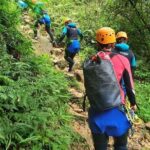
One thing to consider: this is not a flat stroll. The hike can feel challenging, and there’s a rough, dark 30m walk in the cave section—so bring shoes with grip and plan for a moderate physical day.
In This Review
- Quick hits before you go
- Ta Phin Village trek: why this feels different in Sapa
- Meet the Red Dao and Hmong life on the walk
- Ta Phin Cave: the 30m dark walk you actually feel
- Ta Phin Monastery: a 1942 site with religious roots
- Herbal smoke baths: how to make the end of the trek work
- Lunch and timing: how the 6 hours tends to feel
- Value check: does $39 make sense here?
- Logistics that matter: pickup, group size, and the 9:30 start
- The best fit: who should book this trek
- Should you book the Red Dao Village Trek and Herbal Bath?
- FAQ
- How long is the Red Dao village trek and herbal bath experience?
- Where does the tour start and end?
- Is pickup offered?
- What’s included in the price?
- What stops are part of the tour?
- How physically demanding is it?
- What happens if weather is bad?
Quick hits before you go
- Red Dao focus, with Hmong presence: Ta Phin is mostly Red Dao, with Hmong communities in the same village area.
- Ta Phin Cave has a real dark segment: about 30m of walking in the dark and bumpy ground before the cave opens up.
- Herbal smoke baths are the payoff: the day ends with four herbal smoke bath sessions designed to help you relax and recover.
- Small group pace (max 15): you’ll move as a group small enough for the guide to adjust routes.
- Historic stop at Ta Phin Monastery: built in 1942, tied to a Catholic religious practice, adding depth beyond the trekking.
Ta Phin Village trek: why this feels different in Sapa
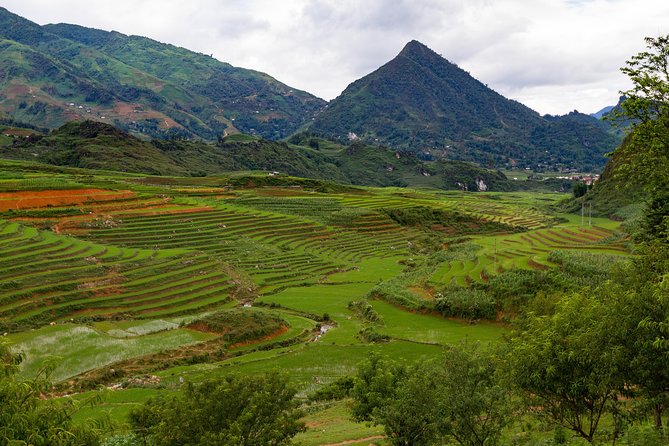
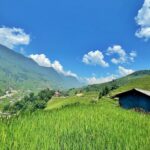
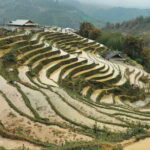
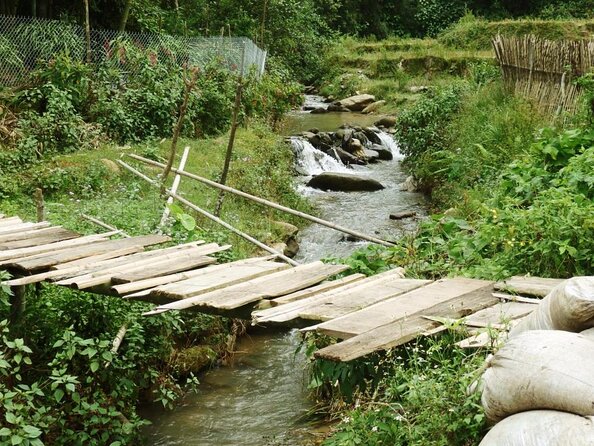
Sapa has plenty of easy viewpoints and convenient photo stops. This trek is different because it keeps you moving through real village surroundings—fields, gardens, and mountain paths—while also stopping at places with a story. You start around late morning (9:30 am) and spend about six hours on the move, including time at each stop.
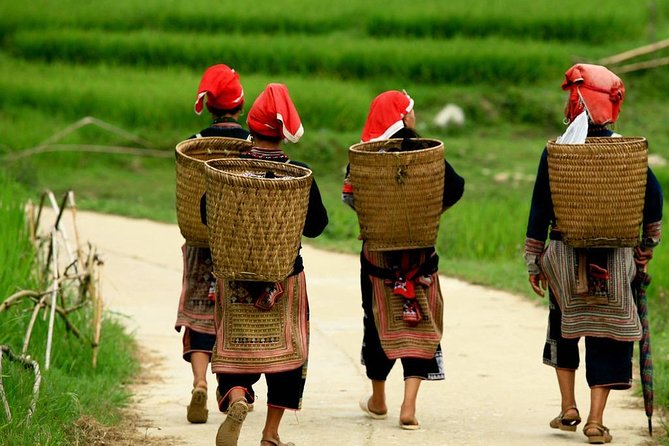
The setting matters here. Ta Phin is home to Red Dao and Hmong communities, and in Ta Phin you’ll spend most of your time with Red Dao culture. That focus changes the tone of the day. You’re not just ticking off landmarks; you’re seeing how people live in a mountain settlement and how traditions show up in everyday routines.
And then you get the reset at the end: herbal smoke baths. It’s not a generic spa stop. The experience is framed as a traditional recovery ritual—meant to relieve stress and tiredness after a trek. If you’ve been eating lots of snacks and taking lots of selfies in Sapa, this part can feel like the real reason you came.
You can also read our reviews of more hiking tours in Sapa
Meet the Red Dao and Hmong life on the walk
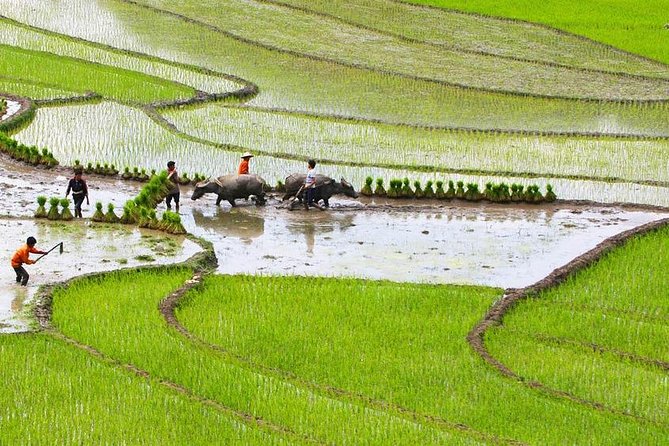
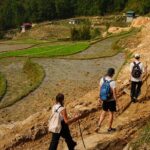
Most of the day’s “culture” happens while you’re walking. That’s usually the best way to learn here: you move through the area with a guide who can connect what you’re seeing to how people live.
In Ta Phin, the Red Dao presence is strong. You can expect to pass through parts of the village where daily life is visible, and the guide can explain the basics of history and culture as you go. Some guidance you might not get from a quick vendor-stop comes from seeing how the community fits into the agricultural rhythm of the hills.
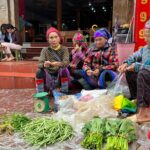
The Hmong side may show up more noticeably as you approach village edges and field paths. You might also encounter Hmong women selling small items. This is normal in the region. The best approach is simple: browse calmly, ask a price if you want to buy, and if you’re not interested, keep walking. If your group has a guide like May, you’ll likely get gentle course correction—helpful when paths split or when the group needs a more direct route.
Ta Phin Cave: the 30m dark walk you actually feel
Ta Phin Cave is short as cave visits go, but it’s memorable because it’s hands-on in a way that keeps your attention. You start in the village area, then head to the cave where the dimensions are clear: the opening is about 5m high and 3m wide.
The key moment is the entry walk. You’ll cover roughly 30m in the dark on bumpy ground before you reach a larger space inside. That’s not the kind of activity that calls for flip-flops or brand-new shoes. Plan for traction and steady steps.
Practical tips that make a difference:
- Wear shoes you’re comfortable getting dusty.
- Expect the ground to be uneven.
- If you’re slightly nervous in dark spaces, focus on slow foot placement rather than forcing speed.
The good news: the cave stop is about 30 minutes total, so it’s not a long underground slog. You’ll feel the cave more than you’ll get lost in it.
Ta Phin Monastery: a 1942 site with religious roots

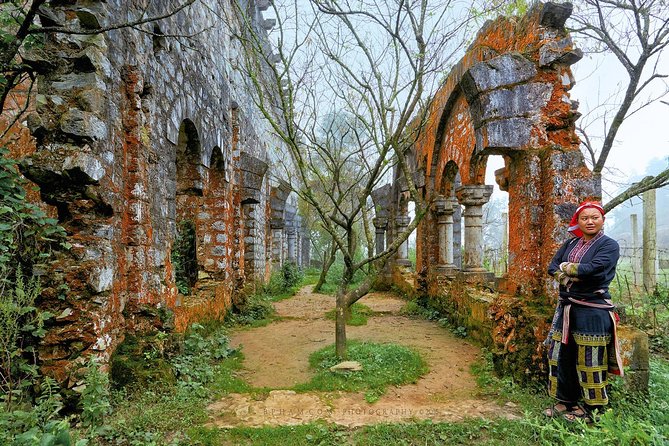
After the cave, the day shifts from nature to history at Ta Phin Monastery. This is an ancient monastery located at the foot of the mountain, built in 1942.
What makes it more than a quick photo stop is the religious context. The site used to be a practice place for 12 ascetic nuns of the Congregation of the Sisters of the Catholic Church of Christian Conversion. That’s a specific detail that helps you understand why this location has staying power beyond tourism.
A monastery stop on a trek day can sometimes feel like a pause with little connection to the rest of the route. Here, it works because you’ve already been moving through village life and cave exploration. The monastery gives you a different lens: mountain communities aren’t only about farming and trekking routes—they also connect to faith, education, and historic missionary presence.
Herbal smoke baths: how to make the end of the trek work
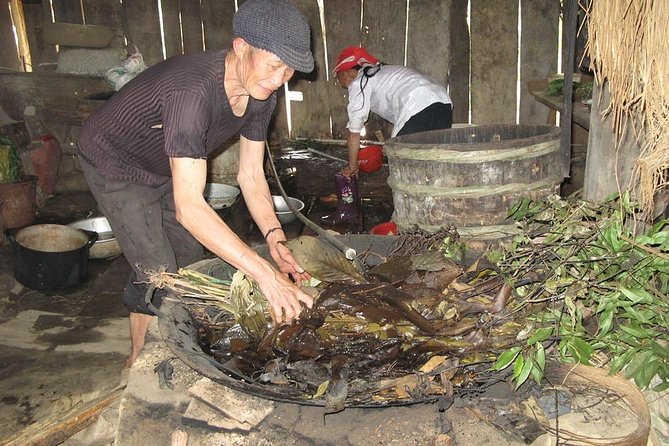
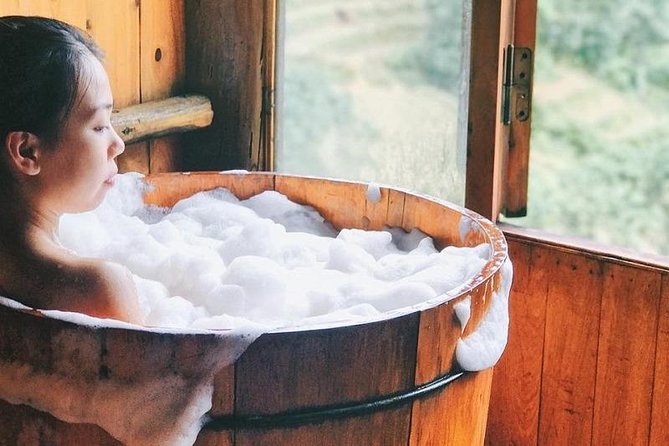
The herbal bath is the big finish, and it’s clearly the highlight for many people—especially after a walking day. The day’s overview points to four herbal smoke baths, and the way it’s described is practical: it’s aimed at relieving stress and helping you feel better after tired days.
The reviews also echo the same theme: the herbal bath feels perfect at the end of the tour. That makes sense. You’re not just sightseeing when you do this trek; you’re walking. After time on the paths—plus the cave’s uneven entry—you’ll appreciate having a recovery-focused stop scheduled right when your legs start complaining.
A realistic expectation: you’re not doing a quick rinse-and-go. The point is time to let the herbal smoke and the ritual do their job. If you’re the type who plans your day around one main activity, this is it.
If you’re sensitive to smoke or strong herbal smells, consider that in advance. The tour is designed around the bath, so it’s not an optional extra once you’re there.
Lunch and timing: how the 6 hours tends to feel
This trek runs for about 6 hours total. For most people, that time block feels like a full half-day with enough stops to break up effort but not so many that you’re sitting around all day.
Lunch is included, which is a big deal on a trek day. You won’t have to hunt for food while you’re still in the middle of moving through the area. One of the standout comments from the experience is that the lunch is substantial and genuinely good.
The walking intensity varies depending on which path you take. Some guides ask you if you want a more difficult route or an easier one and adjust accordingly. If you’re aiming to keep the day enjoyable rather than exhausting, that option is worth using. If your body is strong, you can go for the steeper route. If you want a smoother experience, you can set that expectation early.
Value check: does $39 make sense here?
At $39, this trek is priced like a real activity day, not a budget sightseeing shuffle. What makes the value click is the list of included items:
- Village entry fees
- Herbal bath fee
- Lunch
- Local guide
- One small bottle of water
- Entrance tickets connected to the stops
- Transportation back to Sapa
A lot of Sapa tours advertise a low price and then add up costs later. Here, the major costs tied to access (entry fees and the bath) are covered upfront, which keeps your day simpler.
You’re also getting more than one stop:
- Village area time
- Ta Phin Cave
- Ta Phin Monastery
- Herbal smoke baths as recovery
If you want a trek day where the ends meet—meaning the logistics work and you’re not nickel-and-diming yourself into fatigue—this is strong value for the time you spend.
Logistics that matter: pickup, group size, and the 9:30 start
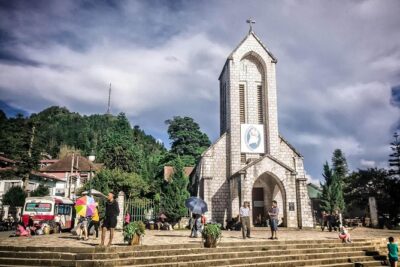
The meeting point is Sapa Church, at P. Hàm Rồng, TT. Sa Pa. The start time is 9:30 am, and the activity ends back at the same meeting point, with transportation back to Sapa included.
Pickup is offered, which helps if you’re staying a bit away from the church area. One guide called out in the experience is Chacha, who met people at a hotel lobby and then headed north from there.
Group size is capped at 15, which typically means you won’t be stuck behind a long line of people. It also helps the guide manage pace and route choices. For a day that includes a dark cave segment, being able to move without constant stopping is a plus.
This activity also requires good weather. If conditions are poor, expect a date change or a full refund option. Mountain weather can shift quickly, so don’t treat the start time like it’s guaranteed in every case.
The best fit: who should book this trek
You’ll probably love this tour if you:
- Want a guided day focused on Red Dao culture and mountain routines, not just a viewpoint checklist
- Like structured treks with clear stops, including a cave and a monastery
- Want a meaningful recovery moment at the end with herbal smoke baths
You might want to think twice if you:
- Hate uneven footing or dark, enclosed spaces (the cave includes a bumpy dark entry walk)
- Want an easy stroll with minimal exertion (this trek can feel challenging)
Should you book the Red Dao Village Trek and Herbal Bath?
If your goal is an authentic Sapa day that mixes culture stops with actual walking, I’d say yes. The strongest reason to book is the combination: Ta Phin village life tied to the Red Dao community, a cave visit that’s hands-on rather than just scenic, and herbal smoke baths that genuinely make sense at the end of a trekking day.
Book it if you’re ready for moderate physical effort and you can handle a short dark cave entry. Don’t book it if you want zero uneven ground or you’re extremely sensitive to smoke.
FAQ
How long is the Red Dao village trek and herbal bath experience?
The experience is about 6 hours.
Where does the tour start and end?
It starts at Sapa Church (P. Hàm Rồng, TT. Sa Pa, Sa Pa, Lào Cai) and ends back at the same meeting point.
Is pickup offered?
Pickup is offered.
What’s included in the price?
Included are village entry fees, 1 small bottle of water, a local guide, lunch, the herbal bath fee, and transportation back to Sapa.
What stops are part of the tour?
You’ll visit Ta Phin Village, Ta Phin Cave, and Ta Phin Monastery, and you’ll end with the herbal bath.
How physically demanding is it?
You should have moderate physical fitness. The hike can be challenging, and there is a bumpy dark walk segment in Ta Phin Cave.
What happens if weather is bad?
The tour requires good weather. If it’s canceled due to poor weather, you’ll be offered a different date or a full refund.