
REVIEW · SAPA TREKKING TOURS
From Hanoi: 2-Day Overnight Sapa Tour by Luxury Van Limousine
Book on Viator →Operated by Crossing Vietnam Tour · Bookable on Viator
Sapa hits fast, then you earn the views. This 2-day overnight tour from Hanoi pairs a comfortable limousine ride with guided village trekking, aiming for the quiet side of Sapa around Cat Cát, Lao Chải, Ý Linh Hồ, Tả Van, and nearby hamlets. It’s a great value when you want real time in the countryside without planning logistics solo. The one thing I’d watch: pre-trip communication can be uneven, so confirm your details early.
What I like most is how the trip balances moving with breaks—enough hiking to feel the place, not so much you’re miserable in every single photo. And you’ll usually get a strong guide (I’ve seen names like Su, Rua, Lilly, Ai, May, Lu, and Zua in different groups), which matters a lot when paths get steep, muddy, and foggy.
In This Review
- Key things to know before you go
- From Hanoi to Sapa: why this overnight format feels efficient
- The limousine ride: comfortable seats, but pack for the road
- Day 1: Cat Cát and the first dose of terraced paths
- Option A: staying in a 3- or 4-star hotel
- Option B: staying in bungalow, private homestay, or dorm
- Overnight in Sapa: your lodging choice changes the feel of the trip
- Day 2: rice terraces and village hopping in the Hoàng Liên Sơn region
- Option A: 3- or 4-star hotel again
- Option B: bungalow/private homestay/dorm
- The guides: why names like Lilly and Ai keep showing up
- Cat Cát vs the village treks: plan your expectations
- Food, entrance tickets, and what’s actually included
- What to pack for Sapa: cold, fog, mud, and altitude reality
- Price and value: is $117 fair for 2 days in the mountains?
- Should you book this Sapa overnight tour?
- FAQ
- How long is the 2-Day Overnight Sapa Tour?
- What time does pickup happen in Hanoi?
- Where are pickup and drop-off locations in Hanoi?
- What overnight accommodation options are available?
- Which places do you visit during the trek?
- Are meals included?
- What should I bring for Sapa’s weather and trekking?
Key things to know before you go
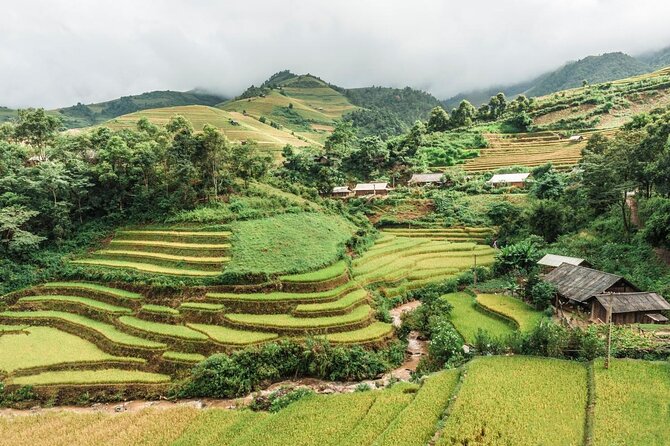
- Small group size (max 14): easier pacing and more personal attention on treks.
- Limousine transfers from Hanoi: round-trip vehicle service saves you the time and hassle of figuring it out yourself.
- Village routes change by lodging choice: hotel vs homestay/bungalow affects which day’s villages you visit.
- Overnight options: dorm, homestay, bungalow, or 3- to 4-star hotel.
- Weather in Sapa is real: expect cold and sometimes fog from roughly December through March, plus slippery trail conditions.
- Cash is useful: Sapa banking can be spotty, so carry Vietnamese dong.
From Hanoi to Sapa: why this overnight format feels efficient

You’re starting early—pickup in Hanoi’s Old Quarter around 6:00 to 6:20, with the tour meeting point in Hoàn Kiếm. Then you roll northeast toward the mountains. Even with a “luxury” style van, it’s still a long road day. One review even flagged the ride as a gruelling 5–6 hours over about 250 km, which lines up with what you should plan for mentally.
Why do an overnight tour instead of a day trip? Because Sapa’s best moments aren’t only at the viewpoints on the way in. They’re in the slow stuff: rice terraces, footpaths, and village life when the day’s crowds thin out. Overnight also means you get two separate guided hiking windows instead of cramming everything into one exhausting day.
You can also read our reviews of more tours and experiences in Hanoi


The limousine ride: comfortable seats, but pack for the road
This tour includes round-trip limousine bus service between Hanoi and Sapa. Reviews mention the vehicles being smooth and comfortable for some departures, and bumpy for others. One person complained about a driver’s behavior and vehicle cleanliness, while others praised the comfort and nap-friendly ride.
So here’s the practical take: treat it like mountain travel, not a city shuttle. Bring layers for the air-conditioning, and expect that rest stops are part of the long drive. If you’re sensitive to motion, plan to sit where you’ll feel the least rocking.
Also note a small detail that can matter: pickup and drop-off are Old Quarter hotels only. If your Hanoi stay is outside that area, you’ll need to solve that first.
Day 1: Cat Cát and the first dose of terraced paths

Day 1 starts with a vehicle pickup and an arrival in Sapa Town around 12:30. After you settle, you get your first trek, plus a village visit.
Option A: staying in a 3- or 4-star hotel
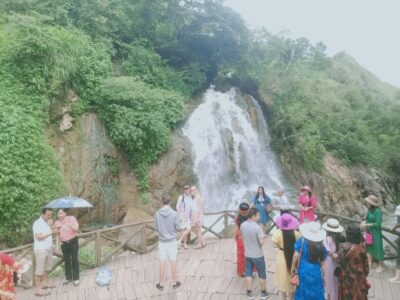
If you choose the 3 or 4 hotel option, you visit Cát Cát Village on the first day. Expect an easier/shorter trek pace. Cát Cát is known for waterfall scenery and local performances, and it can feel touristy. That said, it’s still a classic stop to understand how the area markets its village culture to visitors.
Option B: staying in bungalow, private homestay, or dorm
If you choose bungalow/private homestay/dorm, your first day focuses on Ý Linh Hồ, Lao Chải, and Tả Van. This is often where trekking feels more “in the villages,” with terraced fields as the constant background.
Either way, the point of Day 1 is to get your boots on and start seeing how the hill-tribe communities relate to the terrain. You’ll hike for several hours, not just a quick walk.
You can also read our reviews of more tours and experiences in Hanoi
- Doris Cruise 5 star cruise 2 days visiting Halong Bay Lan Ha Bay private balcony
★ 5.0 · 2,338 reviews





Overnight in Sapa: your lodging choice changes the feel of the trip
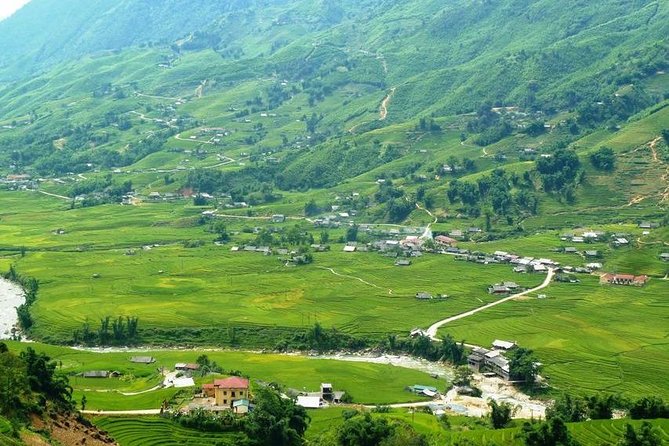
This tour lets you pick your overnight style: dorm, homestay, bungalow, or a hotel (listed as 3- or 4-star options). That flexibility is why the tour works for different budgets and comfort levels.
Here’s the honest balance from what I’ve seen in the feedback: homestays can be charming and friendly, but experiences aren’t automatically perfect. One review described a cute home stay bungalow and warm village hospitality. Another found their homestay family unfriendly and uncomfortable during dinner. With a homestay, you’re stepping into a real household rhythm, not a hotel schedule.
If you want the most predictable sleep and bathroom setup, the hotel option usually feels safer. If you want a more direct cultural contact, homestay or bungalow can be worth it—just go in with patience and a friendly attitude.
Day 2: rice terraces and village hopping in the Hoàng Liên Sơn region
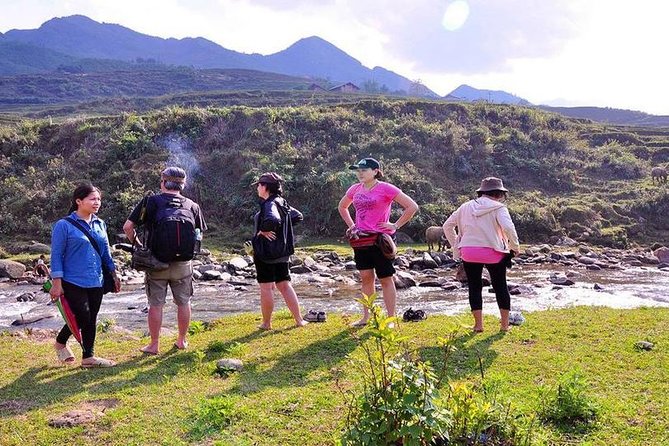
Day 2 begins with breakfast (and time to check out and pack a light trekking load). The schedule is built around another guided trek before returning to Hanoi later in the day.
Option A: 3- or 4-star hotel again
If you’re in the hotel track, Day 2 visits Ý Linh Hồ – Lao Chải – Tả Van again. The trekking here is often described as longer and more intense than Day 1, with steep, muddy patches in some seasons.
One review highlighted a roughly 5-hour trek through rice terraces and multiple villages, and another described an especially adventurous hike with steep muddy slopes. Translation: trekking shoes matter. Skipping boots in wet conditions is a fast way to regret your life choices.
Option B: bungalow/private homestay/dorm
If you’re in the bungalow/homestay/dorm track, Day 2 includes Giàng Tà Chải Village after breakfast. This can feel like a step deeper into village life, since you’re not just passing through a single “show village” stop. Expect another hike with guidance from your local leader.
The guides: why names like Lilly and Ai keep showing up

A Sapa trek is only as good as the person steering it. One of the biggest wins here is the range of guides I’ve seen in feedback—Su, Rua, Lilly, Ai, May, Lu, Zua, and Vu are all mentioned by name in different groups.
What that usually means in practice:
- Guides help you find the best photo points, even when paths narrow or fog rolls in.
- Many adjust pacing to your group. One review said a guide tailored the trekking route to weather and visitor ability. Another praised a guide for arranging an alternative path for an older traveler who couldn’t handle steep, slippery terrain.
- When your guide speaks strong English, you get more than route instructions. Some feedback specifically called out clear explanations of local culture, history, and daily lifestyle.
So if you care about understanding what you’re seeing, treat the guide as part of the trip’s value, not just a bonus.
Cat Cát vs the village treks: plan your expectations

Cát Cát gets plenty of attention for a reason, but it’s often the stop with the most “tourist feel.” Several reviews described it as either worth it for the waterfall and traditional performance, or less authentic compared with the village treks.
My advice: don’t judge the entire Sapa experience based on Cat Cát. It’s only one piece. The heart of the tour is the multi-village hiking around the terraced fields—where your guide’s route choices and timing can make the difference between crowded and quieter.
Food, entrance tickets, and what’s actually included

This is where the price starts making sense. Your package includes:
- Breakfast, lunch (2 times), and dinner
- Entrance fees
- Round-trip limousine transfers
- Accommodation in your chosen lodging type
- English-speaking guide
- Pick-up and drop-off at hotels in Hanoi’s Old Quarter only
In plain terms: you don’t have to budget daily meals on top of the tour cost. That’s a real win when you’re already paying for trekking in a mountain region.
Still, food can vary. A couple of reviews mentioned meals being basic, and others praised the dinner and overall quality. One review even singled out a hotel restaurant with a Hot Pot lunch/dinner mention. So think of included meals as part of the convenience, not as guaranteed fine dining.
What to pack for Sapa: cold, fog, mud, and altitude reality
Sapa isn’t just “cooler Hanoi.” It can be cold and unpredictable. The tour guidance specifically flags warm clothes, scarf, hat/cap, and notes that it’s usually cold from around September through March. Fog is sometimes an issue in December, January, February, and March.
And then there’s the trail. Even in good weather, you’ll be walking downhill and uphill on sometimes slippery ground. Reviews repeatedly mention the mud factor—so don’t treat this as a stroll.
Bring:
- Warm layers, plus a scarf and hat
- Trekking shoes or boots (not just sneakers)
- Sun protection (glasses + sunscreen are recommended)
- Insect repellent
- Cash in Vietnamese dong (banking can be unreliable in Sapa)
- Basic medicine, just in case
One more practical note: the tour is not recommended for people taller than 190 cm, so if you’re on the tall side, check your comfort in vehicle seating and narrow paths.
Price and value: is $117 fair for 2 days in the mountains?
At $117 per person, the real question is what you’re getting that you’d otherwise pay for separately. You’re buying four big categories:
1) Transport: round-trip limousine between Hanoi and Sapa
2) Lodging: overnight in dorm, homestay, bungalow, or hotel
3) Meals: breakfast + 2 lunches + dinner
4) Experience costs: entrance tickets plus guided trekking
If you tried to replicate this yourself—private transport, guides, entrance fees, and a place to sleep—you’d likely spend more than this fairly quickly. The price is also helped by the small-group cap (max 14), which tends to keep guide and route attention from shrinking too much.
So yes, the value is strong. The only time it feels less fair is when communication is messy or when you get an accommodation choice that doesn’t match your comfort expectations. That’s why I’d align your lodging selection with how you handle unpredictability.
Should you book this Sapa overnight tour?
I think you should book if you want:
- A time-saver way to do Sapa from Hanoi without building the plan yourself
- Guided trekking to hill-tribe villages like Tả Van, Lao Chải, Ý Linh Hồ, and Giàng Tà Chải
- Included meals and an overnight that fits your comfort level
- A strong chance of a great guide, with names like Lilly, Ai, May, and Rua popping up in feedback
I’d hesitate if:
- You need perfectly rigid scheduling and flawless pre-trip communication.
- You strongly prefer hotel-level comfort every night, since homestay experiences can vary.
- You’re not comfortable with cold weather and muddy, steep trails.
If you go in with the right gear, keep expectations realistic, and treat your guide like a key part of the plan, this tour can be a very satisfying way to see Sapa beyond the main town.
FAQ
How long is the 2-Day Overnight Sapa Tour?
It’s listed as approximately 2 days.
What time does pickup happen in Hanoi?
Pickup in Hanoi’s Old Quarter is shown around 6:00–6:20, and the activity start time is listed as 6:30 am.
Where are pickup and drop-off locations in Hanoi?
Pick-up and drop-off are at hotels in the Hanoi Old Quarter only, with the tour ending back at the meeting point.
What overnight accommodation options are available?
You can choose dorm, homestay, bungalow, or a 3- or 4-star hotel option.
Which places do you visit during the trek?
The tour includes guided stops such as Cát Cát Village, Ý Linh Hồ, Lao Chải, Tả Van, and Giàng Tà Chải Village. Which set appears on which day depends on your accommodation option.
Are meals included?
Yes. Breakfast, lunch (2 times), and dinner are included.
What should I bring for Sapa’s weather and trekking?
Bring warm clothes (including a scarf and hat), trekking shoes/boots, sun glasses and sunscreen, insect repellent, and cash in Vietnamese dong. Fog and cold can happen in certain months, and trails can be slippery.
You Might Also Enjoy


More VIP Experiences in Hanoi



More Tours in Hanoi
- Ninh Binh Full-Day Tour from Hanoi to Hoa Lu, Tam Coc & Mua Cave Via Boat & Bike
★ 5.0 · 4,384 reviews