REVIEW · SAPA TREKKING TOURS
From Hanoi: Sapa Hill Tribes 2-Day Tour by Overnight Train
Book on GetYourGuide →Operated by DragonflyCruise.com · Bookable on GetYourGuide
The mountains of Sa Pa meet real people on this 2-day trek. I like the overnight train out of Hanoi because it turns travel time into rest time, and I love getting to walk village paths instead of just riding a bus. You’ll come away seeing hill-tribe everyday life with guides who explain what you’re looking at, not just where to stand for a photo. One thing to plan for: the trek can be demanding in humidity and there’s limited comfort on the train, so sleep is not guaranteed.
What makes this trip feel worth your money is the whole package feeling tight: train both ways, air-conditioned transfers, hotel nights, and meals included. In Sapa, guides such as Sissy, Trang, Suu, Chan, Chi, Hien, and Ca are repeatedly praised for clear English and a friendly pace that fits the group. Still, keep expectations realistic about the hotel level—some cabins and rooms are basic for the price—and nights can feel cold between November and March.
In This Review
- Key highlights I’d circle before booking
- The overnight train: the best way to turn Hanoi time into Sa Pa time
- Getting to Sapa: mountain roads and a fresh start in town
- Cat Cat village walk: an easy way into hill-tribe life
- The big trekking day: buffalo tracks, Lao Chải, and Ta Van
- A small social detail to keep in mind
- Sapa nights: hotel vs homestay and what comfort really means
- Meals, guide time, and the pace that protects your legs
- What to pack so the trek doesn’t turn into a misery contest
- Price and logistics: is $199 good value?
- Who should book this Sa Pa hill-tribe trek
- Final call: should you book it?
- FAQ
- What is the price and duration of the Hanoi to Sa Pa tour?
- Where does the tour start and end?
- How do the overnight train and arrival timing work?
- Are there options for train cabins?
- What lodging do I stay in during the tour?
- What should I bring for trekking and changing weather?
- Is the tour suitable if I have back problems?
Key highlights I’d circle before booking
- Overnight sleeper train Hanoi to Lao Cai, with air-con running after 21:30 and ticket handoff at 21:00
- Cat Cat village walk to see H’Mong life in the valley and meet families
- Buffalo-trail trekking through Lao Chai and Ta Van areas with rice-terrace views and village stops
- Real guide time with English support and flexible route choices for what your legs can handle
- Included meals that are hearty, though the second-day trek lunch can vary in quality
The overnight train: the best way to turn Hanoi time into Sa Pa time
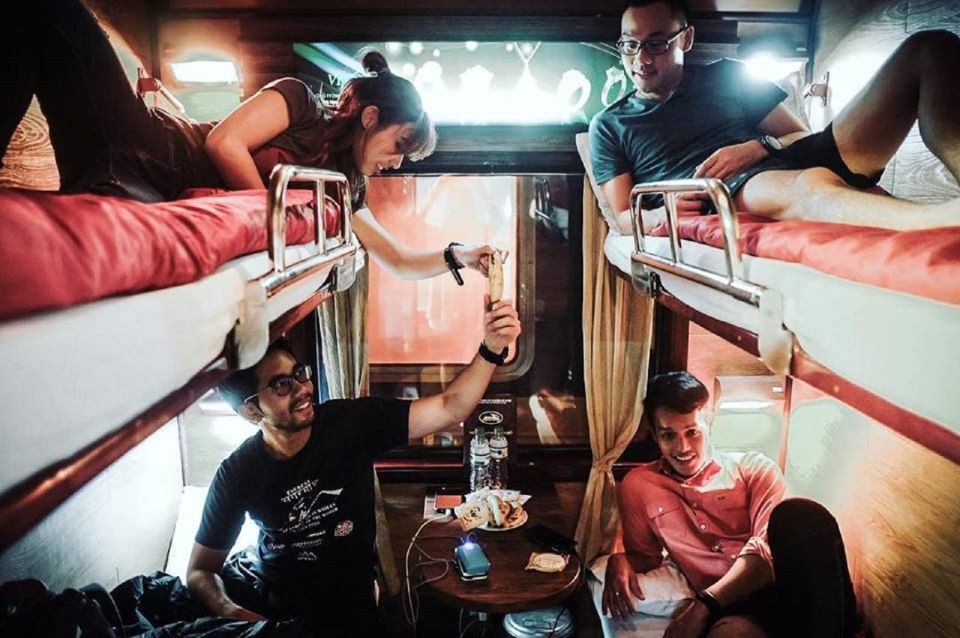
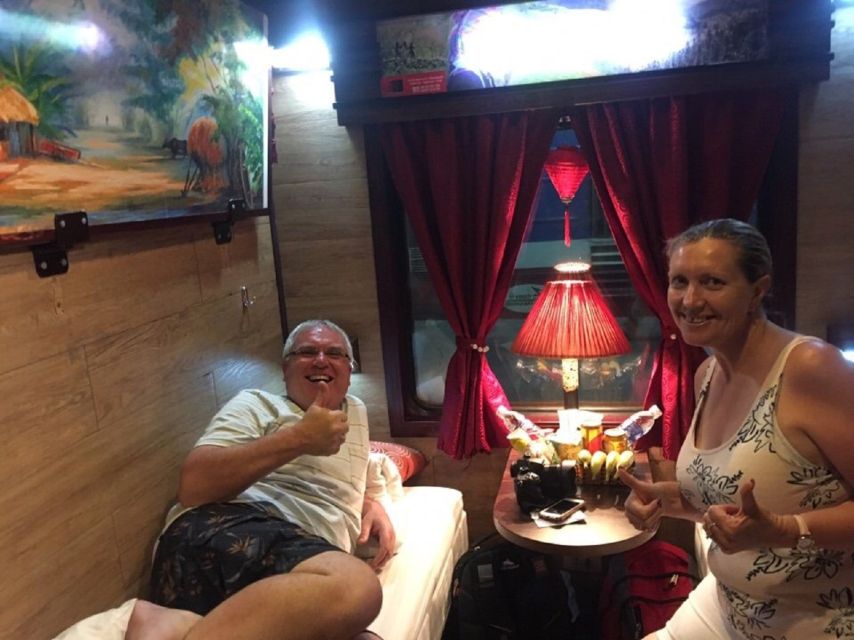
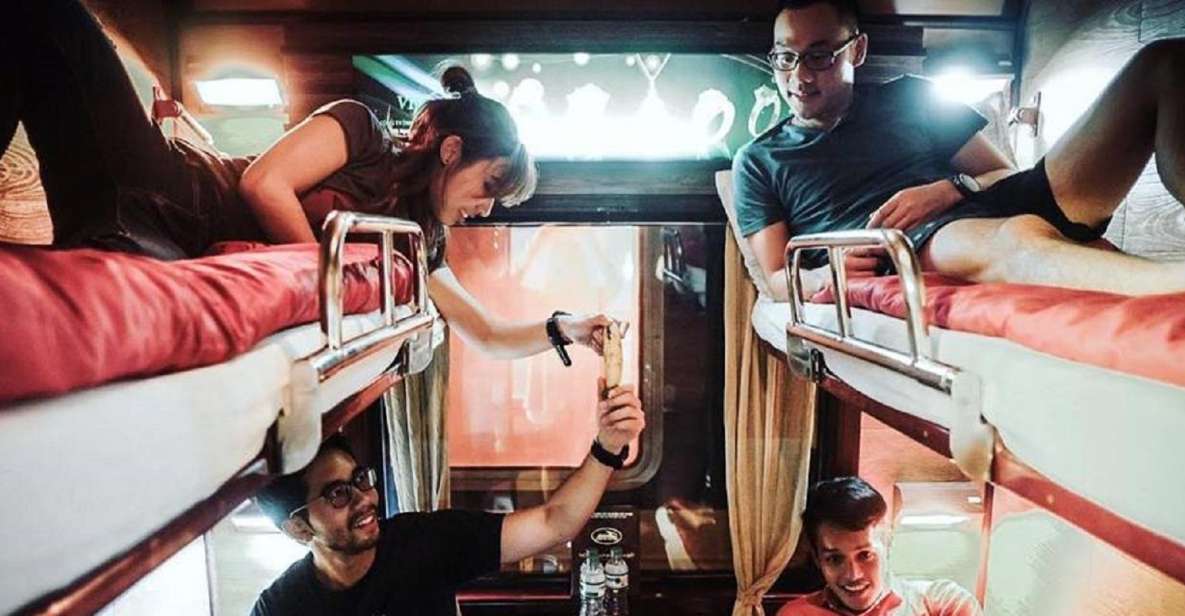
This tour’s heart is the overnight ride from Hanoi to Lao Cai. You meet your guide at Hanoi Train Station (120 Đ. Lê Duẩn) and you need to be there by 21:00 so tickets can be sorted before the 22:00 departure. Air-con in the cabin starts at 21:30, and the restroom door on the train opens after the train departs—small details that save you stress when you arrive tired and hungry.
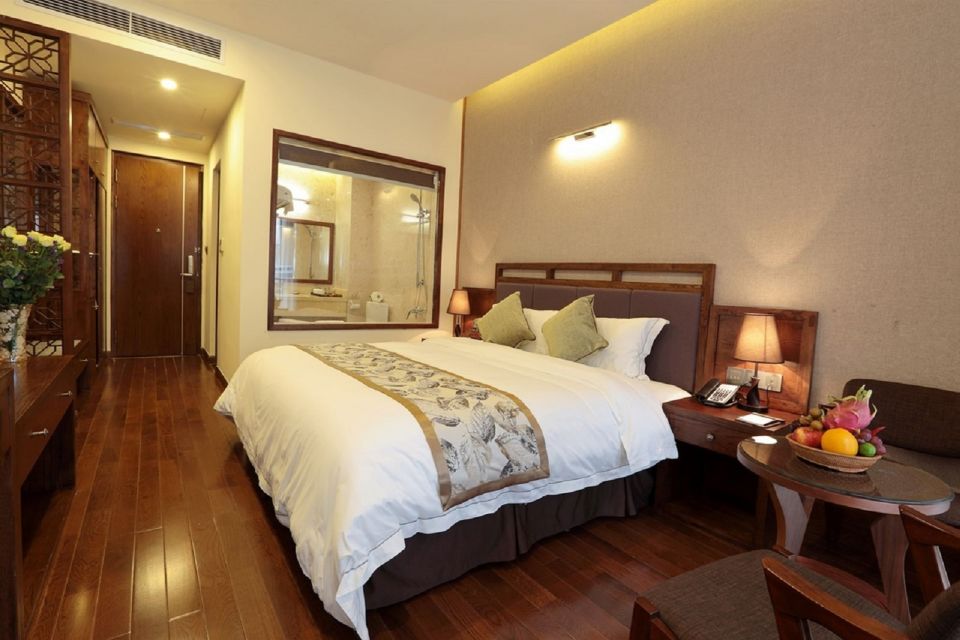
Cabins are typically set up with 4 beds in one cabin. You can also choose a private option for your group (minimum 1, maximum 4 people), which is the easier call if you value privacy over the price. Expect the train to be an experience, not a luxury hotel. One helpful reality check: you might get some sleep, but you should not assume a deep, uninterrupted night.
What I like about this setup for you is the time math. When you arrive in Lao Cai around the next morning, you’re not wasting half a day fighting a second transfer. You roll straight into Sapa town and then into village walking—so the “trip time” actually becomes “trek time.”
You can also read our reviews of more tours and experiences in Hanoi



Getting to Sapa: mountain roads and a fresh start in town
After you arrive in Lao Cai, you get picked up and transferred to Sapa by car. This part matters because Hoàng Liên Sơn roads can feel dramatic and tiring if you’re arriving by normal schedules in the daytime. Starting early helps, because you’ll want energy for the next set of walking.
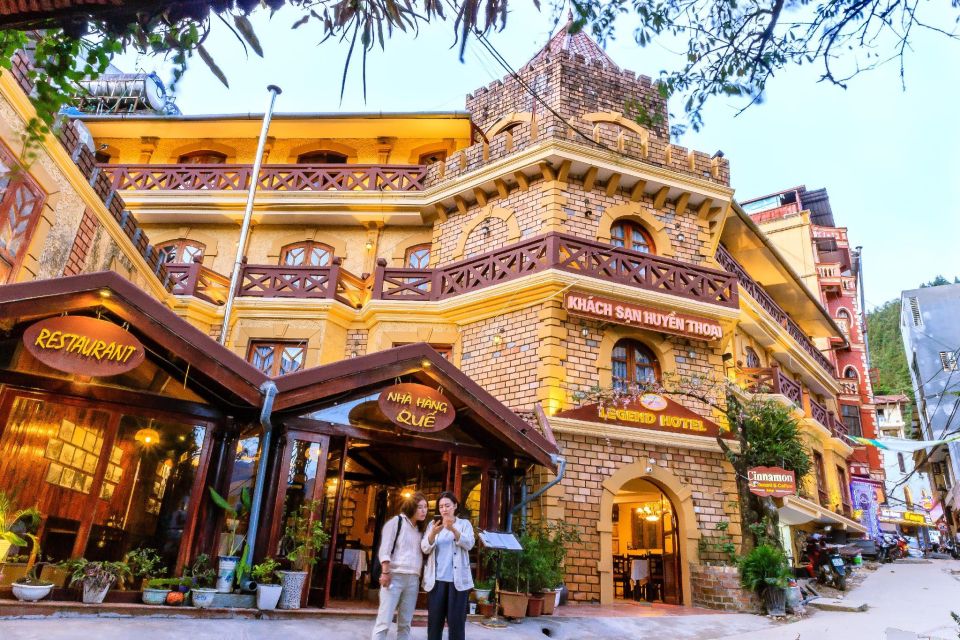
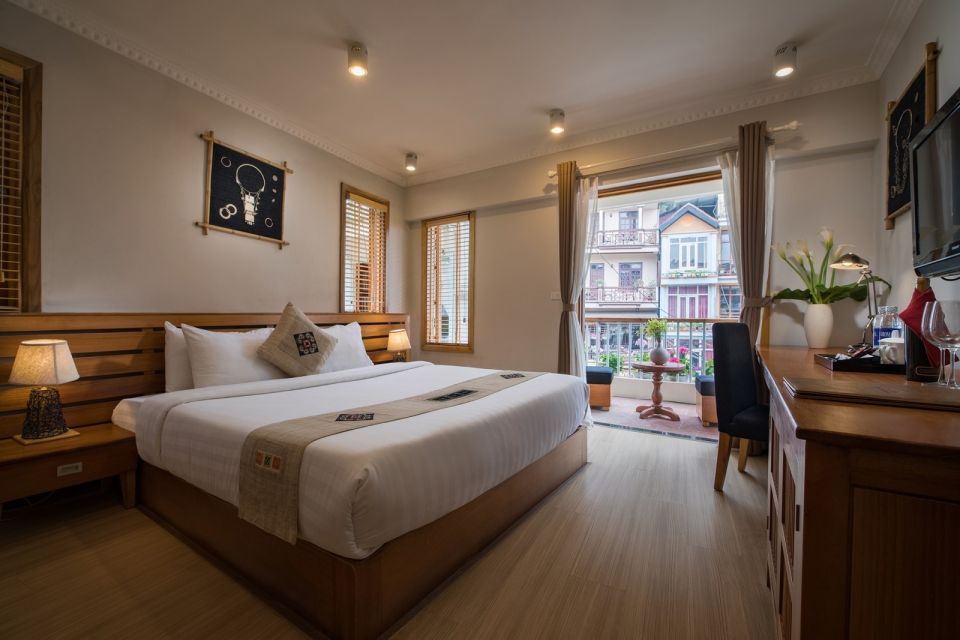
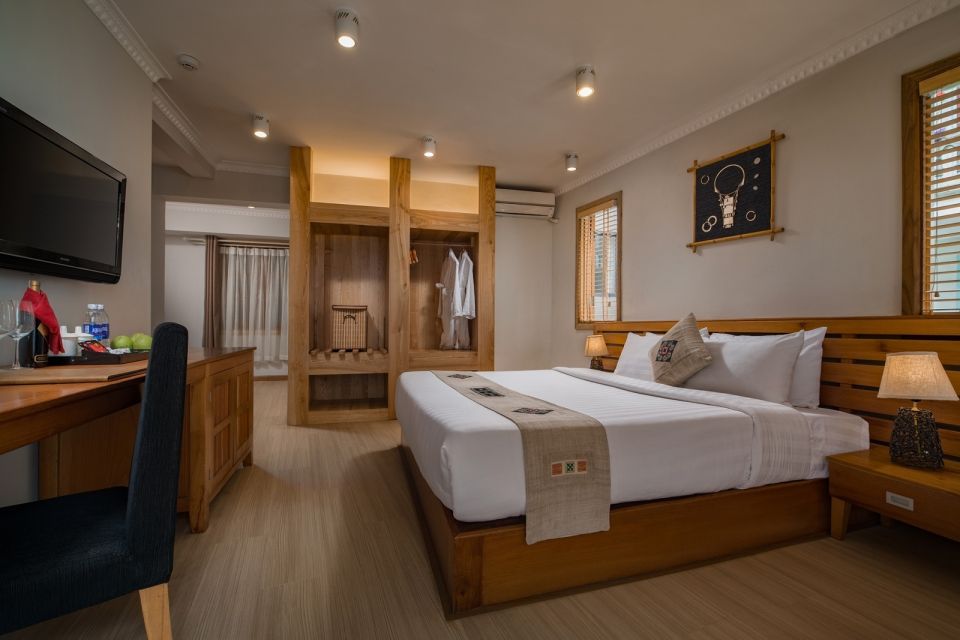
Once in Sapa, you check in to a hotel in the town center (options include places like Sapa Legend Home or Sapa Charm Hotel, or similar properties). Then you freshen up before breakfast and your first village visit. If you’re traveling in colder months, pack for it now—Sa Pa nights can be chilly, and you’ll want layers ready when you come back after trekking.
Cat Cat village walk: an easy way into hill-tribe life
The first daytime activity is a walking tour to Cat Cat village, associated with the H’Mong community. You get taken into the valley area and guided through what daily life looks like there—how people live, work, and keep their traditions alive.
This walk is the gentler on-ramp to the trek. It’s also your first chance to practice the main skill of this trip: noticing details. Your guide points out everyday rhythms, not just big views. If you’re lucky with your guide—names that come up often include Trang, Chi, and Sissy—you’ll get clear explanations in English and you’ll learn what to look for as you move through the village paths.
One balanced caution: Cat Cat can feel more tourist-facing than the longer trek routes. If you’re the kind of traveler who wants quiet, less “staged” scenery, you may find the later buffalo-trail day more satisfying.
The big trekking day: buffalo tracks, Lao Chải, and Ta Van
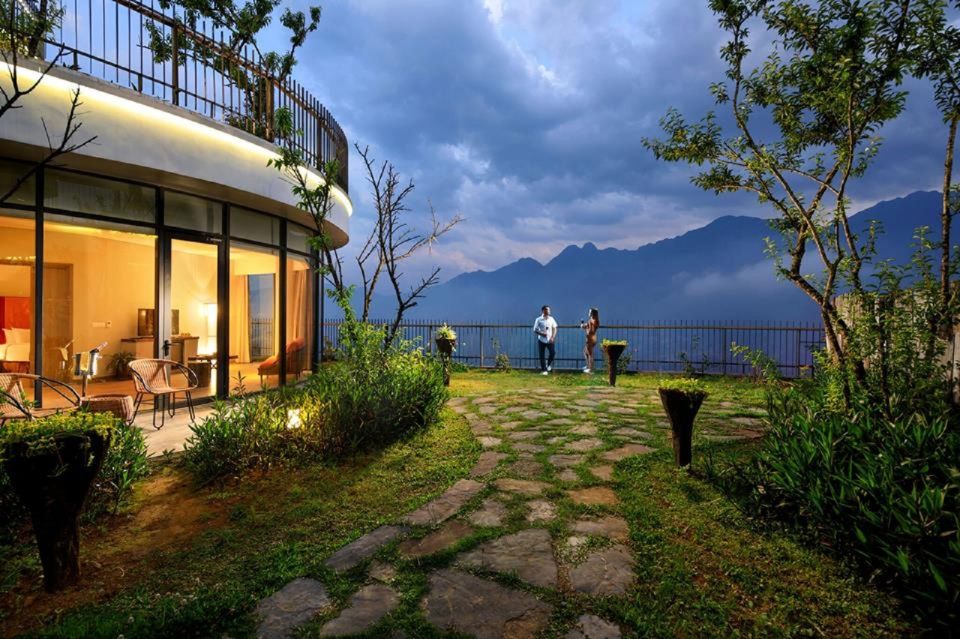
Day two centers on a trek along old buffalo trails in the hills surrounding Sa Pa. This is the day where the terraced rice views do the heavy lifting—and where your guide earns their salary. Your route typically takes you past multiple villages, including areas like Lao Chải and Ta Van, home to groups such as Black H’Mong and Dzay.
The paths can include uphill sections, and humidity or heat can make it feel tougher than the distance alone suggests. Plan for “controlled sweat.” In the best case, you’ll stop for lunch along the way and then keep moving with a pace that matches your group. One strong data point from real experiences: the trekking portion is often around 3 hours including a lunch stop for some routes, with intense moments uphill—but the views are the payoff.
You’ll also get a real sense of how people live with the land as their workplace. Rice terraces are not just scenery here; they’re a system that shapes planting, walking paths, and local routines. Even if it rains, you’ll still see the mountain farming patterns—just with moodier light and slower walking.
A small social detail to keep in mind
At the start of the trek, some women from the local area may join briefly to help look after the group. In at least one experience, that arrangement also led to sales at the end of the walk, which can feel slightly rehearsed if you’re sensitive to that dynamic. You’ll be better off mentally if you treat it as part of community contact—say thank you, ask before buying, and don’t feel pressured.





Sapa nights: hotel vs homestay and what comfort really means
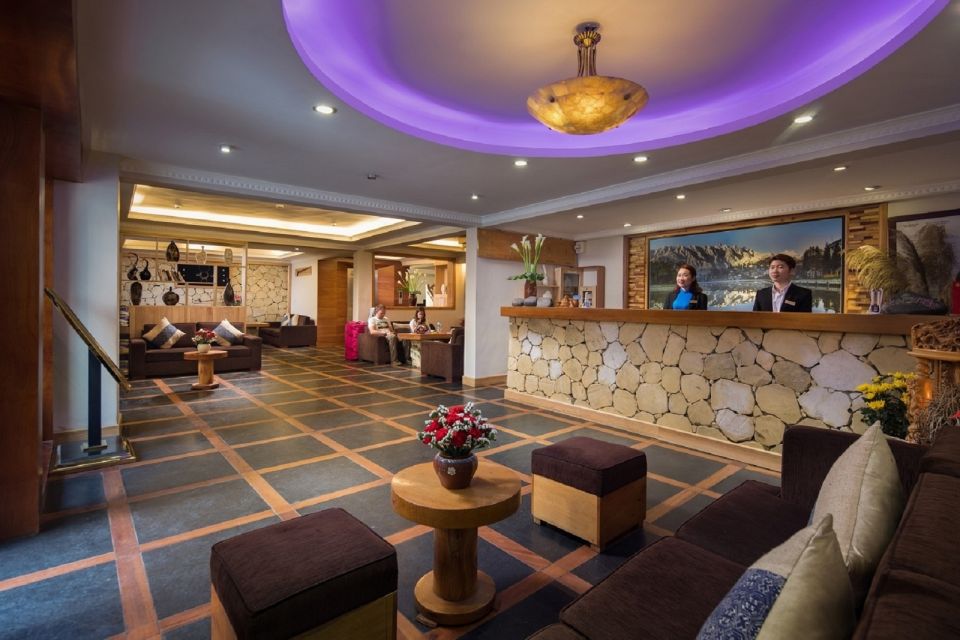
Your second night can be in a Sapa hotel or a homestay option like Tavan homestay, depending on the package you choose. The good news is that you’re not scrambling for lodging or planning after a hard day. The real-world difference is what “comfortable” means to you.
Some experiences describe hotel stays as solid for sleep and location, while others note that certain rooms can feel basic for the price. On the homestay side, the biggest practical point is water comfort. One common theme: don’t count on hot showers. If you can handle that and you want more local connection, homestays can be a highlight.
My advice: choose the version that matches your travel style. If you want predictable comfort after trekking, pick the hotel. If you want a more intimate look at daily routines, homestay can be worth it—just go in with practical expectations.
Meals, guide time, and the pace that protects your legs
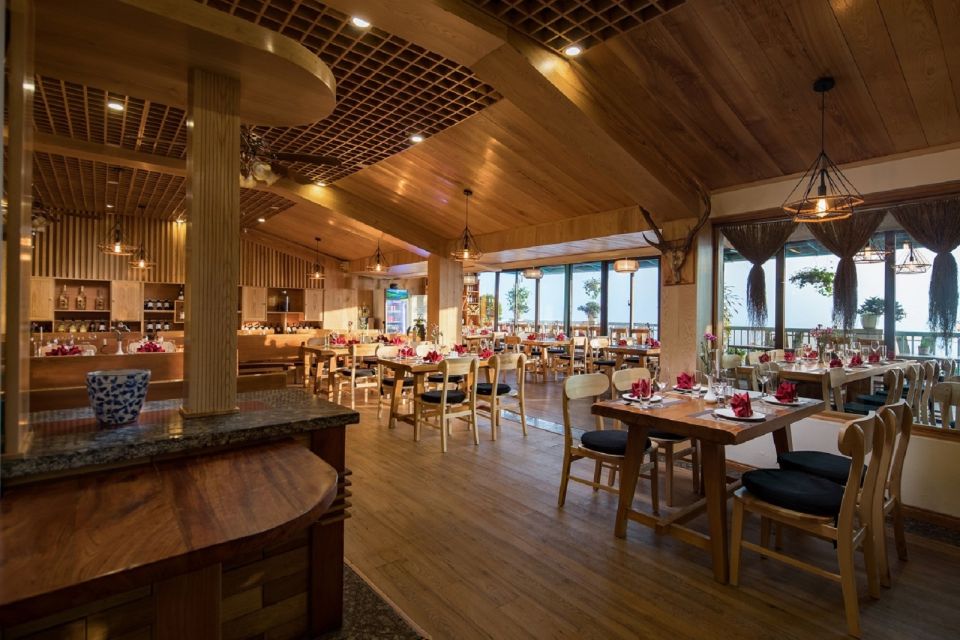
Meals are included across the days, which helps this trip feel “no-surprises.” For you, that means you can focus on walking and photos instead of hunting for food between transfer windows. Portion sizes can be generous, and at least one experience described so much food that it was hard to finish everything.
Your guide is a big part of why the trek works. Guides are praised for strong English and for being attentive without turning the experience into a rigid script. Names that show up with high praise include Suu, Chan, Chi, Ca, and Trang, with guides explaining both the good and the hard parts of life in the hill-tribe communities.
Pace matters on this route. Even if the route is planned for you, you’ll still climb and descend. If you’re nervous about hills, ask early if your guide can adjust the route intensity. Several guides are described as tailoring the trek based on what the group wants and what your legs can handle.
What to pack so the trek doesn’t turn into a misery contest
Sa Pa trekking is all about weather-ready clothing. The tour explicitly asks you to bring warm layers, especially between November and March, plus trekking shoes and rain gear. Even if the forecast looks okay in Hanoi, mountain weather can shift fast once you’re up in the Hoàng Liên Sơn range.
Here’s what you should treat as non-negotiable:
- Comfortable shoes, plus proper hiking shoes if you have them
- Rain gear and a raincoat
- Warm clothes (layers)
- A head covering (they also mention a kippah)
- A smaller bag if possible, because the tour suggests avoiding large luggage
If you’ve got a back problem, take that seriously. This tour is noted as not suitable for people with back problems, which makes sense with uneven footing and uphill sections.
Price and logistics: is $199 good value?
At $199 per person, this is not a “budget-only” trek. But it’s also not just a two-day hike you stitch together yourself. You’re paying for an all-in structure: roundtrip night train, air-conditioned car transfers, hotel or homestay, meals, and entry fees, plus local guidance for the village trek portions.
The value equation depends on how you feel about transport and planning. If you’d otherwise spend time booking train cabins, arranging transfers, and lining up meals and guides, the package cost starts making more sense. The overnight train is one of those costs that can balloon when you DIY it, especially if you want the experience of traveling at night rather than losing daytime hours.
The main value warning is the “basic comfort” variable. Some hotel rooms may feel simple, and that can change how you judge value. If comfortable lodging matters most, choose your lodging option carefully and keep expectations realistic about what’s included.
Who should book this Sa Pa hill-tribe trek
This tour fits best if you want:
- A guided look at hill-tribe communities rather than self-guided wandering
- Terraced rice views plus village paths that feel more local than standard city day tours
- An overnight travel plan that saves daytime time in Vietnam
It may not be the best fit if you:
- Need reliable, comfortable sleep on the train
- Have back issues or limited tolerance for uphill walking
- Want minimal interaction with tourist-facing village zones (Cat Cat can feel more commercial than the longer trekking day)
If you’re traveling as a couple, solo, or a small group, the private cabin option can be a nice upgrade. If you’re okay with sharing a cabin and want the best overall package, the shared option keeps the price in a sensible zone.
Final call: should you book it?
I’d book this if you’re excited by the combo of overnight train travel + guided village trekking and you’re okay with basic comfort in exchange for time in the hills. This tour works because it reduces planning stress and puts guide attention where it counts—on explanations, pacing, and connecting you to real community life.
Pass if you’re ultra-sensitive to sleep quality on trains, you’re expecting hotel luxury, or you want only quiet, off-the-radar routes. In that case, the “easy first village walk” and the train reality might not match your ideal.
FAQ
What is the price and duration of the Hanoi to Sa Pa tour?
The price is $199 per person, and the trip runs 3 days (2 days of Sapa touring/trekking with an overnight train component).
Where does the tour start and end?
It starts with your guide at Hanoi Train Station (120 Đ. Lê Duẩn) and ends back at the meeting point, Hanoi Train Station.
How do the overnight train and arrival timing work?
You’re asked to be at the station by 21:00 for ticket exchange, with the train departing at 22:00. You arrive in time for the next morning transfer onward to Sapa.
Are there options for train cabins?
Yes. You can choose a shared cabin (4 beds in one cabin) or a private cabin for your own group (minimum 1, maximum 4 persons).
What lodging do I stay in during the tour?
You stay in Sapa hotel or a Tavan homestay, depending on the option selected.
What should I bring for trekking and changing weather?
Bring passport or ID, comfortable shoes, trekking shoes, head covering, and rain gear. The tour also recommends warm clothes, especially between November and March.
Is the tour suitable if I have back problems?
No. The tour is specifically listed as not suitable for people with back problems.
You Might Also Enjoy




More 2-Day Experiences in Hanoi
- Doris Cruise 5 star cruise 2 days visiting Halong Bay Lan Ha Bay private balcony
★ 5.0 · 2,338 reviews


More Tours in Hanoi
- Ninh Binh Full-Day Tour from Hanoi to Hoa Lu, Tam Coc & Mua Cave Via Boat & Bike
★ 5.0 · 4,384 reviews