REVIEW · HA GIANG LOOP TOURS
Sapa: 3-Day Ha Giang Loop Motorbike Tour
Book on GetYourGuide →Operated by Lisa Vietnam Travel · Bookable on GetYourGuide
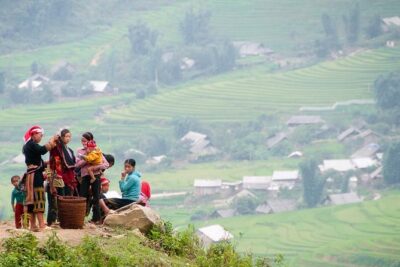
Curvy roads and mountain views hit fast. You’ll ride the Ha Giang Loop with guided stops for Ma Pi Leng panoramas and river-and-waterfall breaks that actually feel earned. I like the mix of big-name sights and smaller moments, like watching rice terraces roll out behind each pass.
Two things I especially love: the Ma Pi Leng Panorama Viewpoint over the Tu San defile, and the chance to swim at Du Gia Waterfall in a deep green setting. One consideration: this is a long, multi-day road trip with lots of time in a helmet, plus basic homestay-style comfort in places.
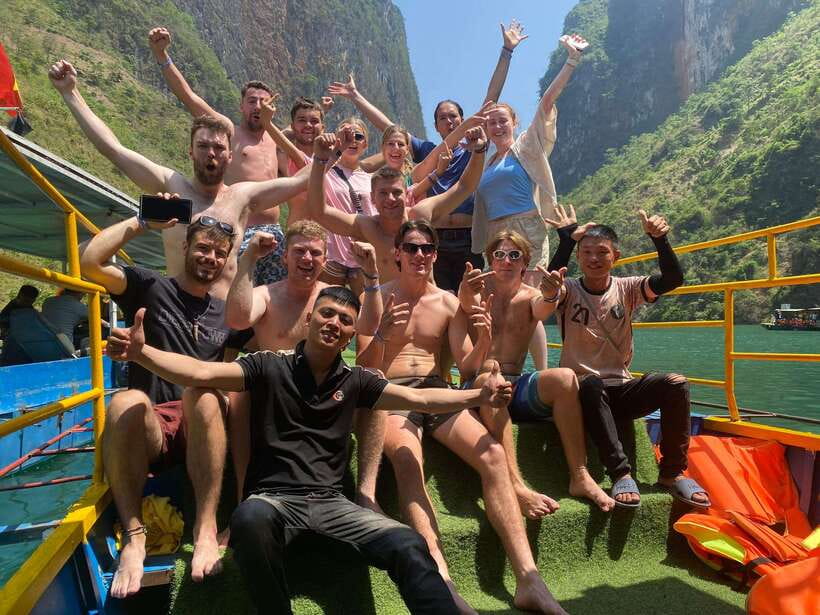
You’re not left to figure it out alone. An English-speaking team runs the day, and I’ve heard great examples of pilot skill and good group vibes, like pilot Chu (black horns) and leader Phuc. Still, you’ll want to pack smart and accept that some stretches are slow, windy, and sometimes downright bumpy.
In This Review
- Key points before you go
- Sapa to Ha Giang: The night-bus start and early-morning nap
- Day 1: The Happiness Road, Quan Ba Heaven Gate, and Dong Van’s French-era fort
- Quan Ba Heaven Gate: zigzags with real mountain scale
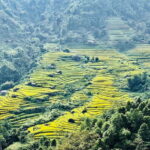
- Rice terraces, Fairy Hill, and the pass-to-pass rhythm
- Tham Ma Pass and Sa Phin: culture stop with a strong reason to pause
- Dong Van Old Town and the French-built fort
- Day 2: Dong Van market, the cliff of death, and Ma Pi Leng Pass
- The cliff of death: why it feels intense (and why you still stop)
- Ma Pi Leng: Panorama Viewpoint and Tu San defile from above
- Mau Due lunch and the ride through rocky mountain passes
- Du Gia Waterfall: the swim break that makes the loop feel worth it
- Day 3: Duong Thuong Valley, Thuan Hoa, Song Lo Valley, and back to Ha Giang
- Lunch, downtime, and the midnight bus to Hanoi
- Safety and packing: how to handle 350 km with included protection
- What’s included for rider safety and bad weather
- Packing strategy that makes the ride easier
- Food and homestays: authentic, but plan for simple comfort
- Price and logistics: what the package does for you (and what it doesn’t)
- Should you book this Ha Giang Loop motorbike tour?
- FAQ
- What is the distance and duration of the Ha Giang Loop tour?
- Where do you get picked up for the tour?
- When do you arrive in Ha Giang and what happens before riding?
- What are the main stops on the loop?
- Are meals included?
- What safety gear is included?
- Is accommodation included?
- Are entrance tickets and permits included?
- Is travel insurance included?
Key points before you go
- Ma Pi Leng Panorama Viewpoint: dramatic drop-offs, mountain walls, and terrace patterns you can’t really photograph properly
- Dong Van market and Old Town: a clear sense of how people trade, socialize, and live on the rocky plateau
- French-era fort in Dong Van: a surprising historic stop that breaks up the scenery days
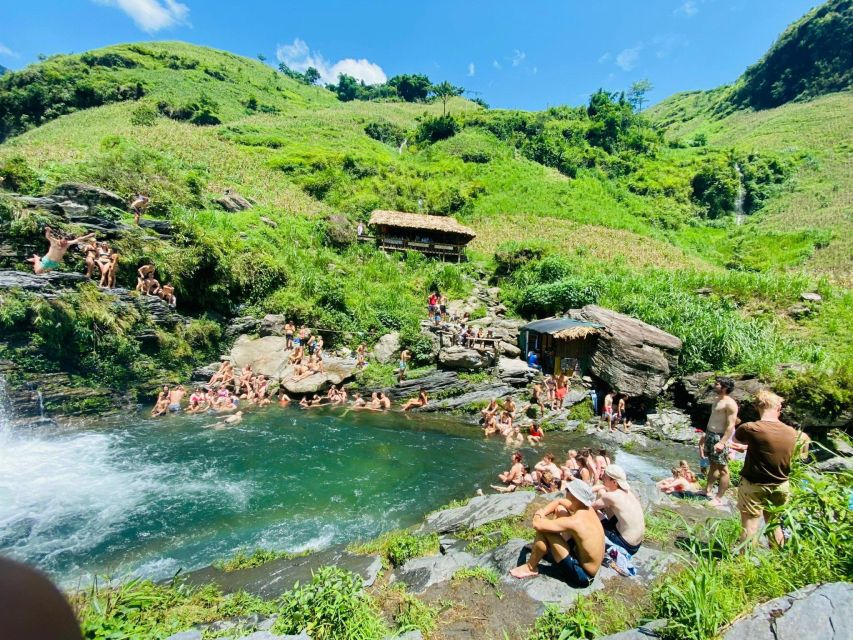
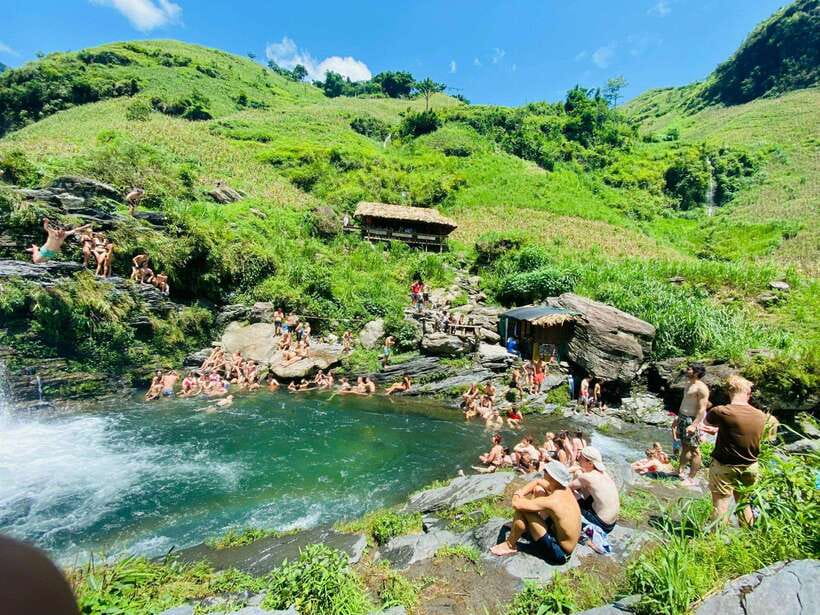
- Du Gia Waterfall swim: one of the only places on the route where you’re encouraged to get wet and cool off
- Safety gear included: helmets, knee/elbow protection, and even basic rain clothes are part of the package
- Back-to-Hanoi by midnight: a full travel day, so plan your next day in Hanoi with breathing room
Sapa to Ha Giang: The night-bus start and early-morning nap
Most people start this loop the night you leave Sapa. Pick-up happens around 7:30 PM from your hotel or hostel, then you head by big bus to Ha Giang City.
You’ll arrive in the early morning, check into the hostel, and get a nap before the riding days begin. That nap is not a “nice to have.” It’s the difference between enjoying the first pass and feeling wiped out before the real roads start.
If you’re sensitive to movement, bring what you need for the bus ride—something for your comfort and a layer for cooler air at night. Also note that this tour includes storage for excess luggage in Ha Giang, so you can travel lighter during the loop days.
You can also read our reviews of more tours and experiences in Sa Pa
Day 1: The Happiness Road, Quan Ba Heaven Gate, and Dong Van’s French-era fort
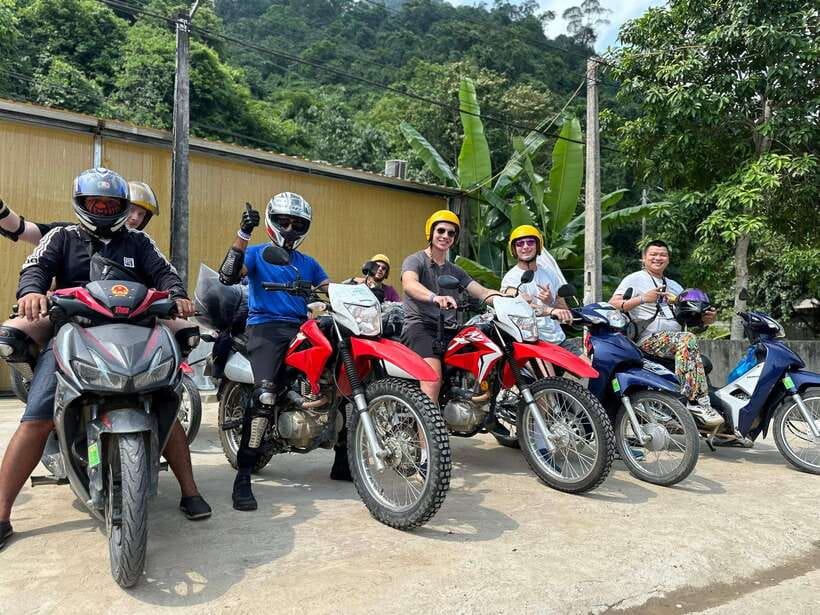
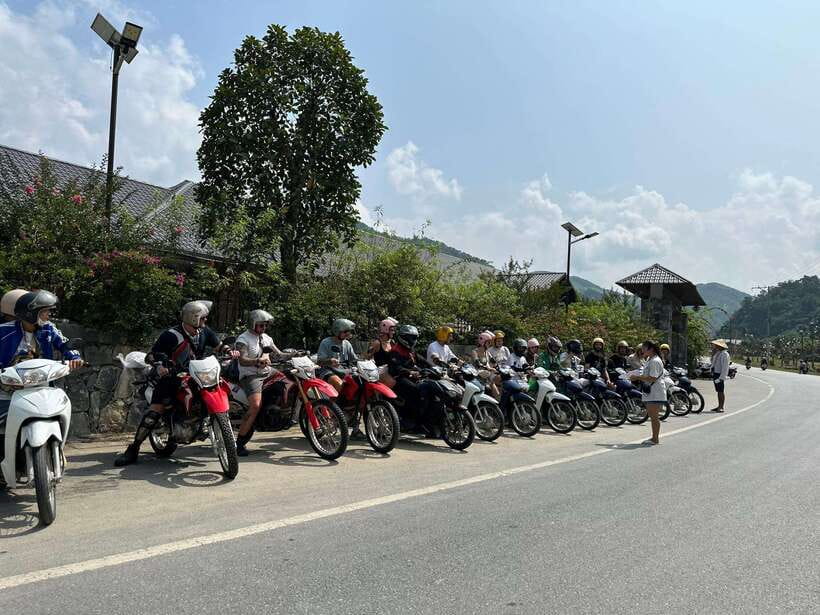
Day 1 starts with breakfast, then you meet your English-speaking guide and easy rider team. From there, you follow the so-called Happiness Road, which is basically a scenic line out of Ha Giang City toward the northern mountain core.
Your route includes the Quan Ba – Bac Sum Pass and the Dong Van Karst Plateau Geopark. You’ll feel the region change as the roads climb and the views widen—rice fields stretch out, then gradually the terrain becomes more dramatic and rocky.
Quan Ba Heaven Gate: zigzags with real mountain scale
One of the first big “wow” stops is Quan Ba Heaven Gate. The observatory sits above a steep zigzag road, which means you get to see the scale of what you’re driving through.
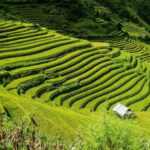
The best part here isn’t just the viewpoint—it’s the way it sets context. When you see those mountains rising behind rice terraces, the rest of the loop makes sense. You’re not just going to pretty spots; you’re crossing a whole layered mountain system.
Rice terraces, Fairy Hill, and the pass-to-pass rhythm
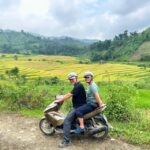
After the Heaven Gate area, the route continues through places like Fairy Hill and onward toward Yen Minh. You’ll climb a pass covered by pine forest, and the terraces become part of the daily rhythm—stop, look, move on.
This day’s driving distance is about 135 km, so don’t expect short travel blocks. Expect the “slow scenic” style where every pass has a reason: it’s turning you toward the next valley, not just filling time.
Tham Ma Pass and Sa Phin: culture stop with a strong reason to pause
Lunch comes while you’re near Yen Minh after the terrace and pine stretch. Then you continue to Tham Ma Pass on National Highway 4C, a winding road that’s famous in the region for mountain-road drama.
Next is Sa Phin, where you’ll visit the 100-year-old palace of Vuong Chinh Duc, the H’mong King. This is one of those stops that can feel like a history lesson, but it matters because it connects the people to the place you’re riding through. You’re seeing a political and cultural center, not just passing scenery.

Dong Van Old Town and the French-built fort
By the end of Day 1, you reach Dong Van Town. You’ll stop in Dong Van Old Town and visit an ancient fort built by the French.
That French-era fort is a useful break from the constant “up and down, look at mountains.” It gives your eyes and brain a different texture: walls, structures, and a sense of how this area was shaped by outside influence.
If you’re wondering what makes this tour feel well paced: Day 1 balances viewpoint climbs with one key cultural anchor. It keeps you from burning out on roads alone.
Day 2: Dong Van market, the cliff of death, and Ma Pi Leng Pass
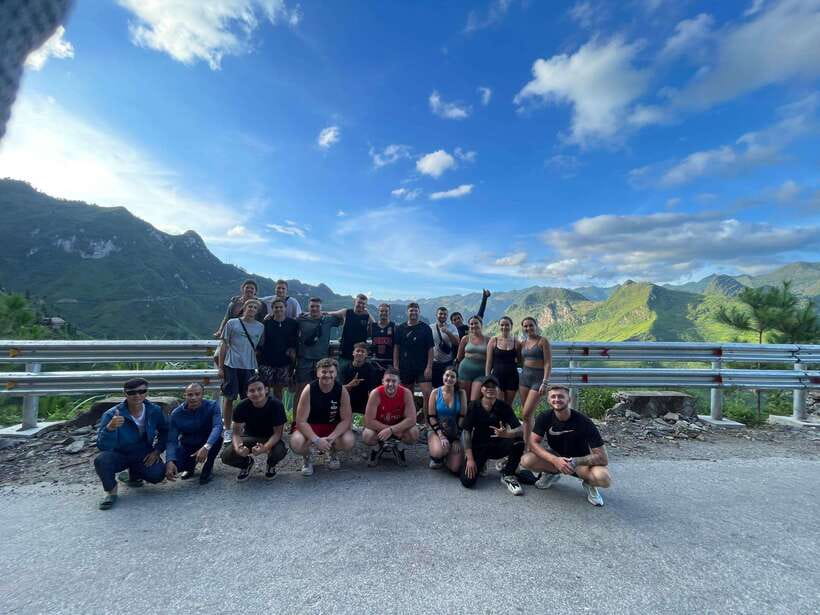
Day 2 begins after you check out of your homestay and have breakfast. Your first major hit is Dong Van market inside the Dong Van Old Town complex.
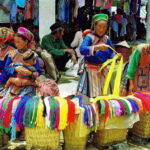
This market is described as the largest exchange of goods and culture in the rocky plateau area. Translation: it’s not only shopping. It’s where you see how people trade, meet, and move through daily life in the mountains.
Then the day shifts hard back into road drama. You’ll travel through some of the most majestic mountain passes, including a climb known as the cliff of death.
The cliff of death: why it feels intense (and why you still stop)
This is one of those routes that makes you understand why safety procedures exist. When a pass is labeled like that, it’s usually because the road is narrow, steep, or exposed.
Your guide and easy rider set the pace and line choice, and you’ll feel how much skill matters. Even if you don’t love adrenaline, you’ll still get the payoff: after you’ve crossed something so intense, the next viewpoint feels extra rewarding.
Ma Pi Leng: Panorama Viewpoint and Tu San defile from above
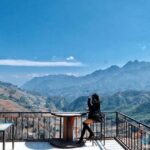
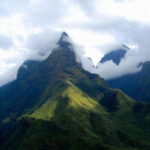
From there, you climb Ma Pi Leng Pass, and you’ll reach the Panorama Viewpoint at the top. The views are framed by mountains and terrace patterns that stretch into the distance.
Look down too. The route is famous for the Tu San defile, a deep cut through the mountains that’s visible below your feet. If you’re expecting a gentle scenic stop, you might be surprised by how steep and dramatic it is. That’s the point.
Mau Due lunch and the ride through rocky mountain passes
After Ma Pi Leng, you move to Mau Due for lunch, then continue through rocky passes. There’s a “ride and rest” rhythm here: you’ll stop to admire wild mountain views, then get back on the bike to push forward toward the final destination.
This day is about 120 km driving, but the real time can feel longer because of viewpoints and the nature of high-mountain roads.
Du Gia Waterfall: the swim break that makes the loop feel worth it
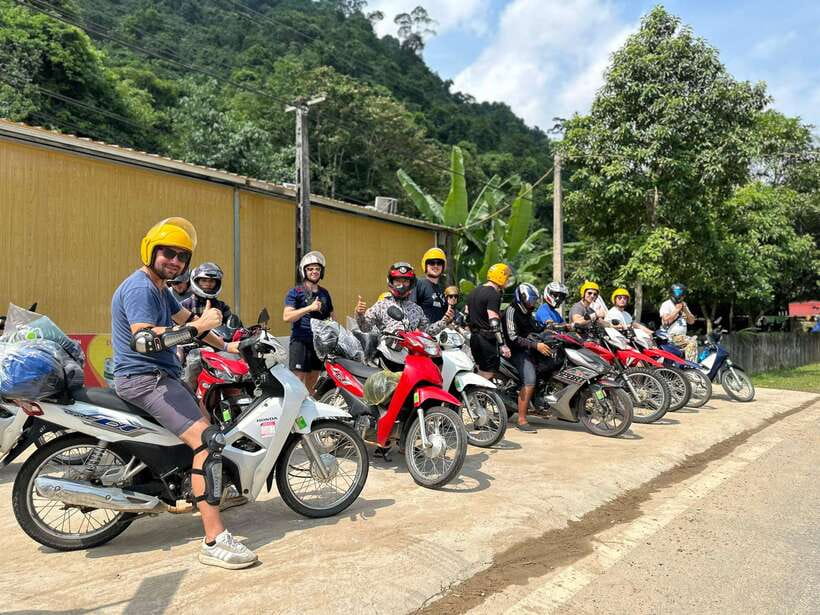
The last stretch of Day 2 takes you to Du Gia Village. This is where the tour shifts from “look at mountains” to “feel the mountains.”
You’ll visit Du Gia Village, and then the highlight arrives: swimming at Du Gia Waterfall. The description is clear—jumping into a waterfall in a deep green forest setting.
A few practical thoughts:
- Bring (or plan to carry) swim-ready gear you can dry later.
- Expect that water time means you’ll want a change of clothes afterward.
- You’ll likely come away feeling cooler and lighter, which helps because Day 3 still has driving.
This stop is also a mood reset. After passes and cliff views, it’s refreshing to have a “play” moment that still feels grounded in nature rather than a tourist stage.
Day 3: Duong Thuong Valley, Thuan Hoa, Song Lo Valley, and back to Ha Giang
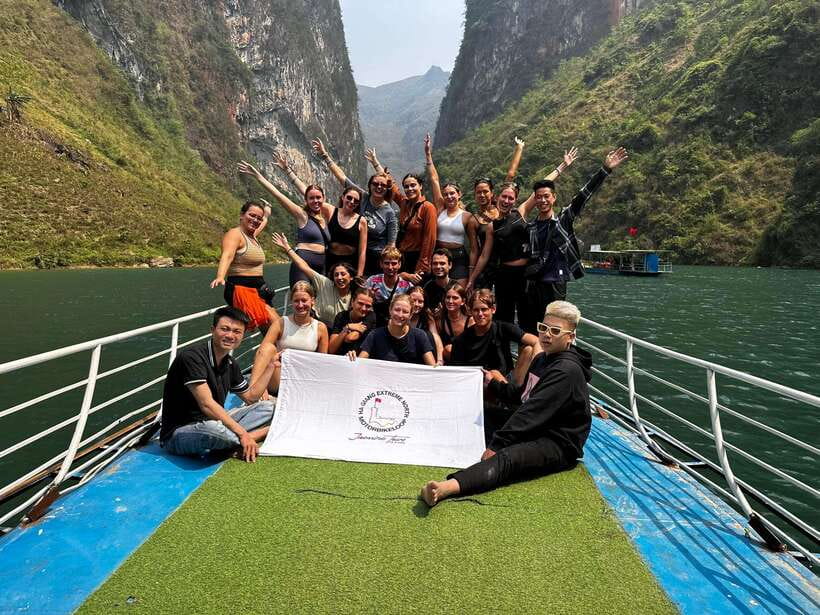
You start Day 3 with breakfast at Du Gia, then head south. The itinerary covers Duong Thuong Valley—wide fields with high winding passes—and then toward Thuong Street to Thuan Hoa.
The road continues through more mountainous terrain, including a section described as low and dangerous. That phrase matters. It’s a reminder that your pace here depends on the guide and easy rider, not your own expectations.
Then comes the payoff line in the middle of the route: you cross a pass along the Song Lo Valley to reach Ha Giang. From a travel experience standpoint, this is the “close the loop” feeling. Day 2 made you face the tallest, most dramatic cliffs. Day 3 brings you back down into valleys and wide views.
Lunch, downtime, and the midnight bus to Hanoi
Lunch is served in your hostel after you reach Ha Giang. After that, you have a few hours to visit a local village near the hostel or just rest.
The final leg is a bus back to Hanoi, with arrival around midnight. So don’t plan anything important the next morning that depends on great sleep. Plan something slow, late, or flexible.
Safety and packing: how to handle 350 km with included protection
This tour is about 350 km over 3 days, and the roads are part of the experience. The company treats safety as the top priority, with several built-in supports.
What’s included for rider safety and bad weather
You get:
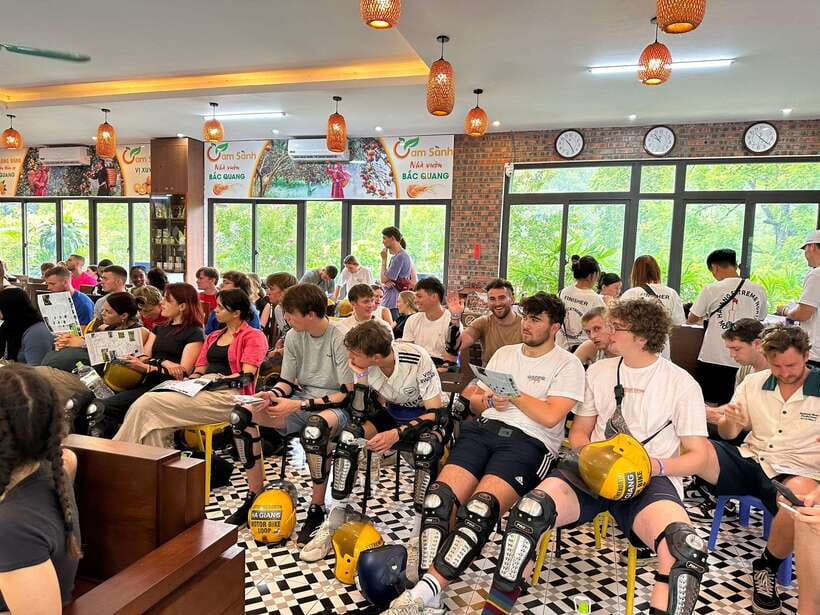
- Full or half-helmet
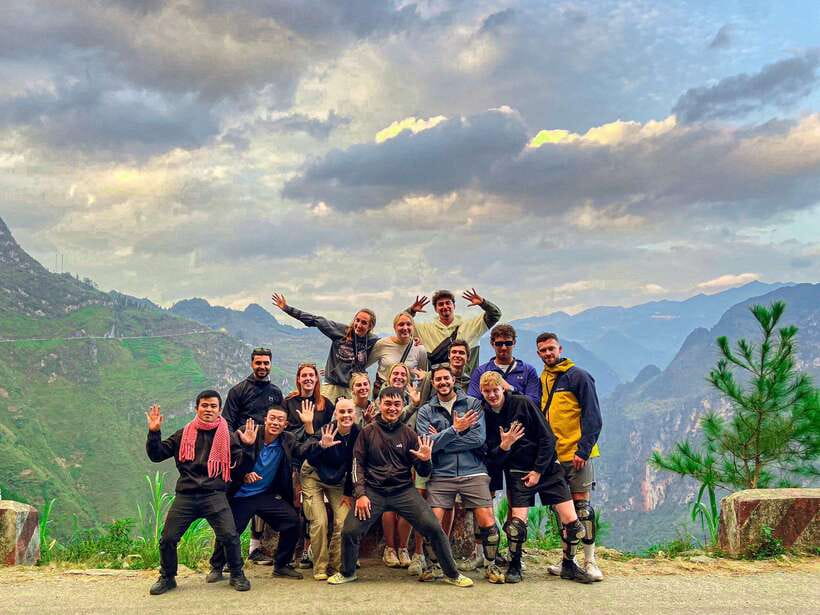
- Protective knee and elbow gear
- Basic rain clothes
- Bungee cords and a plastic cover for your bags
That’s a smart inclusion because Ha Giang weather can change fast, and you don’t want to start improvising.
Also, the tour is explicit: you’ll wear helmets at all times and follow the guide’s instructions. Do that and you’ll usually feel far more confident than you expected.
Packing strategy that makes the ride easier
Bring a small bag with essentials to carry during the ride. Large suitcases can stay in storage at a hostel in Ha Giang City.
This matters more than it sounds. When your bag is strapped properly and covered, you stop worrying about rain, dust, or items sliding around. Your attention stays on the view and the road.
Food and homestays: authentic, but plan for simple comfort
Meals are included as breakfast, lunch, and dinner based on the itinerary. Lunch also includes drinking water or soft drinks.
The food is local Vietnamese cuisine, and the idea here is to keep you moving without hunting for meals on the road. That’s a real value on a route where travel time eats your day.
Accommodation is a mix:
- Homestays with ethnic minority settings
- Basic guesthouses and a hotel mix
- Usually shared dorm bed if you arrive on a night bus
- A single room option may be available for an extra fee
So what should you expect? It’s not luxury. It’s the kind of place where you’ll trade some comfort for location and story. If you like meeting locals and don’t mind basic facilities, you’ll likely find these nights a highlight rather than a drawback.
If you’re the type who needs a lot of creature comforts, choose your room option carefully and bring what you need for sleep (a layer, earplugs if you’re sensitive, etc.).
Price and logistics: what the package does for you (and what it doesn’t)
Even without a single price listed here, the structure tells you how this tour delivers value.
You’re paying for a lot that usually adds up on your own:
- Two-way bus transfers (Sapa to Ha Giang, then Ha Giang to Hanoi)
- English-speaking guide and the riding team
- All meals as scheduled
- Accommodation through the loop days
- Japanese motorcycles
- Fuel costs
- Entrance tickets and permits
- Safety gear and basic rain protection
What’s not included is also important:
- Personal travel insurance (you should have it)
- Personal expenses
- Any optional upgrades like luxury bus (available on request)
- Surcharges during Xmas and Tet (50 US$ per person)
- If you want a different ride setup, easy riders are available on request
If you want a simple decision rule: this package is best value when you want the driving, food, permits, and sleeping handled for you. If you’re comfortable organizing all that yourself, you might find cheaper ways. But this loop is long and specific, so coordination matters.
Should you book this Ha Giang Loop motorbike tour?
Book it if you want:
- Guided passes like Quan Ba Heaven Gate and Ma Pi Leng without planning every turn
- A route that mixes viewpoints with cultural stops like Sa Phin and Dong Van’s Old Town fort
- An active break at Du Gia Waterfall, including swimming
- A built-in safety setup with helmets and protective gear
Skip it or rethink it if:
- You hate long riding days and prefer to stay mostly off the bike
- Basic homestays and guesthouses would stress you out
- You need a very predictable sleep schedule, since you ride back to Hanoi around midnight
If you’re game for the road and you like real mountain time—rice fields, markets, and cliff views—you’ll likely feel like this loop delivers more than the sum of its famous stops.
FAQ
What is the distance and duration of the Ha Giang Loop tour?
The tour is about 350 km (around 218 miles) over 3 days.
Where do you get picked up for the tour?
Pick-up is around 7:30 PM from your hotel or hostel in Sapa.
When do you arrive in Ha Giang and what happens before riding?
You arrive in Ha Giang in the early morning, then check in for a nap before the first riding day.
What are the main stops on the loop?
You’ll go through Quan Ba and Yen Minh, reach Dong Van Old Town (including the French-built fort), ride Ma Pi Leng Pass, visit Dong Van market, and end at Du Gia Village for the waterfall swim, then return via the Song Lo Valley.
Are meals included?
Yes. Breakfast, lunch, and dinner are included as indicated in the itinerary, and lunch includes drinking water or soft drinks.
What safety gear is included?
You’ll receive a full or half-helmet, protective knee and elbow gear, and basic rain clothes.
Is accommodation included?
Yes. Accommodation is included and is typically a mix of ethnic minority homestays and hotels/basic guesthouses. A single room may be available for an extra fee.
Are entrance tickets and permits included?
Yes. Entrance tickets and permits are included.
Is travel insurance included?
No. Personal travel insurance is not included.