REVIEW · SAPA TREKKING TOURS
Sleeper Bus Hanoi to Sapa
Book on Viator →Operated by Asia Travel Legend · Bookable on Viator
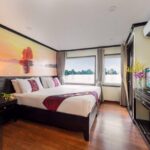
Hitting Sapa starts with a bus ride, and this one is set up like a sleeping hotel on wheels. I especially like the reclining beds feel, plus the onboard extras that make the trip easier: free bottled water and a sound system with DVD documentary-style content about Sapa. One possible drawback to keep in mind is that, as with any bus service, the exact onboard condition can vary, so do a quick berth check before you fully settle in.
You’ll get pickup around the Hanoi Old Quarter area (including 20 Hang Muoi), and you’re dropped at a central Sapa hotel area (Sapa May Hotel on Thach Son). The trip is listed as about 5 hours (times can shift with boarding and traffic), so you’re not stuck all day or all night—just long enough to get some rest and arrive ready.
If you’re trying to travel light and move efficiently between Hanoi and Sapa, this fits well. You do need to plan for food on your own, since food and drinks aren’t included—and that matters when you’re arriving hungry.
In This Review
- Key Things I’d Pay Attention To
- The Hanoi–Sapa Route, Without the Headache
- What “Luxury Sleeper Bus” Means Here (And What It Doesn’t)
- Pickup in Hanoi: Old Quarter Convenience With a Clock
- Sapa Drop-Off: Arrive Near a Real Basepoint
- On the Bus: How to Sleep, Not Just Sit
- Staff and Driving: Comfort Depends on Care
- Price and Value: Is $26.67 Worth It?
- Luggage and Seat Tips That Save Time
- Is This the Right Sapa Ride for You?
- Should You Book the Hanoi to Sapa Sleeper Bus With Asia Travel Legend?
- FAQ
- How long does the Hanoi to Sapa sleeper bus take?
- Where are the pickup and drop-off points in Hanoi and Sapa?
- What’s included in the ticket price?
- Are meals provided on board?
- Do I need a physical ticket?
- Can I get a refund if I cancel?
Key Things I’d Pay Attention To

- Reclining sleeper berths that make it easier to actually rest on the ride
- Onboard DVD + sound system so the journey feels less like dead time
- Pickup and drop-off in key areas (Hanoi Old Quarter and Sapa May Hotel)
- Free bottled water during the trip
- Two-level bus setup (upper and lower berths) if you prefer easier access
- Quality check on your berth in case upholstery or minor leaks are an issue
The Hanoi–Sapa Route, Without the Headache
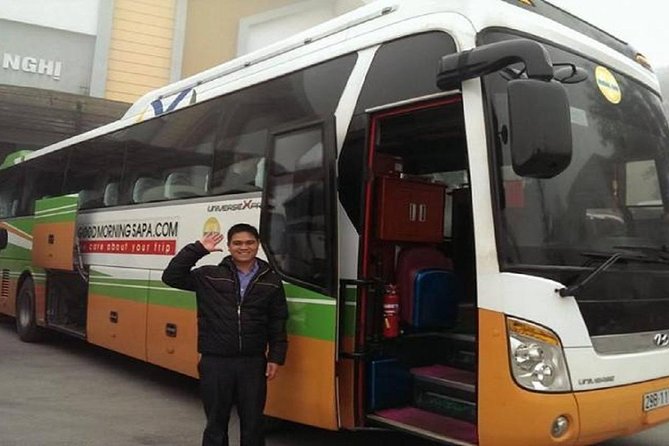
This Hanoi to Sapa trip is all about moving you between two hubs with minimal fuss. You’re starting in the Hanoi Old Quarter zone, then heading to the Sapa side at Sapa May Hotel (139 Thach Son). That matters because it reduces the time you spend dragging yourself across town with backpacks before you’re even in the mountains.
The schedule depends on direction. Going from Hanoi to Sapa, you meet around 6:45 AM, with pickup in the Old Quarter area and a morning arrival window around 12:30–13:30 PM in Sapa. Going the other way, you board in Sapa at about 3:30 PM and reach Hanoi around 9:00 PM, still with a drop-off back in the Old Quarter zone.
The ride is positioned as a one-way experience, with a shared transfer included. Translation: you might do a short connecting step before you’re fully on the sleeper bus, but it’s built into the ticket so you’re not piecing it together yourself.
You can also read our reviews of more tours and experiences in Hanoi.



What “Luxury Sleeper Bus” Means Here (And What It Doesn’t)

The bus is described as a luxury sleeping bus with 40 berths and an onboard sound system plus DVD. That’s a real plus for a long seated stretch—your brain has something to do besides watching the road go by in silence.
A helpful detail is that you’re offered free bottled water on board. It sounds small, but it’s one less thing to buy immediately at the end of the trip, especially if your arrival lands right near lunch or dinner time.
That said, “luxury” doesn’t mean meals. Food and drinks aren’t included, so you’ll want a simple strategy: eat before pickup if you can, or plan to grab something right after you arrive. If you’re traveling with a sensitive stomach, this matters even more—on these routes, the timing can be tight.
Also, the bus setup can include upper and lower levels, and some cabins are specifically on the lower deck. If you don’t love stairs or getting in and out in a cramped way, the lower deck can feel much more practical.
Pickup in Hanoi: Old Quarter Convenience With a Clock
The pickup plan is built around the Hanoi Old Quarter area. Your meeting point is listed near 15 Ng. Hàng Hành, Hàng Trống, Hoàn Kiếm, and pickup is also mentioned around 20 Hang Muoi in Hoan Kiem District. Practically, this is good news: it keeps you near where most first-timers are staying and reduces the time you spend hunting for a bus in the outer districts.
Meeting time is 6:45 AM for the Hanoi to Sapa direction. That’s early, but it also explains why the company can get you to Sapa by early afternoon. You’re basically trading a small morning wake-up for a simpler day on the Sapa side.
For the return trip, you’ll be collected from Sapa May Hotel (139 Thach Son). Then you drop back in Hanoi at 20 Hang Muoi, with arrival around 9:00 PM. This is the kind of schedule that can work for active planning—dinner in Hanoi, then sleep—without losing the entire evening to transit.
Tip for the early start: if you’re coming from a hotel farther from the pickup points, leave buffer time. You don’t want to be standing around at dawn trying to figure out which side street matches the address.
Sapa Drop-Off: Arrive Near a Real Basepoint
On the Hanoi to Sapa side, your arrival is to Sapa May Hotel, 139 Thach Son, with an arrival window around 12:30–13:30 PM. That timing is useful because it lands you in daylight, which makes it much easier to orient yourself before you head out.
Most of the “value” of a day arrival is that you can act quickly. You can check in, get cash, eat something, and plan your first walk without needing to rely on night navigation. In Sapa, where roads can be steep and lanes can feel narrow, that first-day clarity is underrated.
For the return direction, the drop-off back at 20 Hang Muoi means you’re not stranded on the far edge of Hanoi. It’s a practical end point that’s easy to reach from by foot or short rides, depending on where you’re staying.
On the Bus: How to Sleep, Not Just Sit
The main point of a sleeper bus is sleep comfort, not just transportation. This one is built with reclining beds and a larger number of berths (40). In a good scenario, that makes it easier to find a berth that fits your body and helps you do more than lightly doze.
From what’s been shared about the onboard experience, the beds are often described as soft and clean, and the staff is usually attentive about helping with seating if you’re unsure. That’s important because the first few minutes of settling in can make or break the ride. If you end up with an awkward angle or you’re blocked from getting comfortable, you won’t recover later.
The onboard DVD and sound system are there to pass time and give context about Sapa. I’d treat it like a bonus, not a must. If you prefer quiet, bring earplugs. If you enjoy learning in transit, it’s a nice way to get oriented without doing extra work when you arrive.
One more detail: since the service includes free bottled water, you can plan to sip during the ride. Dehydration creeps up faster than you think during long transit, especially if you’re switching between cooler mountain air and lower elevations.



Staff and Driving: Comfort Depends on Care
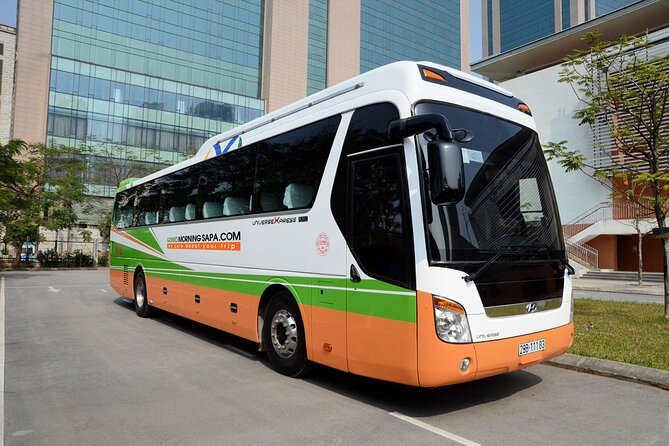
This experience leans heavily on the human side: experienced and thoughtful drivers and staff who are ready to help foreign travelers. English support is mentioned as a positive point, and people describe staff as friendly and professional, including helping when someone felt confused about their seat.
That matters because sleeper-bus problems usually start small. It might be a berth issue, a confusion about where to sit, or trouble figuring out how to get in and out without bothering others. When staff respond quickly, the ride stays calm and comfortable.
The driving style is also part of the comfort picture. There are reports of smooth, safe travel, including not feeling like the bus is bouncing around aggressively. When you’re trying to sleep, that smoothness is the difference between actual rest and “I closed my eyes but I was never relaxed.”
Price and Value: Is $26.67 Worth It?
At about $26.67 per person for a one-way bus ride, the value is mostly about what you get bundled in. You’re not only paying for seats. You’re paying for air-conditioning, a shared transfer, pickup and drop-off near key areas, plus onboard basics like bottled water and entertainment on board.
The ride duration is listed as about 5 hours, which means you’re buying time efficiency. You don’t have to manage an itinerary with multiple steps, ticket counters, and transfers. You also don’t have to find a local taxi arrangement right at the start of your trip.
Where value can shift is based on your comfort priorities. If you really want a perfectly fresh, spotless berth every time, you may want to be cautious. One complaint highlighted issues like an older-looking bus condition and even water leakage through the roof. You can’t plan for every bad luck scenario, but you can reduce risk by doing a quick check the moment you board and asking for a different berth if something feels off.
Bottom line: if you’re okay with a bus-style environment and want the convenience of a direct, structured ride with pickup and drop-off, the price looks fair.
Luggage and Seat Tips That Save Time

Even when transit runs smoothly, luggage mishaps can happen. One shared account described luggage being mixed up with another customer. That’s not something you can fully control, but you can protect yourself.
Here’s what I suggest:
- Label your bag clearly (name + phone if possible).
- Keep small essentials on you (passport/ID, charger, a layer for temperature changes).
- When you arrive, verify your luggage immediately before walking away, especially if there are many bags handled at once.
Seat-wise, take five minutes when you board. If the lower deck is available and you prefer less stairs, choose accordingly. If you’re sensitive to noise, consider where the sound system will be closest and bring earplugs.
Finally, bring something small for comfort: a travel pillow or blanket. Even when beds are described as soft, you’ll sleep better if you control your personal comfort setup.
Is This the Right Sapa Ride for You?
This sleeper bus is a good match if you want:
- Convenient pickup and drop-off in the Old Quarter area and near a Sapa hotel base
- A ride where you can actually rest with reclining berths
- Onboard support in terms of helpful staff and an English-friendly approach
It’s also a decent choice if you’re traveling with a simple plan: arrive, grab food, check in, and head out for Sapa sights. The arrival window (early afternoon) suits daytime exploring.
If you’re the type who needs a perfectly spotless vehicle and hates any uncertainty about onboard condition, go in with a smart habit: check your berth and request a change right away if anything seems wrong.
Should You Book the Hanoi to Sapa Sleeper Bus With Asia Travel Legend?
I’d book this when your top priorities are convenience, a comfortable reclining ride, and an easy handoff from Hanoi Old Quarter to Sapa’s central hotel area. The combination of pickup service, a short one-way duration, onboard water, and a “sleep and arrive” setup is exactly what makes the trip feel efficient.
I wouldn’t treat it like a guaranteed high-end hotel experience on wheels. Bus services can vary. Your best move is simple: do a quick berth check at boarding, keep essentials on you, and set your expectations to match a practical sleeper-transport option.
If that fits your style, this is a solid value way to get from Hanoi to Sapa.
FAQ
How long does the Hanoi to Sapa sleeper bus take?
The duration is listed as about 5 hours (approx.). In practice, the schedule shows a morning pickup around 6:45 AM and an arrival window around 12:30–13:30 PM.
Where are the pickup and drop-off points in Hanoi and Sapa?
For Hanoi to Sapa, pickup is around the Old Quarter area including 20 Hang Muoi, and you’re dropped at Sapa May Hotel, 139 Thach Son. For Sapa to Hanoi, pickup is at Sapa May Hotel and drop-off is back at 20 Hang Muoi.
What’s included in the ticket price?
Included features are an air-conditioned vehicle and a one-way shared transfer. The service also offers free bottled water on the bus.
Are meals provided on board?
No. Food and drinks are not included.
Do I need a physical ticket?
No. A mobile ticket is offered.
Can I get a refund if I cancel?
No. This experience is non-refundable and cannot be changed for any reason.